- Log in
-
- Sydney Overseas Office
- London Overseas Office
- Toronto Overseas Office
- Los Angeles Overseas Office
- New York Overseas Office
- Ulaanbaatar Overseas Office
- Dubai Overseas Office
- New Delhi Overseas Office
- Manila Overseas Office
- Jakarta Overseas Office
- Hanoi Overseas Office
- Kuala Lumpur Overseas Office
- Singapore Overseas Office
- Bangkok Overseas Office
- Map
- Sydney Overseas Office
- London Overseas Office
- Toronto Overseas Office
- Los Angeles Overseas Office
- New York Overseas Office
- Ulaanbaatar Overseas Office
- Dubai Overseas Office
- New Delhi Overseas Office
- Manila Overseas Office
- Jakarta Overseas Office
- Hanoi Overseas Office
- Kuala Lumpur Overseas Office
- Singapore Overseas Office
- Bangkok Overseas Office
- HOME
- Contents View
-
-
-
Discover Korea’s Culture & Heritage Through Gyeongju
-
09/30/2025
-
13.8K
18
11
-
-
Korea_Tourism
Gyeongju
world_heritage
Seokguram_Grotto
Bulguksa_Temple
-
-
-

Korea is a unique country where the past and the present blend harmoniously together, a testament to its 5,000-year history. The country’s colorful four seasons and rich cultural heritages present an unforgettable experience to business travelers and tourists alike.
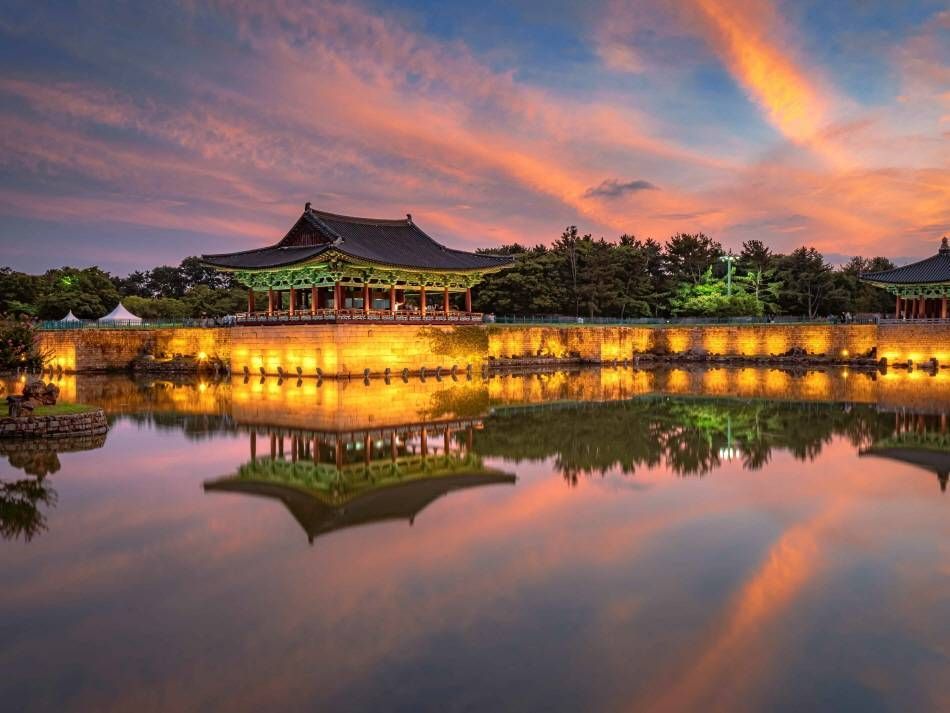
Donggung Palace and Wolji Pond, Gyeongju (경주 동궁과 월지)
In today’s world, Korea’s diverse culture—spanning from popular culture such as K-pop, films, and dramas to elements of cultural identity like arts, Hangeul, and Hanbok—is gaining global attention. Read on to discover Korea’s distinctive charms and Gyeongju, a city of a thousand years and the host city of APEC 2025 Korea.
Korean Art: The Beauty of NaturalnessFrom the Paleolithic period onward, the Korean Peninsula has been continuously inhabited, and through antiquity, the medieval period, and the early modern era, Korea developed a distinctive culture and emerged as a major civilization in East Asia.
While sustaining a shared universality of East Asian culture, the essence of Korean art is defined by its distinctive and original beauty. Across all genres and periods, two defining national qualities emerge as a continuous thread: an understated, nature-attuned beauty that privileges the natural over the artificial, and a warm humanism in which the human touch is ever present.
A man of letters from the Goryeo period encapsulated this Korean aesthetic in a refined dictum: “humble yet not undignified, and splendid yet not extravagant.”
-
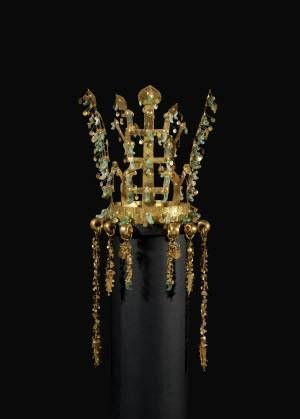
Silla Gold Crown from Hwangnamdaechong Tomb North Mound(Photo Credit: Gyeongju National Museum)
-
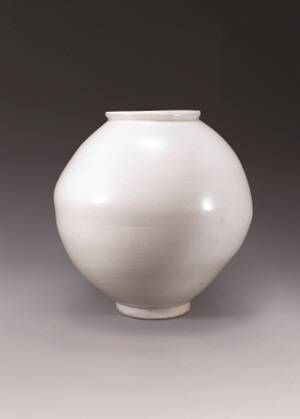
White Porcelain Moon Jar (A private collection, Photo Credit: National Palace Museum of Korea)
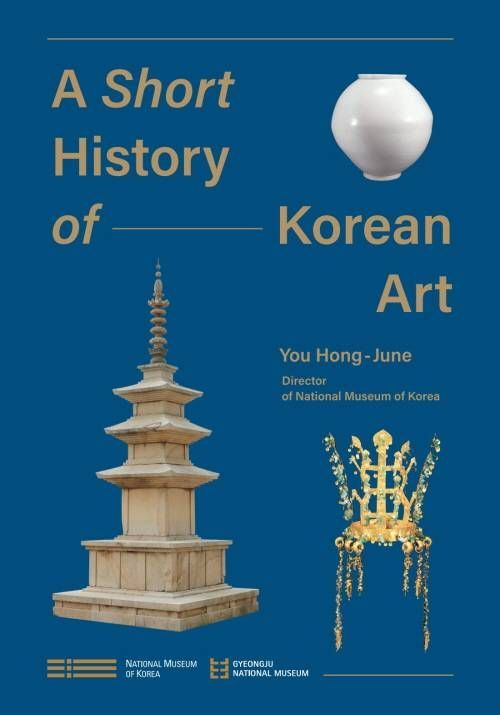
A Short History of Korean ArtArt and history—a short journey in search of beauty carrying the spirit of its time
By National Museum of Korea, Gyeongju National Museum[Foreword] You Hong-June (Director of National Museum of Korea) This booklet is intended for first-time visitors to Korea and for international readers interested in Korean culture. Through works of art, it introduces the nation’s history and cultural traditions. Accompanied by representative images from each period and genre, this booklet is concisely written and elegantly designed so that international readers can readily engage with the trajectory of Korean history and appreciate the essence of its aesthetics.
A Short History of Korean ArtArt and history—a short journey in search of beauty carrying the spirit of its time
By National Museum of Korea, Gyeongju National Museum[Foreword] You Hong-June (Director of National Museum of Korea) This booklet is intended for first-time visitors to Korea and for international readers interested in Korean culture. Through works of art, it introduces the nation’s history and cultural traditions. Accompanied by representative images from each period and genre, this booklet is concisely written and elegantly designed so that international readers can readily engage with the trajectory of Korean history and appreciate the essence of its aesthetics.
Hangeul, the Globally Recognized Root of K-contentHunminjeongeum, the original name for Hangeul, was created in 1443 by King Sejong out of compassion for the common people who could not read or write. The name "Hunminjeongeum" means "the proper sounds for the instruction of the people." It is the only writing system in the world whose creator, purpose, and date of creation are clearly known. Since the 20th century, it has been called Hangeul. With the global rise of K-content, there has been a significant increase in the number of foreigners learning Hangeul and the Korean language.
Why not learn the beautiful Korean alphabet, Hangeul, and the Korean language alongside K-pop?
Let’s learn Hangeul with a song by AKMU, which was made to celebrate Hangeul Day.
Learn ‘Ga Na Da’ with K-pop#AKMU_가나다같이Let’s learn Korean expressions you can use right away when traveling in Korea or meeting new friends—together with K-pop idols!
Learn Korean Expressions with K-pop Idol NU'EST’s AARON#Greetings: Introducing YourselfLearn Korean Expressions with K-pop Idol NU'EST’s AARON#Greetings: Introducing YourselfLearn Korean Expressions with K-pop Idol DAY6#Shopping: Must-Buy Souvenirs from KoreaLearn Korean Expressions with K-pop Idol DAY6#Shopping: Must-Buy Souvenirs from KoreaLearn Korean Expressions with K-pop Idol ONF#Giving Directions: Where is the Subway Station?Learn Korean Expressions with K-pop Idol ONF#Giving Directions: Where is the Subway Station? Want to learn more?
Visit the official YouTube channel of the King Sejong Institute Foundation:
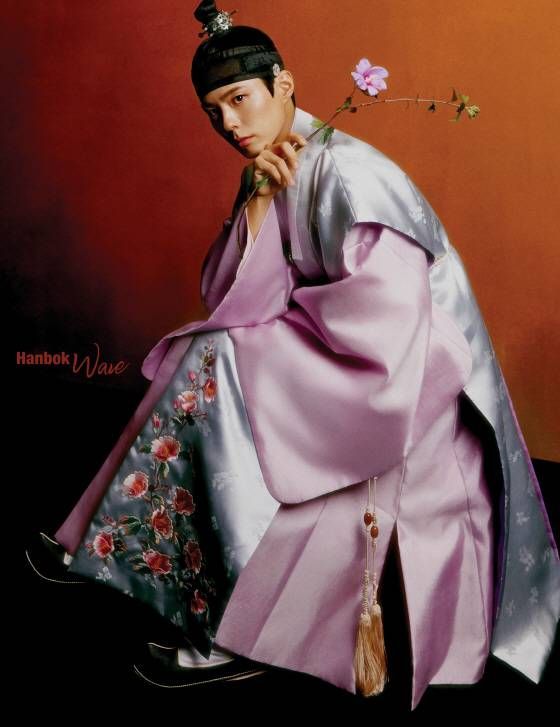
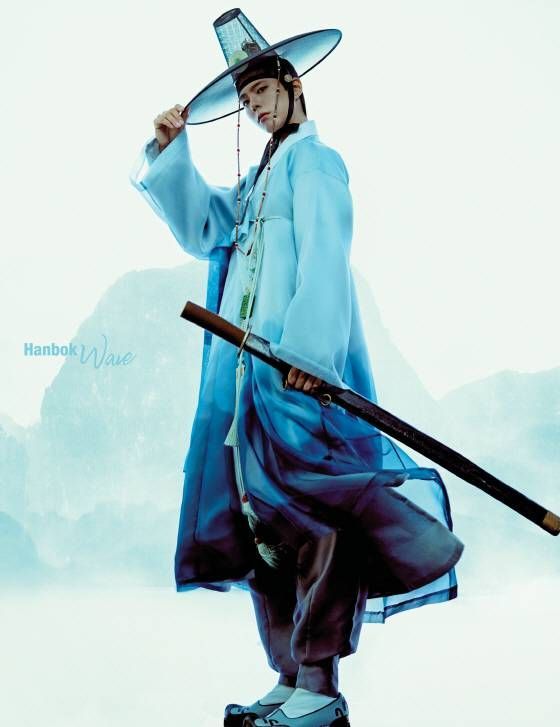
Click to visit >>Hanbok, the Traditional Clothing of KoreaWith actor Park Bo-gum, the muse of Hanbok designers — blending tradition and modern eleganceHanbok has been worn by the Korean people in the same basic form for over 5,000 years, while continuously evolving in harmony with the trends, lifestyles, and aesthetic tastes of the times. The most familiar hanbok style is that of the mid-to-late Joseon Dynasty, celebrated for its fitted tops and voluminous lower silhouette.
Hanbok consists of distinct upper and lower garments.
Men’s hanbok includes baji (pants), jeogori (jacket), jokki (vest), and po (overcoat).
Women’s hanbok includes sokchima (inner skirt), geotchima (skirt), jeogori, and po.Accessories such as gat (men’s hat), norigae (women’s ornaments), banji (rings), and dwikkoji (hairpins) complete hanbok’s artful and timeless expression.
Today, hanbok continues to embody the beauty of tradition and embrace modern sensibilities, gaining popularity in diverse and inspiring forms that carry its legacy into the future.
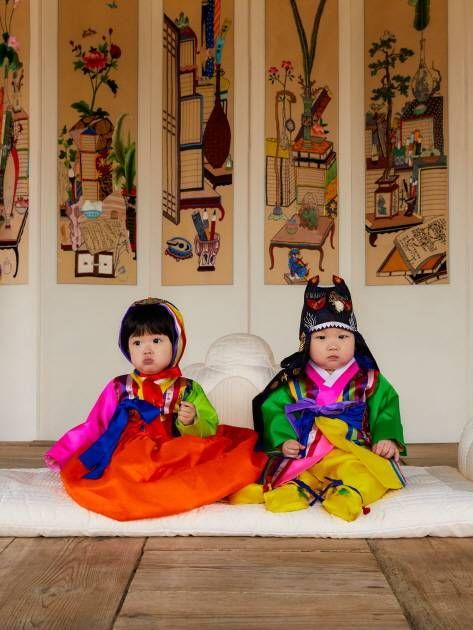
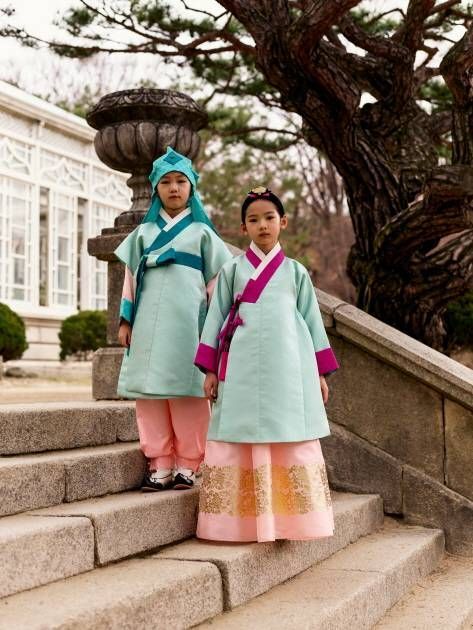
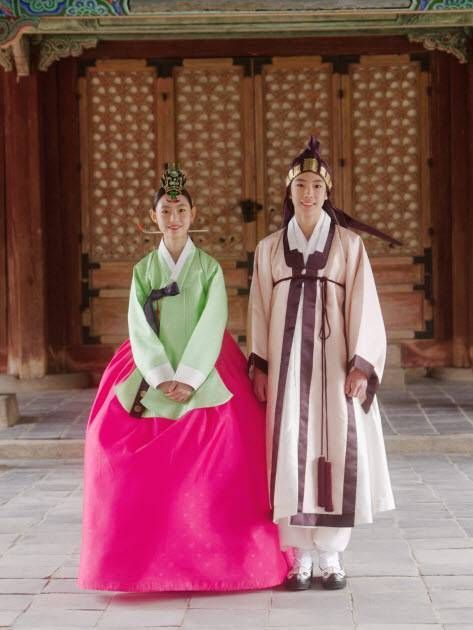
Traditional Hanbok worn on one’s first birthday, during childhood, and coming-of-age ceremonyGyeongju Reimagined: From Silla’s Legacy to Modern TrendsOften called “Museum without Walls,” Gyeongju is a living testament to Korea’s rich history, offering visitors a chance to explore temples, pagodas, palaces, royal tombs, and much more. It boasts several UNESCO World Heritage sites, including Bulguksa Temple, built with excellent architectural methods; Seokguram Grotto, the world’s only granite-carved grotto; Gyeongju Historic Area; and Yangdong Village, offering visitors a journey through time.
Currently, Gyeongju is gaining worldwide attention as the host city of the APEC (Asia-Pacific Economic Cooperation) 2025 Economic Leaders' Meeting. Explore the multifaceted city of Gyeongju, where the past and the present coexist!
Must-Visit Attractions#UNESCO_World_Heritage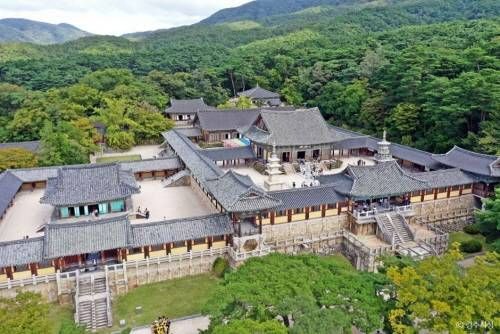
Gyeongju Bulguksa Temple [UNESCO World Heritage]
(경주 불국사 [유네스코 세계유산])]- Credit: Photo Korea - Anjinho Film

Gyeongju Historic Area [UNESCO World Heritage]
(경주역사유적지구 [유네스코 세계문화유산]) - Credit: Photo Korea - Live studio
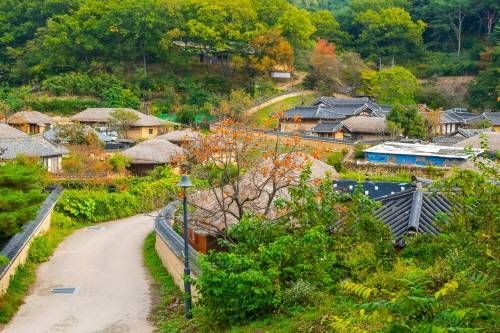
Gyeongju Yangdong Village [UNESCO World Heritage]
(경주 양동마을 [유네스코 세계유산]) 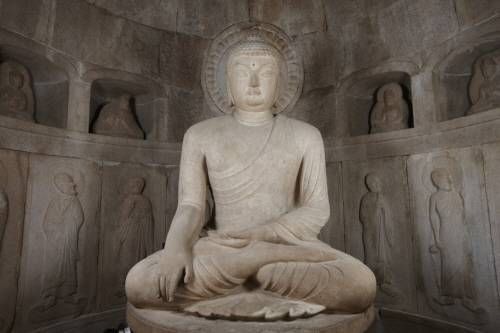
Gyeongju Seokguram Grotto [UNESCO World Heritage]
(경주 석굴암 [유네스코 세계문화유산])
#Loved_by_Locals_and_Visitors- Credit: Photo Korea - Kim Seong-Cheol
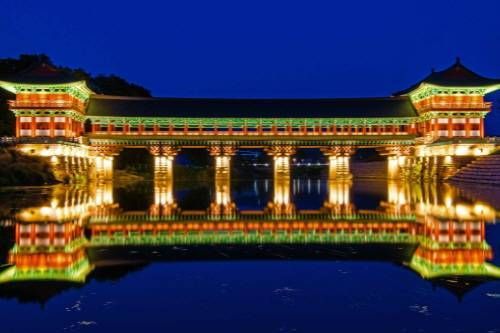
Woljeonggyo Bridge
(월정교) - Credit: Photo Korea - Anjinho Film
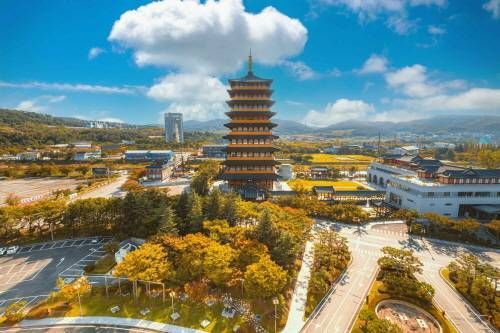
Hwang Ryong Won
(황룡원) 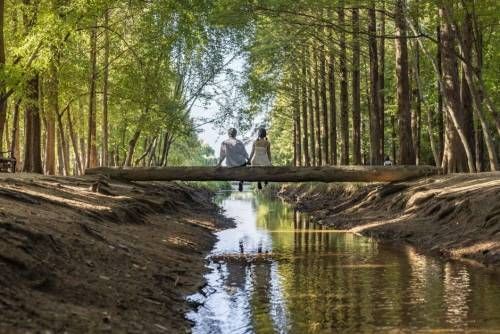
Gyeongbuk Millennium Forest Garden
(경북천년숲정원)
- Credit: Photo Korea - Hwang Sunghoon
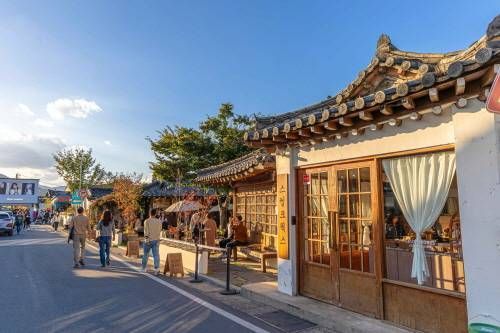
Gyeongju Hwangnidan Street
(경주 황리단길) - Credit: Photo Korea - Anjinho Film
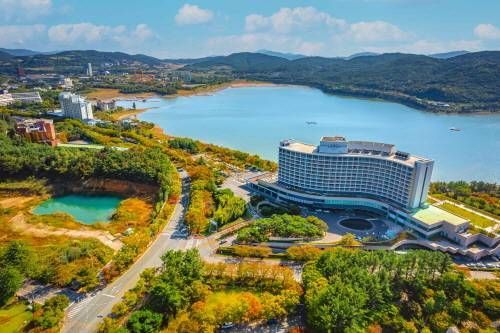
Bomun Tourist Complex
(경주보문관광단지) 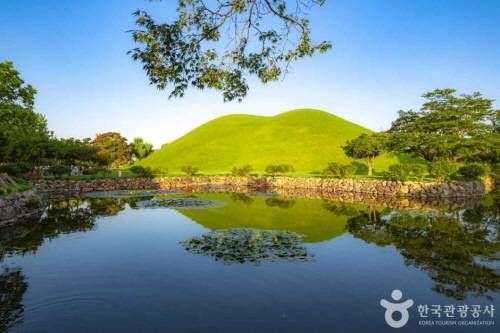
Gyeongju Daereungwon Ancient Tomb Complex
(경주 대릉원 일원)
#Loved_by_Locals_and_Visitors- Credit: Photo Korea - Kim Seong-Cheol
Woljeonggyo Bridge
(월정교) - Credit: Photo Korea - Anjinho Film
Hwang Ryong Won
(황룡원) -
Gyeongbuk Millennium Forest Garden
(경북천년숲정원) - Credit: Photo Korea - Hwang Sunghoon
Gyeongju Hwangnidan Street
(경주 황리단길)
- Credit: Photo Korea - Anjinho Film
Bomun Tourist Complex
(경주보문관광단지) -
Gyeongju Daereungwon Ancient Tomb Complex
(경주 대릉원 일원)
Recommended Courses
#Easy-to-Follow_Travel_Plans-
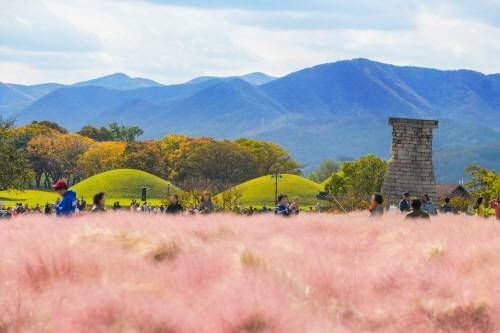 The Ultimate 2-Day Gyeongju Itinerary
Recommended course: Najeong Beach – Gyeongju Expo Grand Park (Solgeo Art Museum) – Daereungwon Ancient Tomb Complex – Cheomseongdae Observatory – Woljeonggyo Bridge Credit: Photo Korea - Dododream
-
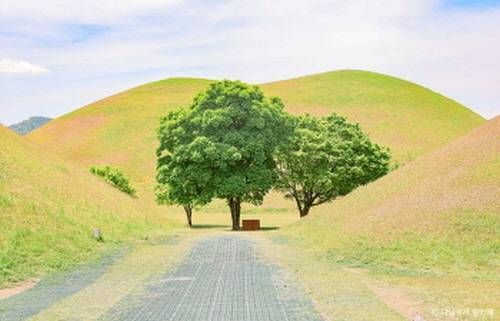 Pedaling Through Time: A Bike Tour Guide to Gyeongju
Recommended bike tour itinerary with rentals available near the Daereungwon Ancient Tomb Complex: Daereungwon Ancient Tomb Complex → Five Royal Tombs → Hwangnyongsa Temple History and Culture Hall → Gyeongju National Museum
#From_City_Streets_To_Coastal_Streets-
 ATEEZ's Pick: Hwangnidan Street in Gyeongju
Hwangnidan Street is the new hangout in Gyeongju that has been rising in popularity. Originally one of the many alleyways in the Hwangnam-dong area known as “Hwangnam Keungil” (Big Street in Hwangnam), the alley became a hipster hangout with restaurants, cafes, and photo studios housed in renovated hanok (traditional Korean house) buildings.
-
 Gyeongju Coastal Walk: A King’s Legend Trail
This coastal route along the East Sea offers a journey through both history and nature, centered on the legacy of King Munmu of Silla, who unified the Three Kingdoms. Highlights include the ruins of a seaside temple built to defend against naval invasions, a legendary underwater royal tomb, a beach where visitors make wishes toward the king’s resting place, and a scenic trail overlooking dramatic columnar joint.
- 1330 Korea Travel Helpline: +82-2-1330
- 1330 Text Chat: https://m.site.naver.com/1rEid
- (Korean, English, Japanese, Chinese, Russian, Vietnamese, Thai, and Indonesian)
* This column was last updated in October 2025, and therefore information may differ from what is presented here. We advise you to check for updates before visiting.
-


Start a FREE Online Call
(No charges for calls on Wi-Fi /
Data charges may apply)

Open 1330 Helpline Chat(Download not required)