- Log in
-
- Sydney Overseas Office
- London Overseas Office
- Toronto Overseas Office
- Los Angeles Overseas Office
- New York Overseas Office
- Ulaanbaatar Overseas Office
- Dubai Overseas Office
- New Delhi Overseas Office
- Manila Overseas Office
- Jakarta Overseas Office
- Hanoi Overseas Office
- Kuala Lumpur Overseas Office
- Singapore Overseas Office
- Bangkok Overseas Office
- Map
- Sydney Overseas Office
- London Overseas Office
- Toronto Overseas Office
- Los Angeles Overseas Office
- New York Overseas Office
- Ulaanbaatar Overseas Office
- Dubai Overseas Office
- New Delhi Overseas Office
- Manila Overseas Office
- Jakarta Overseas Office
- Hanoi Overseas Office
- Kuala Lumpur Overseas Office
- Singapore Overseas Office
- Bangkok Overseas Office
- HOME
- Where to Go
- Suggested Itineraries
- Details
-
Gyeongju Coastal Walk: A King’s Legend Trail
-
854
-
0
3
This coastal route along the East Sea offers a journey through both history and nature, centered on the legacy of King Munmu of Silla, who unified the Three Kingdoms. Highlights include the ruins of a seaside temple built to defend against naval invasions, a legendary underwater royal tomb, a beach where visitors make wishes toward the king’s resting place, and a scenic trail overlooking dramatic columnar joint. It’s the perfect route for those seeking to enjoy cultural heritage and natural beauty in a single trip.
Gyeongju
history_tradition
world_heritage
archaeological_site
sea
trekking
-
icon
Gyeongju
Total distance: Approx. 9.8 km
-
-
Recommended Course
-
1
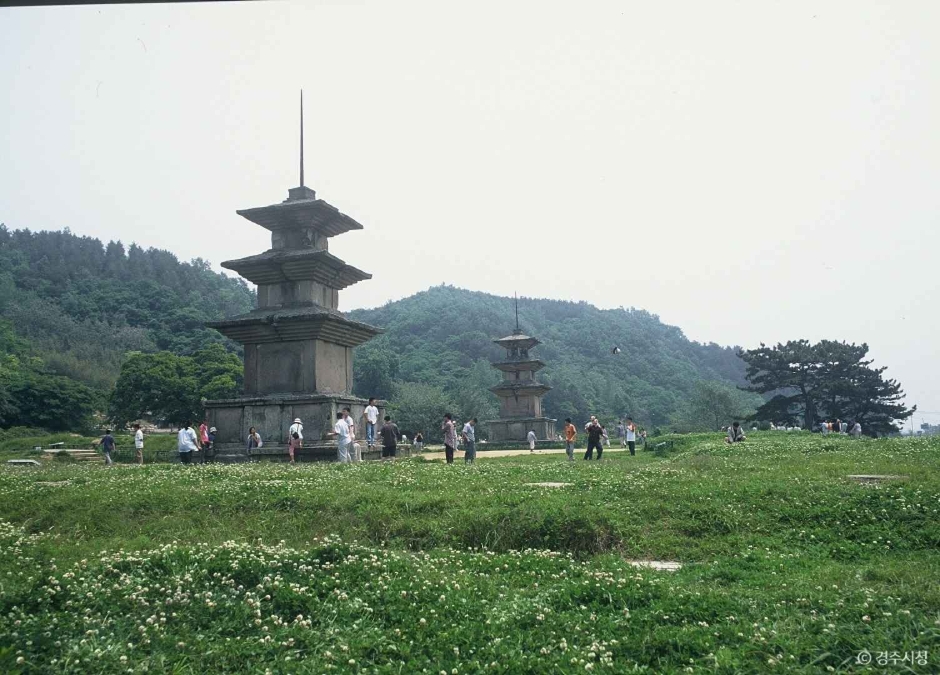
Gameunsaji Temple Site (경주 감은사지)
The Gameunsa Temple Site was founded by King Munmu of Unified Silla to ward off maritime invasions through the power of Buddhism. Today, only two large three-story stone pagodas remain—among the largest of their kind in Korea. Set in a vast and tranquil field, the serene surroundings and the pagodas’ grandeur allow visitors to quietly reflect on the historical weight of the site.
-
2
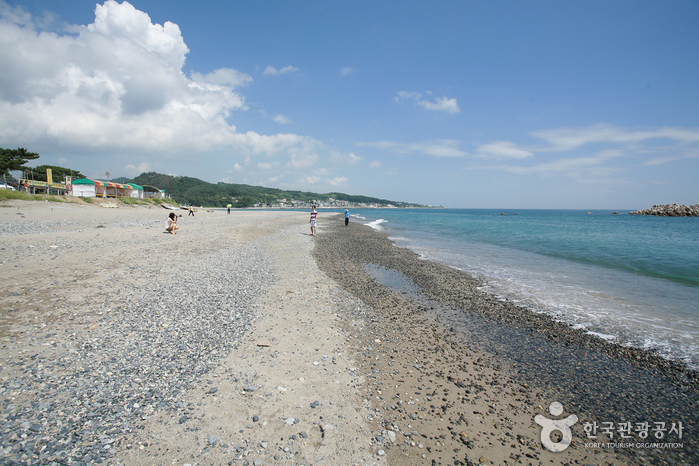
Bonggil Daewangam Beach (봉길대왕암해변)
Less crowded than other beaches along the East Coast, this beach is ideal for those looking to enjoy the sea at a more relaxed pace. About 200 meters offshore lies the underwater tomb of King Munmu.
-
3
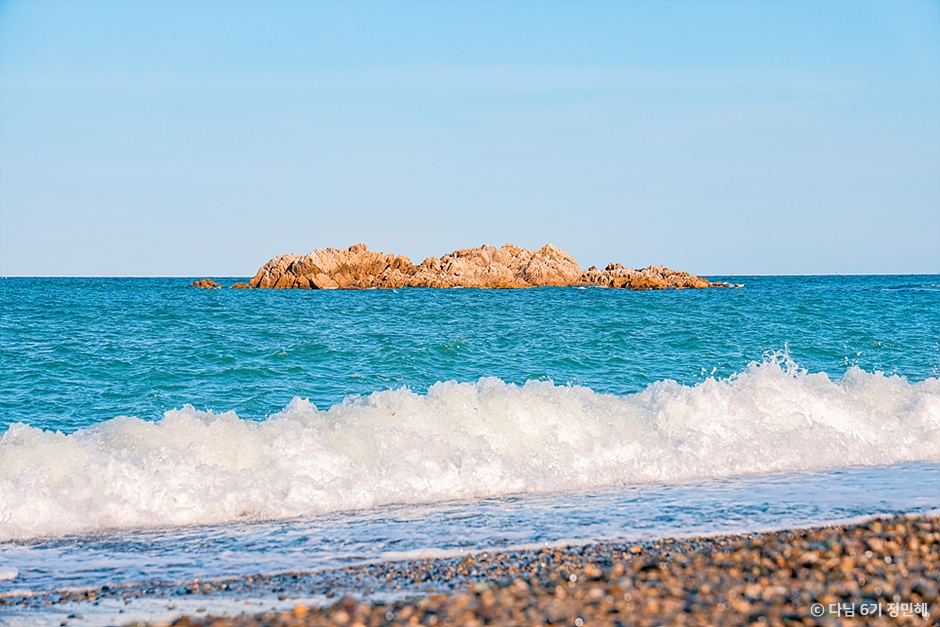
Tomb of King Munmu (경주 문무대왕릉)
This is the world’s only underwater tomb, built as a rocky islet in the middle of the sea. It was constructed in accordance with the dying wish of King Munmu of Silla, who vowed to become a dragon after death to protect the kingdom.
-
4
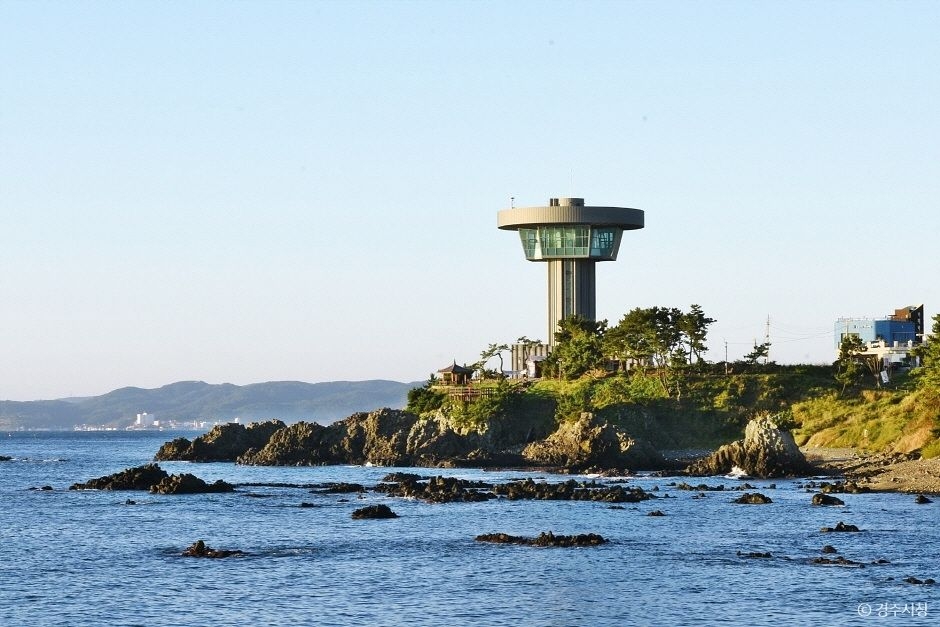
Padosori Trail (파도소리길)
This 1.7-kilometer-long trail along the East Coast is well maintained, with wooden walkways, pavilions, benches, and a suspension bridge. As you walk, you can enjoy the sound of the waves and observe the diverse geological formations of the Columnar Joint in Yangnam, Gyeongju.
-
-
map
-
Recommended travel tips
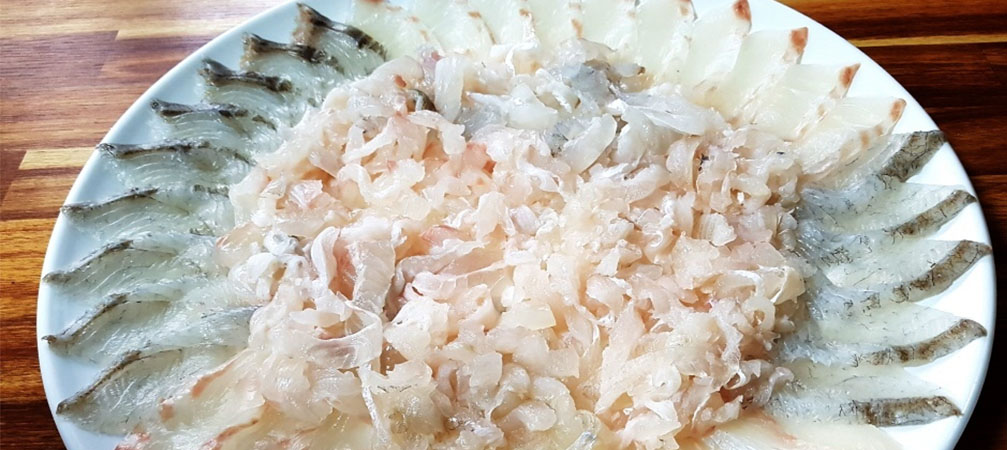
Galmaegi Hoetjip
This seafood restaurant boasts stunning ocean views through its large windows. The signature set menu includes hwareohoe (sliced raw fish), jeonbokhoe (sliced raw abalone), meongge (sea squirt), gajamigui (grilled flounder), and maeuntang (spicy fish stew). Other seafood specialties include jayeonsan modeumhoe (assorted sliced raw wild fish), mulhoe (cold raw fish soup), jangeogui (grilled eel), and gwamegi (half-dried saury).
* VISITKOREA does not guarantee the quality of products or services introduced on this page and is not responsible for any direct or indirect loss resulting from use of said products or services.
Did you like this course? Leave a rating!