
Current language
English
- Log in
-
- Sydney Overseas Office
- London Overseas Office
- Toronto Overseas Office
- Los Angeles Overseas Office
- New York Overseas Office
- Ulaanbaatar Overseas Office
- Dubai Overseas Office
- New Delhi Overseas Office
- Manila Overseas Office
- Jakarta Overseas Office
- Hanoi Overseas Office
- Kuala Lumpur Overseas Office
- Singapore Overseas Office
- Bangkok Overseas Office
- Map
Popular search
- Sydney Overseas Office
- London Overseas Office
- Toronto Overseas Office
- Los Angeles Overseas Office
- New York Overseas Office
- Ulaanbaatar Overseas Office
- Dubai Overseas Office
- New Delhi Overseas Office
- Manila Overseas Office
- Jakarta Overseas Office
- Hanoi Overseas Office
- Kuala Lumpur Overseas Office
- Singapore Overseas Office
- Bangkok Overseas Office
-
-
-
Your First Meal After Landing: A Korean Food Journey Starting in Daegu and Cheongju
-
10/23/2026
1.6K
-
4
1
-
-
Daegu
Cheongju
restaurant
Korean_cuisine
-
-
-
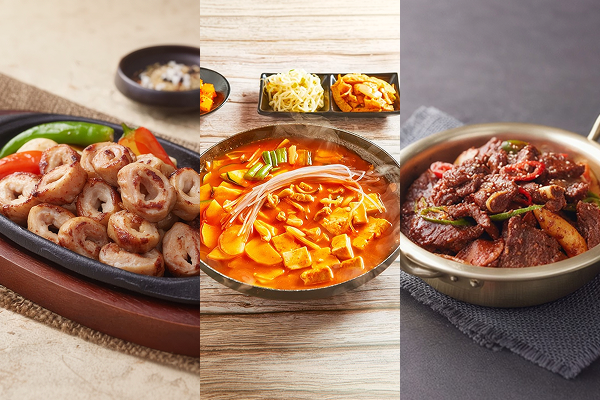
Does a trip to Korea have to start in Seoul? Some trips let you start exploring local cuisine as soon as you land. Fly into a regional airport, and the city where you land becomes the first stop on your food journey.Daegu International Airport is an urban airport located close to the city center. Daegu is known as the city of the “10 Flavors,” and it is also a gateway to Gyeongju and Andong. At Cheongju International Airport, the gateway to central Korea, Cheongju’s local food awaits. Here’s a taste of two cities you can reach by air: Daegu and Cheongju!Daegu: The “10 Flavors” Waiting for You on ArrivalDaegu International Airport is close to downtown, so getting into the city after you land is easy. You can start your food journey by taxi, by bus, or by transferring to the metro. Daegu also has a well-known phrase, “Daegu 10 Mi” (the 10 Flavors of Daegu). These are ten signature dishes selected by the City of Daegu in 2006 based on their history and local character. Each one reflects the lives and tastes of Daegu’s people. Let’s start with three of them!
Grilled Pork Intestines (Makchanggui)
View more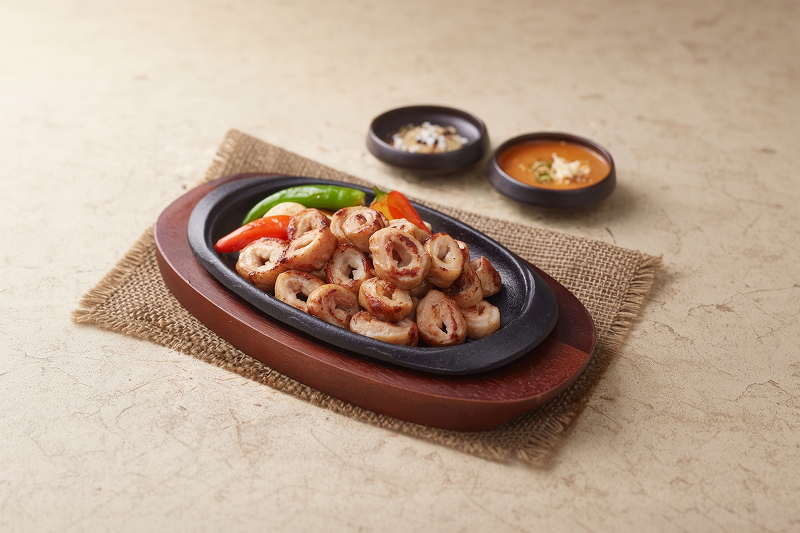 No trip to Daegu is complete without it. Makchang, the intestines of beef or pork, is grilled until golden brown, bringing out a chewy, savory flavor. It may feel unfamiliar at first, but one bite will show you why Daegu locals are so proud of it. Gathering around the grill with your loved ones is an added pleasure!
Yeonmakchang Daegu Main Store
View more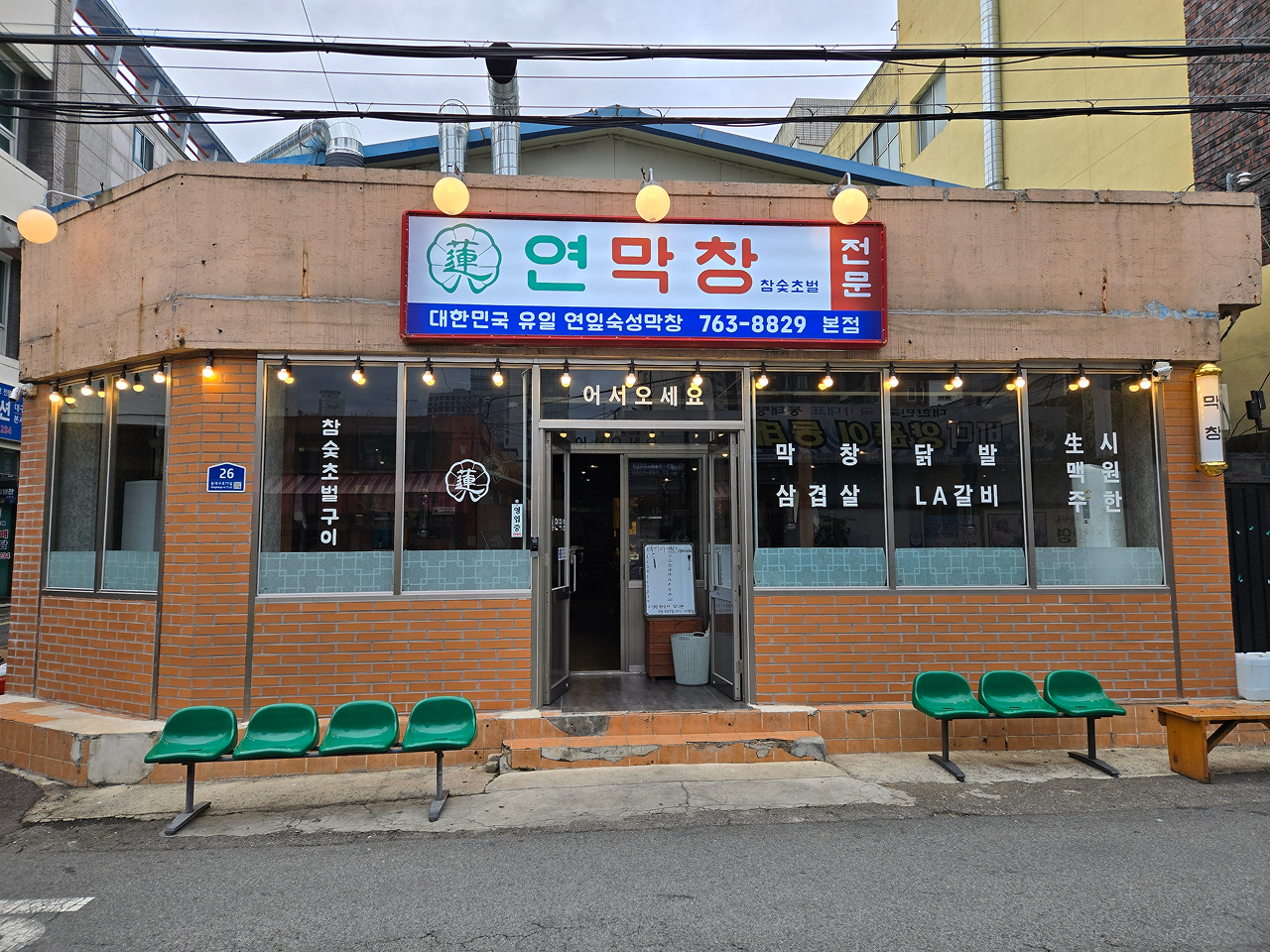
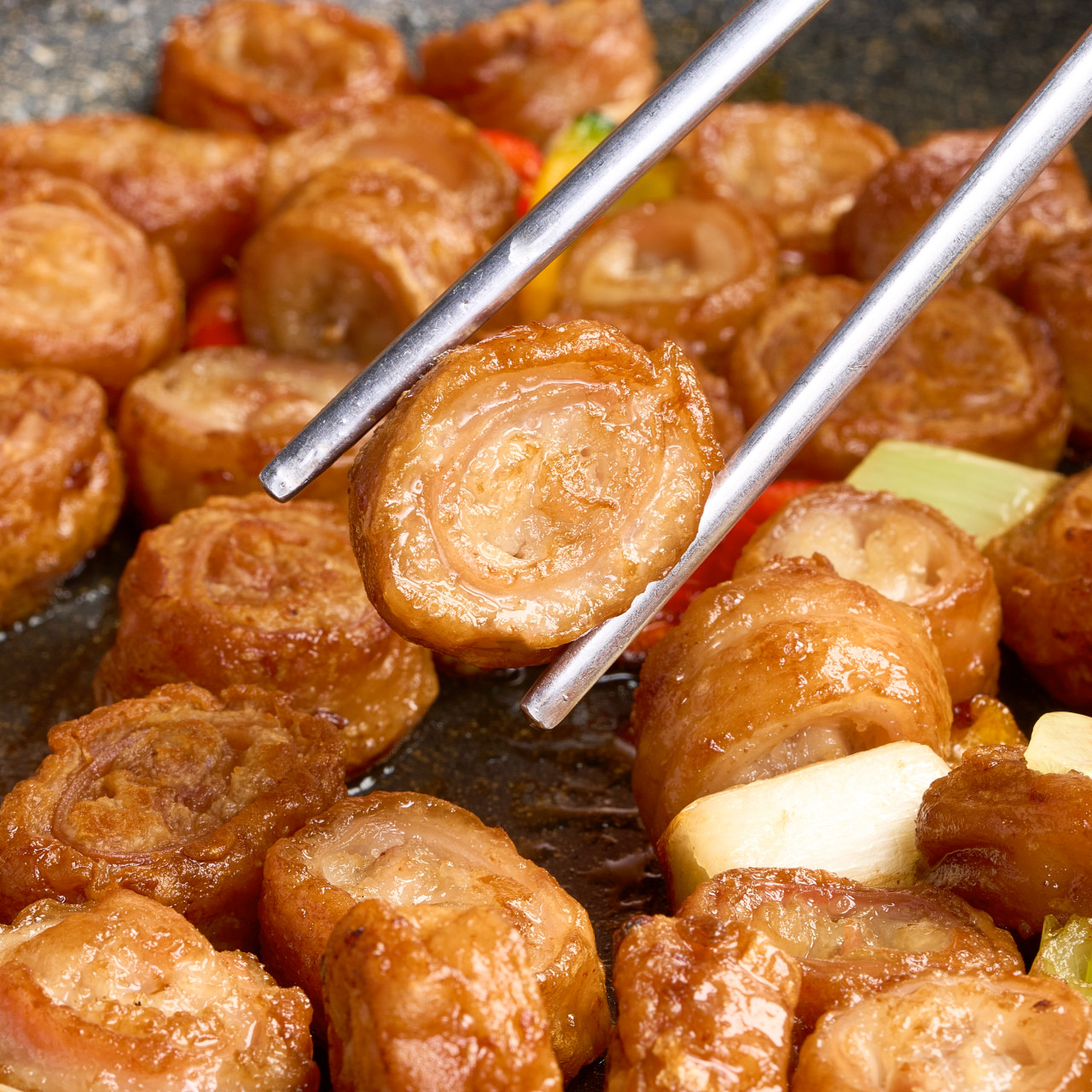 Choose between the tender “yeonmakchang,” aged in lotus leaves, and the thick-cut “teukmakchang” (premium makchang). It arrives pre-grilled, so even first-timers can easily finish cooking it at the table.
Rice and Soup (Ttarogukbap)
View more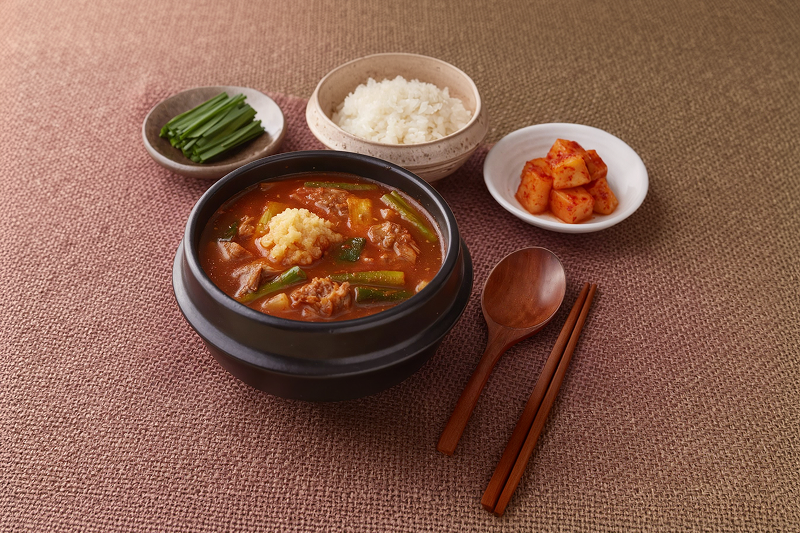 Ttarogukbap is Daegu-style yukgaejang (spicy beef soup) with the soup and rice served “ttaro,” or separately. Unlike regular gukbap (rice soup), where the rice is already in the soup, the hot broth and white rice come in separate bowls so you can combine them however you like. The rich broth is hearty and filling, making it the perfect first meal right off the plane.
Daedeok Sikdang
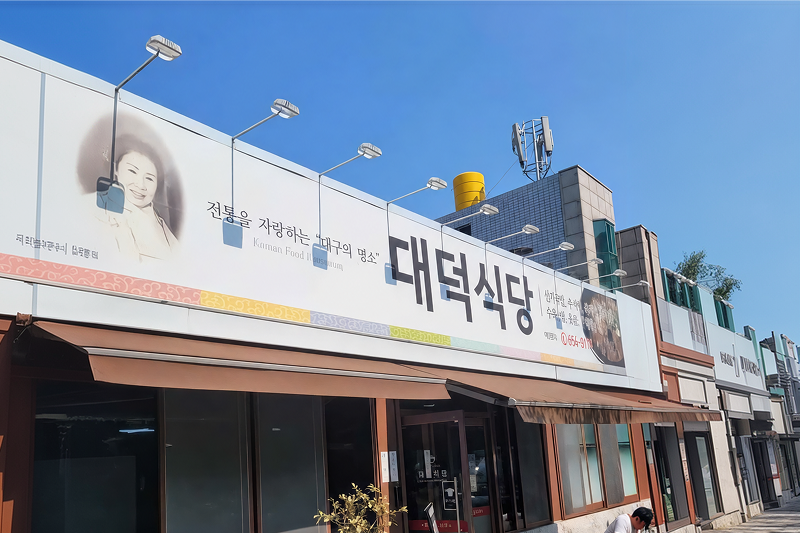
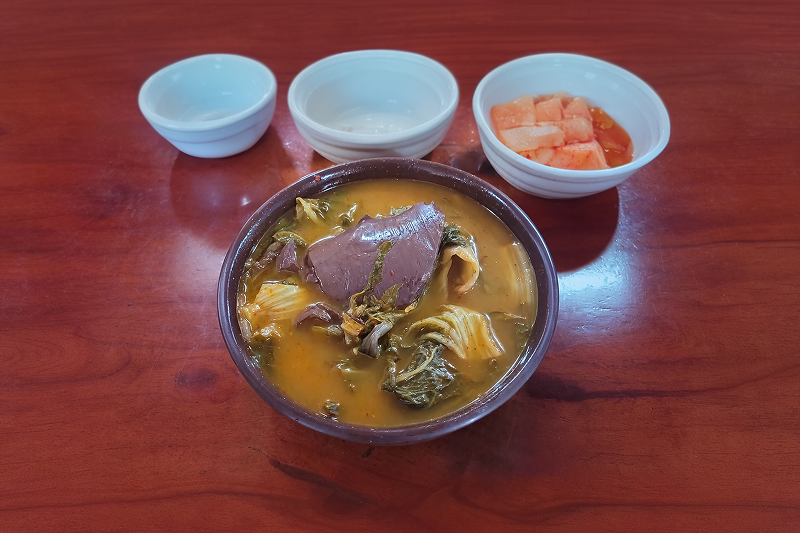 A popular haejangguk (hangover soup) spot that simmers its soup with seonji (coagulated ox blood) for a deeply comforting bowl. Even within Daegu, every gukbap restaurant has its own broth style, so it’s fun to find the one that suits you best.
Dongin-dong Braised Galbi (Jjimgalbi)
View more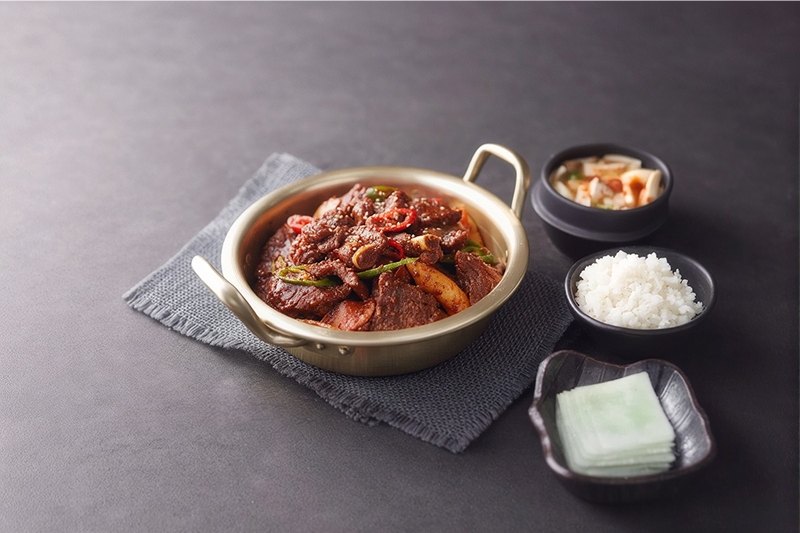 This Daegu specialty began in the alleys of Dongin-dong in the 1960s and 1970s. Beef galbi (short ribs) are generously seasoned with garlic and red pepper powder, then simmered in an aluminum pot until the sauce thickens. Once you’ve finished the tender galbi, the highlight is still to come: mix rice into the leftover sauce, and two bowls of rice will be gone before you know it. With Dongin-dong jjimgalbi, this final step is what truly completes the meal.
Geosong Galbijjim Main Branch
View more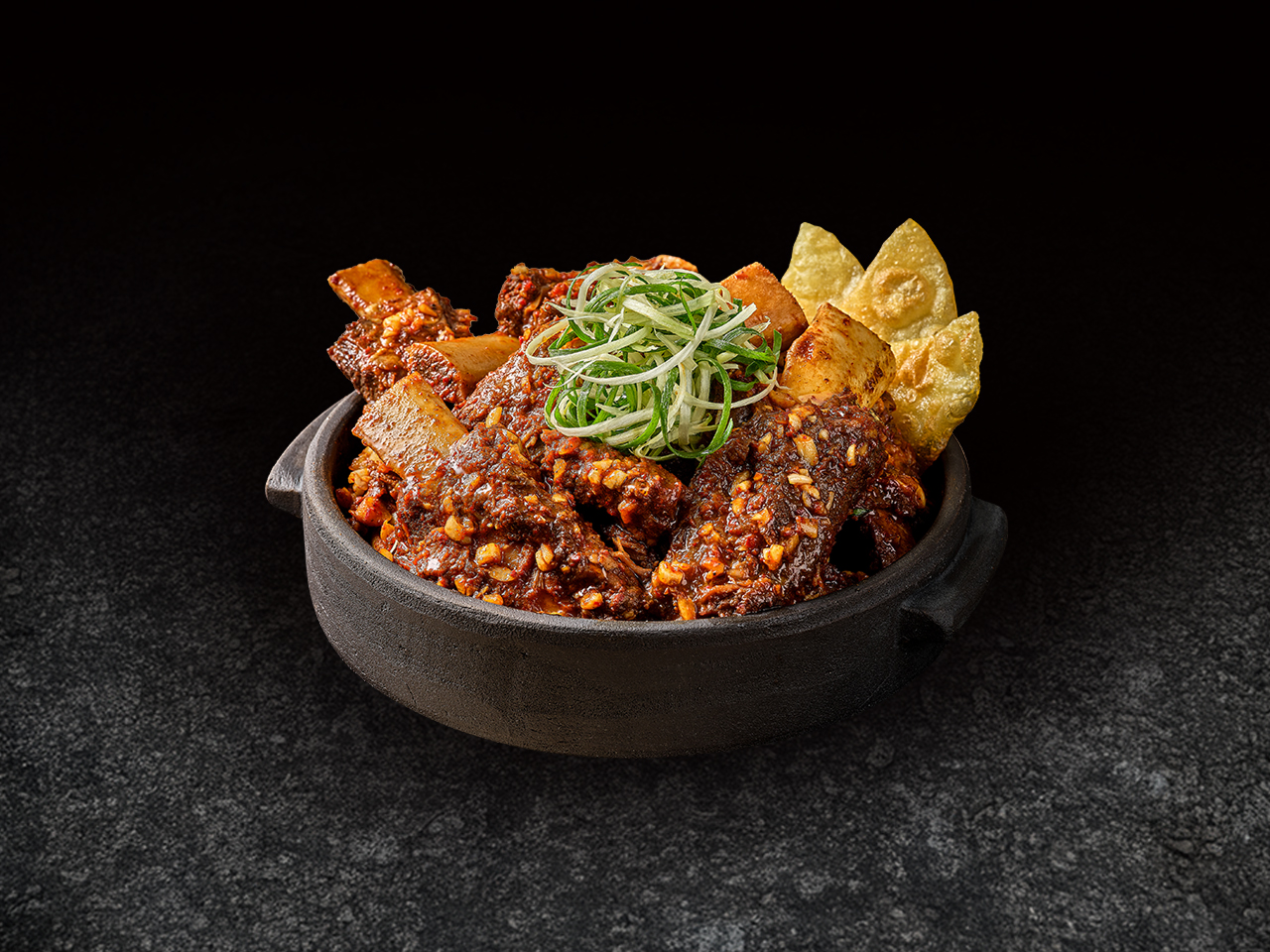
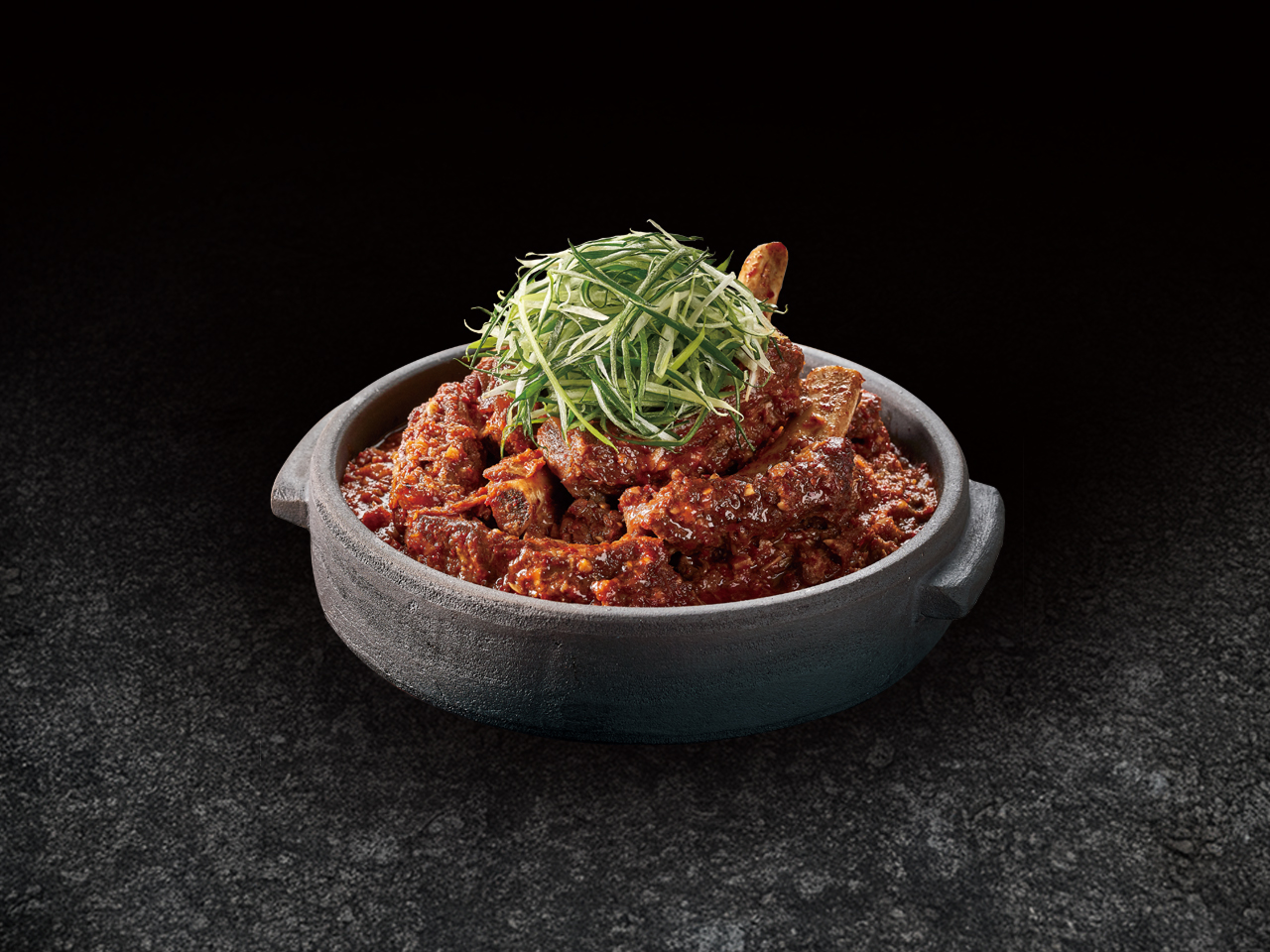 A Daegu jjimgalbi specialty restaurant where you can choose braised pork galbi as well as braised beef galbi. Many reviews say the sauce isn’t overly spicy, so even travelers who are wary of spicy food can give it a try.Daegu has many more flavors to offer: napjakmandu, thin, flat dumplings dipped in sauce; mungtigi, Korean-style raw beef; spicy stir-fried yaki udon; refreshing nureunguksu (hand-rolled noodles); muchimhoe (spicy raw fish salad); nonmegimaeuntang (spicy catfish stew); and bogeobulgogi (spicy stir-fried pufferfish). One day is nowhere near enough to taste all ten. Once you’ve eaten your fill, why not continue your trip to Gyeongju and Andong?Cheongju: Bubbling Stews and Sizzling GrillsThe City of Cheongju designates places, stories, and everyday culture that reflect residents’ memories as “Cheongju Future Heritage” and works to preserve them for future generations. In 2025, the local dish jjageuri (spicy pork stew) was added to the list.
Spicy Pork Stew (Jjageuri)
View more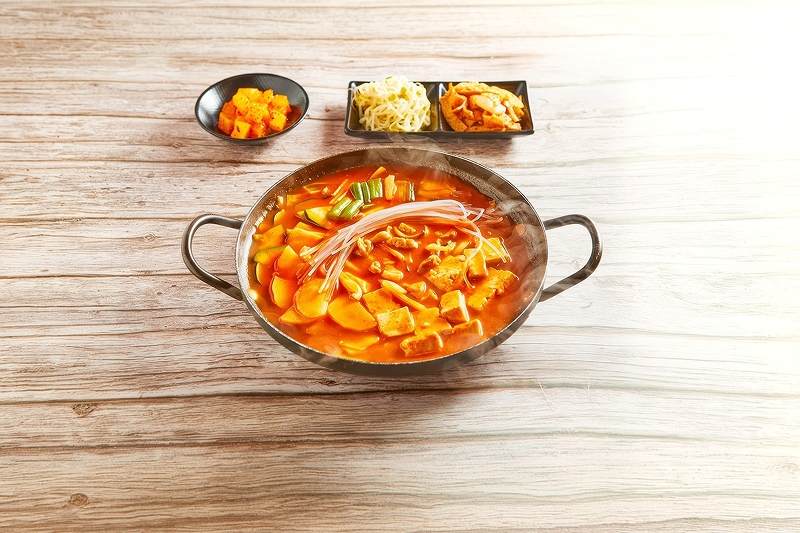 Jjageuri, Cheongju’s signature dish, takes its name from “jageul-jageul,” a Korean expression for the sound of food simmering. Seasoned pork is cooked with mushrooms and green onions until only a little broth remains. Part stew, part stir-fry, its appeal lies in how the flavor deepens as it simmers. Wrap the tender meat in fresh lettuce, then finish with ramyeon noodles or fried rice in the leftover sauce. This makes the meal complete.
Jinju Sikdang (Cheongju Jjageuri)
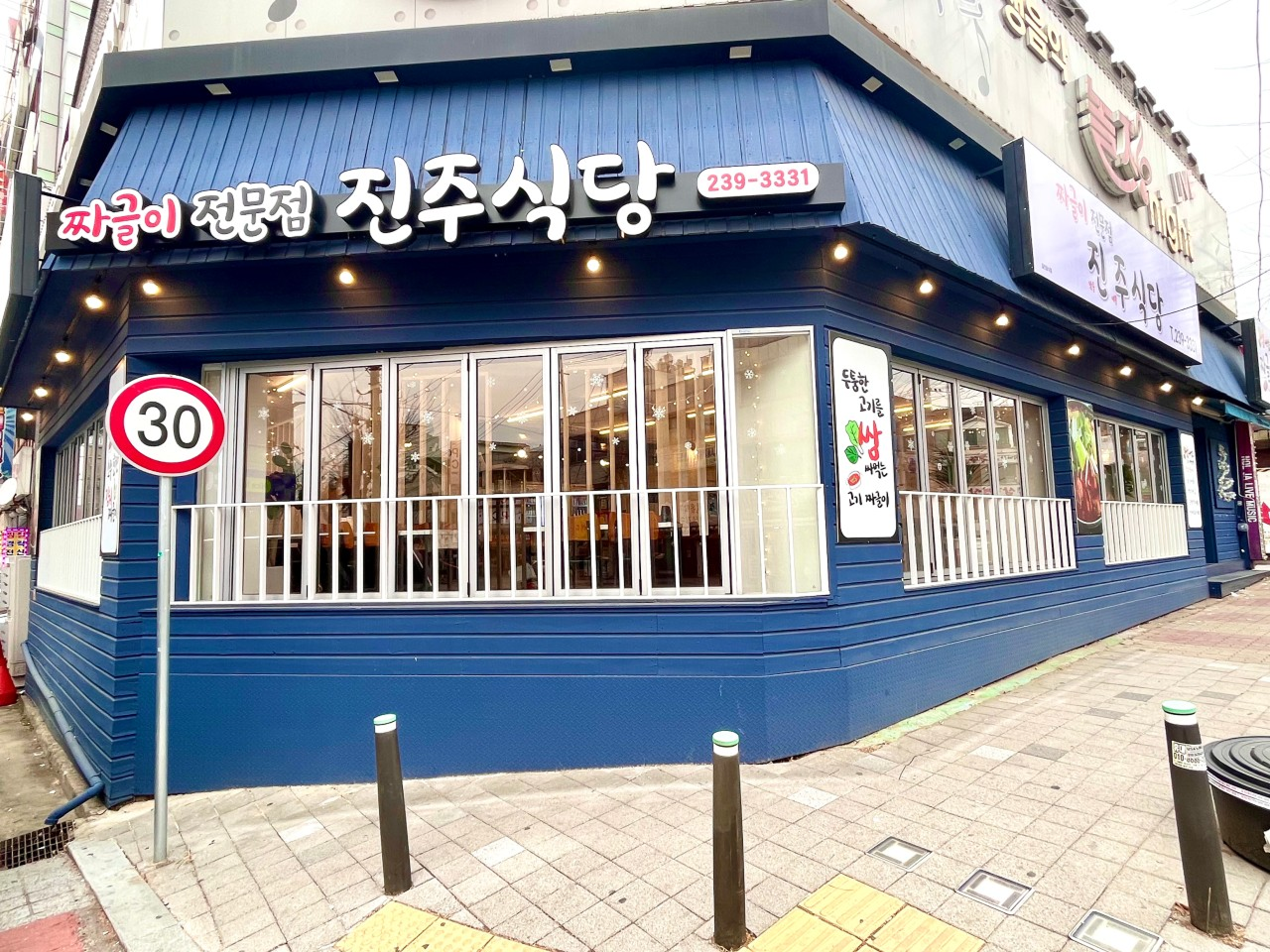
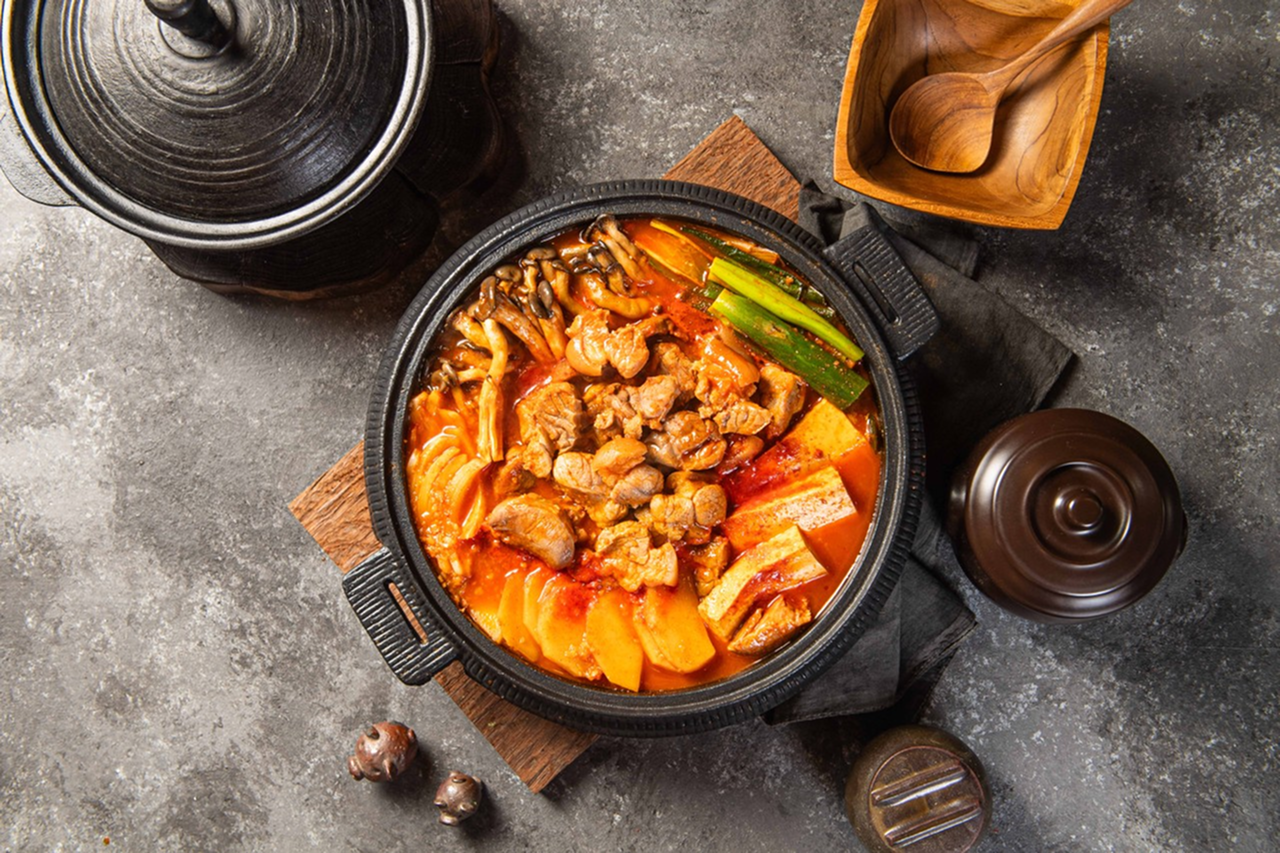 A restaurant in Gagyeong-dong, Cheongju, where large windows give the dining room an open, airy feel. Add a thick rolled omelet to make your meal even more satisfying.
Seomun Market Samgyeopsal Street
View more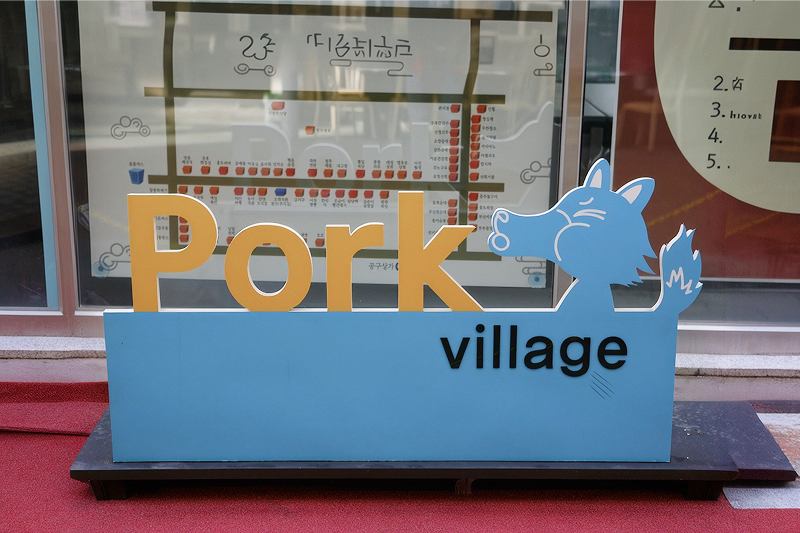
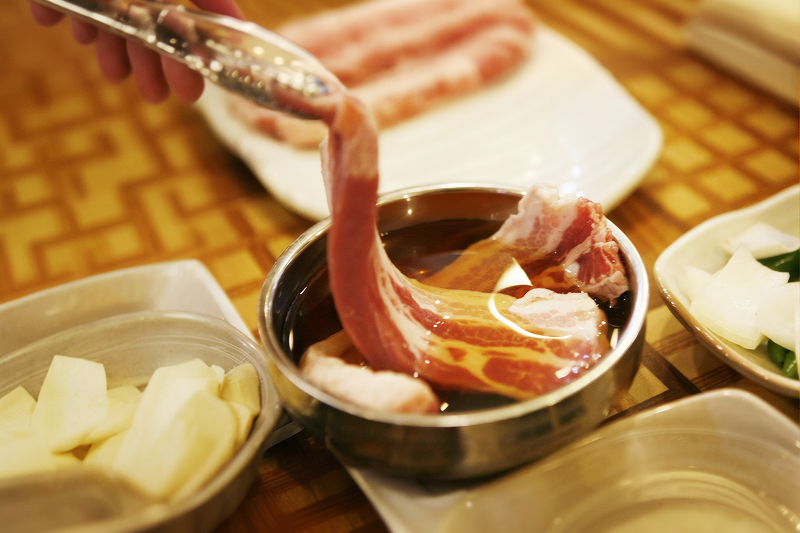 Cheongju is also famous for samgyeopsal (grilled pork belly). Seomun Market’s Samgyeopsal Street, created in 2012, is the only street in Korea dedicated to samgyeopsal. As you walk through the market alley lined with pork belly restaurants, the savory aroma of grilling meat will stop you in your tracks. A festival is held every year around March 3, Samgyeopsal Day, so keep it in mind when planning your trip!
Cheongju-Style Soy Sauce Pork Belly (Ganjang Samgyeopsal)
View more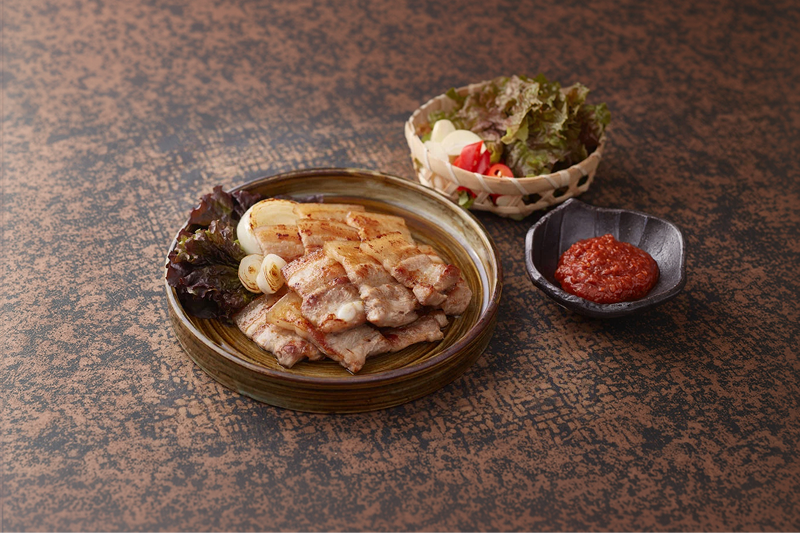 In Cheongju, even samgyeopsal is enjoyed a little differently than in other cities. For ganjang samgyeopsal, the pork belly is soaked in soy sauce before it goes on the grill. Infused with a gentle sweetness and rich umami, it tastes more tender and lighter than regular grilled pork belly. Pair it with pajeori (seasoned green onion salad) to cut through the richness of the pork and leave a pleasant, savory aftertaste. One bite, and you’ll never again think that all samgyeopsal tastes the same.
Ganjang Samgyeopsal Dongbang Saenggogi (Main Branch)
This restaurant, which also operates as a butcher shop, is known for ganjang samgyeopsal flavored with traditional ssiganjang, a long-aged soy sauce passed down through generations. Sundubujjigae (soft bean curd jjigae) and makguksu (buckwheat noodles) come with the meat, making for a hearty meal.A Delicious Trip Starts with Your First MealFrom Daegu’s ttarogukbap and makchang to Cheongju’s jjageuri and ganjang samgyeopsal, a meal near the airport becomes your first step toward getting to know each city. For popular restaurants, book a table or join the waitlist in advance on a reservation app like CATCHTABLE so you can enjoy your meal at a more relaxed pace. So, where will your first meal of this trip be?Your Smart Guide to Exploring Korea’s Culinary World
 From established Michelin icons to experimental pop-ups by rising stars, Korea's fine dining scene is making culinary history. To effortlessly dive into this gourmet journey during your trip, take advantage of this seamless booking service designed for global travelers."CATCHTABLE Global," a premier dining platform, allows international visitors to sign up quickly using just an email verification with no local Korean phone number required. With multilingual support, you can easily manage everything from reservations to waiting lines.K-Gourmet Travel Tips01
Global Reservation Guide
Access multilingual booking services via the official CATCHTABLE website or mobile app (iOS / Android).
 02
Official Website
 Go to Website
 03
Download the App

-
Recommend K-Food Course
-
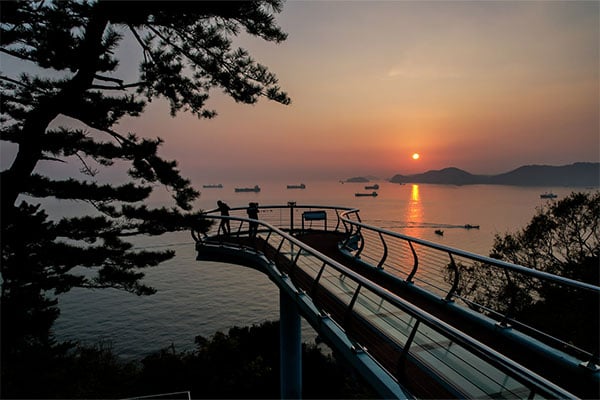
Huinnyeoul Culture Street, Busan - Ramyeon in nickel silver pots and sea urchin roe gimbap with an ocean view
-

Cheongju Food Tour: Market & Samgyeopsal
-
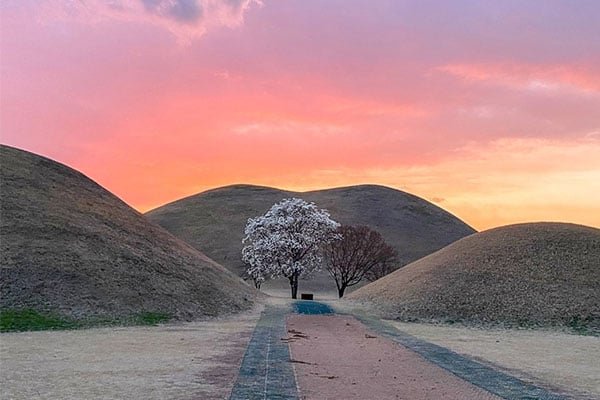
Relaxing Picnic in Gyeongju
-

Daegu: A Place to Heal Soul and Body
-
Gwangju Gourmet Walk: From Breweries to Cafés
-
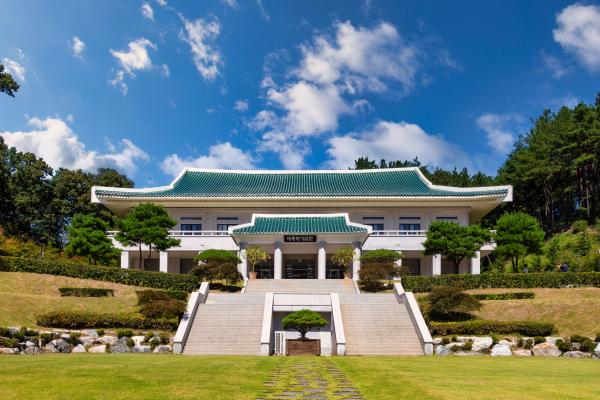
Get a Glimpse of the Korean Presidential Retreat
-
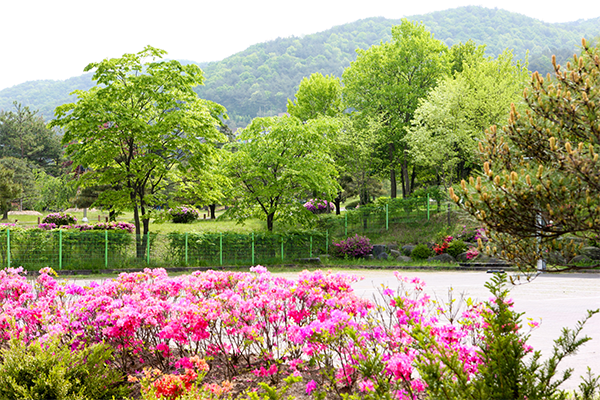
A day spent in the forest with nature and experiences
-
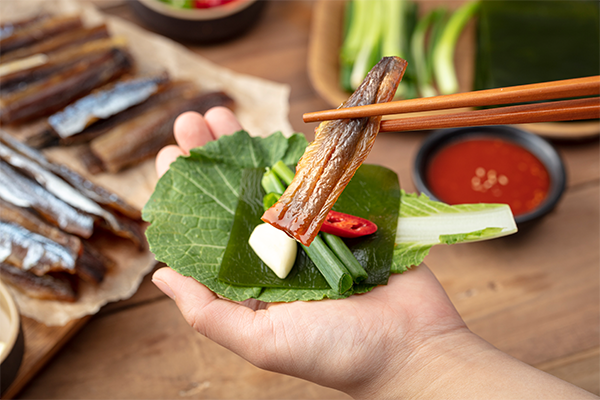
Pohang Seafood Tour: From Gwamegi to Mulhoe
-
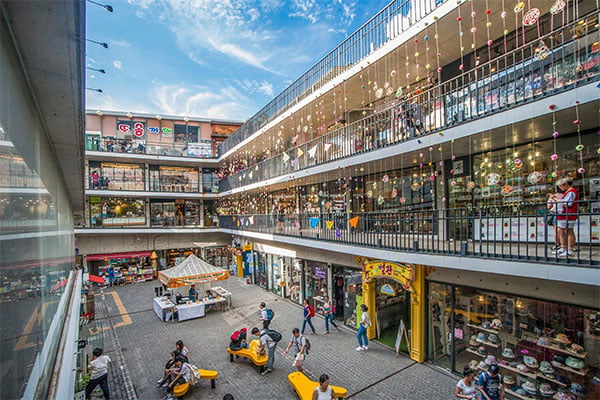
Culinary Adventure Awaits in Insa-dong & Ikseon-dong
-
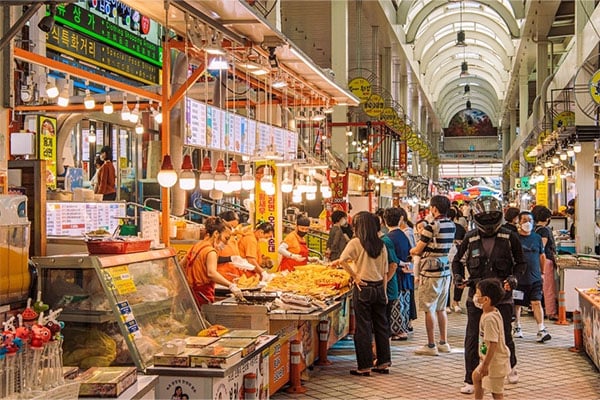
Sokcho Food Alleys: Dakgangjeong to Fritters
-
-
Recommend K-Food Tour
 Apple App Store
 Google Play Store


1330 Helpline Call/Chat





Start a FREE Online Call
(No charges for calls on Wi-Fi /
Data charges may apply)
Open 1330 Helpline Chat(Download not required)
Open messenger app(Messenger app must be installed)