- Log in
-
- Sydney Overseas Office
- London Overseas Office
- Toronto Overseas Office
- Los Angeles Overseas Office
- New York Overseas Office
- Ulaanbaatar Overseas Office
- Dubai Overseas Office
- New Delhi Overseas Office
- Manila Overseas Office
- Jakarta Overseas Office
- Hanoi Overseas Office
- Kuala Lumpur Overseas Office
- Singapore Overseas Office
- Bangkok Overseas Office
- Map
- Sydney Overseas Office
- London Overseas Office
- Toronto Overseas Office
- Los Angeles Overseas Office
- New York Overseas Office
- Ulaanbaatar Overseas Office
- Dubai Overseas Office
- New Delhi Overseas Office
- Manila Overseas Office
- Jakarta Overseas Office
- Hanoi Overseas Office
- Kuala Lumpur Overseas Office
- Singapore Overseas Office
- Bangkok Overseas Office
INSIGHT
- HOME
- Hallyu with you
- INSIGHT
-
-
-
Why Do Koreans Hunt Down Streets in the Middle of Winter? For the K-Snacks!
-
12/10/2025
3.1K
-
1
2
-
-
hallyu
street_food
winter
Myeong_dong
Gwangjang_Market
Kkangtong_sijang
-
-
-
Hallyu Insight Vol.16
Why Do Koreans Hunt Down Streets in the Middle of Winter? For the K-Snacks!
Winters in Korea can be bitterly cold, yet you’ll often see people braving the weather outside instead of staying warm indoors. The reason is simple. They’re searching for seasonal street snacks that can only be found during the winter.
These treats are often featured in Korean dramas and variety shows as well. Each region uses different ingredients and cooking methods, giving the snacks their own unique character; recently, new reinterpretations of well-known recipes have become popular, offering fresh and unexpected flavors. Foreign travelers visiting Korea have also fallen in love with these winter snacks. Today, let’s explore some of the most iconic treats that make Korean winters feel a little cozier.
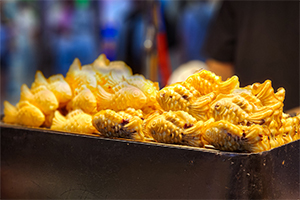
Bungeoppang,
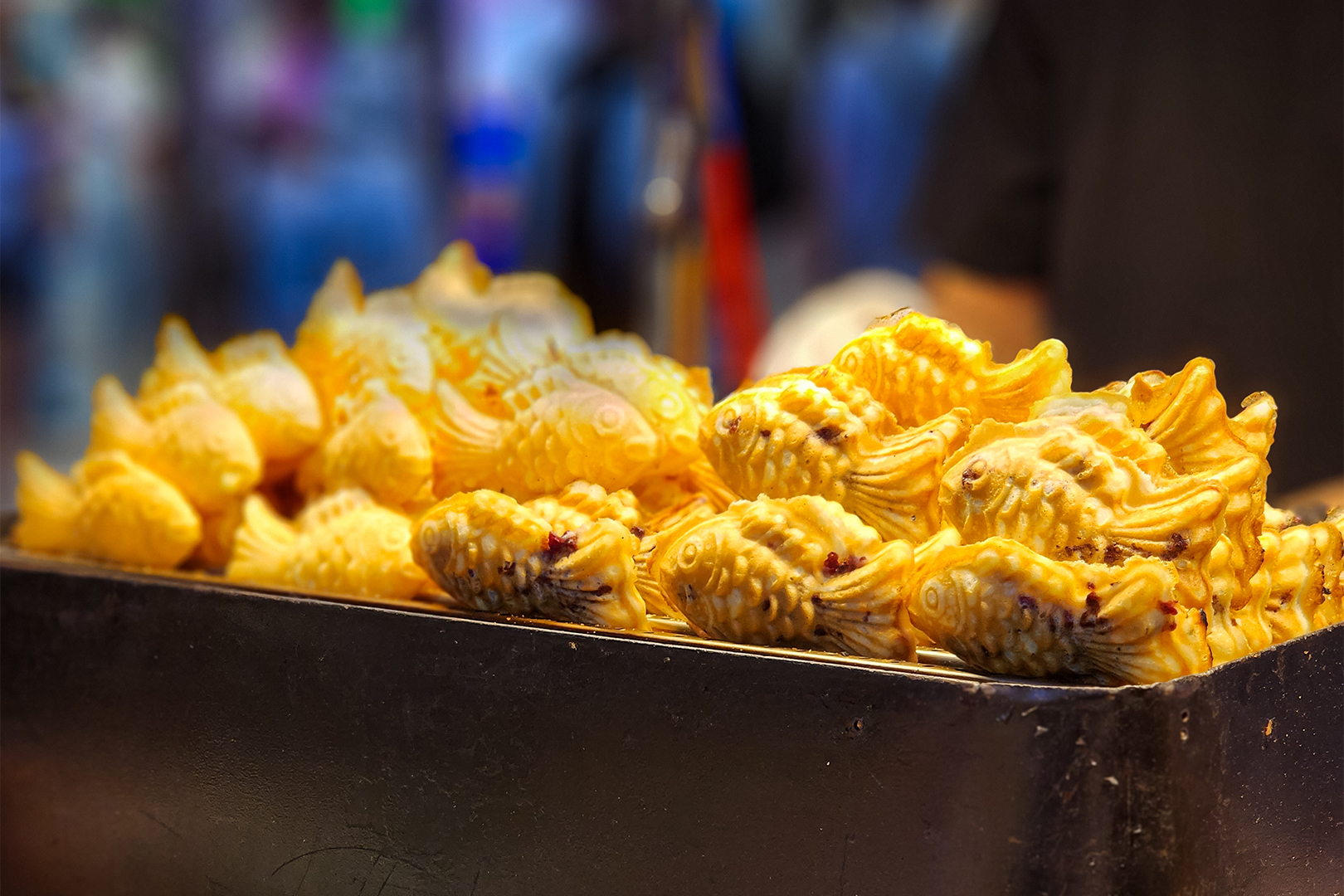
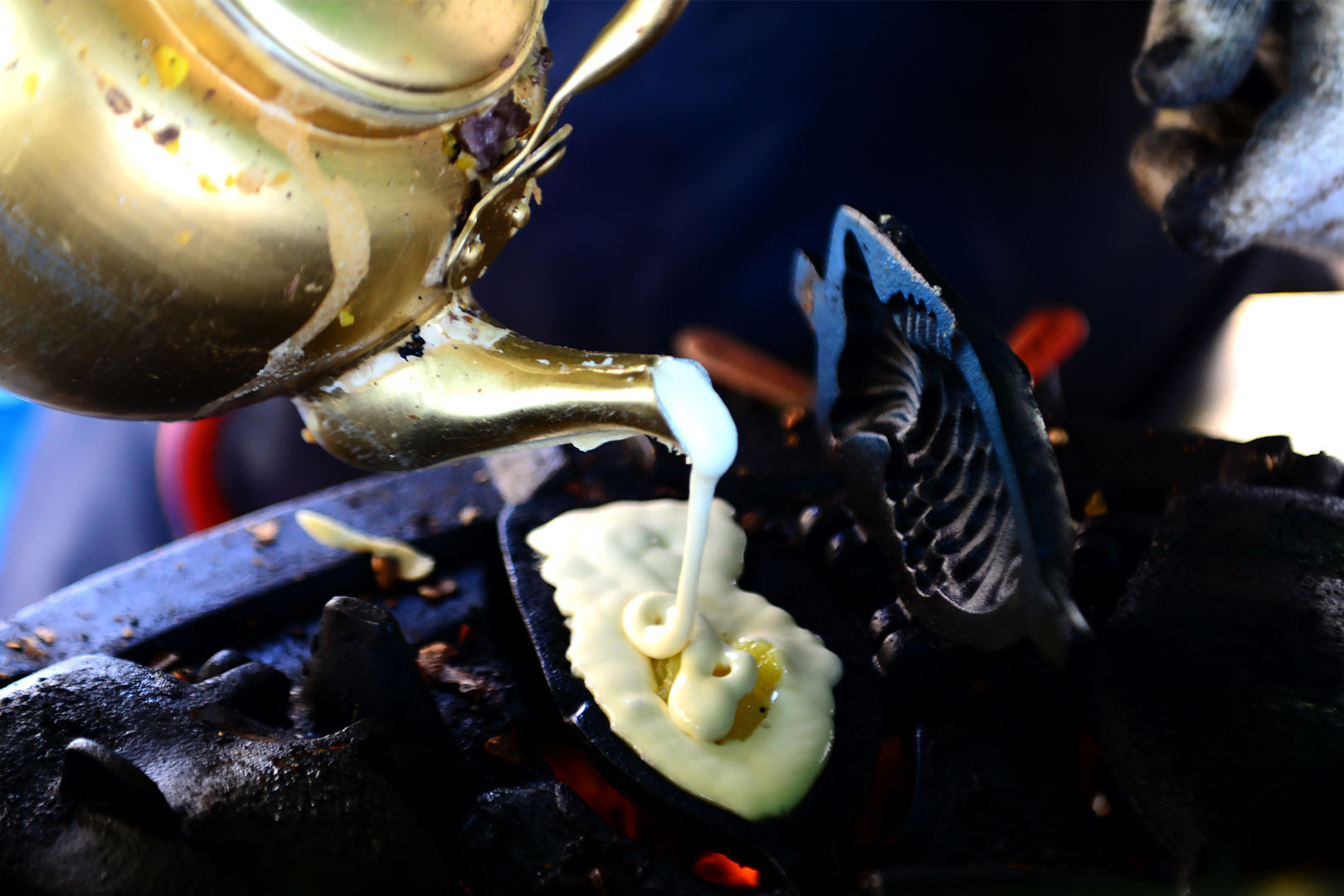
Seolhyun’s Pick on I Live AloneDid you catch the scene in I Live Alone where Seolhyun strolls down a winter street and buys some bungeoppang? In fact, it caused a sensation when it was revealed she keeps a record of how many she’s eaten, to reach the goal of eating a hundred bungeoppang in one year. Bungeoppang is one of the most iconic Korean winter street snacks. It’s made by pouring batter into a fish-shaped mold and filling it with sweet red bean paste or custard. With more and more people out on the hunt for these delicious pastries, it gave rise to a new term—bung-segwon—meaning an area where bungeoppang stalls are easily accessible where you live.
Red bean paste is the classic filling for these pastries, but custard has become a popular challenger to the throne, fueling an ongoing debate between “team red bean” and “team custard.” New variations have also appeared with fillings like tteok(rice cake), cheese, chocolate, and even pizza. What started as a humble street food has become so beloved that some shops now sell it year-round.
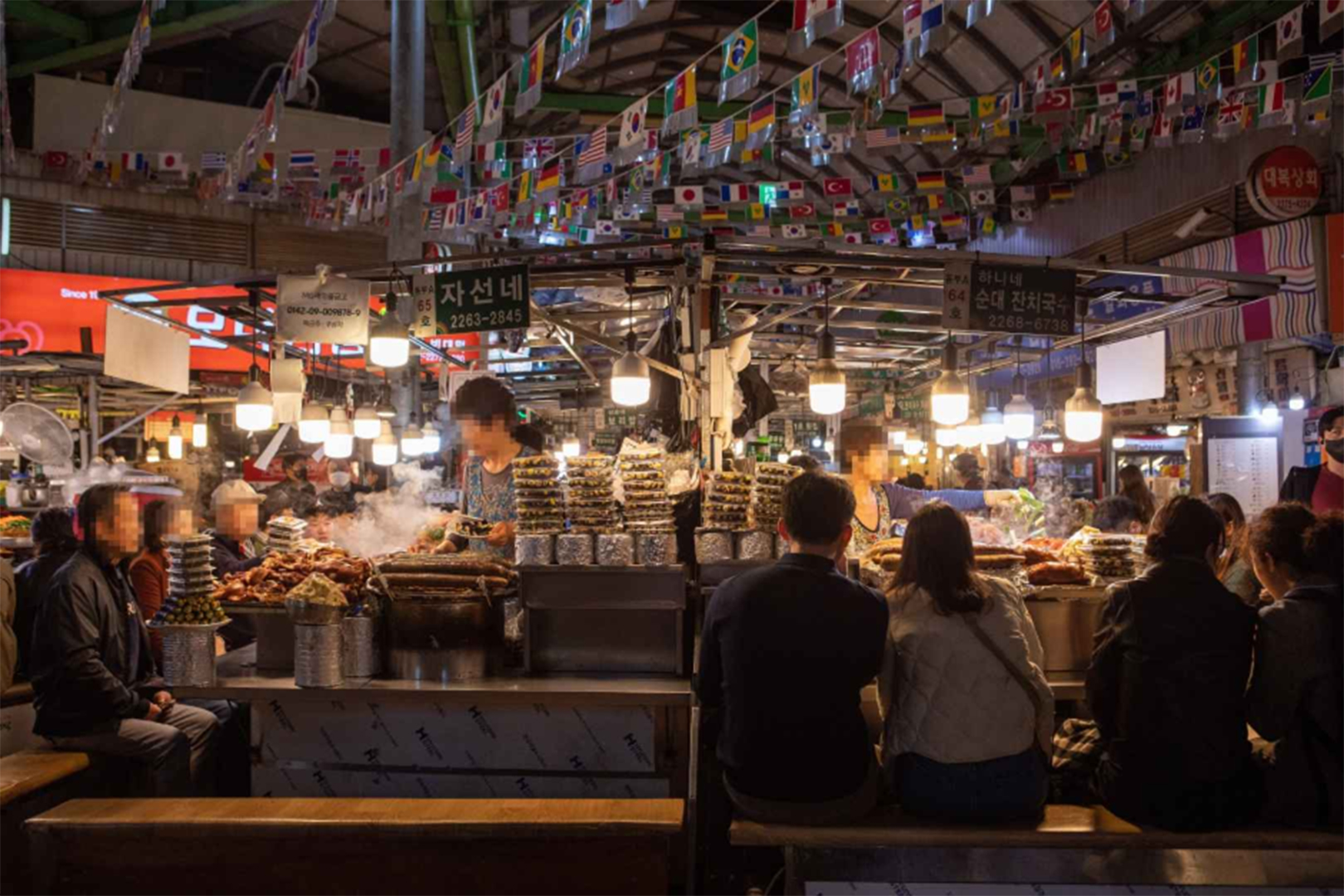
These pastries can be found pretty much everywhere, but a few places are famous enough to be called the “big three” bungeoppang districts. These are the Namyeong-dong area, the vicinity of Hyochang Park, and around Gwangjang Market. Among these, Gwangjang Market has become a winter hotspot, with travelers lining up for these hot tasty treats. Popular items often sell out quickly, and some people even show up right at opening time to grab theirs. Which bungeoppang flavor would you like to try on your next trip to Korea?
Gwangjang Market
Landmark Traditional Market in Seoul with a History of Over 100 Years, Beloved by Locals and Tourists, Known for Various K-Street Foods Such as Bindaetteok, Kkomagimbap, Bungeoppang and More- Location: 88 Changgyeonggung-ro, Jongno-gu, Seoul
- Contact: +82 02-2267-0291
- Hours: Varies by store
- Website and SNS
- Homepage: http://www.kwangjangmarket.co.kr
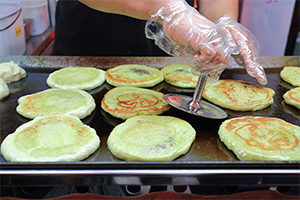
The Winter Snack Loved by Chuu! Hotteok
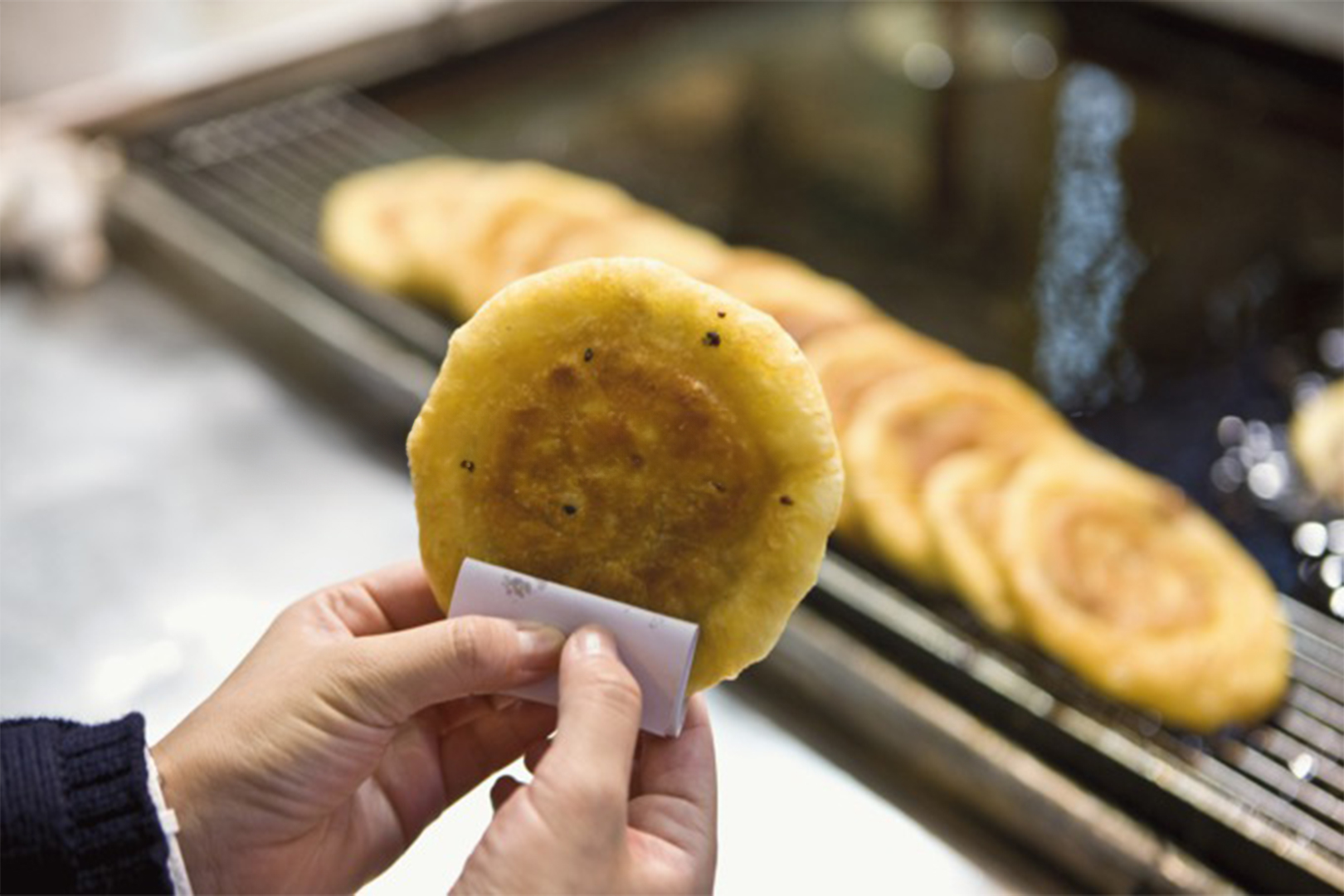
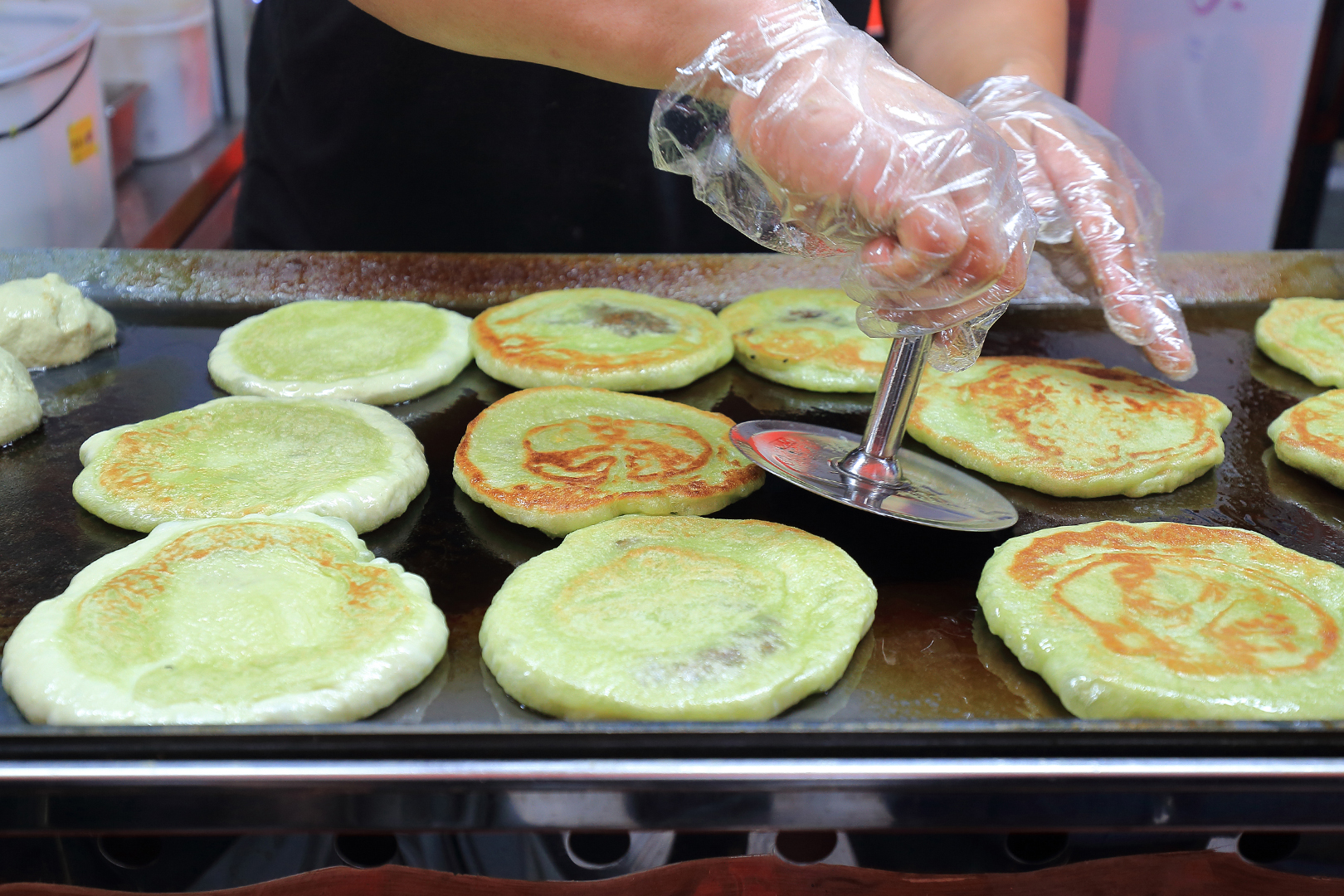
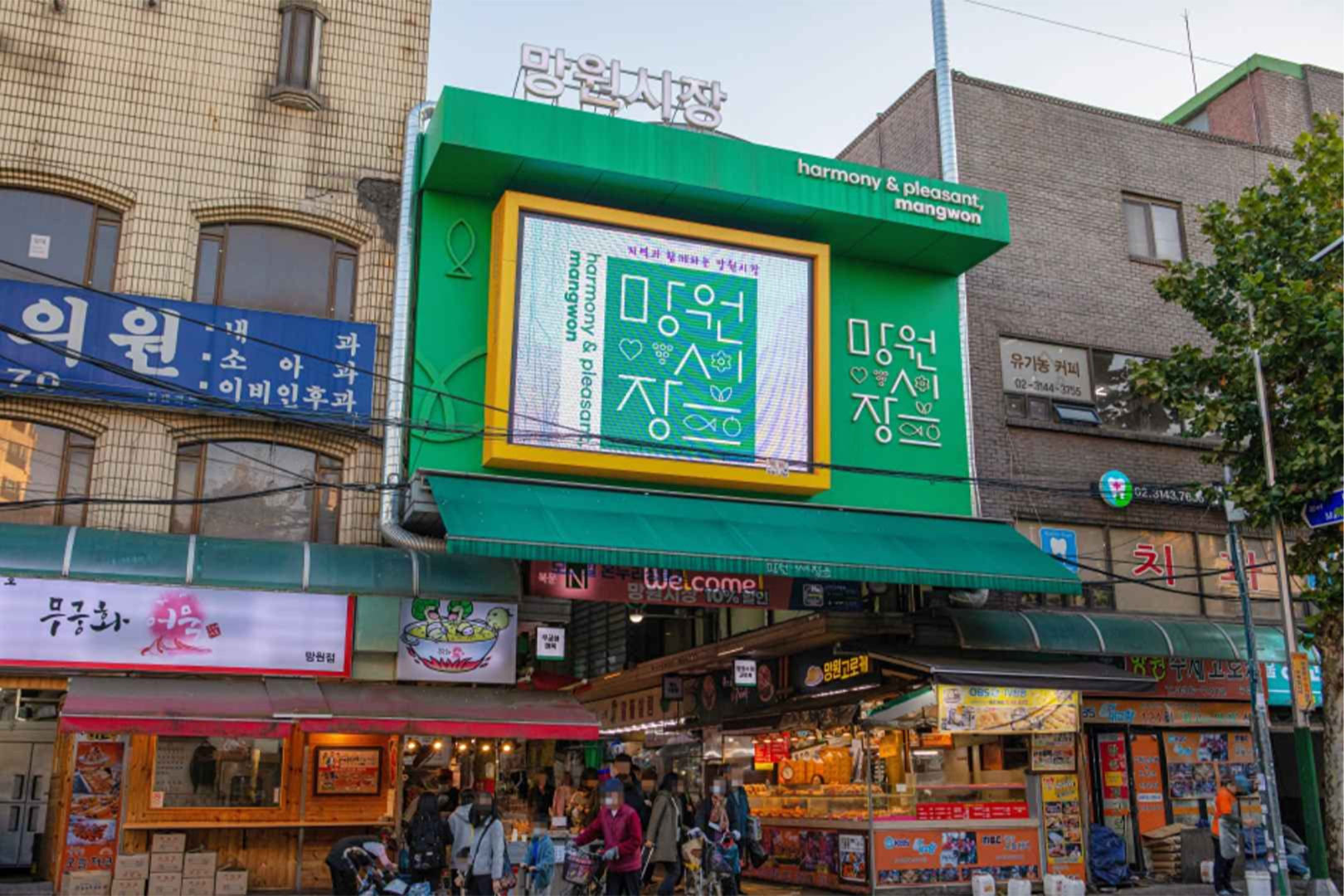
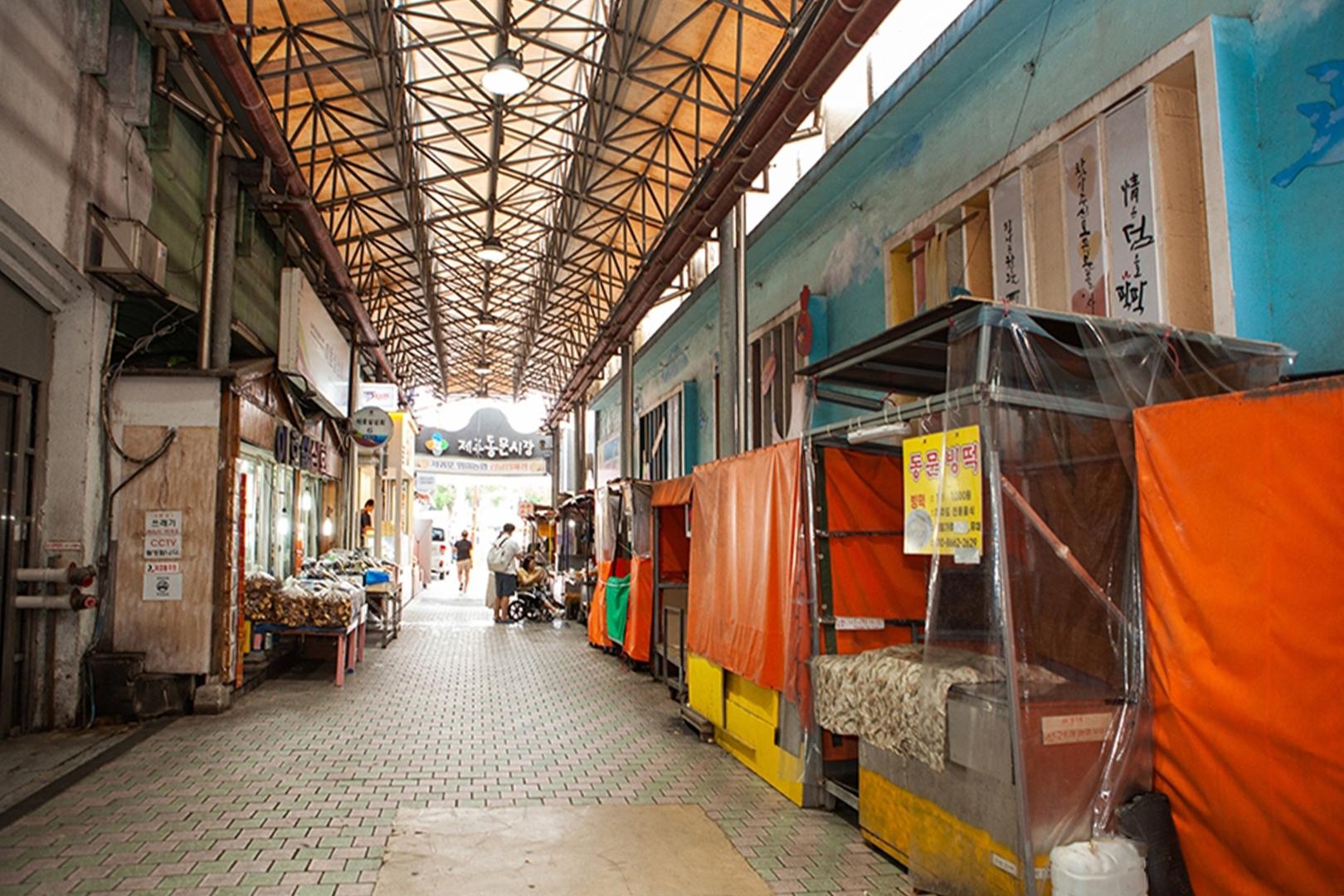
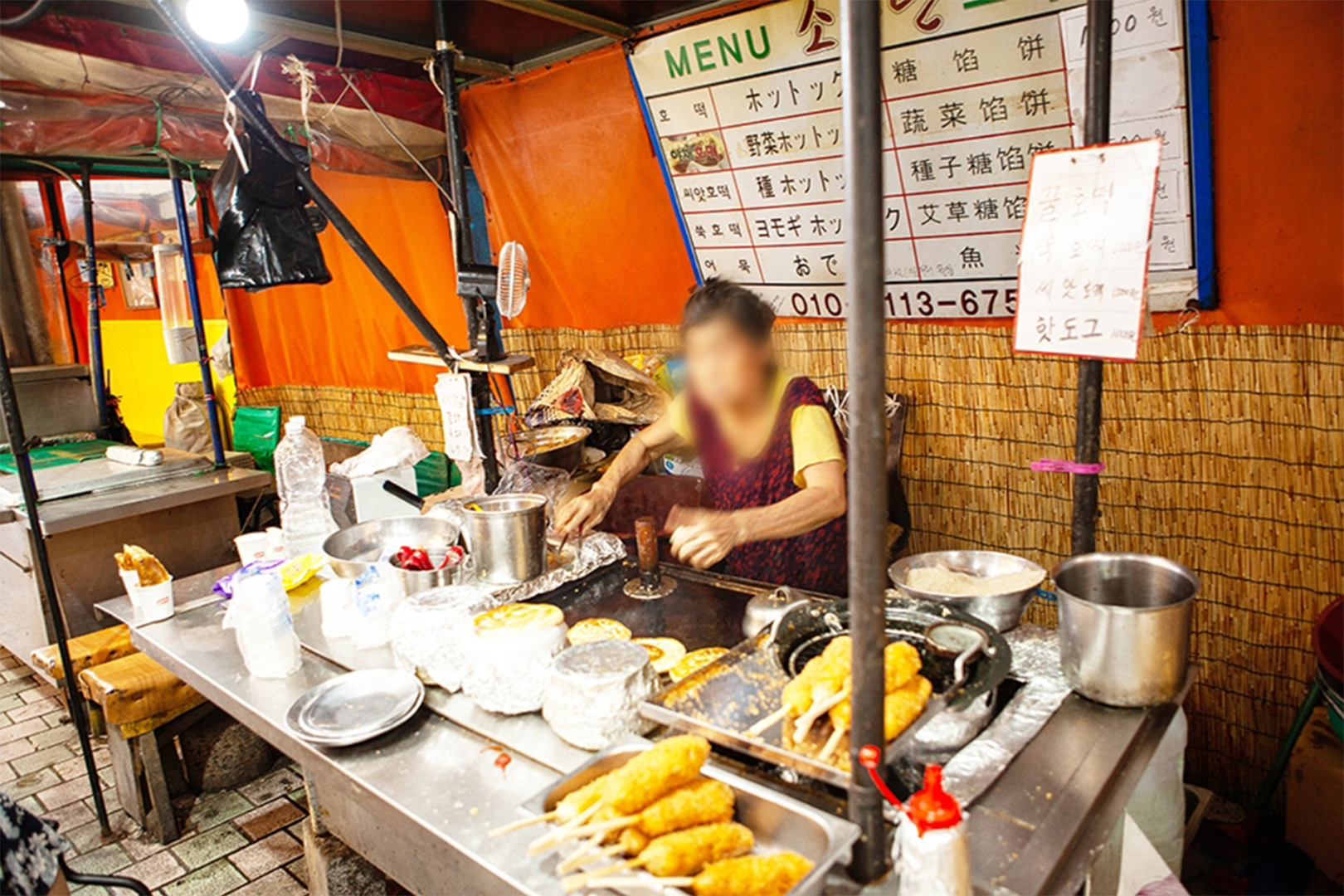
— Creating Long Lines at Markets from Seoul to JejuLocal marketplaces are the best places to tell what kinds of snacks people from a particular country enjoy. In Korea, one street snack is so popular that it regularly draws long lines at all the markets. It’s the hotteok. In Chuu’s vlog filmed at the Mangwon Market, there’s a scene where she stops and buys a hotteok. Jeju’s Dongmun Traditional Market is known for an entire alley lined with hotteok kiosks.
Hotteok is the classic Korean winter treat. It’s made by pressing a chewy dough filled with sugar and cinnamon on a griddle which is then served hot, perfect for warming your hands on a cold day. Creative variations have recently appeared, like Ssiathotteok. The snack has also gained more international attention thanks to KPop Demon Hunters and the scene where the members of Huntr/x are shown enjoying hotteok.
If you visit a Korean market during winter, make sure to visit a hotteok stall. Whether you go for the traditional version pressed until golden brown or a unique twist with special fillings, you’re guaranteed a bite of sweet happiness.
Mangwon Market
Traditional Market with Hotteok Kiosk Visited by Chuu, Stalls Selling Various Foods Trendy with Young Visitors- Location: 27 Poeun-ro 6-gil, Mapo-gu, Seoul
- Contact: +82 02-335-3591
- Hours: Varies by store
- Website and SNS
- Website: https://english.visitkorea.or.kr/svc/contents/contentsView.do?menuSn=459&vcontsId=62735
Jeju Dongmun Traditional Market Hotteok Alley
Street Filled with Hotteok Kiosks at Largest and Oldest Traditional Market in Jeju- Location: 20 Gwandeok-ro 14-gil, Jeju-si, Jeju-do
- Contact: +82 064-740-6000 (Jeju Tourism Information Center) / +82 064-752-3001 (Jeju Dongmun Traditional Market)
- Hours: Varies by store (Jeju Dongmun Traditional Market open year-round 08:00 – 21:00)
- Website and SNS
- Website: https://english.visitkorea.or.kr/svc/contents/contentsView.do?menuSn=459&vcontsId=91650
The Korean Bread Loved by IU and CNN!
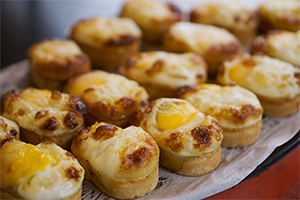
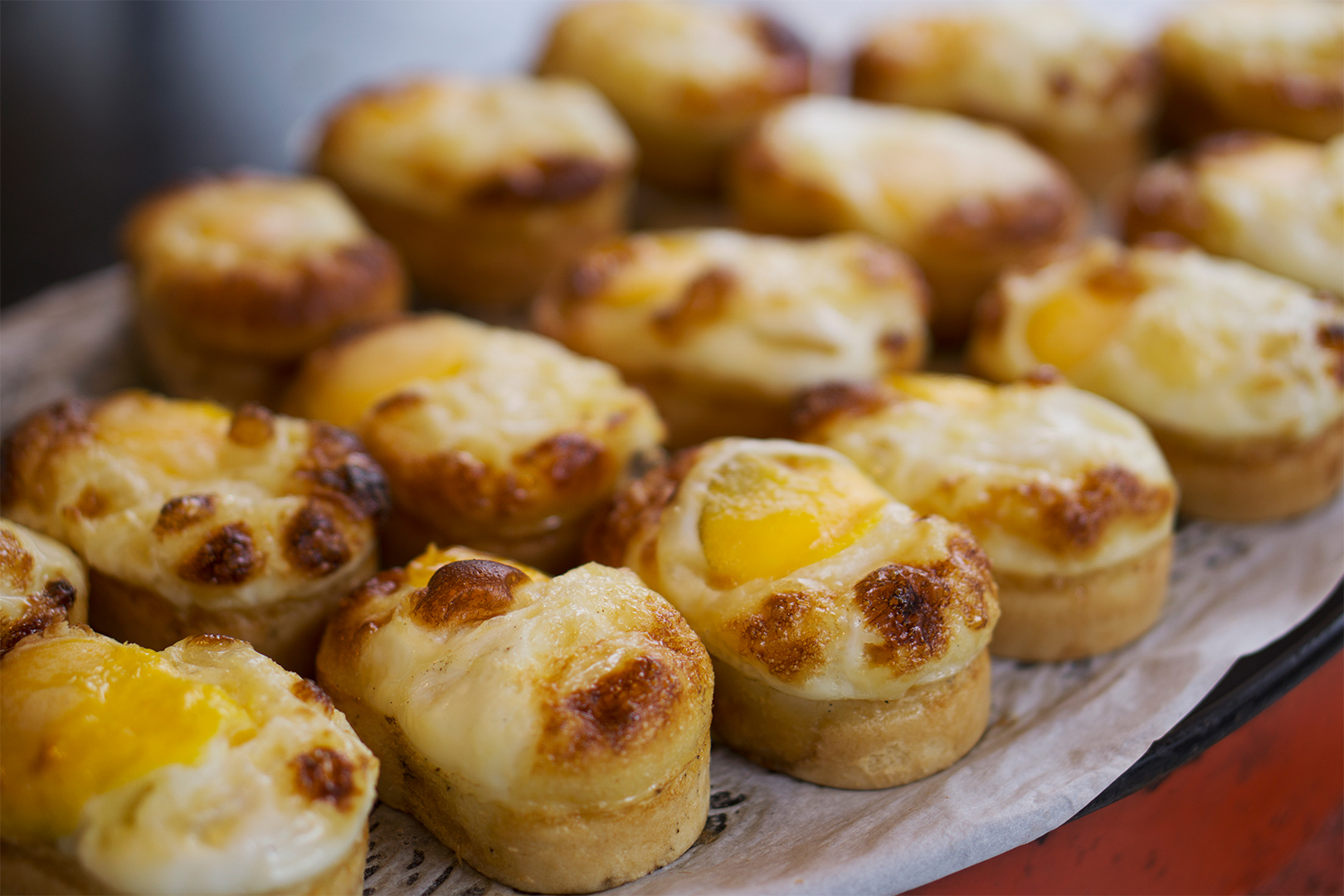
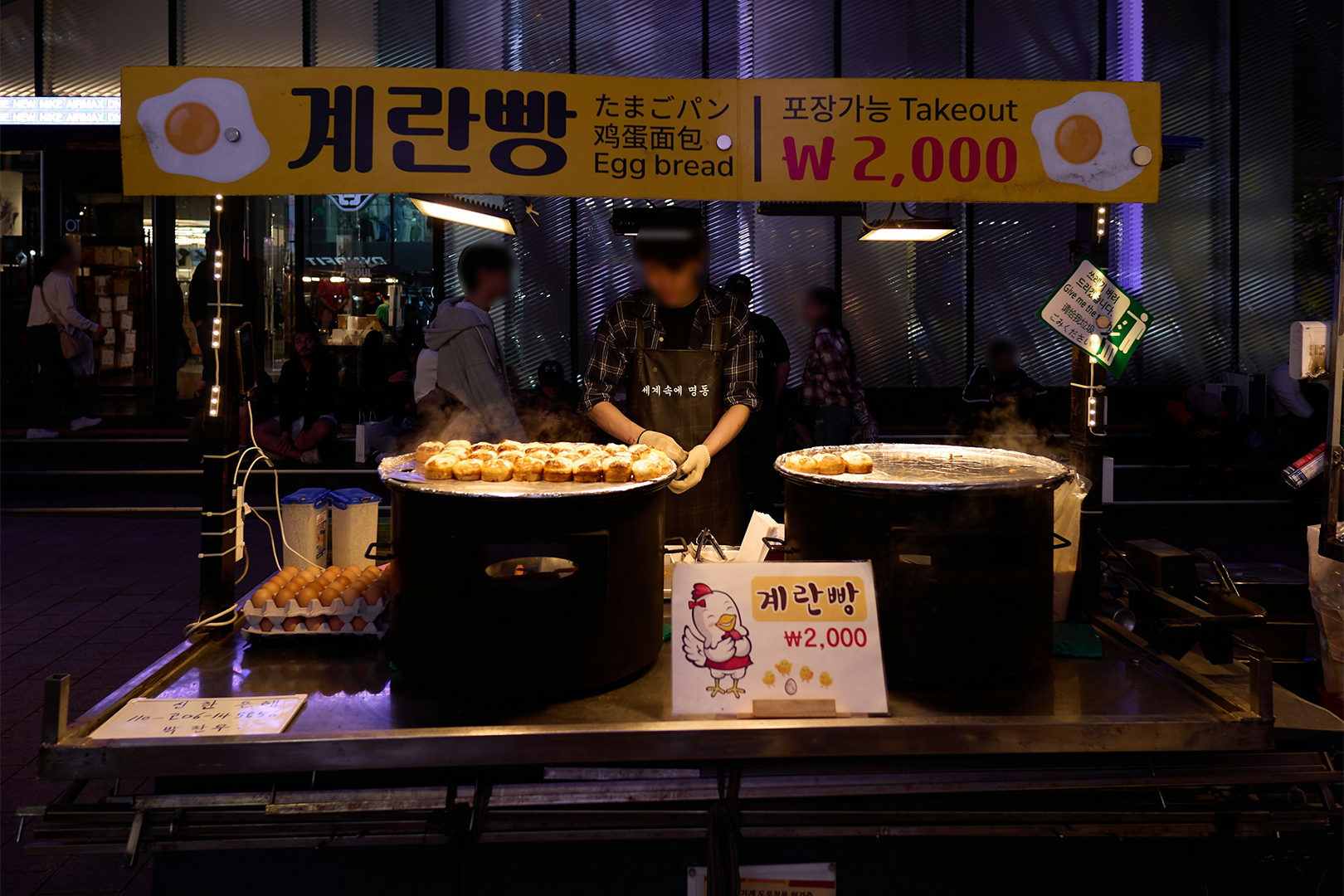
Sweet, Fluffy GyeranppangGyeranppang can only be found in Korea during the winter months. It’s made by baking a batch of sweet batter with a whole egg on top, giving it a soft and sweet flavor. IU once made gyeranppang herself in her self-produced content. More recently, CNN selected gyeranppang as one of the World’s 50 Best Breads alongside well-known national varieties like baguettes and biscuits
Beyond the classic version, gyeranppang has been going through various upgrades. There’s a cheesy version with melted cheese and even a pizza-style creation topped with corn, ham, and tomato sauce. With so many creative recipes, it’s fun to choose what you’d like to try next. The shops that sell these pastries all feature slightly different flavor profiles as well, so sampling and comparing them as you travel can be a fun activity.
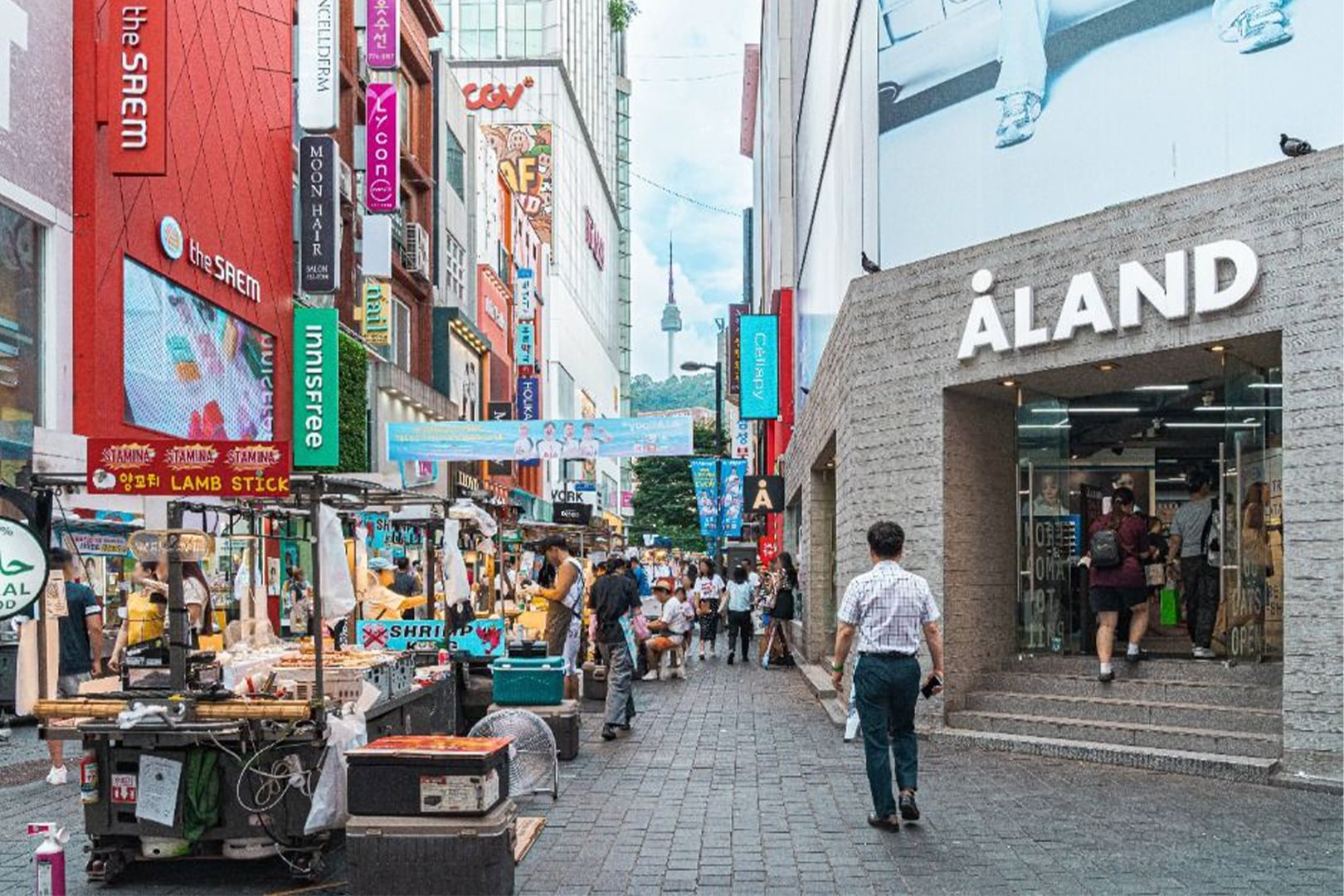
Want to try gyeranppang at its best? Head to Myeong-dong. One of Seoul’s busiest shopping districts and a must-visit spot for international travelers, Myeong-dong is lined with street food kiosks offering gyeranppang and many other treats. It’s the perfect place to try all the favorite winter snacks. If you find yourself there on your next trip, don’t pass up the chance to try gyeranppang!
Myeong-dong
Iconic Seoul Hotspot for Shopping and Food, Gyeranppang and Other Winter K-Street Food- Location: Myeongdong 2-ga, Jung-gu, Seoul
- Contact: +82 02-778-0333 (Myeong-dong Tourism Information Center)
- Hours: Varies by store
- Website and SNS
- Website: https://english.visitkorea.or.kr/svc/contents/contentsView.do?menuSn=351&vcontsId=88011
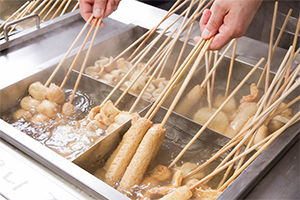
Comforting Bowls of
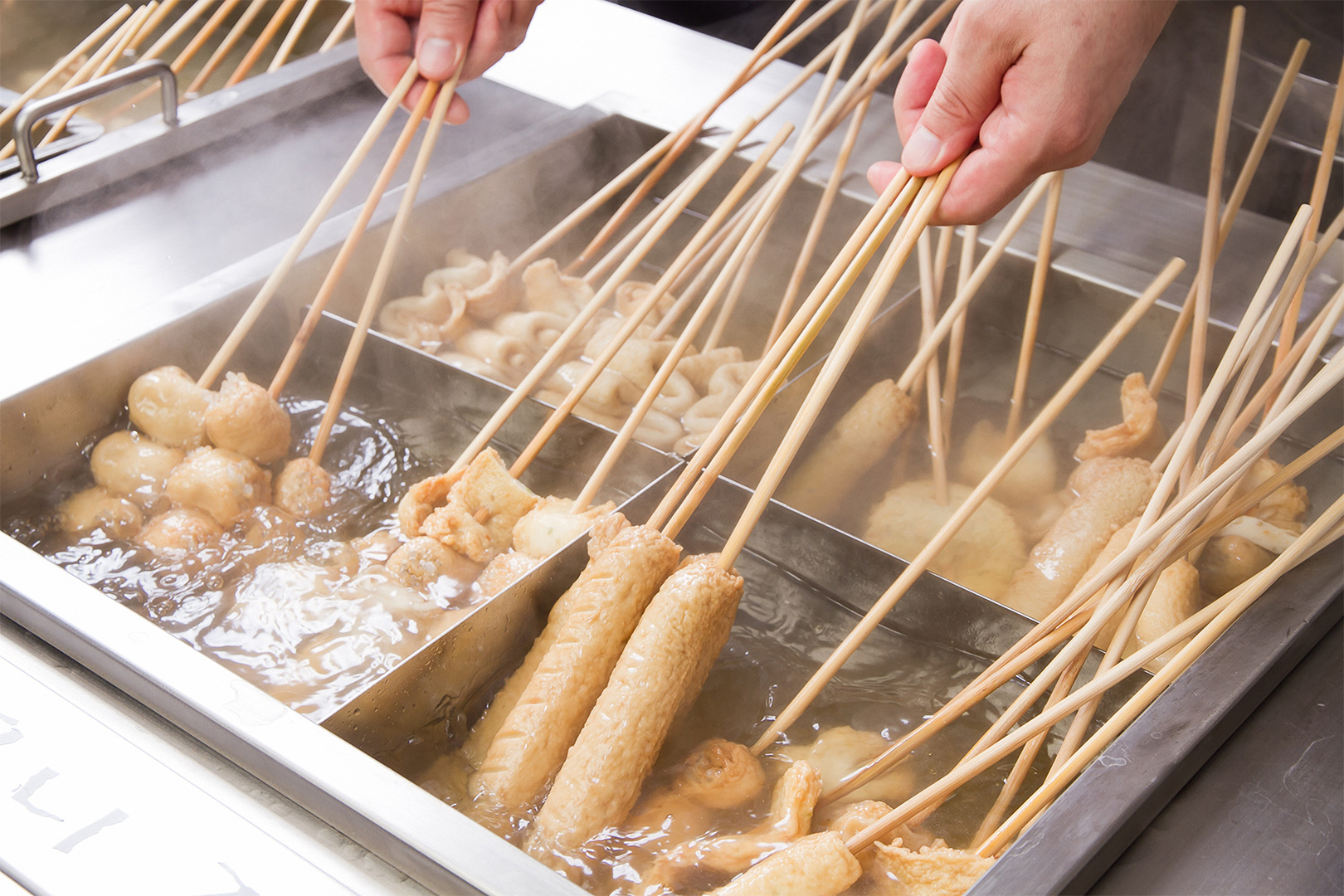
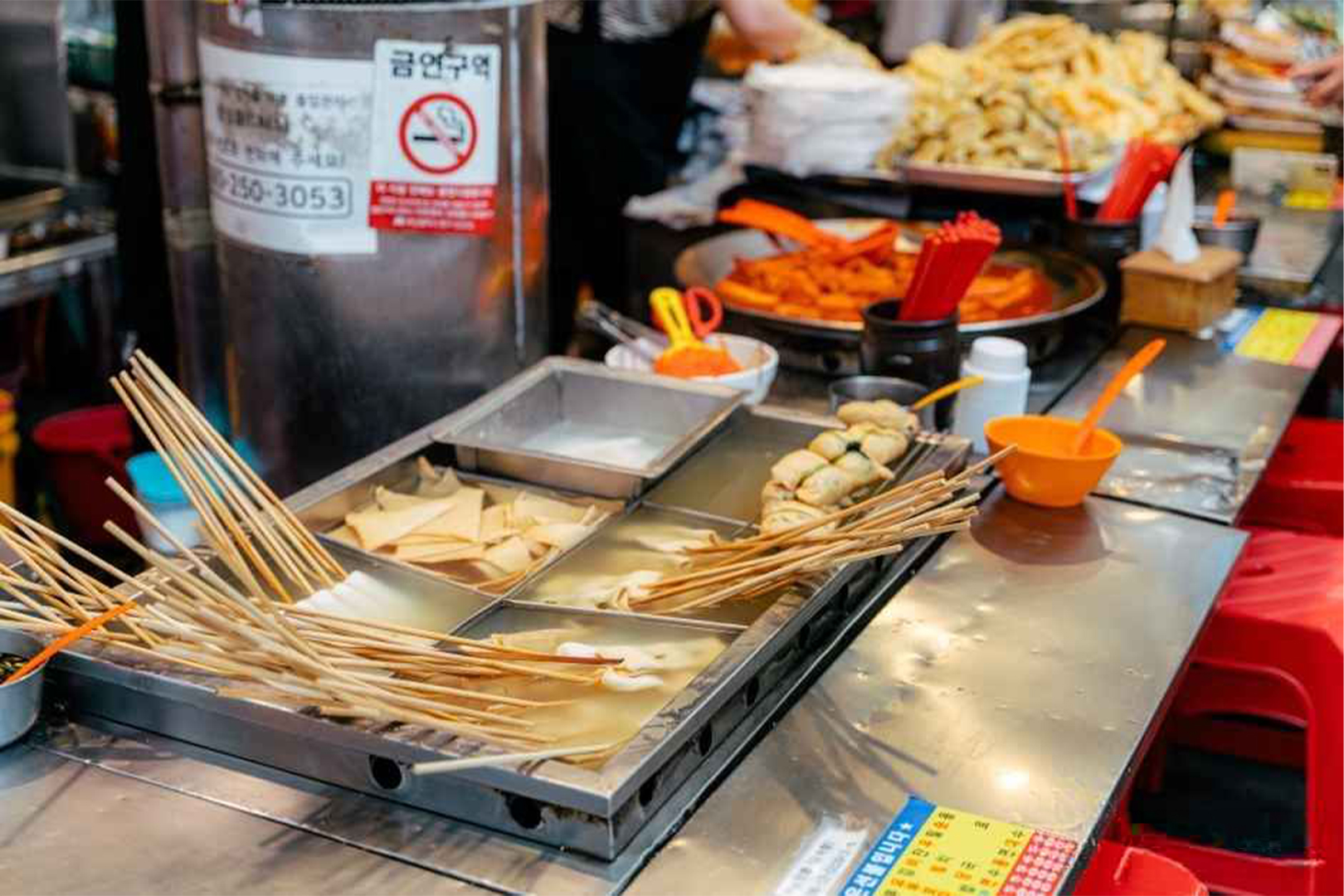
Rich Broth and Tender EomukIn Korean dramas, there’s one familiar winter food that appears again and again. In Boys Over Flowers, it was Gu Jun-pyo trying street eomuk fishcake for the first time and being pleasantly surprised at how good it is. In Our Beloved Summer, the two main characters enjoy a cozy date over steaming eomukguk. Eomuk is a Korean-style fishcake made by mixing white fish meat with flour, molding it into various shapes, and cooking the mixture in hot broth. It’s typically skewered and kept in the broth so it stays hot, and people often sip the steaming soup from a paper cup to warm their hands and bodies on cold days. Depending on the region, you can also find variations like spicy red eomuk that has a bit of a kick.
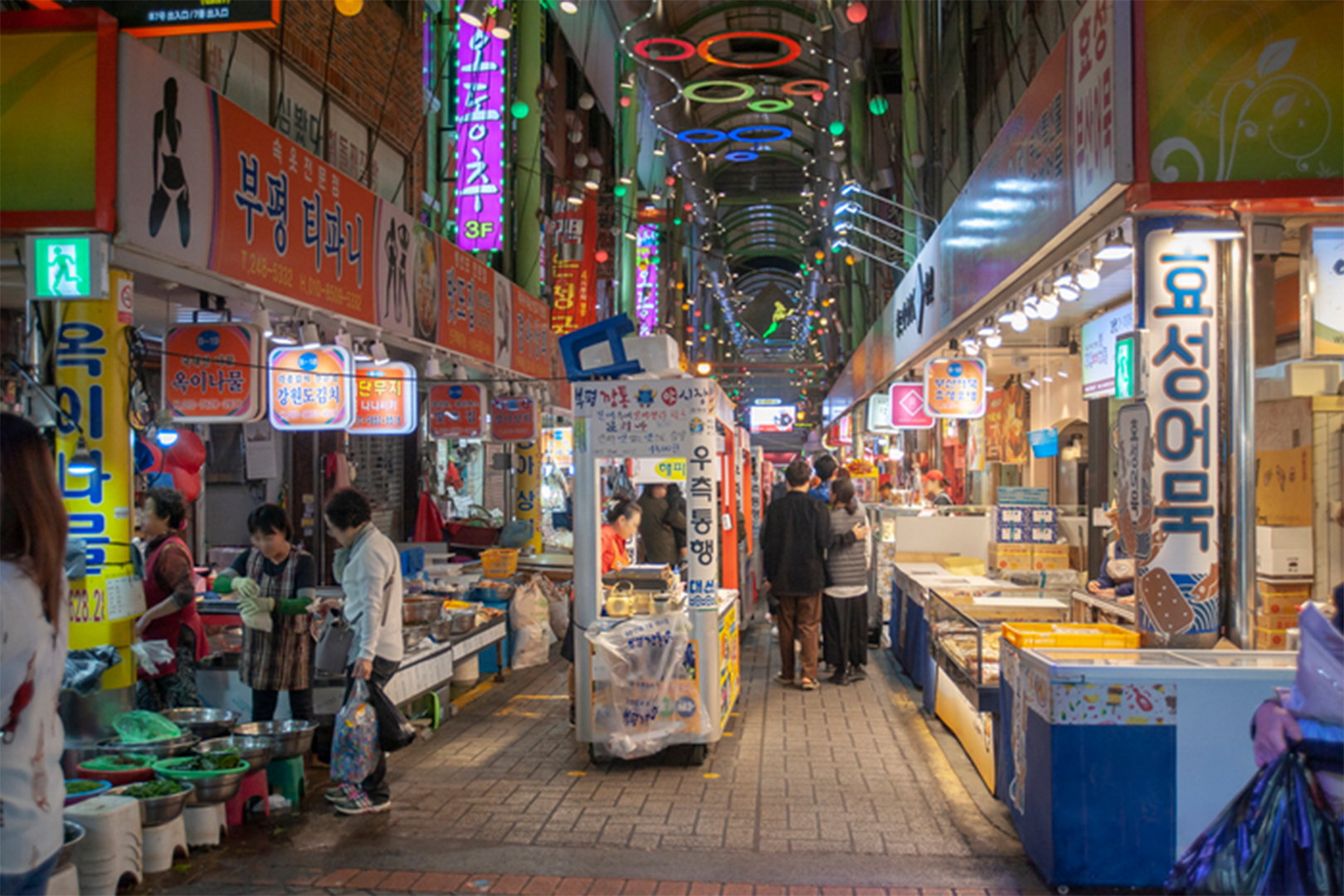
Busan is Korea’s largest eomuk producer, with a rich variety of fishcakes that are of exceptional quality. Some shops even make eomuk only from fish meat without using any flour, resulting in a more flavorful taste. At the Eomuk Alley at the Bupyeong Kkangtong Market, steam rises from endless rows of fish cake stalls even in the coldest winter months. It’s a great spot to enjoy all sorts of local street food and experience Busan’s unique atmosphere.
Winter in Korea is full of delicious street snacks waiting to be discovered. If you want to taste the foods you’ve seen in K-content, be sure to visit the places introduced here. If you were to travel to Korea this winter, which snack would you like to try first?
Busan Bupyeong (Kkangtong) Market
Traditional Market Near Busan Jagalchi Station with Eomuk Alley, Ssiathotteok, and More on Offer- Location: 48 Bupyeong 1-gil, Jung-gu, Busan
- Contact: +82 051-243-1128
- Hours: 08:00 – 20:00 (Night Market 19:30 – 23:30) (hours and holidays vary by kiosk)
- Website and SNS
- Website: https://english.visitkorea.or.kr/svc/contents/contentsView.do?menuSn=459&vcontsId=78106
The address has been copied.
-
 HALLYU WITH YOU


Start a FREE Online Call
(No charges for calls on Wi-Fi /
Data charges may apply)

Open 1330 Helpline Chat(Download not required)