- Log in
-
- Sydney Overseas Office
- London Overseas Office
- Toronto Overseas Office
- Los Angeles Overseas Office
- New York Overseas Office
- Ulaanbaatar Overseas Office
- Dubai Overseas Office
- New Delhi Overseas Office
- Manila Overseas Office
- Jakarta Overseas Office
- Hanoi Overseas Office
- Kuala Lumpur Overseas Office
- Singapore Overseas Office
- Bangkok Overseas Office
- Map
- Sydney Overseas Office
- London Overseas Office
- Toronto Overseas Office
- Los Angeles Overseas Office
- New York Overseas Office
- Ulaanbaatar Overseas Office
- Dubai Overseas Office
- New Delhi Overseas Office
- Manila Overseas Office
- Jakarta Overseas Office
- Hanoi Overseas Office
- Kuala Lumpur Overseas Office
- Singapore Overseas Office
- Bangkok Overseas Office
INSIGHT
- HOME
- Hallyu with you
- INSIGHT
-
-
-
Curious About the Retro Settings in Korean Dramas? K-Time Travel Back to the Past
-
11/26/2025
6.2K
-
4
5
-
-
K_drama
amusement_park
unique_experience
photo_zone
retro
-
-
-
Hallyu Insight Vol.15
Curious About the Retro Settings in Korean Dramas? K-Time Travel Back to the Past
Among the many genres of Korean dramas and films, period pieces set against nostalgic backdrops hold a special kind of charm. Works that reinterpret Korea’s modern history through a contemporary lens remain popular with audiences. The scenes and nostalgia from the past have become a distinctive mise-en-scène in K-content.
These retro settings bring up old memories for the older generation, while offering a fascinating glimpse into Korea’s past for the youth and international audiences. In this edition, we’ll take you on a trip through time to visit locations where you can relive those memorable moments from your favorite dramas.
Take Me To Euljiro, Scenes from
My Youth in Typhoon FamilyThe recently aired drama Typhoon Family is set against the Asian financial crisis that began in 1997, and vividly recalls that era through detailed and realistic depictions of its streets, culture, and atmosphere. By capturing the everyday emotions and moments from those days, the series struck a deep chord of nostalgia among viewers.
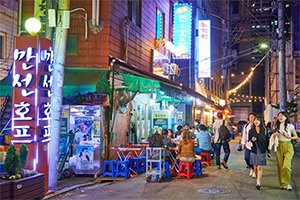
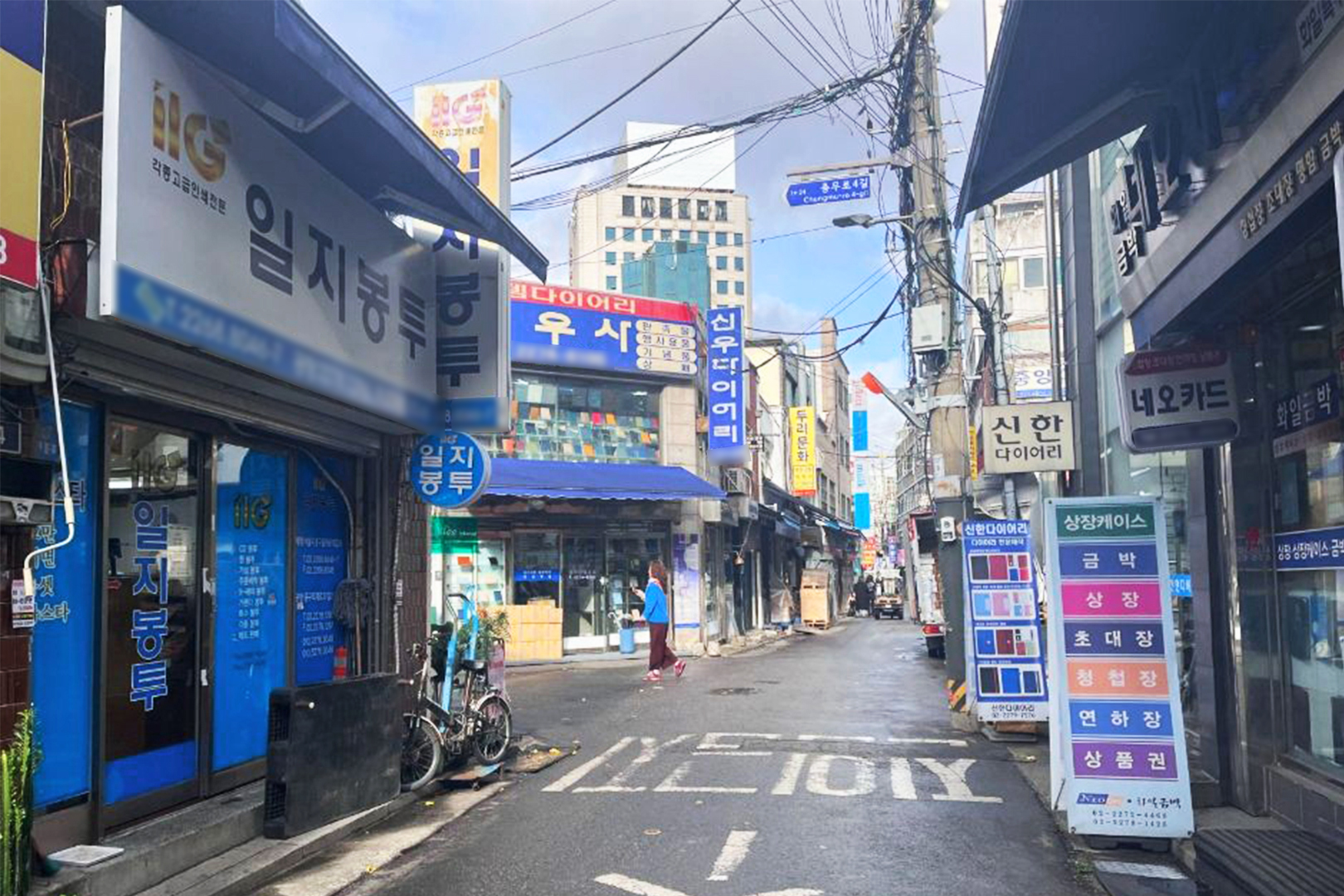
The show is set in Euljiro, where the fictional Typhoon Company is portrayed as a local small business. Once filled with aging tool shops and faded signboards, Euljiro preserves the spirit of Korea’s industrialization era, but today, it has transformed into a beloved hotspot for younger generations who find inspiration in its vintage street corners.
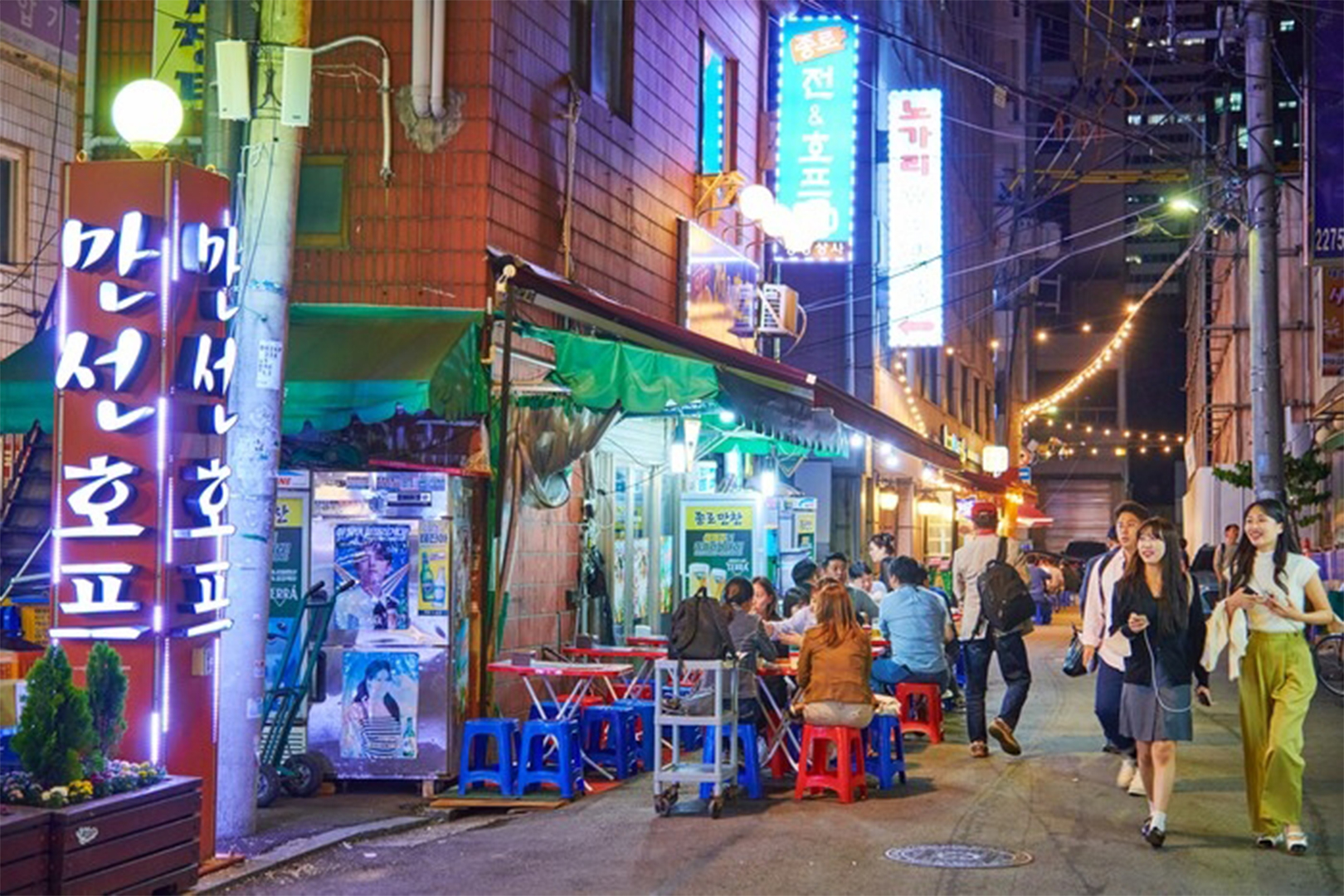
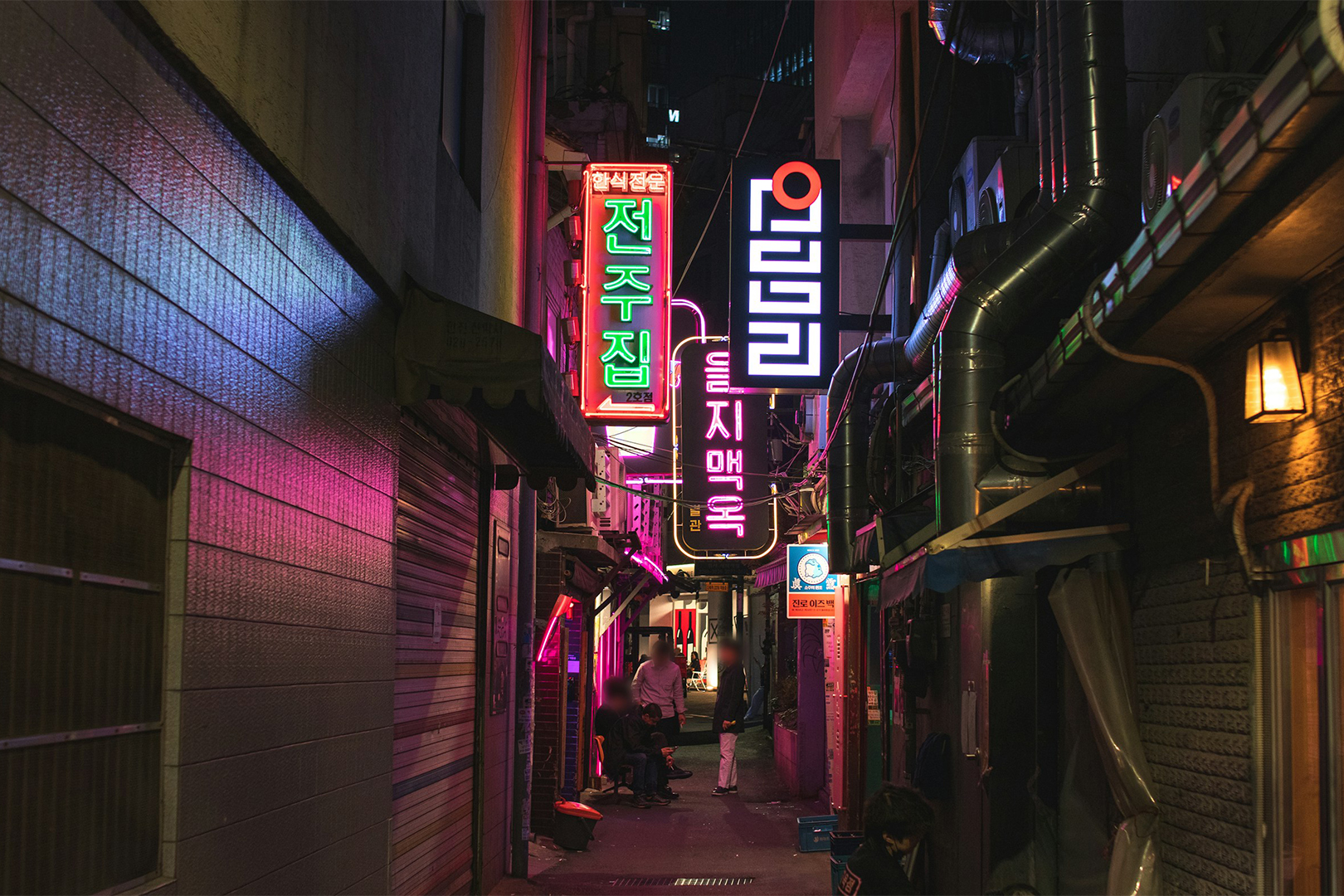
If you’d like a taste of this nostalgic charm, head to Euljiro, also known as “Hipjiro.” The area around the Nogari Alley best captures its mood. With decades-old eateries and stylish cafés and bars, simply walking through the streets feels like moving through layers of Seoul’s history. For international visitors, Euljiro feels like a living museum, offering the chance to experience old Seoul in the most contemporary way.
Euljiro
Stylish Cafes and Eateries Scattered Around Euljiro 3-ga Station Among Old Printing Houses and Tool Shops,
Experience K-Retro Pub Culture at Nogari Alley- Location: Eulji-ro 129, Jung-gu, Seoul
- Hours: Varies by shop
Nearby Attractions
- 1) Cheonggyecheon Stream: Walkway cutting through the heart of Seoul offering encounters with nature during the day
and fascinating urban nightscapes after sunset - 2) Chungmuro: Beating heart of Korea’s film and printing industry with timeless theaters and printing houses
that offer a glimpse into nostalgic Seoul
The 1990s Dabang Tea Rooms,
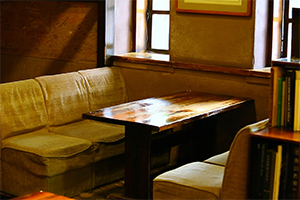
from A Virtuous BusinessSet in the 1990s, the drama A Virtuous Business is centered on the themes of women’s liberation and female friendship. One of its most memorable settings is the dabang, traditional Korean-style coffeehouses that served as popular meeting places from the 1960s through the 1990s. Long before the rise of franchise cafés, people gathered in dabangs to listen to music and engage in conversation. For the youth of that era, these places were both a social lounge and a cultural salon.
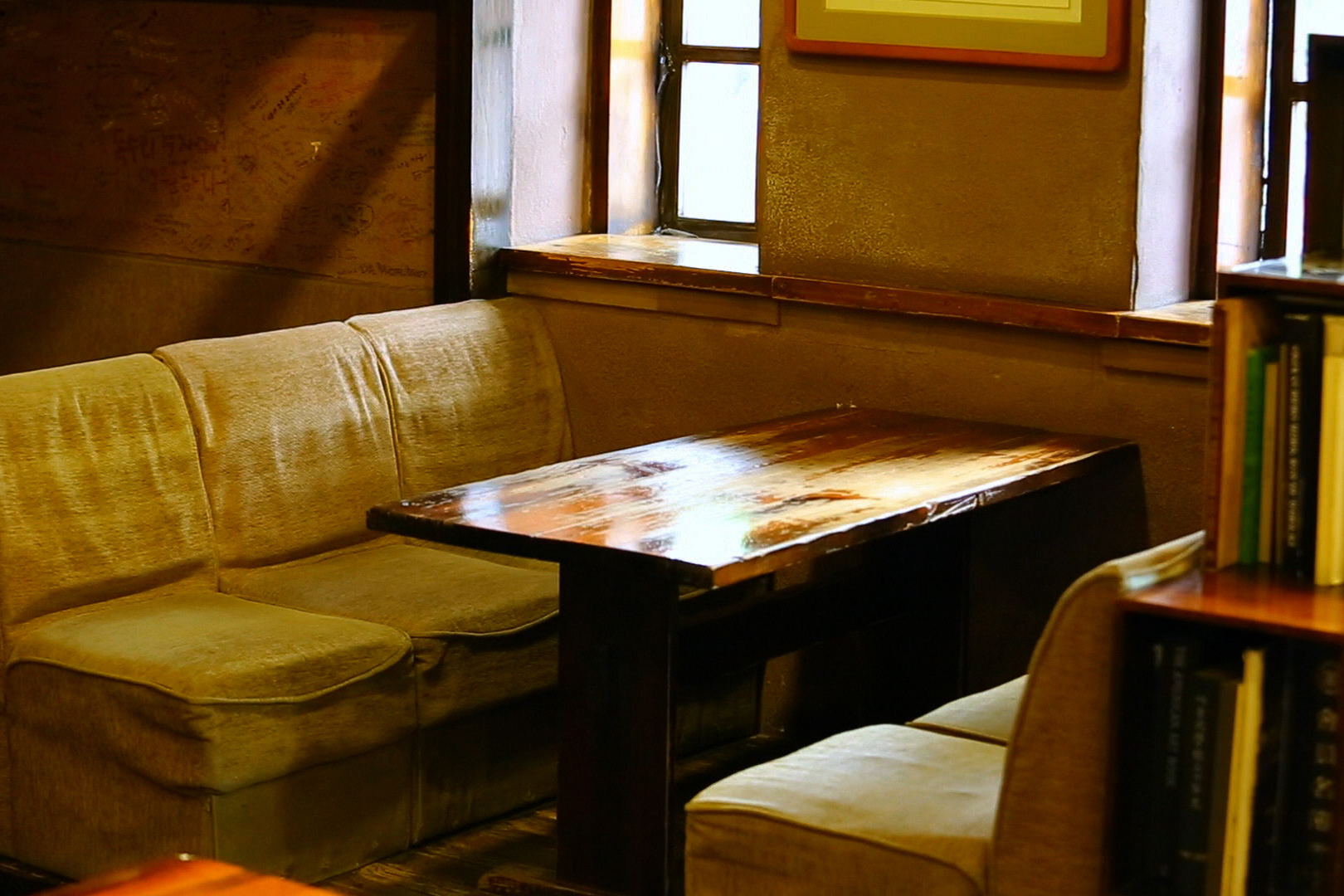
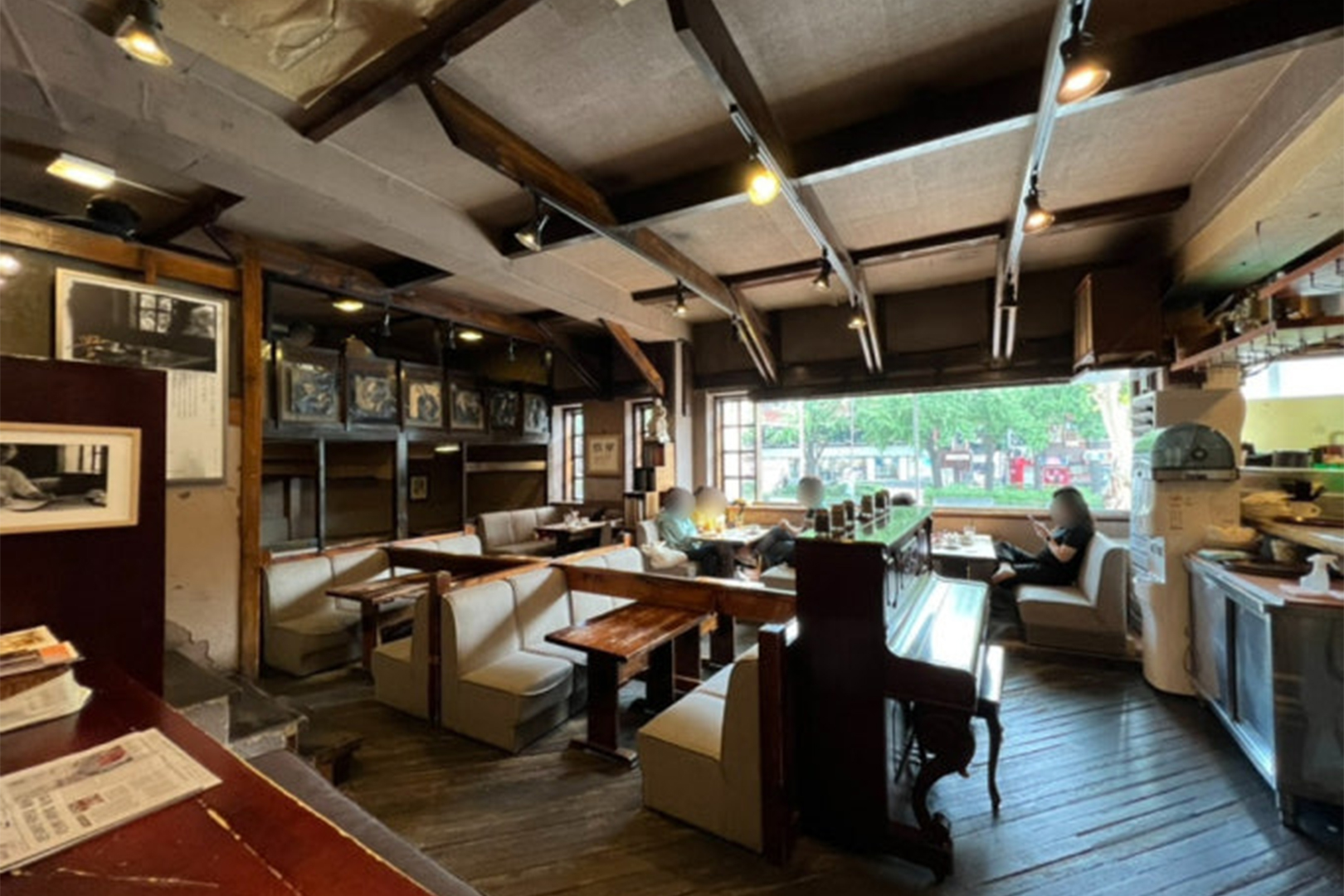
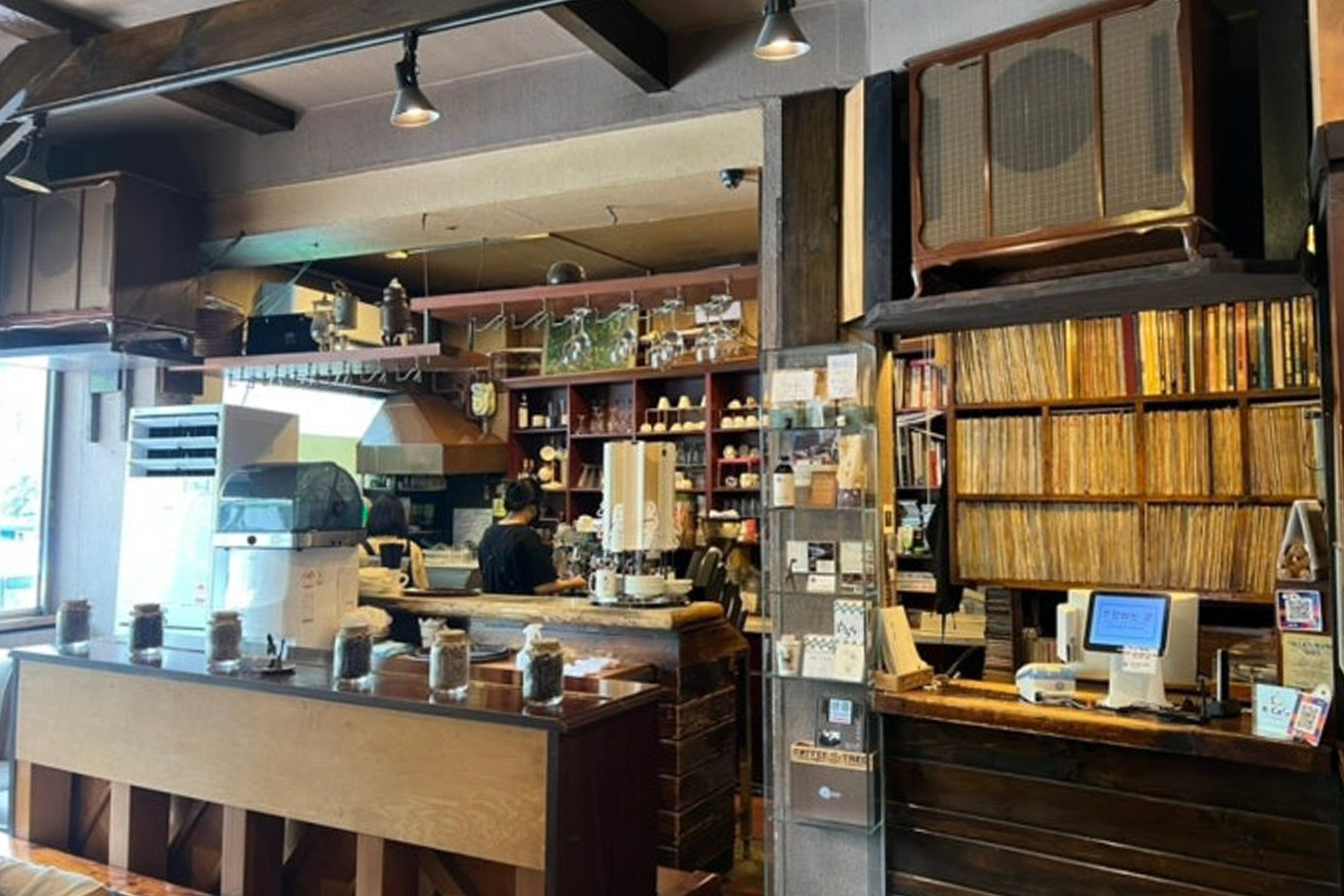
Although dabangs have mostly disappeared today, a few carry on their legacy in Seoul. The most iconic example is Hakrim in Daehakro. Established in 1956, it’s the oldest dabang in Seoul and has been inscribed as a Seoul Future Heritage site. The place still maintains its old charm, with its classical music offerings and vintage furnishings. It even carries old favorites like Vienna coffee and ice cream parfait on its menu.
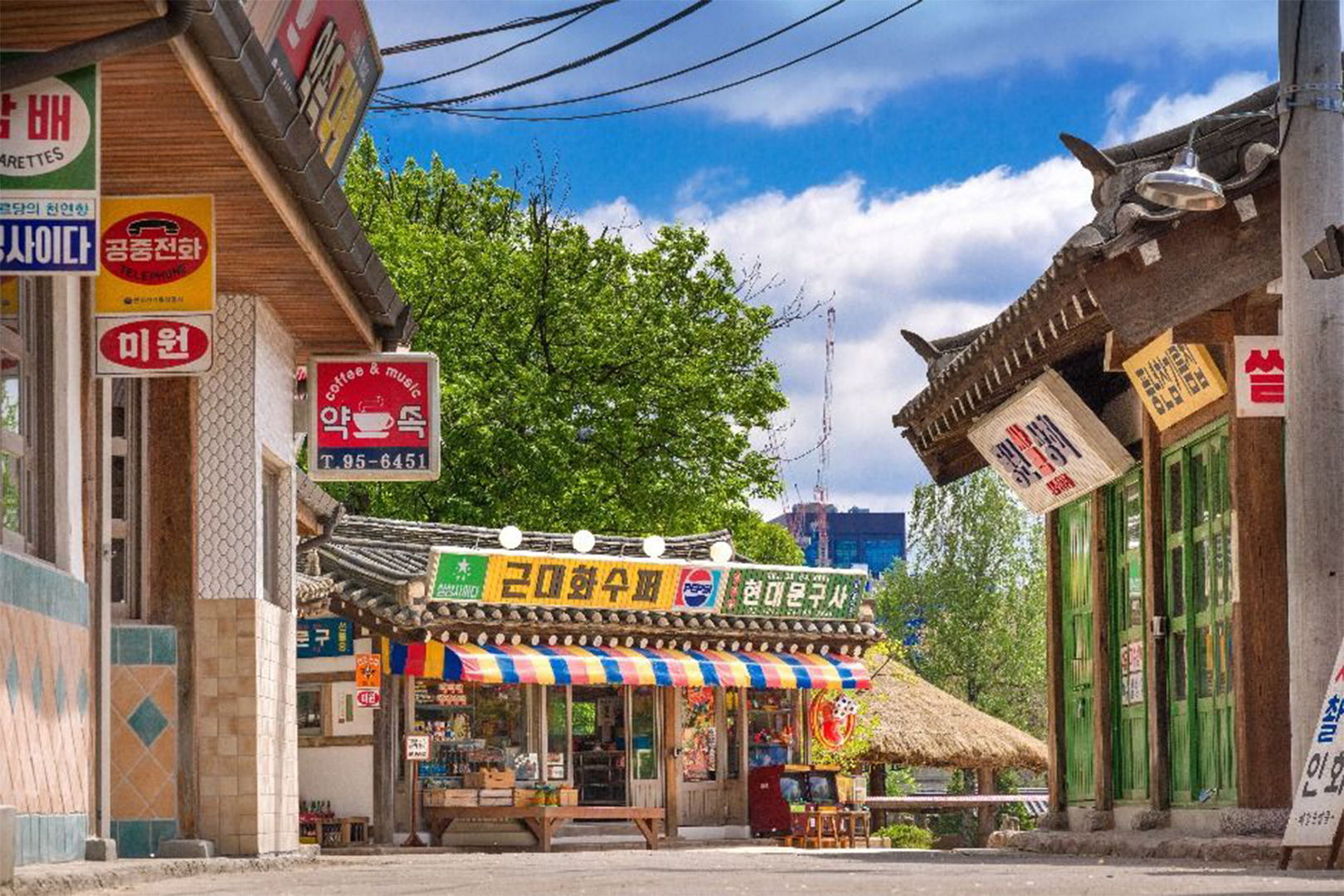
For an immersive experience, visit the 7080 Memory Lane at the National Folk Museum of Korea. This exhibit recreates a full streetscape from the 1970s and 1980s, complete with a dabang, a school, supermarket, comic book store, and tailor shop, providing a glimpse into everyday Korean life from that era. If the dabang scenes from the drama made you wonder, this place would be perfect for you.
Hakrim
Oldest Café in Seoul, Opened in 1956 in Hyehwa-dong, Jongno- Location: 119 Daehakro, Jongno-gu, Seoul
- Contact: +82 02-742-2877
- Hours: 10:00 – 23:00 (last order 22:00)
- Website and SNS
- Website: https://english.visitkorea.or.kr/svc/contents/contentsView.do?menuSn=352&vcontsId=47863
Nearby Attractions
- 1) Naksan Park: Scenic walking trail from Daehakro to Dongdaemun along a fortress wall shaped like the curve of a camel’s back. Featured in KPop Demon Hunters.
- 2) Arko Arts Theater: Mainstay in the Daehakro theater scene and steeped in the history of Korean modern and
contemporary performing arts. Numerous original productions and experimental works have been staged
since its opening in 1981.
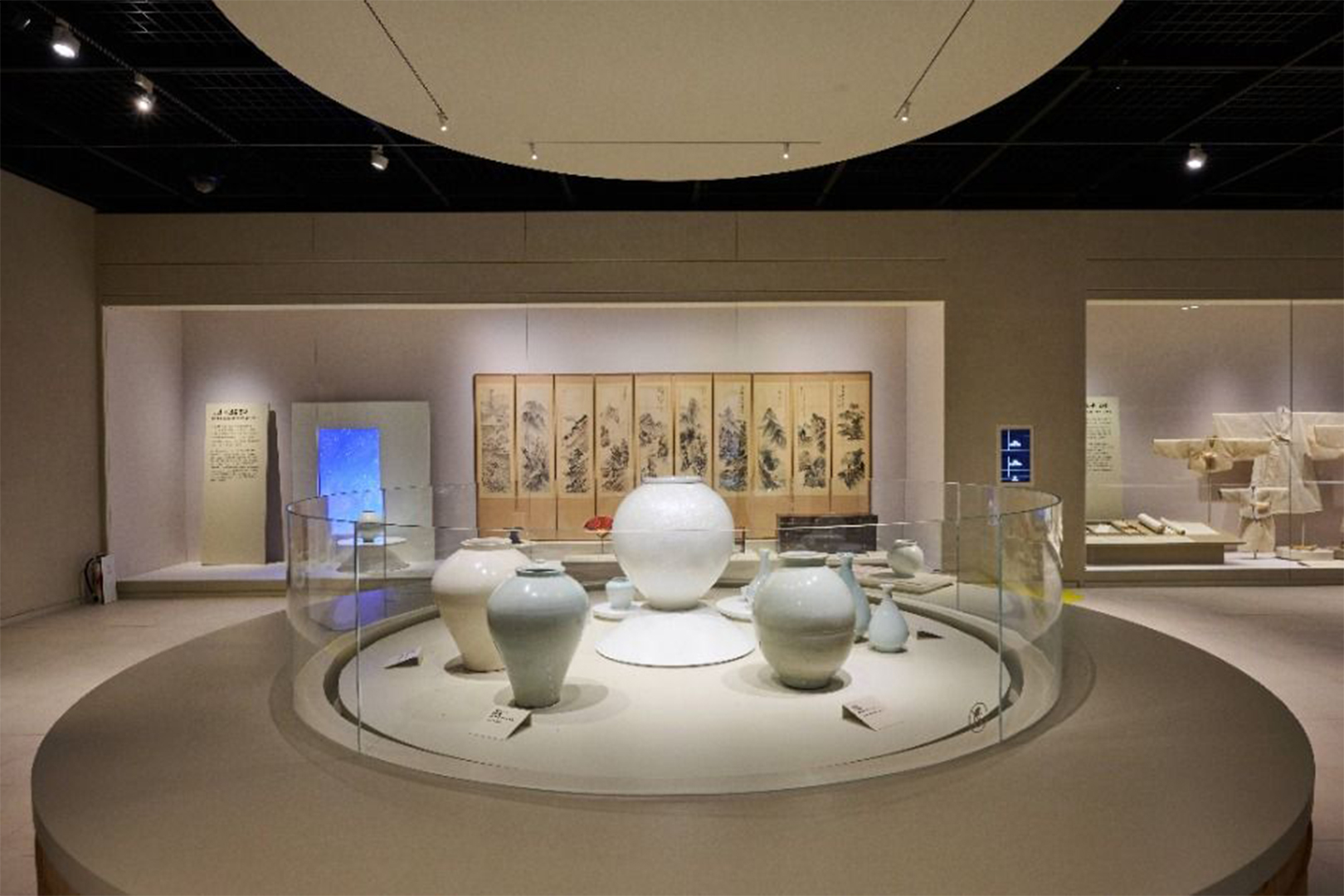
National Folk Museum of Korea
Public Museum Displaying the Largest Collection of Traditional Folk Archives in Korea,
Located in Gyeongbokgung Palace- Location: 37 Samcheong-ro, Jongno-gu, Seoul
- Contact: +82 02-3704-3114
- Hours: March-October 09:00~18:00 (Last Entry 17:00), November-February 09:00~17:00 (Last Entry 16:00)
- Website and SNS
1) Homepage - www.nfm.go.kr
2) SNS - @tnfmk
The Time-Frozen Amusement Park
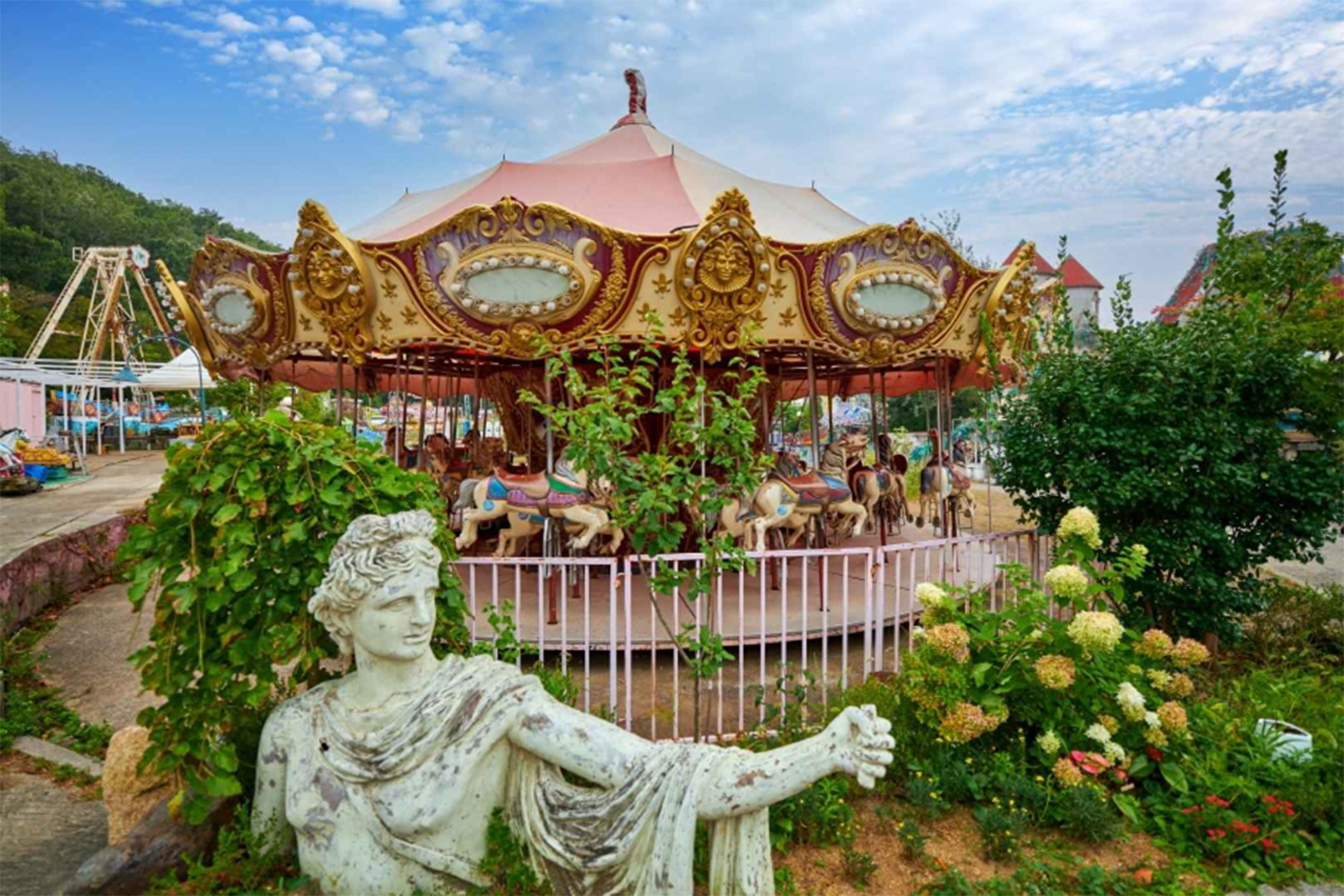
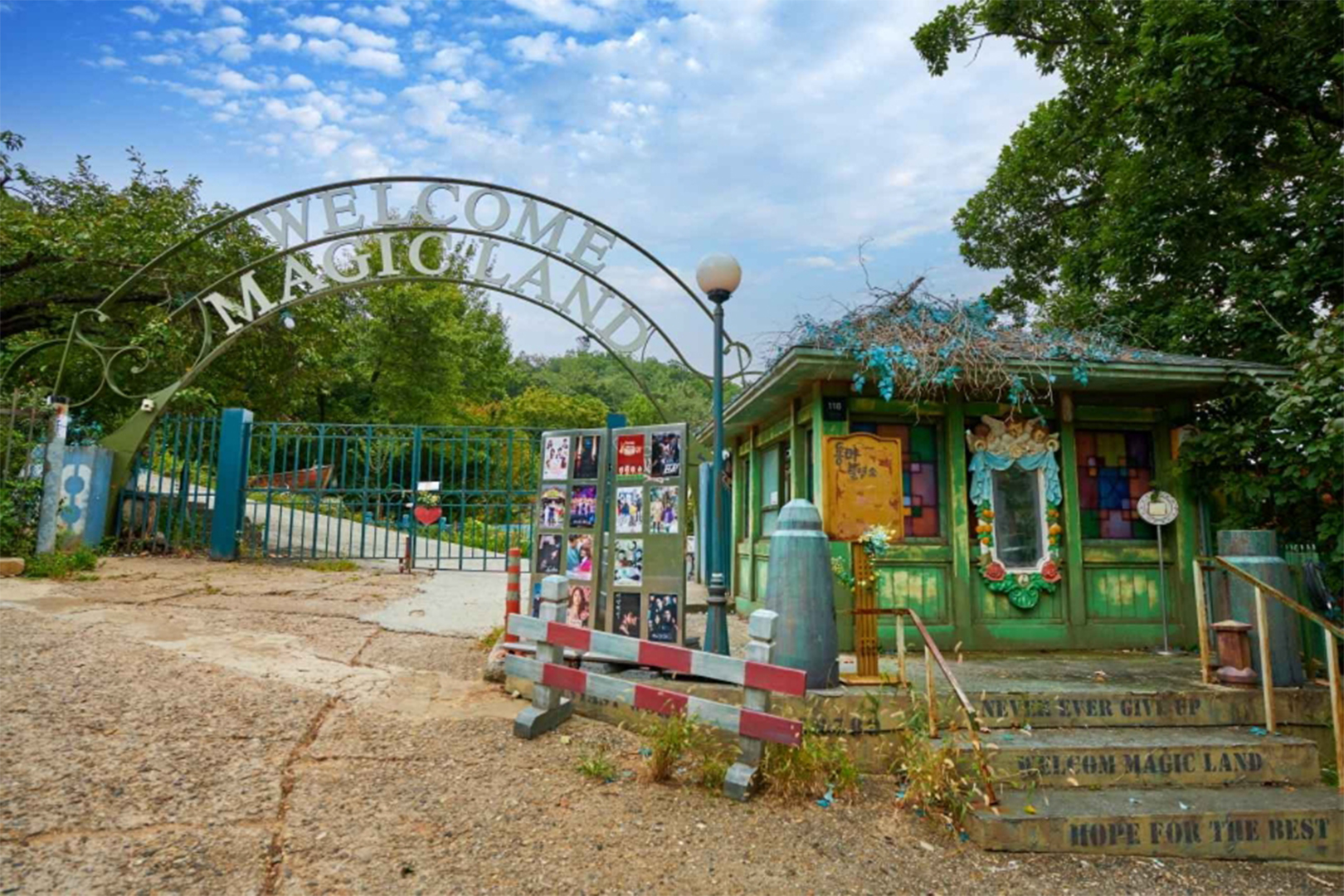
from Miss Granny and The Sound of Magic, Yongma LandMany scenes in Korean dramas often introduce magical moments that blur the line between reality and fantasy. In the recently aired drama Miss Granny, a grandmother suddenly finds herself transformed back into her twenty-something self. The amusement park where she enjoys youthful dates is none other than Yongma Land. The park also appears in the fantasy drama The Sound of Magic, where reality and imagination blur in the dreamlike location.
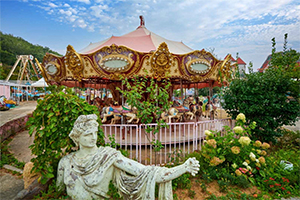
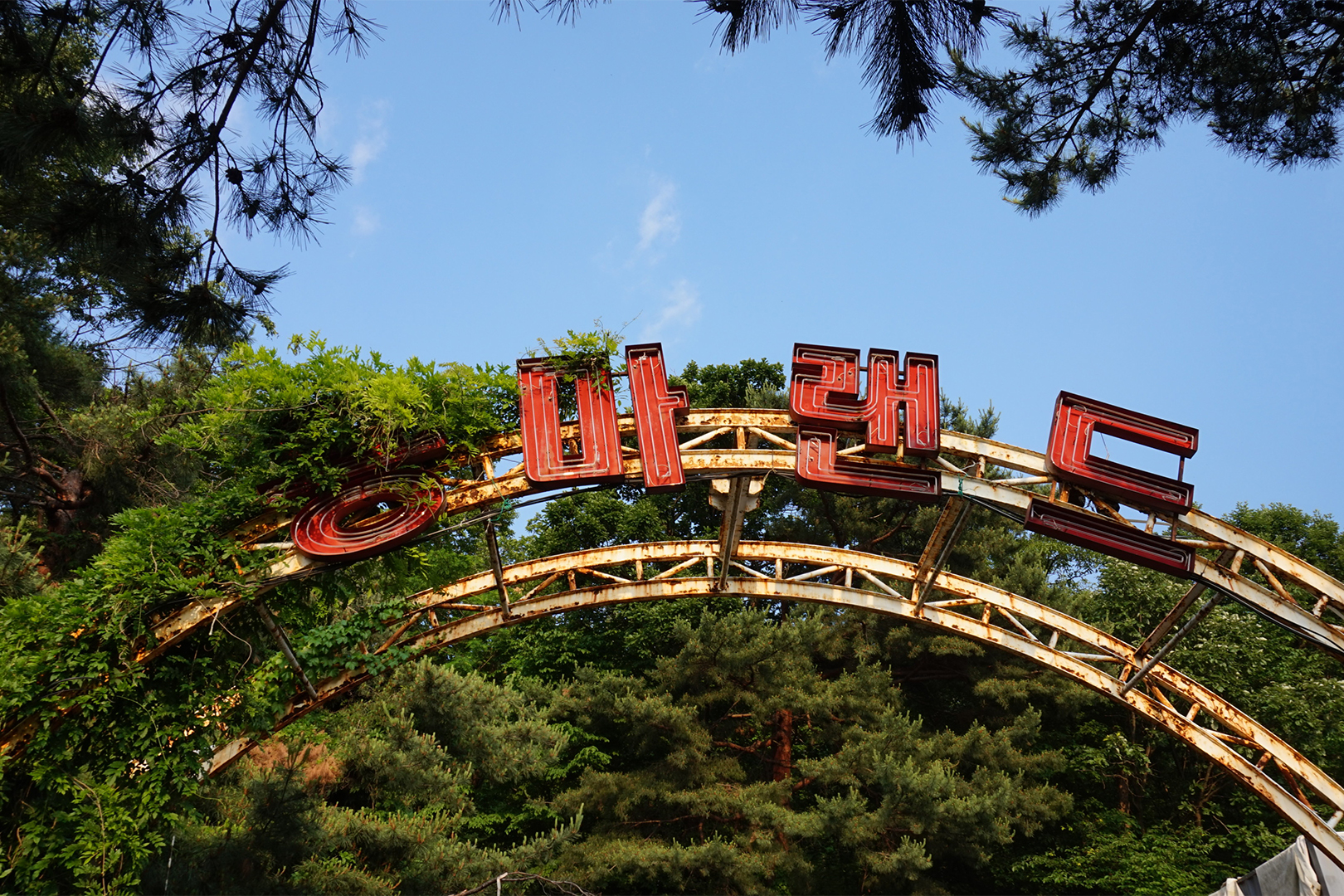
Opened in 1983 as a private amusement park, Yongma Land closed in 2011. It remained a derelict place for some time, with its rides and facilities going unused. Now, these nostalgic structures have earned the park a comeback. The faded carousel, rusted roller-coaster tracks, and vintage signboards contain a nostalgic charm that has made Yongma Land one of Seoul’s most iconic retro photo spots, hosting everything from TV dramas, photo shoots, and music videos.
Although the rides no longer run, visitors can still explore the park, take photos, or rent spaces such as the barbecue area and party-room studio for private events. Because the venue is frequently reserved for film shoots and full-site rentals, entry may occasionally be restricted. Be sure to check the Yongma Land official website for updated announcements on access dates before your next visit.
Yongma Land
Defunct Amusement Park to the East of Seoul, Popular for Photo Shoots- Location: 118 Mangu-ro 70-gil, Jungnang-gu, Seoul
- Contact: +82 02-436-5800
- Hours: 10:00–18:00 (check access dates on official website before visit)
- Entrance: Fee (check website)
- Website and SNS
1) Website - https://cafe.naver.com/yongmaland/
2) VISIT KOREA - https://english.visitkorea.or.kr/svc/contents/contentsView.do?menuSn=351&vcontsId=193704
Nearby Attractions
- 1) Yongma Falls Park: Park located on the foothills of Yongmasan Mountain, with distinctive artificial waterfalls
created on the site of an old aggregate collection plant from the 1990s - 2) MANG-U History & Culture Park: Historical park with the legacies of artists representing modern-era Korea, including the poets Han Yong-un and Park In-hwan and the artist Lee Jung-seob
The Ultimate Set for K-Dramas and K-Movies,
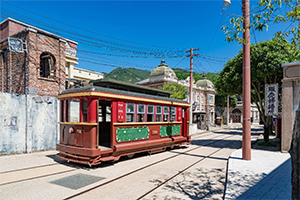
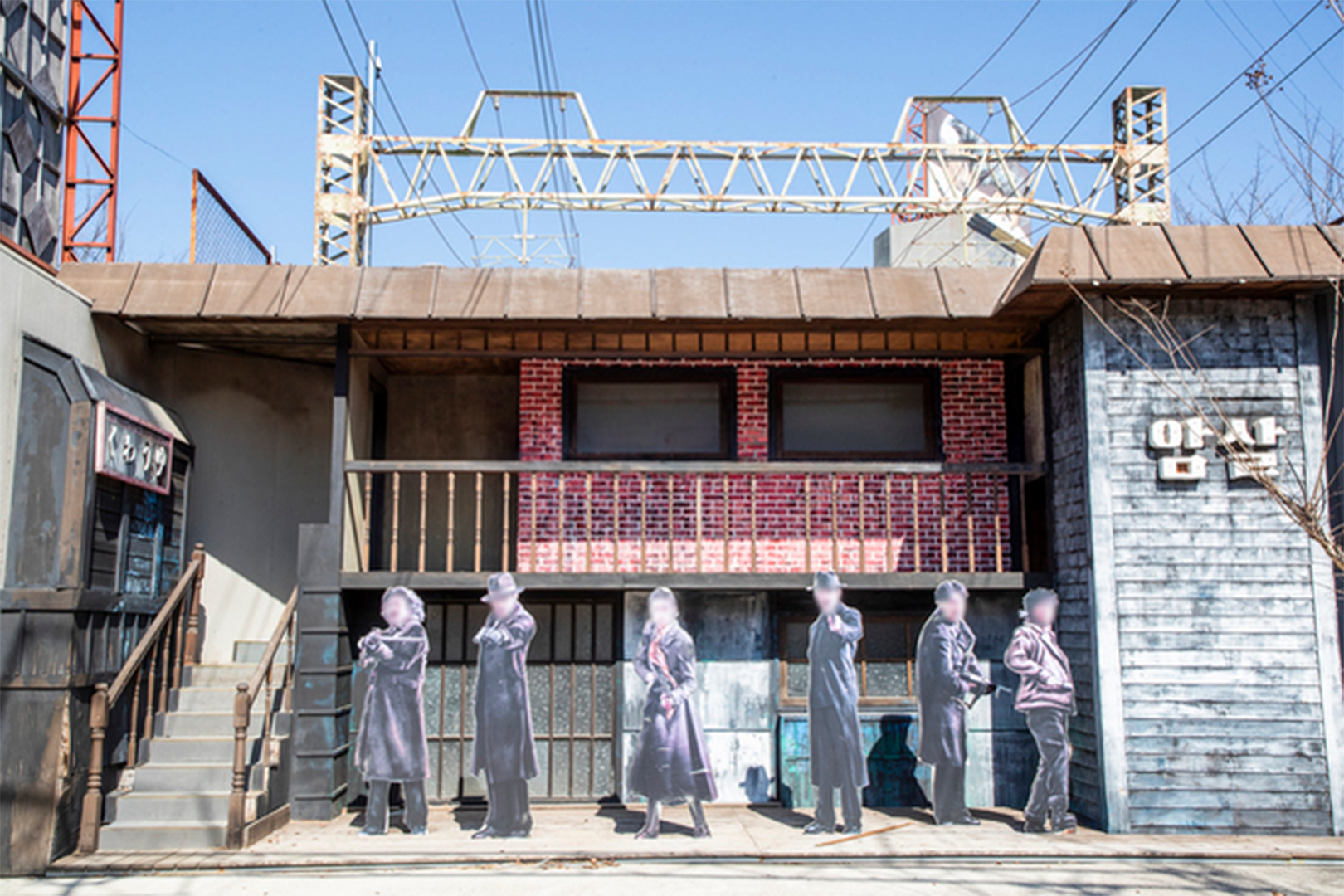
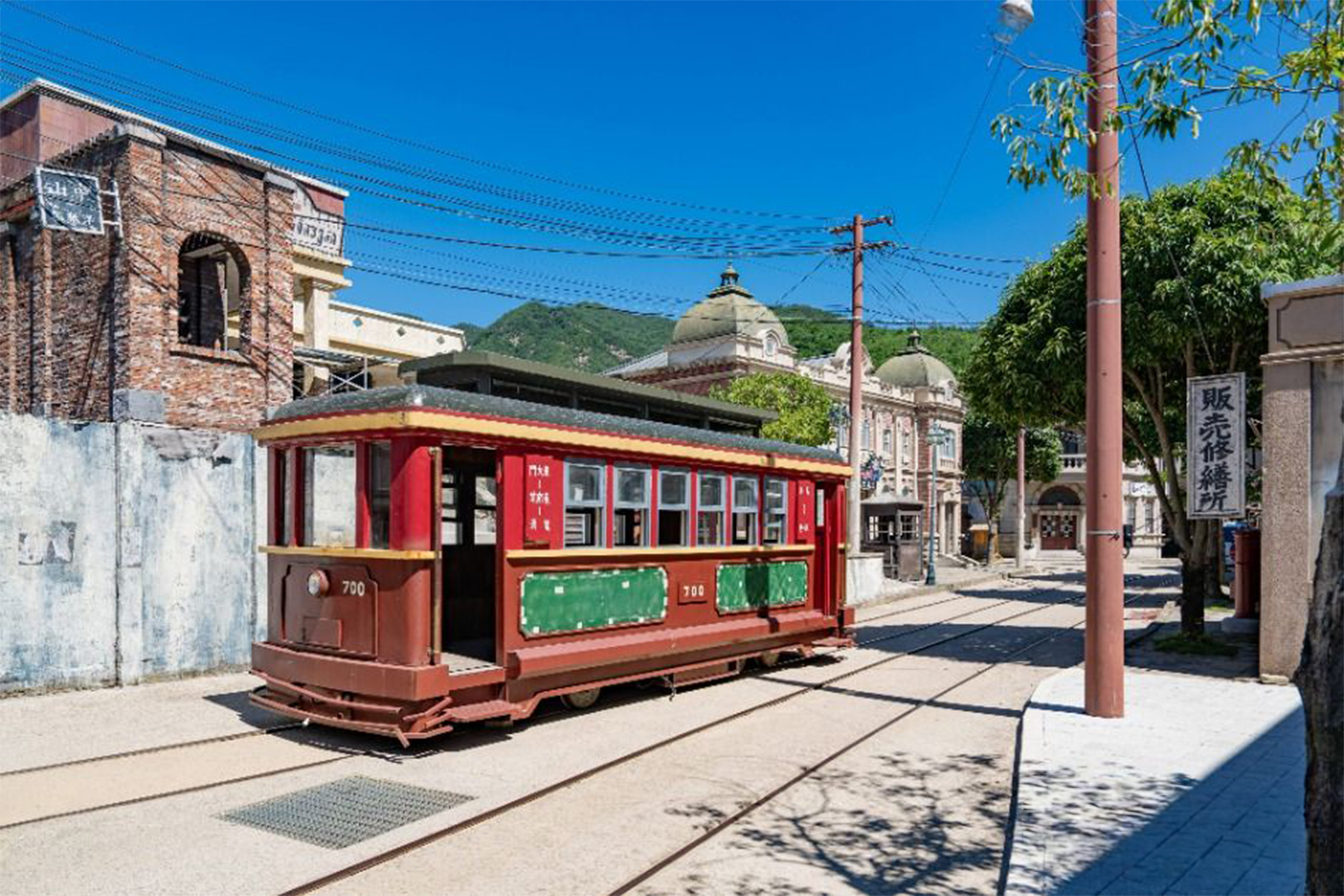
Hapcheon Film ParkKorea is famous for the rapid modernization of its urban culture. Have you ever wondered how challenging it must be to source locations for period works? The secret lies in Hapcheon Film Park, which vividly portrays the retro scenes from much of K-content. It is the largest historical drama filming site in Korea, with backdrops spanning eras from the 1920s to the 1980s. In fact, over 300 productions including Mr. Sunshine, When Life Gives You Tangerines, A Hundred Memories, and Bon Appétit, Your Majesty have been filmed here.
Each street is lined with era-appropriate signboards, buildings, and props that together offer a blast from the past. Visitors can see all the various historical features that recreate period scenes that represent Korea from the recent past. Just strolling through the sets and lifting your camera would feel like capturing a still from a drama.
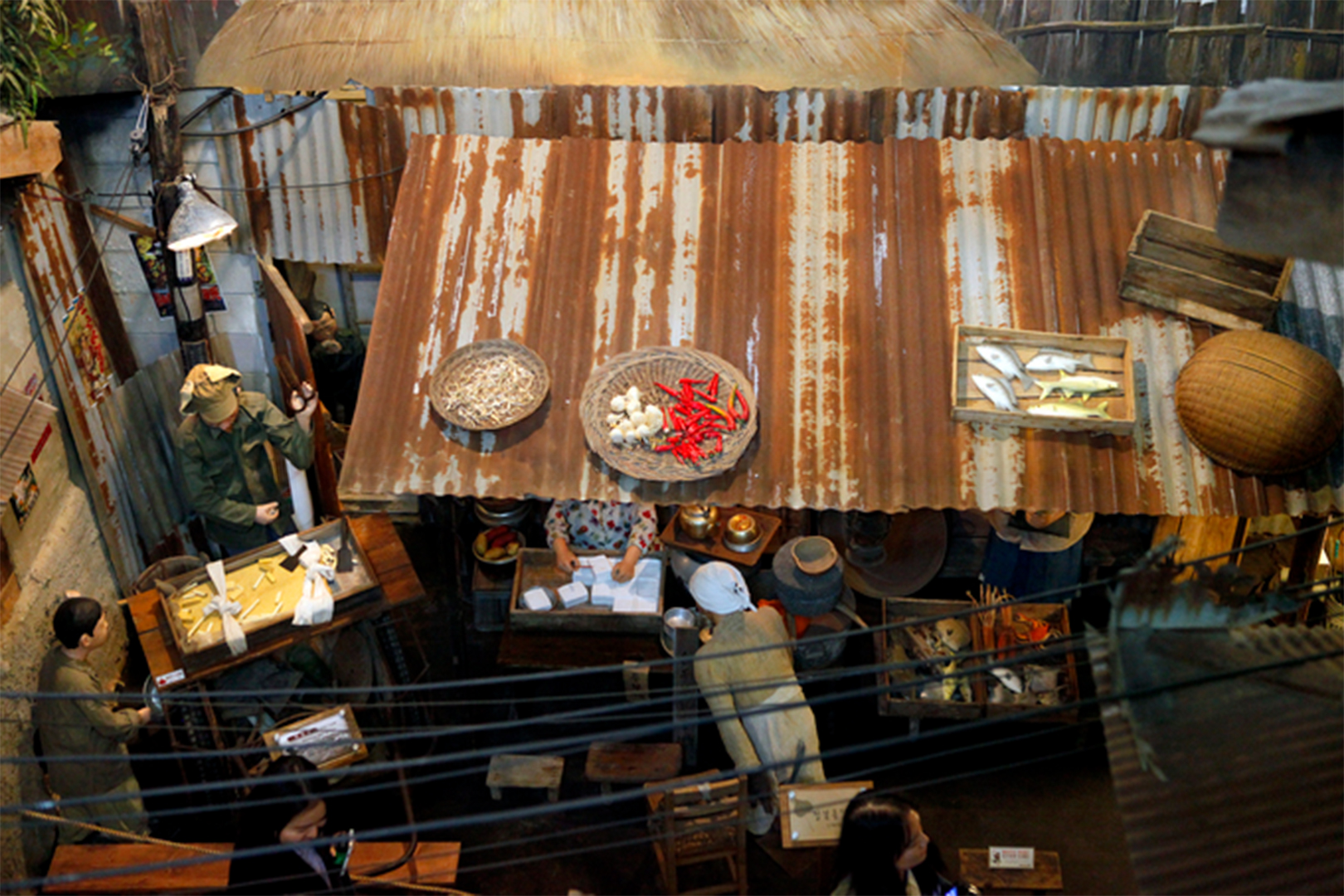
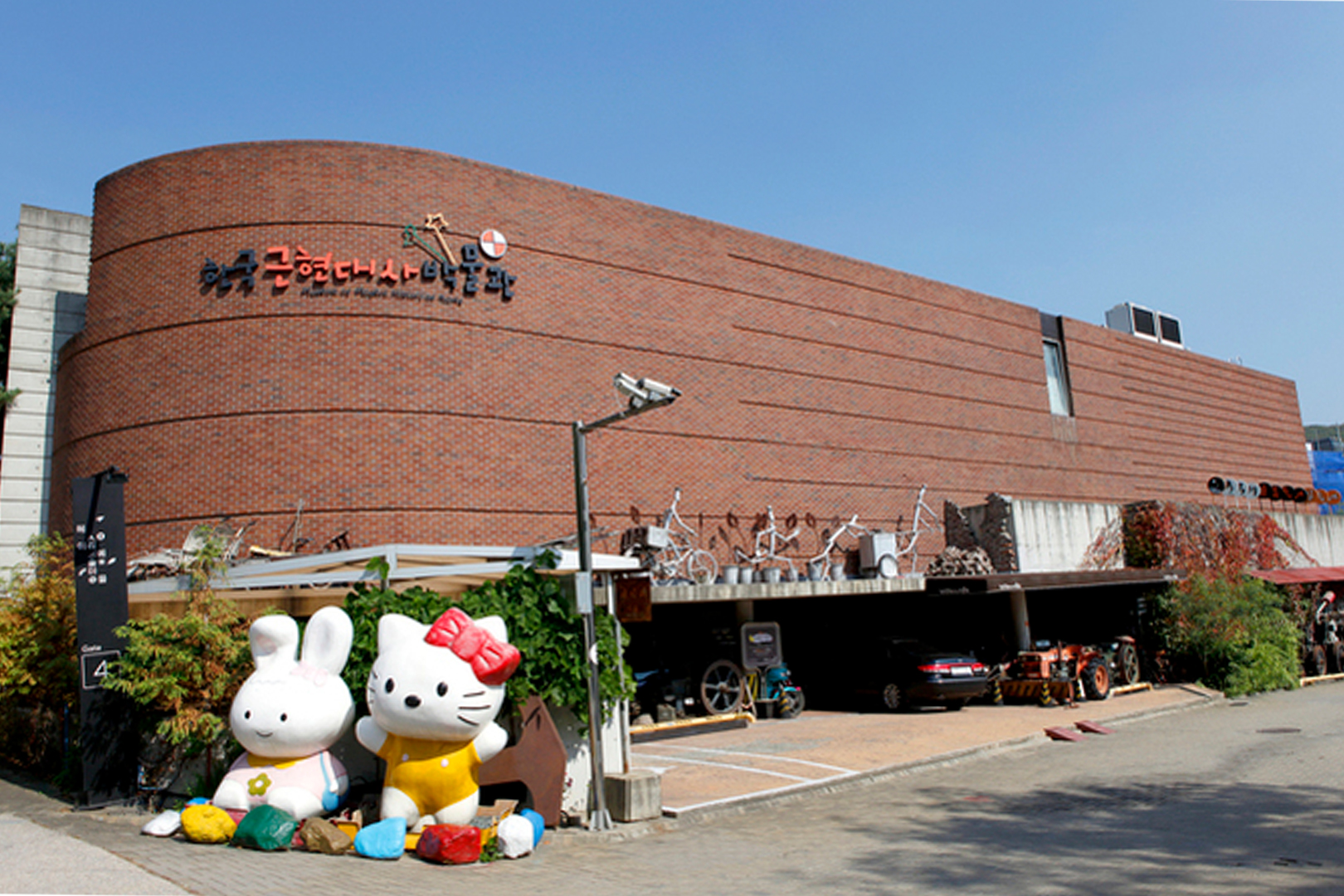
If you want to go beyond the sets and learn more about Korea’s modern and contemporary history, stop by the Museum of Modern History of Korea in Paju. There, you can engage with exhibits and immersive experiences on everyday life during the nation’s postwar industrial boom. They would make for a richer time-travel journey through Korea’s past.
Hapcheon Film Park
Korea’s Largest Specialized Open Set for Period Works Set in the 1920s-1980s- Location: 757 Hapcheonhosu-ro, Yongju-myeon, Hapcheon-gun, Gyeongsangnam-do
- Contact: +82 055-930-8633
- Hours: March-October: 09:00 – 18:00, November-February: 09:00 - 17:00 (last entry one hour before close)
* Closed Mondays, except when a public holiday falls on a Monday - Website and SNS
- Homepage: http://hcmoviethemepark.com/
Museum of Modern History of Korea
Immersive Exhibition on Folk Life from the 1960s-1970s, Located in Paju, Gyeonggi-do- Location: 59-85 Heyrimaeul-gil, Tanhyeon-myeon, Paju-si, Gyeonggi-do
- Contact: +82 031-957-1125
- Hours: 10:00 – 18:00
* Closed Mondays, except when a public holiday falls on a Monday - Entrance: Fee (check website)
- Website and SNS
- Homepage: www.kmhm.or.kr
The address has been copied.
-
 HALLYU WITH YOU


Start a FREE Online Call
(No charges for calls on Wi-Fi /
Data charges may apply)

Open 1330 Helpline Chat(Download not required)