- Log in
-
- Sydney Overseas Office
- London Overseas Office
- Toronto Overseas Office
- Los Angeles Overseas Office
- New York Overseas Office
- Ulaanbaatar Overseas Office
- Dubai Overseas Office
- New Delhi Overseas Office
- Manila Overseas Office
- Jakarta Overseas Office
- Hanoi Overseas Office
- Kuala Lumpur Overseas Office
- Singapore Overseas Office
- Bangkok Overseas Office
- Map
- Sydney Overseas Office
- London Overseas Office
- Toronto Overseas Office
- Los Angeles Overseas Office
- New York Overseas Office
- Ulaanbaatar Overseas Office
- Dubai Overseas Office
- New Delhi Overseas Office
- Manila Overseas Office
- Jakarta Overseas Office
- Hanoi Overseas Office
- Kuala Lumpur Overseas Office
- Singapore Overseas Office
- Bangkok Overseas Office
INSIGHT
- HOME
- Hallyu with you
- INSIGHT
-
-
-
Do Koreans Eat Based on the Weather and Their Feelings? The Story Behind K-Food in K-Content
-
08/27/2025
2.8K
-
0
1
-
-
K_food
gimbap
traditional_food
seaweed_soup
samgyetang
pajeon
-
-
-
Hallyu Insight Vol.9
Do Koreans Eat Based on the Weather and Their Feelings? The Story Behind K-Food in K-Content
In Korea, people don’t greet each other with a simple “How have you been?” Instead, it’s “Have you eaten?” And when parents check in on their grown-up kids who have moved out and are living on their own, they ask, “Do you have enough kimchi at home?” That’s how seriously Koreans take their food.
Whether it be movies, dramas, or variety shows, Korean content is all about the food. From crispy jeon pancakes on a rainy day, steaming samgyetang chicken soup on a sweltering summer afternoon, black bean jjajangmyeon noodles delivered on moving day, to homemade gimbap packed for a school picnic… These scenes may not look significant, but they were all inspired by how Koreans tie food to a specific emotion.
In today’s edition, we’ll explore familiar food moments from Korean dramas and variety shows to understand the uniquely Korean “situational food culture” behind each dish.
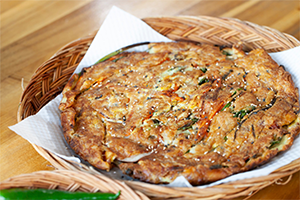
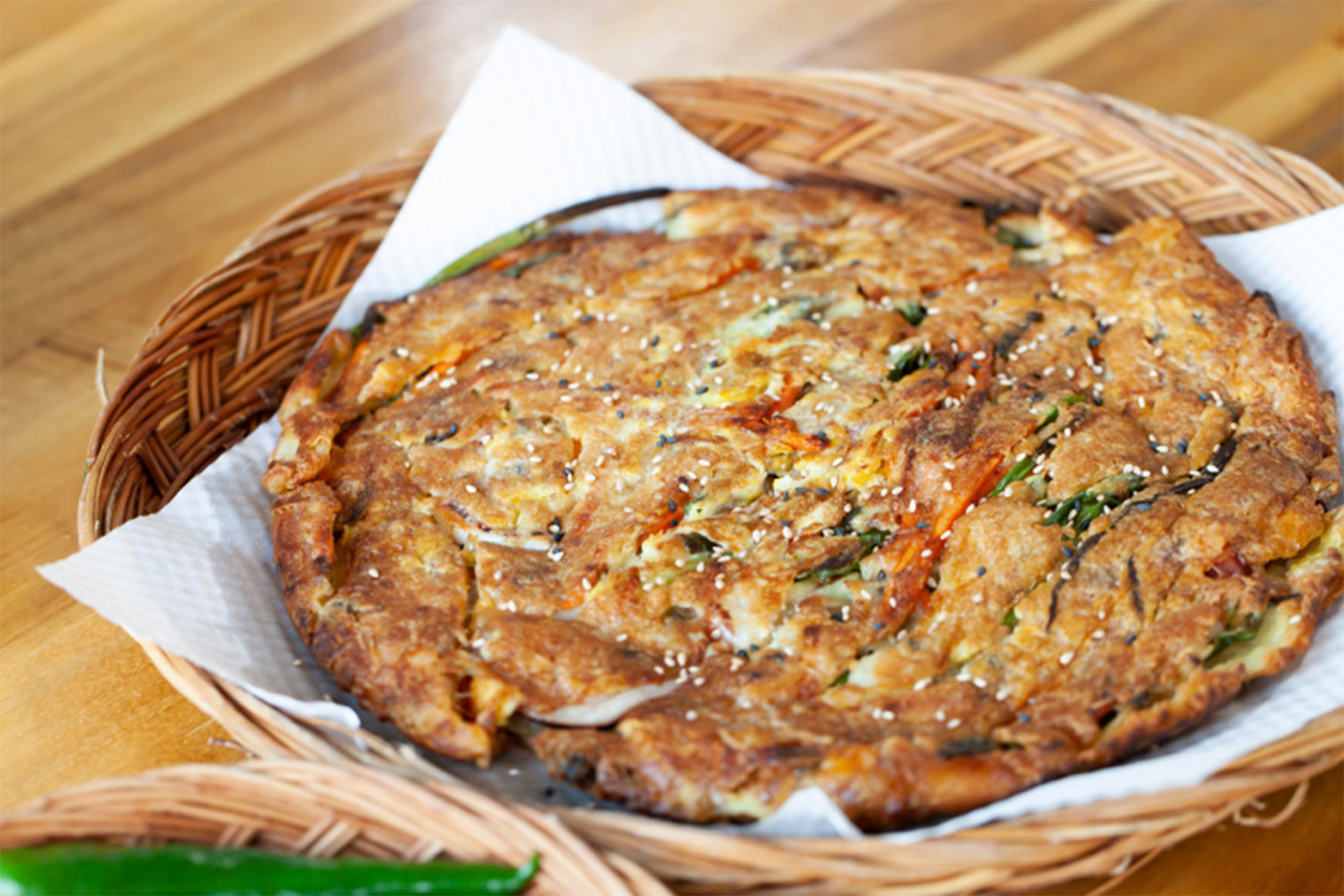
Why Do Koreans Prep Their Frying Pans on Rainy Days?Ever watched season one of In the SOOP, the travel reality series where BTS members escape to the forest? During one of their camping trips, a sudden downpour hits, and the boys rush to grab a frying pan, pour some oil, and start frying jeon. Also known as buchimgae, jeon is a savory Korean pancake made by tossing vegetables or seafood in a flour batter then pan-frying it until crisp.
On rainy days, Koreans feel the impulse to say, “Should we make some jeon?” This is likely because the soothing drumming of raindrops is similar to the sizzling sound of jeon cooking in oil. In fact, on rainy days, jeon restaurants report sales jumping anywhere from 33% to a whopping 89% compared to sunny days.
This tradition of enjoying fried pancakes on rainy days goes back all the way to Korea’s agrarian past. When rain stopped farmers from working in the fields, they would grab whatever seasonal ingredients were on hand, such as green onions, chives, zucchini, and throw them into a flour batter to be fried for a simple yet hearty snack.
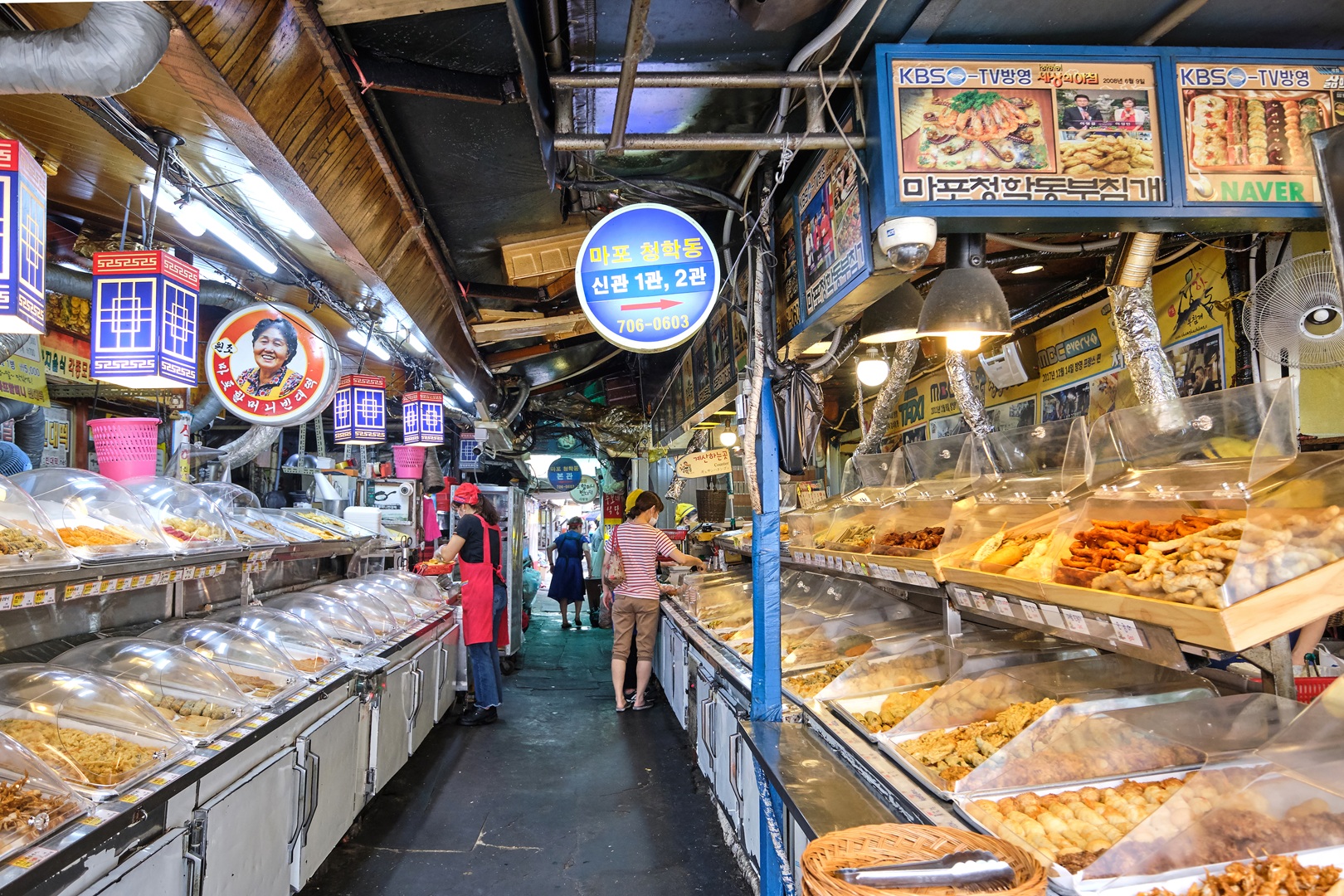
If you’d like to experience this culture of enjoying jeon on a rainy day, head to the famous jeon street in Gongdeok Market, Mapo. One whole street is lined with stalls serving all kinds of jeon alongside pots of makgeolli rice wine. With the smell of oil and the crackle of pancakes filling the air, it’s the perfect place to turn a gloomy rainy day into a cozy, romantic getaway.
Mapo Jeon Street
Street in Gongdeok Market Filled with Historic Jeon Restaurants- Location: Manrijae-ro 19 (Gongdeok Market), Mapo-gu, Seoul
- Contact: +82 02-712-4783
- Hours: Varies
Recommended Sites Near Jeon Street
- 1) Mapo Hangang River Park: Offering fantastic views of the Hangang River and walkways for nighttime strolls
- 2) Kim Koo Museum and Library: Commemorative museum with exhibition halls and a historic site of the independence movement offering short walks in a historic setting
Waiting in Line for Steaming Samgyetang Soup
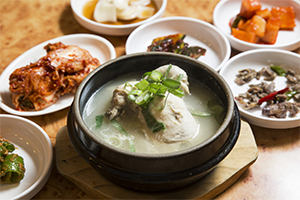
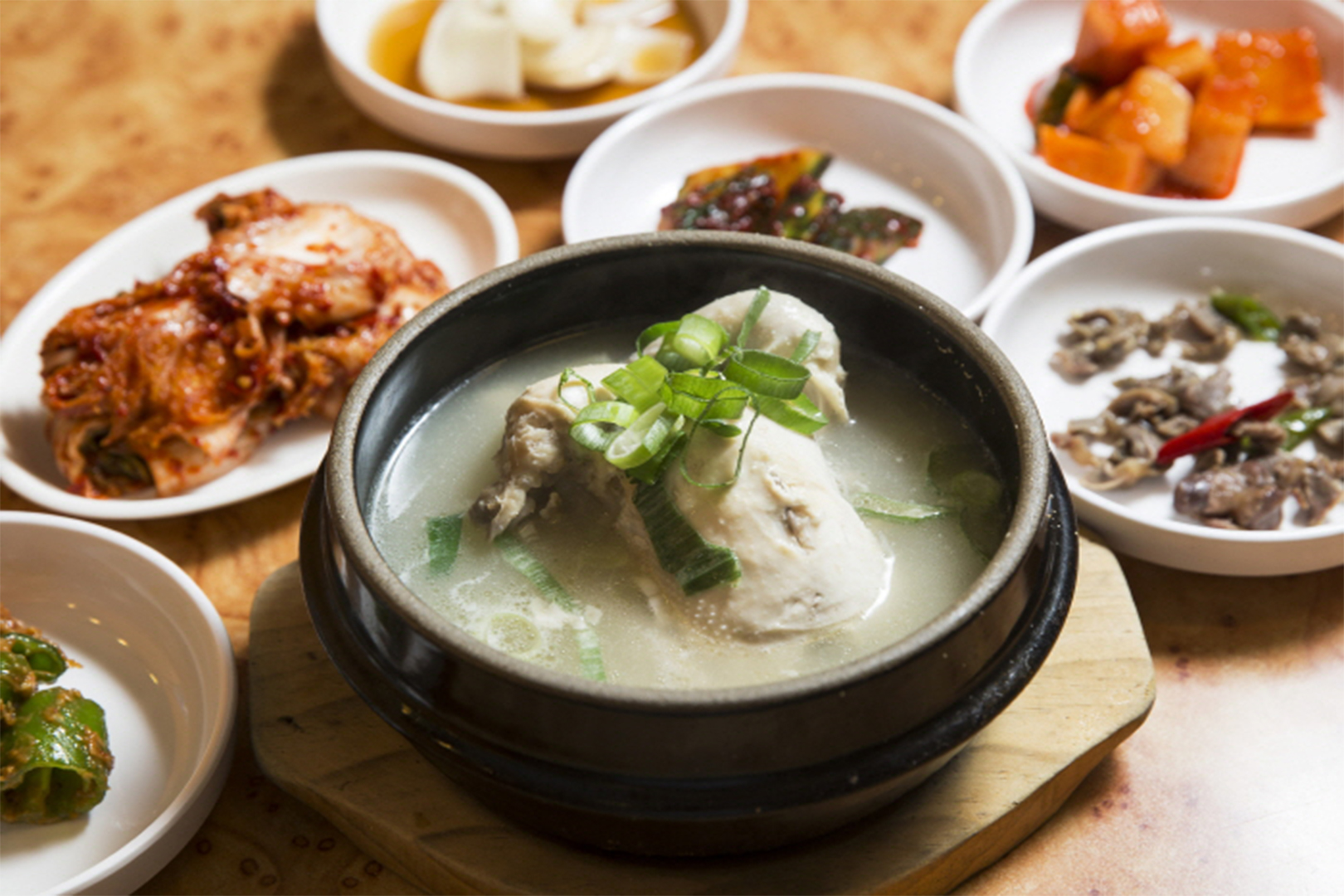
on a Hot Summer DayInstead of reaching for iced drinks on the hottest days of summer, Koreans do the opposite, and go for piping hot samgyetang chicken ginseng soup. During boknal (also called sambok), which refers to the three hottest days of summer known as chobok, jungbok, and malbok, lines of people can be seen outside these restaurants, with customers openly sweating while slurping down bubbling-hot chicken soup. It might look baffling to foreigners, but for Koreans, this is the most Korean way to fight the heat.
This culture of eating hot soup during boknal is rooted in the Korean belief of “fighting fire with fire.” This is the belief that eating steaming hot food on a hot day will help to revive your energy. As such, samgyetang soup, where a whole spring chicken is stuffed with ginseng, jujube, garlic, and sticky rice and slow-cooked until tender, became the signature nutritious meal for summer. Over time, it established itself as the official summer menu, and samgyetang continues to be at top of mind for most Koreans come summer.
This “fight fire with fire” concept shows up often in K-dramas and variety shows. In Let’s Eat 2, a drama that dives deep into Korean food culture, the main character describes samgyetang as the “ultimate nutritious meal.” On Running Man, the cast wolfs down bowls of samgyetang during a summer food-cation, and when a member returns to the show after a brief hiatus for health reasons, the others cook him a pot of chicken soup.
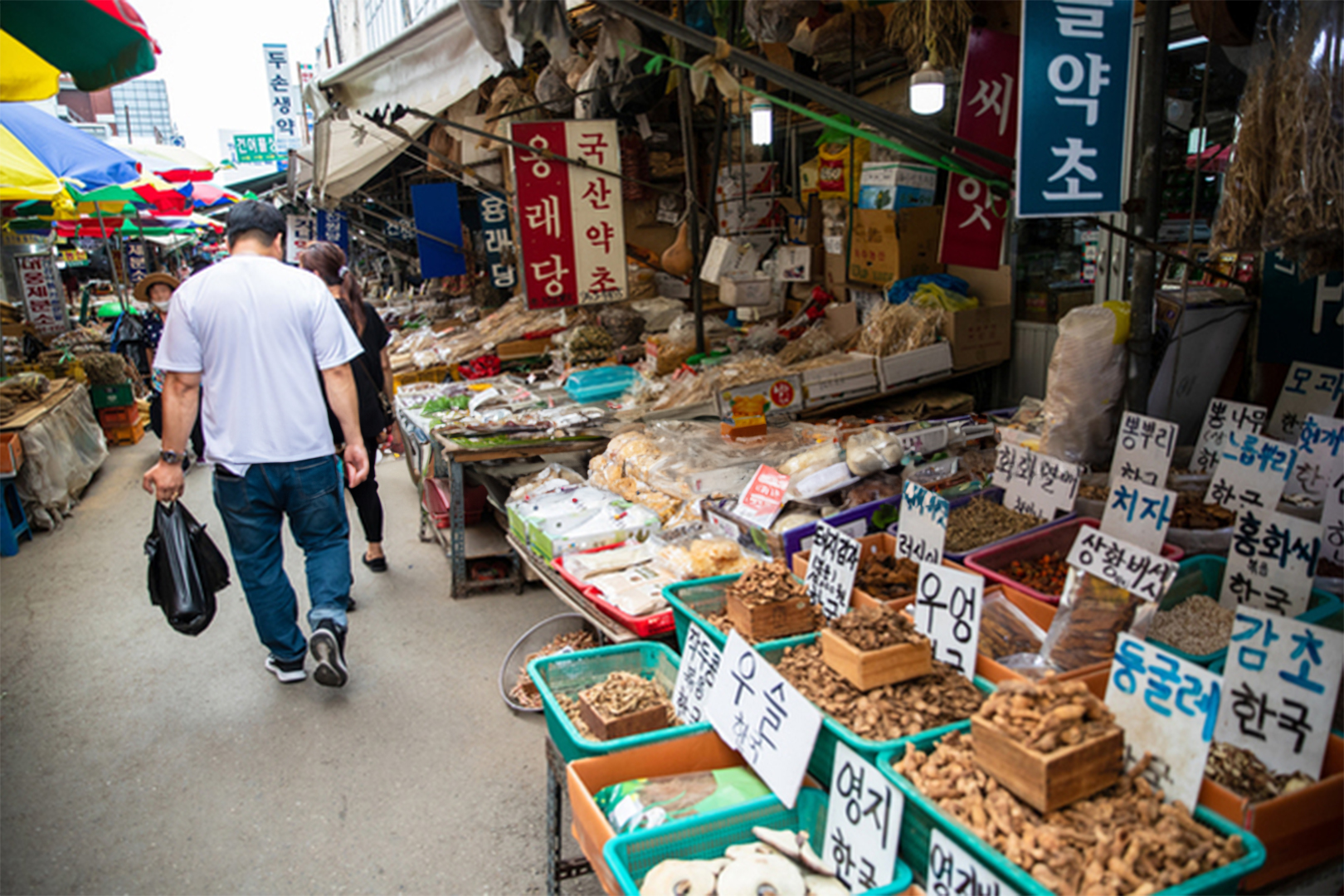
If you’d like to experience this uniquely Korean summer tradition yourself, we recommend Gyeongdong Market near Seoul’s Dongdaemun. The market itself deals in ginseng and other traditional medicinal herbs that go into samgyetang, which lets visitors appreciate that this meal isn’t just simple chicken soup, but rather a restorative piece of Korean heritage. It goes without saying that the market is surrounded by some of the best samgyetang restaurants as well.
Gyeongdong Market
Massive Traditional Market Famous for Foods, Local Produce, and Medicinal Ingredients- Location: Gosanjaro 36-gil 3, Dongdaemun-gu, Seoul
- Contact: +82 02-967-8721
- Hours: Daily 06:00 - 18:00
- Website and SNS
- Homepage: https://www.kyungdongmarket.co.kr/
Recommended Sites Near Gyeongdong Market
- 1) Seoul Yangnyeongsi Herb Medicine Museum: Museum offering displays and programs on Asian medicinal herbs
and traditional medicinal tools - 2) Dongdaemuun Design Plaza (DDP): Seoul’s landmark building and architectural marvel filled with exhibitions and
a beautiful location for a casual stroll
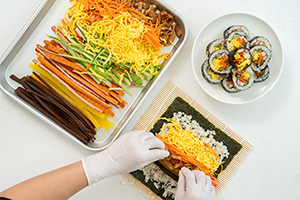
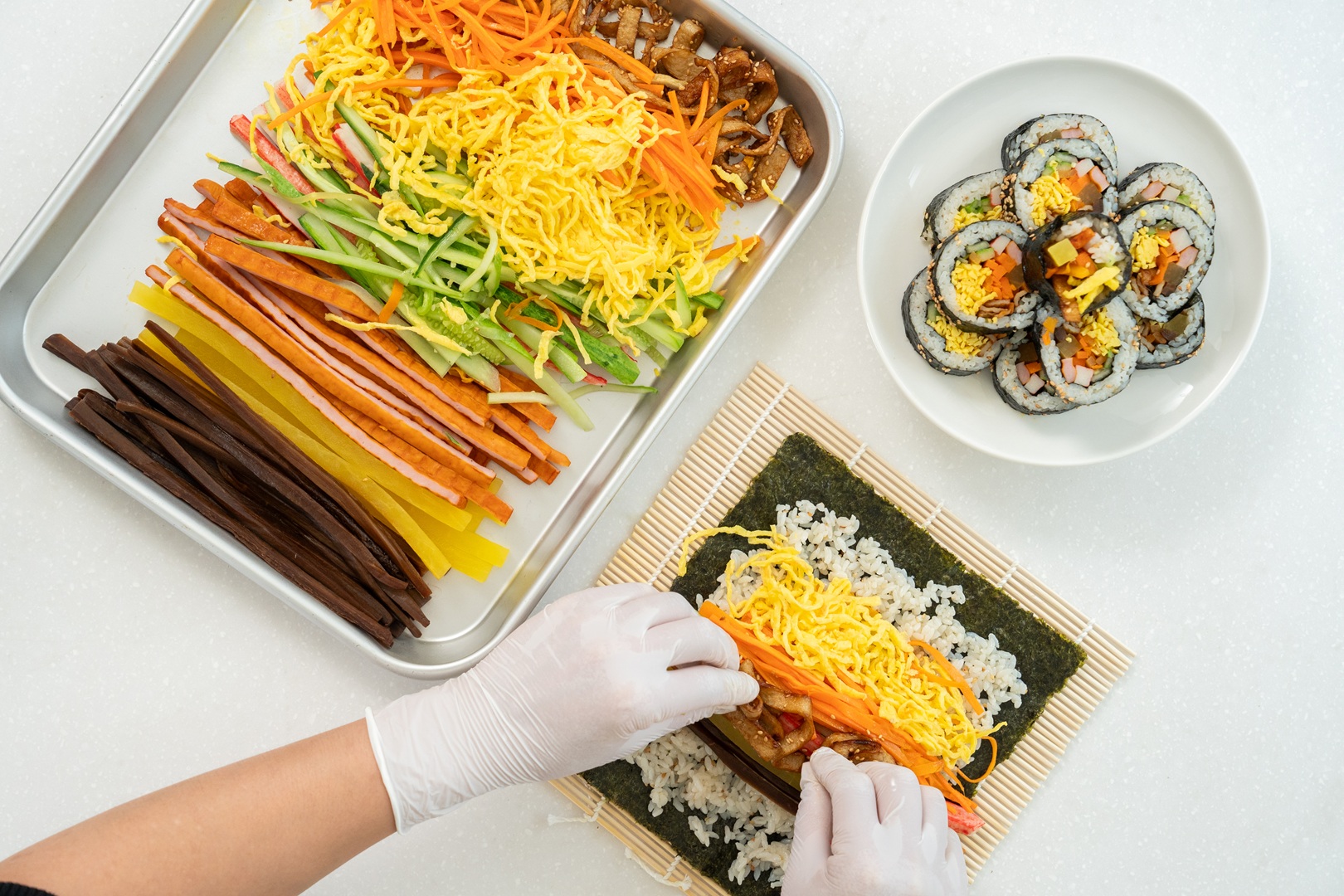
Why Do Koreans Always Pack Gimbap on Special Days?Whenever there's an exciting outing the next day, such as picnics, track and field days, or school field trips, Koreans are guaranteed to pack gimbap. This bite-sized snack of rice and seaweed rolled up with ingredients such as cooked eggs, sauteed spinach, and pickled radish is simple to make and even easier to pop into your mouth. It has long held the champion title as the perfect picnic food.
Gimbap recently got a fresh wave of attention thanks to K-content. In Extraordinary Attorney Woo, the main character eats gimbap every day. The food is a symbol of comfort and stability, as it represents the bond she shares with her father. Gimbap is also widely enjoyed by K-pop idols and actors as a quick meal to scarf down between gigs. In the Netflix film Kpop Demon Hunters, one of the main characters can be seen swallowing a roll of gimbap before showtime.
Recently, with TikTok shorts on gimbap going viral among the MZ generation in the U.S., there’s been a widespread gimbap craze, with Trader Joe’s frozen gimbap selling out across the country. What began as a humble homemade meal has gone global as an iconic symbol of K-food.
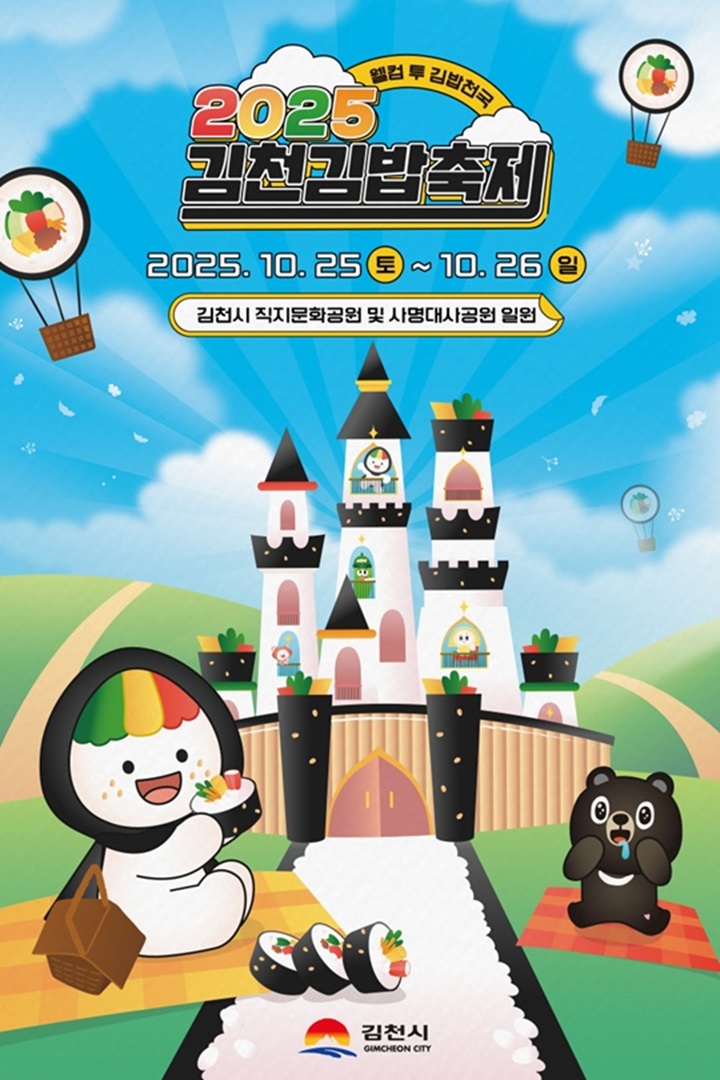
It just so happens there’s a fun local festival where visitors can get a taste of gimbap culture, the 2025 Gimcheon Gimbap Festival in Gimcheon, Gyeongsangbuk-do. Interestingly, Korea’s most famous gimbap franchise, Gimbap Cheonguk (Gimbap Heaven), is often abbreviated to just Gimcheon. There was a time this brand recognition of the popular franchise caused some frustration for the city of Gimcheon. But the city decided to turn this crisis into opportunity by hosting its first-ever gimbap festival in 2024, and it’s now rebuilding a whole new urban identity as the original home of gimbap. Last year’s festival had rave reviews. Make sure to drop by the Gimcheon Gimbap Festival, which is held every October.
2025 Gimcheon Gimbap Festival
Gimcheon’s Festival on Everything Gimbap, from Traditional Recipes to Fusion Gimbap, Various Performances and More!- Date: October 25, 2025 (Sat) – October 26 (Sun) 10:00 – 18:00
- Location: Jikji Culture Park and Samyeong Daesa Park, Gimcheon, Gyeongsangbuk-do Province
- Contact: +82 053-965-0910
- Website and SNS
1) Homepage - http://gimbapcity.kr/
2) SNS - @gc_gimbapcity
Korea’s Unique Birthday Tradition,
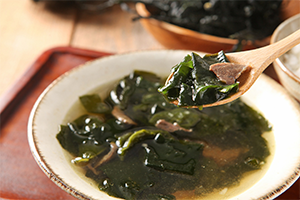
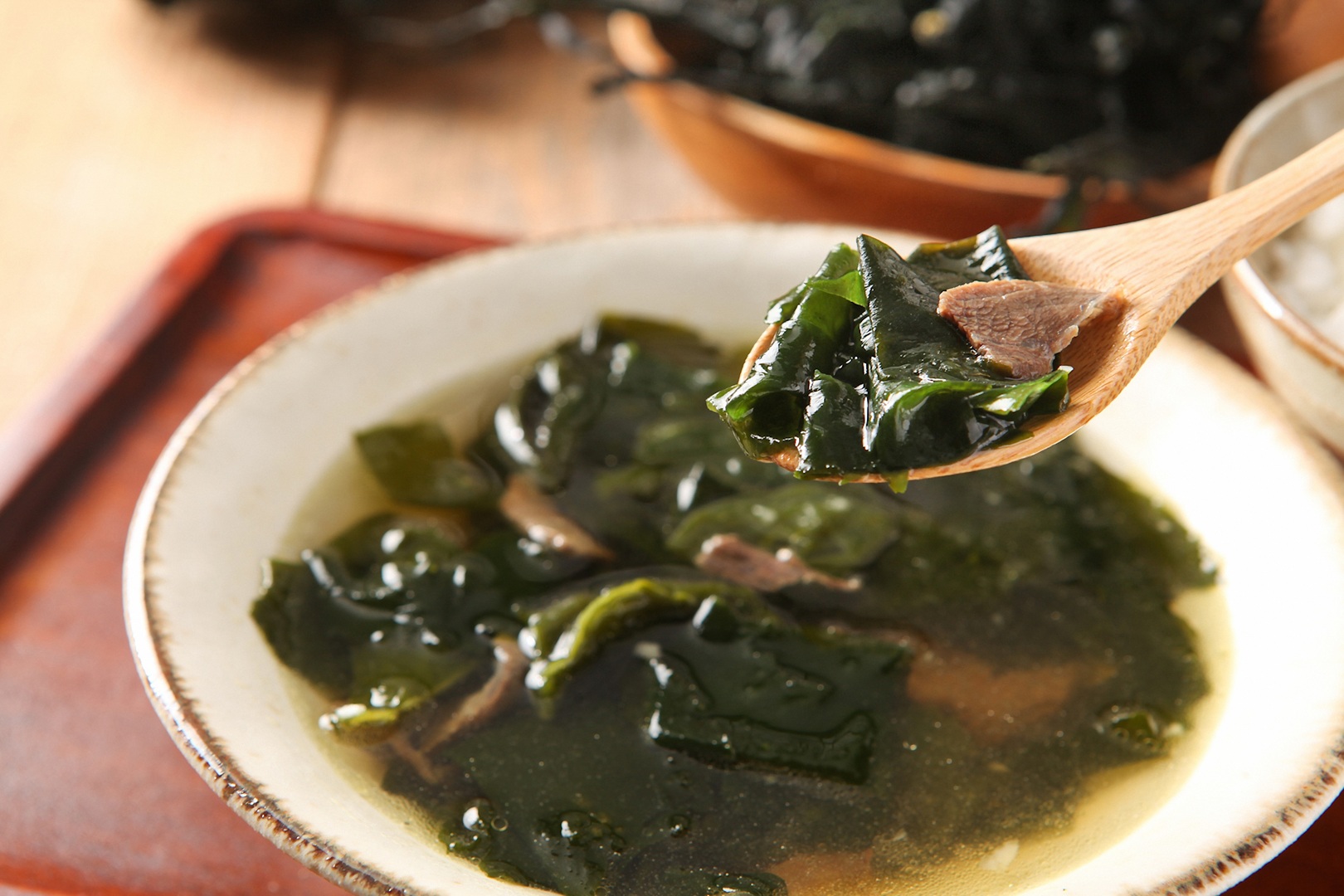
A Bowl of Miyeokguk Seaweed SoupIn Korea, it’s tradition to enjoy a bowl of miyeokguk seaweed soup on your birthday. In fact, when someone wishes you a happy birthday, they typically ask if you’ve had miyeokguk. That’s because this is not just any soup; it’s a symbolic dish that honors the pain and sacrifice of mothers. This tradition has its roots in how women would eat this nutritious soup after childbirth for their postpartum recovery. Now, the soup is eaten to commemorate one’s birthday.
Miyeokguk can be seen in many Korean dramas such as Our Blues and Guardian: The Lonely and Great God. When a character is seen cooking a bowl of seaweed soup alone on one’s birthday, this signals loneliness, whereas when someone who is not part of the family prepares this dish, it represents warmth. Of all the recipes shared today, miyeokguk is closest to a home-cooked meal. Enjoying a bowl of this soup would be a great way to taste authentic Korean comfort food.
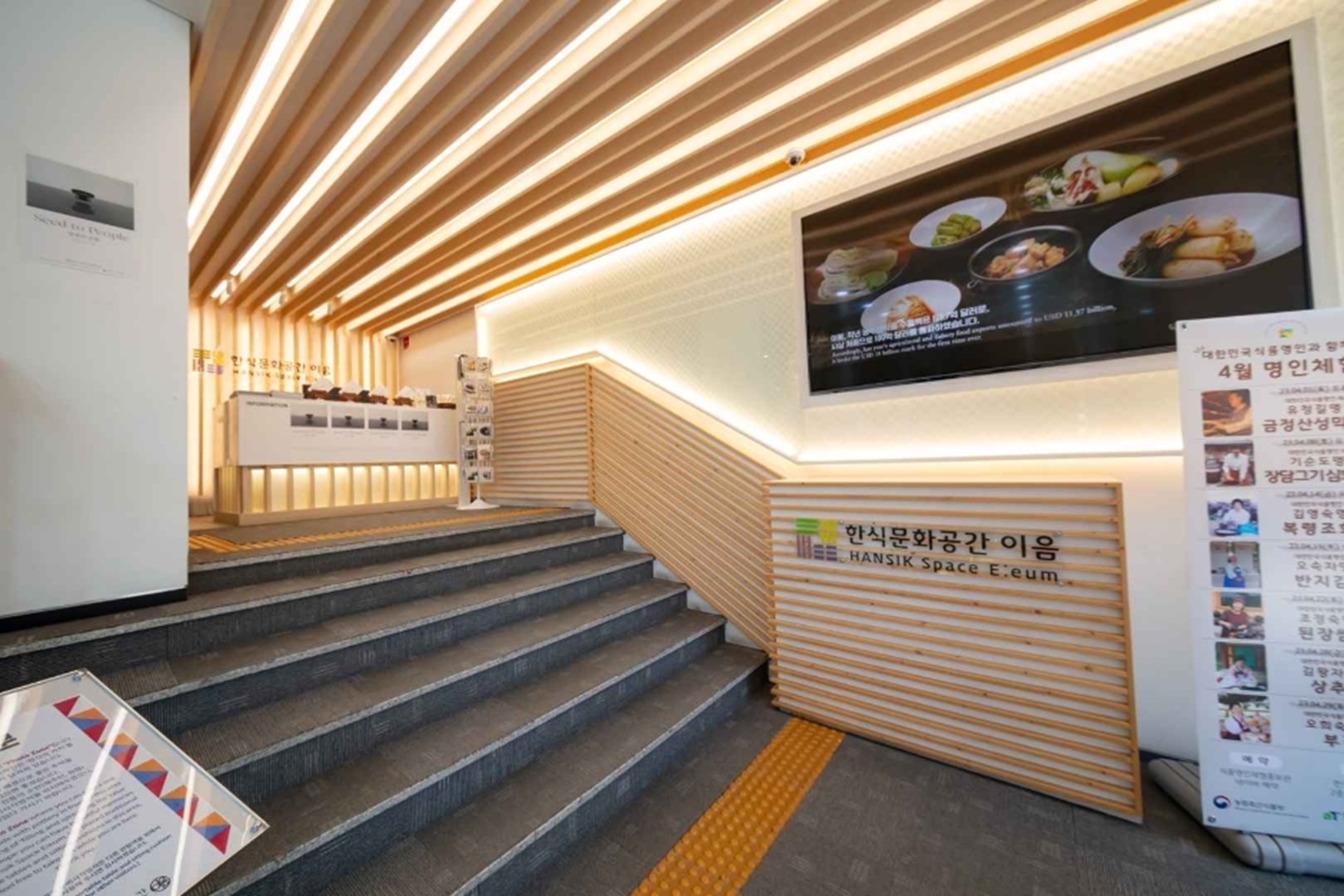
Korean-style birthday meals can be enjoyed at certain traditional restaurants in Insadong or Bukchon Hanok Village, of Seoul. Or perhaps visitors might want to experience cooking classes offered by the Korean Food Promotion Institution. This would be a unique opportunity to prepare Korean food yourself and experience the soul that is captured in Korean culinary culture.
Korean Food Promotion Institution
Public Agency Offering Cooking Classes and Various K-Food Programs to Foreigners- Location: KFPI, Bukchon-ro 18, Jongno-gu, Seoul
- Contact: +82 02-6320-8400
- Hours: Varies
- Website and SNS
1) Homepage: https://www.hansik.or.kr/
2) SNS: @hansik_official
The address has been copied.
-
 HALLYU WITH YOU


Start a FREE Online Call
(No charges for calls on Wi-Fi /
Data charges may apply)

Open 1330 Helpline Chat(Download not required)