- Log in
-
- Sydney Overseas Office
- London Overseas Office
- Toronto Overseas Office
- Los Angeles Overseas Office
- New York Overseas Office
- Ulaanbaatar Overseas Office
- Dubai Overseas Office
- New Delhi Overseas Office
- Manila Overseas Office
- Jakarta Overseas Office
- Hanoi Overseas Office
- Kuala Lumpur Overseas Office
- Singapore Overseas Office
- Bangkok Overseas Office
- Map
- Sydney Overseas Office
- London Overseas Office
- Toronto Overseas Office
- Los Angeles Overseas Office
- New York Overseas Office
- Ulaanbaatar Overseas Office
- Dubai Overseas Office
- New Delhi Overseas Office
- Manila Overseas Office
- Jakarta Overseas Office
- Hanoi Overseas Office
- Kuala Lumpur Overseas Office
- Singapore Overseas Office
- Bangkok Overseas Office
INSIGHT
-
-
-
How Real is the K-Shamanism Portrayed in Netflix’s KPop Demon Hunters?
-
08/13/2025
3.6K
-
0
1
-
-
Korea_Traditional_Culture
Korean_Folk_Village
folk_painting
gugak
dance
shaman
-
-
-
Hallyu Insight Vol.8
How Real is the K-Shamanism Portrayed in Netflix’s KPop Demon Hunters?
Two new idol groups have recently conquered the Billboard Global charts. They are none other than Huntr/x and Saja Boys! Featured as the main characters in the Netflix animated film Kpop Demon Hunters, these breakout stars are in fact fictional K-pop girl and boy groups.
Just as much as the movie’s soundtrack, the supernatural K-ghosts such as demons (dokkaebi), water ghosts (mulgwishin), and the grim reaper (jeoseung saja) that appear in the film are grabbing a ton of attention. The movie’s uniquely Korean mood and aesthetic are introducing international fans to this lesser known yet captivating universe, known as the new genre of K-Fantasy or K-Occult.
Today, we’re doing a deep dive into Korean folk mythology as seen in Hallyu content.
Can Visitors Experience Firsthand the Traditional Culture in Guardian: The Lonely and Great God and KPop Demon Hunters?What do the drama Guardian: The Lonely and Great God, the film Along with the Gods, and the animated movie KPop Demon Hunters have in common? They all feature jeoseung saja, or grim reapers, as the main character. While the Western version of the grim reaper descends on mortals to take their lives, the jeoseung saja is more of a messenger who guides souls from this world to the next. The Korean word jeoseung refers to the “afterlife,” as opposed to iseung or “this world,” while saja refers to “messenger” or “emissary.” That’s why the demon-created boy band in KPop Demon Hunters is named Saja Boys, as they were inspired by this traditional mythical figure.
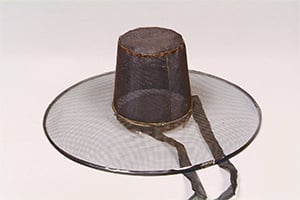
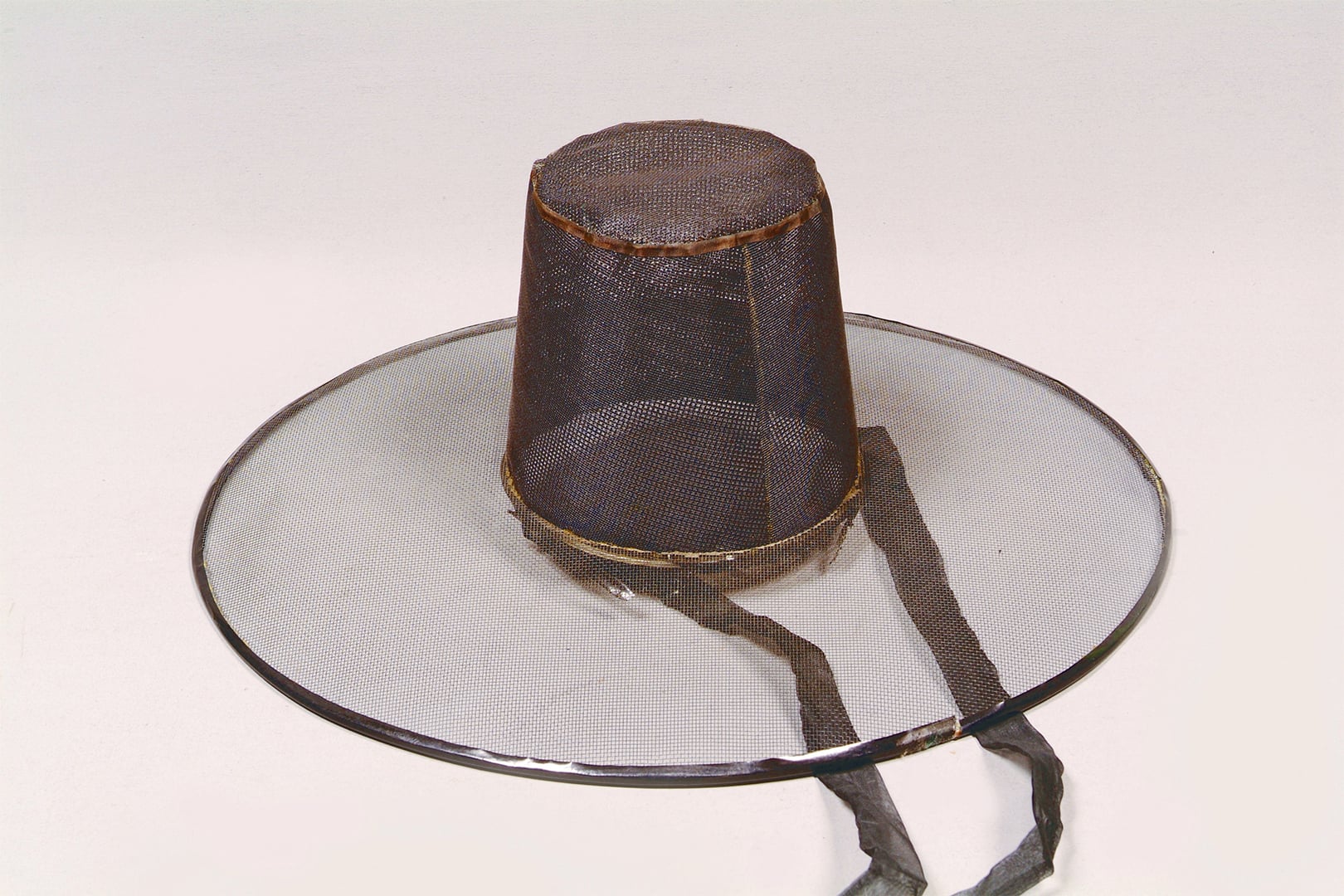
Jeoseung saja characters are showing up more frequently in hallyu content. With their sweeping black robes and wide-brimmed gat hats, they’re also helping to make Joseon-era fashion trendy again. No wonder it’s easy to find tourists dressed in rented hanbok and strolling through Korea’s major attractions.
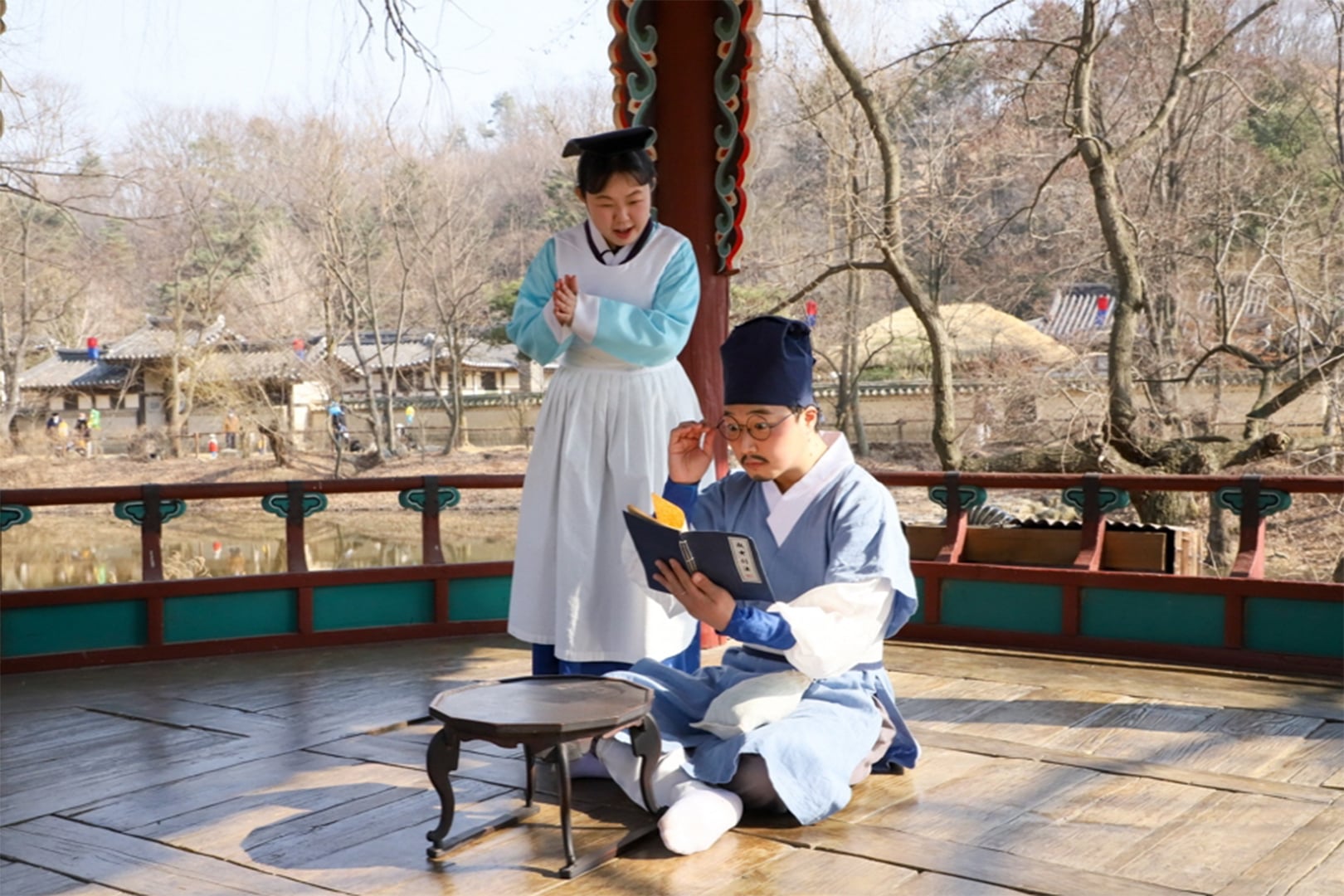
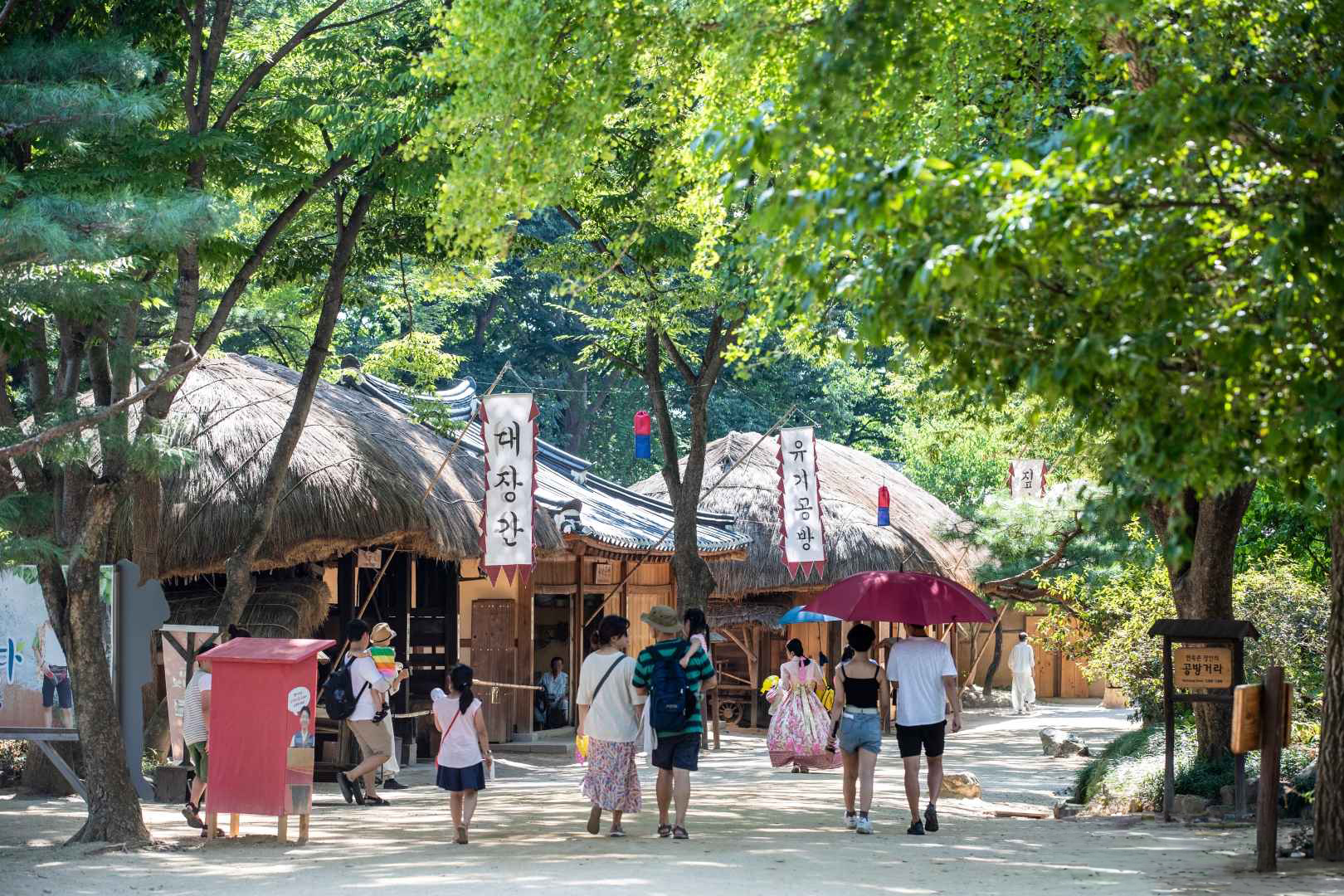
If you’re curious about how people actually lived and dressed in the Joseon Dynasty from kings and nobles to commoners and servants, then head to the Korean Folk Village in Yongin. This theme park recreates an entire Joseon-era village, complete with costumed actors playing historical roles to interact with visitors and carry out everyday life in a live Joseon period reenactment. Visitors can see how kings, nobles, commoners, and servants lived and dressed in their day, chat with the actors, and even joke around with them. If you’re craving an immersive experience that takes you back in time, you don’t want to miss the Korean Folk Village.
Korean Folk Village
Interactive Theme Park of Joseon Period Reenactments and Various Handicrafts- Location: Minsokchon-ro 90, Kiheung-gu, Yongin, Gyeonggi-do Province
- Contact: +82 031-288-0000
- Hours: Mon – Thu 10:00 – 19:00, Fri – Sun 10:00 – 22:00
- Website and SNS
1) Homepage - www.koreanfolk.co.kr
2) SNS - @koreanfolkvillage
Exorcisms Powered by Song and Dance, Not Just a Movie Gimmick?How did the heroine trio Huntr/x defeat demons in KPop Demon Hunters? With their songs and choreography, of course! You might think featuring music in this way was a plot device for the movie, since the girls are supposed to be in an idol band. But in fact, it was a reference to traditional Korean culture.
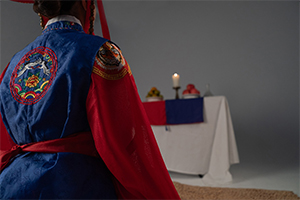
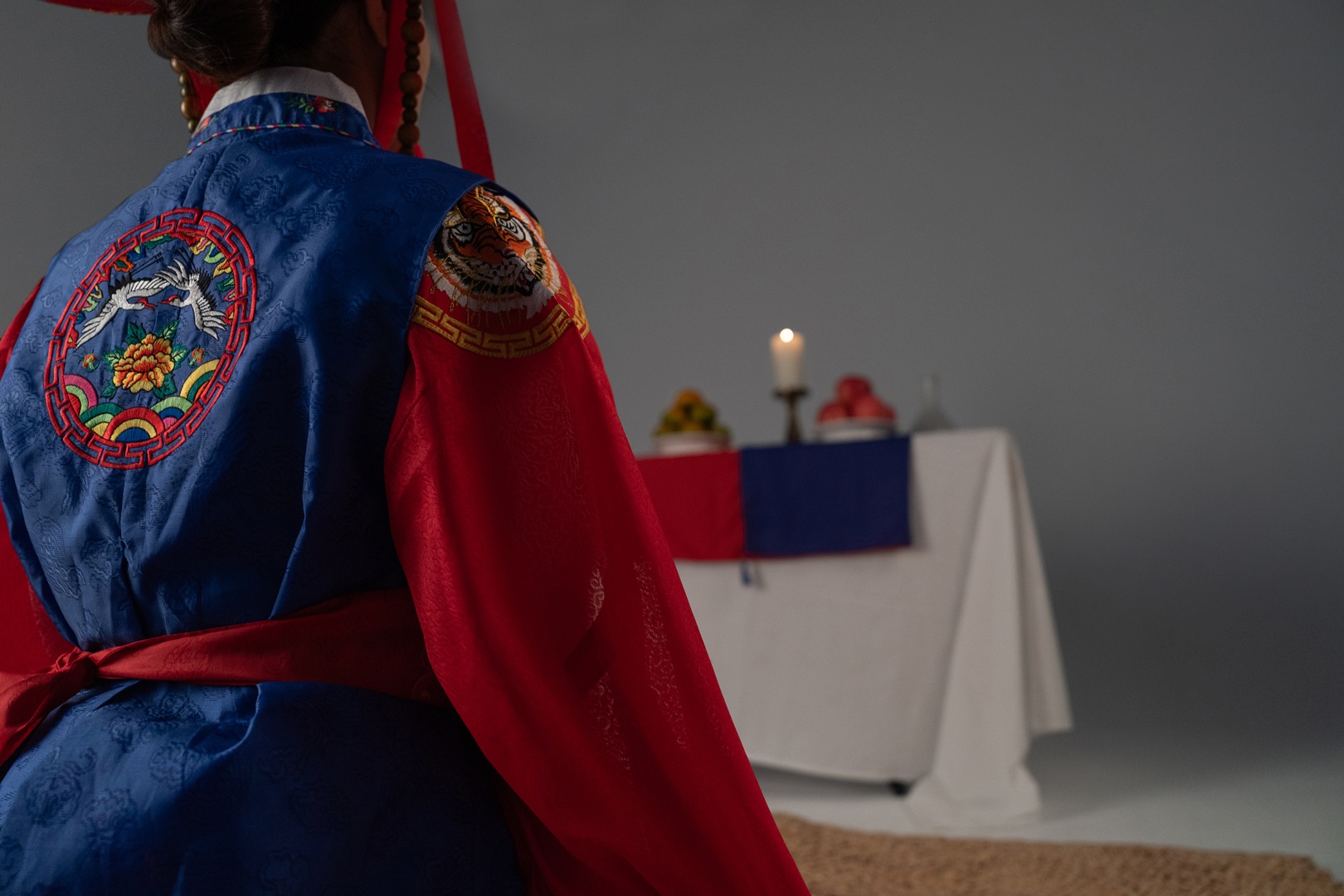
Since ancient times, mudang, also known as fortune-tellers or traditional shamans, have existed in Korea. However, they do more than simply tell fortunes. Mudang have long performed sacred rituals called gut to drive away evil spirits and bad energy using music and dance. If that rings a bell, it’s because young mudang have been featured in other K-content such as the film Exhuma and dramas like The Haunted Palace and Head Over Heels.
Stories of mudang are not only myths found in folk tales. Shamans continue to perform gut rituals even today, in 2025. You’ll find them at funerals, village festivals, and healing ceremonies and other customary parts of everyday life.
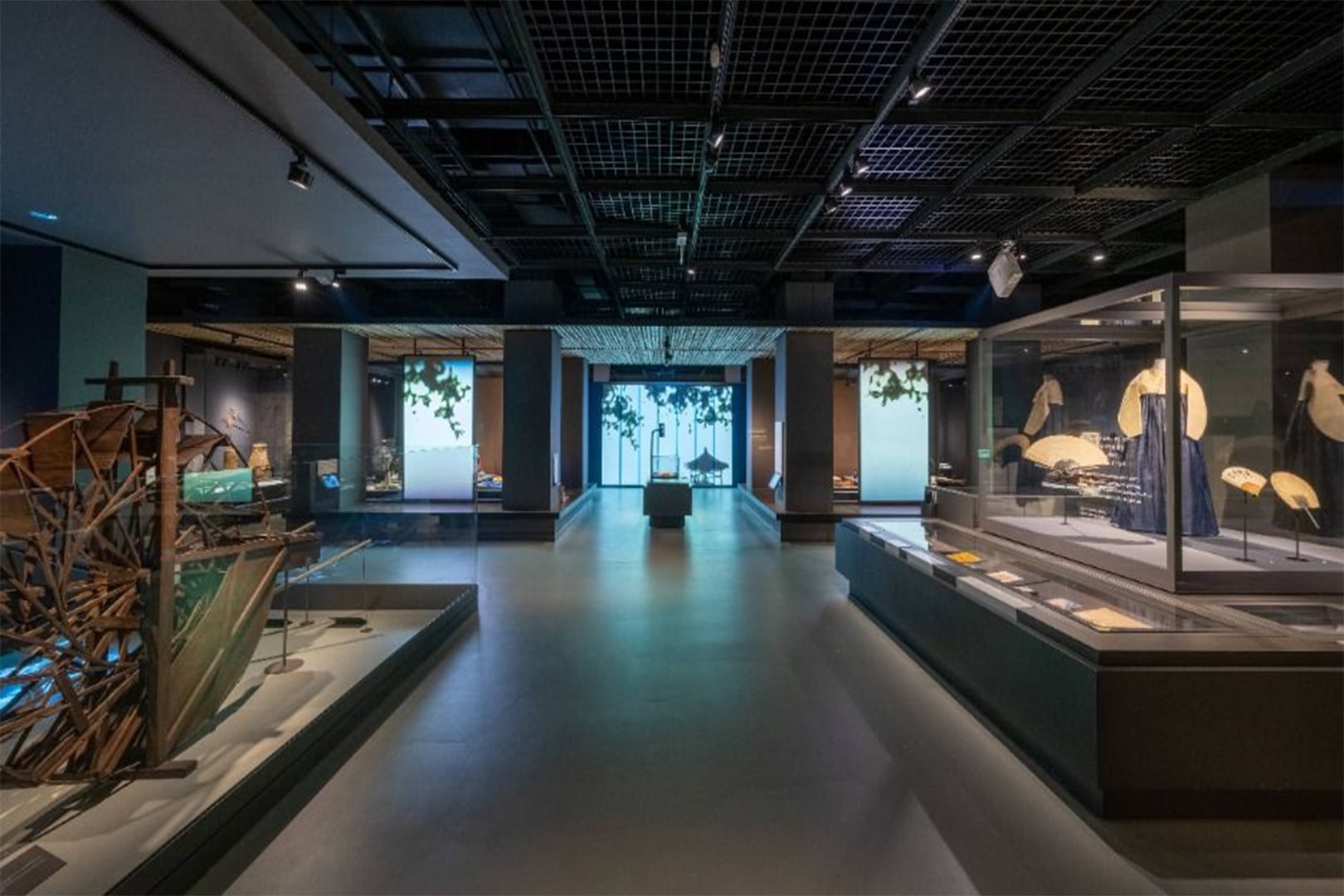
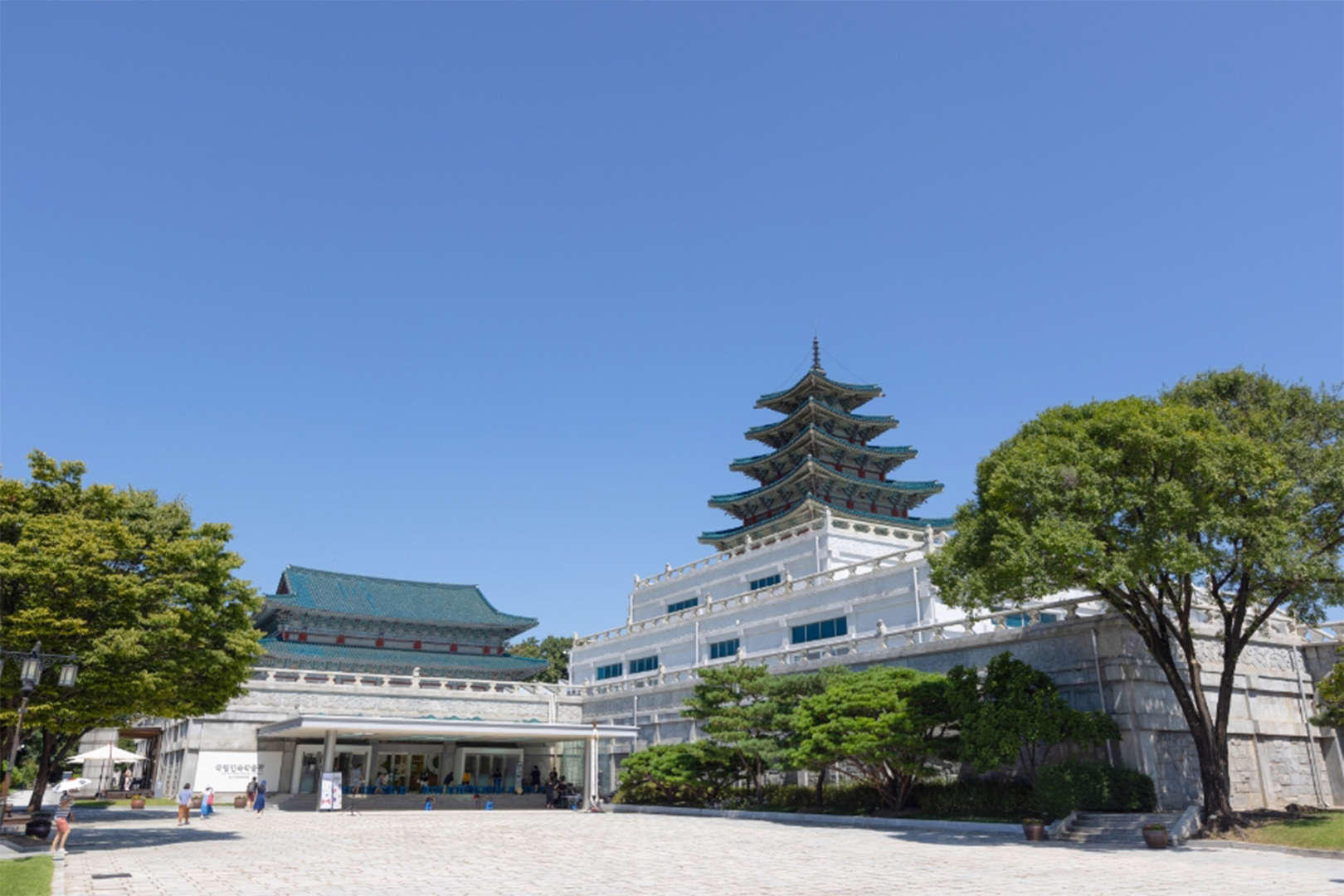
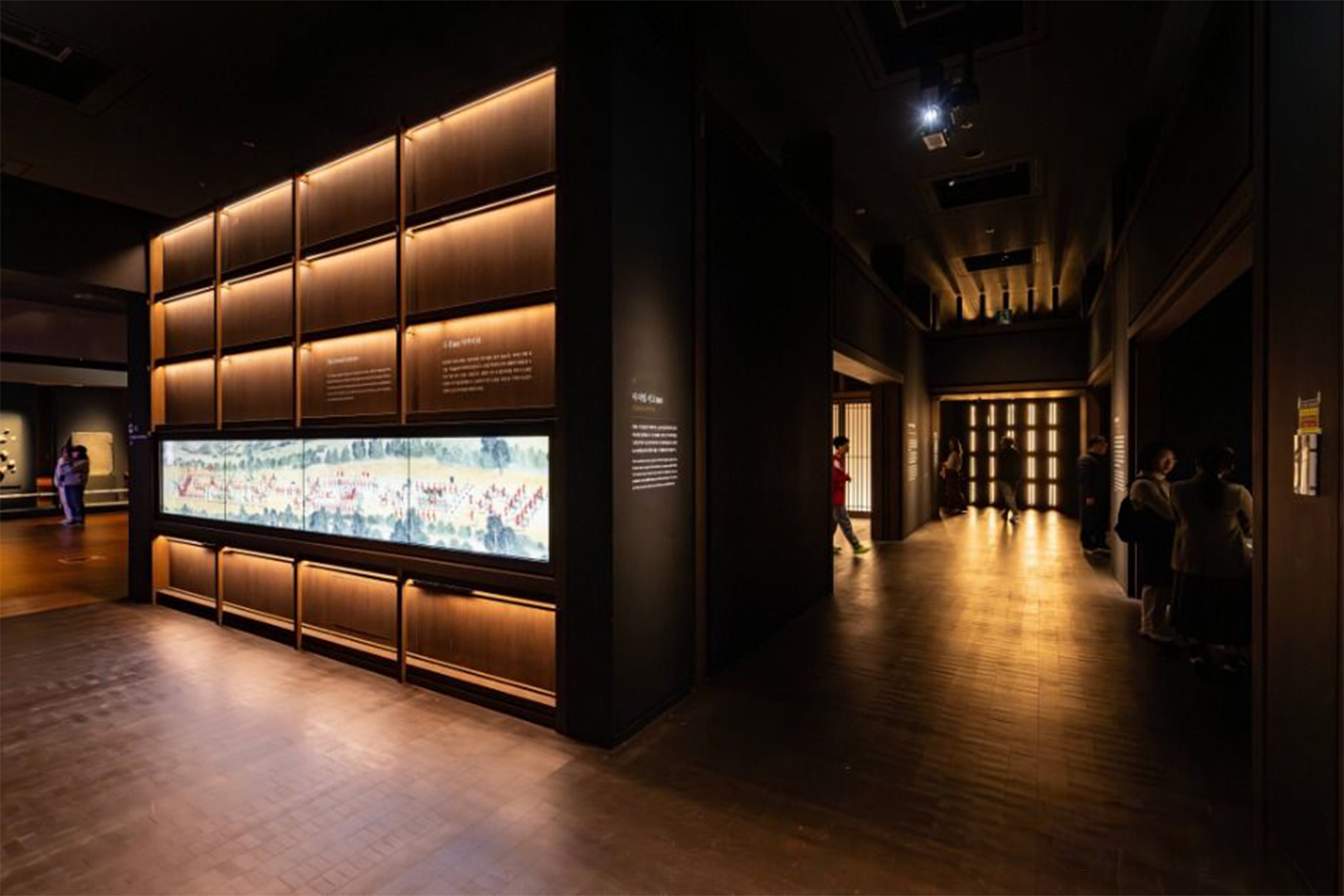
Feeling intrigued by Korea’s folk beliefs and traditional lore? Head over to the National Folk Museum of Korea in Jongno, Seoul. It’s where you can learn about everything from traditional lifestyles and spiritual practices to crafts and folk customs. The district of Jongno itself is steeped in history as it was the site of ancient royal palaces, so we recommend stopping by and diving into the many historic sites around the museum.
National Folk Museum of Korea
Free-of-Charge Museum Presenting Korean Traditions and Modern Folk Culture- Location: Samcheong-ro 37, Jongno-gu, Seoul
- Contact: +82 02-3704-3114
- Hours: Daily 09:00 – 18:00 (Saturday Until 20:00)
- Website and SNS
1) Homepage - www.nfm.go.kr
2) SNS - @tnfmk
Attractions Near Jong-no
- 1) Gyeongbokgung Palace: Cultural landmark where visitors can experience traditional architecture,
history, and culture dating back to the Joseon Dynasty - 2) Gwanghwamun Square: Historic square in Seoul and recommended urban walking course
that host the statues of Korea’s great historical figures King Sejong the Great and Admiral Yi Sun-shin
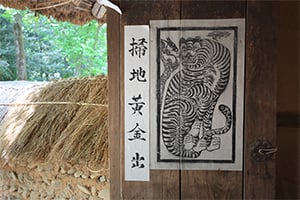
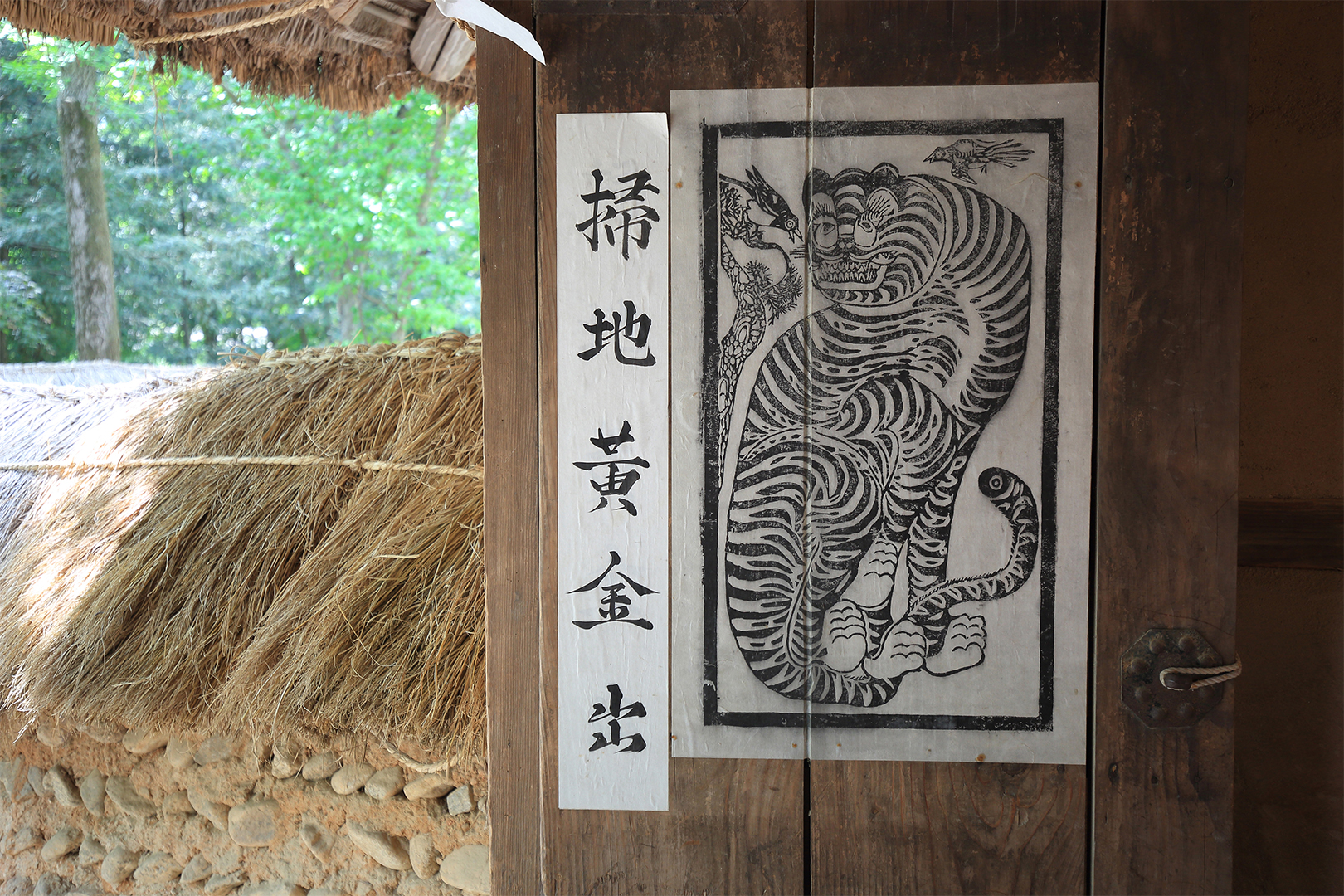
Scene-stealing Tiger and Magpie, For Sale at the Museum!There is another set of stars in KPop Demon Hunters, and they’re not even human. They’re the tiger and magpie that appeared in the movie and captivated the hearts of viewers everywhere with their adorable charm. But why a tiger and a magpie? In Korean tradition, tigers and magpies have long been a duo. You’ll find them paired together in numerous traditional folk paintings.
In many works of folk art, the tiger is depicted as playful and friendly though scary-looking on the outside, while the magpie is seen as a symbol of luck and bearer of good news. The tiger in particular is considered a national symbol of Korea, which is why many Korean characters take on its form. The official characters of KREW, the Hallyu-themed social media channel introducing Korean culture and tourism, are also a tiger, a bear, and a magpie. Together, they provide info on everything from major concerts and destinations to fun tips on daily Korean life.
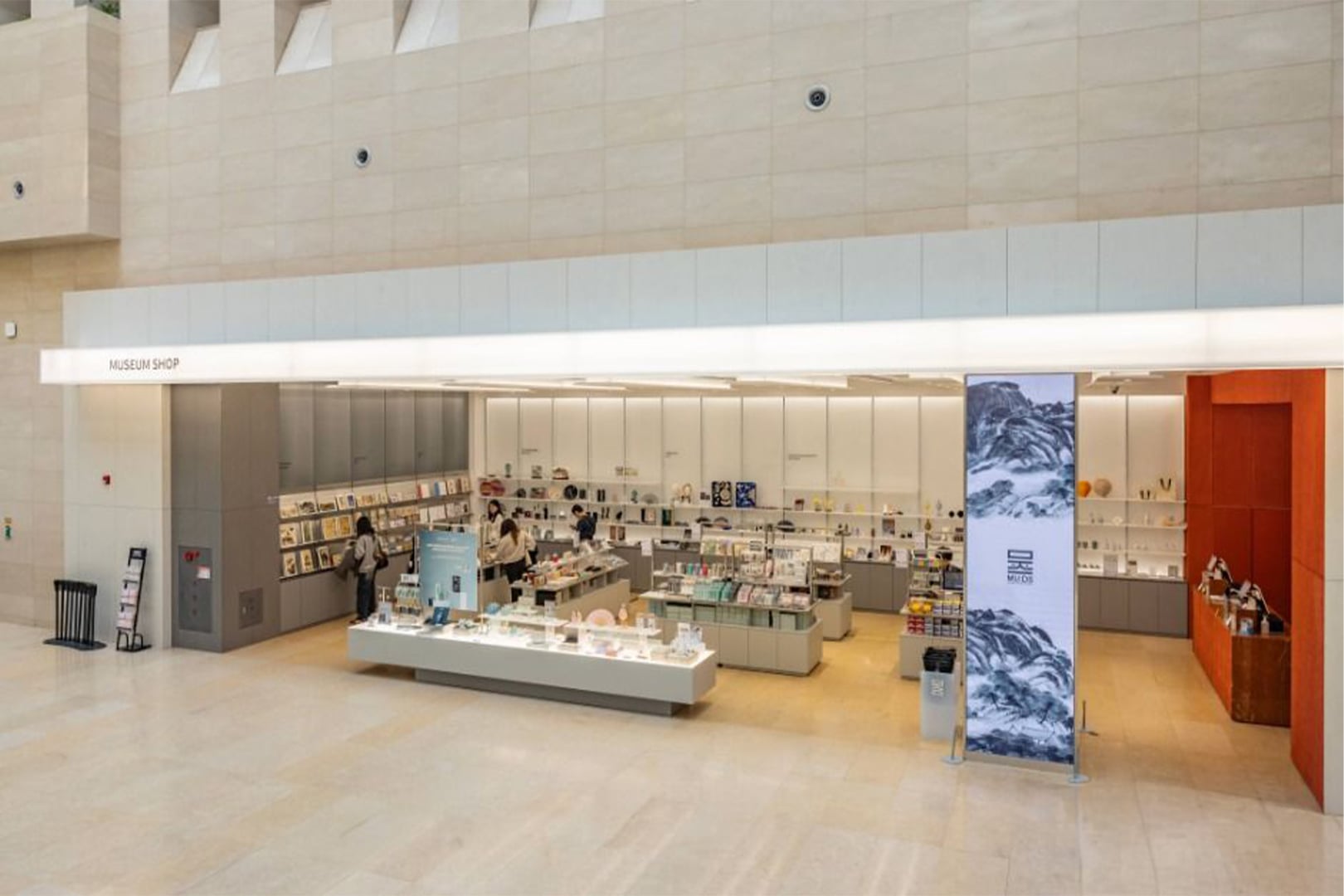
If you simply can’t get enough of these animal icons, you can even take them home. MU:DS, the ultra-stylish gift shop at the National Museum of Korea in Yongsan, Seoul, offers trendy souvenirs like magpie and tiger badges as well as the gat strap pen, which is inspired by the jeoseung saja theme we mentioned earlier. More than your average museum shop, MU:DS turns traditional Korean culture into sleek, modern design pieces. It has become popular as a must-visit souvenir shop in Seoul.
The National Museum of Korea, where MU:DS is located, is full of exhibits that bring the country’s rich history to life, including traditional folk paintings that depict the very same tigers and magpies. As of 2024, it ranked sixth in global museum visitor numbers and first in all of Asia. Thanks to BTS’s RM introducing its exhibits and merch, international visitors keep breaking records year after year. If you ever make it to the museum, what would you like to do first: learn about Korean history, check out the art, or go shopping for the merchandise?
Kingdom Friends SNS <KREW>
KTO’s Social Media for Hallyu Superfans, Offering News, Events, and Hot TipsNational Museum of Korea
Premier National Museum Bringing Together Korean History and Culture- Location: Seobinggo-ro 137, Yongsan-gu, Seoul
- Contact: +82 02-2077-9000
- Hours: Daily 10:00 – 18:00 (Wednesday, Saturday Until 21:00)
- Website and SNS
1) Homepage – www.museum.go.kr
2) SNS - @nationalmuseumofkorea
Attractions Near Yongsan
- 1) Yongsan ETLand: Korea’s largest and leading marketplace for electronic goods and gadgets
such as PCs, cellphones, and cameras - 2) Haebangchon Sinheung Market: Seoul’s trendy location known for its aesthetically-pleasing eateries and cafés
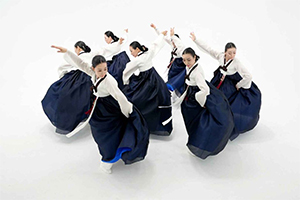
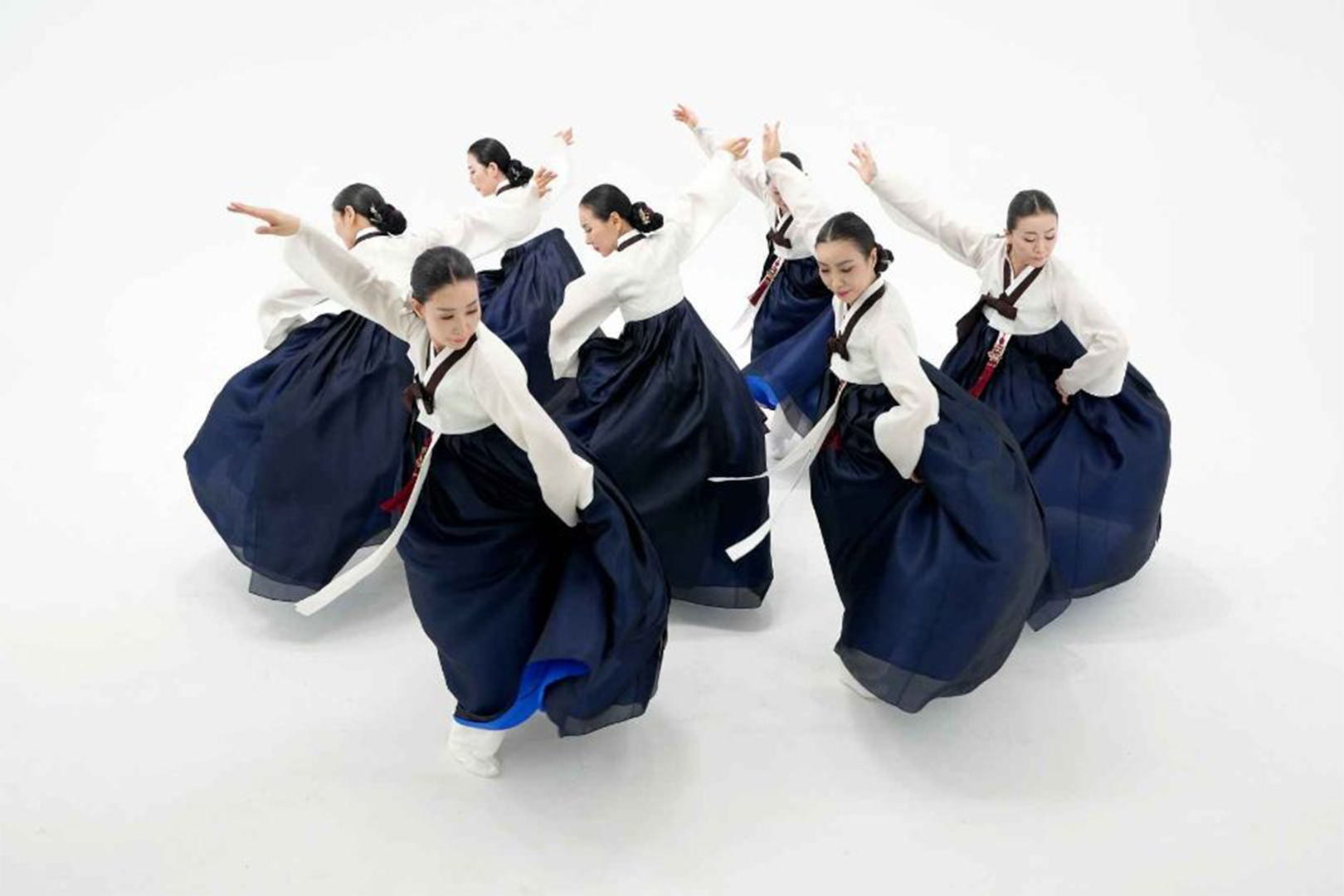
K-pop and Street Dance, Sharing the Same Origin Story?Koreans are often described as being full of heung or “exhilaration,” as music and dance have always been at the heart of everything from shamanistic gut rituals, folk games that were passed down generationally, and even royal court ceremonies. In fact, this is why K-pop and K-dance are beloved the world over.
In the recent global dance survival reality program World of Street Woman Fighter, the Mega Crew mission performance by the Korean crew Bumsup racked up over 7 million views in a single day. Dancers combined contemporary street dance with the slick choreography of traditional dance, inspired by the jeoseung saja motif, to present a uniquely Korean show.
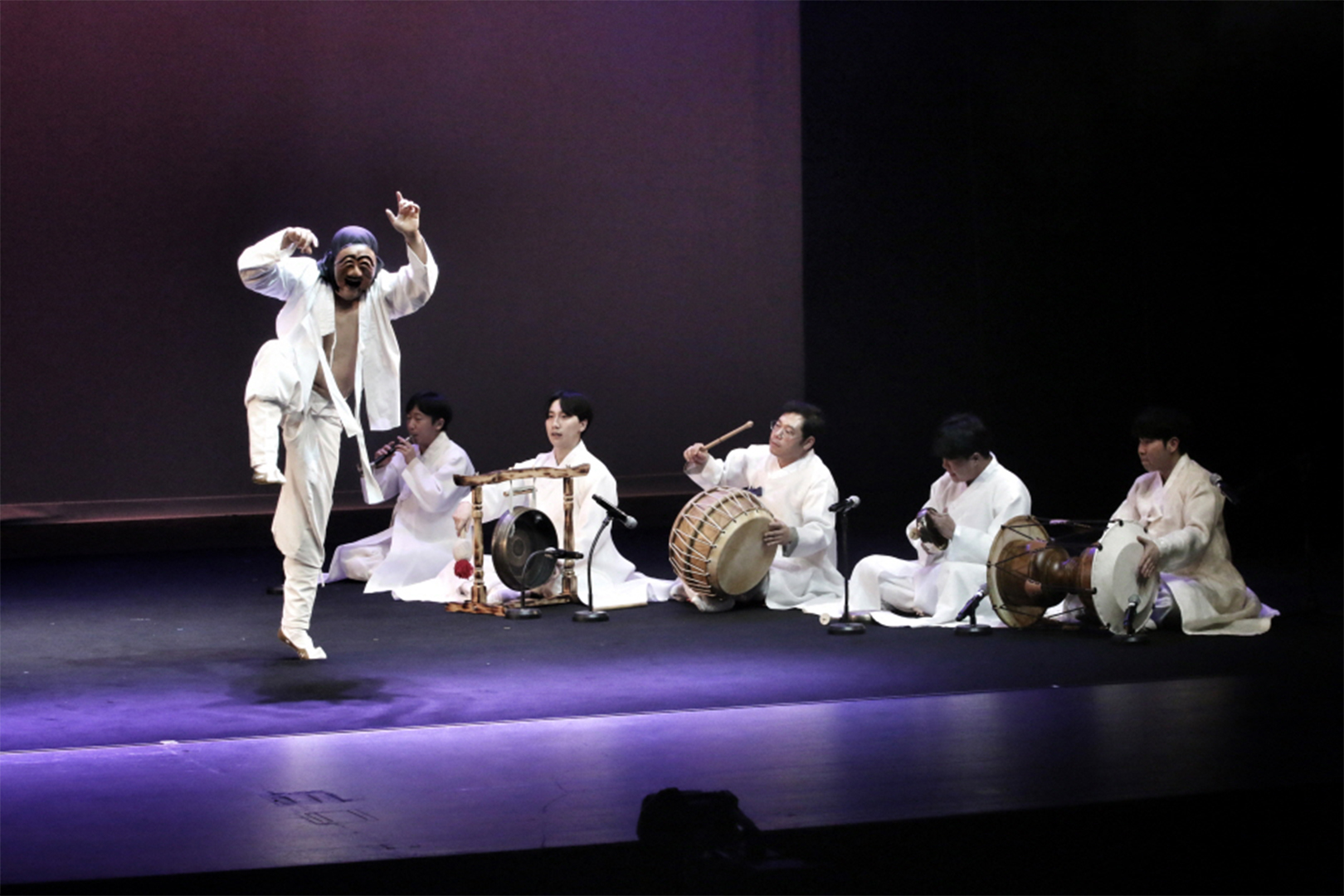
For so long, Korean traditional arts have known many forms that incorporate this blend of storytelling through movement that can resonate with the community. Examples are pansori (epic vocal storytelling), gugak (classical Korean music), and traditional dance. And Seoul is home to many venues that offer these traditional performances.
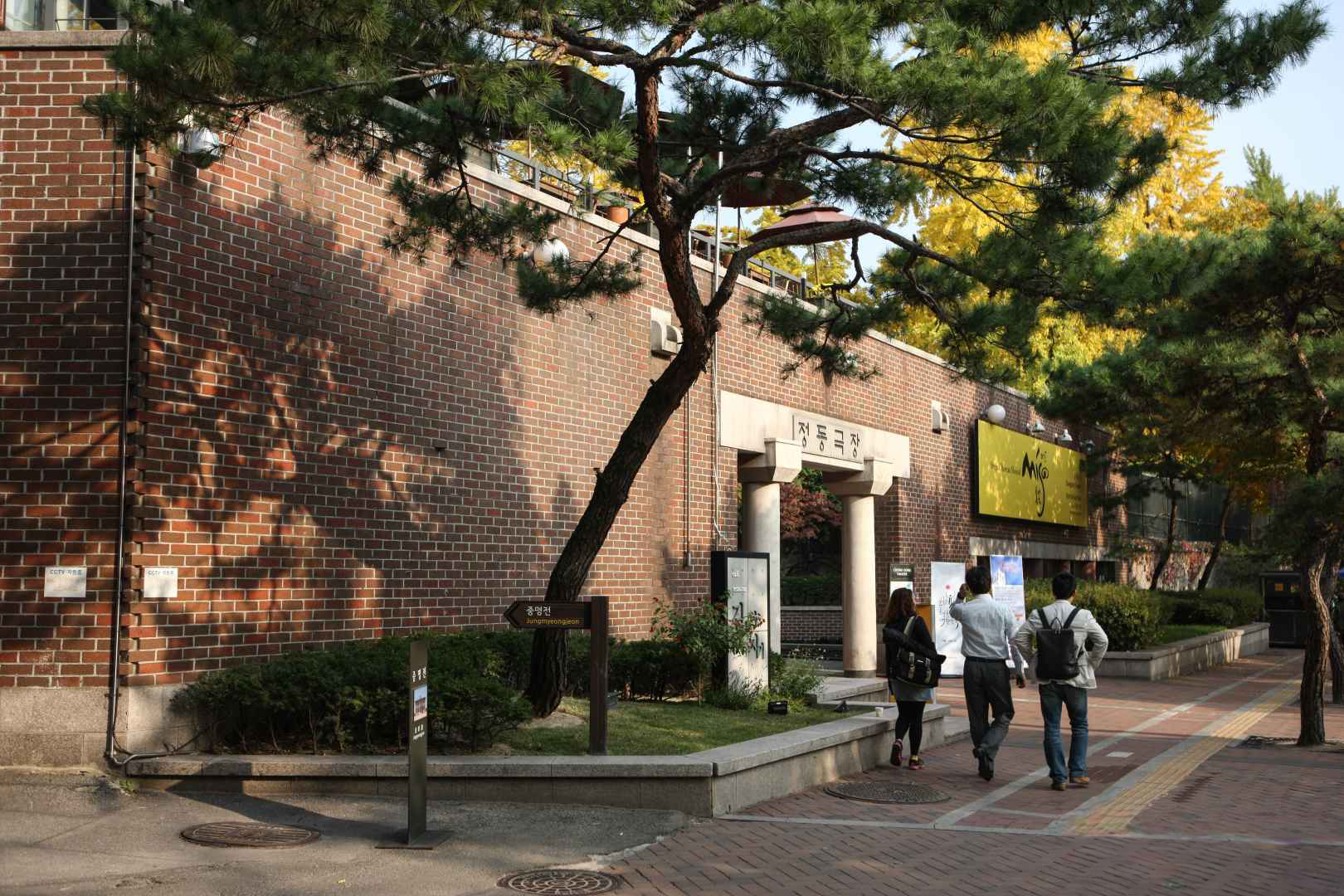
For instance, Jeongdong Theater hosts performances that reimagine traditional arts in a contemporary way, while the National Gugak Center offers classical performances that involve traditional instruments such as pansori and gayageum. If you’d like to know more about the traditional artistic rhythm and soul that fuel today’s K-pop music, you’ll find them here.
Jeongdong Theater
Traditional Stage Reinterpreting Classical Dance and Theater for Contemporary Audiences- Location: Jeongdong-gil 43, Jung-gu, Seoul
- Contact: +82 02-751-1500
- Hours: Varies (Closed Mondays)
- Website and SNS
1) Homepage - www.jeongdong.or.kr
2) SNS - @jeongdongtheater
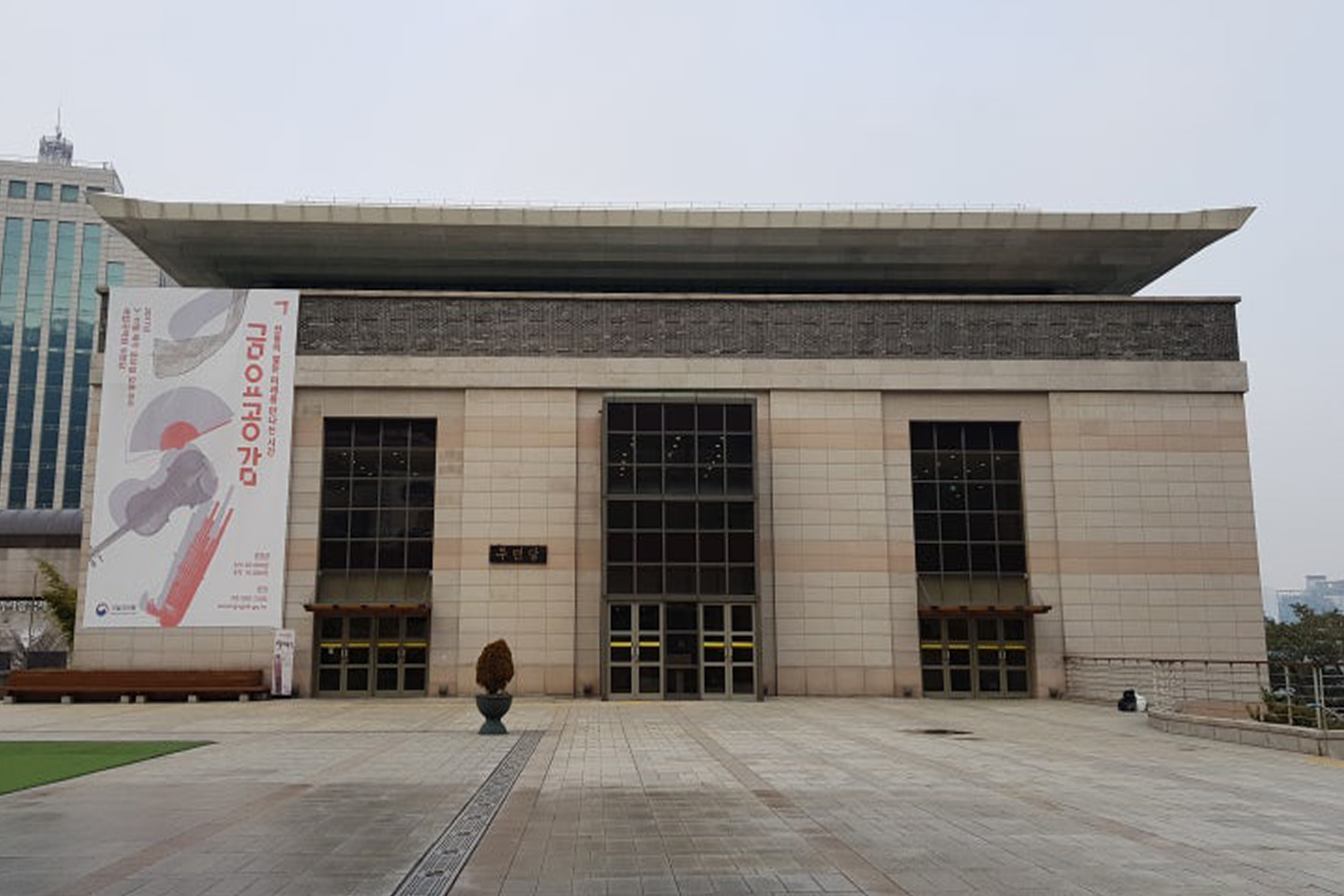
National Gugak Center
National Theater for Purist Recreations of Korean Traditional Music and Dance- Location: Nambusunhwan-ro 2364, Seocho-gu, Seoul
- Contact: +82 02-580-3300
- Hours: Mon-Sat 09:00 – 18:00 (Closed Sundays)
- Website and SNS
1) Homepage - www.gugak.go.kr
2) SNS - @gugak1951
The address has been copied.
-
 HALLYU WITH YOU

1330 Helpline Call/Chat

Start a FREE Online Call(No charges for calls on Wi-Fi /
Data charges may apply)

Open 1330 Helpline Chat(Download not required)