Looking to explore Korea’s regional cities without passing through Seoul? Gimhae International Airport (PUS) is a convenient gateway to Busan as well as nearby destinations including Ulsan, Gimhae, and Tongyeong, welcoming 6.07 million international passengers in the first half of 2026. This guide introduces some of Busan’s top attractions to visit after arriving at Gimhae International Airport, along with destinations in Gyeongsangnam-do that are easy to combine into the same trip.
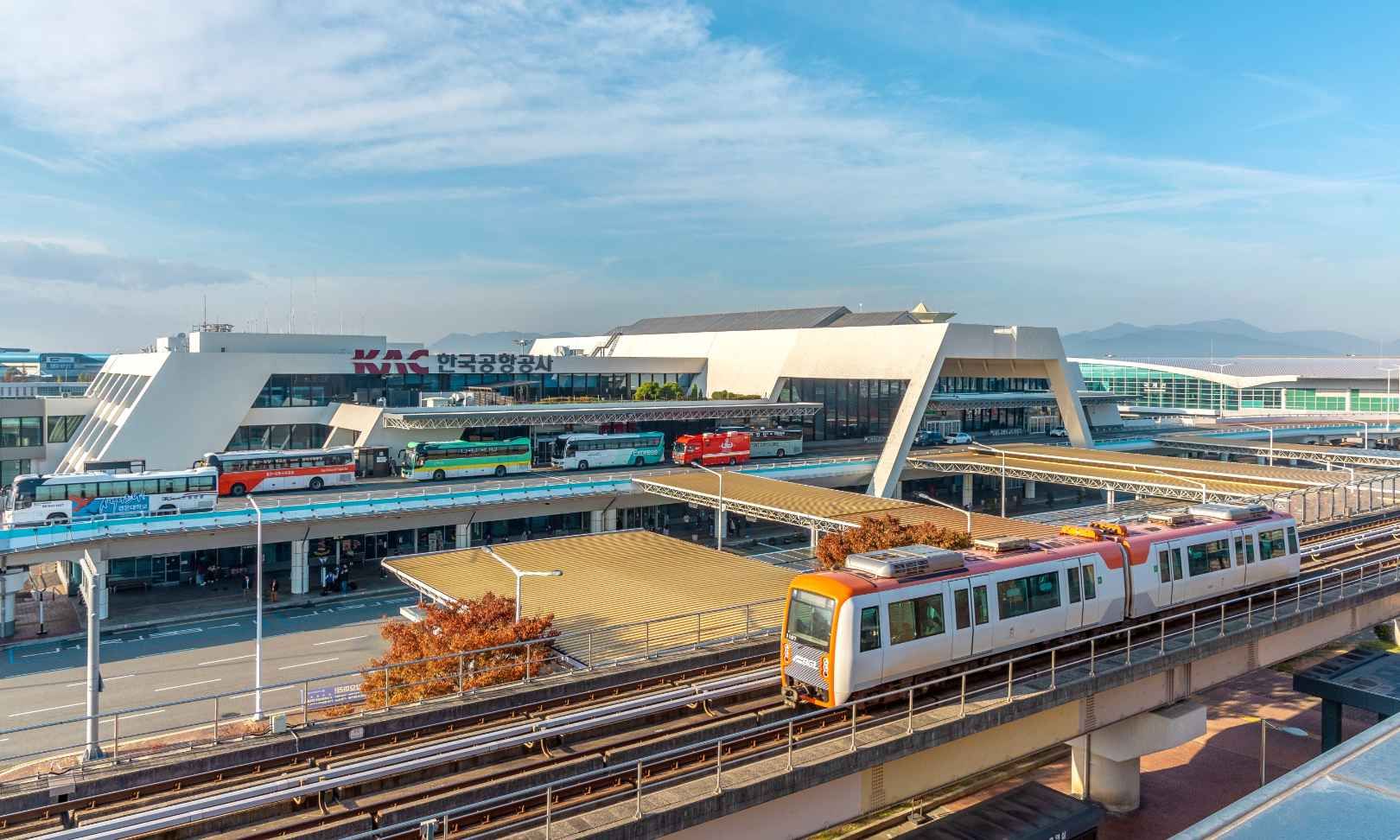
Gimhae International Airport is Korea’s busiest airport for international passengers after Incheon International Airport. As of 2026, it offers nonstop international flights to 46 cities in 14 countries and regions including Japan, China, Vietnam, the Philippines, and Taiwan while domestic flights connect Busan with major destinations such as Gimpo and Jeju. Haeundae and Gwangalli are about an hour away from the airport by public transportation, and nearby cities such as Ulsan, Gimhae, and Tongyeong can also be reached by KTX or intercity bus.
View Key Routes at Gimhae International Airport
| Route | Airline | Flight Schedule |
|---|---|---|
| Osaka/Kansai | Air Busan , Eastar Jet , Jeju Air , Jin Air , Trinity Air | Daily |
| Tokyo/Narita | Korean Air , Air Busan , Jeju Air , Jin Air | Daily |
| Fukuoka | Air Busan , Eastar Jet , Jeju Air , Jin Air , Trinity Air | Daily |
| Taipei/Taoyuan | Korean Air , China Airlines , EVA Air , Air Busan , Eastar Jet , Jeju Air , Jin Air , Tigerair Taiwan , STARLUX Airlines | Daily |
| Kaohsiung | Air Busan , Jeju Air , Trinity Air | Daily |
| Shanghai/Pudong | Korean Air , Shanghai Airlines , Jeju Air , China Eastern Airlines , Spring Airlines | Daily |
| Beijing/Capital | Korean Air , Air China | Daily |
| Nha Trang | Vietnam Airlines , Vietjet Air , Air Busan , Jin Air , Trinity Air | Daily |
| Da Nang | Vietjet Air , Air Busan , Jin Air | Daily |
| Cebu | Air Busan , Jin Air | Daily |
| Hong Kong | Trinity Air , HK Express | Daily |
- * Schedules are subject to change due to airline and airport operations. Please check each airline’s website for the latest information.
- * View Gimhae International Airport’s Flight Schedule
Estimated Travel Times to Major Busan Attractions
| Destination | Travel Time | Destination | Travel Time |
|---|---|---|---|
| Haeundae Blueline Park | Public Transportation 90 min | Taxi 60 min | Jagalchi Market, Gukje Market | Public Transportation 60 min | Taxi 40 min |
| Oryukdo Skywalk | Public Transportation 80 min | Taxi 50 min | Haeridan Street | Public Transportation 75 min | Taxi 60 min |
| Busan Air Cruise, Busan Cinema Center | Public Transportation 75 min | Taxi 40 min | Huinnyeoul Culture Village, Gamcheon Culture Village | Public Transportation 80 min | Taxi 40 min |
As Korea’s leading coastal city, Busan is where the deep blue sea, vibrant city life, and traces of its Korean War refugee history come together. There are many ways to experience the city: get out on the water and experience Busan’s coastal scenery up close, explore lively traditional markets for the flavors and energy of this port city, or discover its arts and culture through colorful hillside villages and one of Asia’s premier film festivals.
# Marine Tourism: Experience Busan’s Sea from Every Angle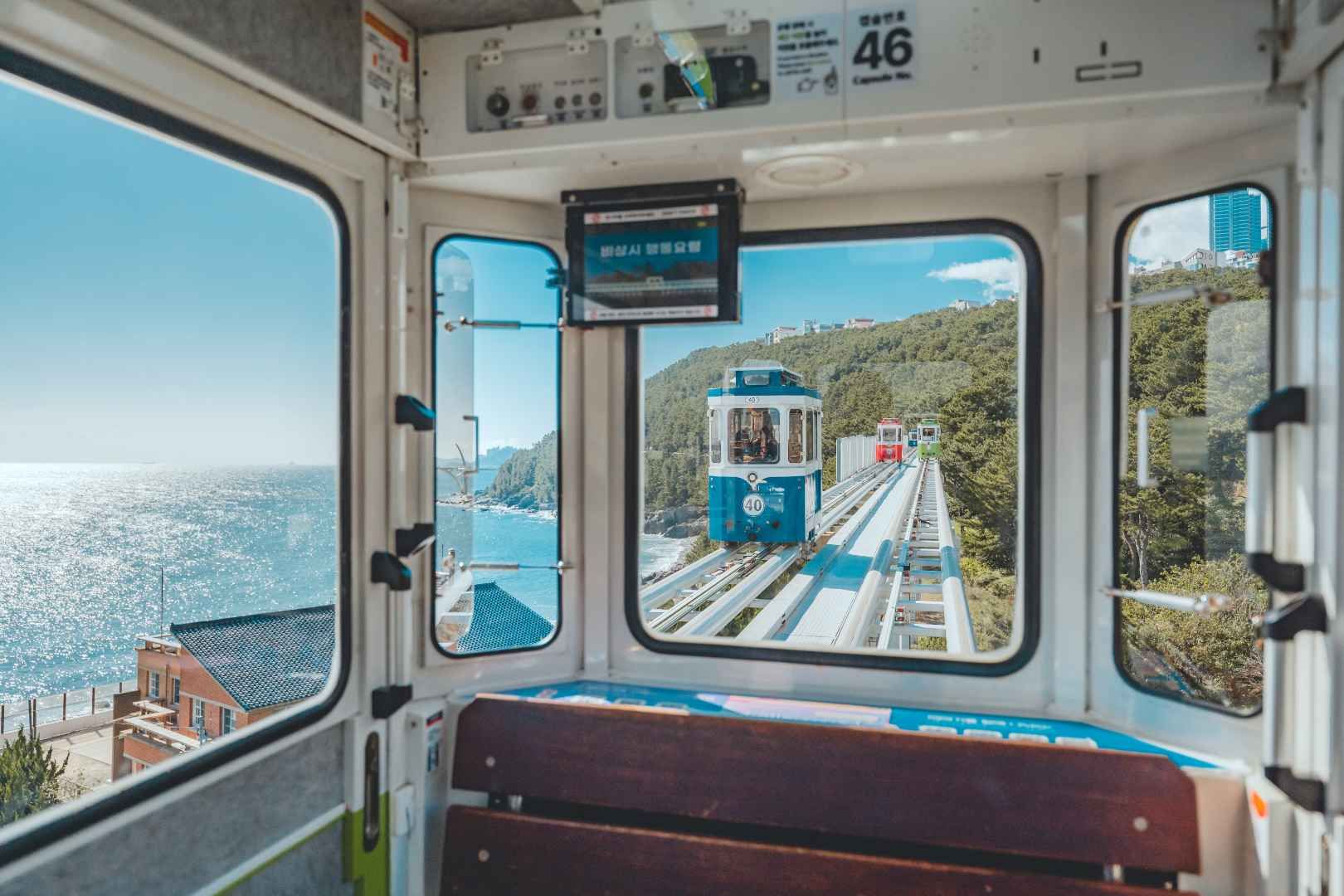
As Korea’s leading coastal and port city, Busan is inseparable from the sea. Cobalt-blue waters and white-sand beaches stretch beneath a skyline of soaring skyscrapers, creating a view found only in Busan. Discover the many ways to experience Busan’s sea, from scenic coastal trains to cable cars soaring over the water.
■ Recommended Attractions
- A scenic coastal railway built along a former train line beside the sea in Haeundae. Choose between the four-seater Haeundae Sky Capsule or the glass-windowed Haeundae Beach Train and enjoy beautiful coastal views along the 4.8-kilometer route between Mipo and Songjeong.
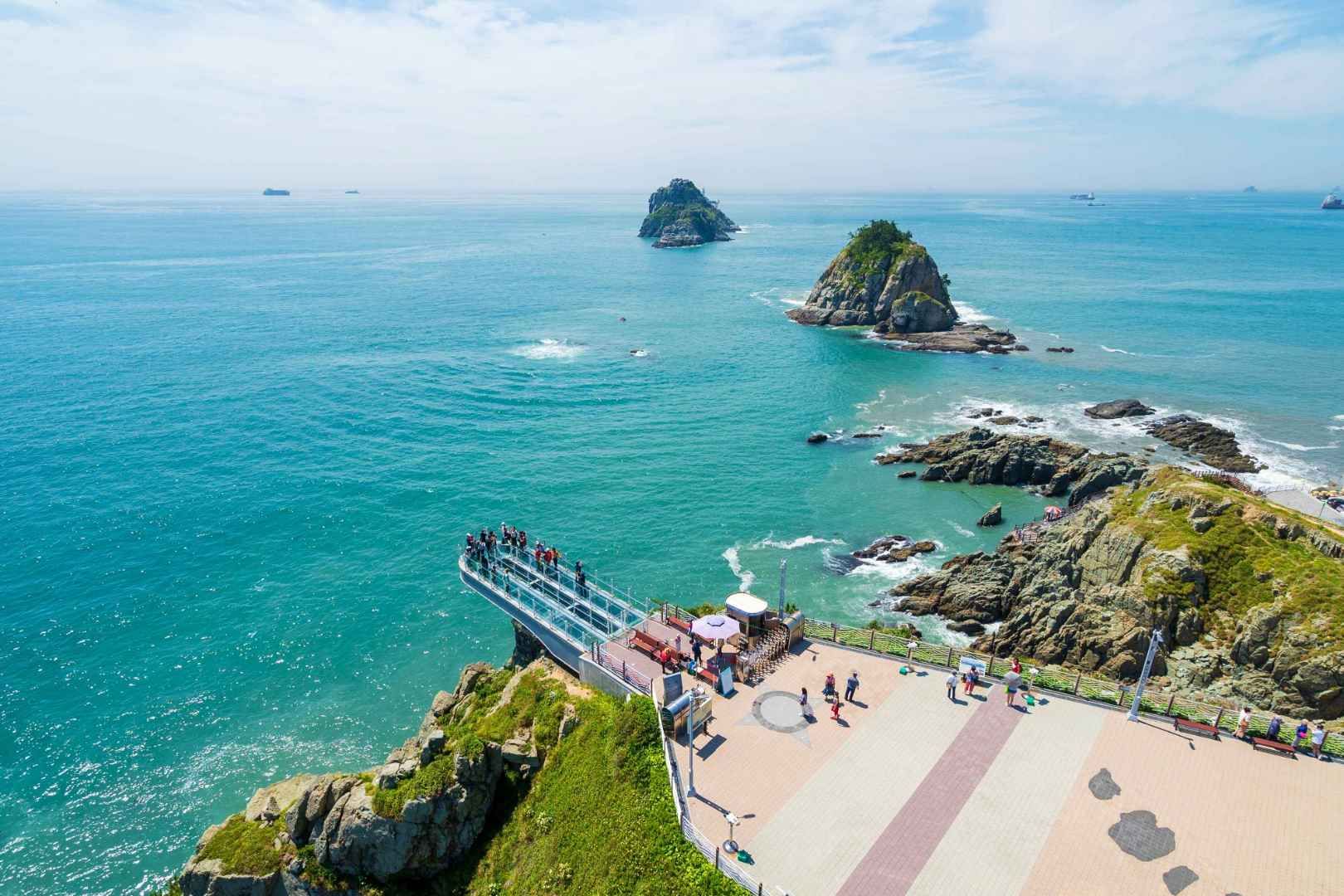
- A U-shaped glass walkway set 35 meters above the sea on a coastal cliff. Peer through the glass floor at the waves crashing below, and enjoy panoramic views of Oryukdo Islets where the East Sea and South Sea meet.
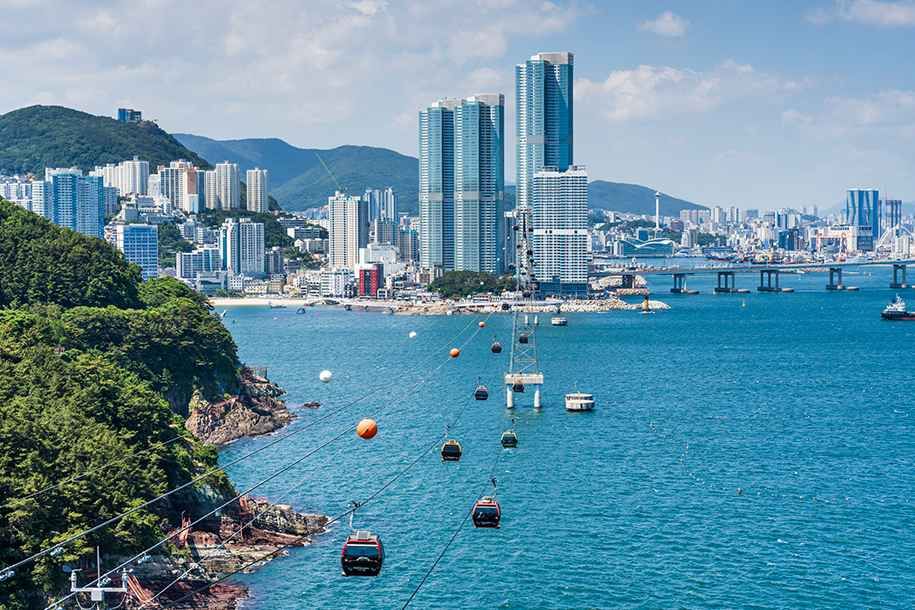
- Stretching 1.62 kilometers over the sea, Busan Air Cruise connects Songnim Park on the east side of Busan Songdo Beach with Amnam Park to the west. At its highest point, 86 meters above the water, the ride opens up to sweeping views of large ships anchored offshore. Two cabin types are available: the Air Cruise with a solid floor and the Crystal Cruise with a glass floor.
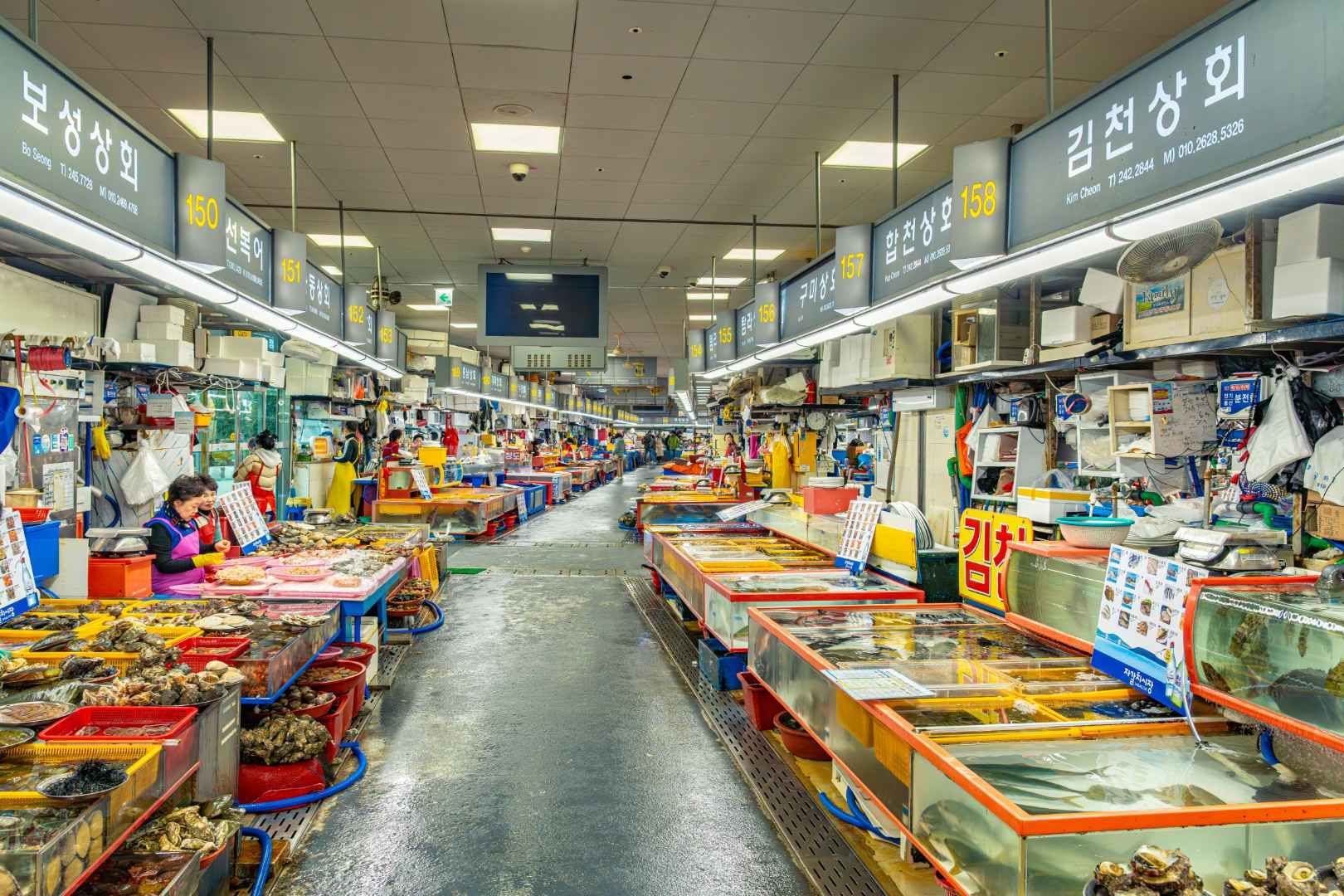
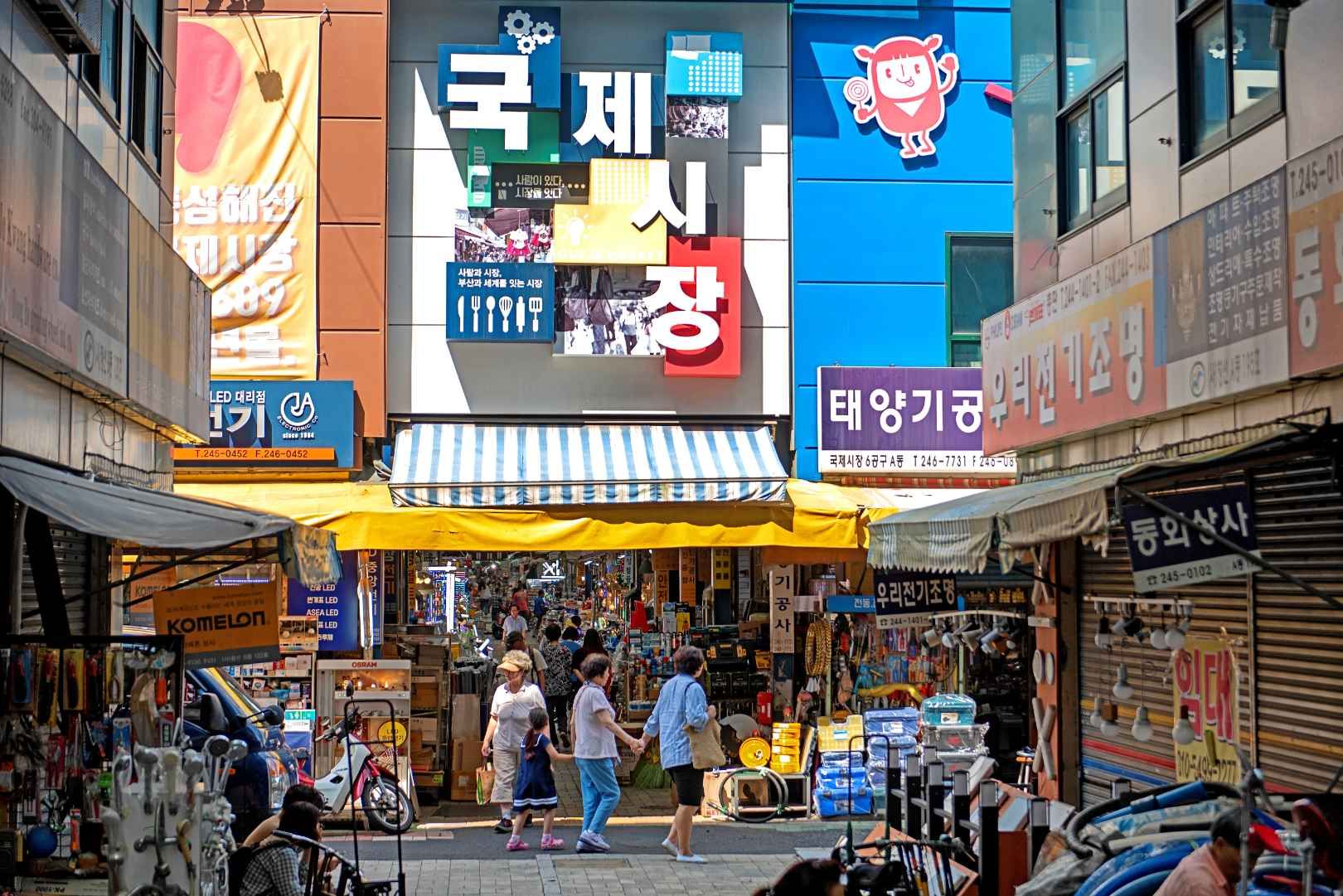
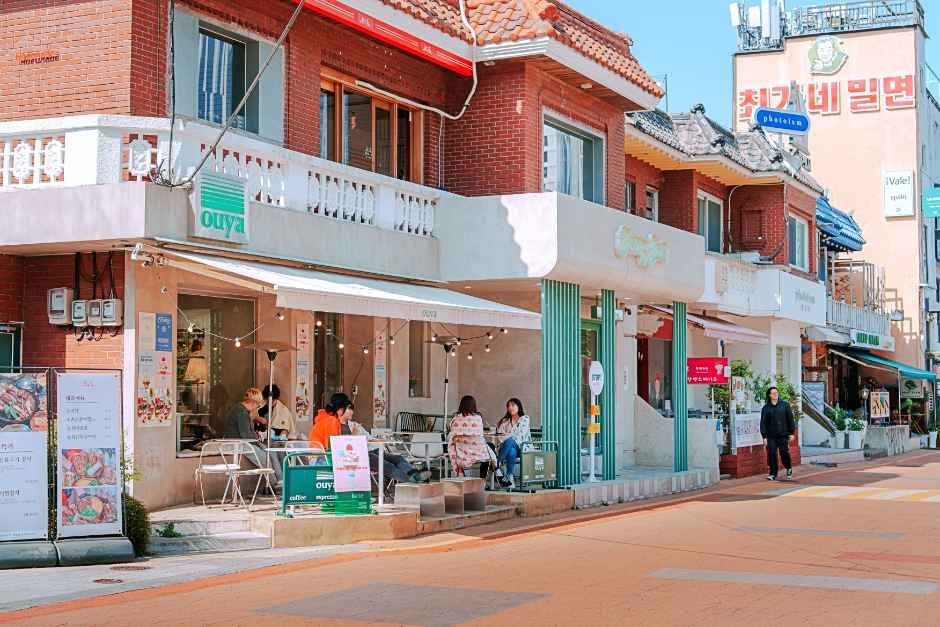
During the Korean War, Busan became a refuge for people from all over the country. Dishes created out of necessity—such as milmyeon (wheat noodles) made with flour provided through US aid—have since become local specialties. Explore the tastes that make Busan uniquely its own, from freshly caught seafood to café streets loved by younger locals.
■ Recommended Attractions
- Korea’s largest seafood market. Choose from fresh live fish and seafood on the first floor, and then head upstairs to have your selection served as sliced raw fish or grilled on the spot. It’s one of the best places to experience Busan’s local seafood culture.
- As Busan’s largest traditional market, Gukje Market took shape as refugees settled in the city after the Korean War. Its maze of alleys is divided into sections for food, secondhand goods, vintage clothing, and more. The food alleys are a great place to try Busan favorites such as ssiathotteok (griddlecake with sugar and seed filling), eomuk (fishcake), and milmyeon (wheat noodles). The market is also famous as a filming location for the Korean movie “Ode to My Father. (2014)”
- Just behind Haeundae Station, this former residential neighborhood has been transformed into a lively dining and café district. Restaurants showcasing local ingredients sit alongside stylish dessert cafés and unique lifestyle shops, making the area especially popular among younger crowds.
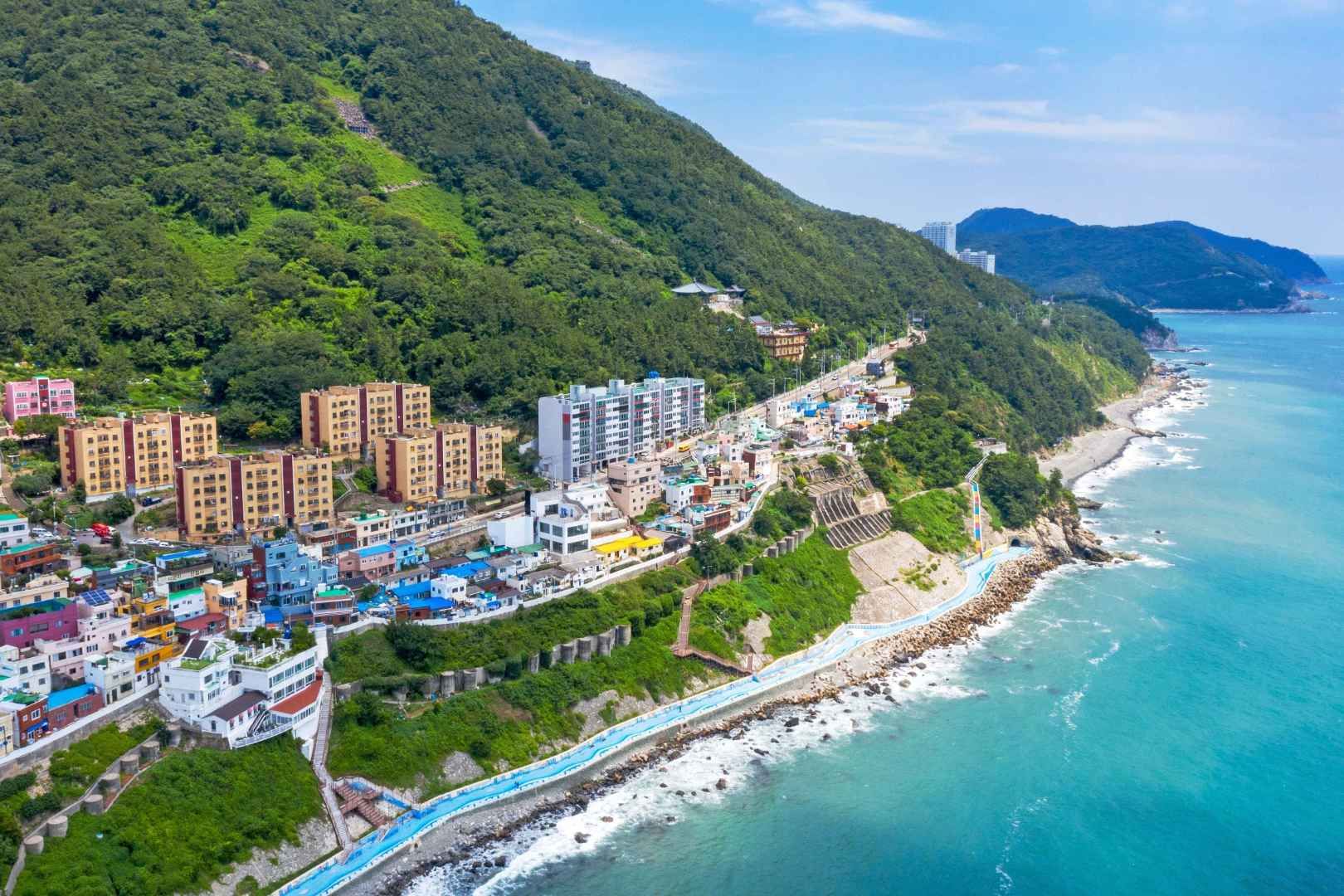
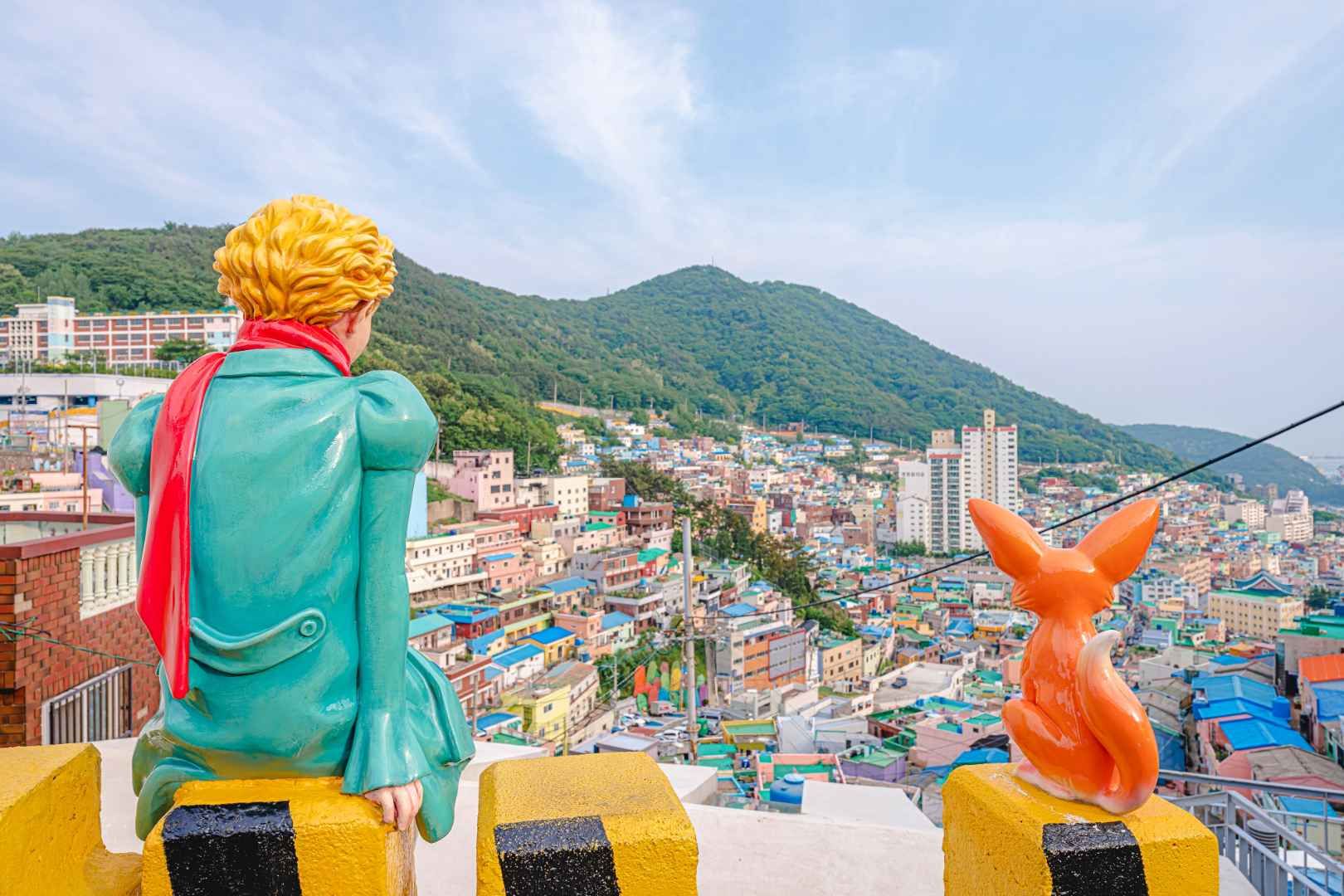
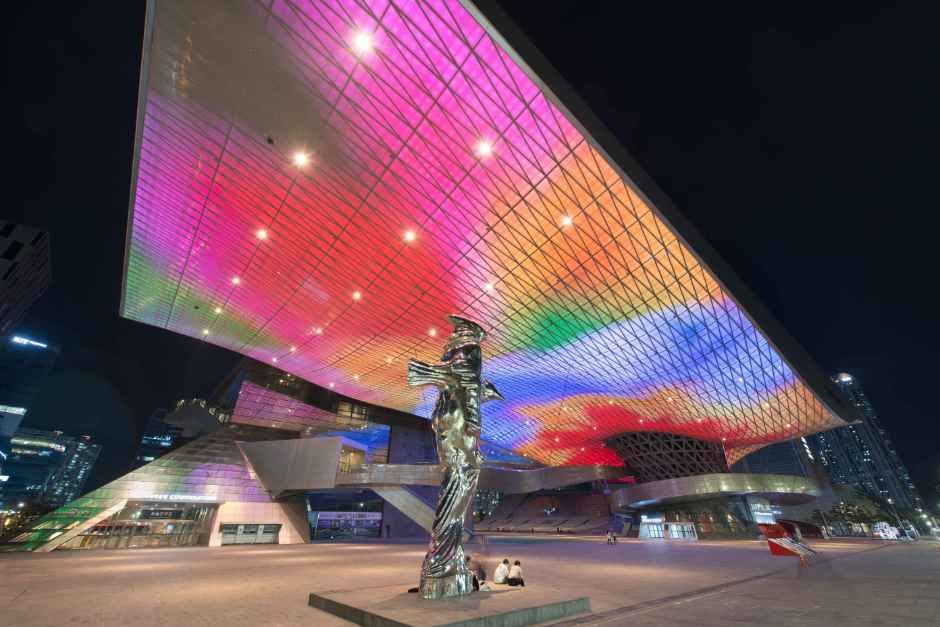
Busan is a city with a strong film culture, recognized in 2014 as Asia’s first UNESCO Creative City of Film. It is also home to many locations featured in Korean films, dramas, and other K-content. Experience the unique arts and culture that set Busan apart, from hillside mural villages overlooking the sea to one of Asia’s leading film festivals.
■ Recommended Attractions
- Nicknamed “Busan’s Santorini,” this seaside village is known for its white and blue houses clustered along the coastal cliffs. It has also served as a filming location for Korean movies including “Nameless Gangster: Rules of the Time (2012)” and “The Attorney (2013).” Wander through its mural-lined alleys and stop by ocean-view cafés for some of the village’s best photo spots.
- Pastel-colored houses rise in tiers along the hillside, giving the village its nickname “Korea’s Machu Picchu.” It developed as refugees settled here during the Korean War. Today, visitors can wander through its maze of narrow alleys, with the “Little Prince and Desert Fox” sculpture as some of the most popular photo spots.
- The main venue of the Busan International Film Festival (BIFF), one of Asia’s leading film festivals held every October. The Busan Cinema Center hosts the opening and closing ceremonies and red-carpet events during BIFF. At other times of the year, it is a lively cultural hub for films, performances, and exhibitions.
- ✅ Curious about prehistoric whale carvings? ➡️ Ulsan
- ✅ Interested in an ancient kingdom and Korea’s traditional heritage? ➡️ Gimhae
- ✅ Want to wander through a mural village with beautiful sea views? ➡️ Tongyeong
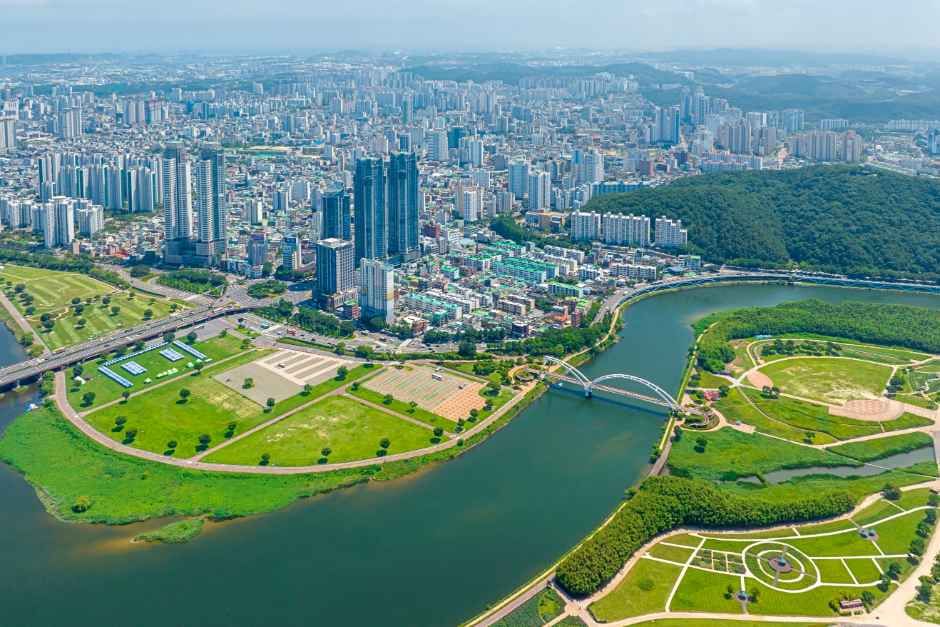
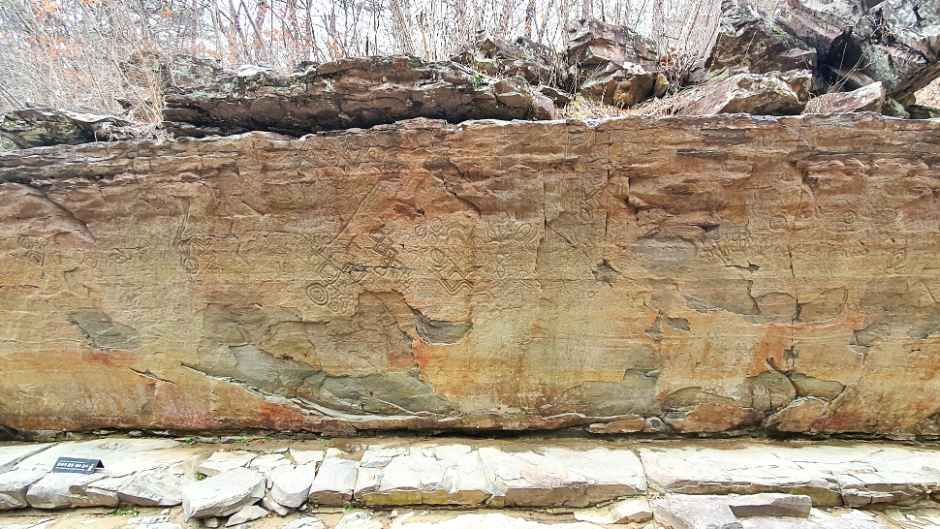
Ulsan is best known as Korea’s largest industrial city but is also home to rich natural scenery and famous for its long history. At the heart of the city is Taehwagang National Garden stretching along the 47-kilometer Taehwagang River, with nearby prehistoric rock carvings preserving vivid images of whales etched into broad rock faces. From Bujeon Station in Busan, it takes about 40 minutes to reach Taehwagang Station by KTX-Eum or around 80 minutes on the Donghae Line metro.
■ Recommended Attractions
- An urban oasis stretching along Taehwagang River through the heart of Ulsan. Stroll through the lush, four-kilometer Simni Bamboo Grove, or come after dark when LED lights transform the Milky Way Trail into a scenic nighttime walkway.
[Jangsaengpo Whale Culture Village]
- A themed village that brings back to life Jangsaengpo in the 1970s when it was Korea’s largest whaling port. Visitors can step into the past at Jangsaengpo Old Village—which recreates the everyday lives of local fishing families—and explore Jangsaengpo Whale Museum, home to whale skeletons and exhibits on the area’s whaling history.
[Petroglyphs along Bangucheon Stream]
- Created by prehistoric people around 6,000 years ago, these rock carvings were inscribed on the UNESCO World Heritage List in 2025 together with the Petroglyphs of Bangudae Terrace in Daegok-ri and Petroglyphs of Cheonjeon-ri under the name “Petroglyphs along Bangucheon Stream.” The roughly 10-meter-wide rock face is covered with remarkably detailed images of whales, sharks, tigers, and other animals as well as scenes of whale hunting. Replicas of the carvings are on display at the nearby Ulsan Petroglyph Museum.
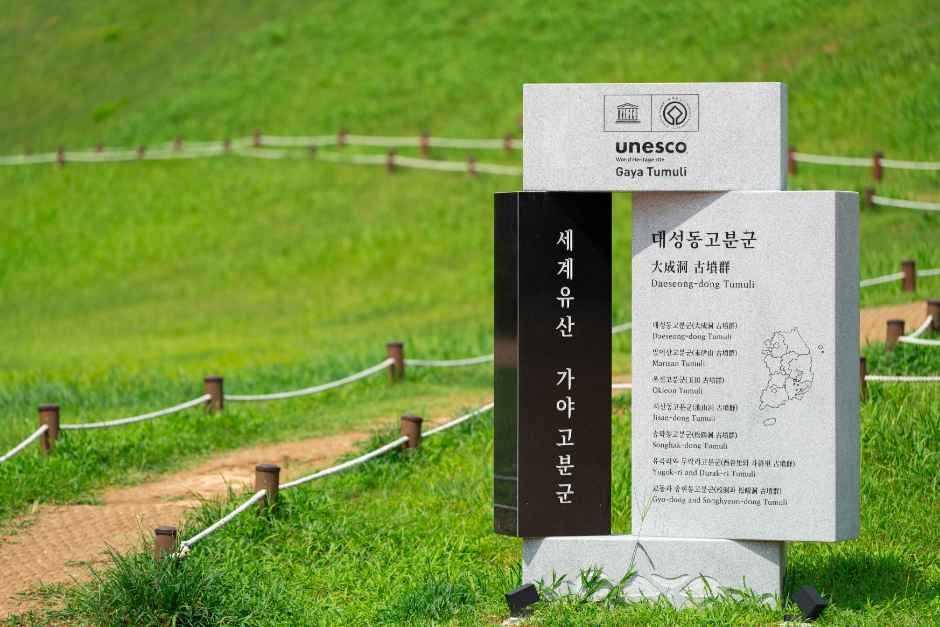
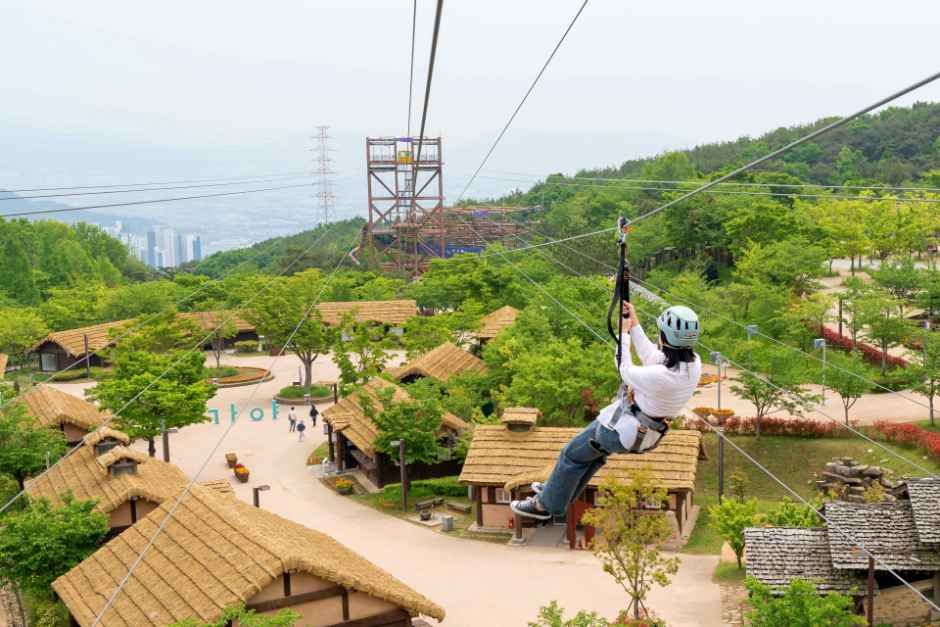
Gimhae is a historic city where the legacy of Gaya (1-6 BC)—an ancient kingdom with a distinctive iron-working culture—can still be found throughout the city. Visitors can explore UNESCO-listed burial mounds, learn about everyday life in the Gaya era, and experience the charm of traditional hanok houses. From Sasang Station in Busan, it takes about 30 minutes by Busan-Gimhae Light Rail Transit to reach the Royal Tomb of King Suro Station.
■ Recommended Attractions
[Ancient Tombs in Daeseong-dong, Gimhae]
- This historic site is home to the royal tombs of Geumgwan Gaya and was inscribed on the UNESCO World Heritage List in 2023. Visitors can wander among the burial mounds set along the gentle hillside, and then stop by the nearby Museum of the ancient tombs in Daeseong-dong to see excavated artifacts and learn about the tombs and everyday life in the Gaya era.
- A theme park that brings Gaya’s history and culture to life. Visitors can explore a recreated royal palace, try traditional crafts, watch live performances, and enjoy a range of hands-on activities.
[Gimhae Hanok Experience Center]
- Located in front of King Suro’s Tomb, this hanok complex combines traditional accommodations and cultural spaces. Visitors can stroll past tiled roofs and stone walls, relax in a hanok café, wander through a traditional garden, and browse the gift shop.
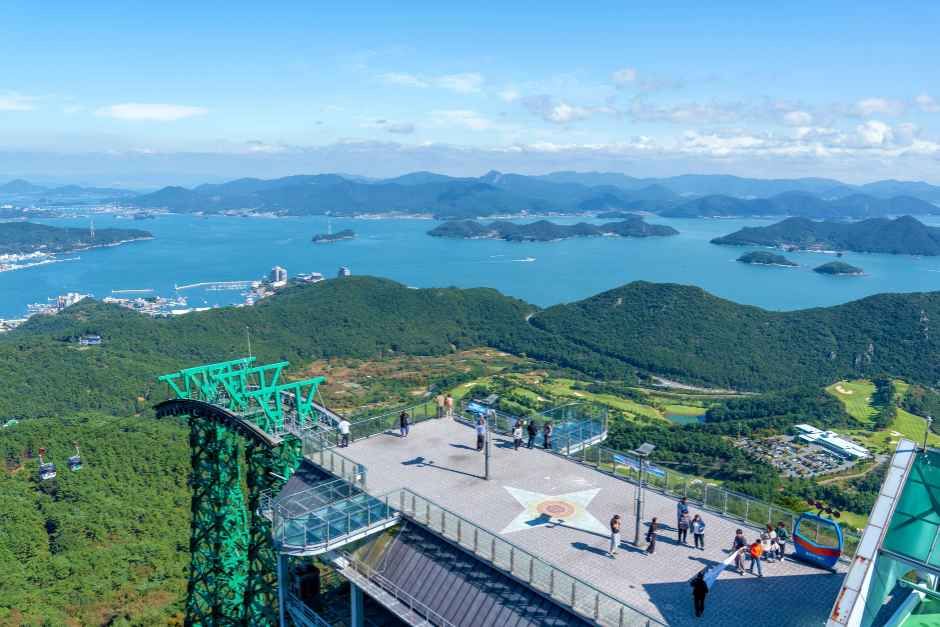
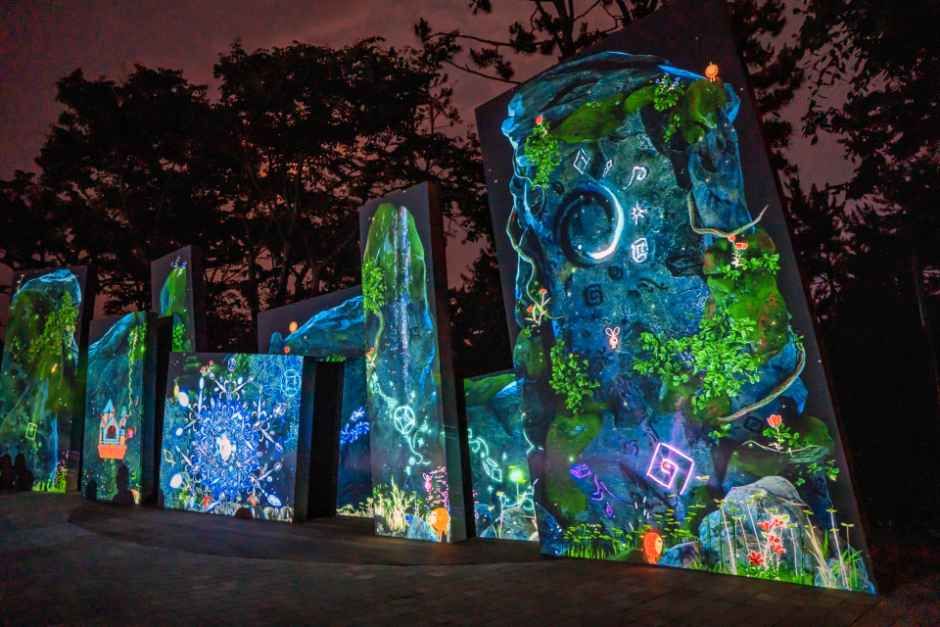
Tongyeong is a scenic port city surrounded by the island-dotted waters of Hallyeohaesang National Park. The city offers plenty to see and explore, from colorful mural villages to forest trails glowing with lights after dark. It takes about 80 minutes by intercity bus from Busan Seobu Intercity Bus Terminal to Tongyeong Bus Terminal.
■ Recommended Attractions
- Stretching 1,975 meters, the cable car reaches the area near the summit of Mireuksan Mountain in about 10 minutes. From the upper observation deck, visitors can take in sweeping views of the island-dotted waters of Hallyeohaesang National Park and Tongyeong Harbor.
- A colorful mural village set on a hillside behind Tongyeong Jungang Market. Stroll through the winding alleys to take in the artwork, and then head to the top for wide-open views of Gangguan Port.
[DPIRANG]
- A nighttime digital theme park in Nammangsan Sculpture Park. Colorful media art and laser lights illuminate the trees and rocks along the forest trail after dark, turning the walk into an immersive nighttime experience.
Gimhae International Airport FAQ
- Q. Can I exchange money or buy a SIM card or an eSIM at Gimhae International Airport?
- A. Yes. Currency exchange is available on the first floor, and SIM cards and eSIMs can be purchased at mobile carrier roaming centers and convenience stores inside the airport.
- Q. What’s the best way to get to Central Busan from Gimhae International Airport?
- A. The fastest and most affordable way is to take the Busan-Gimhae Light Rail Transit from the airport, and then transfer to the Busan Metro at Sasang Station (Busan Metro Line 2) or Daejeo Station (Busan Metro Line 3). If you’re heading to Haeundae or Osiria Tourism Complex and you prefer a direct ride, Airport Limousine Bus No. 1 is a convenient option from the first-floor bus stop.
- Q. Can I travel directly from Gimhae International Airport to nearby cities such as Ulsan or Tongyeong?
- A. You can buy tickets at the airport for intercity buses to destinations such as Ulsan, Changwon, and Geoje. For Tongyeong, head to Busan Seobu Intercity Bus Terminal, about 15 minutes away from the airport by subway or taxi.
- Q. Where can I find the latest flight information for Gimhae International Airport?
- A. You can check real-time arrivals and departures on the official Gimhae International Airport website operated by Korea Airports Corporation.
- - Original article by Lee Su-Lynn / Translated by KTO
- - Photos by Korea Tourism Organization, Busan Tourism Archive, ClipartKorea, Korea Heritage Service