- Log in
-
- Sydney Overseas Office
- London Overseas Office
- Toronto Overseas Office
- Los Angeles Overseas Office
- New York Overseas Office
- Ulaanbaatar Overseas Office
- Dubai Overseas Office
- New Delhi Overseas Office
- Manila Overseas Office
- Jakarta Overseas Office
- Hanoi Overseas Office
- Kuala Lumpur Overseas Office
- Singapore Overseas Office
- Bangkok Overseas Office
- Map
- Sydney Overseas Office
- London Overseas Office
- Toronto Overseas Office
- Los Angeles Overseas Office
- New York Overseas Office
- Ulaanbaatar Overseas Office
- Dubai Overseas Office
- New Delhi Overseas Office
- Manila Overseas Office
- Jakarta Overseas Office
- Hanoi Overseas Office
- Kuala Lumpur Overseas Office
- Singapore Overseas Office
- Bangkok Overseas Office
- HOME
- Where to Go
- Suggested Itineraries
- Details
-
Gyeongju: Heart of Ancient Korea
-
6.3K
-
0
5
Gyeongju, once the capital of the ancient Silla Kingdom, was Korea’s political and cultural center for a thousand years. Its well-preserved relics from Silla’s royal family and aristocracy have earned it the nickname “a living museum.” At Yangdong Village, visitors can see traditional hanok homes and scenes of daily life from the Joseon era. The Daereungwon Ancient Tomb Complex reveals Silla’s royal heritage through ancient tombs and excavated artifacts. Bulguksa Temple, a UNESCO World Heritage Site, features exquisite stone architecture and Buddhist art. Donggung Palace and Wolji Pond offer a peaceful night view, with reflections shimmering on the water.
-
Gyeongju
-
history_tradition
-
culture
-
world_heritage
-
hanok
-
temple
-
icon
Gyeongju
Total distance: Approx. 38 km
-
-
Recommended Course
-
1
Gyeongju Yangdong Village [UNESCO World Heritage] (경주 양동마을 [유네스코 세계유산])
Designated as a UNESCO World Heritage Site, this traditional village boasts over 600 years of history. Descendants of noble Joseon-era families still live here, and more than 150 hanok houses have been beautifully preserved.
-
2
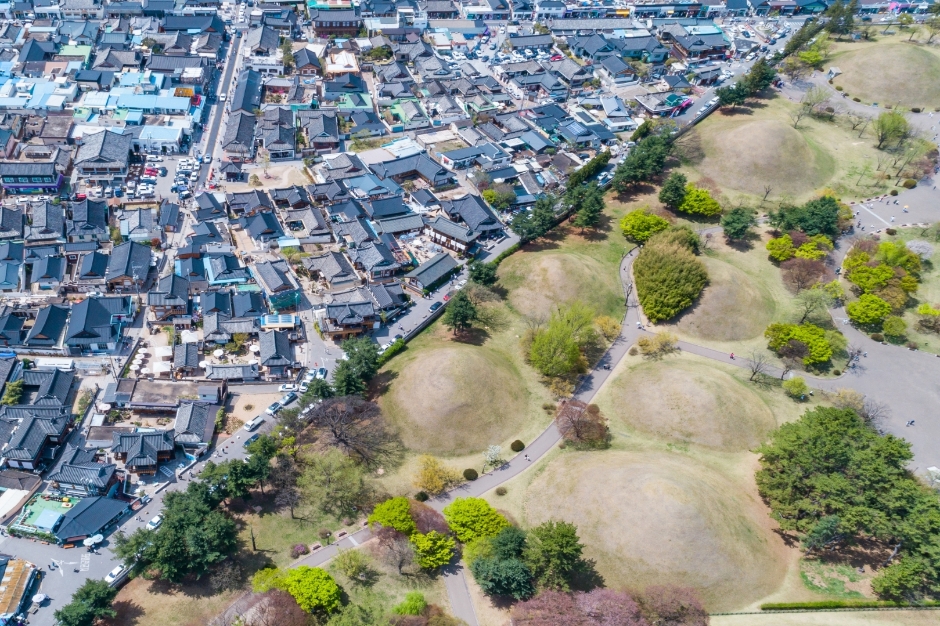
Gyeongju Daereungwon Ancient Tomb Complex (경주 대릉원 일원)
Set against rolling green hills, this burial mound park is home to the grand tombs of Silla kings and aristocrats. Cheonmachong Tomb, the only tomb open to the public, displays a variety of Silla-era artifacts, including a golden crown.
-
3
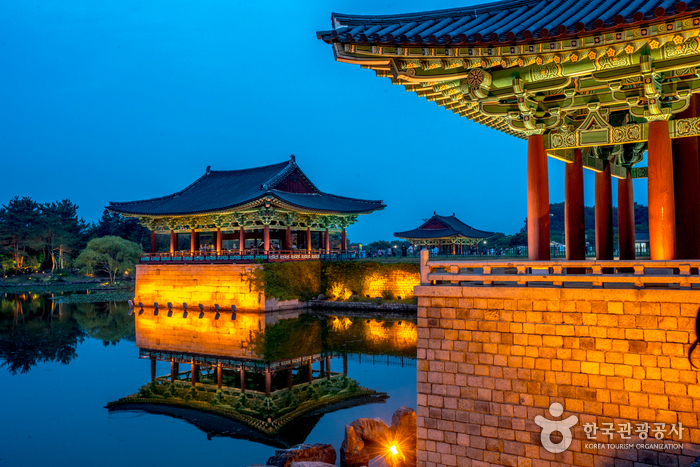
Donggung Palace and Wolji Pond (경주 동궁과 월지)
Once a detached palace of the Silla royal court, this site was used for royal banquets and relaxation. At sunset, the illuminated pavilion reflected on the pond creates a romantic atmosphere, making it one of Gyeongju’s most beloved nightscape spots.
-
4
Gyeongju Bulguksa Temple [UNESCO World Heritage] (경주 불국사 [유네스코 세계유산])
One of Korea’s most iconic Buddhist temples, Bulguksa Temple is a landmark that showcases the art and architecture of the Silla Kingdom. Designated as a UNESCO World Heritage Site, it is home to national treasures such as the Seokgatap and Dabotap pagodas, where visitors can appreciate the exquisite craftsmanship of over a thousand years ago.
-
-
map
-
Recommended travel tips
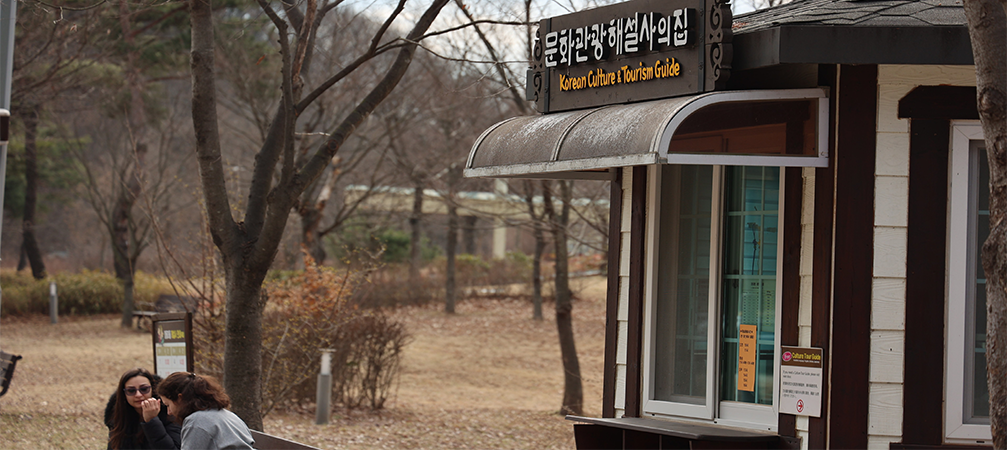
Gyeongju Cultural Tour Guide
Foreign language tour services are available at seven major heritage sites in Gyeongju—including Yangdong Village, Daereungwon Ancient Tomb Complex, Donggung Palace and Wolji Pond, and Bulguksa Temple. Certified cultural tour guides offer tours in English, Japanese, and Chinese. Guided tours begin on the hour from 10:00 to 16:00 (excluding a lunch break from 12:00 to 13:00) at the “Korean Culture & Tourism Guide” office near each site entrance. No reservation is required, making it easy to explore Gyeongju’s historic sites in a more engaging and meaningful way.
* VISITKOREA does not guarantee the quality of products or services introduced on this page and is not responsible for any direct or indirect loss resulting from use of said products or services.


Did you like this course? Leave a rating!