- Log in
-
- Sydney Overseas Office
- London Overseas Office
- Toronto Overseas Office
- Los Angeles Overseas Office
- New York Overseas Office
- Ulaanbaatar Overseas Office
- Dubai Overseas Office
- New Delhi Overseas Office
- Manila Overseas Office
- Jakarta Overseas Office
- Hanoi Overseas Office
- Kuala Lumpur Overseas Office
- Singapore Overseas Office
- Bangkok Overseas Office
- Map
- Sydney Overseas Office
- London Overseas Office
- Toronto Overseas Office
- Los Angeles Overseas Office
- New York Overseas Office
- Ulaanbaatar Overseas Office
- Dubai Overseas Office
- New Delhi Overseas Office
- Manila Overseas Office
- Jakarta Overseas Office
- Hanoi Overseas Office
- Kuala Lumpur Overseas Office
- Singapore Overseas Office
- Bangkok Overseas Office
Contents View
-
-
-
Korean Traditional Culture Center
-
07/18/2024
-
480
2
3
-
-
wellness
-
-
-
Fall in Love with the Health and Fun of K-Traditions: Korean Traditional Culture Center
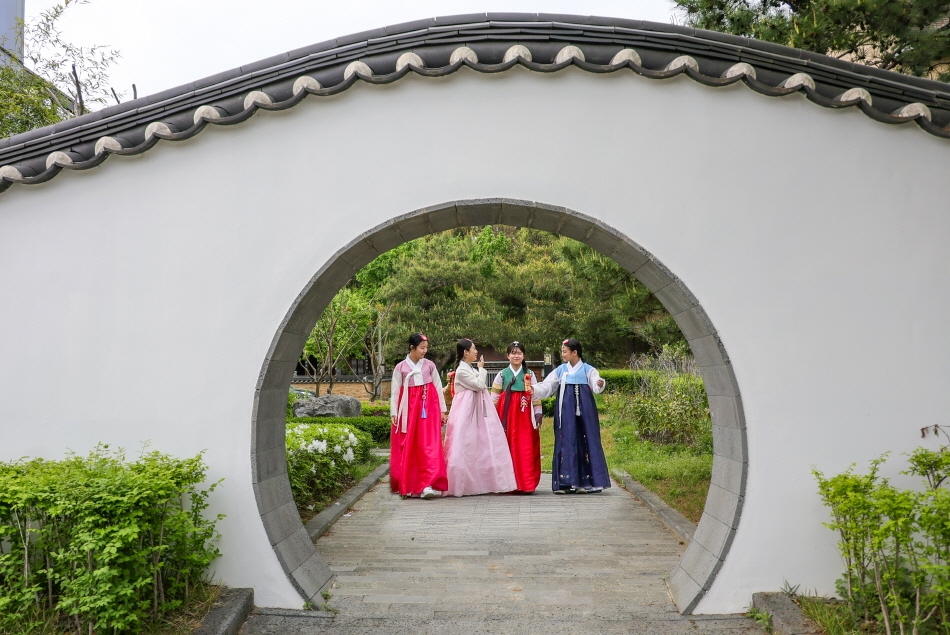
The Korean Traditional Culture Center, located next to Momyeongjae Shrine, which holds the 400-year-old history of generals Du Sa-chung and Yi Sun-sin from the Joseon dynasty, offers a rich range of programs for experiencing K-Tradition. Here, you can create yakseon (medicinal) dishes with local experts following the Donguibogam (Korean Traditional Medicine Book), enjoy a cup of fragrant tea while wearing elegant hanbok, make traditional tea confectionery using centuries-old recipes, and practice archery with a traditional Korean bow. These experiences provide something new and exciting for everyone.
A Historical Site Celebrating the Friendship between Du Sa-chung and Yi Sun-sin
The Korean Traditional Culture Center is located next to the historic Momyeongjae Shrine, dedicated to Du Sa-chung (杜師忠), a Ming Chinese strategist who fought for Joseon during the Japanese invasion of Korea and later became naturalized. Du Sa-chung is renowned for donating his land, which was rewarded by the King, to become the site of the Gyeongsang Gamyeong Governor’s Office. He is also credited with planting mulberry trees in today’s Gyesan-dong neighborhood to help keep the people of Daegu warm.
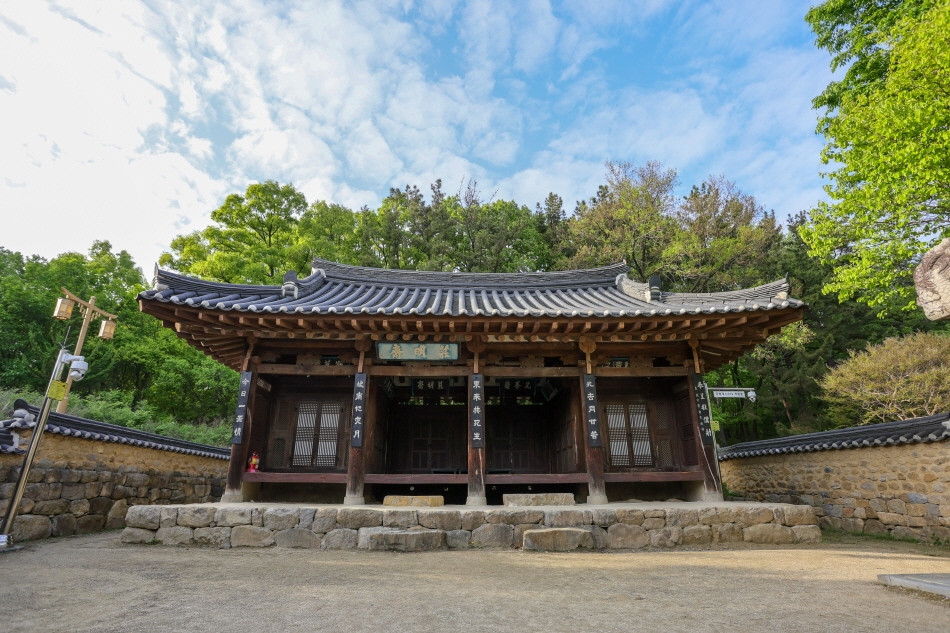
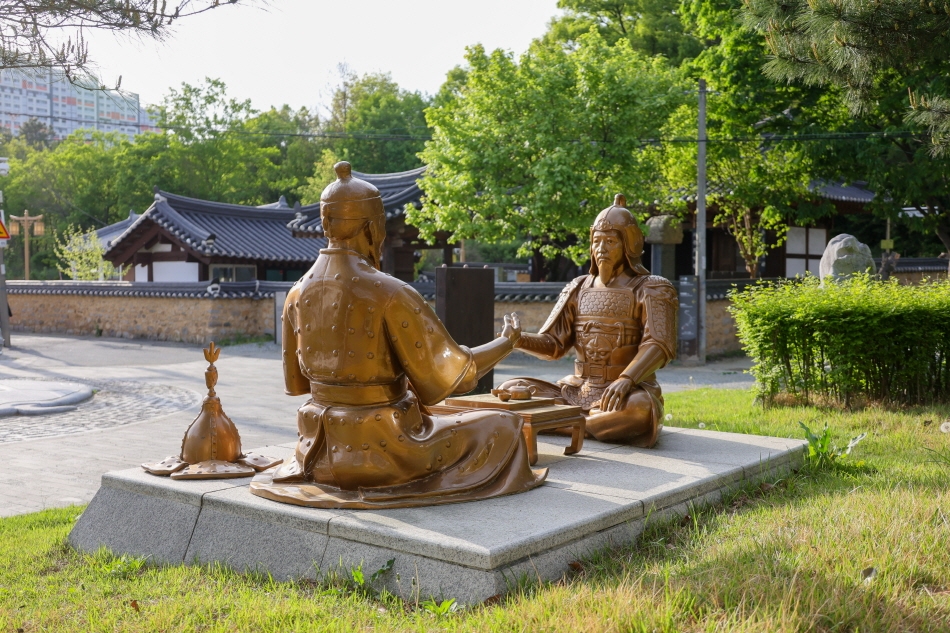
Du Sa-chung shared a remarkable friendship with Yi Sun-sin. Yi wrote a poem for Du Sa-chung, and Du helped find a resting place for Yi Sun-sin after he fell in battle. The juryeons (verse plaques) hanging from the five pillars in Momyeongjae Shrine were from the poem written by Yi Sun-sin for his friend. Du Sa-chung’s tomb, guarded by a sculpture of a sword-wielding warrior, is a short five-minute walk from Momyeongjae Shrine.
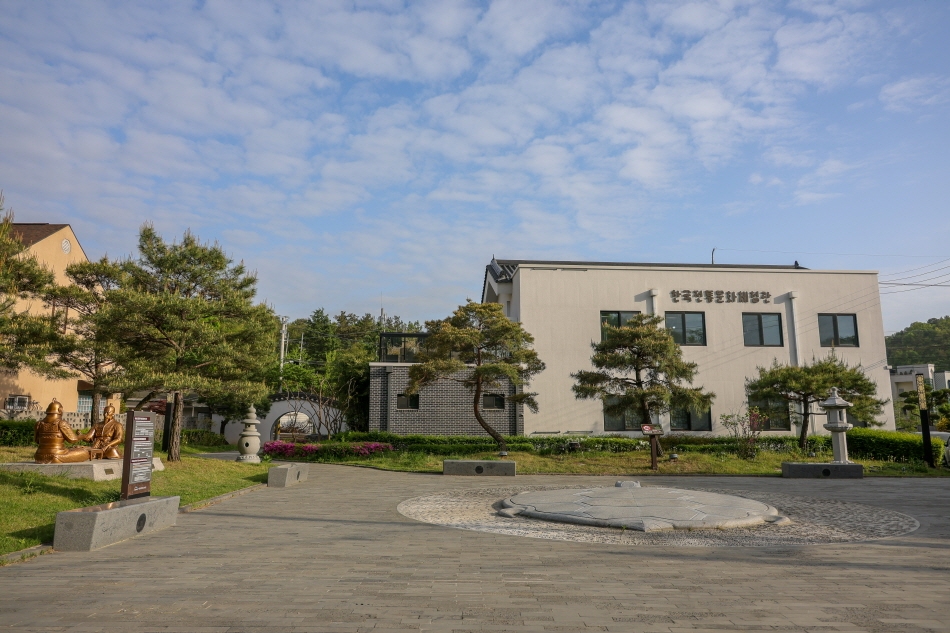
As you step out of Momyeongjae Shrine, you’ll find the Korean Traditional Culture Center. The old building was remodeled and reopened in 2019. The center offers a wide variety of traditional cultural experience programs, including tea ceremonies, hanbok experiences, Donguibogam cuisine, traditional Korean liquor, and traditional archery. It is popular among both Korean and international visitors.
Put on the Best Hanbok and Enjoy a Cup of Tea in Style
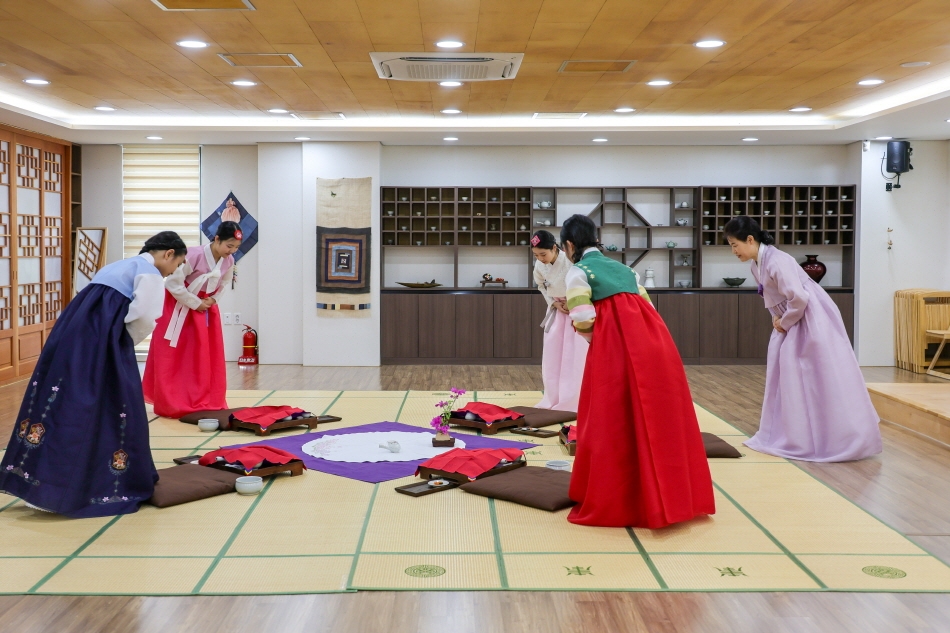
The first floor houses the Tea Ceremony and Meditation Room, where tea ceremony and hanbok experience programs are held. Open the sliding doors to reveal a space filled with the elegance of traditional architecture, complete with beautiful teacups and folding screens. The wardrobe is stocked with nearly 200 hanbok of all sizes, from children’s to extra-large. You’ll also find pretty norigae (decorative pendants) and hair accessories. Men can wear gat (traditional hat) or yugeon (scholar’s hat), while women can braid their hair or wear binyeo (traditional hairpin). After putting on their hanbok, many visitors jump straight into taking pictures.
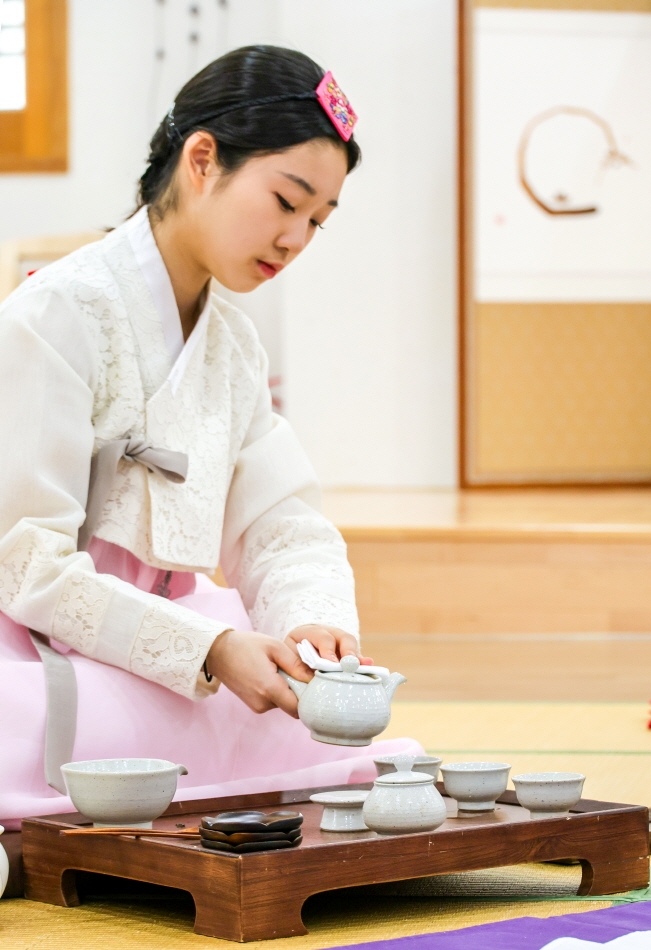
Next, you’ll receive a short lesson on the significance of hanbok and traditional bowing customs, such as men placing their left hand above the right and women placing their right hand over their left. The tea experience begins when the red bojagi (wrapping cloth) is lifted. Participants first learn about the different tea-making tools, such as sugu (water cooling bowl), tanggwan (kettle), and gaedaeja (teacup lid). Enjoy the fragrance of the tea by opening the lid of the chaho (tea pot). Tea is drunk using all five senses: the fragrance, color, warmth, gentle flavor, and the clear sound of water pouring, all of which help to calm the mind and body.
The Fun and Healthy World of K-Food
The second floor features the Donguibogam Cuisine Experience Hall, generously equipped with cooking stations. On the countertops are the ingredients for the day's dish, and the drawers are filled with knives, pots, and other cooking utensils. Donguibogam is a Joseon-era medical text created by the renowned doctor Hur Jun, designated as National Treasure No. 319 of Korea. It is considered the best medical text dedicated to the art of ‘sikchi’, treating disease through food. The Donguibogam cuisine experience uses the wisdom found in this classical text to create healthy dishes. Here, you can learn about the benefits of different ingredients, how they work together, what works for your body, and try your hand at making traditional dishes.
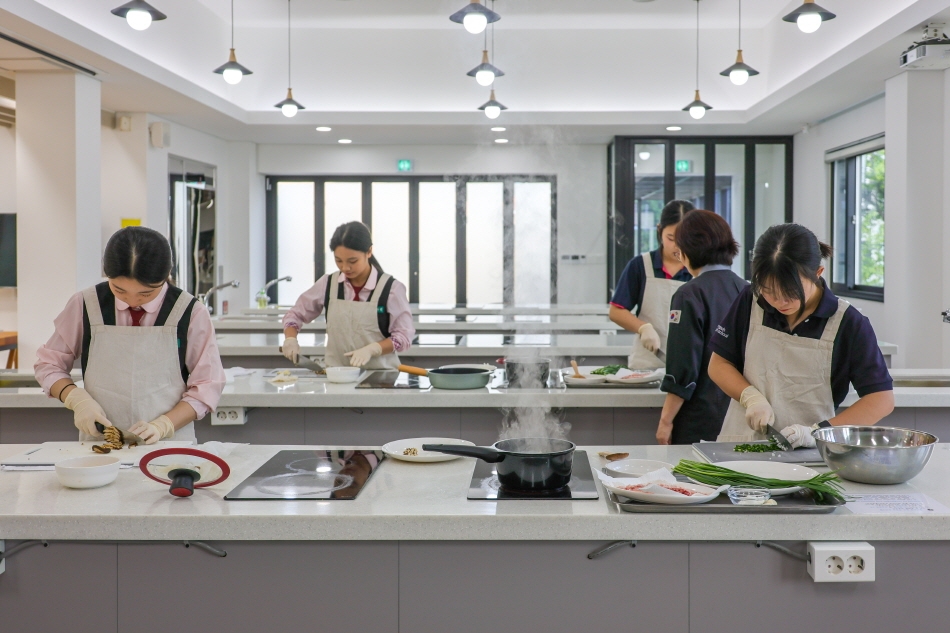
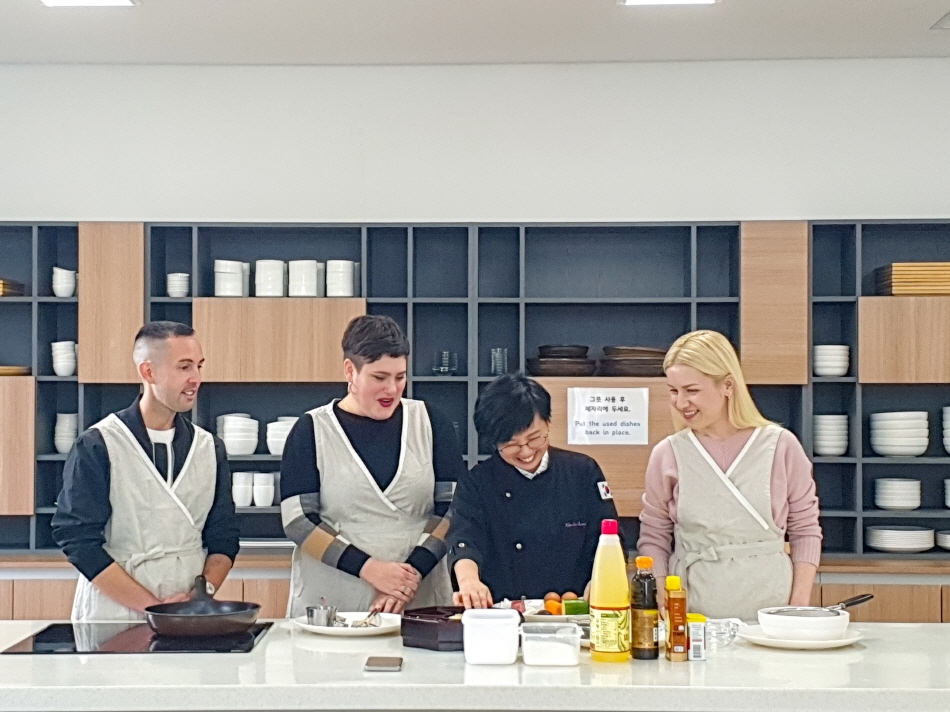
The dishes prepared vary by season and include tteokgalbi (grilled galbi patties), hanbang samgyetang (ginseng chicken soup with medicinal herbs), gyuasang (beef and cucumber mandu), ueongbuchujapchae (burdock root and chive japchae), Gaeseong juak (pan-fried jujube rice cake), and Andong jjimdak (Andong braised chicken). Some dishes are so popular that their reservation spots close almost immediately after opening. But whatever you choose, the program helps you realize that Korean food is not as difficult as it looks, and it is fun and delicious. International visitors’ favorites are said to be the hanbang samgyetang and Andong jjimdak.
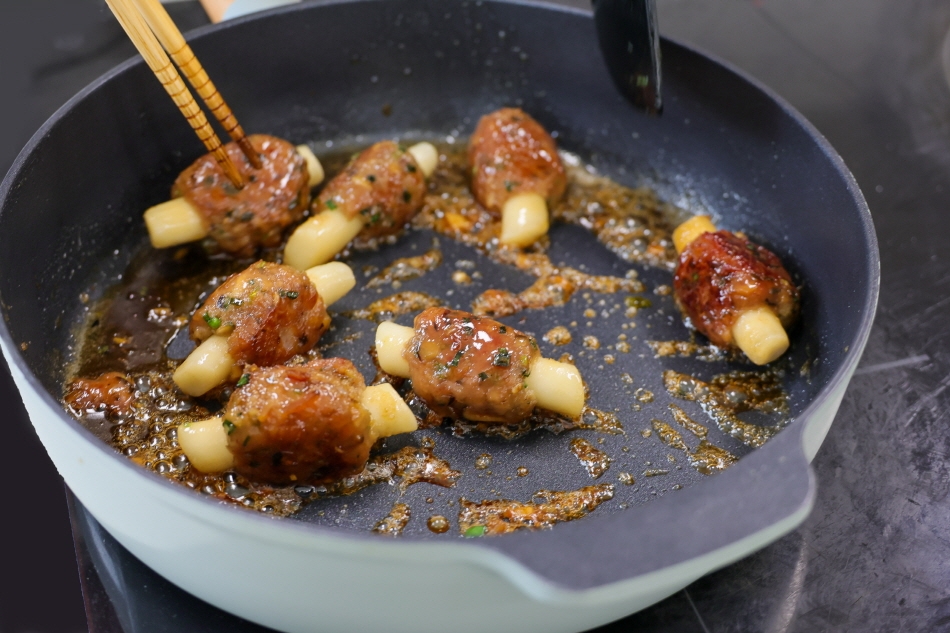
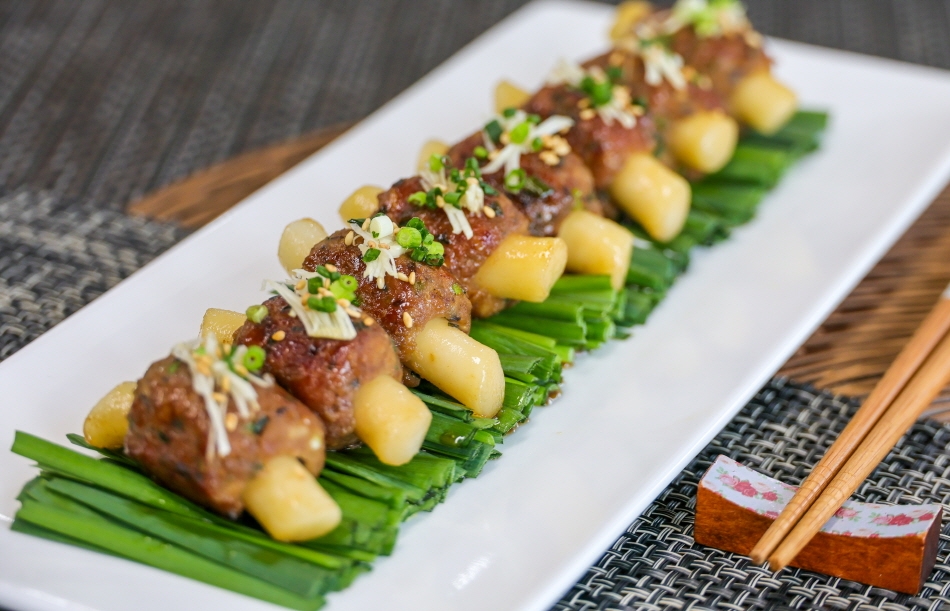
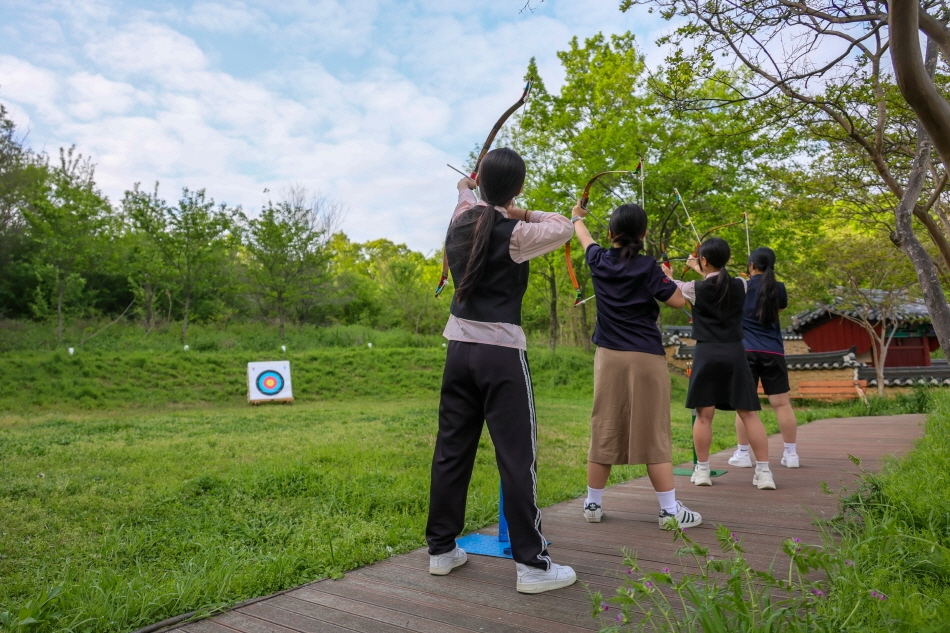
Other popular programs include the tea confectionery-making program, which uses recipes from the classical text Eumsikdimibang (meaning ‘a way of knowing the taste of food’), and the traditional Korean liquor experience program, where you can learn how to make your own makgeolli (unrefined rice wine). The traditional archery experience allows you to try pulling the string of the traditional bamboo bow, gukgung. This program is offered free of charge but is only open to visitors who have already signed up for paid programs.
NOTE
-
Address
13-5 Dalgubeol-daero 527-gil, Suseong-gu, Daegu
-
Inquiries
+82-53-666-4930, 4931
- Website
-
Opening Hours
Monday - Saturday 09:00–18:00, closed on Sundays and holidays
-
Fees
Reservation at website
① Tea ceremony & hanbok experience: 2 hr., KRW 10,000 per person
② Donguibogam cuisine experience: 2 hr., KRW 20,000 per person
③ Tea confectionery experience: 2 hr., KRW 15,000 per person
④ Traditional Korean liquor experience: 2 hr., KRW 5,000 per person
⑤ Traditional archery (bamboo bow) experience: 1 hr., free (limited to visitors who have already signed up for paid programs)
-
Transportation
Take Bus 397 from across Dongdaegu Station and disembark at Manchon Station Seohan Forrest. From there, walk 489m to the Korean Traditional Culture Center. Duration: approx. 32 min.
[Recommended Tourist Sites]
Suseongmot Lake Resort
This urban retreat is centered around the expansive Suseongmot Lake, featuring walking trails, restaurants, and cafés. Visitors can enjoy duck boat rides or take in the beautiful view of the lake at night.
NOTE
-
Address
512 Dusan-dong, Suseong-gu, Daegu
Jeong Ho-Seung Literature Museum
Located in the neighborhood where poet Jeong Ho-seung spent his childhood, this museum houses artifacts and notes written by the poet. It also features a book café and a music space dedicated to nearly 80 songs inspired by Jeong’s work.
NOTE
-
Address
403-1 Deuran-ro, Suseong-gu, Daegu
-
Address

1330 Helpline Call/Chat

Start a FREE Online Call(No charges for calls on Wi-Fi /
Data charges may apply)

Open 1330 Helpline Chat(Download not required)