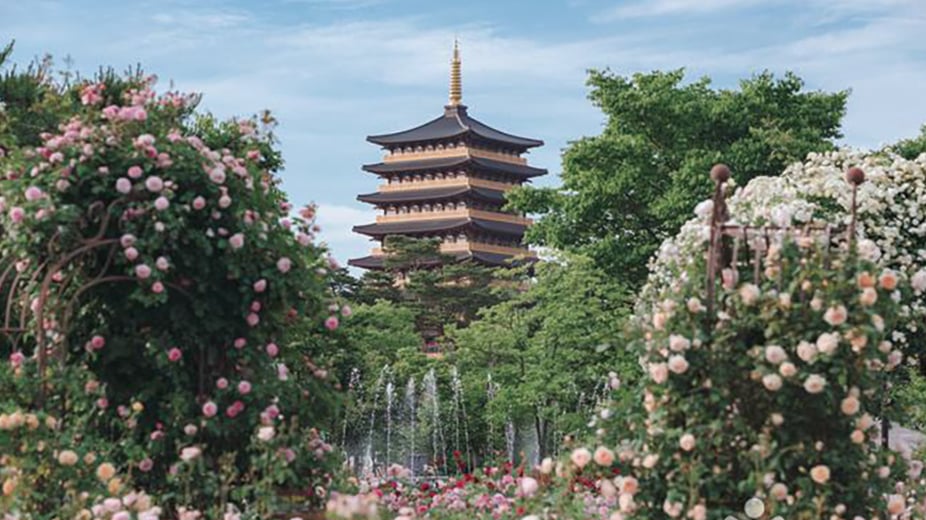
-
Gyeongsangbuk-do Province is full of beautiful nature, deep history, and diverse cultures. Each region has its own charms, such as clean environments, beautiful mountains, endless plains, and the blue sea. The Taebaeksanmaek and Sobaeksanmaek Mountain Ranges pass through Gyeongsangbuk-do, so you can enjoy trekking and hiking in the company of beautiful mountains like Geumgangsan Mountain and the Baekdudaegan Mountain Range. Ulleungdo and Dokdo Islands, two places famous for beautiful mountains, allow you to experience marine ecology and the beauty of the sea.
-
Gyeongsangbuk-do is full of historic sites and stories. Gyeongju is well-known for its UNESCO World Heritage sites, Bulguksa Temple, Seokguram Grotto, and Cheomseongdae Observatory, which draw many visitors to the city to experience the sophisticated culture of the ancient kingdom of Silla. Daereungwon Ancient Tombs, an ancient tomb complex dating back to the Silla period, is located next to Gyeongju’s hottest hangout, Hwangnidan Street, in Hwangnam-dong. These royal tombs are spread out on a wide plain, so you can enjoy a quiet walk between the resting places of kings. Hahoe Folk Village, designated as a UNESCO World Heritage site, and Woryeonggyo Bridge, Andong’s hottest tourist site, are must-visit sites for Andong. The former has a dignified ambience thanks to the traditional houses being immaculately preserved. Woryeonggyo Bridge is beautiful enough during the day, but it is even more famous for its night view.
-
Gimcheon’s Yeonhwaji Pond is a cherry blossom spot that enjoys nationwide fame. Originally built as an agricultural reservoir in the early Joseon period, a pavilion was built on the edge of the pond, and since then, the cherry blossoms in the spring and the lotus leaves that fill the pond in the summer have become a favorite among tourists. So, if you want to experience the authentic beauty and culture of Korea, come to Gyeongsangbuk-do Province.
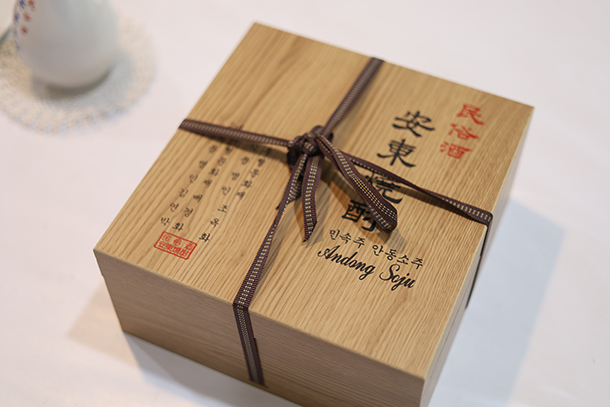
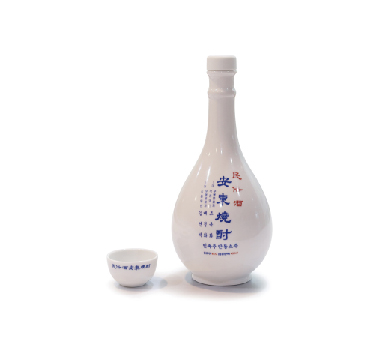
Andong soju is a prominent traditional liquor that has been designated as an Intangible Cultural Property in Korea. Unlike regular diluted soju, it is made by distillation and is characterized by its high ABV of 45% and clean aftertaste. Andong Soju is made with traditional yeast culture, giving the liquor a fragrant, smooth, and clean flavor.
 |
ANDONG SOJU FROM THE ANDONG SOJU & TRADITIONAL FOOD MUSEUM
Andong Soju is known for its clean and gentle flavor, and the Andong Soju & Traditional Food Museum is the place to learn about its history and production. The museum’s exhibit showcases the origins and production of Andong Soju, types of traditional Korean liquor, genealogy of alcohol, liquor bottles in different eras, and goblets. You can taste Andong Soju here. When sampling the liquor, take in the beauty of the bottle first, then the fragrance, and then the flavor.
|
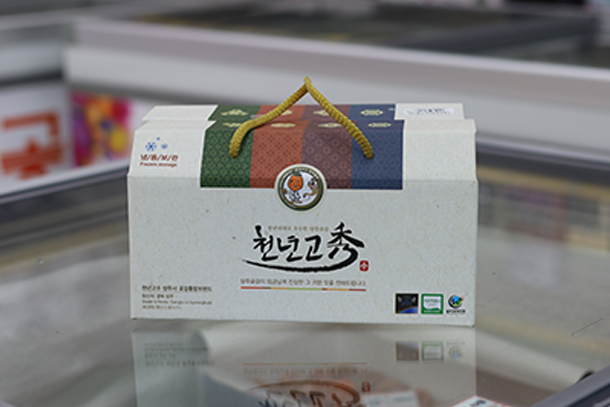
Dried persimmons become sweeter as they dry and take on a chewy texture. In particular, dried persimmon take on a coat of white powder as they dry, which helps prevent bronchial disorders. A festival dedicated to dried persimmons is held in December.
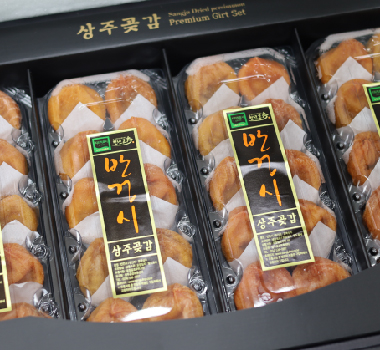 |
SANGJU HALF-DRIED PERSIMMONS
Dried persimmon come in different varieties depending on the degree to which they are dried. They can be either dried (geonsi) and half-dried (bangeonsi). Half-dried persimmon is created when peeled persimmon are dried for 45 days. They have a chewy texture and jelly-like consistency, with simply remarkable sweetness.
|
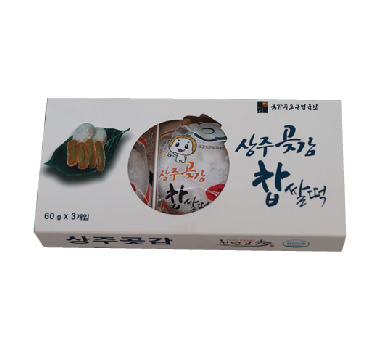 |
SANGJU SWEET RICE CAKE WITH DRIED PERSIMMON
This chewy rice cake is filled with sweet dried persimmon. They can be enjoyed as snacks and make for great gifts.
|
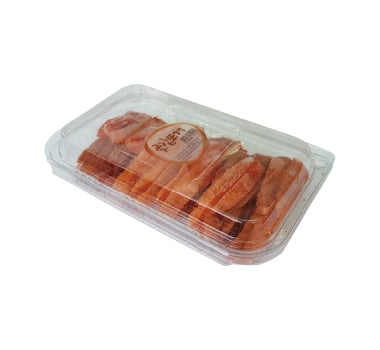 |
GOTGAM TTOGAE (DRIED YOUNG PERSIMMONS)
Ttogae refers to young persimmon fruits that fell with the flowers of the plant. They are cut into bite-sized pieces and dried, and this imbues them with a chewy texture. Enjoy their rich sweetness as is, or use them as salad or yogurt toppings.
|
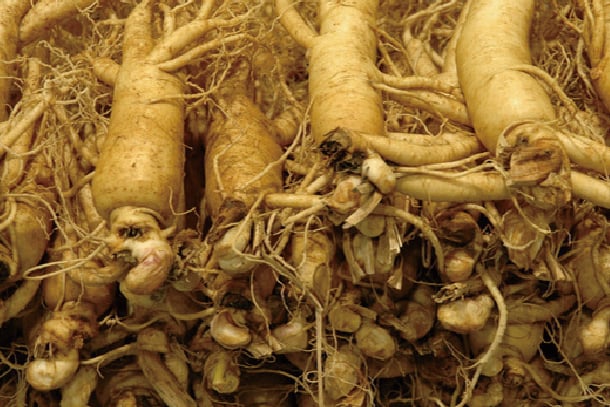
Yeongju has the right natural environment for growing great ginseng. Ginseng has immune-boosting, stressrelieving, and antioxidant properties that can help fight fatigue and boost stamina. It is offered in a variety of forms, including jelly, candied ginseng, and tea bags to accommodate different tastes.
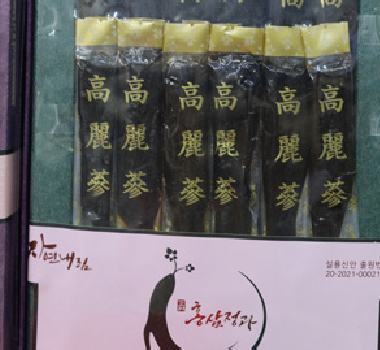 |
CANDIED RED GINSENG
Candied Red Ginseng’s jelly-like texture makes it appealing to children as well. The flavor is sweet without being overwhelming, rounding off with the bitter note of red ginseng.
|
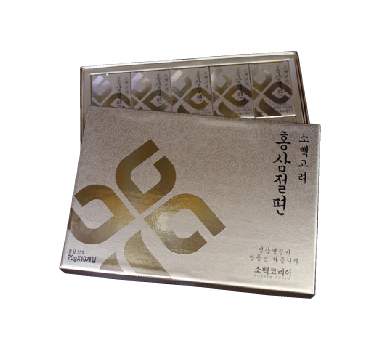 |
HONEYED RED GINSENG SLICES
Known in Korean as hongsam jeolpyeon, these red ginseng slices are preserved in honey for flavor and nutrition. It retains the efficacy of red ginseng, making it effective for immune-boosting, fatigue relief, and promoting blood circulation.
|
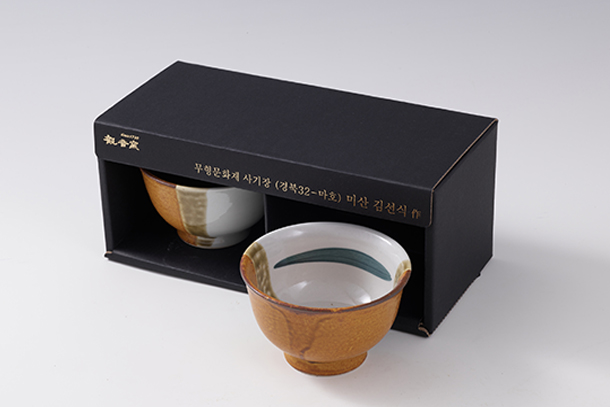
Mungyeong ceramics derive their excellent quality and hue from the clear water and abundant sunlight of Mungyeong. After all, Mungyeong is one of the most historic producers of ceramics in Korea. Tea cups help make the tea even more flavorful and fragrant. Mungyeong hosts the Mungyeong Chasabal (Tea Cup) Festival, which showcases Mungyeong’s ceramics tradition.
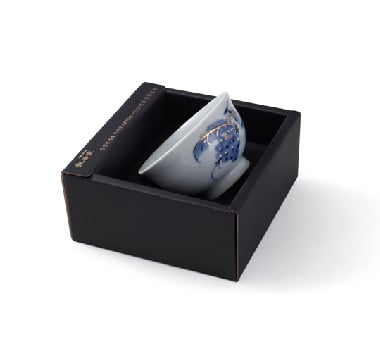 |
TEA CUP (DAWAN) FROM THE DAWAN MUSEUM OF KOREA
The Dawan Museum of Korea is the first museum in Korea to be dedicated to the art of tea cups (dawan). It presents 2,500 pieces made by master artisans. You can also purchase tea cups and tea sets here.
|
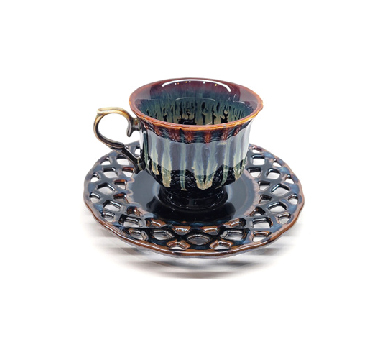 |
HORONG STORE MUNGYEONG CUP SET
This is the cup set to take home if you enjoy your moment of peace with tea. There are plenty of tea cups to choose from, all showcasing the characteristic form and hue of Mungyeong’s ceramics tradition. The Mungyeong tea cup is made with Mungyeong clay and burnt on wood fires in mangdaengi kilns.
|
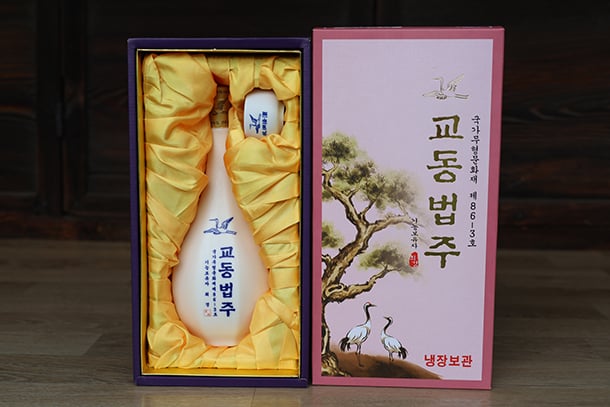
Kyodong Beopju is a traditional liquor with a long history that was made in the royal court of Joseon. It became famous in 1986 when it was selected as the representative liquor of Korea ahead of the Asian Games and Olympics. Glutinous rice is used to create its fragrant aroma and a clear golden color.
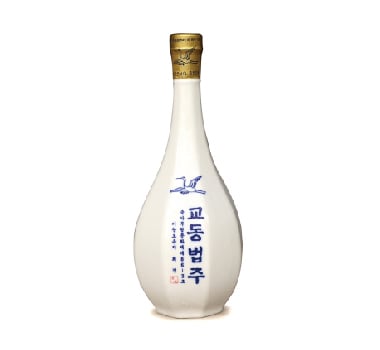 |
GYEONGJU KYODONG BEOPJU
This traditional Korean liquor is sweet, with the unique fragrance of sweet rice and a slight acidity toward the end. It is neither pasteurized, nor are preservatives used in its production, so Kyodong Beopju tends to have a short shelf life. The Kyodong Beopju building is located in Gyochon Village of Gyeongju, so you can drop by and visit the old house of Gyeongju Choe Clan in the area.
|
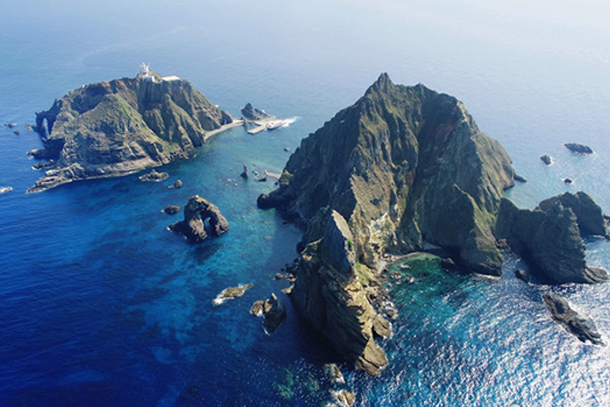
The Korean territory of Dokdo is located in the middle of the East Sea and is a site of historic and cultural importance for Korea. The view of the rocky island, standing in the middle of the clear East Sea and adorned by green plants, is sure to remain with you for a long time.
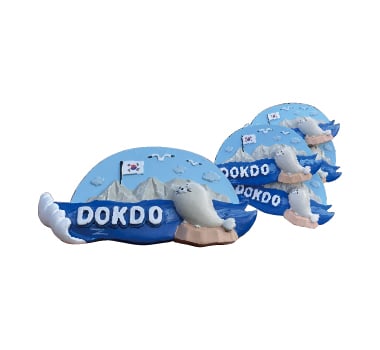 |
DOKDO SEA LION MAGNET
This cute magnet depicts the sea lions and seagulls, the guardians of Dokdo. It is the lightest and the most convenient way to remember the beauty of Dokdo. The magnet is emblazoned with Dokdo’s name in English.
|
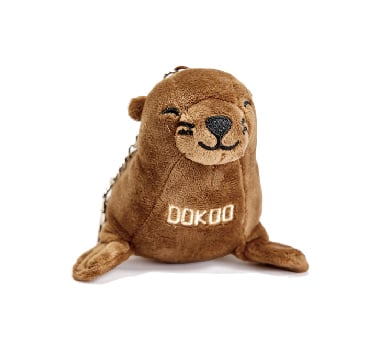 |
DOKDO SEA LION DOLL
This doll was created by Ulleung-gun, an island that strives toward an environmentally-friendly, plastic-free lifestyle, in conjunction with Ulsan’s social enterprise USISAN. It is made in the likeness of the extinct sea lions that used to live in the East Sea. The pledge to protect the East Sea is evident in its use of recycled plastic filling.
|
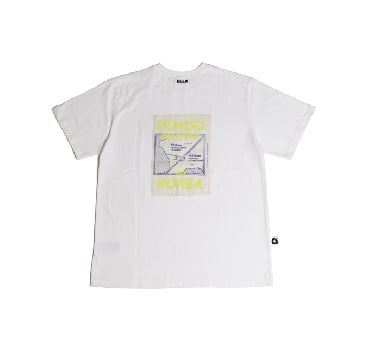 |
CAFÉ ULLA T-SHIRT
This T-shirt is inspired by Dokdo. A map and a message about Dokdo are printed on it. It also has a stamp event, which allows you to print a stamp on your T-shirt with a date of your choice.
|
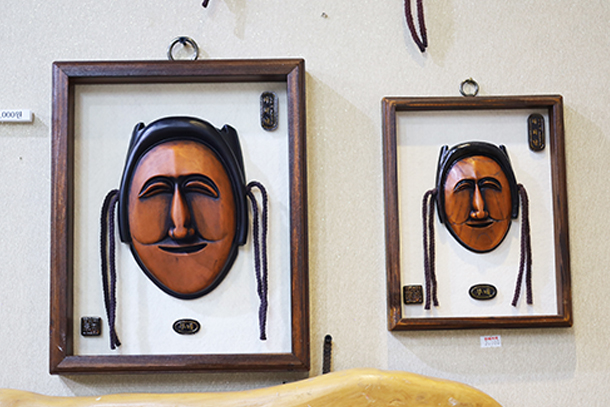
Andong Hahoe Masks are a folk tradition passed down in the Hahoe Folk Village of Andong. These masks are used in Hahoe Byeolsingut Tallori (Mask Dance Drama of Hahoe), registered as a UNESCO Intangible Heritage of Humanity. As one of the most recognizable folk handicrafts in Korea, many visitors take this piece of merch with them back home.
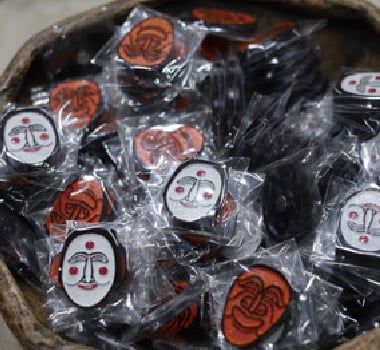 |
ANDONG HAHOE MASK MAGNET
This souvenir is offered in Hahoe Folk Village, one of the most famous tourist sites in Andong. It is inspired by the Hahoe Mask tradition. Because these magnets are small, light, and affordable, they are quite popular among visitors.
|
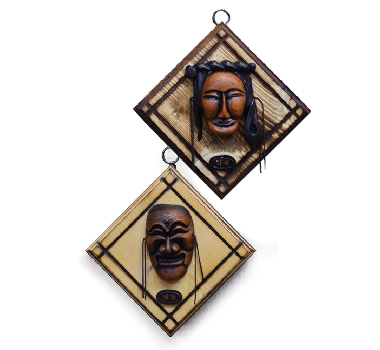 |
ANDONG HAHOE MASK PICTURE
These frames contain replicas of Andong Hahoe Masks and allow you to take a piece of Andong’s rich folk tradition back home as a memento of your trip.
|
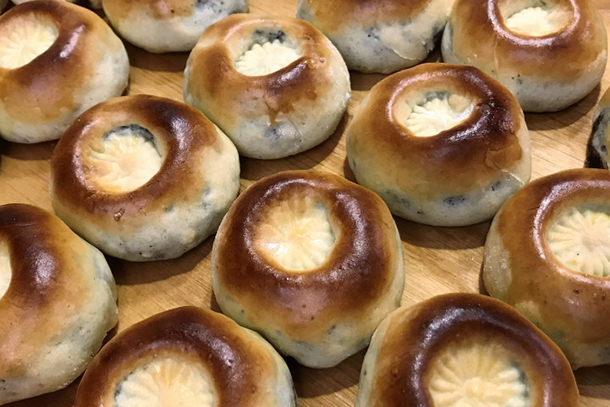
Ever wonder why people are walking around with large bags in Gyeongju? It's Gyeongju bread, which, among others, include the Barley Bun and Hwangnam Bread. Explore Gyeongju and Hwangnidan Street in particular to find them all.
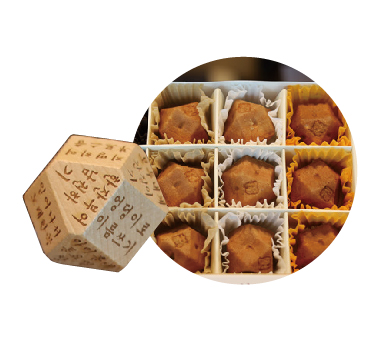 |
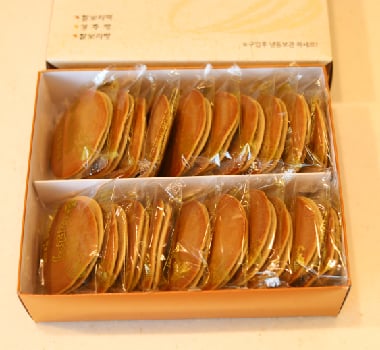
GYEONGJU JURYEONGGU BREAD
Juryeonggu Bread is inspired by the eponymous dice, a dice with 14 faces that was used during the Silla Period for games. Each face on the dice had penalties the thrower had to perform. The bread itself comes in the shape of dice and has different fillings, making it ideal for gifting.
|
 |
GYEONGJU BARLEY BUN
This soft and rich bun gives way to sweet red bean filling with each bite. The filling is sweet and chewy, while the bread is soft and moist.
|
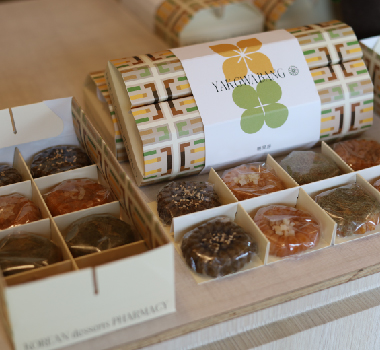 |
GYEONGJU YAKGWA
Yakgwa, honey cookies, are crispy on the outside and moist inside. They were often enjoyed by the aristocracy in the past. You can eat them as is or enjoy them with ice cream or shaved ice. “Gyeongju Yakgwabang” on Hwangnidan Street serves yakgwa with original, seaweed, citron, and black sesame flavors.
|
These products capture Gyeong ju’s specialties or characteristics. Being the capital of the ancient kingdom of Silla, Gyeong ju is full of cultural heritage and historical sites, manifesting in beautiful souvenirs. These souvenirs are equally at home as interior ornaments or photography objects. It's fun to browse the selection of merchandise, and the prices are reasonable.
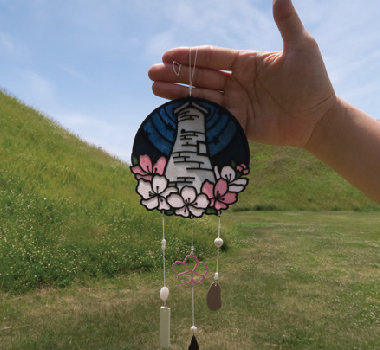 |
GYEONGJU HANJI DREAMCATCHER
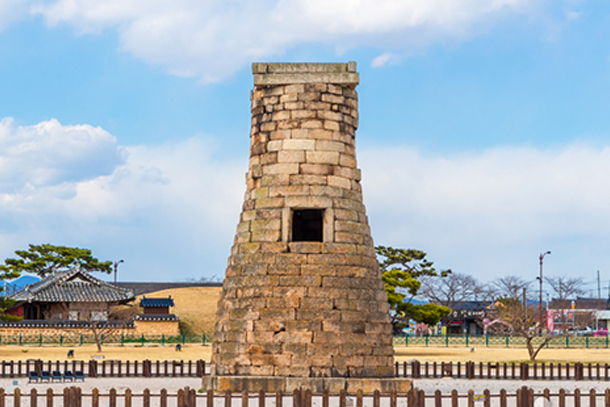
The Cheomseongdae Observatory is an astronomical observatory built during the reign of Queen Seondeok of Silla. It is one of the landmarks representing Gyeongju. This dreamcatcher is inspired by the ancient observatory and is perfect as an interior ornament. Dreamcatchers are said to help block bad dreams and bring good ones.
|
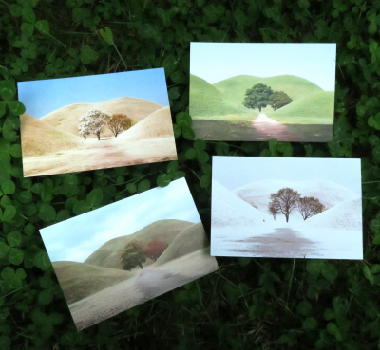 |
DAEREUNGWON FOUR SEASONS POSTCARD
The Daereungwon Ancient Tombs presents an impressive view that is often memorialized in photographs of numerous visitors. These postcards, which depict the tombs in four seasons, can be used as mini-posters or sent as postcards.
|
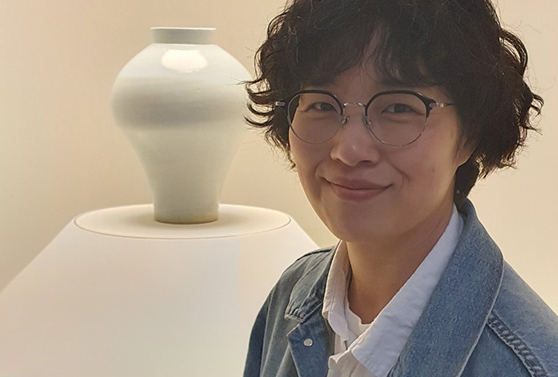
Q Why did you name the store BAERI SAMNEUNG PARK? I once came across a really beautiful pine forest in a photography exhibition. It was a pine forest at the entrance to Namsan Mountain in Gyeongju. It’s where the Samneung Tombs are located. It was originally called Bae-ri, now Bae-dong. I came to the thought that our role is to retrieve the things that exist in Gyeongju and reintroduce them to the people today. So, I named the store after the place where I came to that realization.
Q What makes BAERI SAMNEUNG PARK so special? Our job is to create souvenirs that can help you understand and remember the places you visit. If there’s anything special about our job, it is probably our efforts to prioritize people over products. We want to introduce just what we love so much about Gyeongju to people who visit, and we do that work with the people who live here and the ideas and techniques from those who love this place. We strive to create a system of virtuous circulation, in which items related to Gyeong ju circulate to people who work in Gyeongju, live in Gyeongju, or love Gyeongju.
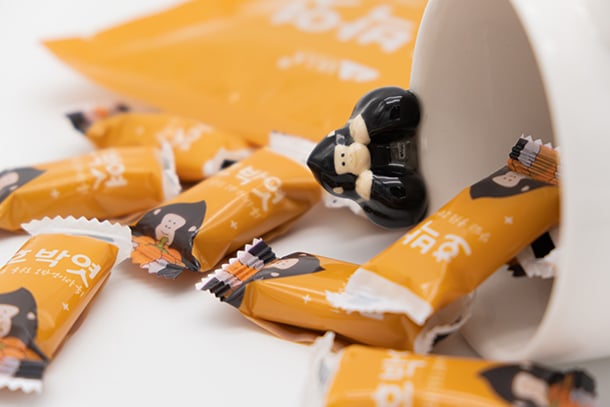
Ulleungdo Island has an oceanic climate, which is rather rare in Korea. Its temperate temperature throughout the year makes it an ideal place to grow pumpkins in. Ulleungdo Island pumpkins are thus famous for their sweetness. Malt candy is made with rice, malt, and pumpkins. Their chewy texture and sweet flavor make them a must-buy food on any trip to the island.
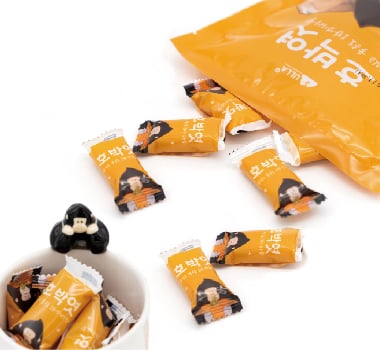 |
ULLEUNGDO GORILLA ULLA PUMPKIN MALT CANDY
Ulleungdo Island is known for its pumpkins, and this malt candy, made with pumpkins, has both the sweetness of pumpkins and the unique texture of malt candy. ULLA Pumpkin Malt Candy is not too sticky and is individually packaged, making it a popular choice for gifts. Pumpkins are used not only for pumpkin malt candy but also for pumpkin chocolates and other desserts on the island, so you can enjoy their sweetness anywhere there.
|
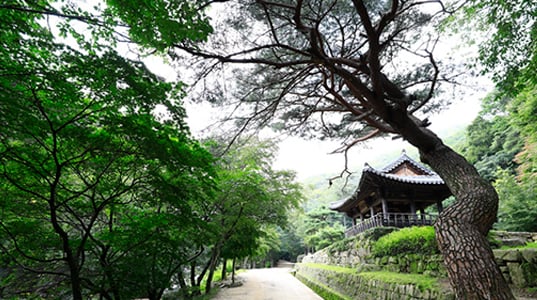
Mungyeongsaejae Pass was once the center of Yeongnam-daero, a road which connected the Yeongnam and Giho (today Gyeonggi and Chungcheong) provinces during the Joseon Dynasty. “Saejae” here means “a pass that is difficult for even a bird to fly over”. It is also a place imbued with the dreams of scholars who traveled to Hanyang (today, Seoul) for their civil examinations in the past.
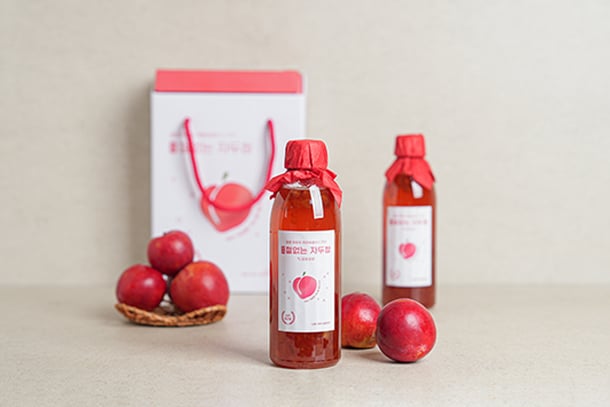
Gimcheon plums have soft flesh and a delicious flavor. This flavor naturally comes out in dessert made with Gimcheon plums. “Cheoreomneun Jadu,” the first café in Gimcheon to specialize in plums, offers beverages, a Plum Rice Cake, and Plum Biscuit Sandwich made with handmade plum preserves. It is located on Kim Hojoong Sori Street. You can tour the street with a cup of plum beverage in your hand.
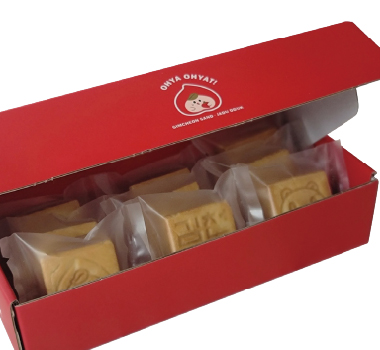 |
GIMCHEON PLUM BISCUIT SANDWICH
This biscuit sandwich is made with handpicked plums. The sweetand-sour flavor of plums goes perfectly with a biscuit sandwich.
|
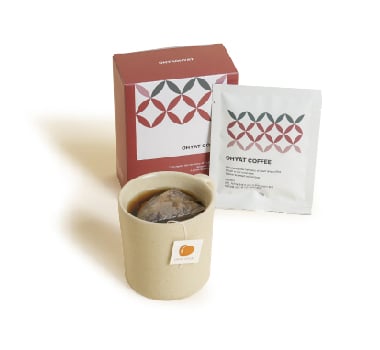 |
PLUM COFFEE
This product brings together coffee and plums to create a sweet cup.
|
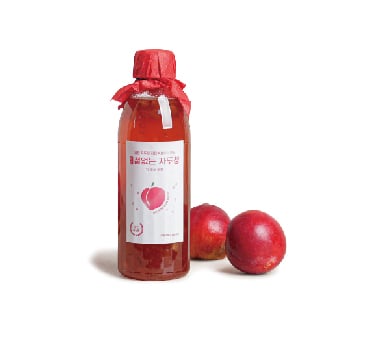 |
PLUM PRESERVES
This sweet-and-sour flavor is made with six variants of Gimcheon plum. Dilute it in some iced water to make a refreshing summertime beverage.
|
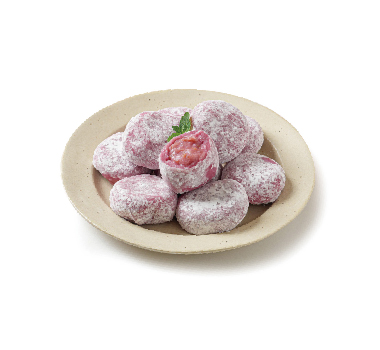 |
PLUM RICE CAKE
This rice cake is made with Gimcheon plum and sweet rice. It offers Gimcheon plums’ flavors in individual packages.
|