- Log in
-
- Sydney Overseas Office
- London Overseas Office
- Toronto Overseas Office
- Los Angeles Overseas Office
- New York Overseas Office
- Ulaanbaatar Overseas Office
- Dubai Overseas Office
- New Delhi Overseas Office
- Manila Overseas Office
- Jakarta Overseas Office
- Hanoi Overseas Office
- Kuala Lumpur Overseas Office
- Singapore Overseas Office
- Bangkok Overseas Office
- Map
- Sydney Overseas Office
- London Overseas Office
- Toronto Overseas Office
- Los Angeles Overseas Office
- New York Overseas Office
- Ulaanbaatar Overseas Office
- Dubai Overseas Office
- New Delhi Overseas Office
- Manila Overseas Office
- Jakarta Overseas Office
- Hanoi Overseas Office
- Kuala Lumpur Overseas Office
- Singapore Overseas Office
- Bangkok Overseas Office
Contents View
- HOME
- Contents View
-
-
-
Climate & Seasons
-
03/30/2023
-
103.7K
27
31
-
-
Korea_Tour
festival
culture
spring
summer
autumn
winter
guide
-
-
-
Climate & Seasons: A Year-Round Travel Guide
Are you dreaming of a trip filled with laughter, touching moments, surprises, unexpected events, and passion-driven experiences? Then, Korea is the perfect destination for you. If this is your first time to Korea, check out this essential guide on Korea’s climate and seasonal tips to help you get ready for your adventure!
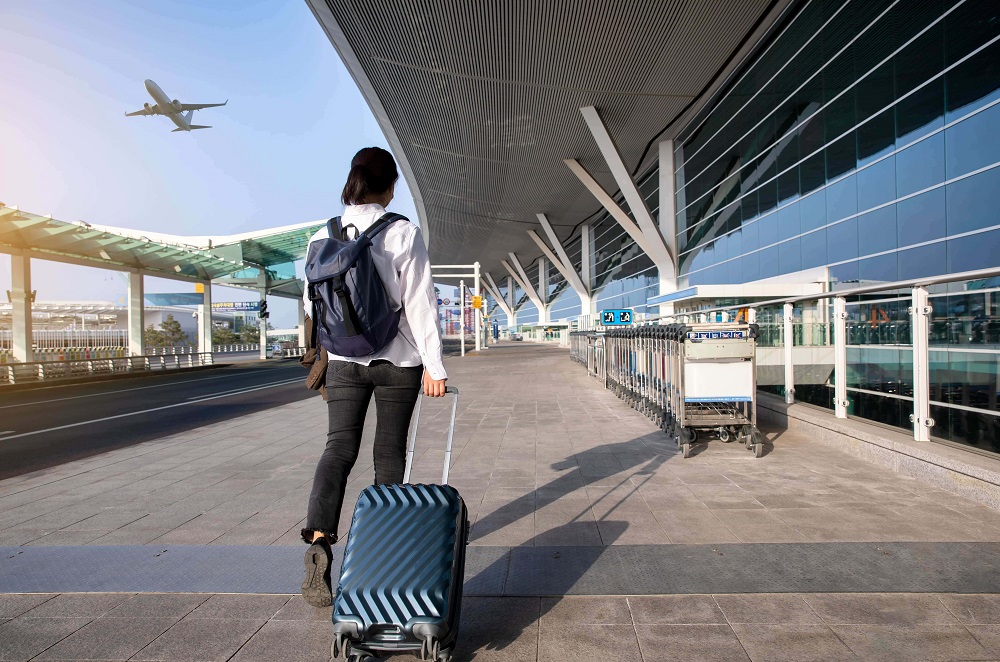
Things to Note Prior to Departure
Weather in Korea
Korea is a mid-latitude region and has an overall temperate climate with four distinct seasons. Spring and fall display clear and mild weather, summer is hot and humid, and winter shows cold and arid climate characteristics. Besides the islands, the temperatures do not differ much among regions—the yearly average temperature ranges from 7℃ (Daegwallyeong) to 15℃ (Busan), with August being the hottest time of the year and January the coldest.
Highest average monthly temperature in major cities
Jan Feb Mar Apr May Jun Jul Aug Sep Oct Nov Dec Seoul 2.1°C 5.1°C 11°C 17.9°C 23.6°C 27.6°C 29°C 30°C 26.2°C 20.2°C 11.9°C 4.2°C Busan 8.2°C 10.2°C 13.8°C 18.2°C 22°C 24.6°C 27.5°C 29.5°C 26.4°C 22.5°C 16.6°C 10.4°C Jeonnam-Gwangju 5.7°C 8.3°C 13.6°C 19.9°C 24.8°C 27.9°C 30°C 30.9°C 27.1°C 21.9°C 15°C 8°C Highest average monthly temperature in major cities
Seoul Busan Jeonnam-Gwangju Jan 2.1°C 8.2°C 5.7°C Feb 5.1°C 10.2°C 8.3°C Mar 11°C 13.8°C 13.6°C Apr 17.9°C 18.2°C 19.9°C May 23.6°C 22°C 24.8°C Jun 27.6°C 24.6°C 27.9°C Jul 29°C 27.5°C 30°C Aug 30°C 29.5°C 30.9°C Sep 26.2°C 26.4°C 27.1°C Oct 20.2°C 22.5°C 21.9°C Nov 11.9°C 16.6°C 15°C Dec 4.2°C 10.4°C 8°C Lowest average monthly temperature by city
Jan Feb Mar Apr May Jun Jul Aug Sep Oct Nov Dec Seoul -5.5°C -3.2°C 1.9°C 8°C 13.5°C 18.7°C 22.3°C 22.9°C 17.7°C 10.6°C 3.5°C -3.4°C Busan -0.1°C 1.5°C 5.3°C 10.1°C 14.6°C 18.3°C 22.1°C 23.7°C 19.8°C 14.5°C 8.3°C 2°C Jeonnam-Gwangju -2.7°C -1.5°C 2.4°C 7.8°C 13.4°C 18.7°C 22.8°C 23.2°C 18.2°C 1.2°C 5°C -0.8°C Lowest average monthly temperature by city
Seoul Busan Jeonnam-Gwangju Jan -5.5°C -0.1°C -27.°C Feb -3.2°C 1.5°C -1.5°C Mar 1.9°C 5.3°C 2.4°C Apr 8°C 10.1°C 7.8°C May 13.5°C 14.6°C 13.4°C Jun 18.7°C 18.3°C 18.7°C Jul 22.3°C 22.1°C 22.8°C Aug 22.9°C 23.7°C 23.2°C Sep 17.7°C 19.8°C 18.2°C Oct 10.6°C 14.5°C 11.2°C Nov 3.5°C 8.3°C 5°C Dec -3.4°C 2°C -0.8°C Recommended seasonal attractions & attire
If you are planning to travel on foot, we recommend visiting in spring (March to May) or fall (September to November) when the temperature is moderate. For those who wish to enjoy water activities or have fun under the sun by the beach, a visit in the summer (June to August) is also a great choice. If the fascinating combination of quiet, romantic walks through snowy mountains and beating the cold with a hot spring bath sounds interesting, winter (December to February) in Korea is a must.
Spring (March to May)
Spring, the season of flowers, has the ideal climate for enjoying the lovely blossoms. From forsythia and cherry blossoms to azalea and roses, you can enjoy beautiful scenes filled with flowers wherever you go. In March, bring a light jacket or a trench coat, as temperatures can drop in the morning and evening. In May, it’s advised to bring some outwear and short-sleeved clothing.
Summer (June to August)
As a peninsula surrounded by the sea on three sides, Korea has over 270 beaches that display colorful and diverse summer scenes. However, this also partially coincides with the rainy season so if you plan to visit Korea from the end of June to the end of July, it’s advised to check the weather forecast in advance. Keep in mind, the period between June and October is also a typhoon season. For comfort and safety, bring breathable clothing, sun protection products, and an umbrella or a raincoat in case of rain.
Fall (September to November)
Fall in Korea is a beautiful season even without any special events. The average temperature in fall hovers around 15 degrees Celsius, making it a pleasant time for some outdoor fun. Fall is also the season of festivals, allowing travelers to enjoy the exciting atmosphere, food, and entertainment unique to Korea. As temperatures can fluctuate greatly during fall, it is recommended to wear lightweight layers or bring a jacket or coat.
Winter (December to February)
In winter, the average temperature drops to 0 to 1 degree Celsius and frequently plummets to sub-zero so you need to wear thick outerwear at all times. On the other hand, this is also the perfect season to enjoy hot springs, ondol culture, and warm soup dishes. It is also exciting to enjoy winter sports such as skiing and snowboarding with the beautiful snowscape in the background. To brave the winter, bring warm clothing such as winter jackets, gloves, and scarves, as well as non-slip shoes for walking on snow.
Tip1 Understanding basic Korean dress etiquetteAlthough there is no strict dress etiquette, you often need to take off your shoes before entering a house. If you want to make lasting memories in Korea, wearing hanbok is a great idea. There are many places near royal palaces and major tourist attractions that offer hanbok rental as well as hairstyling and makeup services that go well with hanbok. In addition, royal palaces such as Gyeongbokgung and Deoksugung palaces offer free admission to visitors in hanbok.
Tip2 Recommended referencesReal-time weather
Korea Meteorological Administration guide map(English, Chinese, Japanese)
Check the average weather and weather by city
Weather Spark website (English, Traditional Chinese, Japanese, German, French, Spanish, Italian, Polish, Portuguese, Turkish)This page was last updated on September 18, 2026, and therefore the information may differ from what is presented here.


Start a FREE Online Call
(No charges for calls on Wi-Fi /
Data charges may apply)

Open 1330 Helpline Chat(Download not required)