- Log in
-
- Sydney Overseas Office
- London Overseas Office
- Toronto Overseas Office
- Los Angeles Overseas Office
- New York Overseas Office
- Ulaanbaatar Overseas Office
- Dubai Overseas Office
- New Delhi Overseas Office
- Manila Overseas Office
- Jakarta Overseas Office
- Hanoi Overseas Office
- Kuala Lumpur Overseas Office
- Singapore Overseas Office
- Bangkok Overseas Office
- Map
- Sydney Overseas Office
- London Overseas Office
- Toronto Overseas Office
- Los Angeles Overseas Office
- New York Overseas Office
- Ulaanbaatar Overseas Office
- Dubai Overseas Office
- New Delhi Overseas Office
- Manila Overseas Office
- Jakarta Overseas Office
- Hanoi Overseas Office
- Kuala Lumpur Overseas Office
- Singapore Overseas Office
- Bangkok Overseas Office
Contents View
- HOME
- Contents View
-
-
-
Multi-Disciplinary Anti-Aging Medical Service
-
09/28/2022
-
2.1K
0
0
-
-
Seoul
Dermatology
Plastic_Surgery
Korea_Medical_Tourism
Recommended_Hospitals
-
-
-
Well-Aging Center of Ewha Womans University Seoul Hospital Manages Risk Factors Before Diseases Develop
According to Lancet Neurology, a globally renowned medical journal, there is more than a 50% chance that by 2030 the national life expectancy of females in South Korea will break the 90-year barrier, making Korea the country with the highest life expectancy in the world. As Korea becomes an aging society, Korean medical circles are trying to redefine what life should be in senescence. This means the role of medicine should be expanded from maintaining painless conditions to helping people lead healthier and happier lives in their advanced age.

Established by Ewha Womans University Seoul Hospital in 2020, the Well-Aging Center is a representative case of the Korean medical community’s effort to provide integrated medical services for systematic anti-aging management in a changing era. Beyond simply treating people who suffer diseases, the center manages risk factors related to aging before a disease is discovered and works with experts in various fields to help people wisely cope with physical and psychological changes caused by aging. A multidisciplinary approach joined by medical specialists in plastic surgery, dermatology, neurology, gastroenterology, family medicine, and rehabilitation medicine, the center helps each patient advanced in age live a happier and more healthy life. A professional coordinator provides a customized schedule so patients can get convenient medical services from all medical departments.
Optimized for Foreigners
Human Touch System
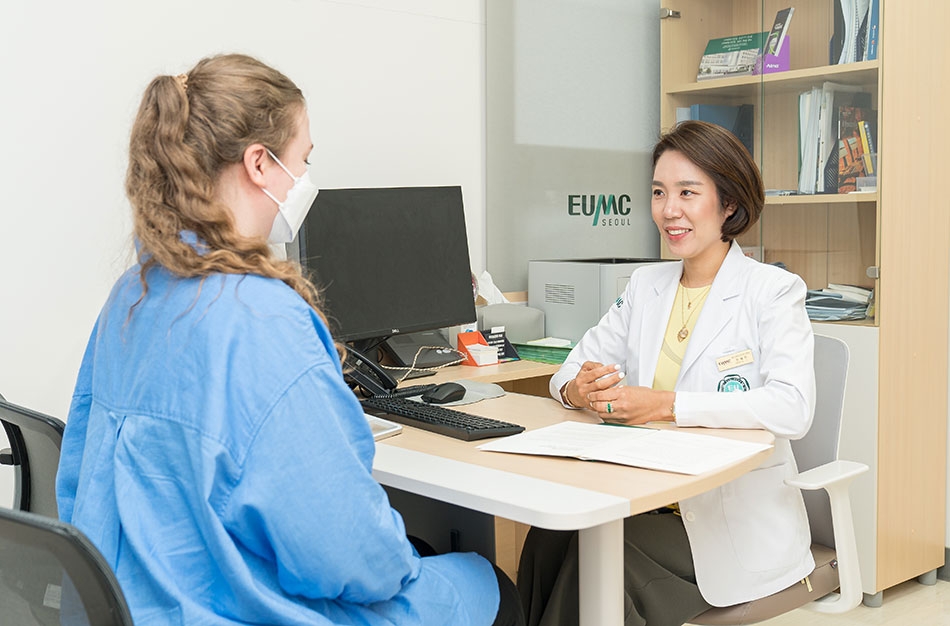
The Well-Aging Center of Ewha Womans University Seoul Hospital introduced the Human Touch System for patient care focused on customers rather than medical service providers. Patients who reserve medical services can enjoy hassle-free visits while waiting in a private space equipped with a comfortable sofa and a restroom. A doctor consults with the patient in the room and then recommends a customized program. A professional coordinator schedules further examinations and care services on the spot, offering a one-stop service.
All schedules are carefully managed so patients can experience at least one program on the day of the visit. In addition, all types of programs are provided at the center, so foreigners who visit Korea can receive a maximum number of services during their short stay. The Well-Aging Center offers services to foreign patients at a designated rate determined according to hospital regulations.PART 1 Cosmetic Surgery
Do You Want to Age More Beautifully?
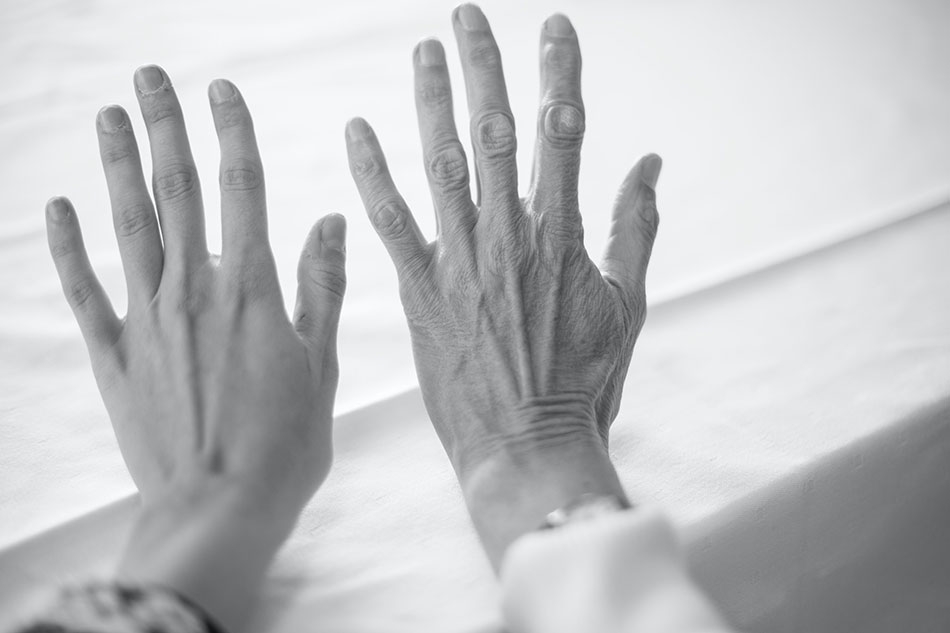
What is the Most Popular Cosmetic Surgery Among Middle-Aged People?
Upper blepharoplasty, forehead and eyebrow elevation, and under-eye fat repositioning surgery are the most popular. Upper blepharoplasty is recommended if the upper eyelids are drooping due to aging. If the area under the eyes is protruding and sagging, lower blepharoplasty, including under-eye fat repositioning, can create a younger and brighter look. If the eyelid and the forehead areas are drooping, forehead and eyebrow elevation is recommended. A small incision is made on the scalp to help return the face to a more youthful look.
The shortest operation takes approximately one hour. Forehead and eyebrow elevations take up to three to four hours, and a patient needs to be hospitalized for one day. Patients who get upper/lower blepharoplasty or under-eye fat repositioning recover in about a week. Recovery after forehead and eyebrow elevation, which requires general anesthesia, takes about one month.Are There Any Side Effects?
Like any other surgery, inflammation at the surgical site, left-right asymmetry, and scarring may occur. Although rare, there can be serious complications like difficulty closing one’s eyes. After consultation with the doctor, plastic surgery is performed by a plastic surgeon (professor) at the university hospital to minimize the possibility of complications.
Advantages of Cosmetic Surgery in University Hospitals
As the average age of patients who get cosmetic surgery increases, the number of surgeries for high-risk patients with underlying diseases, such as hypertension and diabetes, increases. University hospitals can handle various complications actively, offering patients a stable operation. Another advantage is that these university hospitals strictly control infections and are equipped with high-quality operating rooms and professional nurses as required by hospital standards.
PART 2 Personalized Health Care
Are You Worried About Obesity?
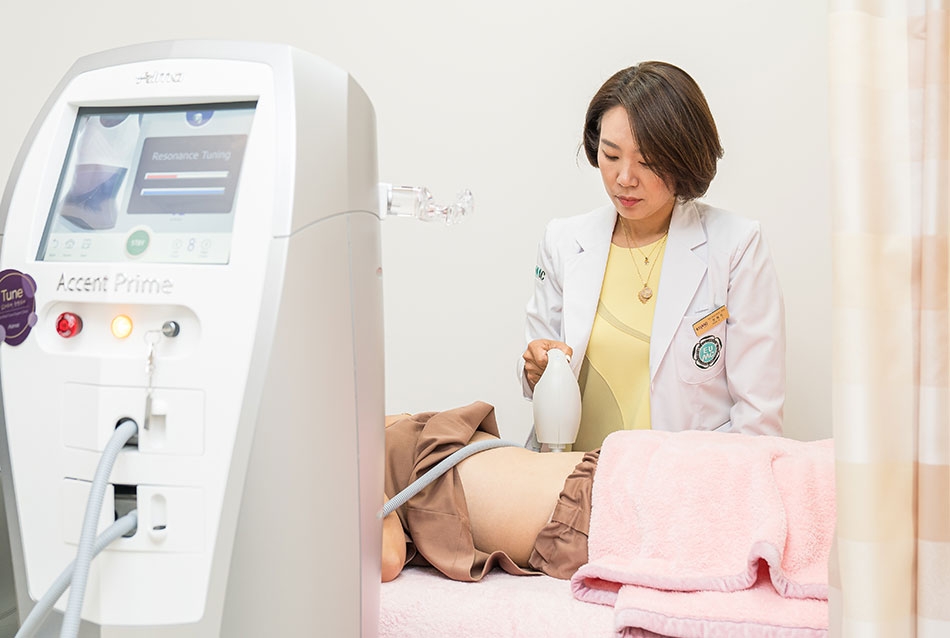
Examination Through In-Depth Interview
The cause of obesity differs from person to person. The center first assesses each patient’s obesity level. After in-depth interviews, the center conducts blood, urine, and body composition tests, fat-CT scans, abdominal ultrasound scans, and functional medical examinations. A dietary assessment is also performed to determine whether the obesity is due to overeating, preference for a certain food, or bad eating habits. Patients’ lifestyles are also closely evaluated to determine if their obesity is exacerbated by their lifestyle habits.
Treatment Depending on the Degree of Obesity
① Nutrition Education
The center provides dietary assessments to determine feasible and necessary guidelines on foods and their consumption amount for mealtime control and weight loss. At the same time, the center also sets achievable goals such as avoiding excessive eating or drinking and controlling eating speeds to help behavioral changes. Such nutritional support can help improve obesity levels.
② Exercise Education
The center designs exercise programs suitable for each patient’s obesity level and educates the patients so that they can actually exercise. In particular, patients who become obese are likely to have lower exercise capacity; suffer self-humiliation, despair, or depression; and will avoid interpersonal relationships. So, the center helps patients build the capacity to manage themselves physically and emotionally through an exercise program.
③ Medication
Patients with severe obesity, or those who are overweight or obese while suffering a chronic disease, will receive medication to lose weight. Anti-obesity drugs are chosen considering the amount of food the patient eats, the degree of gluttony, insulin resistance or blood sugar control, medications currently taken, and patient’s drug preferences. Daily self-administered injections are selected if the patient has high insulin resistance or problems with blood sugar control. If the patient consumes food containing a lot of fat, a drug that inhibits fat absorption will be prescribed. In addition, patients with oxidative stress, anemia, and abnormal thyroid function are managed considering their conditions.
④ Treatment Through Bariatric/Metabolic Surgery
Patients with severe obesity (body mass index [BMI] of 30 or higher) or morbid obesity (BMI of 35 or higher) can choose to get bariatric/metabolic surgery.Are There Any Side Effects?
Anti-obesity drugs classified as psychotropic drugs can cause symptoms related to overactive sympathetic nerves. Headaches, nausea, dizziness, insomnia, increased heart rate, and a slight increase in blood pressure can often occur. These symptoms are known to diminish over time. In the case of injections, patients who have had gastrointestinal discomfort can experience symptoms like nausea, vomiting, or diarrhea. However, there is no need to worry about the treatments because these side effects vary from person to person.
Bariatric/metabolic surgery very rarely may accompany wound infections, stenosis or intestinal adhesions at the surgical site. After surgery, constipation, gallstones or dumping syndrome can develop due to dietary control problems. If there are no complications after surgery, patients can start eating two to three days after surgery and are hospitalized for about one week.PART 3 BODY BALANCE
What If Your Cervical Vertebrae, Lumbar Vertebrae or Shoulders Hurt?
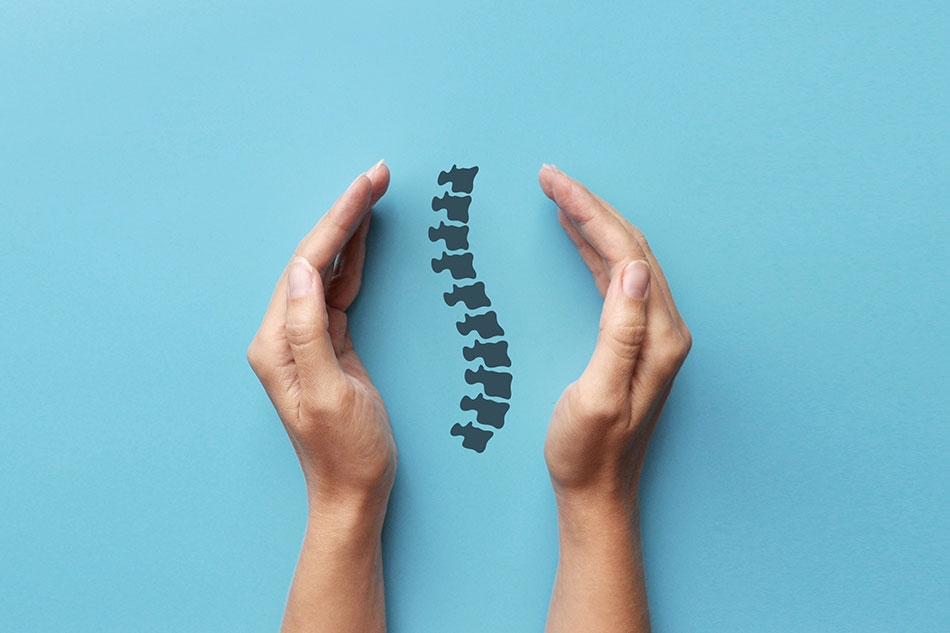
Cause of Pain and Symptoms Signaling the Need to Visit a Hospital
Habitual bad posture can be the biggest problem. Imbalance in the joints and muscles due to aging, or degenerative changes, tend to cause joint pain. If a certain joint turns red and feels hot, or if your joints feel stiffer and more uncomfortable in the morning after sleeping, rather than in the evening after joints are used during the day, you should visit a specialist to determine whether the joint pain is caused by aging or other reasons.
Treatment Programs Offered by the Well-Aging Center
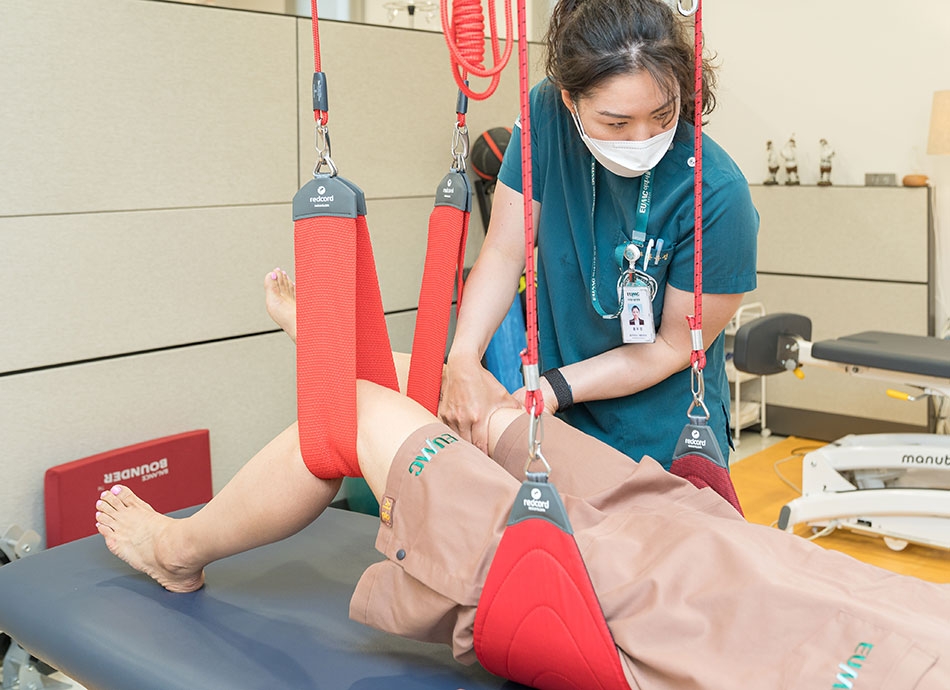
If a certain area is found to be potentially problematic by a rehabilitation medicine specialist, the patient can receive an X-ray examination on the day of their visit. If a fracture is suspected, then the patient can get treatment at the orthopedics department in the outpatient clinic. For chronic pain without any other problems, patients can receive manual therapy and an exercise program befitting their symptoms if they have no fractures or serious abnormalities. The center provides patients with exercise education to strengthen their muscles and ligaments for recovery from problematic joints. Patients receive customized feedback as to whether treatment is implemented well.
However, it is important to join programs when the patient is physically and mentally relaxed. Getting therapy or exercise in a tense state can cause pain the next day.Treatment Cases
- Patient A woman in her 40s
- Symptoms Visited center due to fatigue that has lasted more than one year
- Diagnosis Method and Disease After blood tests, fat-CT, and body composition tests, the patient was diagnosed with hypothyroidism, obesity, and dyslipidemia.
- Programs - Drug treatment to treat hypothyroidism and increased cholesterol level
- Customized nutritional supplement recommendation based on patient’s urine organic acid test
- Combined weight loss medication and exercise education for severe obesity - Result Patient lost weight and edema and fatigue improved, therefore exercise training frequency was reduced to once a month. The patient can now lead a normal life while being conscious of her lifestyle habits. Her condition improved after she lost weight and she will thus join a beauty program.
- Patient A male in his mid-50s
- Symptoms He was diagnosed with colorectal cancer after a medical check-up and underwent surgery. He then visited the Well-Aging Center to receive consultation on his weakened immunity.
- Disease Sarcopenia, adrenal fatigue, and decreased NK cells were found after colon cancer surgery.
- Programs - Manual therapy and muscle strengthening exercises
- Weekly intravenous nutrient therapy and personalized dietary supplement recommendation - Result The patient had difficulty walking due to decreased muscle mass as he was hospitalized for a long time in the intensive care unit after surgery. He began muscle exercises which restored his muscle strength. Overall, he has become healthy again thanks to weekly intravenous nutrient therapy, but he still visits the center once or twice a month for therapy in order to lead an active and powerful life.
- Patient A male in his late 50s
- Symptoms He visited the center for overall healthcare and anti-aging
- Disease There were no specific findings other than decreased testosterone levels and hypertension, but he had concerns about his lowered skin elasticity and his particularly dark skin complexion.
- Programs - Toning and antioxidant injection treatments twice a month
- Received both high blood pressure and testosterone treatments - Results Overall physical condition, including muscle strength and skin tone, has been restored after testosterone treatment. The patient now visits the center once a month to manage his condition.
※ The above are patient cases from Ewha Womans University Seoul Hospital (https://seoul.eumc.ac.kr/main.do)
noteReviewed by Professor Hye-jin Chun, Department of Family Medicine, Ewha Womans University Seoul Hospital
Written by Reporter Jung-yoon Kim


Start a FREE Online Call
(No charges for calls on Wi-Fi /
Data charges may apply)

Open 1330 Helpline Chat(Download not required)