- Log in
-
- Sydney Overseas Office
- London Overseas Office
- Toronto Overseas Office
- Los Angeles Overseas Office
- New York Overseas Office
- Ulaanbaatar Overseas Office
- Dubai Overseas Office
- New Delhi Overseas Office
- Manila Overseas Office
- Jakarta Overseas Office
- Hanoi Overseas Office
- Kuala Lumpur Overseas Office
- Singapore Overseas Office
- Bangkok Overseas Office
- Map
- Sydney Overseas Office
- London Overseas Office
- Toronto Overseas Office
- Los Angeles Overseas Office
- New York Overseas Office
- Ulaanbaatar Overseas Office
- Dubai Overseas Office
- New Delhi Overseas Office
- Manila Overseas Office
- Jakarta Overseas Office
- Hanoi Overseas Office
- Kuala Lumpur Overseas Office
- Singapore Overseas Office
- Bangkok Overseas Office
- HOME
- Contents View
-
-
-
The Sounds and Movements of Korea That Moved Audiences to Tears
-
08/28/2025
-
176
0
0
-
-
-
-
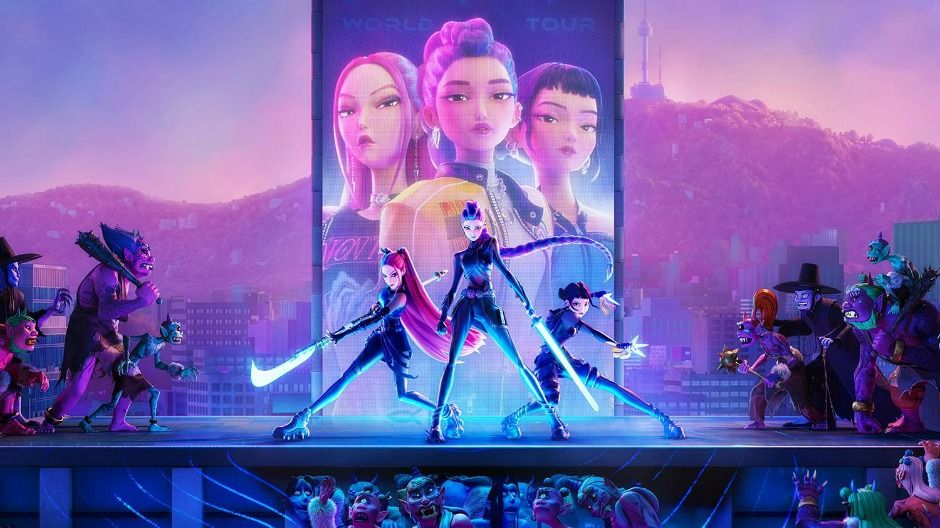 A still from K-Pop Demon Hunters| Courtesy of Netflix
From the traditional gat and dopo to ghosts from Korean folktales and explosive K-pop performances, Netflix’s K-Pop Demon Hunters has taken the spotlight, sparking sustained buzz. This groundbreaking universe, where traditional Korean folktales are boldly fused with modern K-culture, has captivated audiences worldwide with its freshness and originality. However, the symbols of this unfamiliar yet captivating K-fantasy have long been a defining presence on the Korean stage. From goblins in traditional mask dances to the vocal artistry of pansori, the ritual movements of shamanic rites, and the satire and humor of madanggeuk, the imaginative roots that drive today’s K-content have thrived for centuries within Korea’s traditional performing arts.
If K-Pop Demon Hunters has piqued your curiosity about Korean culture, there is no better time to explore its roots in their fullest form! That’s because the vocal artistry of pansori, the movements of traditional dance, and the showmanship of mask dances remain vividly alive on today’s K-pop stages. Traditional performance is no longer a relic confined to museums! Experience a stage alive with the DNA of K-performance that has captivated the world, where the tradition and innovation of Korean performing arts converge!An Independent Epic Infused with the Sounds of Jeongseon: The Raftmen, the Original Sorigeuk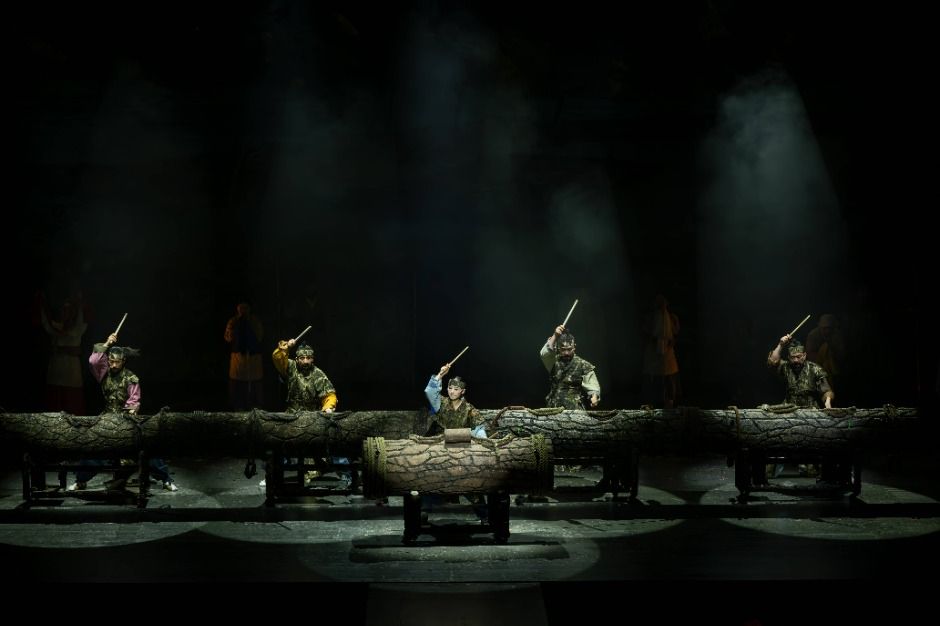 A scene from The Raftmen, the original Sorigeuk| Courtesy of Jeongseon Arirang Art Troupe
 The Raftmen, the original Sorigeuk, portrays the dramatic lives of unnamed raftmen set against the backdrop of the Japanese colonial period. Infused with the heartfelt spirit of the Korean province of Jeongseon, this performance is based on the musical heritage of Jeongseon Arirang. Blending the traditional sounds of the janggu, geomungo, and taepyeongso with acting and media art, it offers audiences a richly immersive experience. Through the life stories of ordinary men, The Raftmen provides a profound reflection on Jeongseon Arirang, the essence of Korean folk music. If you wish to encounter the timeless sounds of Korean tradition, this is a performance not to be missed.
- The Raftmen
- • Genre: Sorigeuk
- • Minimum Age: All ages
- • Running Time: 70 minutes
- • Performance Period: April 5, 2025 – November 22, 2025 (Every Saturday at 2:00 PM)
- • Ticket Prices: All seats ₩5,000
- • Performance Venue: Arirang Hall, Jeongseon Arirang Center (51 Aesan-ro, Jeongseon-eup, Jeongseon-gun, Gangwon-do)
K-Live with the Prestige of Tradition: The National Gugak Center’s Saturday Gugak Concert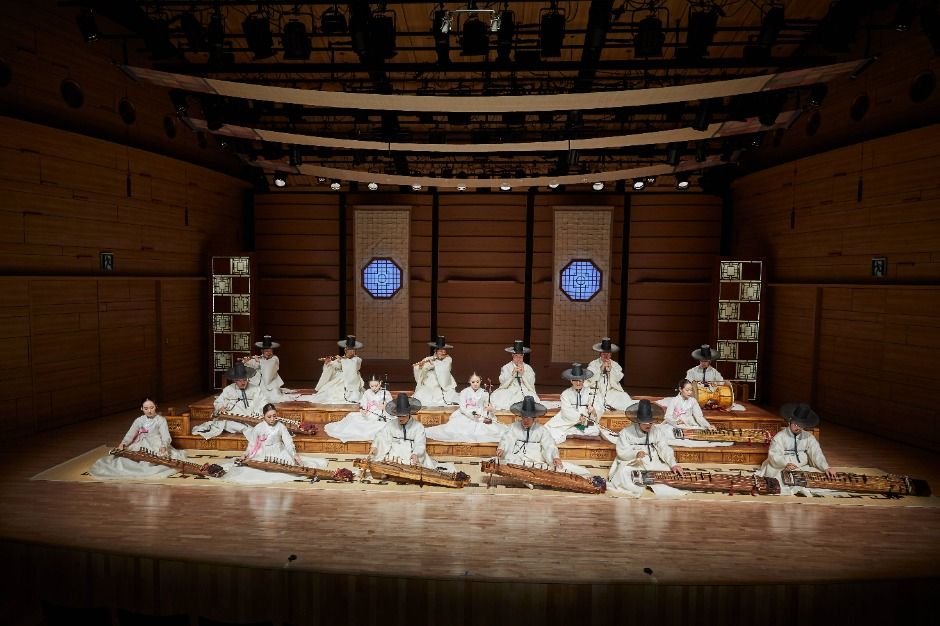 A scene from the Saturday Gugak Concert | Courtesy of the National Gugak Center
Every Saturday in the heart of Seoul, a distinguished gugak performance unfolds! The National Gugak Center’s signature program, the Saturday Gugak Concert, showcases the refined beauty of Korea’s traditional performing arts to audiences, spanning a wide range from court music and folk music to dance and contemporary gugak. With Korea’s finest performers presenting a repertoire that changes each week, this concert offers audiences a rich appreciation of both the depth and the breadth of Korean traditional music. Accessible even for first-time audiences, the Saturday Gugak Concert is an ideal choice for those seeking to experience a performance that embodies the essence of Korea’s traditional arts. Be sure to visit the National Gugak Center to experience it firsthand!
- Saturday Gugak Concert
- • Genre: Traditional
- • Minimum Age: 8 years
- • Running Time: 80 minutes
- • Performance Period: January 4, 2025 – December 27, 2025 (Every Saturday at 3:00 PM)
- • Ticket Prices: ₩30,000 (A Seats), ₩20,000 (B Seats)
- • Performance Venue: Umyeondang Hall, National Gugak Center (National Gugak Center, 2364 Nambusunhwan-ro, Seocho-gu, Seoul)
The Original Black Comedy of Joseon: The Traditional Performance Hahoe Byeolsingut Talnori (Mask Dance Drama of Hahoe)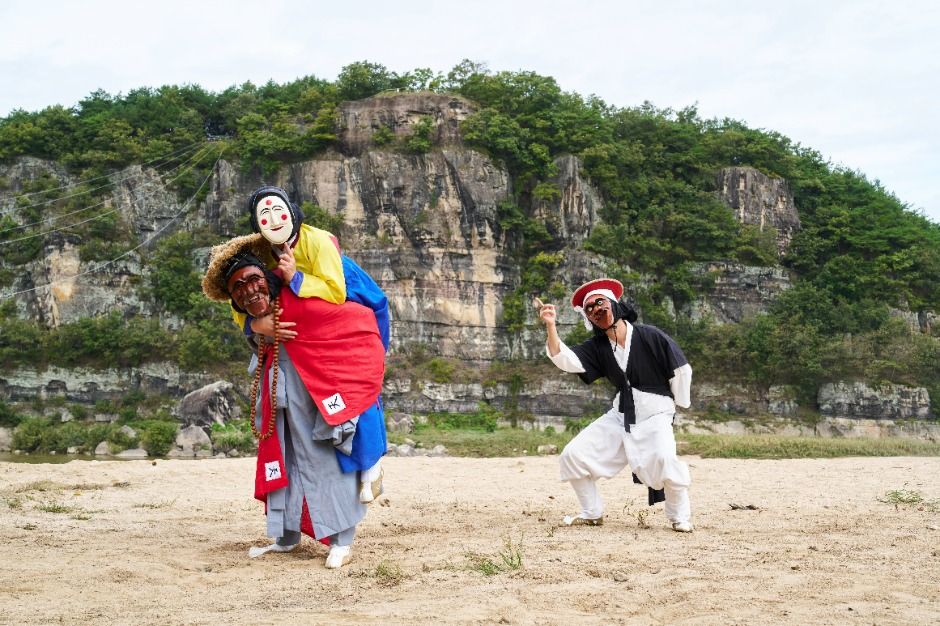 A scene from Hahoe Byeolsingut Talnori (Mask Dance Drama of Hahoe)| Courtesy of the Hahoe Mask Dance Drama Preservation of Korea
From the pretentiousness of aristocrats and scholars to the corruption of monks and the pent-up frustrations of the people, Hahoe Byeolsingut Talnori (Mask Dance Drama of Hahoe) tackles it all through biting satire and humor. Serving as the people’s stage, this traditional performance laid bare the contradictions of Joseon society. Handed down for over 800 years, theMask Dance Drama of Hahoe is a cultural heritage in which satire, theatricality, and a strong sense of community remain vividly preserved, leading to its inscription on UNESCO’s Intangible Cultural Heritage list in 2022. Savor the original black comedy of Joseon, the origin of today’s K-performance, at Hahoe Byeolsingut Talnori.
- Hahoe Byeolsingut Talnori (Mask Dance Drama of Hahoe)
- • Genre: Traditional
- • Minimum Age: All ages
- • Running Time: 60 minutes
- • Performance Period: Daily at 2:00 PM (closed on Mondays)
- • Ticket Prices: Free
- • Performance Venue: Hahoe Byeolsingut Training Center (3-15 Hahoejongga-gil, Andong-si, Gyeongsangbuk-do)


Start a FREE Online Call
(No charges for calls on Wi-Fi /
Data charges may apply)

Open 1330 Helpline Chat(Download not required)