- Log in
-
- Sydney Overseas Office
- London Overseas Office
- Toronto Overseas Office
- Los Angeles Overseas Office
- New York Overseas Office
- Ulaanbaatar Overseas Office
- Dubai Overseas Office
- New Delhi Overseas Office
- Manila Overseas Office
- Jakarta Overseas Office
- Hanoi Overseas Office
- Kuala Lumpur Overseas Office
- Singapore Overseas Office
- Bangkok Overseas Office
- Map
- Sydney Overseas Office
- London Overseas Office
- Toronto Overseas Office
- Los Angeles Overseas Office
- New York Overseas Office
- Ulaanbaatar Overseas Office
- Dubai Overseas Office
- New Delhi Overseas Office
- Manila Overseas Office
- Jakarta Overseas Office
- Hanoi Overseas Office
- Kuala Lumpur Overseas Office
- Singapore Overseas Office
- Bangkok Overseas Office
- HOME
- Contents View
-
-
-
The Old House of Choi Clan in Namsa-ri, Sancheong (Wolgang Gotaek) A Century-Old Heritage
-
03/10/2022
-
329
0
0
-
-
-
-
The Old House of Choi Clan in Namsa-ri, Sancheong (Wolgang Gotaek) A Century-Old Heritage
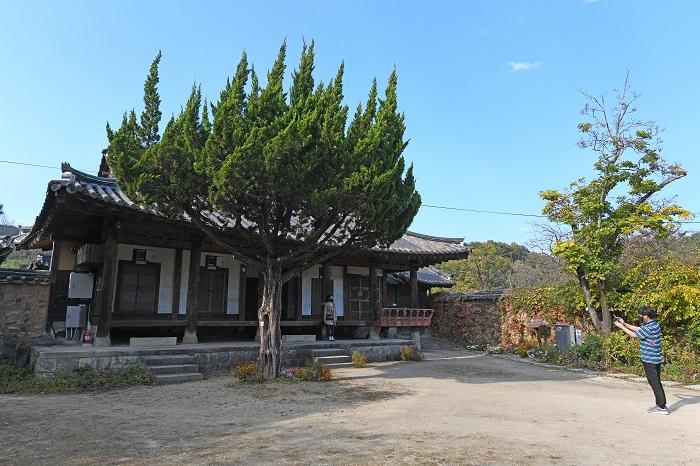
Namsa Village is a representative traditional village in Sancheong along with Hahoe Village in Andong. The beautiful 3.2 km-long wall connects the town from corner to corner, so the village was re-named “Namsa Yedamchon Village” in 2003. “Yedam” means an old-fashioned wall in Korea and implies the desire to follow a classical scholar's novel spirit and decent manners. The Old House of Choi Clan (Gyeongsangnam-do Cultural Heritage), also referred to as the Wolgang Gotaek, stands in the middle of Namsa Yedamchon Village. Wolgang is Mr. Choi Junseok’s, the current hanok (Korean traditional housing) owner, great grandfather’s nickname.
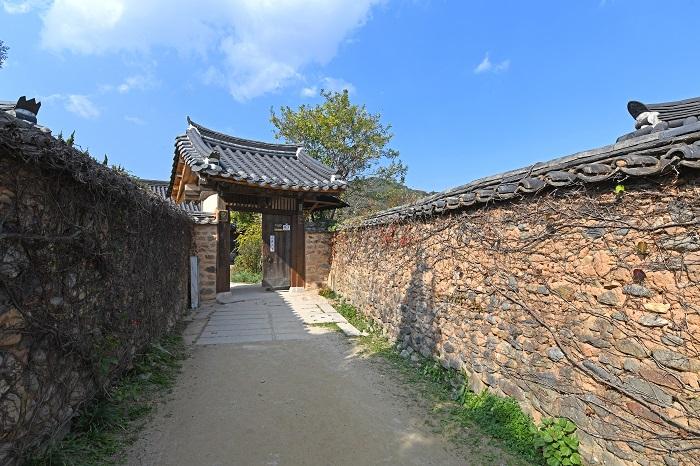
As you slowly walk down the exquisite national cultural heritage designated stone wall at the entrance parking lot at Namsa Yedamchon Village, a gatehouse taller than a full-grown man greets you at the end of a cozy, narrow path. The sturdy and tall gatehouse (soseuldaemun) with a gambrel roof on top is the entrance to the old traditional house.
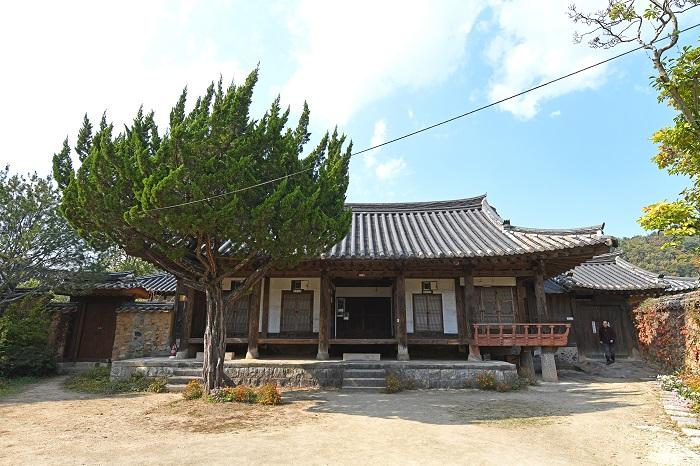
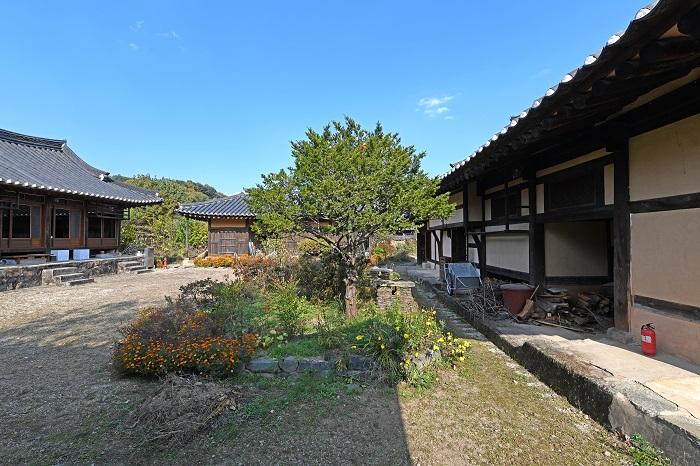
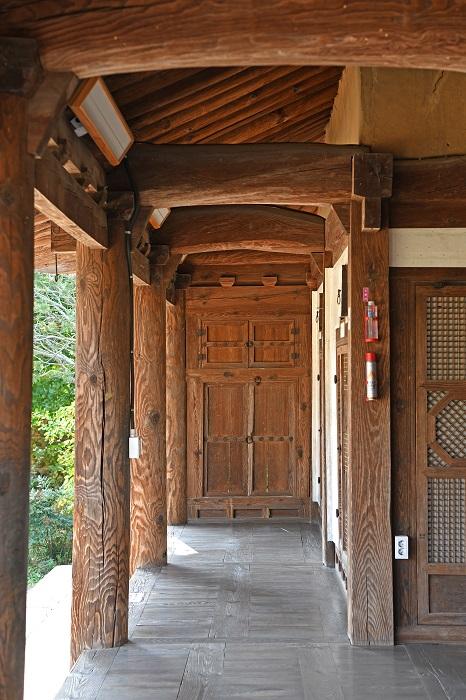
Built in 1920, the Old House of Choi Clan is structured in a ‘ㅁ’ shape with the family guesthouse (sarangchae) and main building (anchae) standing side by side and the servants’ quarters (ikrangchae) and the storage building (gwangchae) standing left and right. The west gate among the two gates on either side of the family guesthouse is equipped with a ‘ㄱ’-shaped wall separating men and women, keeping the main building and servants’ quarters out of sight. The Old House of Choi Clan welcomes guests to stay in the family guesthouse and servants’ quarters, and the hanok owners live in the main building. Two rooms make up the family guesthouse so that each guest can spend private time in each room, and guests can use the main-floored servants’ quarters all for themselves independently. Family guesthouses 1 and 2 and the servants’ quarters accommodate up to four guests.
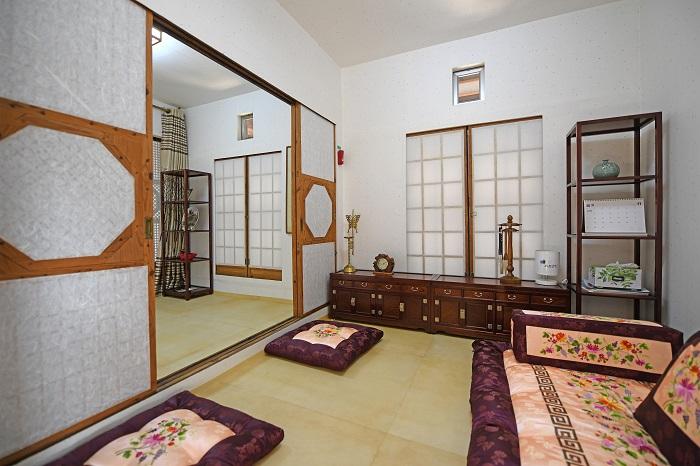
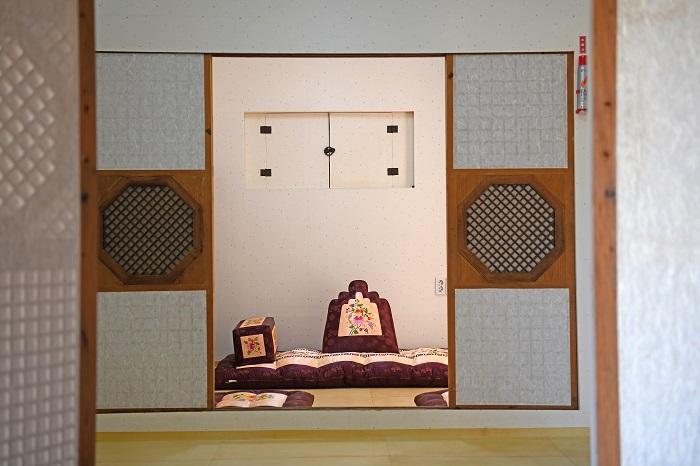
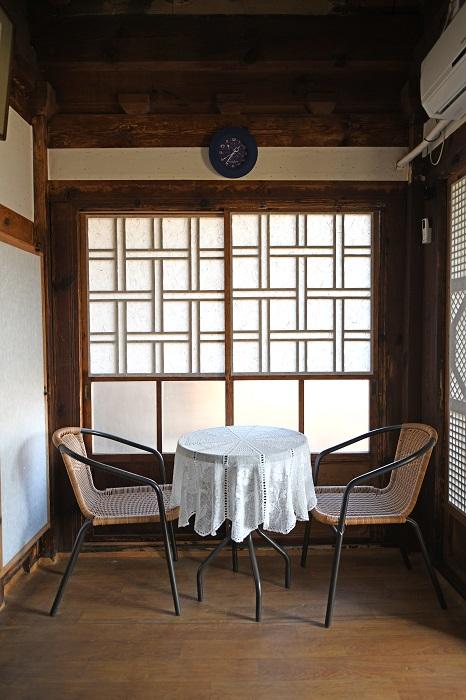
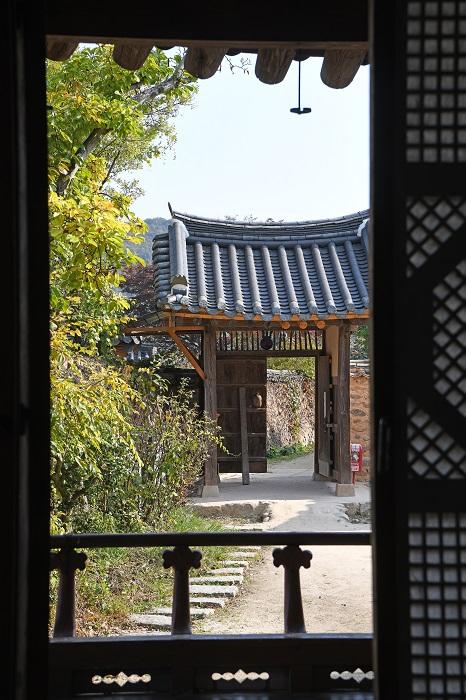
There are three rooms in the family guesthouse, which sandwich the main-floored room. Its front and side rooms centered around the large room form a ‘ㄴ’ shape. The sliding door connects the large and front rooms, and the hinged door connects the large and side rooms. Although there is no significant difference in the structure, the upper-floored room of the “family guesthouse 1,” located on the east of the main-floored room, partially looks like a living room and has a bathroom with a sink inside. The room is spacious and convenient.
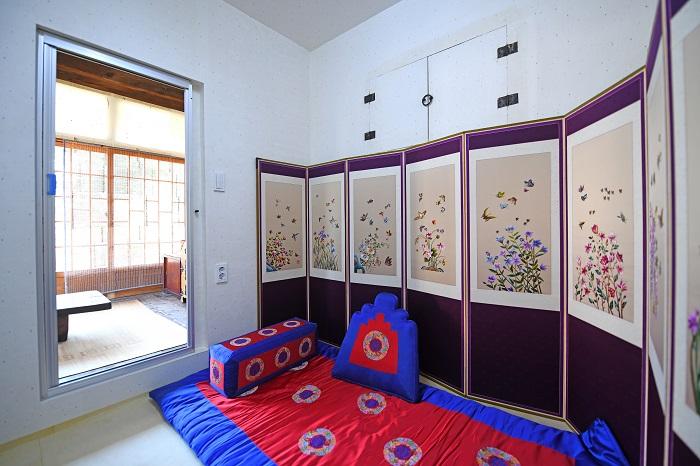
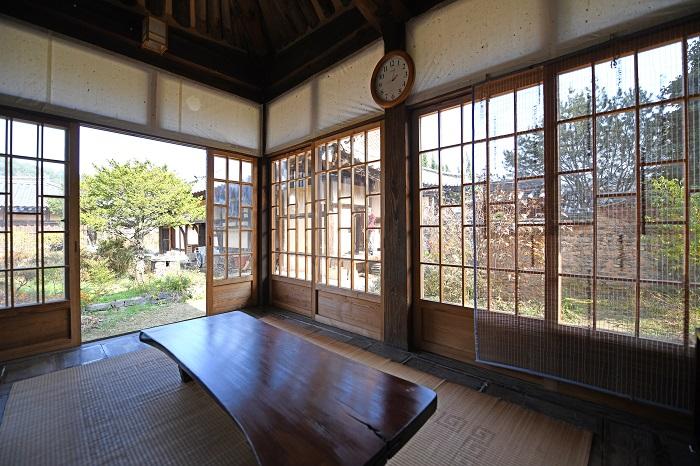
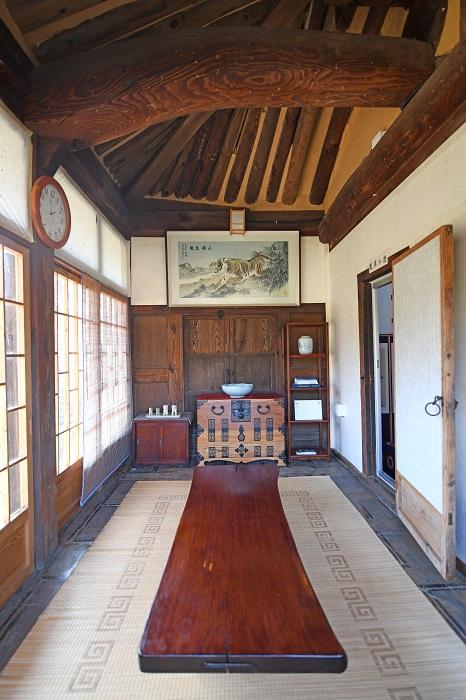
The servants’ quarters, located inside the inner gate, is a stand-alone building with a main-floored room and two other rooms. The sliding door connects the long rectangular main-floored room, large room, and small room, respectively. Unlike the wide-open family guesthouse, the glazed sliding door surrounds the front and sides of the verandah porch and main-floored room, making it private yet expansive. The servants' quarters (ikrangchae) is attached to the inner gate.
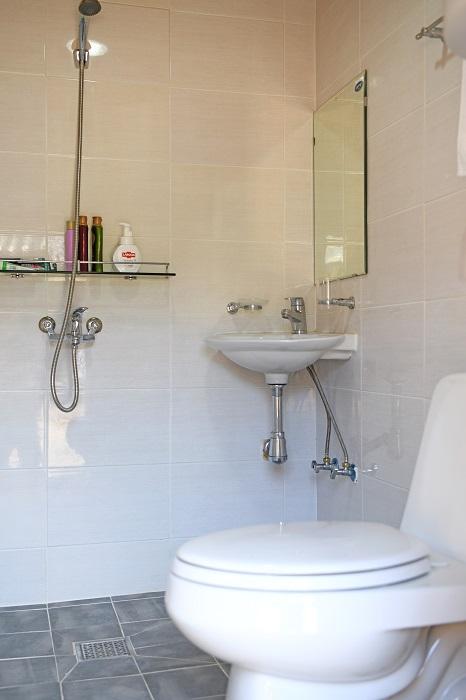
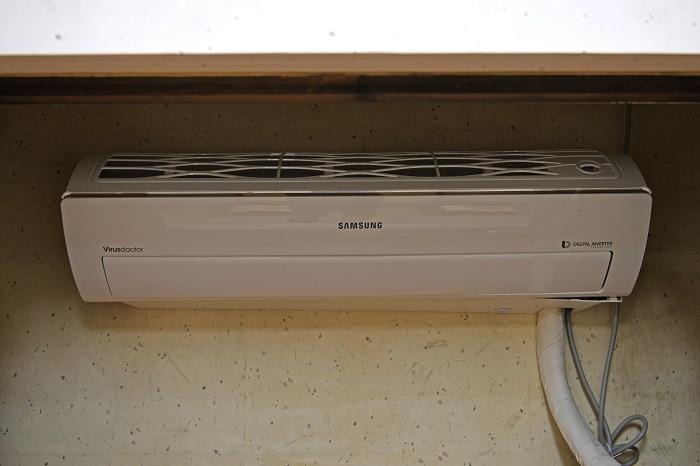
The Old House of Choi Clan uses the Korean traditional underfloor heating system (ondol) instead of the convenient boiler to bring out an old-fashioned vibe, though it requires much manual effort. However, air conditioners are equipped deep inside the closet in each room for guests’ convenience. How about treasure hunting the hidden air conditioner for fun? The Old House of Choi Clan (Gyeonsangnam-do Cultural Heritage) has no kitchen in the rooms. Guests of family guesthouse 2 and servants’ quarters may use the bathroom on the east side of the family guestroom inside the inner gate.
The Old House of Choi Clan in Namsa-ri, Sancheong (Wolgang Gotaek)
- Address: 8-7, Jirisan-daero 2897beon-gil, Danseong-myeon, Sancheong-gun, Gyeongsangnam-do
- Tel.: +82-55-973-2454
- Website: https://moonhill.modoo.at/
- Room Prices: Starting at KRW 250,000
- Parking: Available
Tomb of King Guhyeong in Sancheong
Namgye Seowon
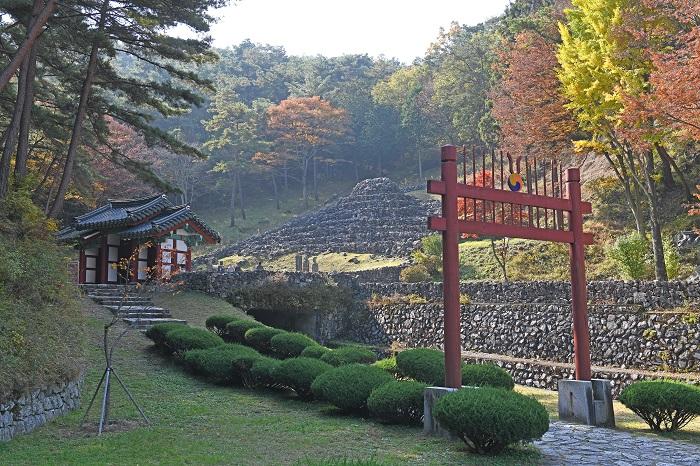
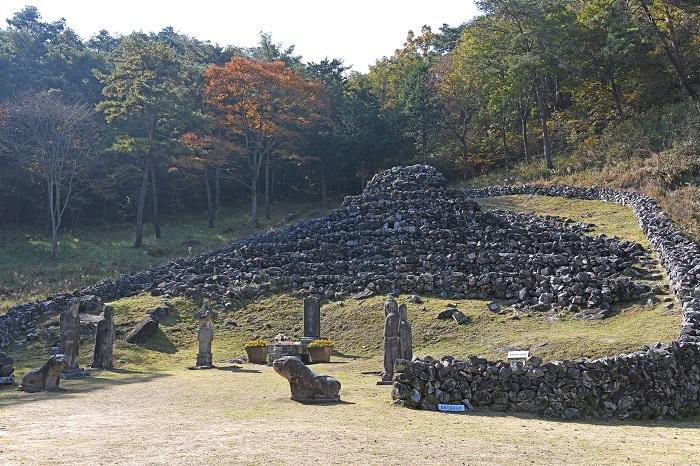
The Tomb of King Guhyeong in Sancheong is Korea’s one-and-only pyramid-type stone tomb of the 10th king of the Gaya Kingdom. King Guhyeong, great grandfather of Kim Yusin, a leader of the unification of the Three Kingdoms, was appointed as the king of the Gaya Kingdom in 521. He was on the throne for 11 years before transferring the kingdom's territory to King Beopheung of Silla in 532.
Donguibogam Village in Sancheong
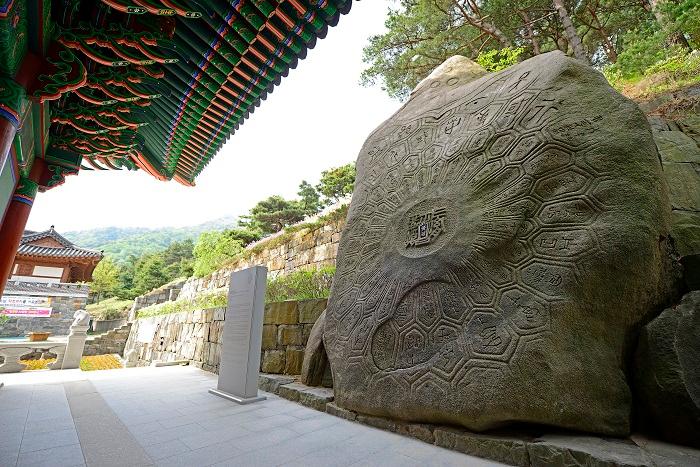
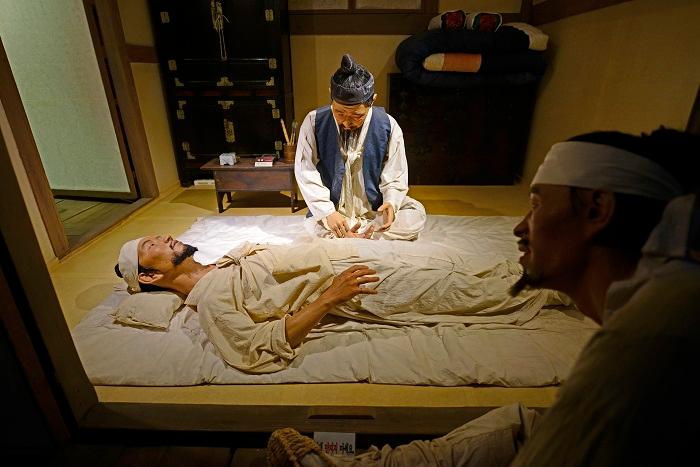
The Donguibogam Village in Sancheong was reborn as a soothing and comforting theme park after the World Traditional Medicine EXPO in Sancheong to commemorate the 400th anniversary of the Donguibogam’s publication in 2013. The 1.18 million-square-meter Donguibogam Village is packed with vivid experiences and entertainment on oriental medicine. The village features the Heojungil Trail, an expo theme hall, a traditional Korean medicine museum, and traditional Korean medicine and herb-themed parks as well as a traditional Korean medicine vitality experience zone.


Start a FREE Online Call
(No charges for calls on Wi-Fi /
Data charges may apply)

Open 1330 Helpline Chat(Download not required)