
Current language
English
- Log in
-
- Sydney Overseas Office
- London Overseas Office
- Toronto Overseas Office
- Los Angeles Overseas Office
- New York Overseas Office
- Ulaanbaatar Overseas Office
- Dubai Overseas Office
- New Delhi Overseas Office
- Manila Overseas Office
- Jakarta Overseas Office
- Hanoi Overseas Office
- Kuala Lumpur Overseas Office
- Singapore Overseas Office
- Bangkok Overseas Office
- Map
Popular search
- Sydney Overseas Office
- London Overseas Office
- Toronto Overseas Office
- Los Angeles Overseas Office
- New York Overseas Office
- Ulaanbaatar Overseas Office
- Dubai Overseas Office
- New Delhi Overseas Office
- Manila Overseas Office
- Jakarta Overseas Office
- Hanoi Overseas Office
- Kuala Lumpur Overseas Office
- Singapore Overseas Office
- Bangkok Overseas Office
Contents View
-
-
-
Jang: The Story Behind Sunchang’s Renowned Flavors
-
02/20/2025
-
1.3K
1
0
-
-
-
-
Jang: The Story Behind Sunchang’s Renowned Flavors
When & Where

Jang (Fermented Pastes) are, by nature, materials that take on flavors as they age, so it is more important to ask when they were made rather than when they should be enjoyed. For reference, those made with fresh soybeans or freshly ground gochugaru (chili pepper powder) from the same year’s harvests will have a raw smell.

Sunchang gochujang (red pepper paste) and Sunchang doenjang (fermented soybean paste) are already commercialized and can be easily purchased nationwide. In the Sunchang Traditional Gochujang Village, local artisans sell gochujang they have made themselves.
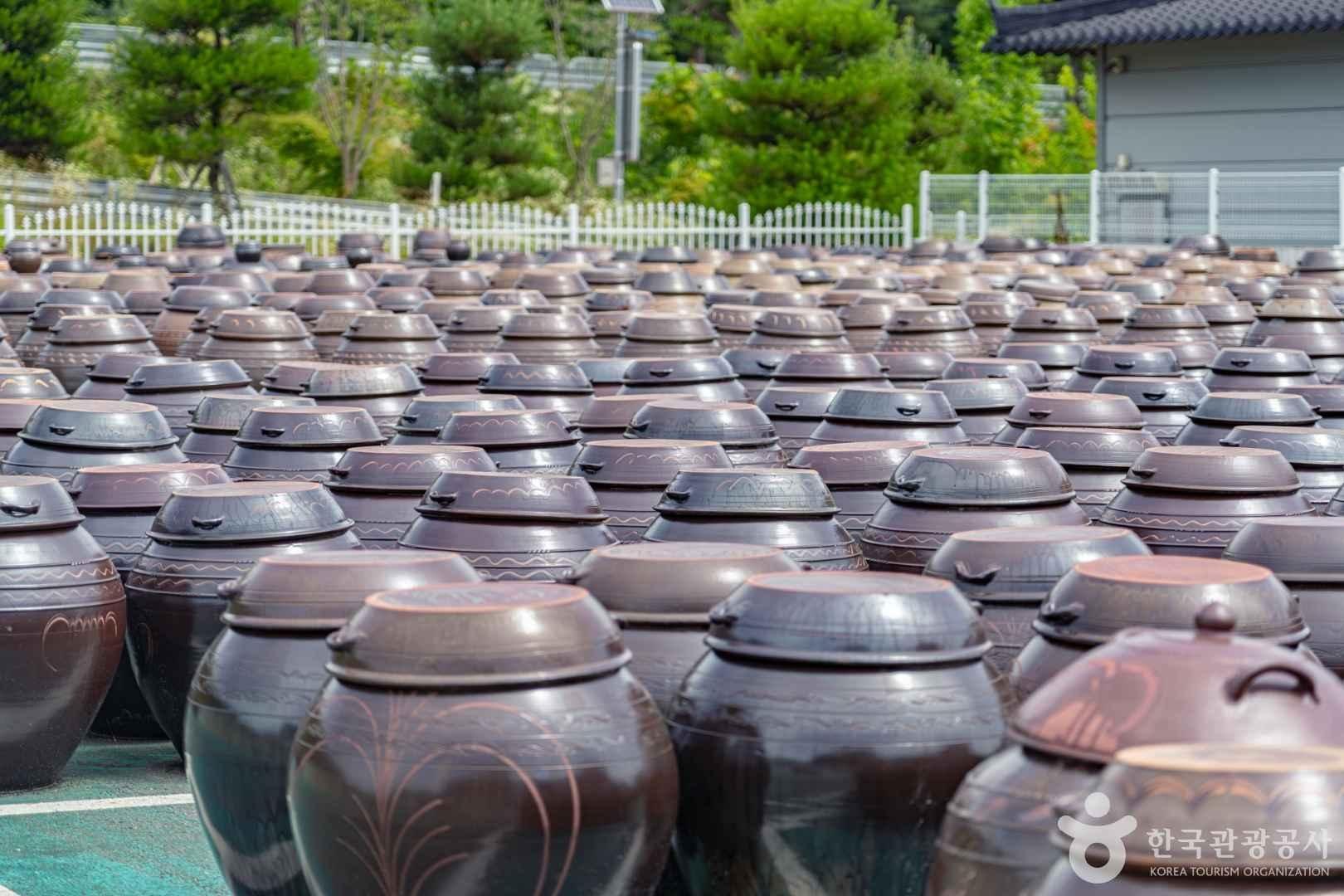
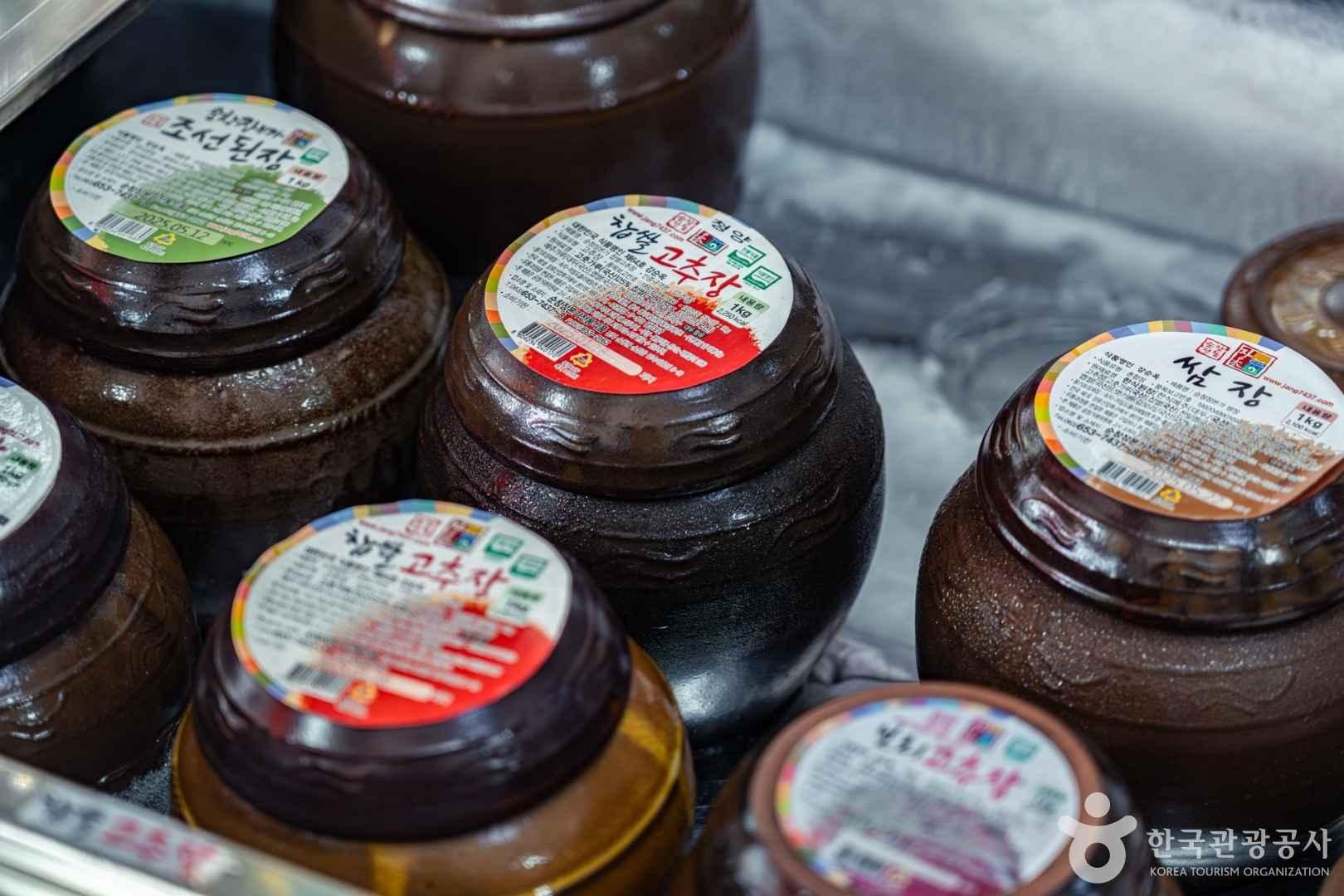
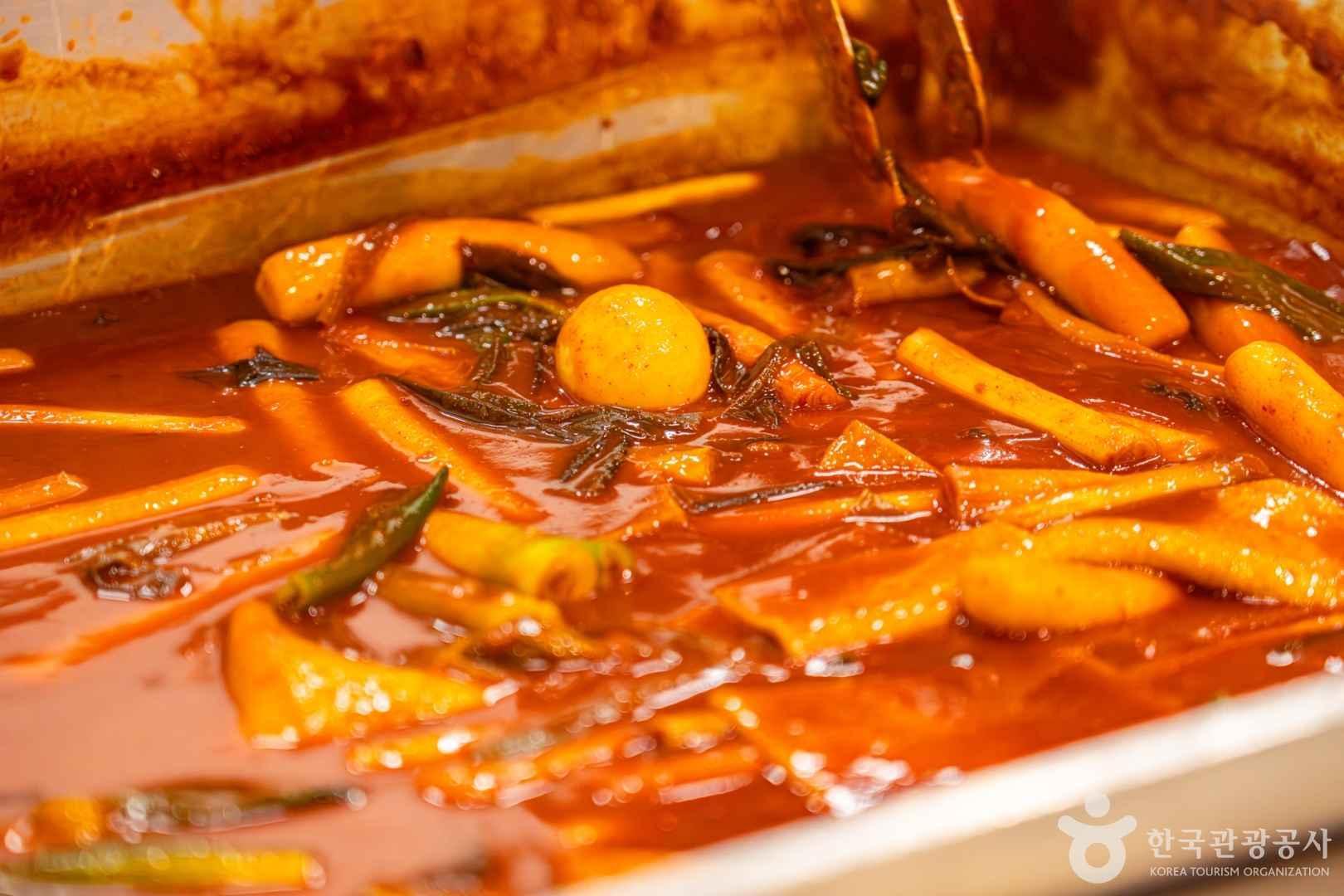
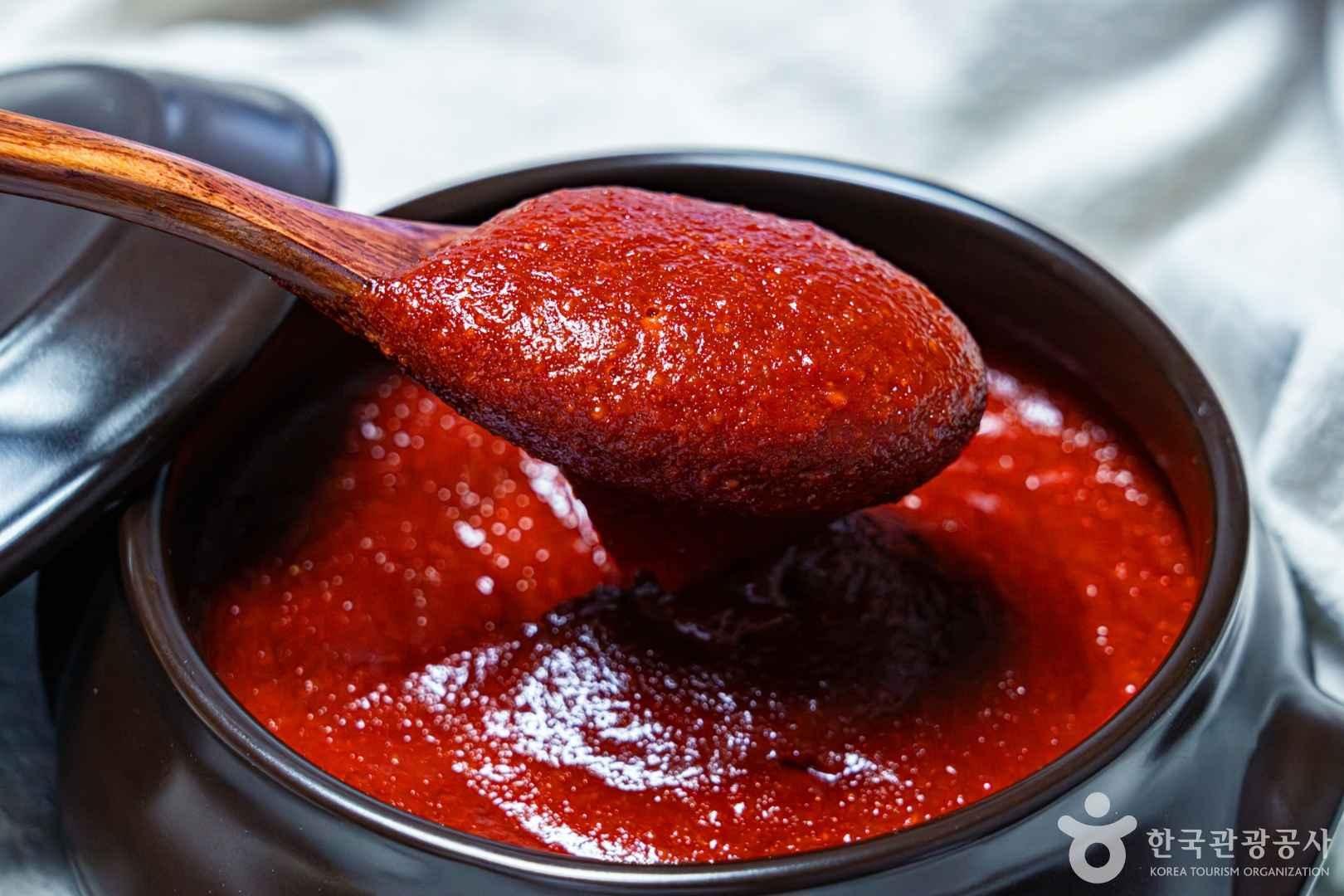
The introduction of chili pepper to Korea turned Korean cuisine on its head. Before gochugaru (chili pepper powder) became widely available, kimchi was nothing but salted vegetables. However, with the introduction of gochugaru and the utilization of salted seafood, kimchi as we know it today began to emerge. The same holds true for gochujang (red chili paste). Chili pepper made what we recognize today as gochujang possible, which is why Koreans now enjoy dishes such as kimchi, bibimbap, and tteokbokki.
The Various Flavors of Gochujang
The taste of gochujang depends on the types of starch used in its production. Its basic ingredient is non-glutinous rice, and the addition of other types of grains, such as glutinous rice or barley, creates variances in flavors and textures. Adding glutinous rice, for instance, adds a gentle note of sweetness compared to those made with non-glutinous rice only, while gochujang made with barley is not very sweet but has a deep, rich flavor.
Gochujang: An Essential Condiment for Koreans
Gochujang adds an abundance of flavors to dishes or ingredients. Dishes such as bibimbap, jeyuk-bokkeum (spicy stir-fried pork), tteokbokki, and spicy seafood salads are all made with sauces based on gochujang. Gochujang is also used as a preservative and flavor enhancer for vegetables and other ingredients. For instance, it can pickle chili peppers, radishes, vegetables, and dried yellow croaker.
How to Make Gochujang
- Ingredients: 5L Water, 500g malt powder, 2kg glutinous rice powder, 1kg meju (fermented soybean block) powder, 3kg gochugaru (chili pepper powder), 1.5kg salt, 1 cup* cheongju (refined rice wine)
* cup measurements refer to small paper cups, not the U.S. cup measure① Making malt water: Add the malt powder to the water and mix well (the water should be sufficient to completely soak the malt powder). Leave it for 2–3 hours to allow the sweetness to extract fully from the malt. After some time, strain the malt water through a fine cloth or sieve, using only the clear liquid.
② Making glutinous rice paste: Add the glutinous rice flour to the prepared malt water and simmer on low heat, stirring continuously to prevent clumping. Continue stirring until the glutinous rice paste thickens to a gooey consistency. After boiling, let it cool completely.
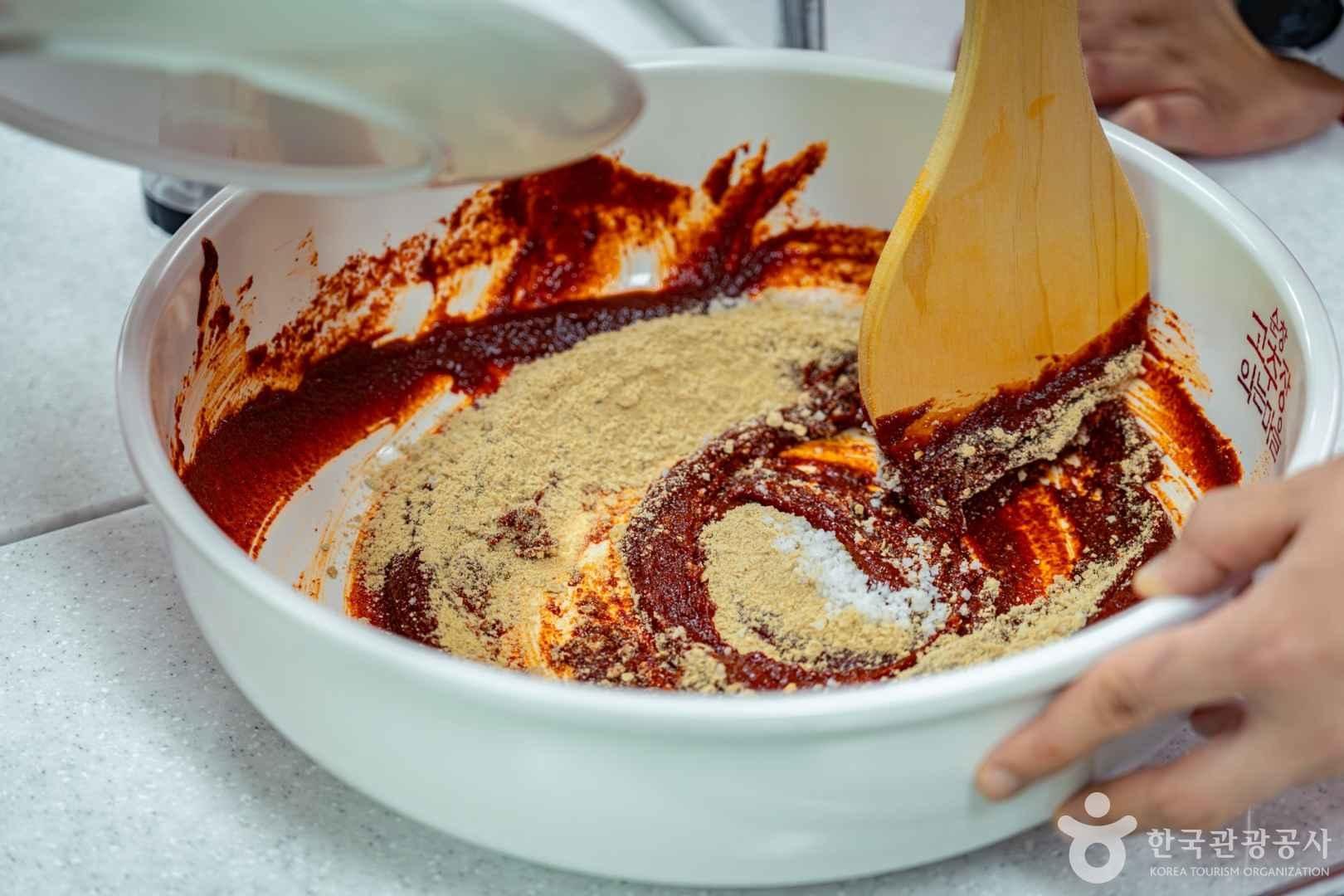
③ Making gochujang dough: Once the glutinous rice paste is completely cooled, add meju powder, gochugaru, and salt. Mix well until the paste is mixed completely. Adding cheongju at this stage helps with fermentation and deepens the flavor.
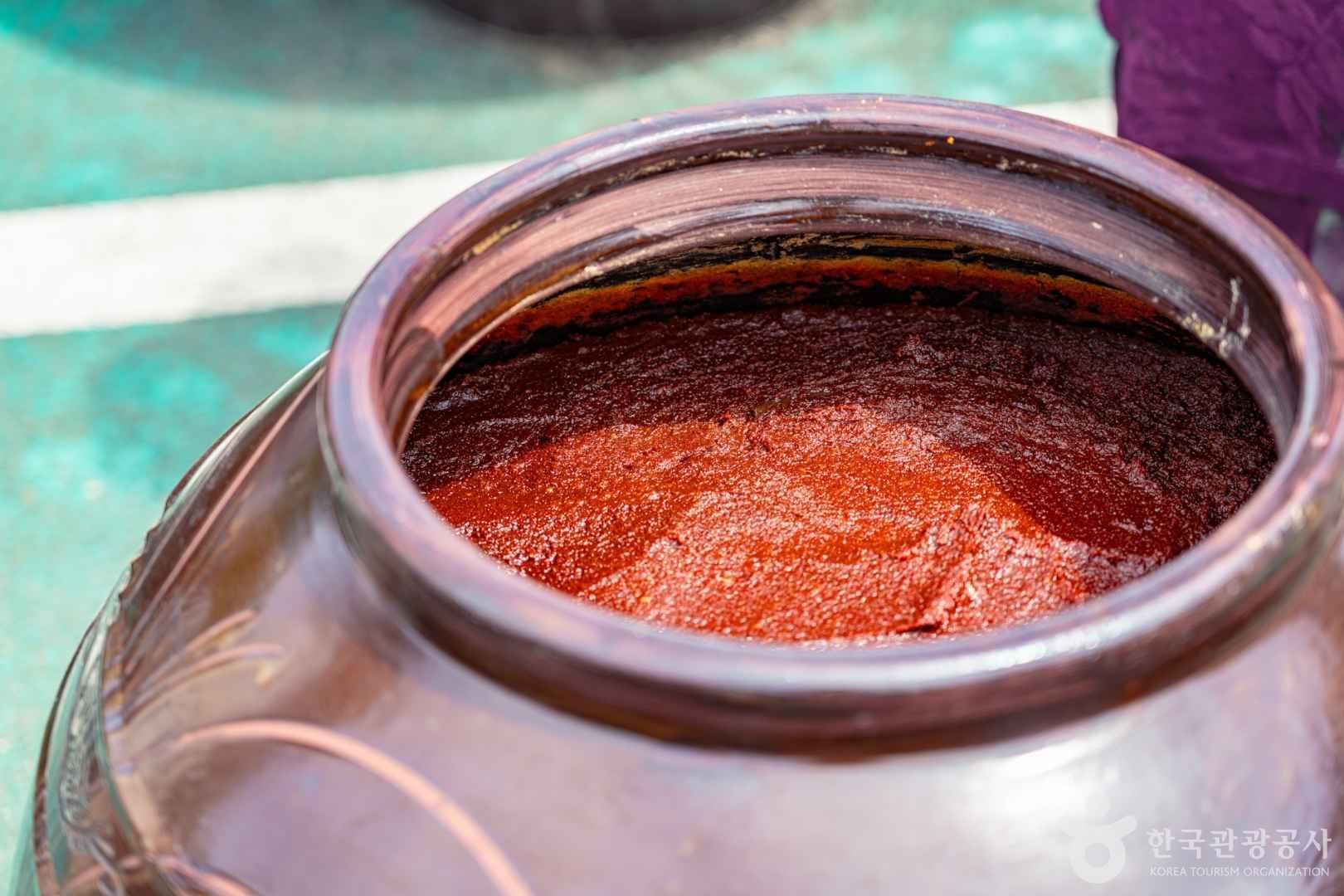
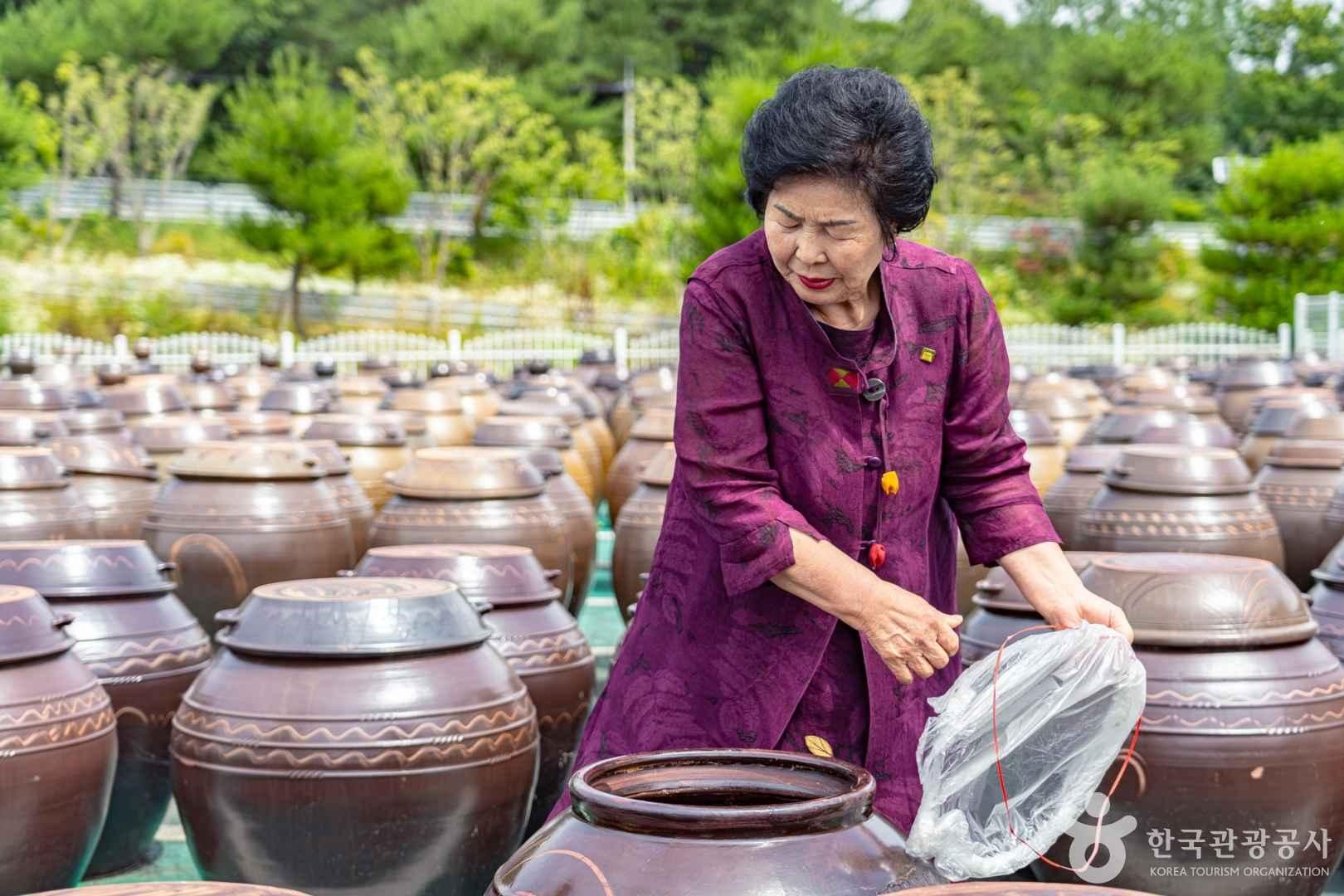
④ Fermentation: Place the gochujang dough in a jar* and flatten it evenly. Cover the jar's opening with a clean cloth, then close the lid. Leave it in a sunny spot to ferment for 3 months. Mold may form during fermentation, so check periodically and remove it. You can lightly sprinkle some cheongju to manage it. Once the 3-month fermentation is complete, move the jar to a shaded area for maturation. Over time, the flavor of the gochujang will deepen and become smoother. The finished gochujang can be stored in the refrigerator for a long time.
* If you don’t have a pottery jar, you can use glass jars, ceramic or stoneware containers, or plastic containers. Make sure to use a container with a tight lid, and sterilize it thoroughly by rinsing it with boiling water and letting it dry before adding the gochujang.
The Science of Fermentation
The most important element in the fermentation and aging of gochujang is meju. Meju is made by fermenting a block of cooked soybeans, during which Aspergillus* molds develop. These molds release protease and amylase, which determine the flavor of gochujang. Protease breaks down protein into amino acids, while amylase breaks down starch to sugar. Amino acids and sugar formed through this process create the flavor and sweetness of gochujang. In particular, one type of amino acid, glutamic acid, creates the deep savory flavor of gochujang.
* Aspergillus molds are widely used in Asia for fermenting products like doenjang, ganjang, and gochujang, as well as in brewing beverages like makgeolli.
Meju also contains lactic acid bacteria and yeast. Lactic acid bacteria break down sugar into lactic acid and reduce the pH levels of gochujang to imbue it with a tangy note, while yeast helps break down sugar into alcohol and carbon dioxide, which suppress the growth of pathogenic microorganisms.
Temperature and humidity are very important when fermenting gochujang. The best temperature for fermentation is 20-25°C. If the temperature is too high or too low, it can slow down the fermentation process or disrupt the growth of microorganisms. Another method to enrich the flavor of the paste is to provide a certain level of exposure to oxygen. Note that excessive exposure to oxygen can facilitate the growth of fungi. Even after fermentation, the flavors of gochujang continue to deepen because microorganisms continue to work.
How to Make Meju
- Ingredients: 1kg Soybeans, 750ml water, 150g salt
① Soaking the Beans: Rinse 1kg of meju beans thoroughly and soak them in cold water for more than 10 hours. When soaked adequately, the beans will expand to about twice their original size.
② Cooking the Beans: Place the soaked beans in a large pot and add enough water to fully submerge them. Bring the water to a boil over high heat, then reduce to medium heat and cook for more than 2 hours until the beans are soft enough to crumble easily. Drain the water and let them cool.
③ Mashing the Beans: Once cooled, mash the cooked beans using a mortar and pestle or a grinder. Ensure that the beans are evenly crushed for proper fermentation.
④ Shaping the Meju: Form the mashed beans into suitable-sized blocks. If using 1kg of beans, you can either make one large block or divide them into smaller ones. The blocks are typically shaped into cubes.
⑤ Drying and Fermenting: Wrap the meju blocks in a clean cloth and let them dry in a well-ventilated area for 1–2 weeks. After drying, transfer them to a warm, well-ventilated place to ferment for 2–3 weeks. Proper fermentation is indicated by the surface of the meju turning yellow and mold appearing.
⑥ (Optional) Soaking in Salt Water: Prepare a saltwater solution by dissolving 150g of salt in 750mL of water. Soaking the fermented meju in this solution can facilitate additional fermentation.
What makes the Jang of Sunchang Special
Gochujang has been made and enjoyed across Korea, but Sunchang is especially famous for the paste In 1809, the female practical scholar Lee Bing-heogak wrote in her traditional women's handbook, Gyuhap Chongseo, that the gochujang from Sunchang and Cheonan was one of the famous local specialties of the eight provinces.
So, what makes Sunchang's gochujang special and delicious? The secret lies in the timing of when the gochujang is made.
Gochujang is generally made in fall. This is because fall is the best season for making gochugaru, as red chili pepper is harvested between late September and early October when the weather grows colder. However, in Sunchang, gochujang is made a bit earlier in the year, from late August to early September, because the climatic conditions in Sunchang, with its abundant sunshine and lack of daily temperature fluctuations, allow chili peppers to be harvested earlier than in other regions.
This change in period also means that different types of mold form on meju, the basic ingredient of gochujang: Generally, the mold that grows on meju is white (Aspergillus luchuensis mut. kawachii), but those grown on Sunchang’s meju are yellow (Aspergillus oryzae). This difference in the type of mold, brought by the different conditions in fermentation, is the result of Sunchang’s fermented paste being made earlier than that produced in other regions. Aspergillus oryzae is better at breaking down protein than Aspergillus luchuensis mut. kawachii, creating sweet and savory flavors in the resulting paste. So, because of this difference in period, Sunchang became the most famous region for gochujang in Korea.
How to Enjoy Sunchang Gochujang
Formed in 1997, Sunchang Traditional Gochujang Folk Village became the leading place for Korean fermented sauce culture. It is home to Korean Food Grand Master Kang Sun-ok and many other artisans.
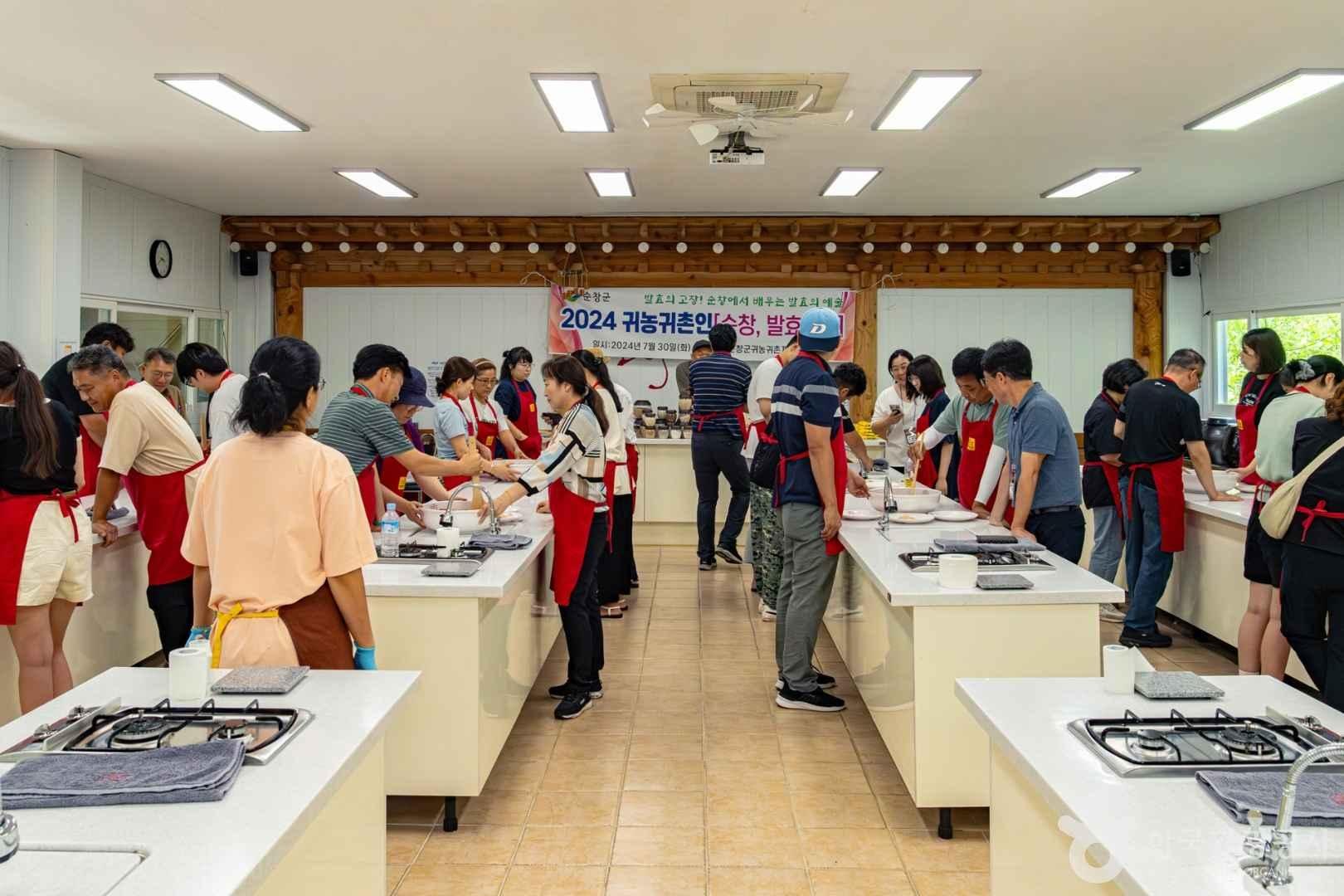
Sunchang Fermentation Theme Park, located near the Gochujang Folk Village, is where visitors of all ages and genders can experience and celebrate Sunchang’s fermentation culture. You can listen to explanations of Korean fermented paste culture, including doenjang (fermented soybean paste) and gochujang, and participate in fermented paste-making programs. In the food court within the theme park, you can sample tteokbokki and seasoned fried chicken made with Sunchang gochujang.
Restaurants Information
Sunchang Masire
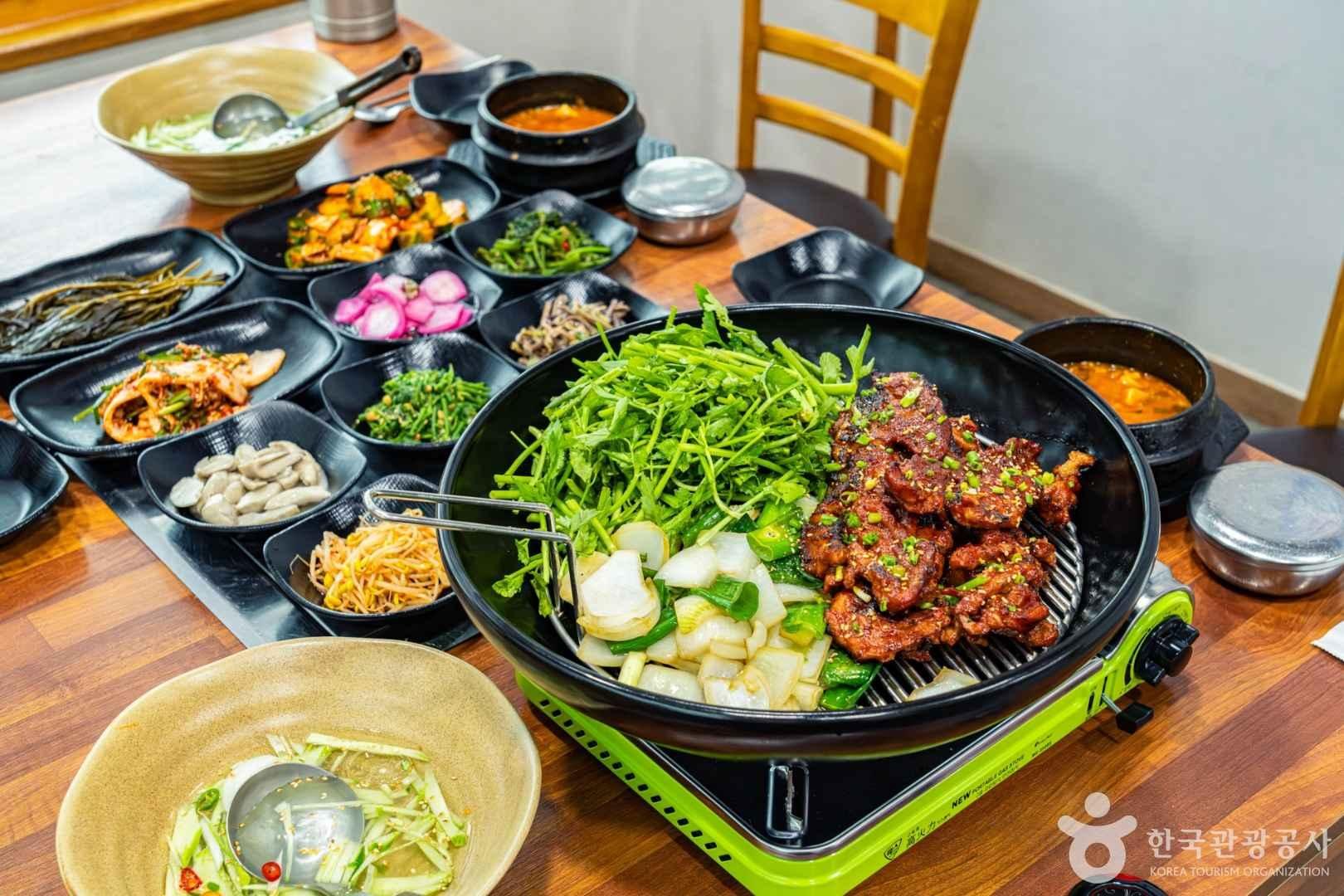
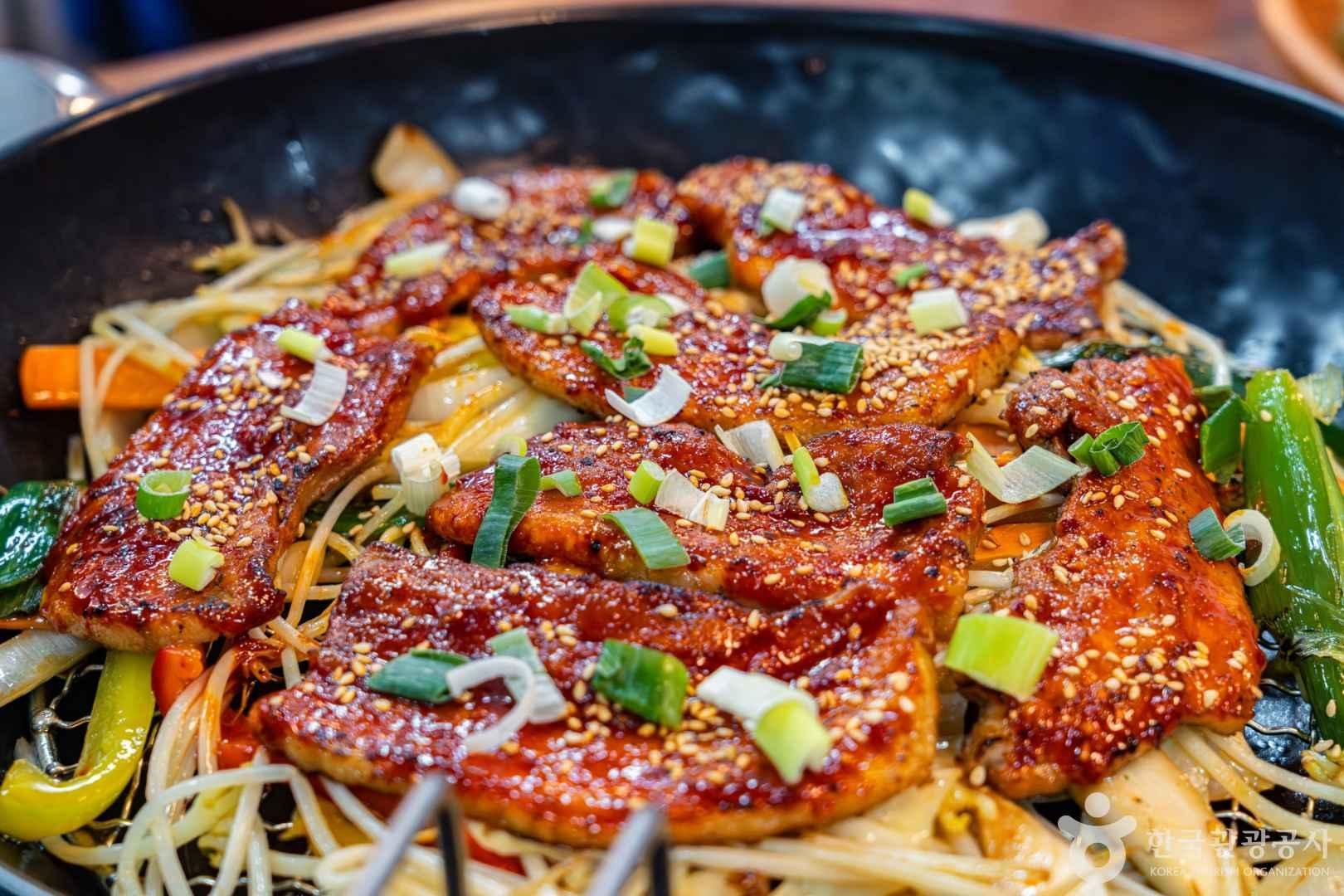
This restaurant serves gochujang bulgogi (red chili paste marianated pork) made by Sunchang-gun and celebrity chef Lee Won-il. Gochujang bulgogi is pork marinated with Sunchang red chili paste and grilled with water parsley and green onions.

Address:
31-16 Sunchang 11-gil, Sunchang-eup, Sunchang-gun, Jeonbuk-do
Contact:
+82-507-1411-1402
Signature Menu:
Sunchang gochujang Bulgogi 30,000 KRW (for 2) /
Cheonggukjang (rich soybean paste soup) 9,000 KRW
Getting There:
Approx. 1.5k m from Sunchang TG on Gwangju-Daegu Expressway /
Approx. 150 m from Sunchang Bus Terminal
Parking:
Available (up to 10 spaces)
Seating:
100 seats
Menu Languages:
Korean
Experience Information
Sunchang Fermentation Theme Park
This space showcases a variety of interactive and informative exhibits centered around the theme of “fermentation.” The exhibition caters to children at their eye level, so it is also ideal for family outings. It also offers education, media art, and play and experience programs that utilize interactive media technology.
Address:
55 Jangnyu-ro, Sunchang-eup, Sunchang-gun, Jeonbuk-do
Contact:
+82-63-652-6511
Operating Hours:
(March–October) 10:00–18:00 (Last entry 17:00) /
(November–February) 10:00–17:00 (Last entry 16:30)
Admission:
Adults 3,000-7,000 KRW,
Children/Teenagers 2,500-7,000 KRW,
Preschoolers 2,000-5,000 KRW,
Persons of Distinguished Service to the State / Persons with Disabilities Free or up to 3,000 KRW,
Sunchang-gun Residents Free or up to 2,000 KRW /
Entry to Enzyme Hall Free of Charge (Enzyme Car 3,000 KRW) /
Entrance to Perennial Arboretum Free of Charge /
Tickets to other facilities within the theme park may require separate purchases.
* Age Groups: (Adults) ages 19 and older / (Children/Teenagers) ages 6 to 18 / (Preschoolers) ages 1 to 5
Program:
Fermentation and microorganism project (solid toothpaste, all-in-one bar, children’s farm, MBTI fragrance-making),
fermentation cooking class (microorganism macaron, Jangchuwang snacks, triple cheese pizza, fruit preserve, character cookies, kombucha-making)
* Reservations are available on the Naver Place page of Sunchang Fermentation Theme Park when the program opens.
Parking:
Available (up to 125 spaces)
Website:
sftp.or.kr (Korean)
Fermented Sauce Underground Tunnel
This 134 m-long tunnel with a maximum width of 46 m details the stories of fermented sauces found worldwide. It also has media art and trick art sections and a space dedicated to the history of fermented paste in Korea. Some sections of the underground tunnel are used by fermented sauce producers in Sunchang for sauce fermentation.
Address:
61-59 Minsongmaeul-gil, Sunchang-eup, Sunchang-gun, Jeonbuk-do
Contact:
+82-63-653-6159
Operating Hours:
(March–October) 10:00–18:00 (Last entry 17:00) /
(November–February) 10:00–17:00 (Last entry 16:30)
Admission:
Fermented Sauce Underground Tunnel Single Ticket - Adults 3,000 KRW,
Children/Teenagers 2,500 KRW,
Preschoolers 2,000 KRW /
Fermented Sauce Underground Tunnel & Hongme Hall Ticket - Adults 5,000 KRW,
Children/Teenagers 4,500 KRW,
Preschoolers 4,000 KRW /
Persons of Distinguished service to the State, Persons With Disabilities,
and Sunchang-gun Residents free of charge
Parking:
Available (up to 56 spaces)
Sunchang Traditional Gochujang Folk Village
This village is made up of artisans who produce gochujang and doenjang using traditional methods. You can find products made by distinguished artisans, such as Korean Food Grand Master Kang Sun-ok.
Address:
Minsongmaeul-gil, Sunchang-eup, Sunchang-gun, Jeonbuk-do
Contact:
+82-63-653-0703
Operating Hours:
07:00–20:00 (depends on the store)
Products:
Gochujang (1kg) 25,000-30,000 KRW,
Doenjang (1kg) 15,000-20,000 KRW
Parking:
Available (up to 242 spaces)
Sunchang Fermented Food Festival
This festival began as a way to celebrate the fermented paste culture of Korea. It features experiences, performances, and exhibitions themed after Sunchang’s gochujang, doenjang, and other traditional fermented paste, as well as tteokbokki made with Sunchang gochujang and other dishes.
Period:
Every October
Location:
Sunchang Traditional Gochujang Folk Village, Sunchang Fermentation Theme Park
Contact:
+82-63-650-1624
Admission:
Free
Program:
Opening ceremony, concert, fermented paste-making, etc.
Website:
www.jangfestival.co.kr (Korean)

1330 Helpline Call/Chat

Start a FREE Online Call(No charges for calls on Wi-Fi /
Data charges may apply)

Open 1330 Helpline Chat(Download not required)



Open messenger app(Messenger app must be installed)