
Current language
English
- Log in
-
- Sydney Overseas Office
- London Overseas Office
- Toronto Overseas Office
- Los Angeles Overseas Office
- New York Overseas Office
- Ulaanbaatar Overseas Office
- Dubai Overseas Office
- New Delhi Overseas Office
- Manila Overseas Office
- Jakarta Overseas Office
- Hanoi Overseas Office
- Kuala Lumpur Overseas Office
- Singapore Overseas Office
- Bangkok Overseas Office
- Map
Popular search
- Sydney Overseas Office
- London Overseas Office
- Toronto Overseas Office
- Los Angeles Overseas Office
- New York Overseas Office
- Ulaanbaatar Overseas Office
- Dubai Overseas Office
- New Delhi Overseas Office
- Manila Overseas Office
- Jakarta Overseas Office
- Hanoi Overseas Office
- Kuala Lumpur Overseas Office
- Singapore Overseas Office
- Bangkok Overseas Office
Contents View
-
-
-
Ginseng: A Precious Root Six Years in the Making
-
02/20/2025
-
2.1K
0
0
-
-
-
-
Ginseng: A Precious Root Six Years in the Making
When & Where

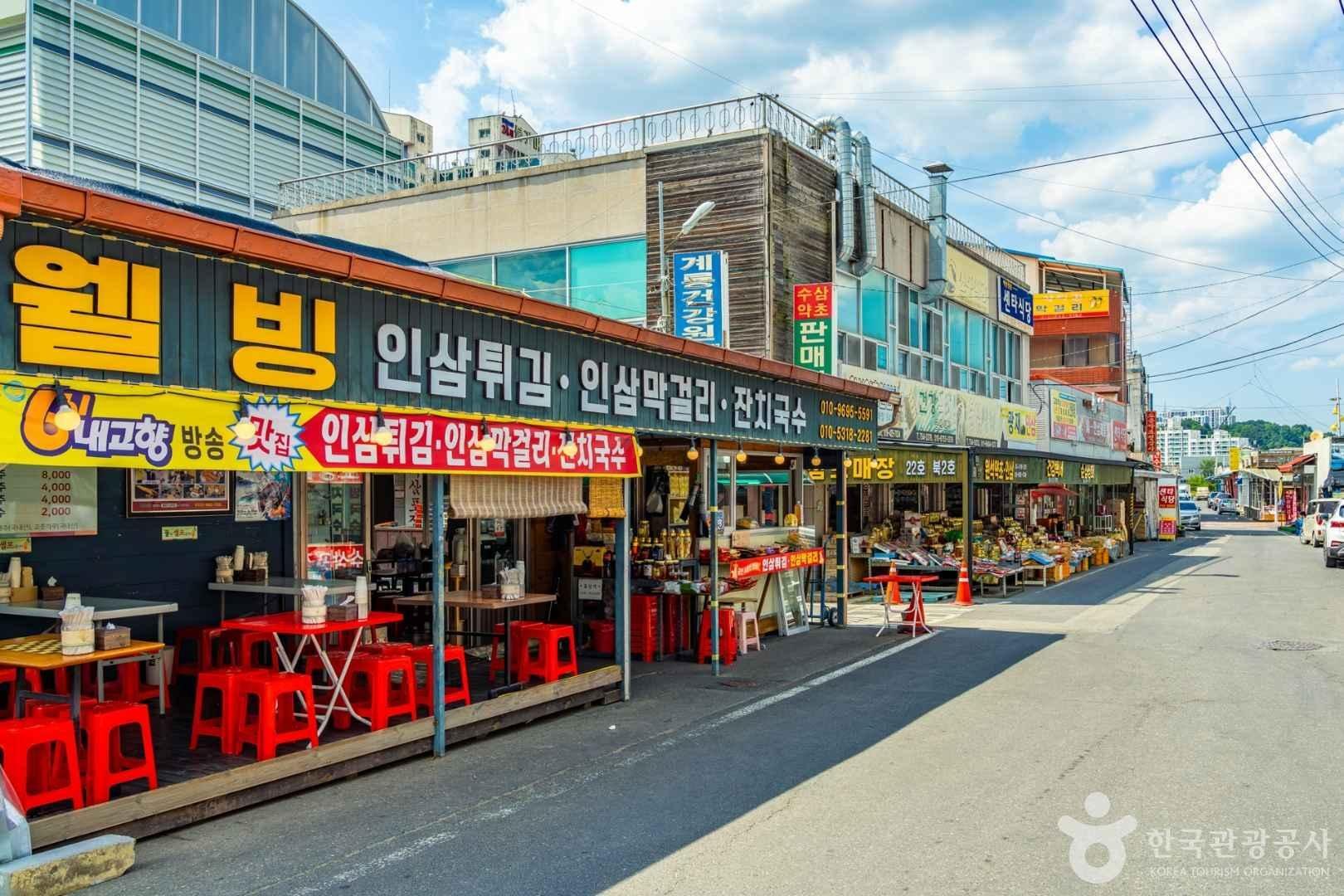
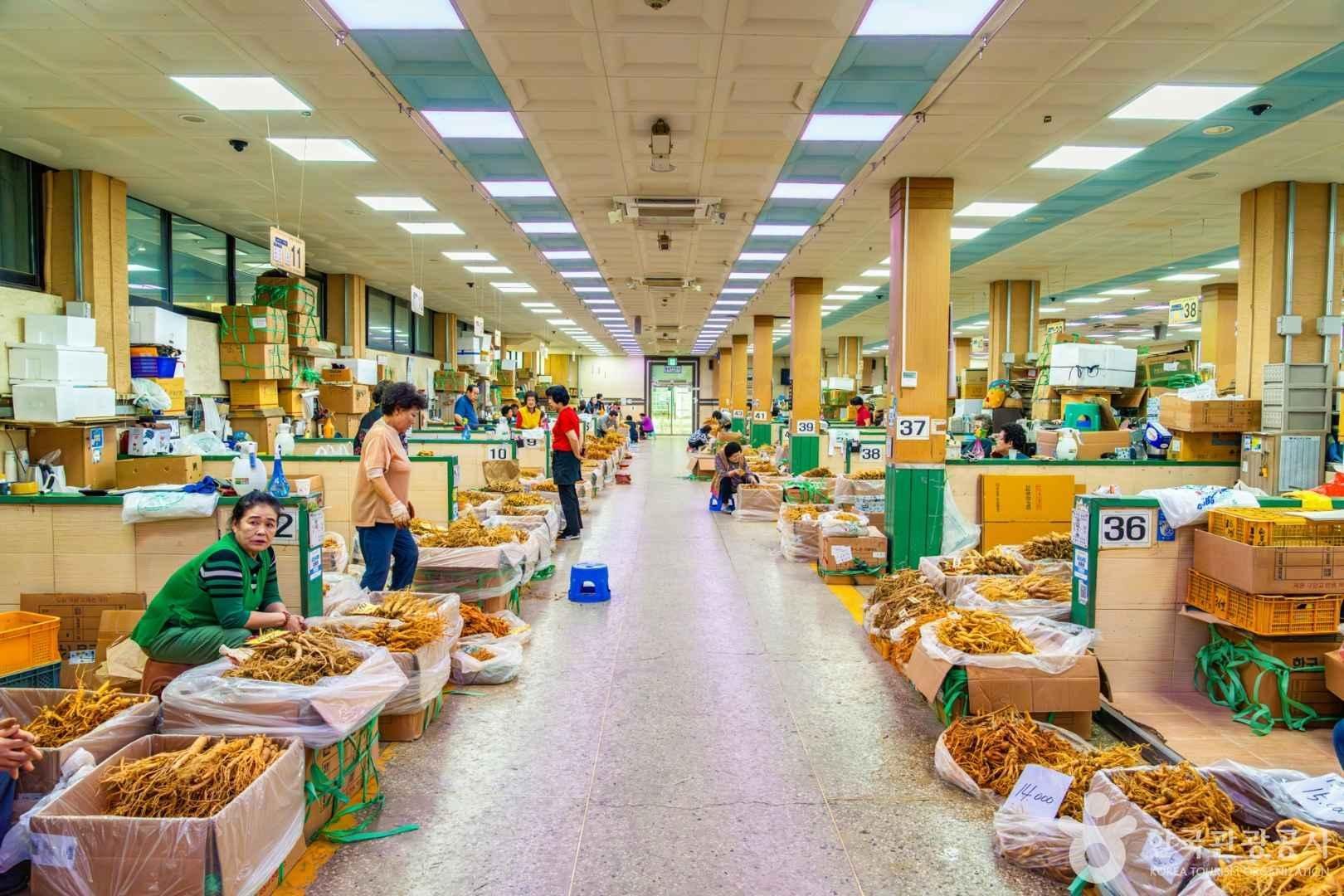
Ginseng is harvested every autumn from September to November. If you visit the Geumsan International Ginseng Market during this period, you'll find it bustling with merchants and customers.

The Geumsan region in Chungcheongnam-do is the largest ginseng producer in Korea. It is home to major markets like the Geumsan International Ginseng Market and the Geumsan Ginseng Center, where ginseng, red ginseng, and various medicinal herbs are sold in large quantities. Around these markets, there are many restaurants specializing in ginseng dishes such as deep-fried ginseng, samgyetang (ginseng chicken soup), and hanjeongsik (Korean-style full-course meal).


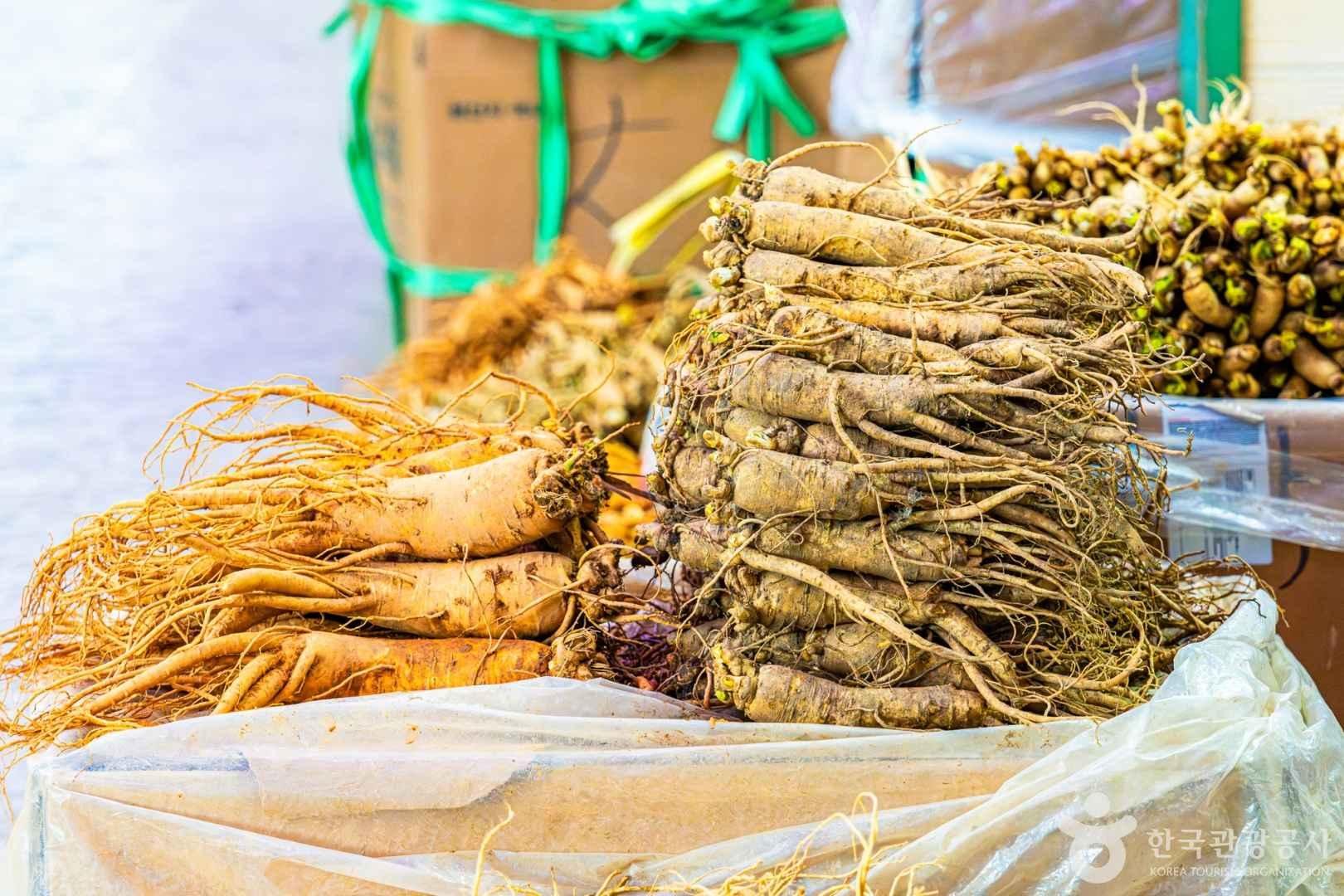
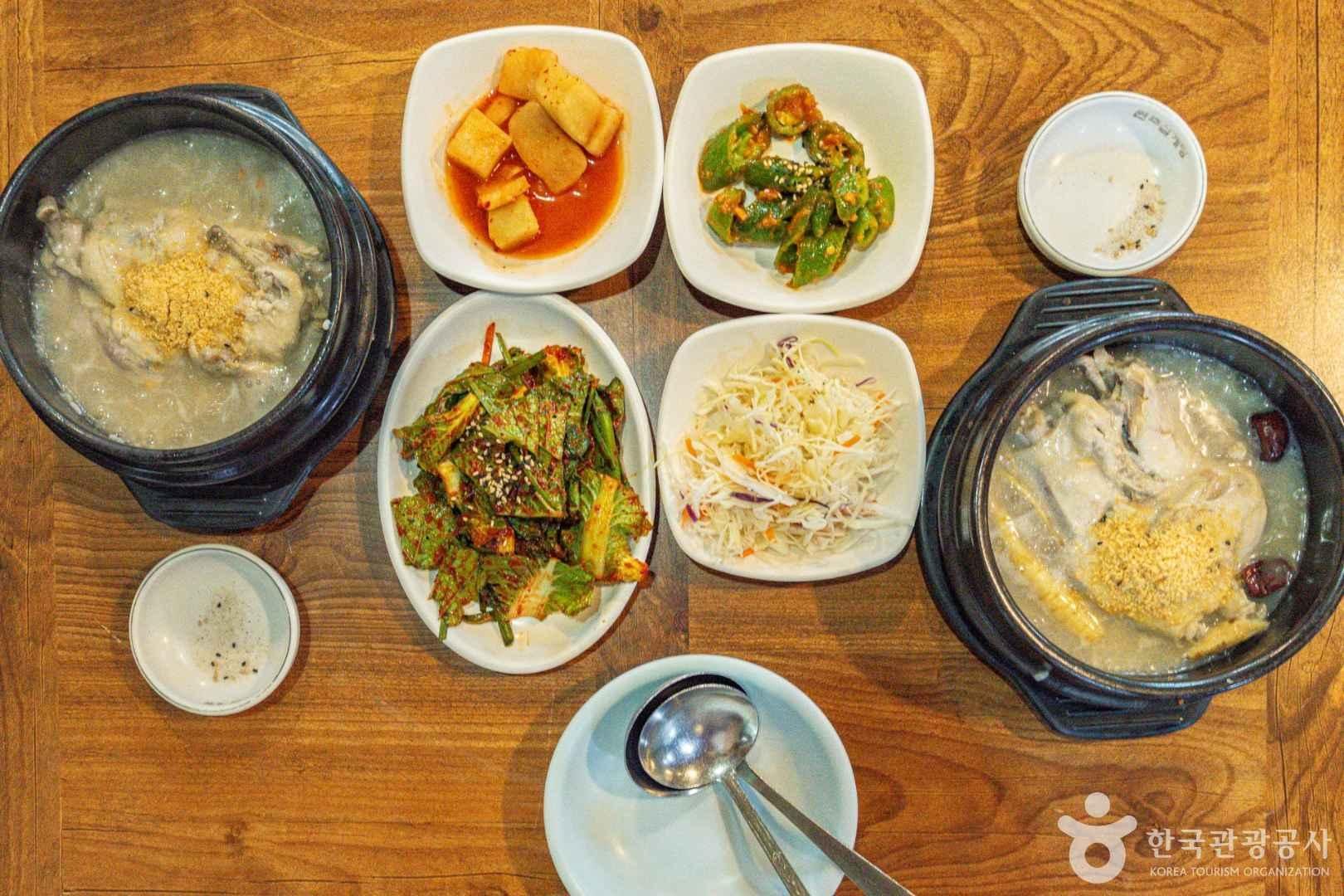
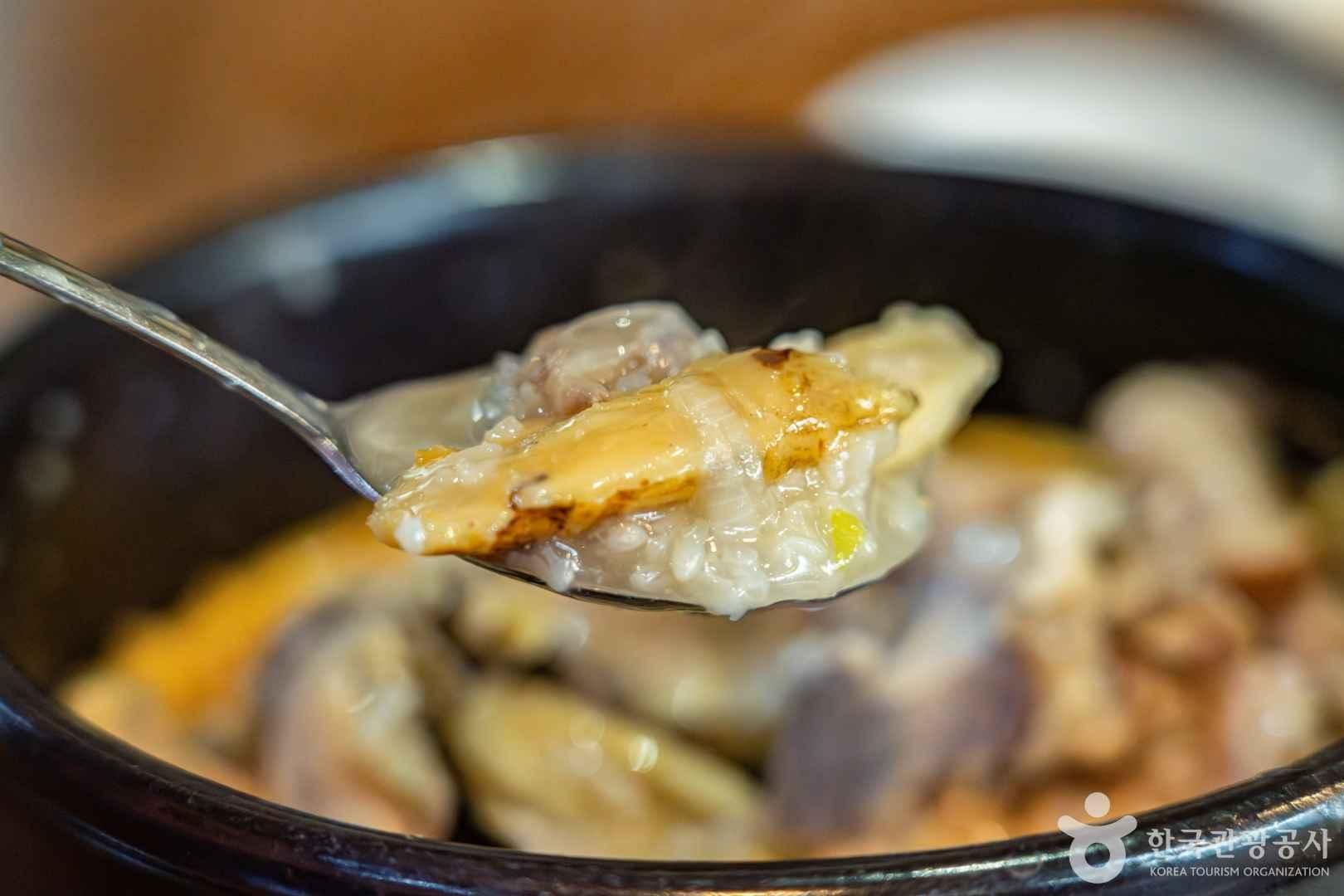
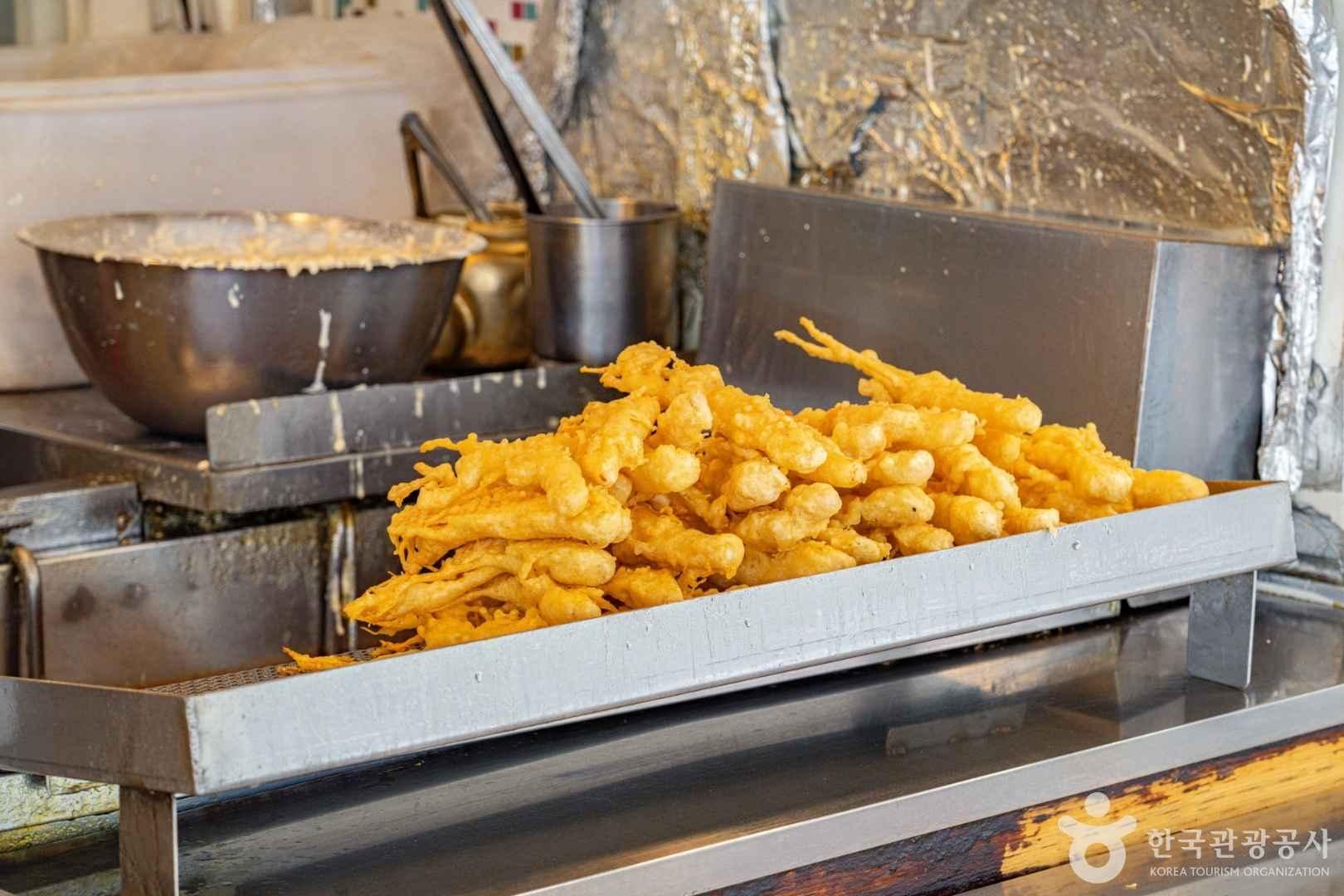
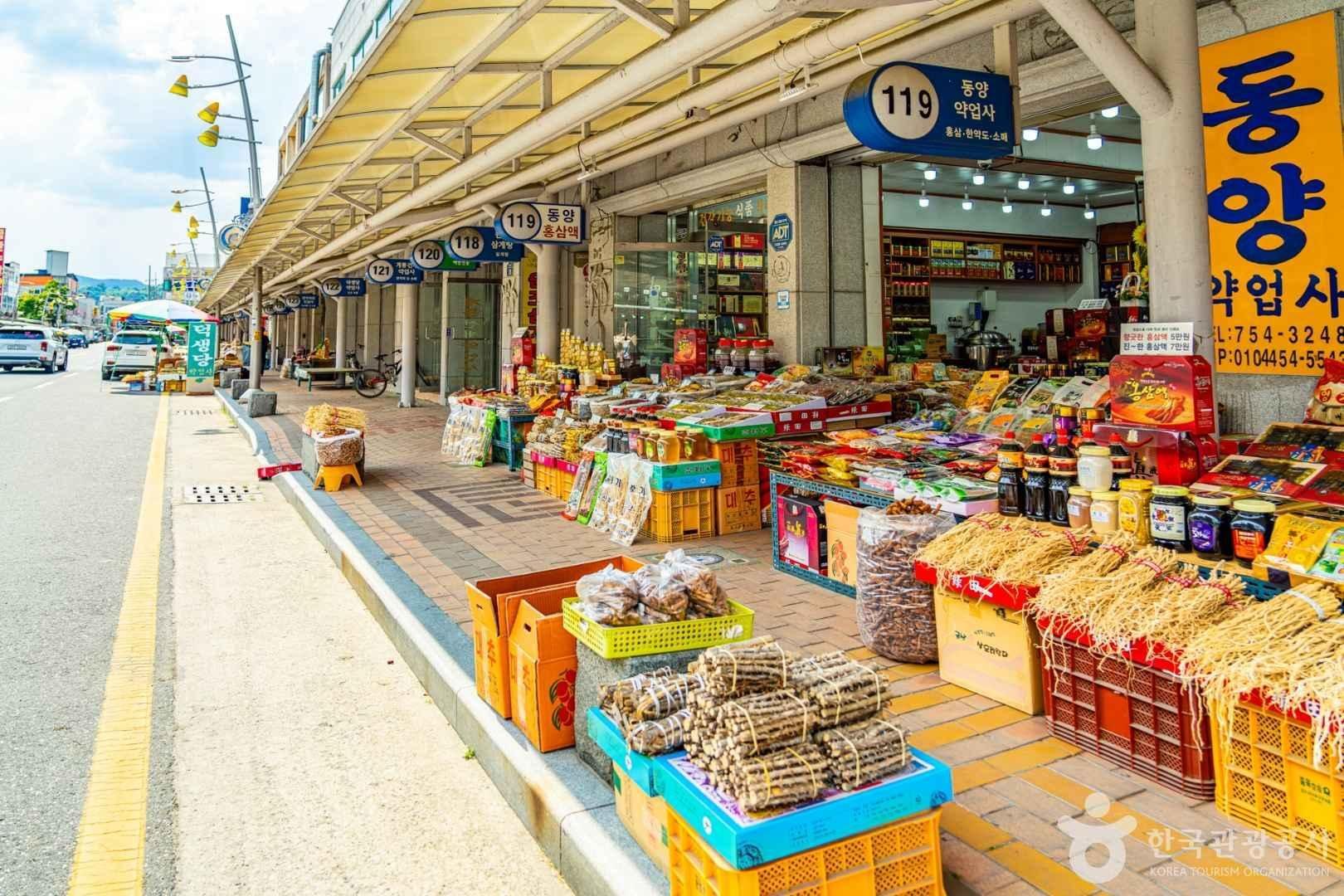
Among the crops cultivated in Korea, some are more valued for their medicinal properties than for their use as food ingredients. Ginseng, deodeok, and bellflower root are prime examples. These crops require much longer cultivation periods compared to normal crops. Ginseng, in particular, must be grown for at least six years to be considered high quality and command respect in the market. Once carefully harvested, ginseng is widely used either as a medicinal herb or for culinary purposes.
From Wild Ginseng to Cultivated Ginseng
In Korea, wild ginseng is referred to as "sansam." Before the cultivation of ginseng became common, sansam was virtually the only variety of ginseng found in the market. Sansam is rare and expensive, and it is believed to have stronger medicinal properties due to its long growth period in the wild compared to modern cultivated ginseng.
Ginseng from the Korean Peninsula began spreading to neighboring countries as early as the Three Kingdoms period. Records in historical texts such as Samguk Sagi and Maesilla Mulhae mention that ginseng, known as "Baekje ginseng" or "Silla ginseng," was highly valued as a gift or trading good. By the Goryeo Dynasty, ginseng trade had grown immensely, leading to the cultivation of ginseng. This began with "sanyangsam," which involved planting ginseng seeds in the mountains to grow wild.
From the Joseon period, ginseng cultivation transitioned to field-grown ginseng because the demand for ginseng had far exceeded what could be supplied by wild and sanyangsam alone. It is said that in 1541, Ju Se-bung, who was then serving as the magistrate of Punggi-gun, initiated the first attempt at field cultivation of ginseng in the village of Imsil, Punggi-eup, Yeongju.
The key to cultivating ginseng lies in re-creating its natural growing conditions as closely as possible. Since ginseng only grows in the shade, it's crucial to block out direct sunlight. In the past, shade was created by weaving tree branches, but today, black nets are used to shield the plants from sunlight. If you’re driving through the Korean countryside and see fields covered with black nets about one meter high, it is safe to assume that ginseng is being grown there.
Geumsan, The Center of Korean Ginseng
Ginseng grows best between 36 and 38 degrees north in latitude and is found in the central region of Korea as well as in China, Japan, the United States, Canada, and Nepal. Among these, Korean-grown ginseng is particularly renowned for its superior medicinal properties. This is because the saponin content, one of the key indicators of ginseng's efficacy, is two to three times higher in Korean ginseng than that grown in other regions.
The main ginseng-producing regions in Korea are Paju in Gyeonggi-do, Ganghwa in Incheon, Punggi in Gyeongsangbuk-do, and Geumsan in Chungcheongnam-do. Geumsan, in particular, is known to be the largest ginseng producer in Korea and is also the nation’s central hub for ginseng distribution. The largest wholesale ginseng market in Korea is located here, and you can catch the distinct aroma of ginseng and traditional herbal medicines in the air just walking past the market. Surrounding the market are numerous shops selling ginseng, red ginseng, and various other medicinal herbs. If you head to the Geumsan Ginseng Center, where ginseng wholesalers gather, you can find ginseng of various ages, ranging from four to six years.
In 2018, the UN Food and Agriculture Organization (UN FAO) designated Geumsan’s traditional ginseng farming methods as a part of its Globally Important Agricultural Heritage Systems (GIAHS) list. This designation takes into account factors such as food security, biodiversity in agriculture, local traditional knowledge systems, cultural and social values, and landscape characteristics. Geumsan’s ginseng farming earned international recognition for its traditional and eco-friendly agricultural practices.
Types of Ginseng
To choose the right ginseng, it's important to understand the different types. Susam (fresh ginseng) refers to unprocessed ginseng, while baeksam (white ginseng) is made by drying fresh ginseng to reduce its volume and extend its shelf life. Depending on its curvature, baeksam is further classified as jiksam (straight), goksam (bent), or bangoksam (half-bent), although these distinctions do not affect taste or nutritional value. Hongsam (red ginseng) is made by steaming fresh ginseng and then drying it until it turns red, while heuksam (black ginseng) is created by repeatedly steaming and drying hongsam to turn it black.
While people in Korea can freely choose and consume different types of ginseng, exporting ginseng usually requires purchasing processed products like hongsam. When selecting hongsam, it’s best to choose products with the highest concentration of ginseng and the least amount of other ingredients. The closer the product is to 100% red ginseng, the more expensive and effective it is.
Dishes Made with Ginseng
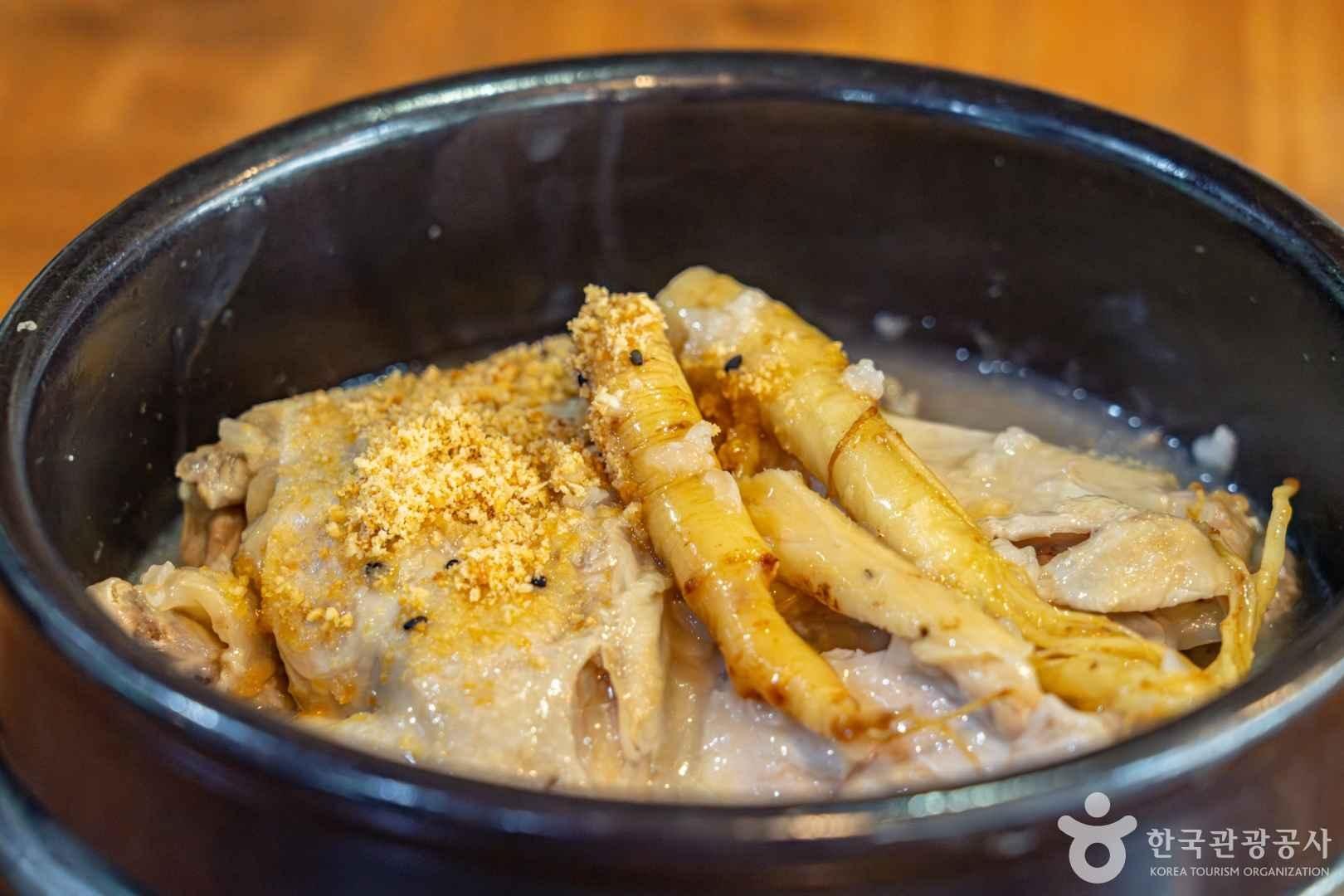
Among the many dishes made with ginseng, samgyetang is perhaps the most popular, with the "sam" in the name referring to ginseng. Samgyetang is a dish where a whole chicken is stuffed with glutinous rice, ginseng, jujube, chestnuts, astragalus, and various herbs, and then simmered to perfection. Samgyetang served in Geumsan contains more ginseng compared to other regions, and the bitterness of ginseng isn’t as pronounced, making it more enjoyable to eat.
How to Make Samgyetang
- Ingredients: approx. 500g in weight One whole chicken for samgyetang, 100g of glutinous rice, 1 root of ginseng, 6 to 8 cloves of garlic, green onions, medicinal herbs for samgyetang (this can be found in most grocery stores)
① Soak the glutinous rice for about an hour.
② Stuff the soaked glutinous rice into the belly of the cleaned chicken.
③ Bring 1.5L of water to a boil. If you have medicinal herbs for samgyetang, add them to the water.
④ Once the water boils, add the garlic and chicken, then simmer over low heat for 1 hour and 30 minutes.
⑤ Garnish with thinly sliced green onions and serve.
Another popular ginseng dish that can be found in Geumsan’s traditional markets or ginseng restaurants is deep-fried ginseng. Although the idea of frying medicinal herbs might seem unusual, it’s one of the best ways to enjoy the unique flavor of ginseng. That is because deep-frying ginseng softens the bitterness and brings out its sweetnes. In the Chungcheong region, ginseng is also ground and used as a seasoning in a local dish called eojuk (fish porridge). Additionally, snacks made with ginseng syrup such as red ginseng candy, red ginseng latte, and other sweets are popular as well.
More Ways to Enjoy Geumsan Ginseng
At the Geumsan Ginseng Museum, visitors can explore the history of ginseng cultivation, learn about its key components, and discover various ginseng-based recipes. For more information about ginseng, including current market prices, you can visit the website "Insamtong" run by Geumsan County at: www.geumsan.go.kr/insam/ (Languages available: Korean, English, Chinese, Japanese, and Vietnamese)
Geumsan hosts two ginseng-themed festivals each year. The first is the Geumsan Samgyetang Festival, held in July, and the second is the Geumsan World Ginseng Festival, held in October. The Geumsan Samgyetang Festival is held around the sambok period, the hottest period of the year in Korea. During this 20-day-long period, broken into chobok, jungbok, and malbok, many Koreans opt to eat healthy dishes to bolster their health. One such dish is samgyetang. Because ginseng is the main ingredient of samgyetang, Geumsan, a region famous for ginseng, has hosted this festival since 2021.
In early October, when ginseng begins to sprout, Geumsan World Insam Festival is held in Geumsan. This festival features a memorial service dedicated to the mountain spirit for helping the people of Geumsan cultivate ginseng. In addition, the festival features various programs such as ginseng harvest, traditional games, direct ginseng trade market, international ginseng trade exhibition, and export consultation.
Restaurants Information
Geumsan Wonjo Kim Jeongi Samgyetang
This restaurant serves samgyetang made with ginseng purchased directly from Geumsan Ginseng Market. Made by simmering chicken with dried jujube, cheongung (cnidium), and other ingredients for an hour, this chicken soup has a large following among not only the locals but also the merchants and customers that visit the Geumsan Ginseng Market. You can also try samgyetang, made with other ingredients, such as abalone, shingled hedgehog, and cordyceps.

Address:
(Daewon Sangga, 2nd floor), 33 Insamyakcho-ro, Geumsan-eup, Geumsan-gun, Chungcheongnam-do
Contact:
+82-41-752-2678
Signature Menu:
Teuk Jeonbok Samgyetang (special abalone and ginseng chicken soup) 26,000 KRW /
Dongchung-hacho (cordyceps) Samgyetang 21,000 KRW /
Neungi-beoseot (shingled hedgehog) Samgyetang 19,000 KRW /
Special Samgyetang 19,000 KRW /
Samgyetang KRW 15,000 KRW
Getting There:
Approx. 4 km from Geumsan TG on Tongyeong-Daejeon Expressway /
Approx. 1.7 km from Geumsan Terminal
Parking:
No on-site parking; nearby parking available at the free public parking lot at Geumsan Ginseng Center across the street
Seating:
140 seats
Menu Languages:
Korean, English, Japanese, and Chinese
Jeogok Sikdang
This restaurant is located at the entrance to Geumsan Insam Eojuk Village. It serves eojuk (fish porridge), a local dish in areas along the Geumgang River, served with Geumsan’s specialty, ginseng, which creates a unique dish with a unique flavor. The restaurant also serves deep-fried ginseng and doribaengbaengi (spicy braised freshwater sprats), another specialty of the Geumgang River area, as well as minmul maeuntang (spicy freshwater fish stew).
Address:
286 Geumgang-ro, Jewon-myeon, Geumsan-gun, Chungcheongnam-do
Contact:
+82-41-752-7350
Signature Menu:
Insam Eojuk (ginseng and fish porridge) 9,000 KRW /
Insam Twigim (deep-fried ginseng) 15,000 KRW
Getting There:
Approx. 4.2 km from Geumsan TG on Tongyeong-Daejeon Expressway /
Approx. 7.7 km from Geumsan Terminal
Parking:
Available (up to 10 spaces)
Seating:
40 seats
Menu Languages:
Korean, English, Japanese, and Chinese
Experience Information
Geumsan Samgyetang Festival
This festival is centered around samgyetang, a popular summer dish. It features a variety of programs centered around medicinal herbs, including samgyetang made with Geumsan ginseng, and a water park to blast away the summer heat.
Period:
Late July every year
Location:
30 Insamgwangjang-ro, Geumsan-eup, Geumsan-gun, Chungcheongnam-do
Admission:
Free
Experience / Exhibition Hall:
Geumsan samgyetang sales, Geumsan yakseon (medicinal) cuisine experience, Geumsan medicinal herb experience hall, water park
Experience Programs:
Family summer culture programs (summer fan-making, flower tea-making, upcycling craft classes, etc.), cooking classes, performances, etc.
Geumsan Ginseng Museum
This museum showcases the history, benefits, and cultivation process of ginseng, along with various dishes and processed products made with ginseng.
Address:
30 Insamgwangjang-ro, Geumsan-eup, Geumsan-gun, Chungcheongnam-do
Contact:
+82-41-750-2934
Operating Hours:
09:00–18:00 (Closed on January 1, Seollal, and Chuseok)
Admission:
Free
Program:
Exhibitions on ginseng industry, food, history, etc.
Parking:
Available (up to 40 spaces)
Geumsan Ginseng International Market
Since 1986, this market has specialized in ginseng and medicinal herbs. It offers not only fresh ginseng, but also ginseng extract, ginseng jelly, and a variety of other processed ginseng products. Many shops also offer various other medicinal herbs. While there is a fifth-day market that is held on days ending in 2 and 7 each month, some stores remain open regularly.
Address:
45 Insamyakcho-ro, Geumsan-eup, Geumsan-gun, Chungcheongnam-do
Operating Hours:
09:00–19:00(depends on the store)
Parking:
Market parking lot (up to 60 spaces)
Geumsan World Insam Festival
This festival commemorates the local legend of a mountain spirit who granted the locals the secrets to ginseng cultivation nearly 1,500 years ago. It holds a ceremony to thank the mountain spirit and to hope for a good year of ginseng farming, along with various ginseng-related experiences.
Period:
Every October
Location:
30 Insamgwangjang-ro, Geumsan-eup, Geumsan-gun, Chungcheongnam-do
Admission:
Free
Program:
Ginseng harvest, ginseng art, health lectures, traditional games, street market, robot performance, hanbok experience, international ginseng trade exhibition, export consultation, etc.
Website:
www.insamfestival.co.kr (Korean, English, Japanese, and Chinese)

1330 Helpline Call/Chat

Start a FREE Online Call(No charges for calls on Wi-Fi /
Data charges may apply)

Open 1330 Helpline Chat(Download not required)



Open messenger app(Messenger app must be installed)