
Current language
English
- Log in
-
- Sydney Overseas Office
- London Overseas Office
- Toronto Overseas Office
- Los Angeles Overseas Office
- New York Overseas Office
- Ulaanbaatar Overseas Office
- Dubai Overseas Office
- New Delhi Overseas Office
- Manila Overseas Office
- Jakarta Overseas Office
- Hanoi Overseas Office
- Kuala Lumpur Overseas Office
- Singapore Overseas Office
- Bangkok Overseas Office
- Map
Popular search
- Sydney Overseas Office
- London Overseas Office
- Toronto Overseas Office
- Los Angeles Overseas Office
- New York Overseas Office
- Ulaanbaatar Overseas Office
- Dubai Overseas Office
- New Delhi Overseas Office
- Manila Overseas Office
- Jakarta Overseas Office
- Hanoi Overseas Office
- Kuala Lumpur Overseas Office
- Singapore Overseas Office
- Bangkok Overseas Office
Contents View
- HOME
- Contents View
-
-
-
Pine Mushroom: A Unique Fragrance That Fills Every Bite
-
02/20/2025
-
152
0
0
-
-
-
-
Yangyang Pine Mushroom: A Unique Fragrance That Fills Every Bite
When & Where

Pine Mushrooms are at their best in the fall. The best time to enjoy them is about a 15-day-long period after the Korean holiday of Chuseok.

Yangyang is a region famous for pine mushrooms in Korea. It has the most active pine mushroom auction scene in Korea.
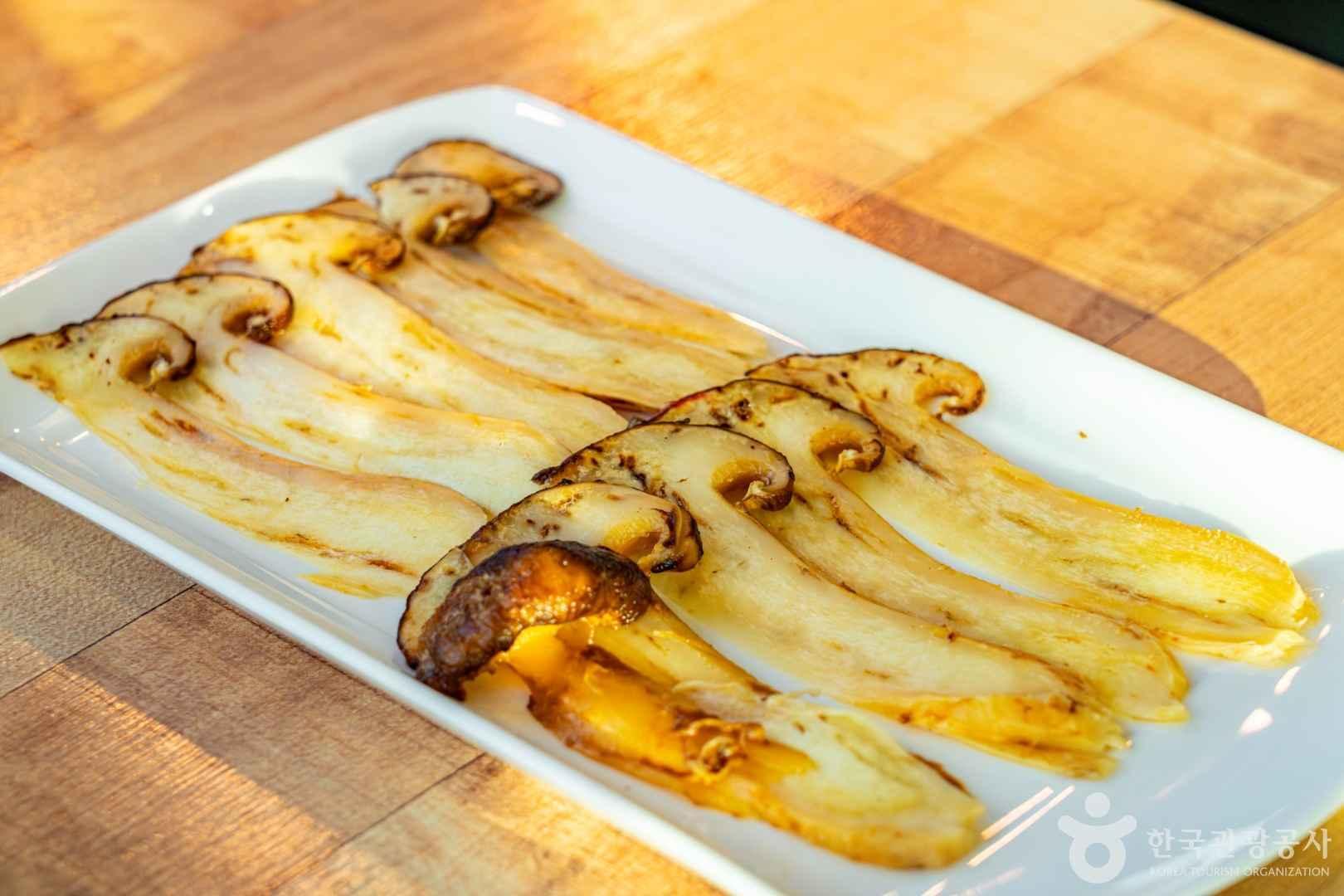
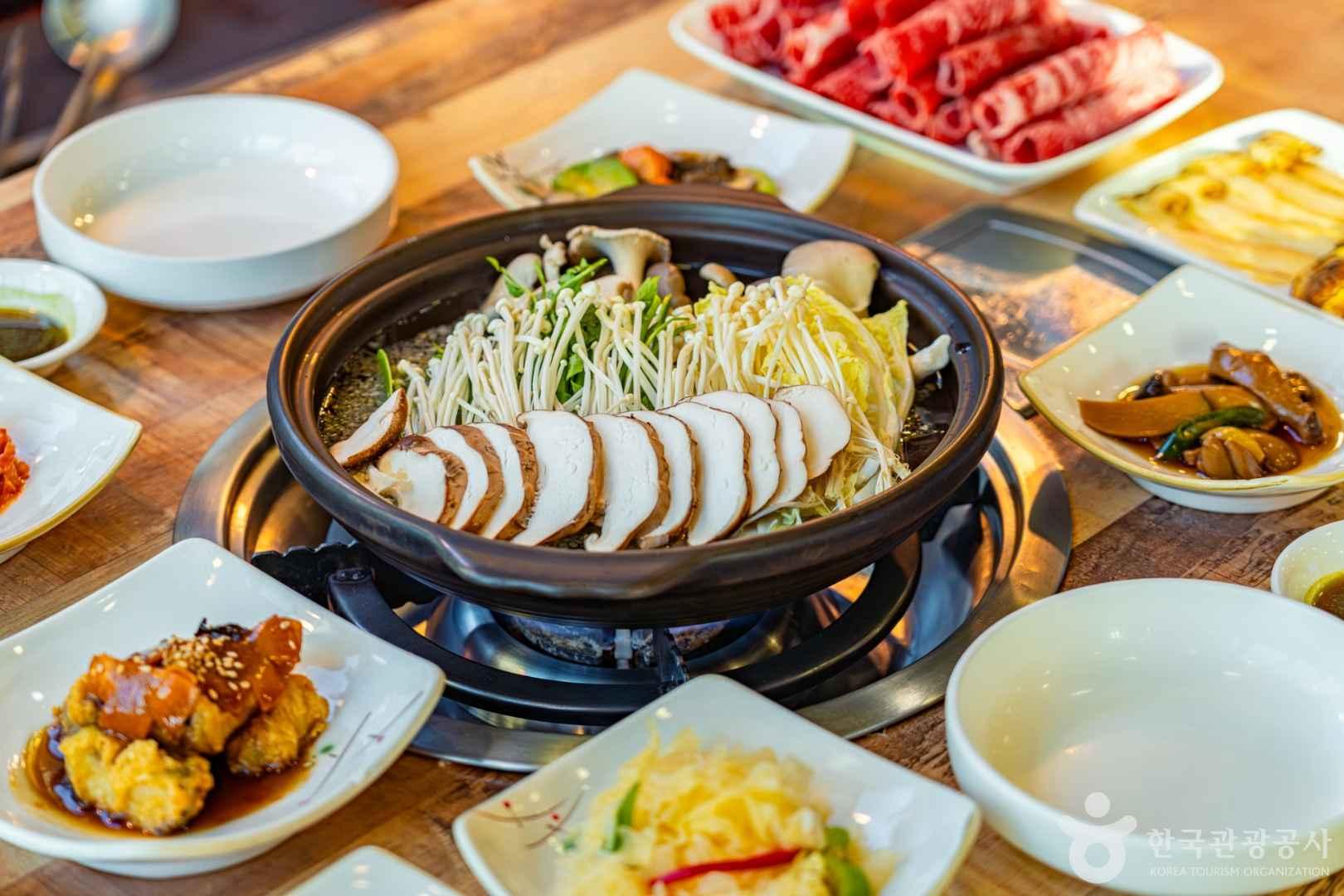
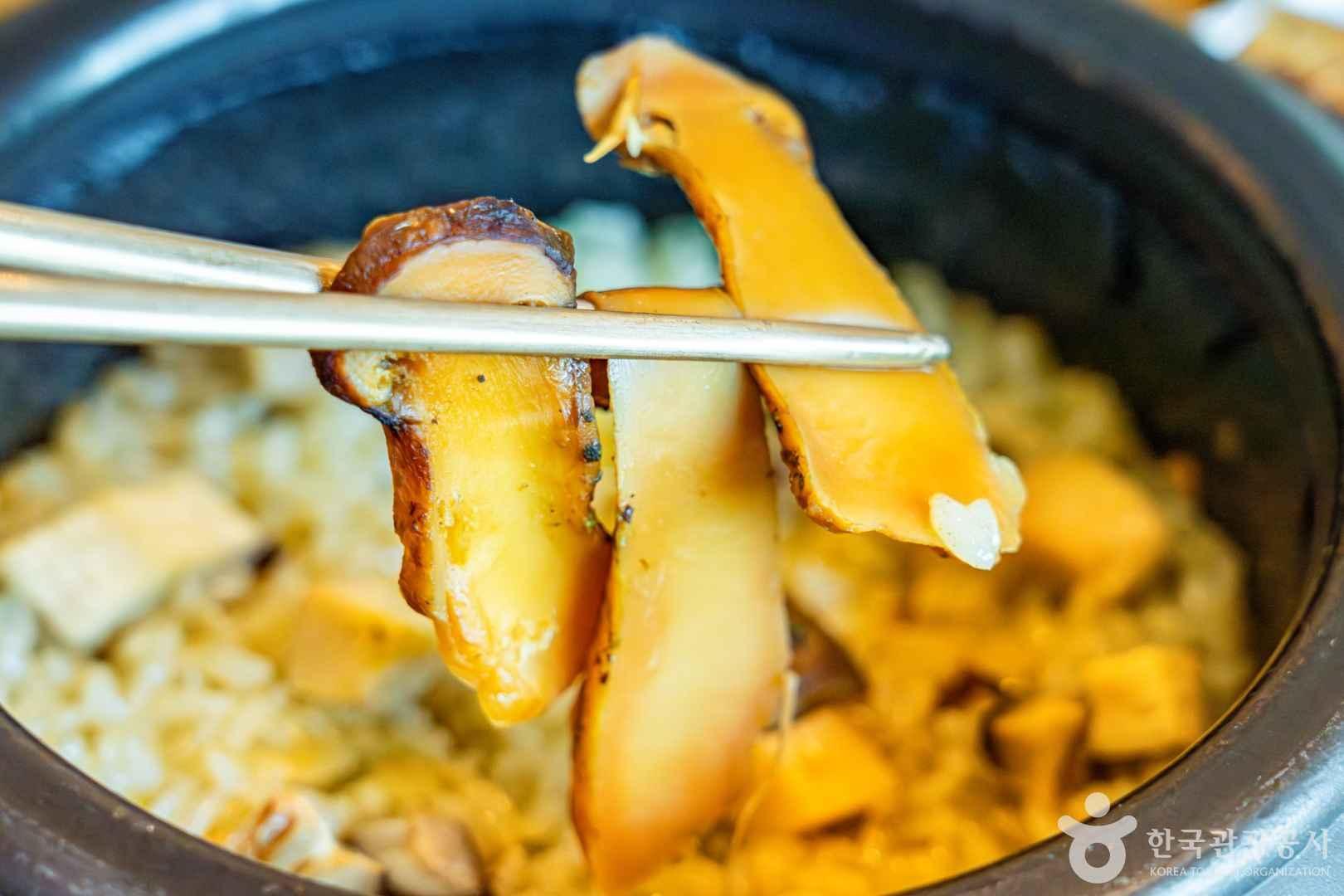
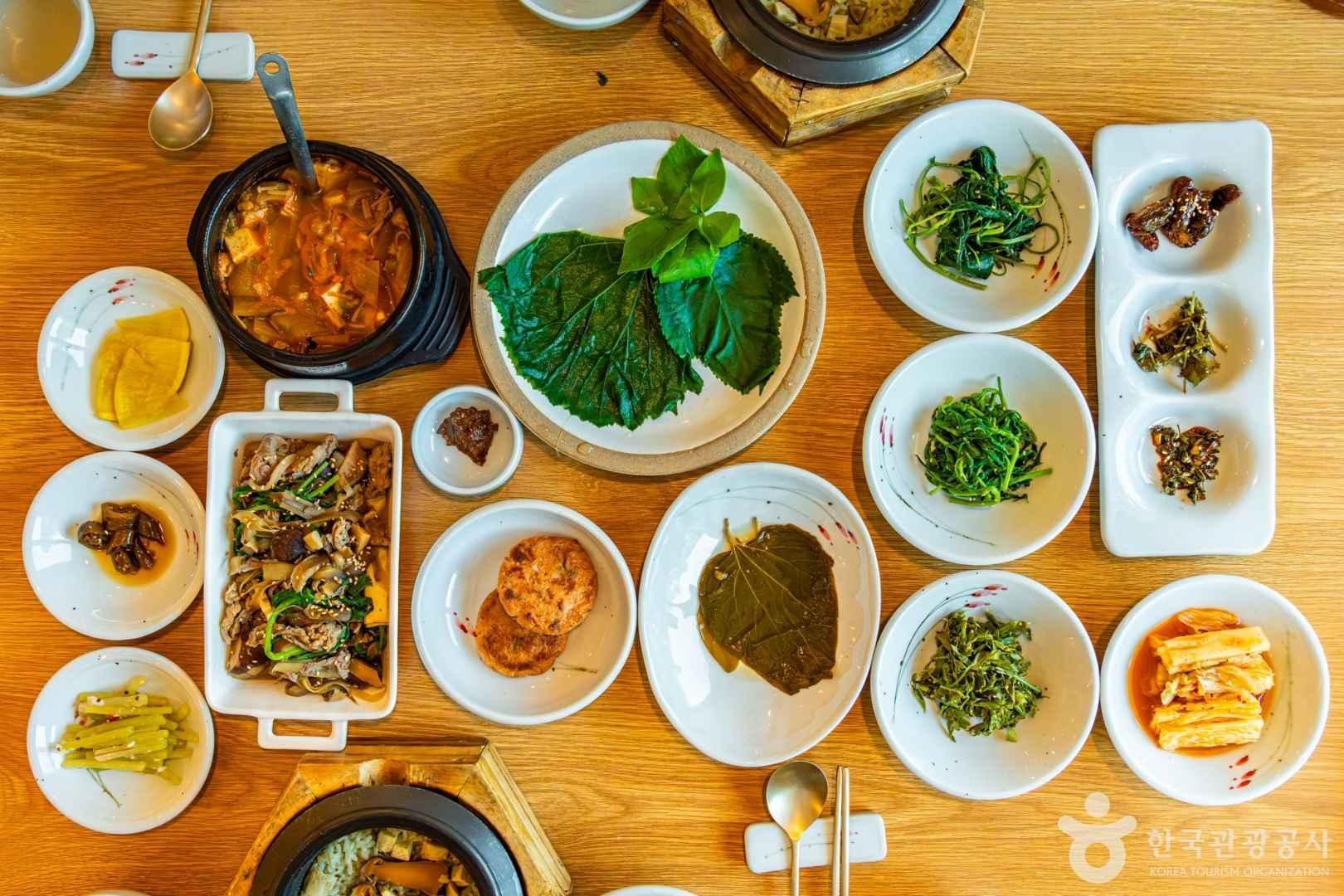
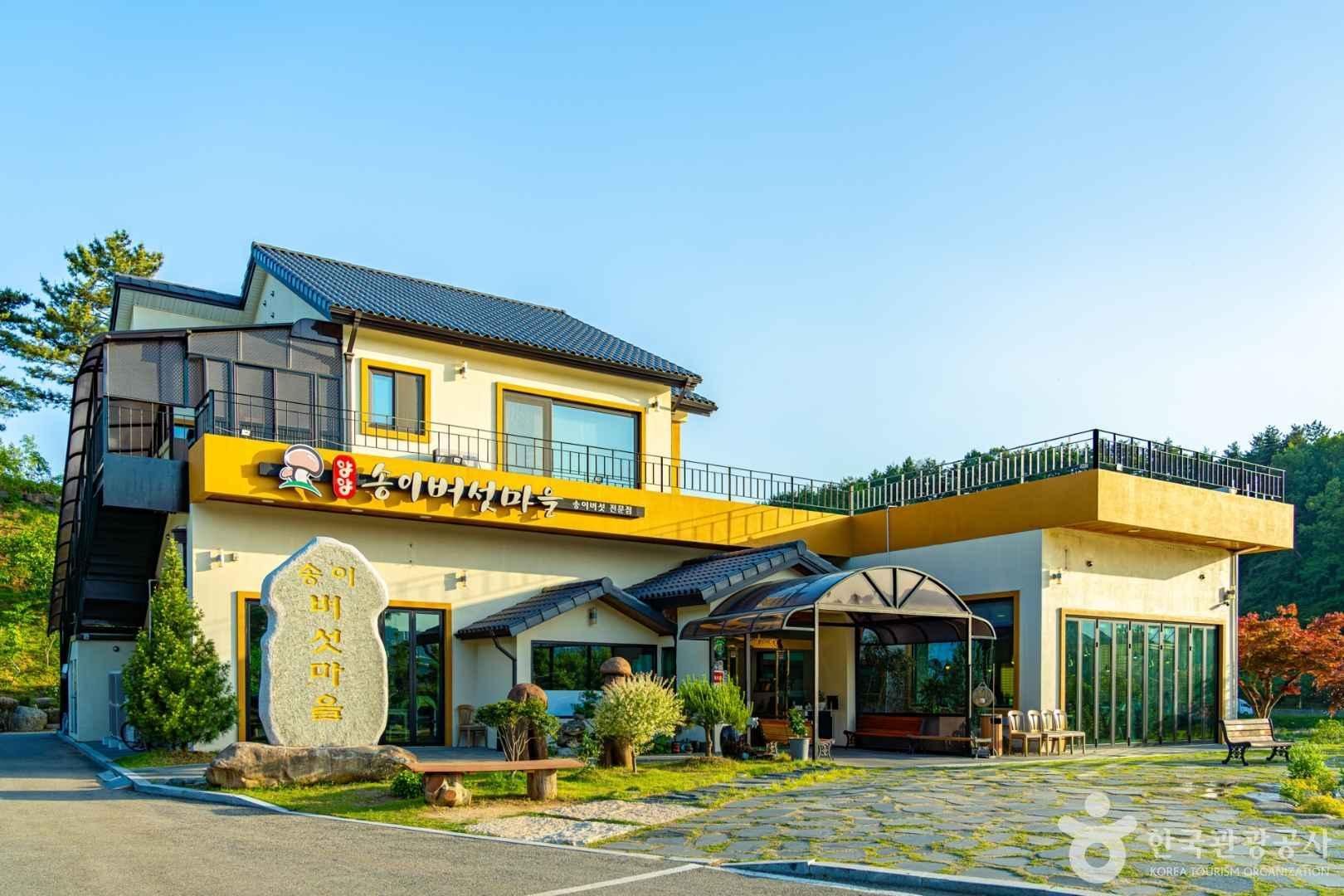
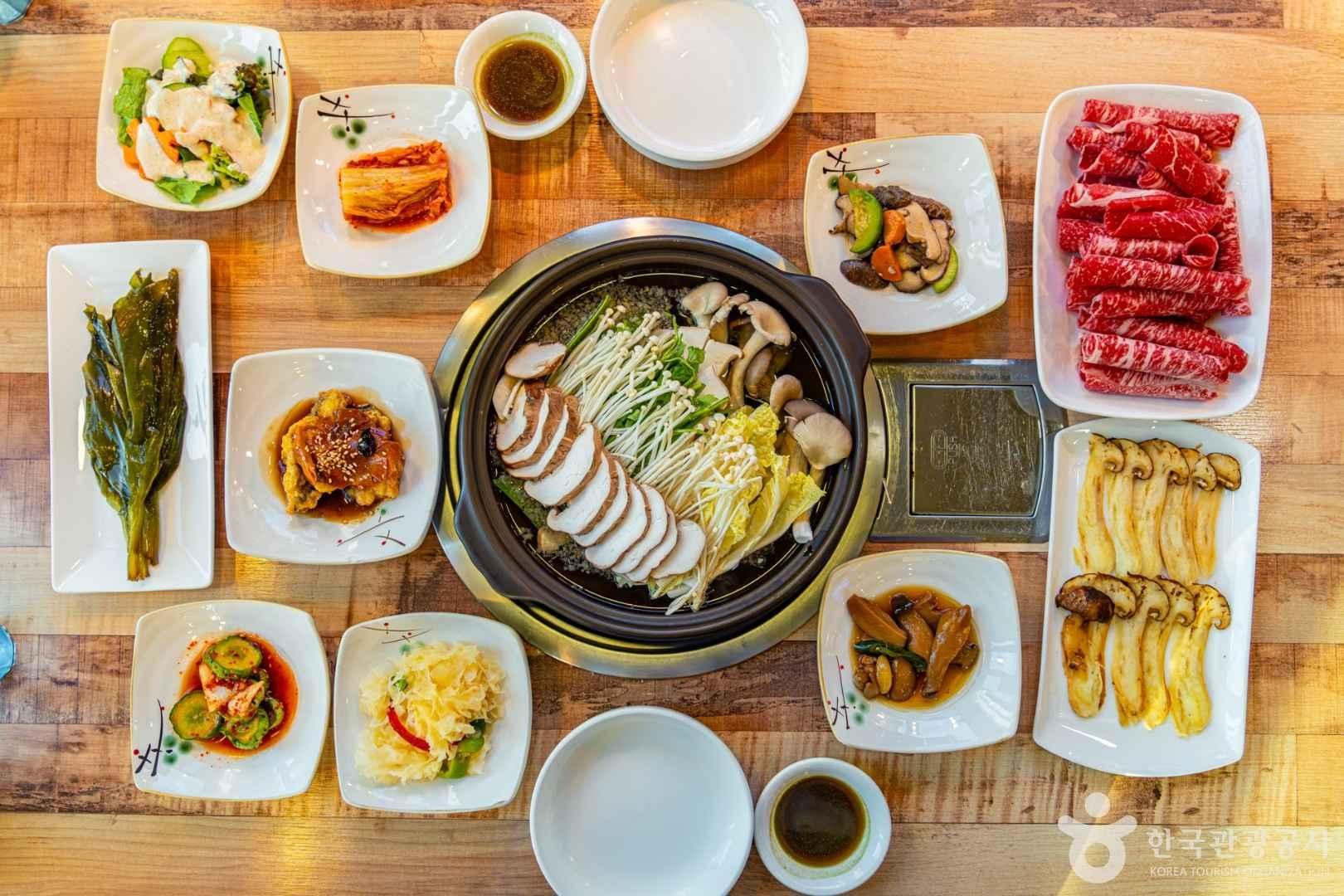
Over many years, humanity has identified nearly 100 types of edible mushrooms, with pine mushrooms (songibeoseot in Korean) being among the most esteemed. To sample the fragrance of these delectable mushrooms, Yangyang, in Gangwon-do is an ideal destination.
Types of Mushrooms
Edible mushrooms are divided into two groups according to their use: Medicinal use and cooking. The former includes reishi mushrooms and black hoof mushrooms, which are boiled in water or used as medicinal ingredients in traditional medicine. The latter can be eaten raw but is more often used to prepare different dishes. In fall, traditional markets and fifth-day markets of Gangwon-do offer a great variety of mushrooms.
Characteristics of Pine Mushrooms, Yangyang’s Specialty
Mushrooms help return organic matter into the soil by breaking it down into minerals. That is why mushrooms are commonly found on fallen logs. Pine mushrooms, however, are an exception, as they tend to grow near living trees. Generally, mushrooms grown for human consumption are cultivated by introducing fungi into a container filled with sawdust or wood chips. However, because pine mushrooms grow on living trees, they cannot be cultivated.
True to their name, pine mushrooms grow near pine trees that are at least 20 years old. They require optimal moisture levels and shade to thrive. Even if they have grown to a good size, pine mushrooms only protrude slightly over the dried pine needles, making them quite difficult to find for those unaccustomed to gathering them.
Pine mushrooms have a firmer texture and a distinctive aroma that sets them apart from other types of mushrooms. To retain their fragrance, pine mushrooms should not be washed in water but rather be dusted lightly with a soft cloth. Imported pine mushroom is washed in water before being imported, so they tend to be less fragrant than the ones gathered in Korea.
Pine mushroom harvesting begins before Chuseok and ends when the trees change colors. They are deemed to be even more precious than others as they are only available for a short period of time during the fall. Some pine mushrooms that have not yet formed their caps are given as gifts and can command prices exceeding KRW 1 million. Pine mushrooms with fully formed caps are not used as gifts, as the makes them more fragile, though they are still suitable for eating.
How to Enjoy Pine Mushrooms
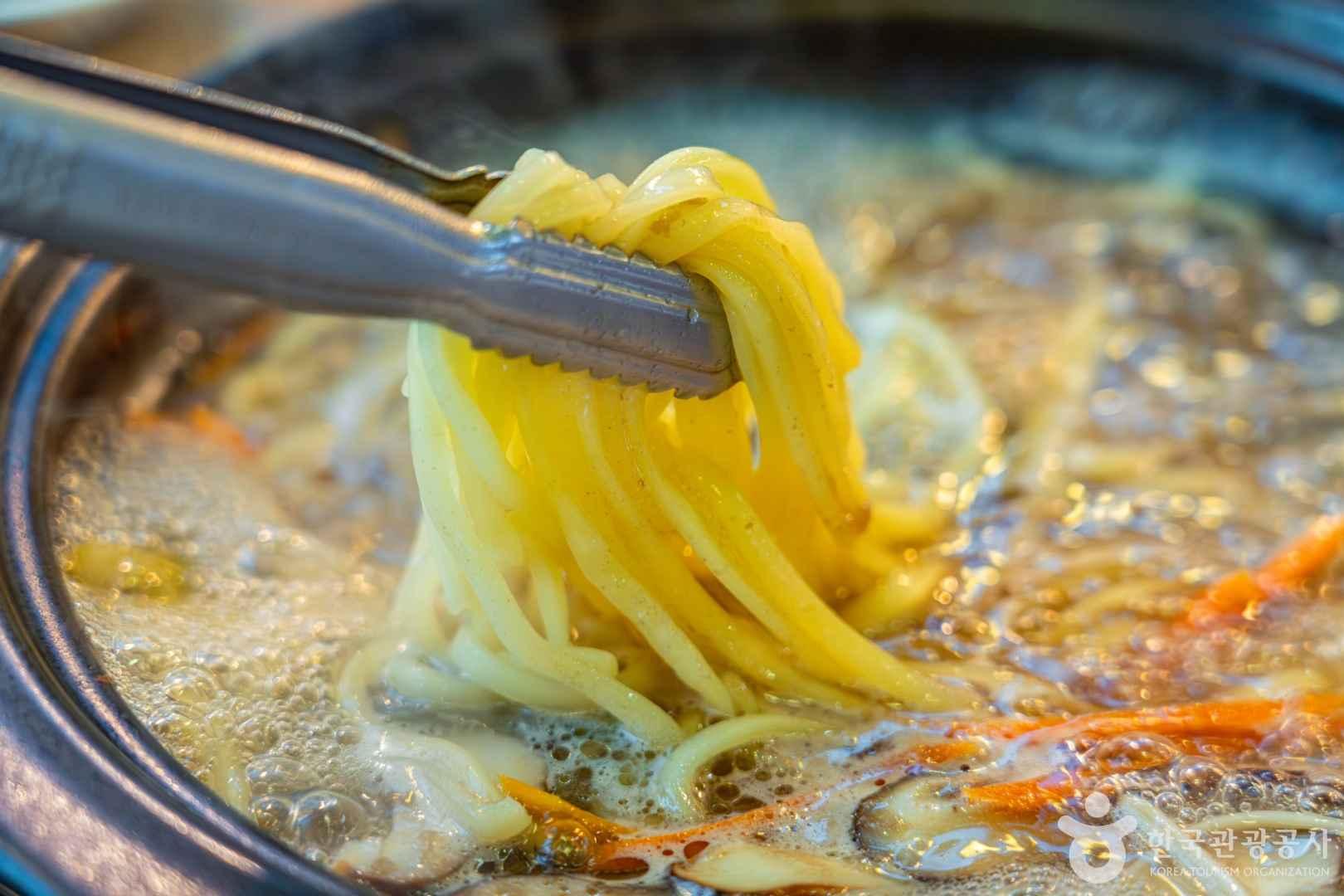
A good way to fully enjoy the flavor of pine mushrooms is through shabu-shabu. If you order shabu-shabu in restaurants serving pine mushrooms, you will get a pot full of various vegetables and mushrooms. The way to enjoy the mushrooms is to blanch them quickly in the vegetable broth. Once you’ve finished the ingredients, you can use the broth—now enriched with the fragrance of pine mushrooms and meat—to make porridge, noodle soup, or fried rice.
Another way to enjoy pine mushrooms is to grill them on a griddle with beef. Grilling the pine mushrooms with beef fat can elevate the texture and the fragrance to another level. For a more affordable option, you might try ‘pine mushroom pot rice,’ which is made by topping rice with thinly sliced pine mushrooms and steaming them. This creates a delectable pot of steamed rice infused with the rich fragrance of pine mushrooms.
Varieties of Mushrooms Found in Yangyang
Other types of mushrooms that can be found in fall in Yangyang are coral mushrooms and shingled hedgehogs. Coral mushrooms have a broom-like shape and need to be soaked in salt water for an extended period to remove toxins before eating. Shingled hedgehogs are popular for their mild fragrance and chewy texture. They are enjoyed in similar ways to coral mushrooms, such as by blanching in salt water or adding them to soup.
Restaurants Information
Deungbul Garden
This restaurant serves a delectable combination of pine mushrooms and Yangyang Korean beef. Every fall, you can enjoy grilled natural pine mushrooms with Korean beef special cuts and rib eye. Note that while the meat is served throughout the year, pine mushrooms are only offered when they can be harvested. Other popular dishes include Korean beef bulgogi with pine mushrooms and hot pot. American pop singer and producer Kanye West once visited this restaurant.

Address:
23 Powolladeul-gil, Yangyang-eup, Yangyang-gun, Gangwon-do
Contact:
+82-33-671-1500
Signature Menu:
Jayeonsan Songibeoseot Jeongol (natural pine mushroom hot pot) – KRW 60,000 /
Korean Beef Special Cuts (150 g) – KRW 55,000 /
Korean Beef Rib Eye (180 g) – KRW 55,000
Getting There:
Approx. 6.5 km from Yangyang TG on Seoul-Yangyang Expressway /
Approx. 2.5 km from Yangyang Bus Terminal
Parking:
Available (up to 15 spaces)
Seating Capacity:
120 seats
Menu Languages:
Korean, English, Japanese, and Chinese
Songibeoseot Maeul
This restaurant serves a variety of dishes made with pine mushrooms. You can, for instance, enjoy songibeoseot jeongol (pine mushroom hot pot) with Korean beef in a shabu-shabu style. After eating the mushrooms and the beef, you can add noodles to the soup, which goes quite well with the broth, now richly infused with the flavors of pine mushrooms and Korean beef.
Address:
339 Wol-ri, Yangyang-eup, Yangyang-gun, Gangwon-do
Contact:
+82-33-672-3145
Signature Menu:
Songibeoseot Jeongol (pine mushroom hot pot) – KRW 30,000 /
Neungibeoseot Jeongol (shingled hedgehog hot pot; minimum order for 2 people) – KRW 28,000
Getting There:
Approx. 5.8 km from Yangyang TG on Seoul-Yangyang Expressway
Parking:
Available (up to 50 spaces)
Seating Capacity:
45 seats
Menu Languages:
Korean, English
Dalraechon
This healing-themed park, operated by an agricultural cooperative in Hawolcheon-ri, offers a restaurant, accommodations, and various experience programs. The restaurant serves a selection of Myeongpum Bapsang set menus, featuring a variety of medicinal herbs, mushrooms, and wild vegetables. These dishes allow guests to savor the unique flavors and aromas of freshly harvested wild vegetables. Another notable feature of the theme park is its Finnish sauna facilities.
Address:
634 Hwasangcheon-ro, Hyeonnam-myeon, Yangyang-gun, Gangwon-do
Contact:
+82-33-673-2201
Signature Menu:
Myeongpum Songi Dolsotbap (premium pine mushroom hot stone pot rice) – KRW 33,000
Getting There:
Approx. 7.9 km from S. Yangyang TG on Donghae Expressway
Parking:
Available (up to 20 spaces)
Seating Capacity:
72 seats
Menu Languages:
Korean
Experience Information
Yangyang Pine Mushroom & Salmon Festival
This festival is held every October around Yangyang’s Namdaecheon Stream area. It features both the food-tasting programs, where you can sample pine mushrooms and salmon, as well as water sports on Namdaecheon Stream. The festival also hosts exhibitions of photography, painting, and poetry themed after Yangyang, and in the evening, it offers a variety of performance programs.
Period:
Every October
Location:
Namdaecheon streamside, multipurpose square, Yangyang Market, etc., in Yangyang-gun, Gangwon-do
Admission:
Free
Program:
Pine mushroom & salmon sampling, water sports experience, photography and picture exhibitions, etc.
Yangyang Traditional Market
Yangyang Traditional Market includes a fifth-day market, held on days ending in 4 and 9 of each month, along with a permanent market, featuring around 200 shops. The market offers a great variety of local dishes, like sanchae bibimbap (wild vegetable bibimbap) and dongchimi makguksu (buckwheat noodles with radish water kimchi). In fall, visitors can also find wild mushrooms.
Address:
9 Nammun 5-gil, Yangyang-eup, Yangyang-gun, Gangwon-do
Operating Hours:
09:00–18:00(depends on the store)
Parking:
Yangyang Traditional Market Public Parking Lot

1330 Helpline Call/Chat





Start a FREE Online Call
(No charges for calls on Wi-Fi /
Data charges may apply)
Open 1330 Helpline Chat(Download not required)
Open messenger app(Messenger app must be installed)