

Current language
English
- Log in
-
- Sydney Overseas Office
- London Overseas Office
- Toronto Overseas Office
- Los Angeles Overseas Office
- New York Overseas Office
- Ulaanbaatar Overseas Office
- Dubai Overseas Office
- New Delhi Overseas Office
- Manila Overseas Office
- Jakarta Overseas Office
- Hanoi Overseas Office
- Kuala Lumpur Overseas Office
- Singapore Overseas Office
- Bangkok Overseas Office
- Map
Popular search
- Sydney Overseas Office
- London Overseas Office
- Toronto Overseas Office
- Los Angeles Overseas Office
- New York Overseas Office
- Ulaanbaatar Overseas Office
- Dubai Overseas Office
- New Delhi Overseas Office
- Manila Overseas Office
- Jakarta Overseas Office
- Hanoi Overseas Office
- Kuala Lumpur Overseas Office
- Singapore Overseas Office
- Bangkok Overseas Office
Contents View
-
-
-
Yukjeon: An Indispensable Dish for Korean Celebrations
-
02/20/2025
-
712
1
1
-
-
-
-
Yukjeon: An Indispensable Dish for Korean Celebrations
When & Where

Yukjeon (pan-fried battered beef) can be enjoyed in any season. However, it tastes best when freshly made on the spot.

Many restaurants in downtown Gwangju are famous for their delicious yukjeon.
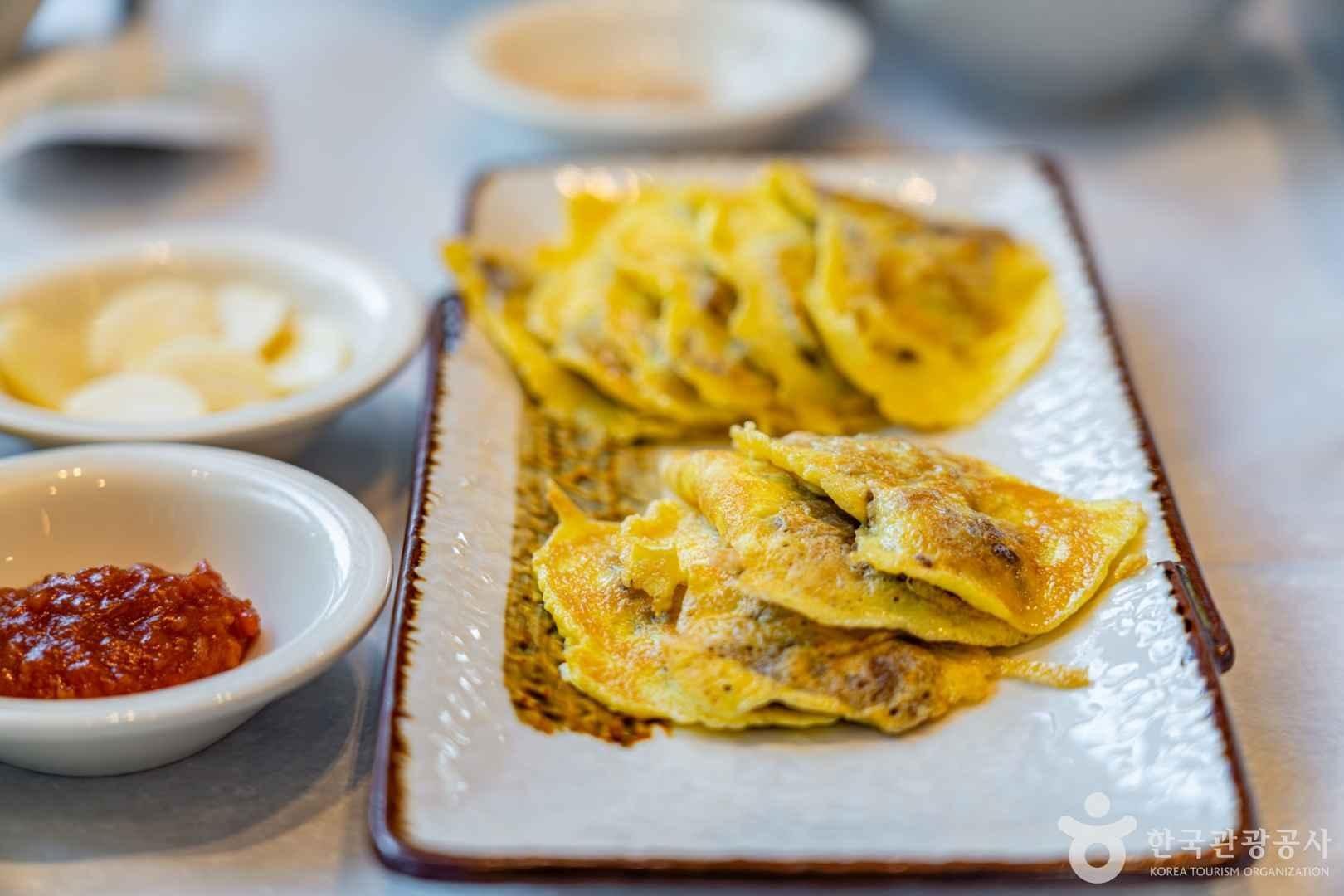

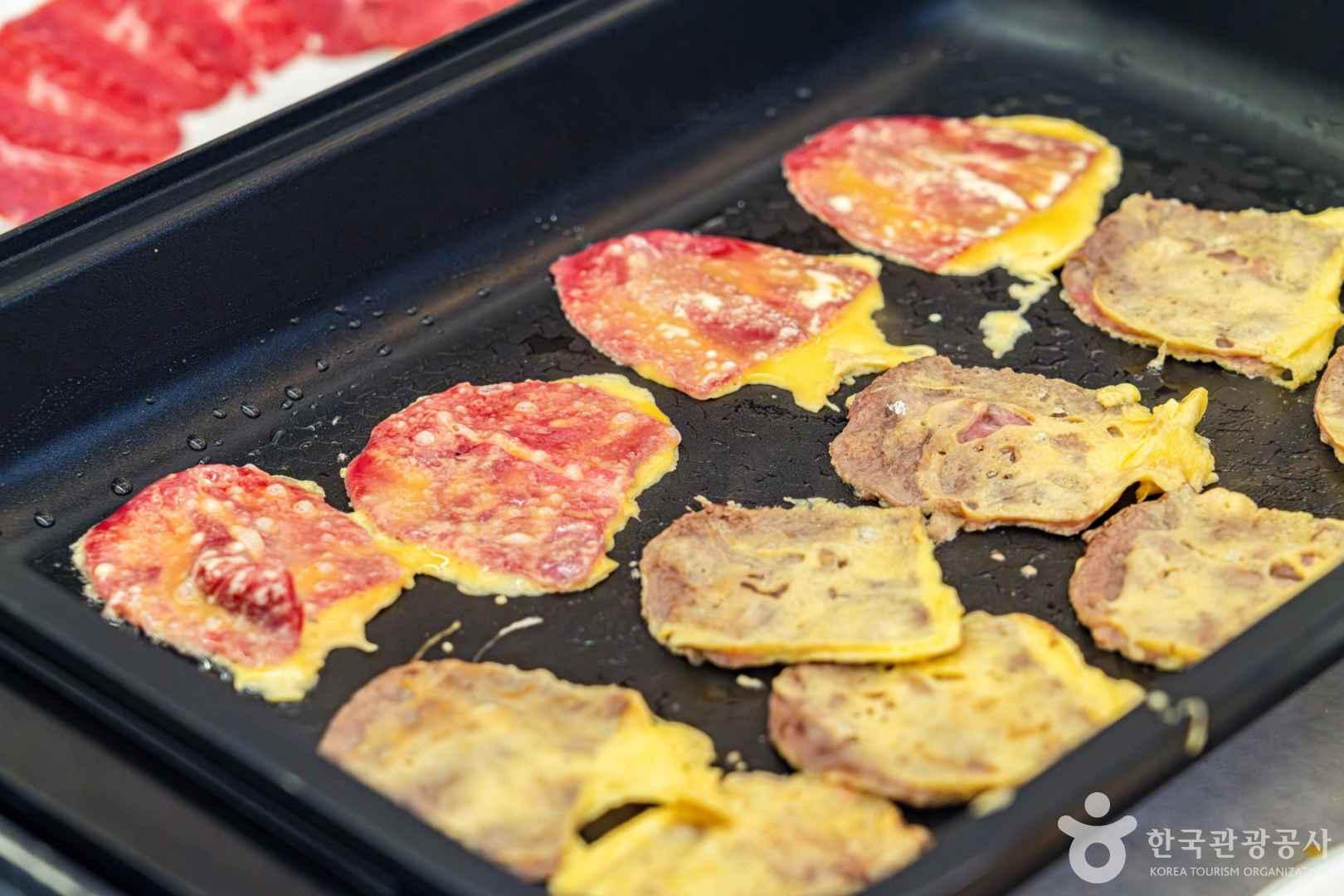
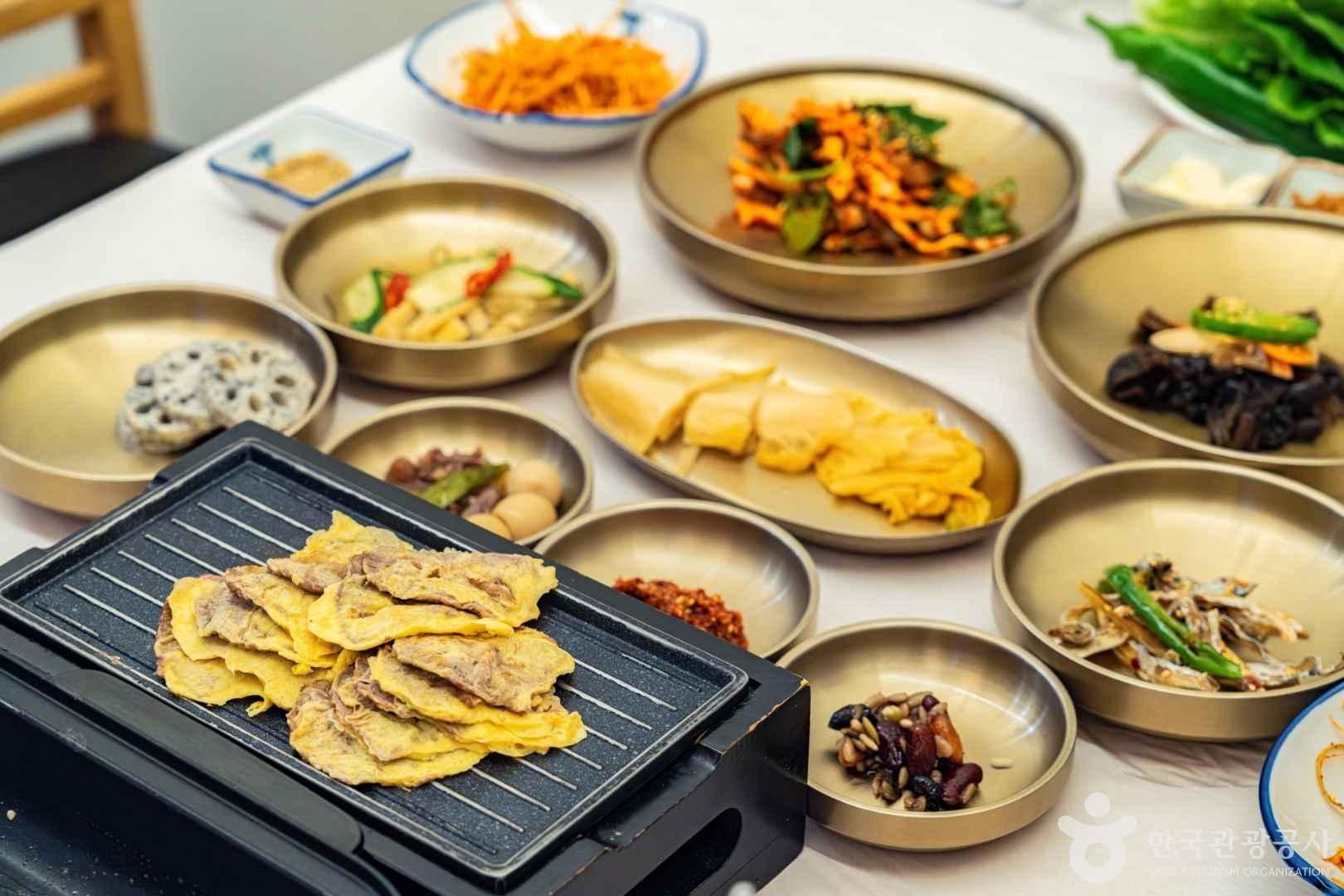
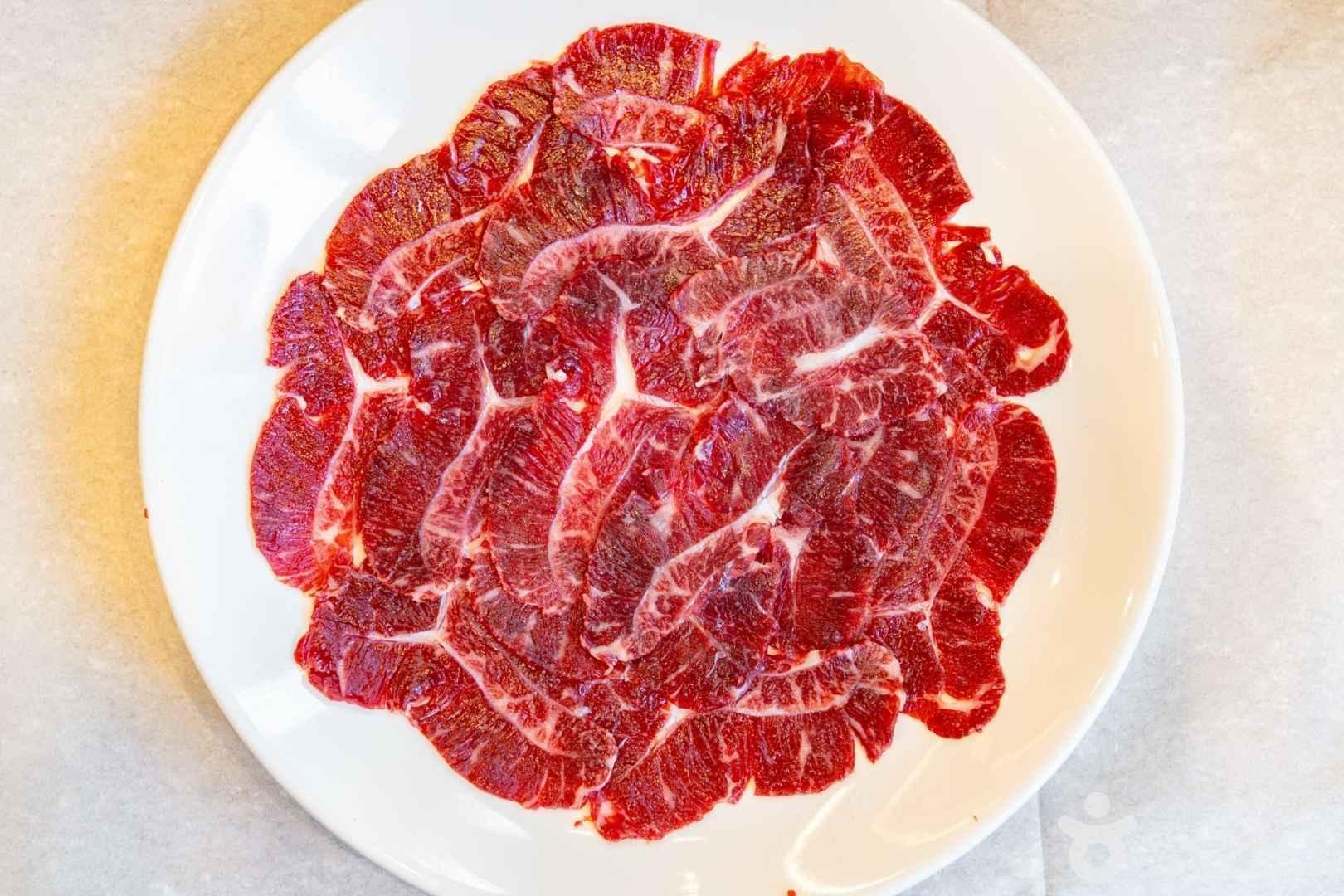
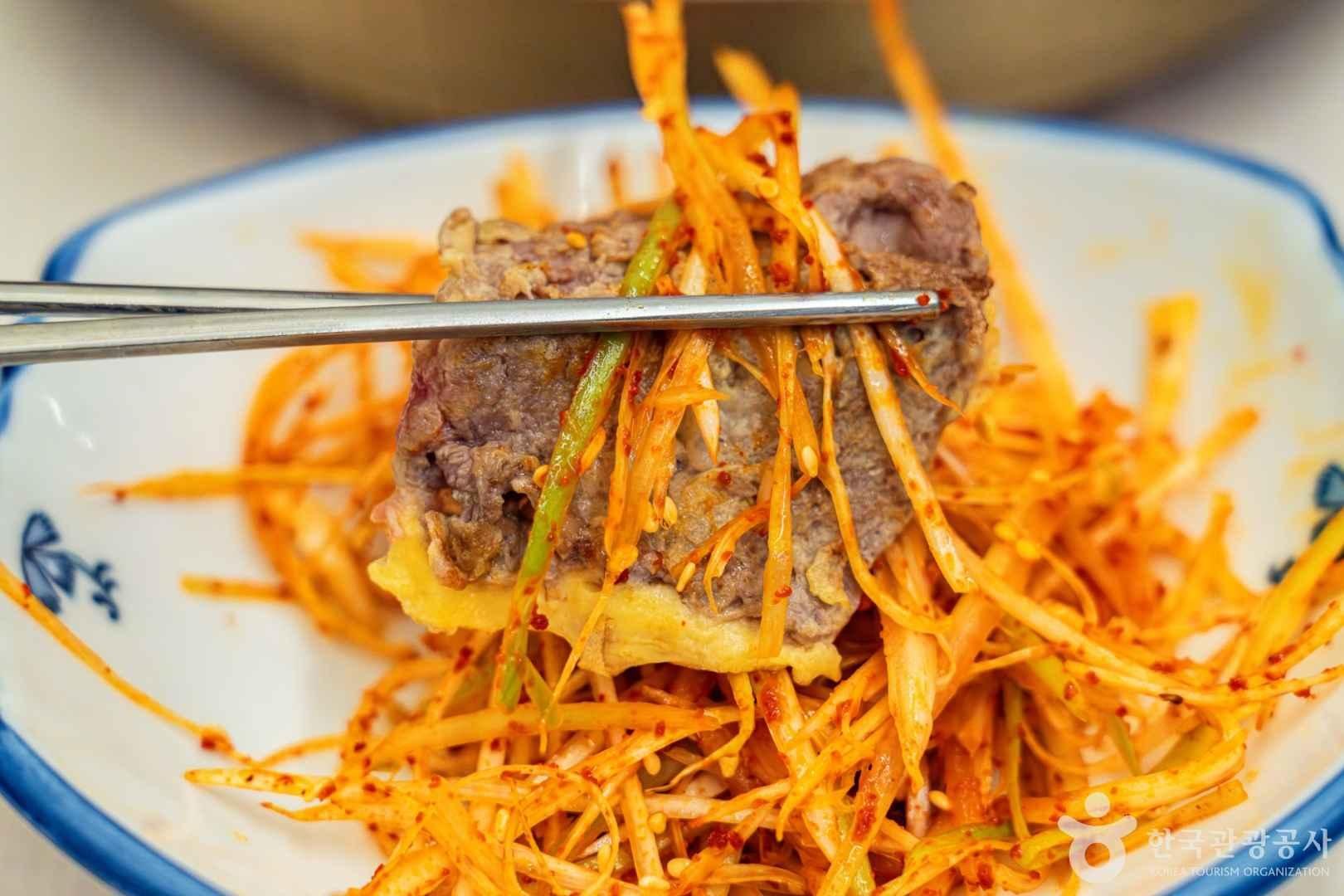
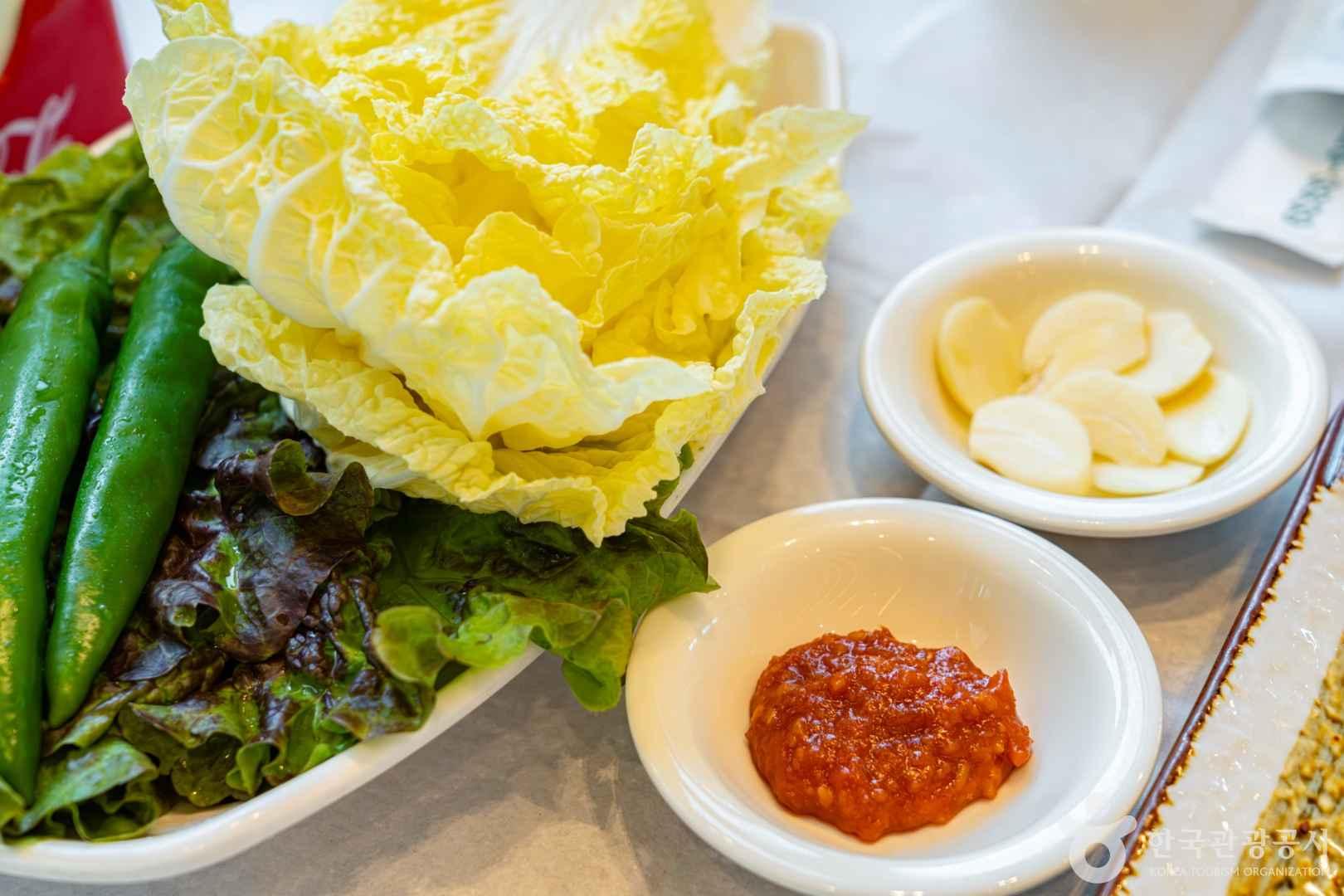
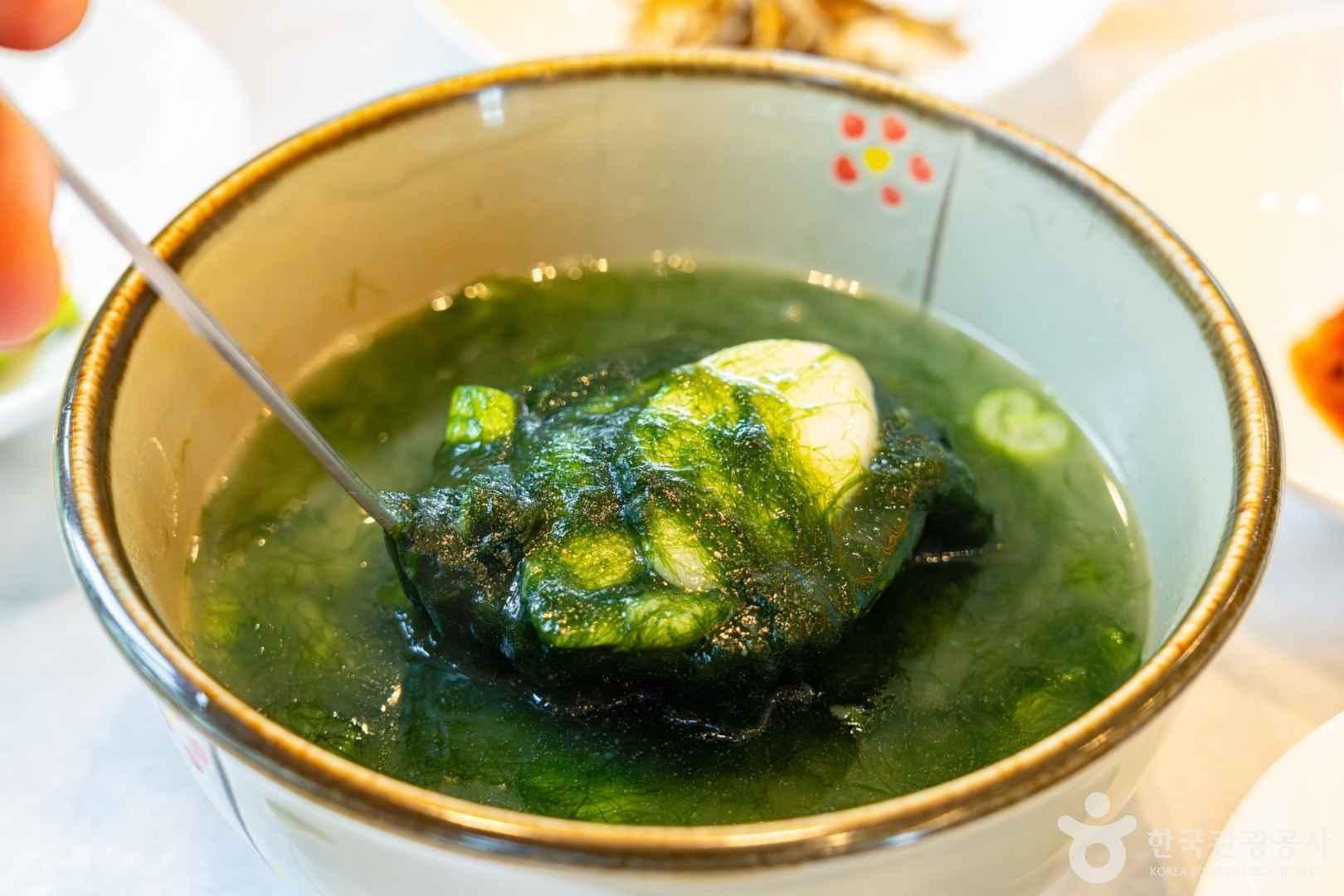
Jeon, A Dish for Entertaining Guests
In the past, jeon (pan-fried, battered dish) was a treasured dish that Koreans only enjoyed on special family occasions, such as elders’ birthdays, holidays, ceremonies, and funerals. This was because the basic ingredients for making jeon—flour, oil, and eggs—were once scarce. In particular, oil was considered precious because it was made by rendering pork fat, which was highly valued.
Today, the ingredients for making jeon are much more readily available. However, its status and prestige as a dish prepared for esteemed guests remain unchanged. Jeon is still a staple at important events and holidays, and it’s common to see families making jeon during the Lunar New Year and Chuseok holidays.
Another reason jeon is indispensable for Korean celebrations is its simplicity and quick preparation. Thinly sliced meat or fish is coated in flour or starch, dipped in egg batter, and then pan-fried until crispy.
Why Yukjeon Became Famous in Gwangju
Traditional markets across the country have many restaurants that serve jeon. However, restaurants specializing in yukjeon (pan-fried battered beef), particularly those that cook it fresh on-site, are mainly concentrated in Gwangju.
At these specialized restaurants in Gwangju, when customers order yukjeon, the staff brings the ingredients to the table and skillfully cooks it right before their eyes. This allows customers to see exactly how their yukjeon is made and what ingredients are used. Moreover, enjoying the yukjeon while it’s still warm from the pan is far more satisfying than eating pre-prepared versions.
Yukjeon in Gwangju is typically made using high-quality Korean beef center heel. This cut is one of the premium parts of the cow, yielding only about 600–700 grams a 700 kg animal. Known for its low fat content and high juiciness, the beef center heel is highly sought after. Additionally, it is rich in leucine, which aids in protein synthesis and helps prevent muscle loss.
How to Enjoy Yukjeon
As mentioned earlier, yukjeon tastes best when enjoyed immediately after being pan-fried while it’s still warm. Yukjeon became famous in Gwangju is because of the tradition of serving it freshly cooked, straight from the pan.
It’s common to pair well-cooked yukjeon with green onion salad, which not only enhances the flavor but also balances the rich taste of the dish. To savor the yukjeon’s unique flavor, a simple dip in salt is also recommended. Sometimes, restaurants serve it with salted freshwater shrimp (salted shrimp made from shrimp caught in clean, high-quality freshwater), which is another delicacy. Additionally, some restaurants offer maesaengi tteokguk (a soup made with seaweed fulvescens and sliced rice cake), which is a refreshing option to cleanse the palate after enjoying yukjeon.
Restaurants Information
Daegwang Sikdang
Originally famous for its yukjeon in Chungjang-ro, this restaurant has since expanded and relocated to the Sangmu district. It boasts an impressive, upscale interior and is known for preparing all of its side dishes in-house. For a complementary dish to pair with yukjeon, the maesaengi tteokguk comes highly recommended.

Address:
15 Sangmu-daero 695beon-gil, Seo-gu, Gwangju
Contact:
+82-62-226-3939
Signature Menu:
Yukjeon – 29,000 KRW /
Guljeon (pan-fried battered oysters) – 27,000 KRW /
Maesaengi Tteokguk – 6,000 KRW
Getting There:
Approx. 200 m from Exit 3 of Kim Daejung Convention Center (Mareuk) Station on Gwangju Metro Line 1
Parking:
Available (up to 50 spaces)
Seating Capacity:
130 seats
Menu Languages:
Korean, English, Japanese, and Chinese
Mimiwon
Emerging as a leading spot for yukjeon in Gwangju, Mimiwon has gained popularity through multiple media features. The restaurant’s traditional hanok building creates a neat atmosphere.
Address:
218 Baekseo-ro, Dong-gu, Gwangju
Contact:
+82-62-228-3101
Signature Menu:
Yukjeon – 29,000 KRW /
Nakjijeon (octopus pancake) – 28,000 KRW /
Mineojeon (pan-fried battered croaker fillet) – 35,000 KRW /
Maesaengi Tteokguk – 6,000 KRW
Getting There:
Approx. 790 m from Exit 4 of Culture Complex (Old Provincial Office) Station on Gwangju Metro Line 1
Parking:
Available (up to 15 spaces)
Seating Capacity:
80 seats
Menu Languages:
Korean
Yeonhwa Sikdang
It is a restaurant where you can enjoy yukjeon with a variety of Jeolla-do side dishes. For a unique twist, try wrapping the yukjeon with aged kimchi in a leaf wrap. The nutty aroma of perilla oil combined with the tangy flavor of aged kimchi creates an especially delightful taste experience.
Address:
147 Mareukbokgae-ro, Seo-gu, Gwangju
Contact:
+82-62-384-1142
Signature Menu:
Yukjeon – 29,000 KRW /
Jogitang (yellow croaker stew) – 25,000 KRW
Getting There:
Approx. 430 m from Exit 1 of Sangmu (Smart Savings Bank) Station on Gwangju Metro Line 1
Parking:
Available (up to 60 spaces)
Seating Capacity:
28 seats
Menu Languages:
Korean, English

1330 Helpline Call/Chat

Start a FREE Online Call(No charges for calls on Wi-Fi /
Data charges may apply)

Open 1330 Helpline Chat(Download not required)



Open messenger app(Messenger app must be installed)