
Current language
English
- Log in
-
- Sydney Overseas Office
- London Overseas Office
- Toronto Overseas Office
- Los Angeles Overseas Office
- New York Overseas Office
- Ulaanbaatar Overseas Office
- Dubai Overseas Office
- New Delhi Overseas Office
- Manila Overseas Office
- Jakarta Overseas Office
- Hanoi Overseas Office
- Kuala Lumpur Overseas Office
- Singapore Overseas Office
- Bangkok Overseas Office
- Map
Popular search
- Sydney Overseas Office
- London Overseas Office
- Toronto Overseas Office
- Los Angeles Overseas Office
- New York Overseas Office
- Ulaanbaatar Overseas Office
- Dubai Overseas Office
- New Delhi Overseas Office
- Manila Overseas Office
- Jakarta Overseas Office
- Hanoi Overseas Office
- Kuala Lumpur Overseas Office
- Singapore Overseas Office
- Bangkok Overseas Office
Contents View
-
-
-
Andong Jjimdak: A Dish from Andong that Captured Korean Hearts
-
02/20/2025
-
1.5K
0
0
-
-
-
-
Andong Jjimdak: A Dish from Andong that Captured Korean Hearts
When & Where

Jjimdak (braised chicken) can be enjoyed in any season.

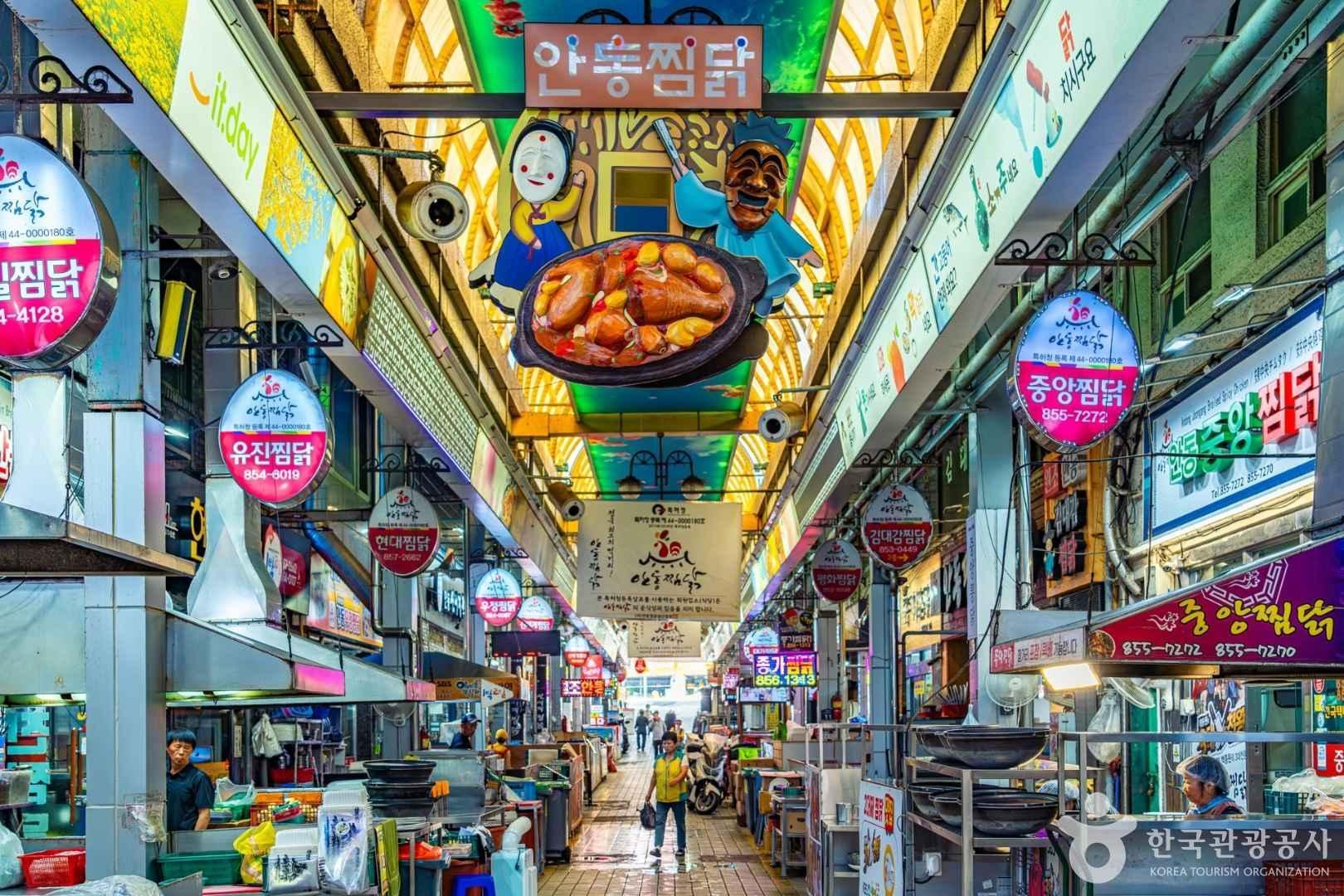
Andong jjimdak originated in a restaurant in Andong Old Market. Today, various versions can be sampled in the Jjimdak Alley within the market.
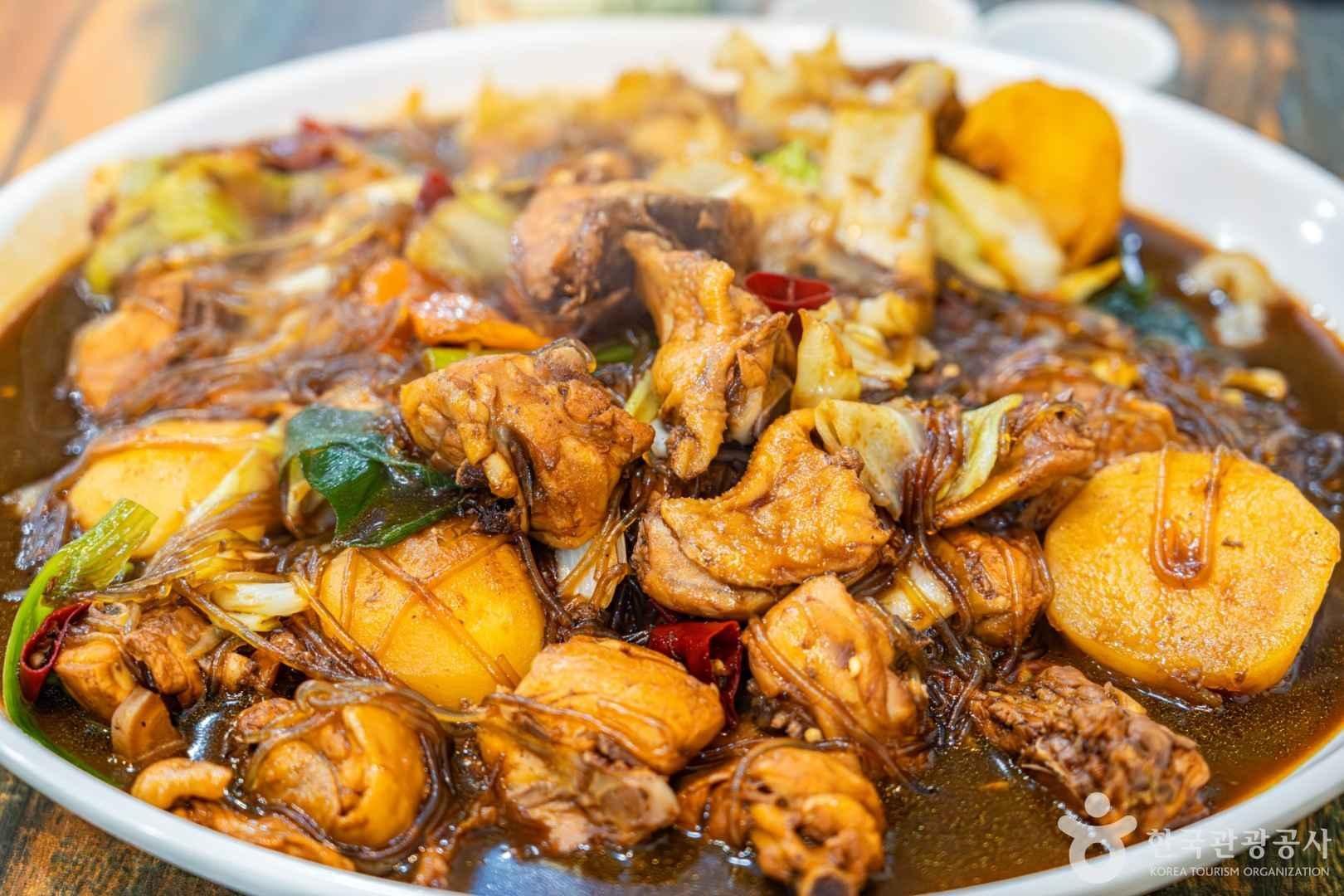
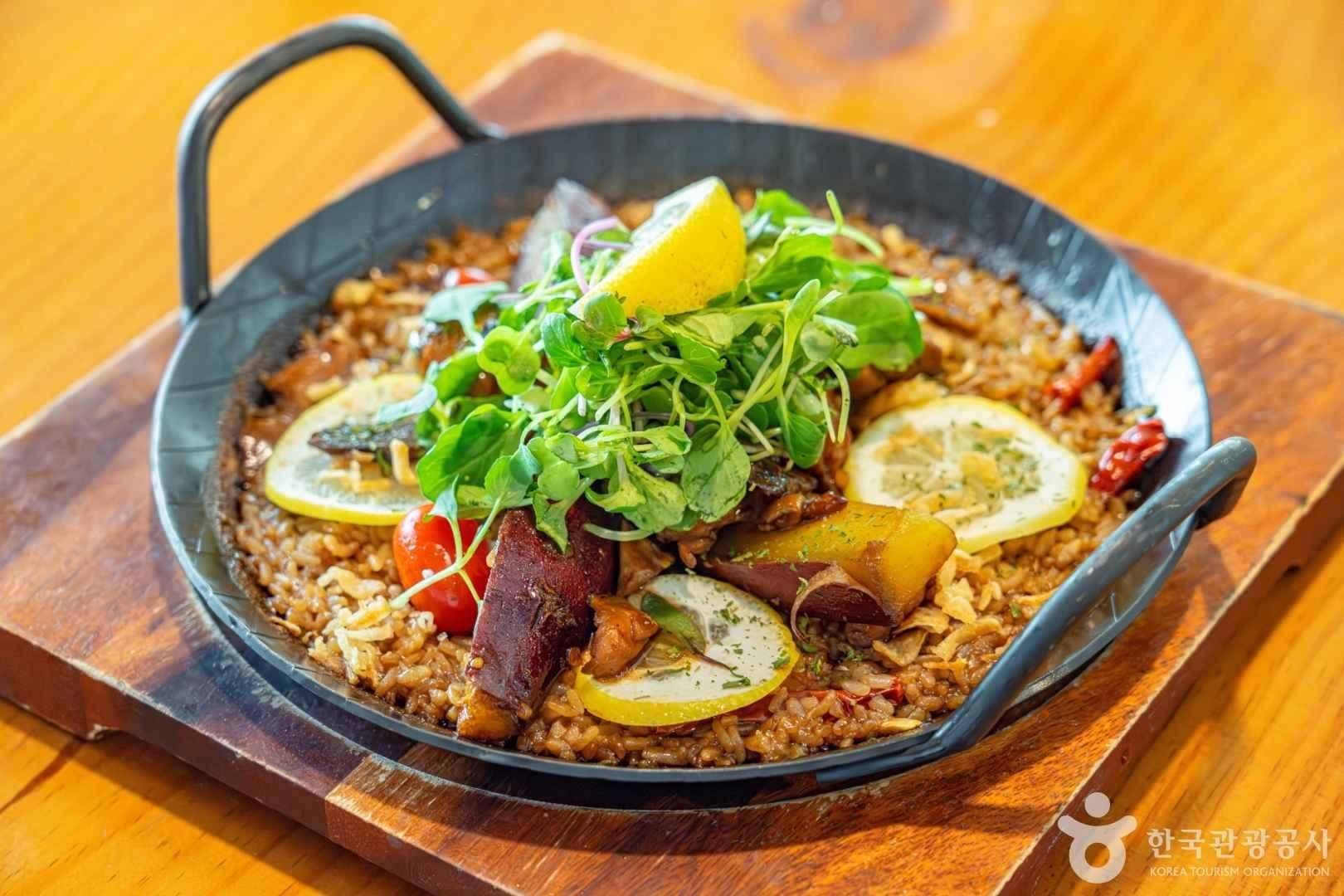
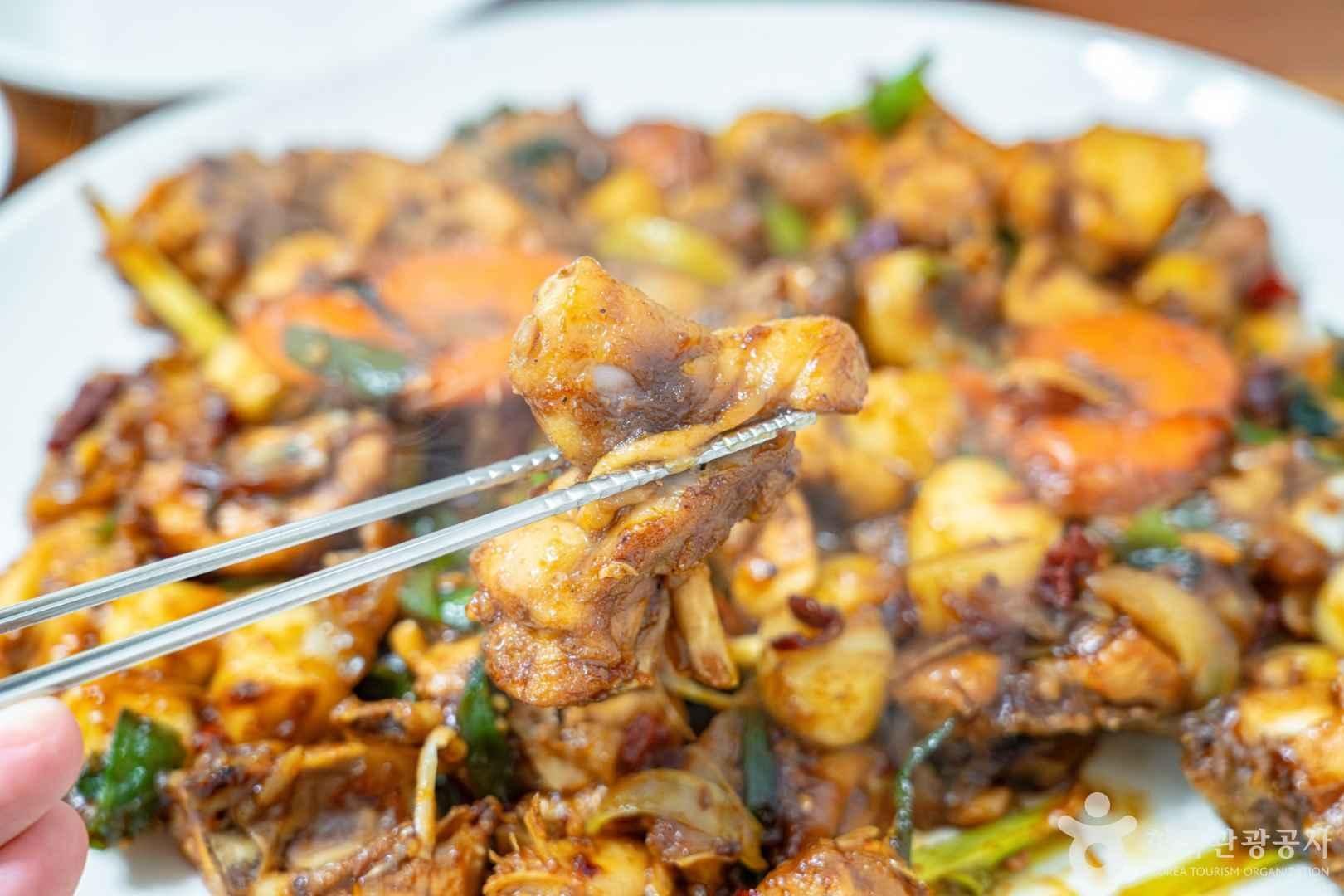
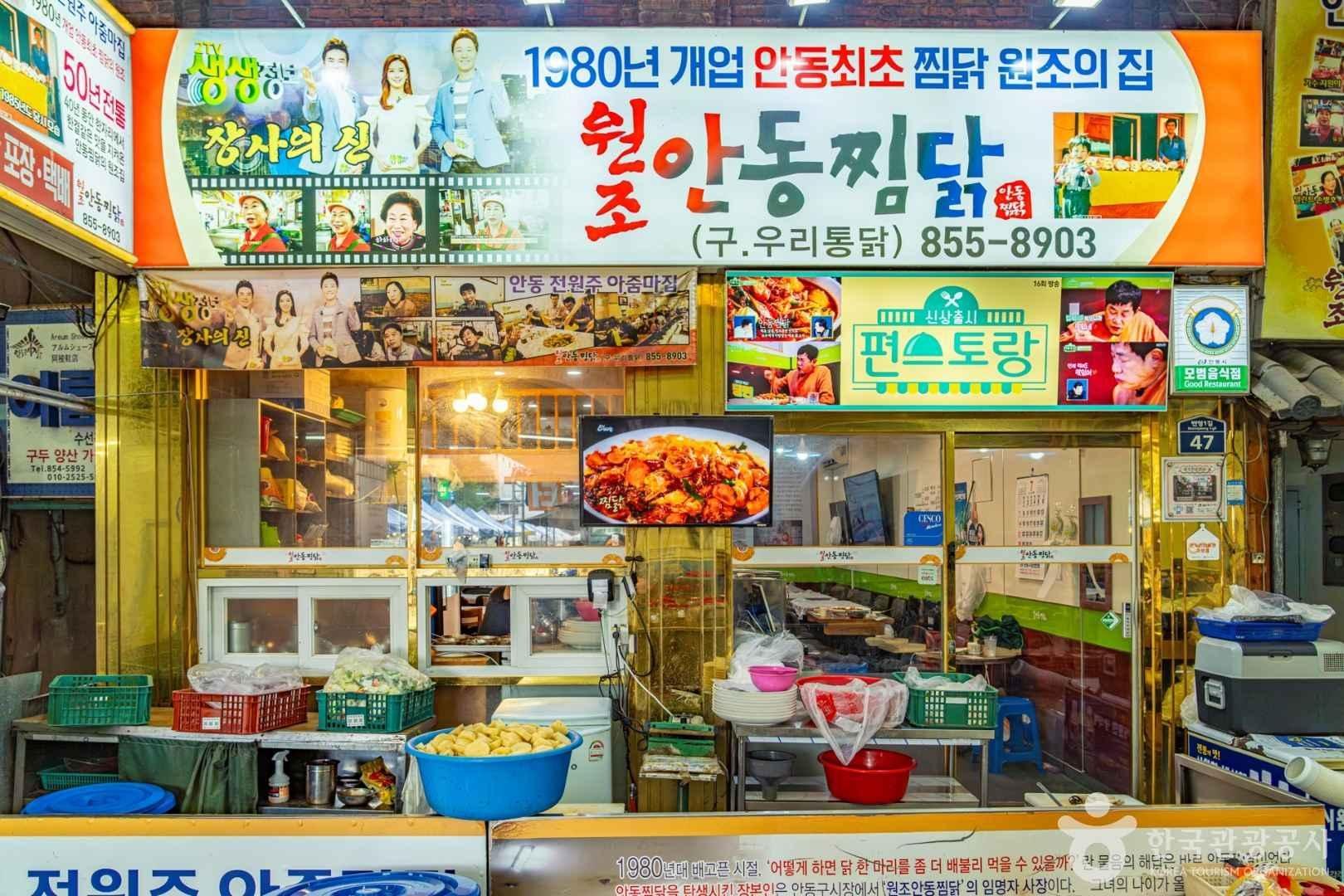
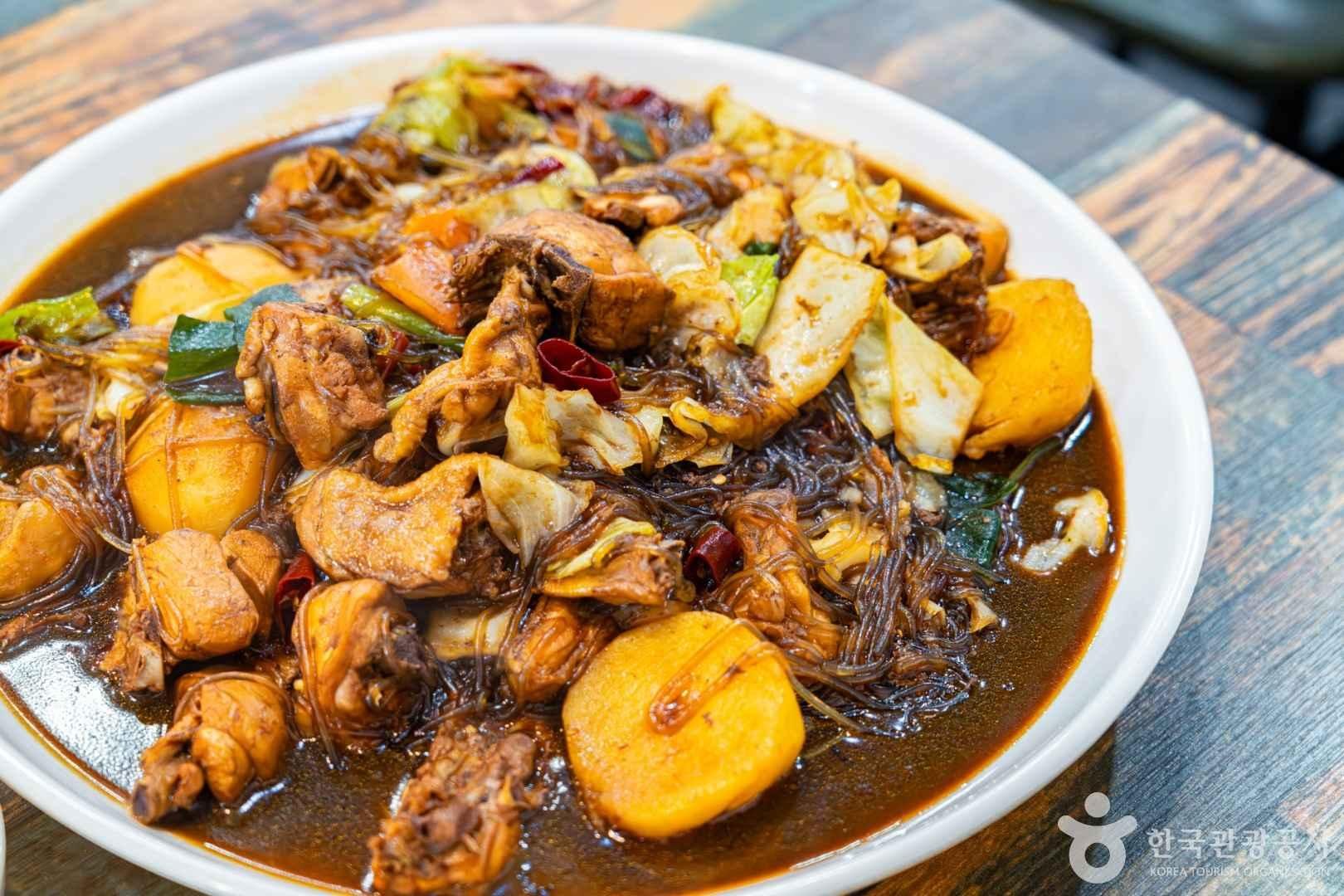
Andong jjimdak (Andong braised chicken) is a sumptuous chicken dish made with a whole chicken cut into pieces with vegetables and glass noodles. It may look like a dish with a long tradition, but Andong jjimdak actually dates back to the 1980s, when a restaurant that handled chicken in Andong Old Market came up with this recipe.
Origin of Andong Jjimdak
Back in the 1980s, Andong was bustling with young people, largely due to the presence of Andong National University of Education (currently a part of Andong National University) and the Andong Army Training Camp (formerly the 36th Infantry Division). Although the two institutions drew many students, military personnel, and visitors to the city, they often had limited budgets. This led to many restaurants in Andong serving affordable food with generous portions. Andong jjimdak was one such dish, crafted to cater to this younger crowd.
Andong jjimdak was created in 1980 in a market alley specializing in butchering and selling whole chicken, before dishes like fried chicken or dakgalbi (spicy stir-fried chicken) gained popularity. This place, now known as Jjimdak Alley, is part of Andong Old Market. Merchants there prepared the chicken according to their customers’ requests, such as cutting it into pieces or deep-frying it whole to make what was known as “old-fashioned market fried chicken”. One merchant began making a braised chicken dish with soy sauce, along with ingredients like vegetables, potatoes, rice cakes, and glass noodles, which became very popular over time. This is the origin of the Andong jjimdak that we know today.
Andong Jjimdak Is Quite Similar to Galbijjim!
Andong jjimdak is prepared quite similarly to galbijjim (braised galbi), and the flavor is quite comparable as well. Both dishes are braised and seasoned with ingredients such as soy sauce, garlic, and sugar to create sweet and savory flavors. They also share common vegetables like carrots, potatoes, and onions, which enhance the flavor and portion size. It is quite interesting that the two dishes are so similar, despite galbijjim being made with beef short ribs and Andong jjimdak with chicken—especially given their distinct origins.
How to Enjoy the Andong Jjimdak
Andong jjimdak is offered not in individual portions but in sizes such as small, medium, and large. Different restaurants have different standards, but generally speaking, “small” size serves up to two, “medium” serves three to four, and “large” is suitable for groups of four and more.
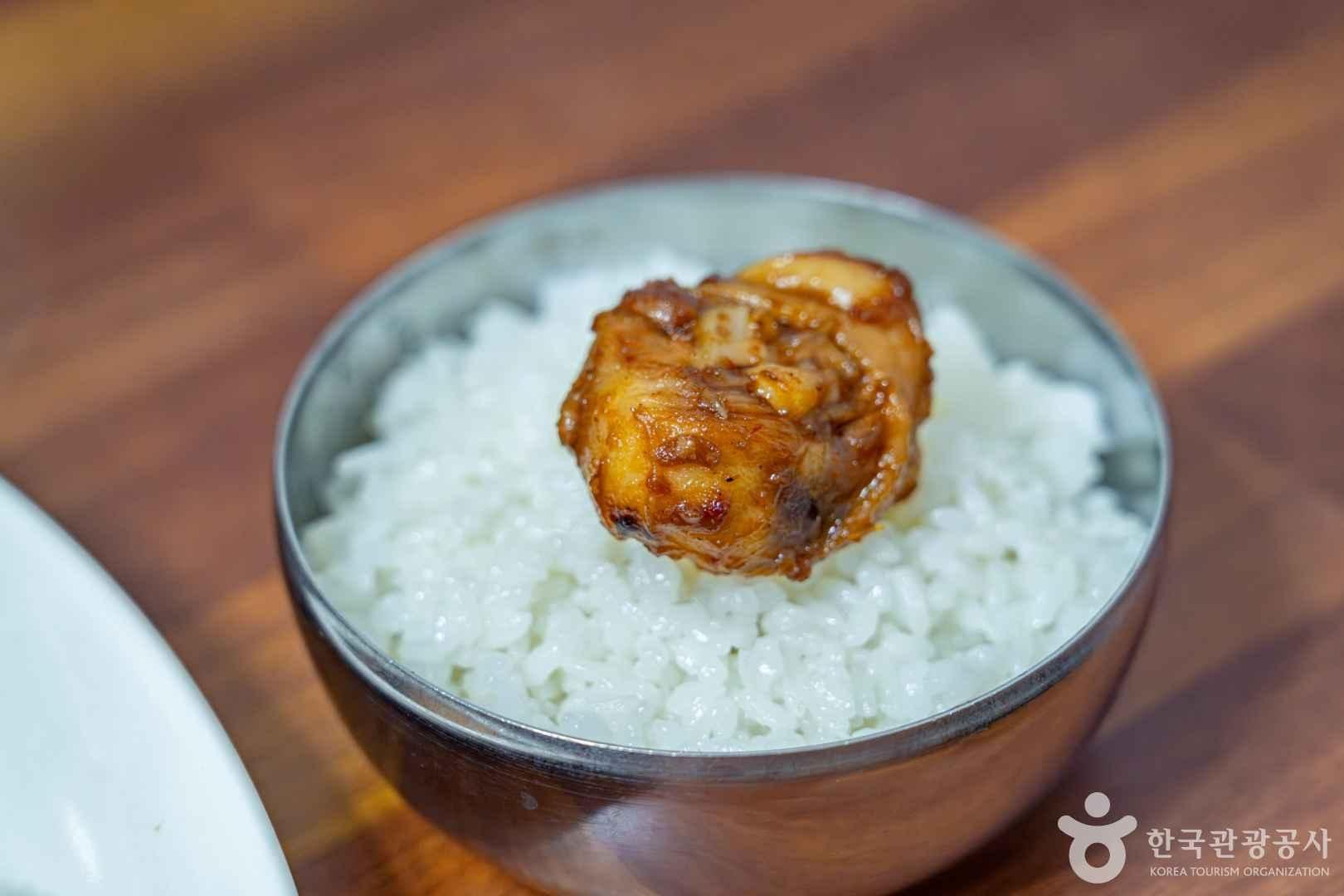
Andong jjimdak is typically served on a wide platter. Start by selecting the glass noodles, as they absorb the sauce and expand over time. It’s also a good idea to order a bowl of steamed rice to enjoy alongside the chicken, vegetables, and sauce.
Andong jjimdak is made with soy sauce, but there is a spicy kick in the sauce. This spicy kick from chili or chili pepper powder helps to balance the flavors. Andong jjimdak is often served with what Koreans call “chicken radish,” sweet-and-sour crunchy pickled radish.
About “Jjorimdak”
Another dish found in Andong is jjorimdak (slow-braised chicken). This is essentially a variation of Andong jjimdak that is braised for an extended time until the sauce nearly dries out, concentrating its flavors. This evaporates the liquid in the sauce and thickens the sauce considerably. The final jjorimdak has a more intense flavor and is often spicier than the usual Andong jjimdak.
Restaurants Information
Andong Sinsegye Jjimdak
This restaurant has enjoyed great popularity over the years, having been featured in multiple TV programs. Andong Sinsegye Jjimdak serves Andong jjimdak, jjorimdak, and fried chicken, allowing you to enjoy a variety of dishes in one visit. You can customize the spice level of the jjimdak when ordering. The restaurant also offers Andong soju, which is made by the master brewer Cho Ok-hwa.

Address:
10 Beonyeong-gil, Andong-si, Gyeongsangbuk-do
Contact:
+82-54-859-5484
Signature Menu:
Andong Jjimdak (medium, 2-3 servings) – 32,000 KRW /
(large, 4-5 servings) – 48,000 KRW
Getting There:
Approx. 5.5 km from Exit 1 of Jungang Line Andong Station on Jungang Line (KTX, regular trains) /
11 km from West Andong TG on Jungang Expressway /
within Andong Old Market
Parking:
No on-site parking; available at Andong Old Market Public Parking Lot
Seating Capacity:
60 seats
Menu Languages:
Korean
Wonjo Andong Jjimdak
This restaurant, run by the dish’s creator and his son, is the birthplace of Andong jjimdak. It was the first place to serve the Andong jjimdak during the 1980s, catering to the city’s young people, and it is still beloved today for preserving the cooking method over the years. As a result, the restaurant offers the most authentic version of Andong jjimdak.
Address:
47 Beonyeong 1-gil, Andong-si, Gyeongsangbuk-do
Contact:
+82-54-855-8903
Signature Menu:
Andong Jjimdak (medium, 2-3 servings) – 32,000 KRW /
(large, 4-5 servings) – 48,000 KRW
Getting There:
Approx. 5.5 km from Exit 1 of Jungang Line Andong Station on Jungang Line (KTX, regular trains) /
11 km from West Andong TG on Jungang Expressway /
within Andong Old Market
Parking:
No on-site parking; available at Andong Old Market Public Parking Lot
Seating Capacity:
44 seats
Menu Languages:
Korean
Hyoja Tongdak
This restaurant is famous for its jjorimdak, which has a concentrated flavor thanks to slow-braising the chicken until the sauce is almost dry.
Address:
54 Dangbuk-gil, Andong-si, Gyeongsangbuk-do
Contact:
+82-54-853-8890
Signature Menu:
Jjimdak – 32,000 KRW /
Jjorimdak – 29,000 KRW /
Maneuldak (garlic marinated fried chicken) – 20,000 KRW
Getting There:
Approx. 4.5 km from Exit 1 of Andong Station on Jungang Line (KTX, regular trains) /
10 km from West Andong TG on Jungang Expressway
Parking:
Free
Seating Capacity:
20 seats
Menu Languages:
Korean

1330 Helpline Call/Chat

Start a FREE Online Call(No charges for calls on Wi-Fi /
Data charges may apply)

Open 1330 Helpline Chat(Download not required)


Open messenger app(Messenger app must be installed)