

Current language
English
- Log in
-
- Sydney Overseas Office
- London Overseas Office
- Toronto Overseas Office
- Los Angeles Overseas Office
- New York Overseas Office
- Ulaanbaatar Overseas Office
- Dubai Overseas Office
- New Delhi Overseas Office
- Manila Overseas Office
- Jakarta Overseas Office
- Hanoi Overseas Office
- Kuala Lumpur Overseas Office
- Singapore Overseas Office
- Bangkok Overseas Office
- Map
Popular search
- Sydney Overseas Office
- London Overseas Office
- Toronto Overseas Office
- Los Angeles Overseas Office
- New York Overseas Office
- Ulaanbaatar Overseas Office
- Dubai Overseas Office
- New Delhi Overseas Office
- Manila Overseas Office
- Jakarta Overseas Office
- Hanoi Overseas Office
- Kuala Lumpur Overseas Office
- Singapore Overseas Office
- Bangkok Overseas Office
Contents View
-
-
-
Chodang Sundubu: A Nutty and Smooth Flavor
-
02/20/2025
-
1.6K
0
0
-
-
-
-
Chodang Sundubu: A Nutty and Smooth Flavor
When & Where

The peak season for bean curd is from October to April when new beans are harvested.

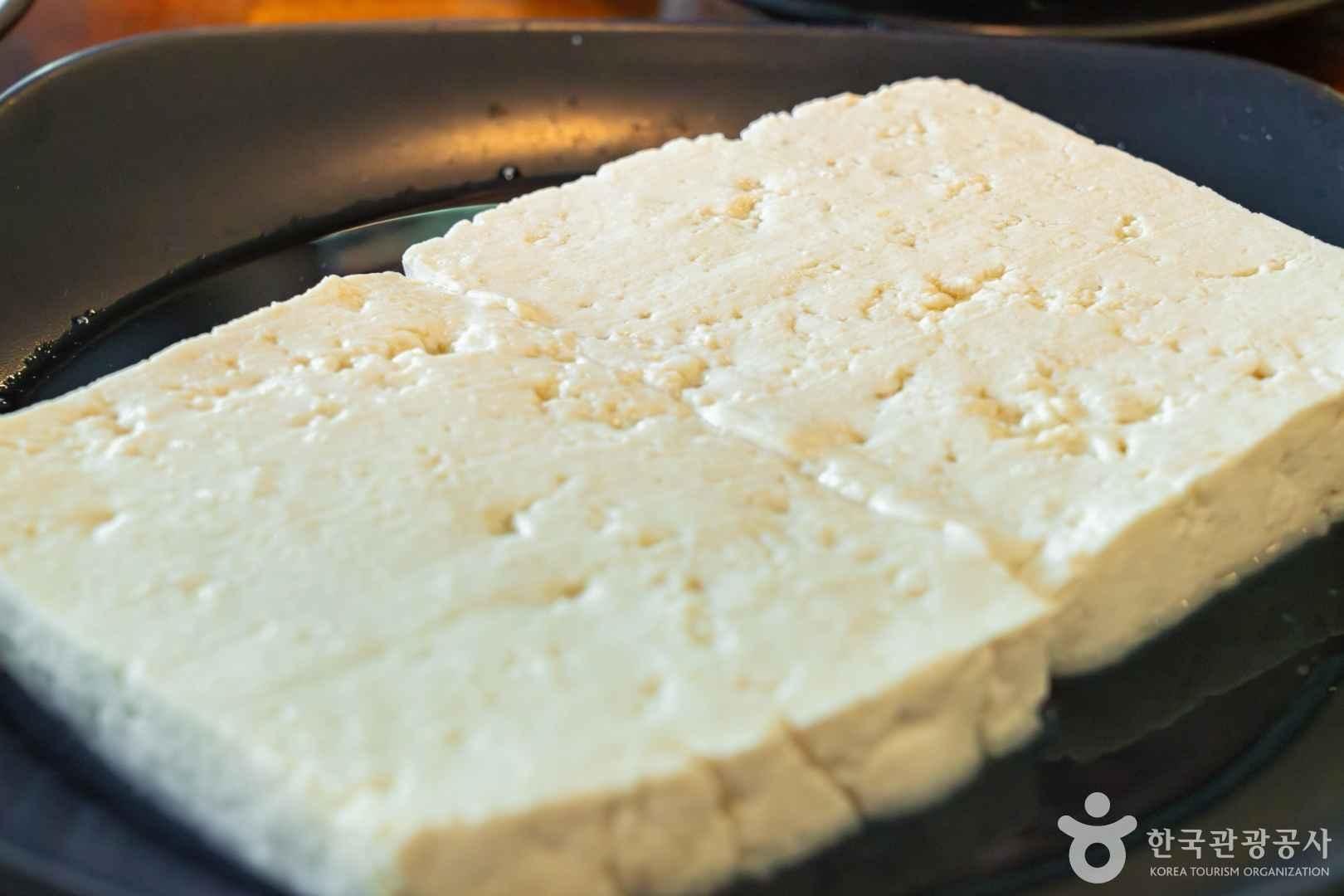
Chodang Dubu Village in Gangneung has long been renowned for its bean curd, made from locally grown soybeans sourced directly from nearby farms and enriched with deep-sea water bittern. Nowadays, you can enjoy not only bean curd (dubu) and soft bean curd (sundubu) but also a variety of desserts made from soy milk.
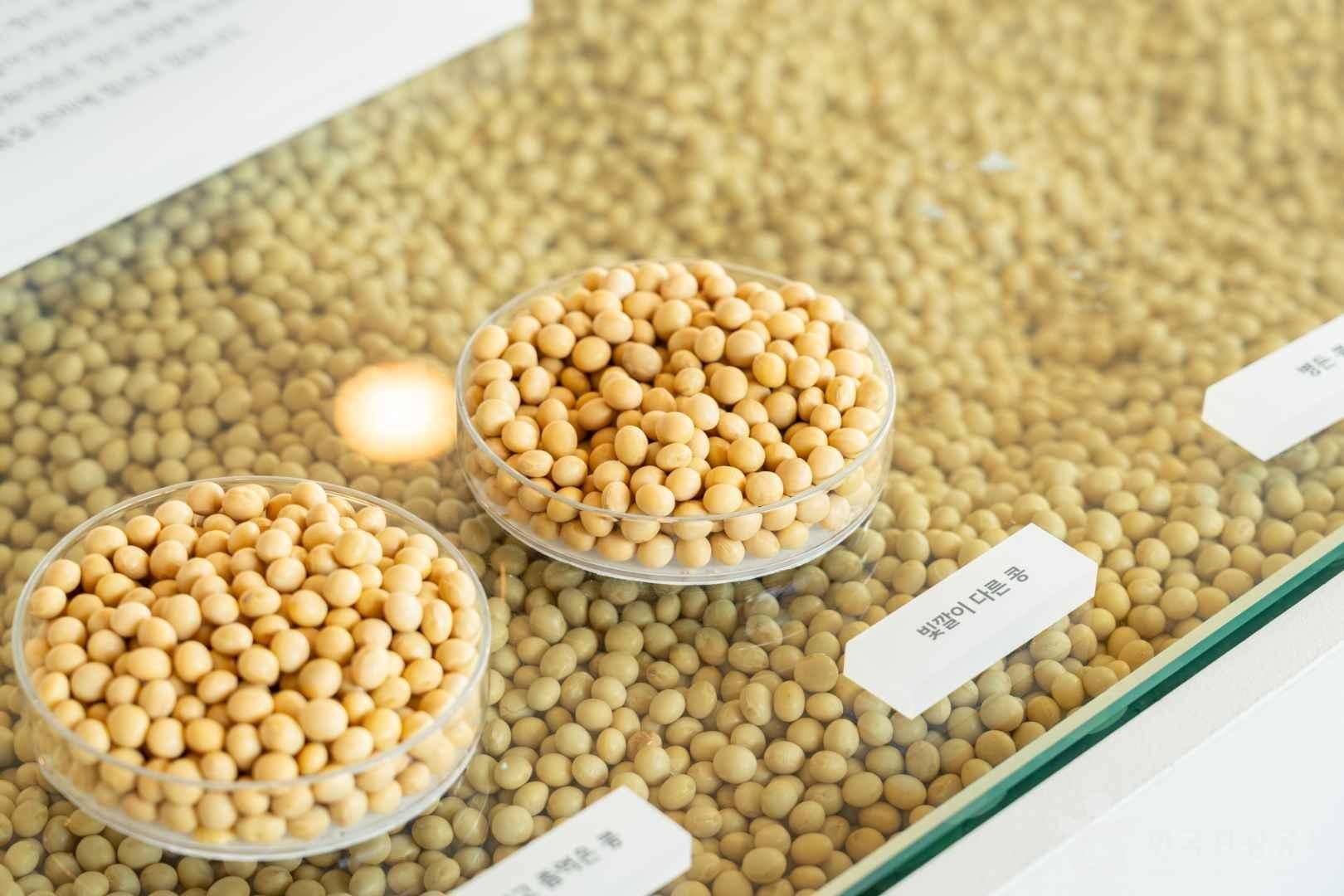
Soybeans are believed to have originated on the Korean Peninsula and in the Manchuria region. As a result, many Korean dishes feature soybeans.
In winter, Koreans steam yellow soybeans to ferment them into soybean paste. When soybeans are kept in a dark place and regularly watered, they sprout into bean sprouts, which are also commonly used in Korean cuisine, especially in soups and salads. Roasted soybeans are ground into roasted grain powder, which can be mixed with water or milk for as a nutritious meal replacement. This powder is also used to coat rice cakes to make bean-powder-coated rice cakes. When soybeans are soaked, boiled, and ground, they become the base for soybean soup, with kongguksu (noodles in cold soybean soup) offering a refreshing summer treat. Bean curd, made by extracting protein from soybeans, captures the rich, nutty flavor of the beans and serves as a highly nutritious ingredient.
How is Bean Curd Made?
Bean curd is made from soybeans, water, and bittern—a byproduct left after seawater is evaporated to make salt. First, soaked soybeans are ground and then strained through a cloth to make soybean soup. (During this process, water-soluble proteins mix with the liquid, while oil-soluble proteins and other soybean components are filtered out as pureed soybeans). Next, bittern is added to the soybean soup, causing the water-soluble proteins to coagulate and form curds. These curds are then pressed into molds and allowed to set, forming bean curd. The texture of the bean curd is largely influenced by the type of bittern used, which also imparts a unique flavor to bean curd made in Gangneung.
Today, most bean curd is made with factory-produced bittern, but some regions still use bittern extracted from seawater. A notable example is Gangneung’s Chodang Dubu Village, where bean curd is crafted using deep-sea water sourced from over 200 meters below the surface. The various minerals in this deep-sea water help the proteins coagulate, creating delicious bean curd. Gangneung is the only place in Korea where bean curd is made with deep-sea water.
Why Chodang Bean Curd is Famous
Chodang Dubu Village has long been renowned for its bean curd. The reputation rooted in a local legend about the Confucian scholar Heo Yeop, who lived here during the mid-Joseon period. Heo Yeop was the father of Heo Nanseolheon, one of the era’s greatest poets, and Heo Gyun, a notable writer of Korean novels in Hangeul. Heo Yeop had a well at his house, renowned for its excellent-tasting water, which he used to make soybean soup and extract bittern from East Sea seawater to produce bean curd. The exceptional quality of this bean curd became known in the surrounding area, inspiring the villagers to replicate his method. The well is still preserved at the birth home of Heo Gyun and Heo Nanseolheon. Additionally, the village’s name, “Chodang”, originates from Heo Yeop’s pen name.
The village began gaining fame for its bean curd in the 1970s and 1980s. During this time, local residents sold their homemade bean curd in downtown Gangneung, and as word spread about its exceptional taste, people started to flock to the village. It’s uncertain whether Heo Yeop’s original bean curd recipe has been passed down through the generations, but it is clear that the village’s unique bean curd-making techniques have built its reputation.
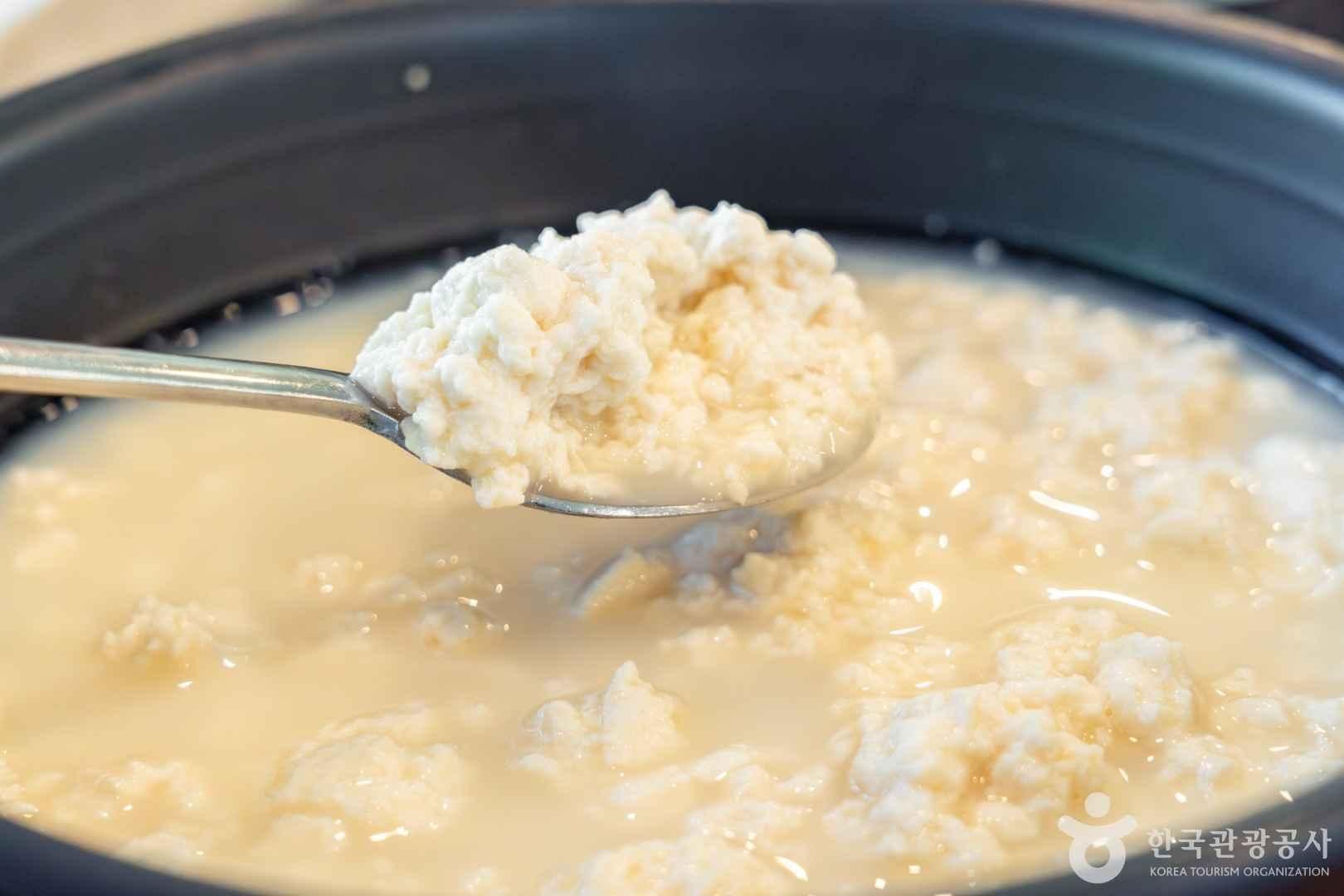
Recently, Chodang Dubu Village has become even more famous for its soft bean curd. Soft bean curd is enjoyed in its unshaped, coagulated form before being put into molds, offering a soft texture and natural soybean flavor that appeals to many people.
How to Enjoy Soft Bean Curd
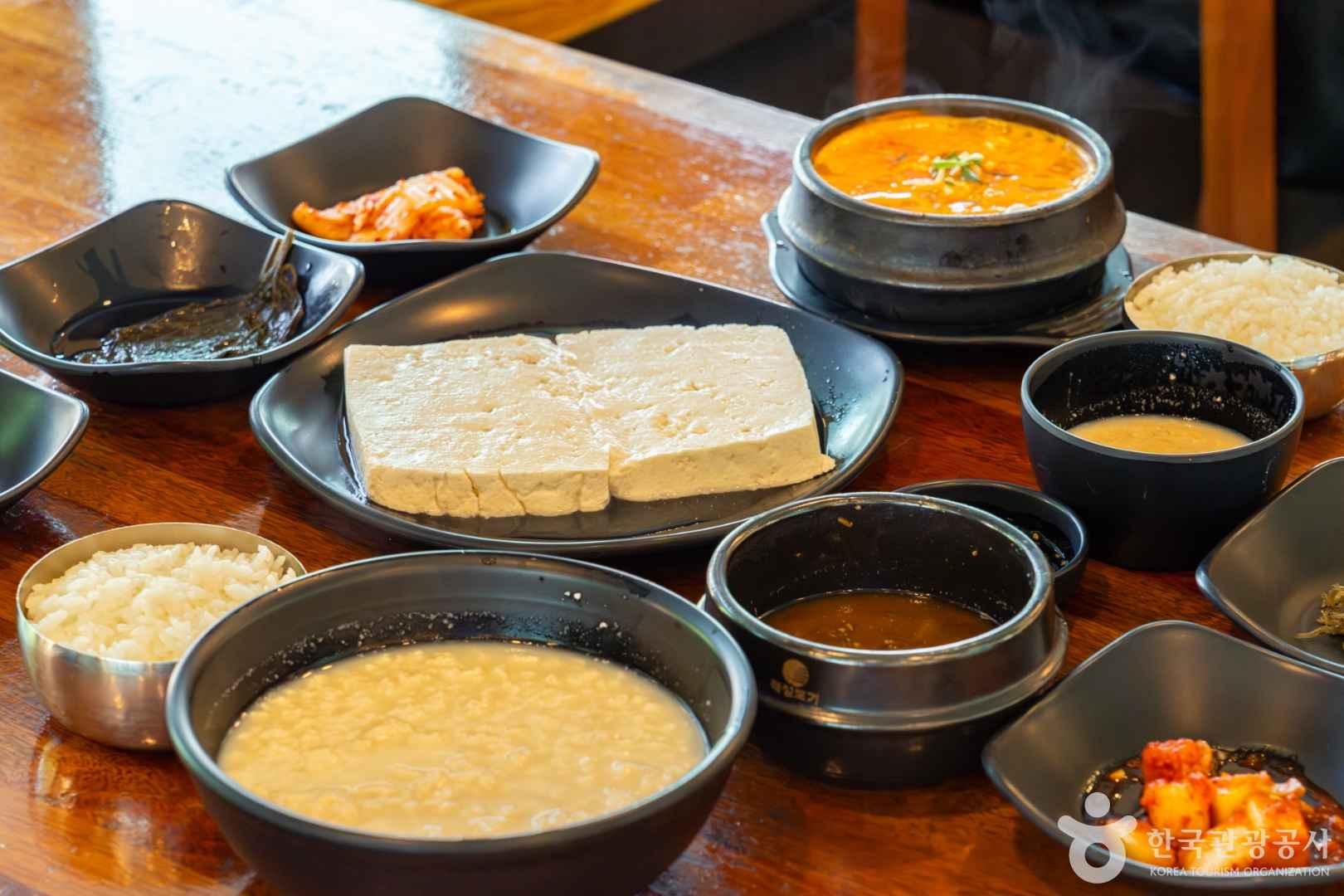
Soft bean curd is best enjoyed warm. When you mix soybean soup with bittern, it forms soft, fluffy curd. You can simply scoop this out and enjoy with a bit of spicy sauce for extra flavor. To keep it from becoming too salty, add the soy sauce gradually as you eat, allowing you to savor the natural, nutty flavor of the soft bean curd.
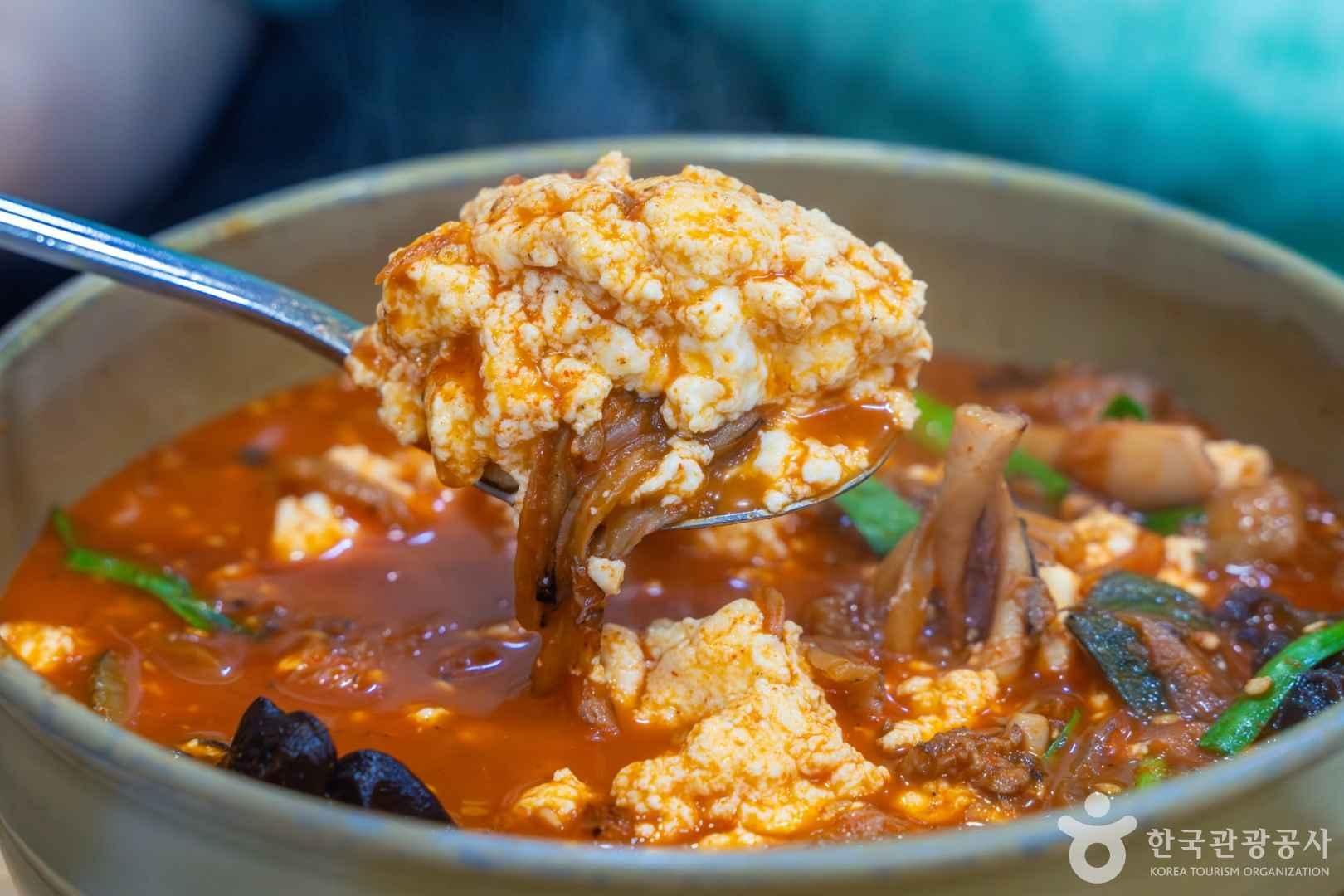
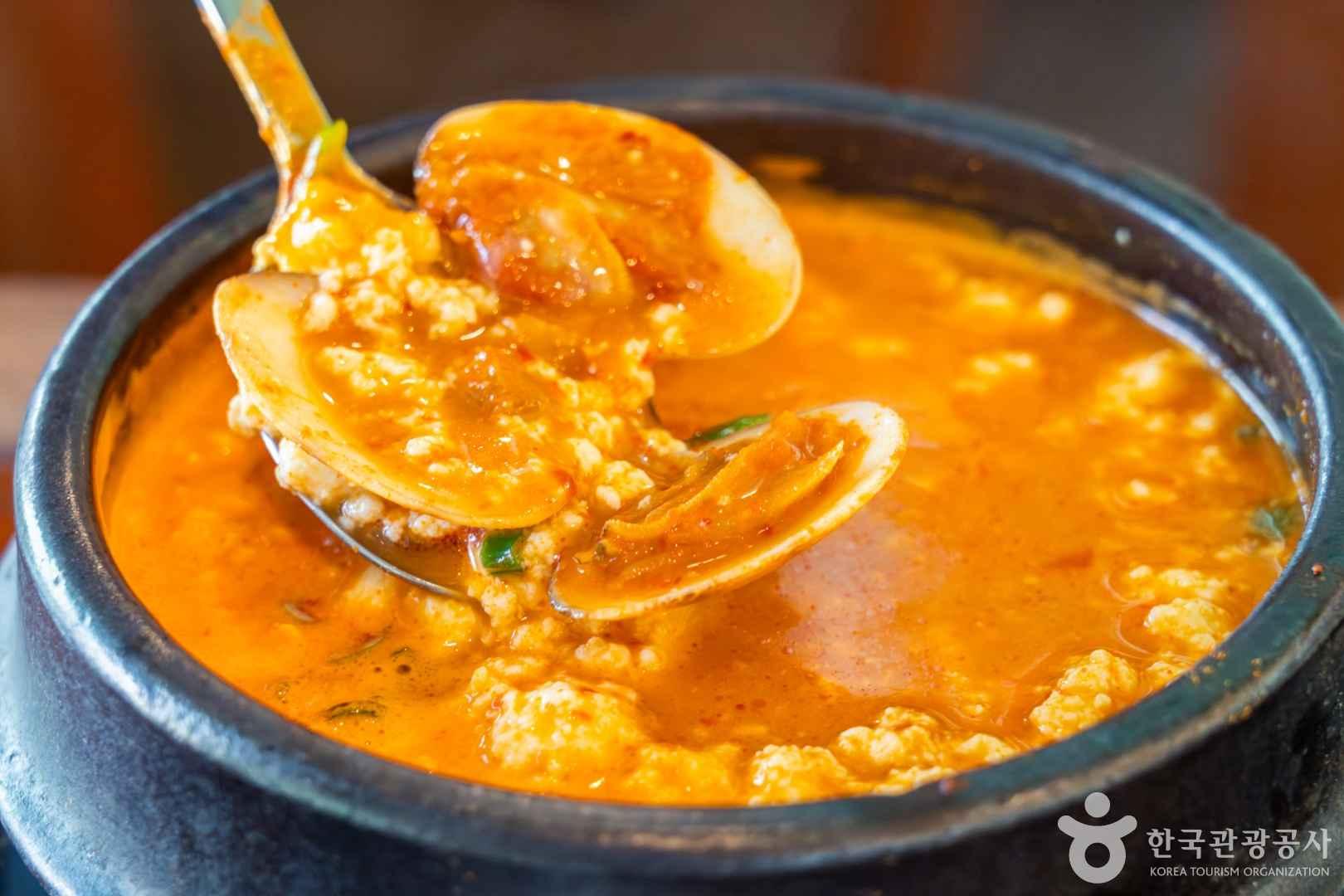
Sundubu jjigae (soft bean curd stew), boiled with spicy seasoning, is one of Korea's signature stew. In Chodang Dubu Village, they add jjaebok (venus clam), a specialty of Gangwon-do, to enhance the flavor of the stew. If you want something spicier, try sundubu jjamppong (spicy seafood and soft bean curd soup), which combines soft bean curd with a richly flavored, spicy seafood broth.
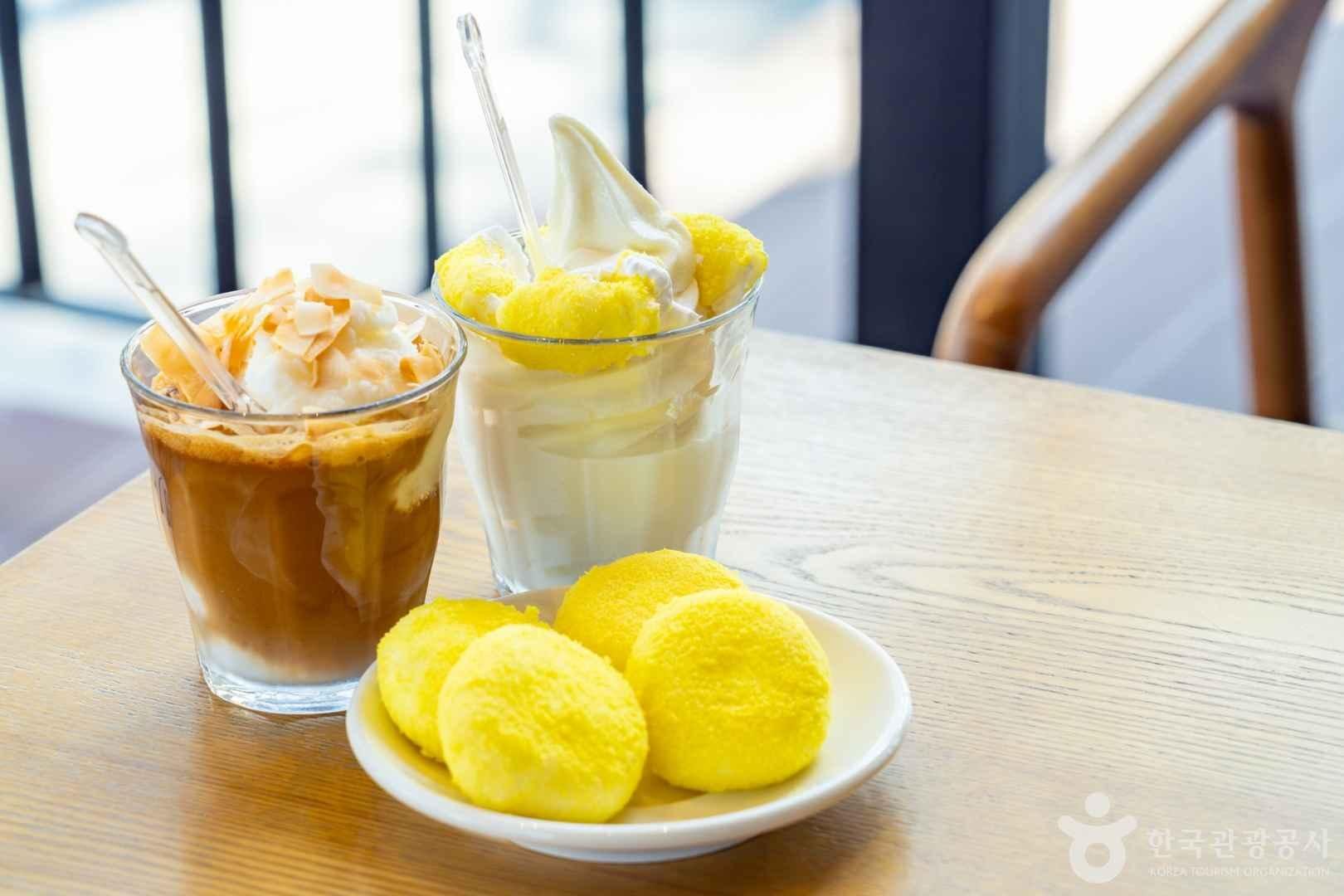
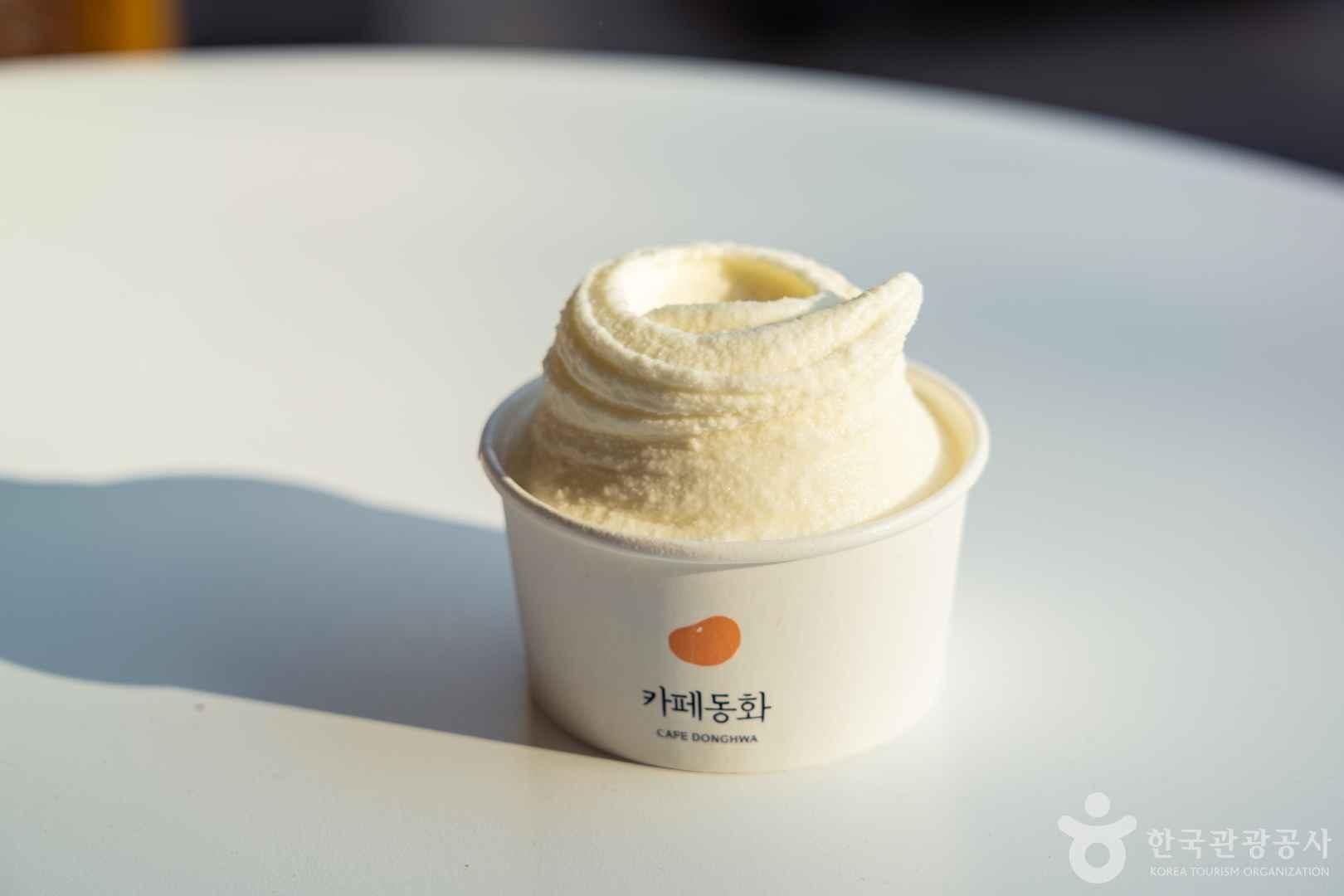
Recently, desserts made with blended soft bean curds, such as soft serve ice cream, gelato, and sweet rice cakes, have become incredibly popular among young people in Korea.
Restaurants Information
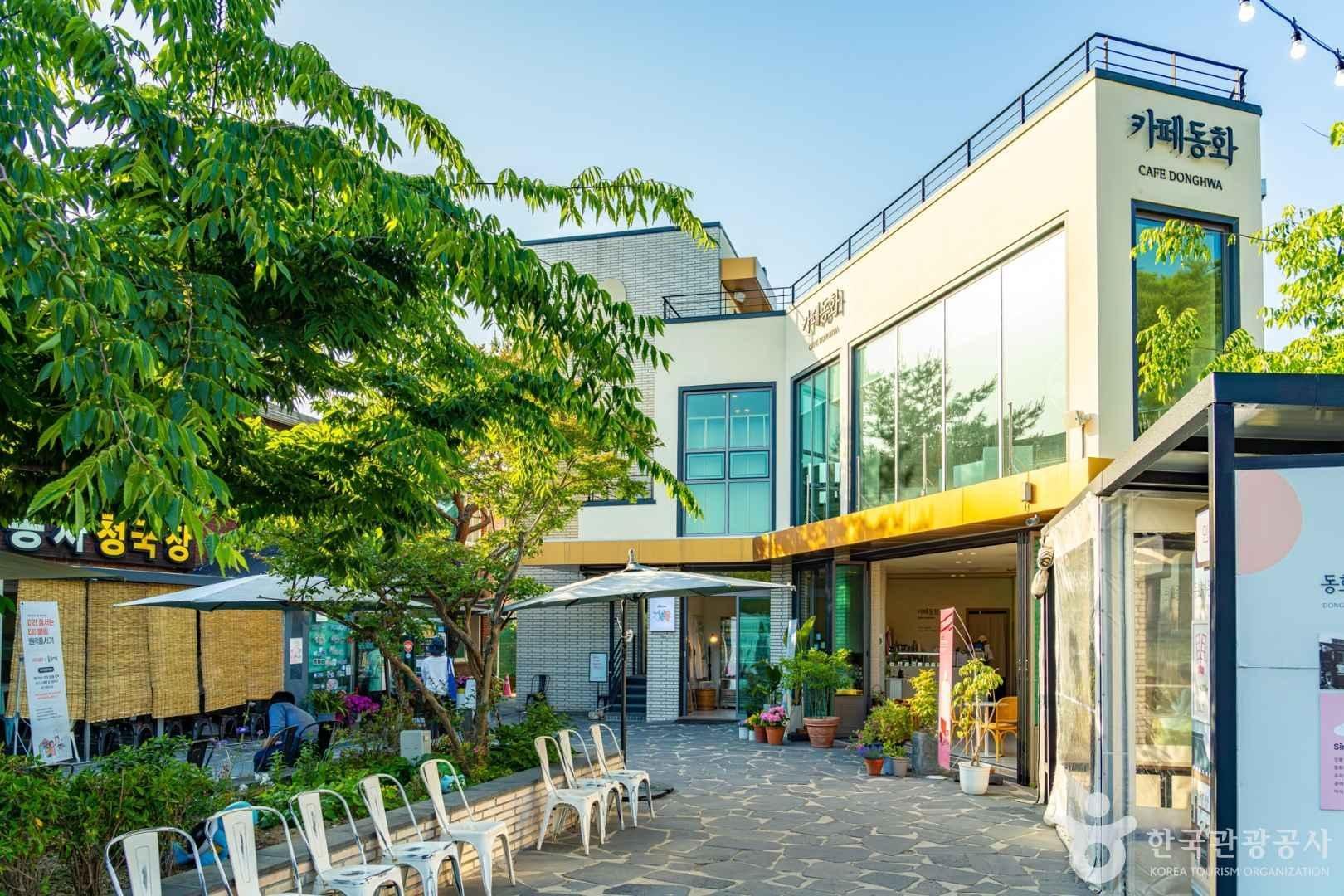
Gangneung Jjamppong Sundubu Donghwa Garden
This restaurant was the first to start selling jjamppong sundubu (spicy seafood and soft bean curd soup) in Chodang Dubu Village. Their signature dish features a perfect blend of spicy seafood soup and rich, nutty soft bean curd. They also offer eolkeun sundubu (spicy soft bean curd stew) made with pork and beef bone broth, with soft bean curd and eggs at the end. This stew is available exclusively as a breakfast item from 7 AM to 8 AM. Their kimchi, made with soybean whey left over from the bean curd-making process, is a unique specialty. You can also purchase their bean curd and kimchi separately.

Address:
15 Chodangsundubu-gil 77beon-gil, Gangneung-si, Gangwon-do
Contact:
+82-33-652-9885
Signature Menu:
Jjamppong Sundubu – 13,000 KRW /
Ahnsongja Cheonggukjang (Ahnsongja rich soybean paste stew) – 12,000 KRW (minimum order for two)
Getting There:
Approx. 4.2 km from Exit 2 of the Gangneung Station on Gyeonggang Line (KTX) /
Approx. 11 km from Gangneung Tollgate on Donghae Expressway /
Adjacent to Gyeongpoho Lake, Gyeongpohaebyeon Beach, and Gangmunhaebyeon Beach; located within Chodang Dubu Village
Parking:
Available (up to 50 spaces)
Seating Capacity:
120 seats
Menu Languages:
Korean, English, Japanese
Chodang Halmeoni Sundubu
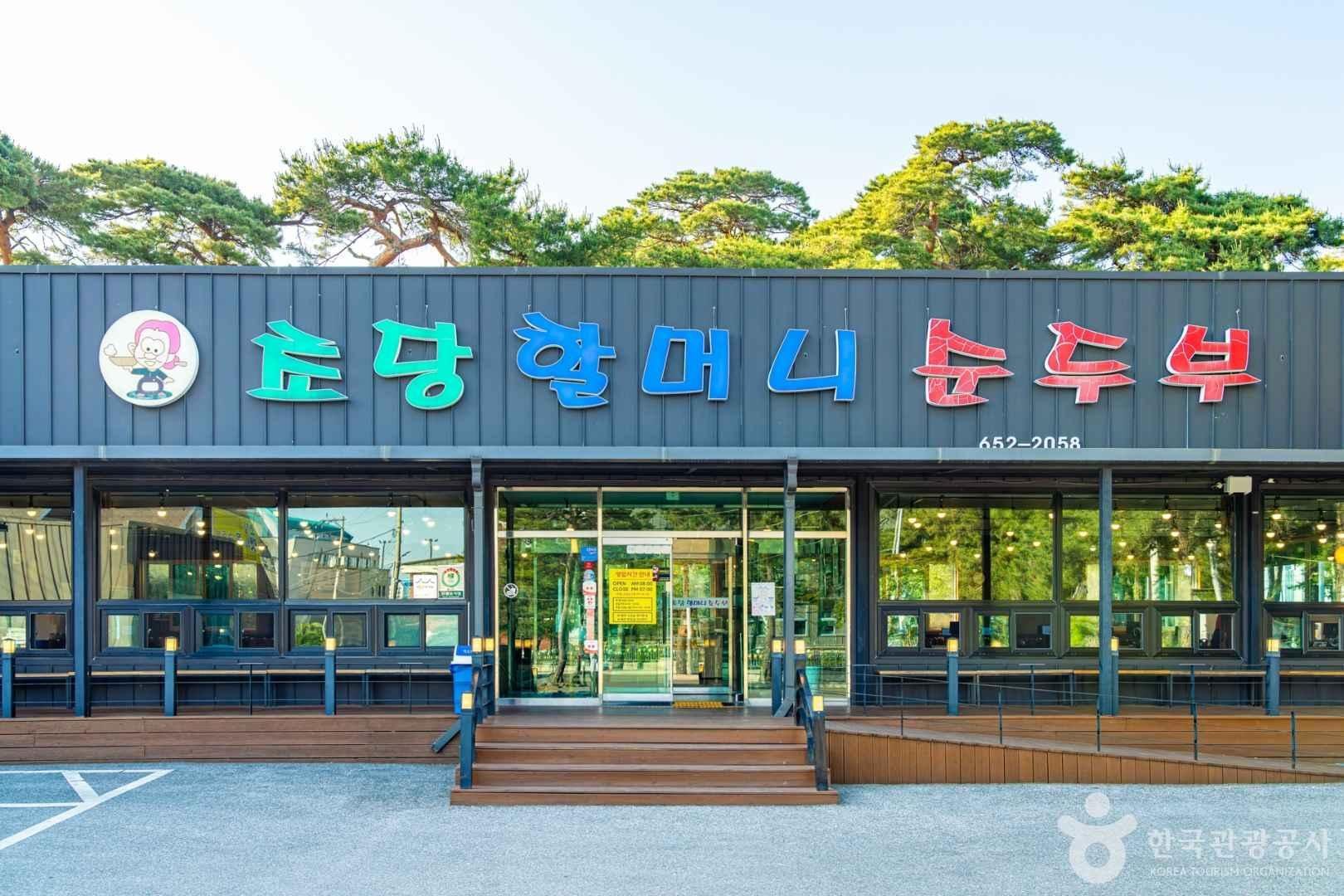
This restaurant makes bean curd using traditional methods every morning. Their main menu is sundubu baekban (soft bean curd set menu), which lets you savor the rich flavor of freshly made bean curd without any added seasonings. They also serve a popular spicy soft bean curd stew, eolkeun jjaebok sundubu, made with venus clams from the East Coast.
Address:
77 Chodangsundubu-gil, Gangneung-si, Gangwon-do
Contact:
+82-33-652-2058
Signature Menu:
Sundubu Baekban – 11,000 KRW /
Eolkeun Jjaebok Sundubu – 12,000 KRW
Getting There:
Approx. 4.1 km from Exit 2 of Gangneung Station on Gyeonggang Line (KTX) /
Approx. 11 km from Gangneung Tollgate on Donghae Expressway /
Adjacent to Gyeongpoho Lake, Gyeongpohaebyeon Beach, and Gangmunhaebyeon Beach; located within Chodang Dubu Village
Parking:
Available (up to 30 spaces)
Seating Capacity:
128 seats
Menu Languages:
Korean, English, Japanese
Kangwonok
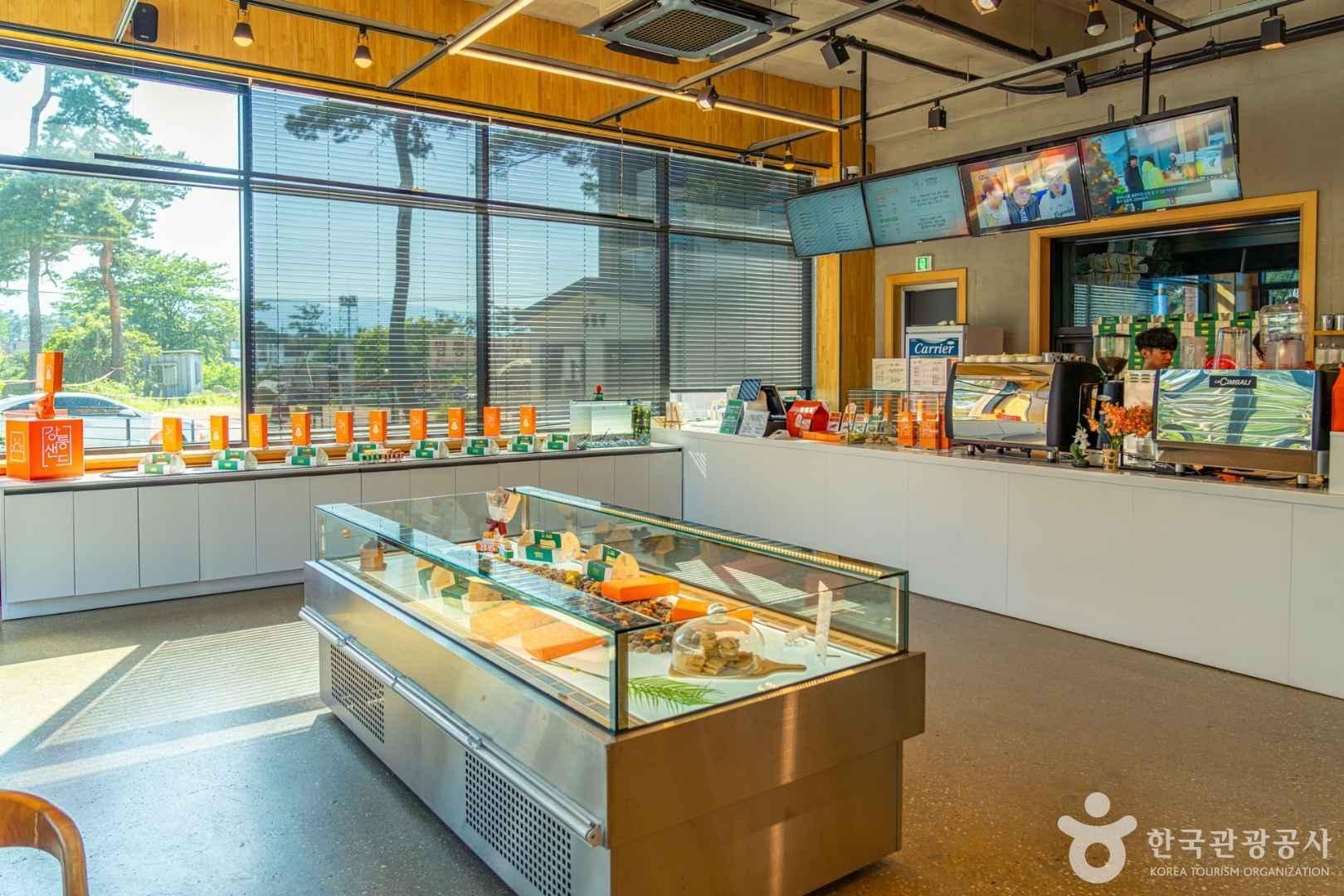
This café sells Chodang sundubu chapssaltteok (sweet rice cake with Chodang soft bean curd filling), which won the Grand Prize at the 2023 Gangneung Tourist Souvenir Contest. Chodang sundubu chapssaltteok is a dessert with sweet rice cake made from Gangwon-do rice, filled with cream cheese, whipped cream, and Chodang soft bean curd. The café’s Ock Coffee, topped with Chodang sundubu chapssaltteok, is also popular.
Address:
89-8 Chodangsundubu-gil, Gangneung-si, Gangwon-do
Contact:
+82-507-1449-0599
Signature Menu:
Chodang Sundubu Chapssaltteok (1 piece) – 1,400 KRW /
(1 box) – 16,000 KRW /
(2 boxes) – 30,000 KRW
Getting There:
Approx. 4.2 km from Exit 2 of the Gangneung Station on Gyeonggang Line (KTX) /
Approx. 11 km from Gangneung Tollgate on Donghae Expressway /
Adjacent to Gyeongpoho Lake, Gyeongpohaebyeon Beach, and Gangmunhaebyeon Beach; located within Chodang Dubu Village
Parking:
Available (up to 10 spaces)
Seating Capacity:
50 seats
Menu Languages:
Korean
Soontofu Gelato First Store
Operated by Sonamujip Chodang Sundubu, a restaurant specializing in soft bean curd dishes, this takeout-only shop is the first in Korea to offer a dessert menu that combines gelato with soft bean curd. The soft bean curd gelato is popular for its delightful blend of the nutty aroma of soybeans and the sweetness of gelato.
Address:
95-5 Chodangsundubu-gil, Gangneung-si, Gangwon-do
Contact:
+82-33-653-8344
Signature Menu:
Soft Bean Curd Gelato – 4,000 KRW
Getting There:
Approx. 4.2 km from Exit 2 of the Gangneung Station on Gyeonggang Line (KTX) /
Approx. 11 km from Gangneung Tollgate on Donghae Expressway /
Adjacent to Gyeongpoho Lake, Gyeongpohaebyeon Beach, and Gangmunhaebyeon Beach; located within Chodang Dubu Village
Parking:
Available (up to 20 spaces)
Seating Capacity:
8 seats
Menu Languages:
Korean
Experience Information
Sogeumgang Village
It is a rural village located by the Sogeumgang River, offering an array of agricultural experiences such as traditional rice planting and seasonal produce harvesting. Visitors can also participate in food-related activities, such as making Chodang sundubu (Chodang soft bean curd), gamja ongsimi (potato ball soup), and dongchimi (radish water kimchi). The village features a camping area where families can stay overnight and enjoy the activities, with group accommodations also available.
Address:
(Sogeumgang Village Eco-Center), 1826-11 Jingogae-ro, Yeongok-myeon, Gangneung-si, Gangwon-do
Contact:
+82-33-661-0401
Operating Hours:
10:00~17:00
Admission:
Free
Program (Reservations are required by 5:00 PM the day before)
- Gangneung Chodang Sundubu Making Experience For groups of 20 or more – 12,000 KRW per person (up to 100 people) / For families (up to 4 people) – 50,000 KRW
- Gangwon-do Gamja Ongsimi Making Experience: 10,000 KRW per person (Minimum people of three)
Parking:
Available (up to 10 spaces)
Website:
www.gntour.or.kr (Korean)

1330 Helpline Call/Chat

Start a FREE Online Call(No charges for calls on Wi-Fi /
Data charges may apply)

Open 1330 Helpline Chat(Download not required)



Open messenger app(Messenger app must be installed)