-
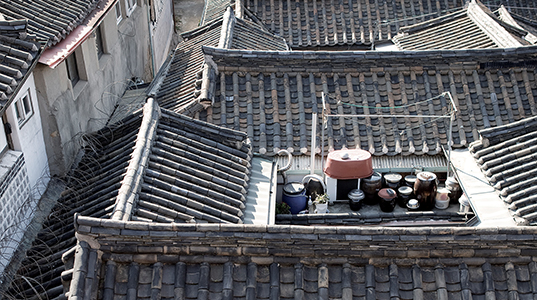
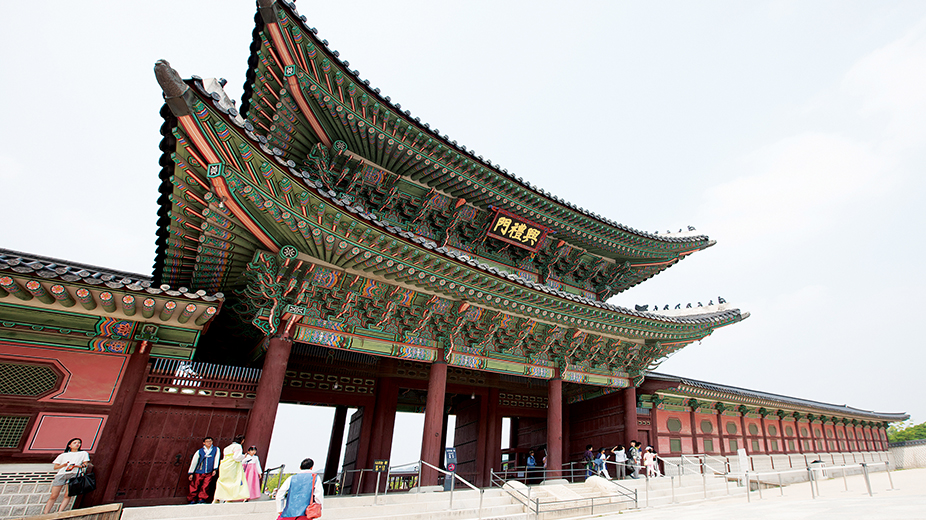
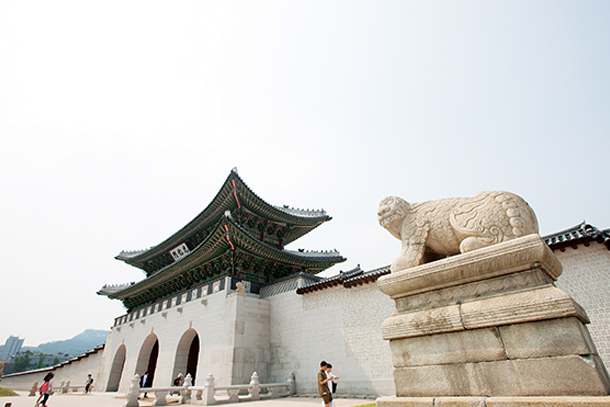
Whether they are an international guest visiting Korea or a local tourist from out of town, palaces are the first place people head to when visiting Seoul. Seoul was the capital of the Joseon Dynasty, which lasted for 600 years, so you can see the palaces of kings that have stood throughout the ages. Standing tall in the middle of the modern, dynamic Gwanghwamun area full of skyscrapers, Gyeongbokgung Palace is a striking contrast. It is one of the five Joseon-era royal palaces standing within the four gates of Seoul. Other palaces include the Deoksugung Palace, the UNESCO World Heritage Site of Changdeokgung Palace, Changgyeonggung Palace, and Gyeonghuigung Palace. On a nice day, it's not uncommon to see tourists dressed up in hanbok (traditional Korean clothes) and taking pictures at the palace.
-
But all this is not to say that Seoul only has historic sites. Seoul’s most notable strength as a tourist site is that it allows you to enjoy nature, such as mountains and rivers. Many major cities worldwide are formed around rivers, such as London’s Thames or Paris’ Seine, but not many are as big as Hangang River. Indeed, the Thames is about 265m in width, while the Hangang River’s width is 1km. The river is also home to parks and waterside facilities like Yeouido, Banpo, Ttukseom Island, and Nanji Hangang Park, which allow you to get the most out of Hangang River’s charms.
-
Want to see a more modern landmark? Head to Dongdaemun Design Plaza (DDP). Designed by Iraqi-born architect Zaha Hadid, it looks like something out of the world of the future, with no straight lines or walls between the exterior and interior. The DDP comprises a museum, a lounge, and shops for souvenirs. All these show that Seoul is a dynamic and colorful place where traditional and modern, natural and artificial landmarks meet in one place.
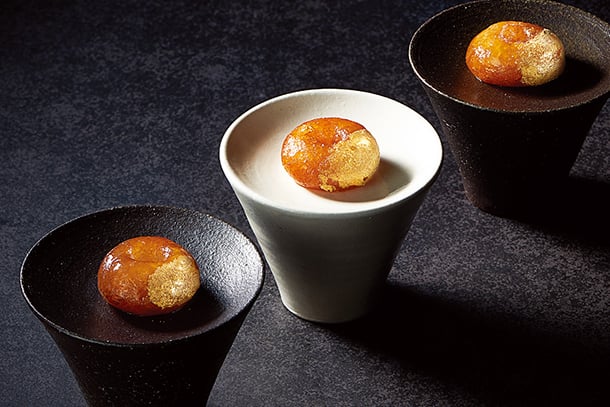
Among younger generations of Koreans, traditional snacks have seen a boom. New desserts that feature reinterpretations of traditional desserts have gained increasing popularity, driven by the retro craze and health-conscious consumption trends. Such desserts include the likes of yanggaeng (sweet red bean jelly), yakgwa (honey cookie), and tteok (rice cake).
 |
HAAP
For a true retro dessert experience, we recommend HAAP (合). Pâtissier Shin Yong-il, who leads HAAP, combines techniques he learned in a French baking school with traditional Korean desserts. HAAP’s desserts all come bite-sized, so you can enjoy them without fuss. Yakgwa here has two variants, one with citrus malt syrup and the other with sweet-and-savory soy sauce. Juak (fried rice cake) is flavored with ginger malt syrup, which imparts a delightful sting to the sweetness of the malt syrup. HAAP also offers a wide variety of other traditional desserts, like hodu jeonggwa (candied walnuts), jeungpyeon (raised rice cake), injeolmi (bean-powder-coated rice cake), and sirutteok (steamed rice cake). Luxurious packaging makes them ideal as gifts.
|
 |
GEUMOKDANG
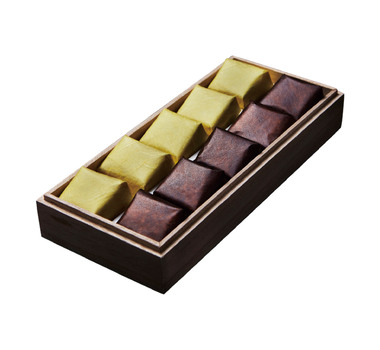
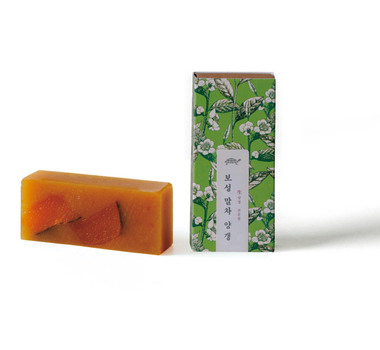
Geumokdang is a store specializing in handmade yanggaeng (sweet red bean jelly). These handmade yanggaeng are wrapped in luxurious packaging and elegant boxes. Yanggaeng here goes far beyond red bean paste, as there are more than 10 varieties of yanggaeng, from chestnut to milk tea and pistachio. These jellies tend to be tender and mildly sweet, thanks to reduced sugar content.
|
 |
TONGTONGE
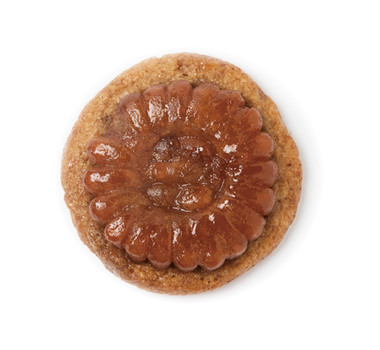
Yakgwa, or honey cookies, usually served on tables for ancestral rituals, is the leading force behind the current retro dessert craze. Some famous yakgwa stores command massive lines, so one must line up early or risk them going out of stock. TONGTONGE’s yakgwa was one of the earliest yakgwa to earn the love of the general public, so much so that convenience stores even carry their yakgwa. TONGTONGE’s yakgwa is an interesting combination of tradition and modernity, being a large cookie topped with yakgwa. These yakgwa have a gentle sweetness and are tender in texture.
|
 |
YEON LI HUI JAE
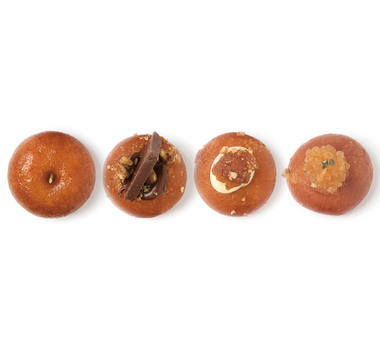
Juak refers to rice cakes made with sweet rice and wheat flour, kneaded with makgeolli (unrefined rice wine), shaped into round discs, and deep-fried in oil. It is traditionally associated with the city of Gaeseong in North Korea, so it is often called “Gaeseong Juak.” In fact, yakgwa and juak share their historical origins in Gaeseong, the capital of the Goryeo period. Yeon Li Hui Jae’s juak is topped with new and quirky toppings like chocolate, cream cheese, and fruit. Take a bite, taking care to prevent the oil and malt syrup from dripping, and enjoy the moist texture.
|
If you find yourself in Seoul, why not purchase some stationery to help you remember the city? Notepads, writing instruments, and other items bearing Seoul tourist sites like historic palaces and N Seoul Tower allow you to reconnect with Seoul every time you use them. Other products include files, binders, cards, postcards, desk ornaments, and books.
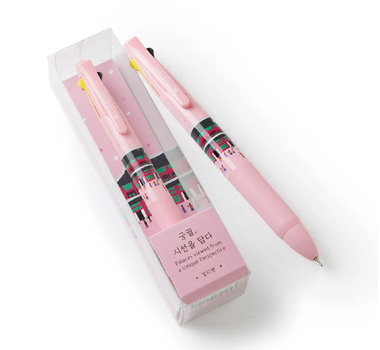 |
“PALACES THAT CAPTURE THE GAZE” MULTIPEN
This multipen is inspired by the view of Gyeongbokgung Palace, created by a designer with an autism spectrum disorder (ASD). Part of the proceeds from the “Palaces that Capture the Gaze” series goes to the rehabilitation of people with ASD.
|
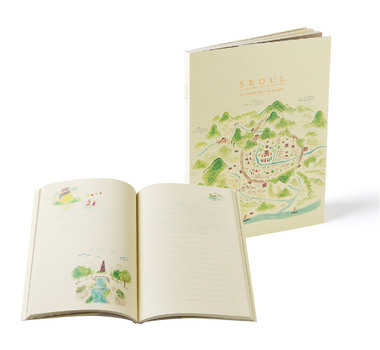 |
L'APRÈS-MIDI TRAVEL JOURNAL - SEOUL
This travel diary includes warm and fuzzy illustrations of Seoul, created by illustrator Han Wooran. The diary has four different covers, so one has a wide variety of choices in design; “The King and the Queen,” depicting a Joseon-era king and a queen in front of Injeongjeon Hall of Changdeokgung Palace; “Seoul Tower,” depicting N Seoul Tower; “Old Seoul,” which recreates the historic capital of Hanyang during the Joseon period; and “63 Building,” which depicts the building standing against the Seoul International Fireworks Festival. The pages themselves also bear illustrations made by Han.
|
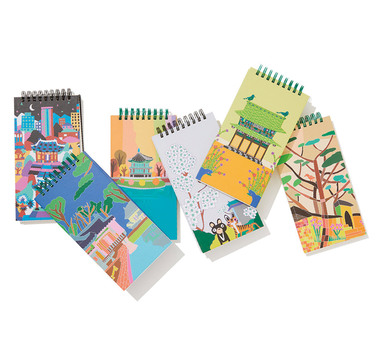 |
“PALACES THAT CAPTURE THE GAZE” NOTEPAD
These notepads come in six different designs, all bearing beautiful illustrations of Seoul’s palaces like the Injeong jeon Hall of Changdeokgung Palace, Hyangwonjeong Pavilion of Gyeongbokgung Palace, and Gyeongbokgung Palace at night. These shed new light onto the familiar palaces of Seoul, while their size allows them to fit in one’s hand. For an additional fee, you can also choose paper or pouch packaging.
|
These lifestyle products, inspired by Seoul’s landmarks, make perfect gifts. Some of them even integrate traditional Korean crafts into their production, such as najeon, brilliant mother-of-pearl and lacquer products dating back to Goryeo period. Najeon furnitures and objects began to be widely used in Joseon period.
 |
SEOUL MOTHER-OF-PEARL TRAY
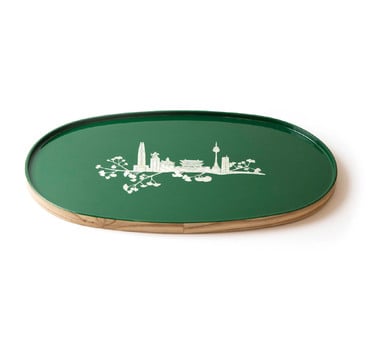
Najeon (mother-of-pearl craft) techniques are used to inlay the Seoul Mother-of-pearl Tray with Seoul landmarks like the Lotte World Tower, N Seoul Tower, and the statue of Admiral Yi Sun-sin, along with the leaves of ginkgo, Seoul’s city tree. The tray is colorful and luxurious, with silver and white mother-of-pearl inlays representing the Hangang River and a green background inspired by Namsan Mountain. The trays can be put to use when drinking tea or serving snacks.
|
 |
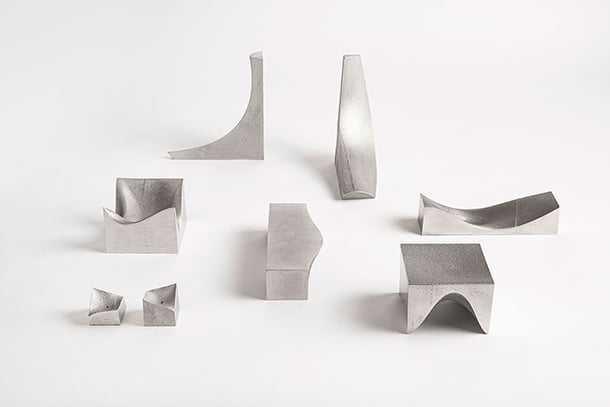
B-SIDE DDP INCENSE WARMER
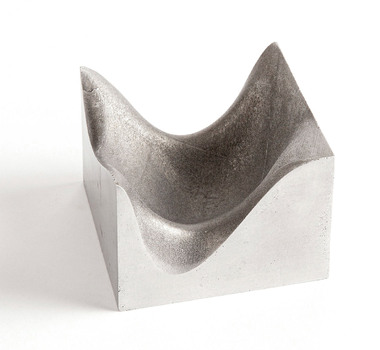
This incense warmer is inspired by the experimental design of Seoul’s Dongdaemun Design Plaza (DDP). The design indeed recreates the defining features of the DDP, such as flowing curves and steel materials. You can use it as an incense warmer or a desktop decoration.
|
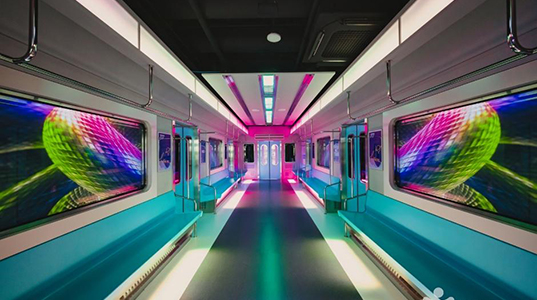
Run by the Korea Tourism Organization, HiKR GROUND is intended as a playground for global tourists that present a hello (Hi) from Korea (KR). It is a hip K-Culture playground that includes K-Wave event spaces, special exhibition halls, and experience zones.
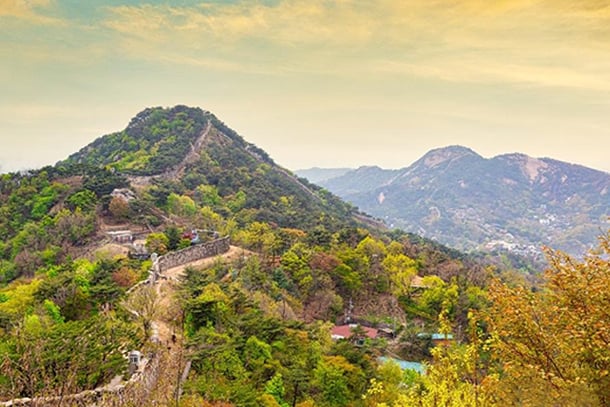
Seoul is blessed with many mountains surrounding the area. Mountains standing between skyscrapers really demonstrate the blend of city and nature that Seoul is known for. If you decide to go for some urban mountain climbing experience, don't forget to stock up on souvenirs that can help you remember these mountains.
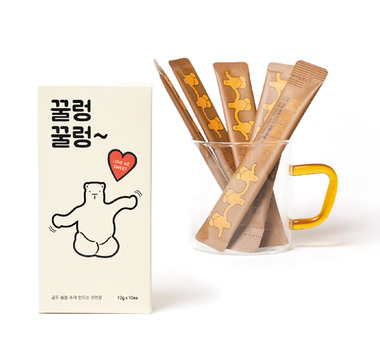 |
GGUL.GUN.DAL
This store, run by a father-and-son pair, sells honey sourced from bees kept in Bukhansan Mountain in Seoul, Goyang in Gyeonggi- do, and Myeongseongsan Mountain in Cheorwon. The quality of the honey is top-notch, receiving the highest rating every year in the honey test organized by the head of the Korean Beekeeping Association.
|
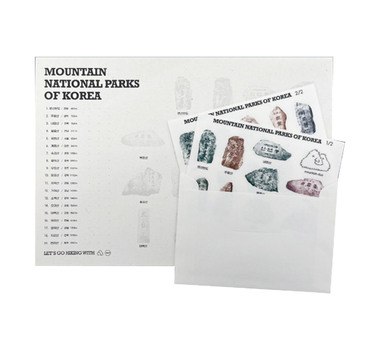 |
SEOUL & GYEONGGI HIKING TRACKER
If you don’t know what mountains you should try or you want a special way to record your mountain climbing in Korea, the “Seoul & Gyeonggi Hiking Tracker” will be quite useful. Summit Marker Posters, which collect the summit markers of 100 mountains selected by the Korea Forest Service, are also popular.
|
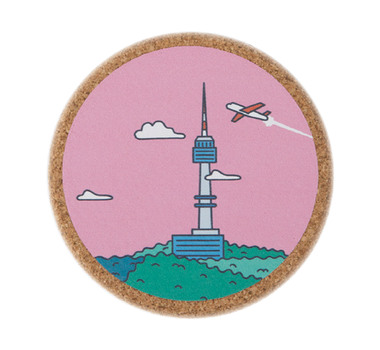 |
N SEOUL TOWER MERCH
N Seoul Tower is one of the most recognizable landmarks of Seoul. The souvenir shop, located on the first floor of the N Seoul Tower, offers souvenirs engraved with the N Seoul Tower’s likeness, such as magnets, key rings, and mugs.
|
Q How did you come to produce these posters or stickers after mountains? I wanted to create something to take the fond memories of hiking outside rather than keeping it on the phone. As for the summit markers, since they are structures that symbolize the mountain and the most memorable image of the climb, I could center them around the poster and provide information on the mountain themselves. After that, we expanded our offerings to stickers that could add a further dash of fun to mountain-climbing and hiking trackers that can help them track their trips.
Q In your mind, what distinguishes your products from other products themed after mountains? mt.d’s hiking products are are distinguished by new perspectives and ideas. At mt.d, our development work starts with creating hiking products that can distinguish mt.d over others.
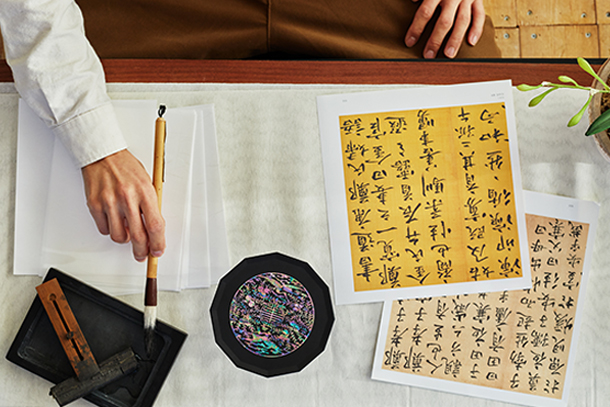
With 5,000 years of history, Korea has a long and beautiful tradition in arts and crafts as well. Crafts made by artisans using time-honored techniques and expertise range from those that capture the culture and value of the Joseon Dynasty to those that showcase the daily lives and artistic sensibilities of Koreans.
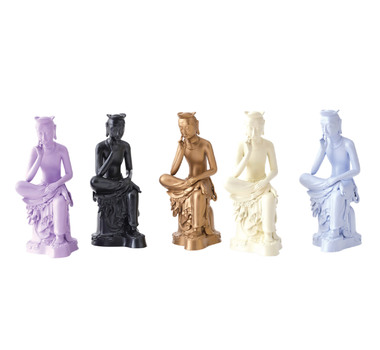 |
MINIATURE GILT-BRONZE PENSIVE MAITREYA BODHISATTVA
This miniature Gilt-bronze Pensive Maitreya Bodhisattva is inspired by one of the most well-known artifacts in the National Museum of Korea. Its modern, pastel-tone colors like ivory, purple, and sky blue are sure to guarantee flair and beauty no matter where they are placed in the house. The inside of the packaging describes the artifact in four languages, namely, Korean, English, Japanese, and Chinese, so that recipients can learn more about its significance.
|
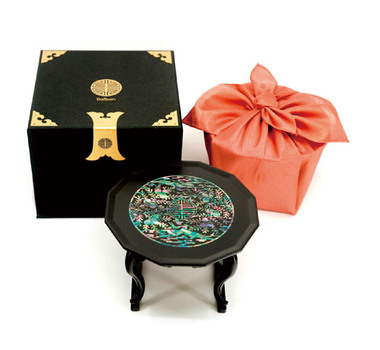 |
FAST MOTHER-OF-PEARL WIRELESS CHARGER
Najeon, mother-of-pearl inlaying, was created a millennium ago by the artisans of the Goryeo period. The mother-of-pearl from conch, abalone, and pearl oyster shells have to be ground down and then applied to the black lacquered objects, spot by spot, in a very laborious process. The result, however, is a brilliant harmony of natural life shaped into many patterns, a simply inimitable display of beauty. The Fast Mother-of-pearl Wireless Charger, designed to bring Korea’s traditional beauty to life, is slim enough to bring in a carry-on. It is equally easily used as an interior decoration.
|
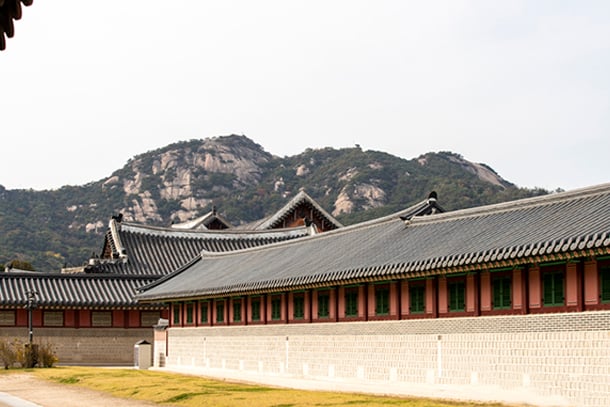
Palaces in Seoul, one of Korea’s most popular tourist sites, date back to the Joseon period. The Joseon Dynasty continued for 27 generations, spanning a history of nearly 500 years. Here are some handicrafts that invoke the symbols of this long-lived dynasty and the Joseon period.
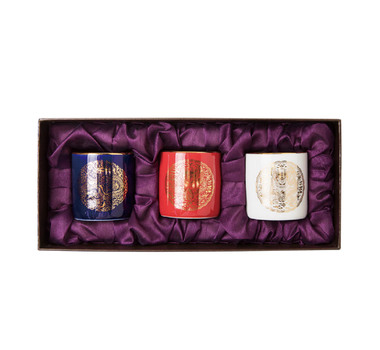 |
DRAGON ROBE CUP SET
This white porcelain cup set is inlaid with motifs inspired by gollyongpo, the royal robe worn by kings of Joseon. Blue refers to King Taejo, the founder of Joseon, while red refers to King Yeongjo, who presided over one of the highest points of Joseon culture. White refers to King Gojong, the 26th ruler of Joseon.
|
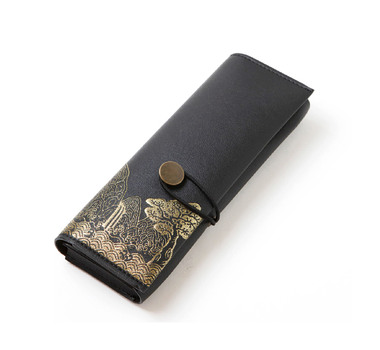 |
IRWOROBONGDO PENCIL CASE
This pencil case is inspired by Irworobongdo (Sun, Moon, and Five Peaks Screen), a painting that was placed behind the royal throne during the Joseon period. The sun and the moon symbolize the king and the queen, while the five peaks symbolize the eternal prosperity of the Joseon Dynasty. Now, you can bring a piece of this royal glory into your daily life.
|
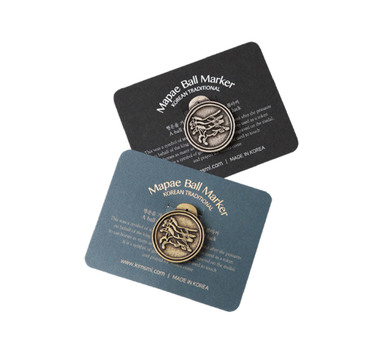 |
ROYAL INSPECTOR GOLF BALL MARKER
This golf ball marker is patterned after the Joseon-era mapae. Mapae (“horse pass”) refers to a round disc engraved with horses that served as a sign of authorization for royal inspectors during the Joseon period. Use these markers to distinguish yourself on the field as well. The markers are about the size of a coin, and the iconic horse engravings are inlaid on gold-and-copper-like metal for further authenticity. A magnet is attached to the back, so it can be used as a fridge magnet or an interior decoration.
|
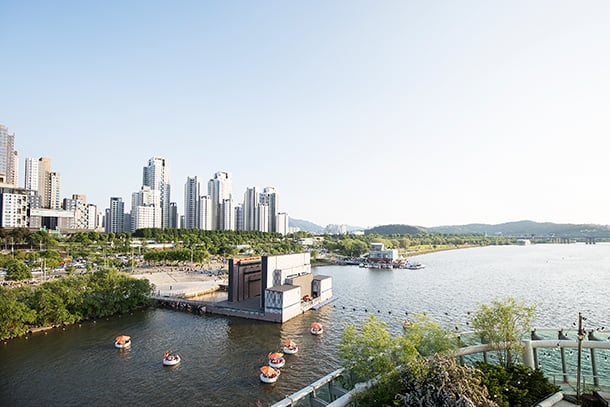
In 11 parks that line the Hangang River, you can enjoy hiking, cycling, and ferry rides along the river. After getting some good food by the river, clean up after yourself with an environmentally conscious recycling multitool.
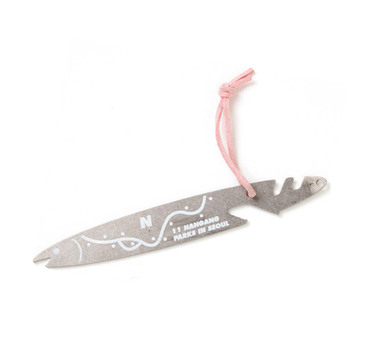 |
HANGANG RECYCLING MULTITOOL
This item won the Grand Award in the “Seoul Tourism Souvenir Contest,” which was intended to identify tourist souvenirs that capture the valuable heritage of Seoul. It can be used after enjoying a cool beverage at Hangang Park. Use the tool to recycle the items and experience the lives of Seoulites for a day.
|
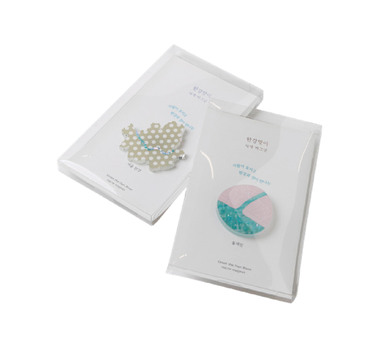 |
GREET THE HANGANG MOTHER-OF-PEARL MAGNET
This product captures the views of Seoul’s Hangang River and the eight streams that join the Hangang River, such as the Cheonggyecheon, Banpocheon, and Tancheon Streams. The magnets depict the Hangang River in simple, warm, and soft colors, such as pastel shades of pink, green, and orange.
|
The people of Joseon used many symbolic motifs in their clothing and accessories. Both the royal court and the people loved tree peonies, which were loved as “the king of flowers” for their grace, and princesses’ wedding robes were embroidered with patterns of butterflies, pomegranates, and tree peonies in golden threads. Butterflies with vines symbolized long life or prosperity for one’s descendants.
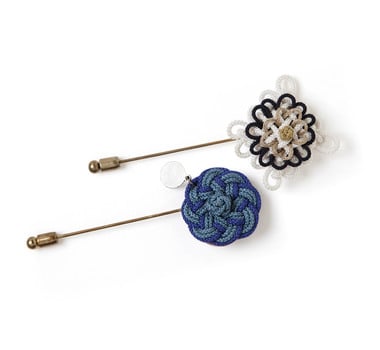 |
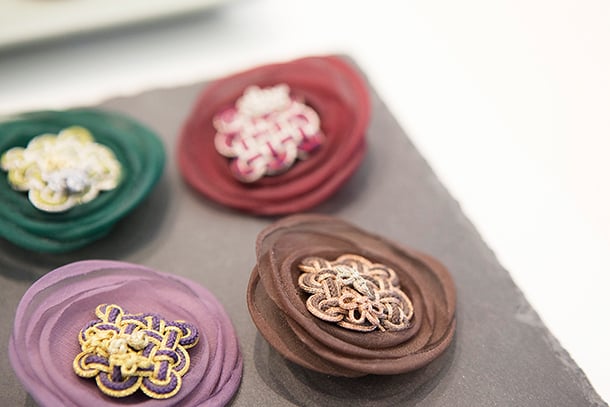
FLOWER BOUTONNIERE
This boutonnière is inspired by the traditional knot craft of Korea. Each flower is handmade, and its elegance is enough to add a highlight to your suit.
|
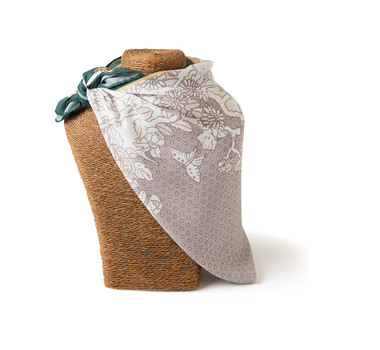 |
GYEONGBOKGUNG JAGYEONGJEON FLOWER WALL SCARF
The Jagyeongjeon Hall of Gyeongbokgung Palace, one of the most recognizable palatial buildings in Seoul, is home to a beautiful Flower Wall engraved with plum blossoms, tree peonies, chrysanthemums, and bamboo. The wall represents a wish for the king and the queen’s longevity and prosperity. Recently, a scarf capturing this wish is gaining popularity. Gyeongbokgung Jagyeongjeon Flower Wall Scarf recreates the beautiful Flower Wall with the hopes of good fortune for the wearer. The viscose material adds a unique flair, and the scarf comes in three colors: Dancheong Red, Namsan Green, and Giwa Deep Grey.
|
Bukchon Hanok Village is where traditional Korean architecture meets contemporary life, a residential neighborhood inhabited by hanok (traditional Korean house) and Seoulites. The name “Bukchon” comes from its location north of Jongno. Originally a residential district for the aristocracy in the Joseon period, it still retains its shape quite well despite the passage of time.