• Gaengnidan Street, Jeonju

        • 10/20/2023

          4.8K

        • 0

          0

        • food_street

        • alley_tour

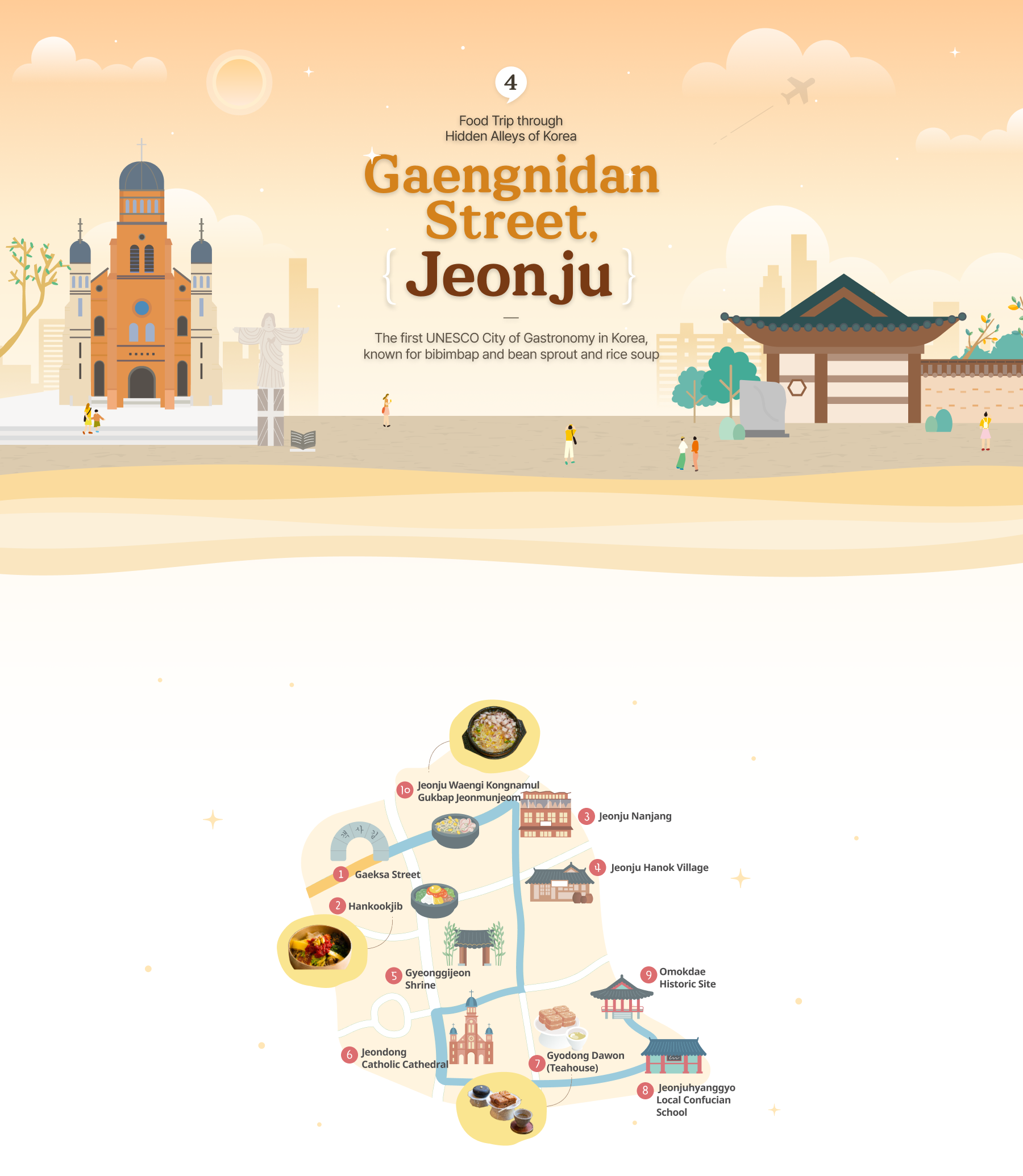
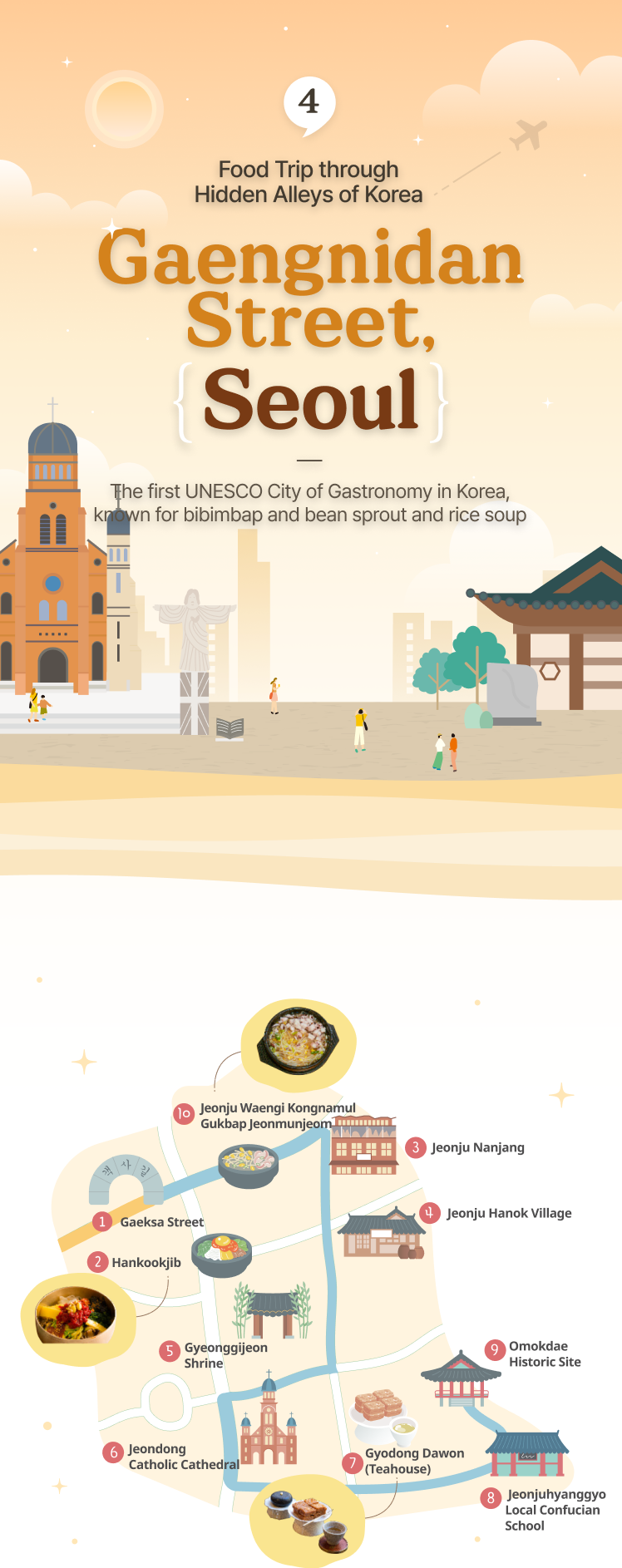
  • Illustration of Gaengnidan Street in Jeonju and illustration of map of Gaengnidan Street attractions at the bottom (horizontal type) Illustration of Gaengnidan Street in Jeonju and illustration of map of Gaengnidan Street attractions at the bottom (vertical type)

    4. Food Trip through Hidden Alleys of Korea : Gaengnidan Street, Jeonju - The first UNESCO City of Gastronomy in Korea, known for bibimbap and bean sprout and rice soup

    Alley Map - 1: Gaengnidan Street, 2: Hankookjib, 3: Jeonju Nanjang, 4: Jeonju Hanok Village, 5: Gyeonggijeon, 6: Jeondong Catholic Cathedral, 7: Gyodong Dawon, 8: Jeonju hyanggyo, 9: Omokdae, 10: Waengi Kongnamul Gukbap

    Jeonju is the first UNESCO City of Gastronomy in Korea. On this road, one can enjoy the world-renowned "bibimbap" and "bean sprout and rice soup," as well as try the local beer culture "Gamaek," and trace the roots of the Joseon dynasty.

    Jeonju is the home of Yi Seong-gye, King Taejo and the founder of Joseon, which makes it the origin of the Joseon dynasty. It is also known for local specialties such as Jeonju bibimbap, Jeonju bean sprout and rice soup, and Jeonju choco pie. Its deep tradition and flavors have led to Jeonju being recognized as the first UNESCO City of Gastronomy in Korea. From historic sites to Jeonju favorites and hanok, the traditional residential buildings of Korea, discover the unique flavors and flair of Korea’s tradition in Jeonju, which is only 2 hrs by KTX from Seoul Station.

    Recommended Itinerary
    *Click on each course to see details.
    1. Gaengnidan Street

    The center of youth culture in Jeonju

    #gaeksa #restaurants #cafés

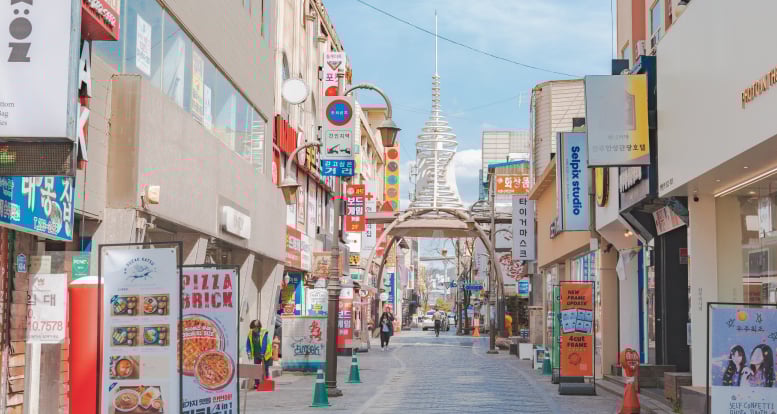
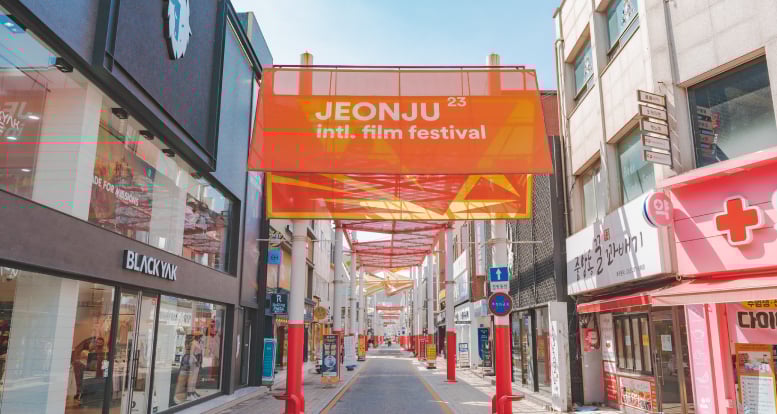
    Gaengnidan Street is the premier hangout in the city of Jeonju. For locals, it is more often known under a different name, "Gaeksa Street." Where does this come from? "Gaeksa" refers to state guesthouses where officials dispatched on state matters would stay during their trip during the Joseon dynasty. "Pungpaejigwan Guesthouse" is situated at the entrance of this road, which naturally gave the name "Gaeksa" to the road as well. Gaengnidan Street is home to restaurants serving a wide variety of cuisine, cute cafés, and dainty shops, attracting the youth in their 20s and 30s.

    Gaengnidan Street scenery with many shops Gaengnidan Street scenery
    • Address 10-1, Jungang-dong 2(i)-ga, Wansan-gu, Jeonju-si, Jeonbuk State

    • Opening Hours Varies by store

    JIFF Film Street

    JIFF Street, where you can see movie posters of Jeonju International Film Festival that are full of walls The scenery of JIFF Film Street next to Gaengnidan Street

    Make sure to also drop by JIFF Film Street. When Jeonju International Film Festival (JIFF) comes around at the end of April, posters of films featured in the festival begin to fill the walls from JIFF Film Street to Gaengnidan Street. These films will be screened in cinemas located at Gaengnidan Street and Jeonju Dome, the venue of the opening and closing ceremonies of the festival.

    Gamaek

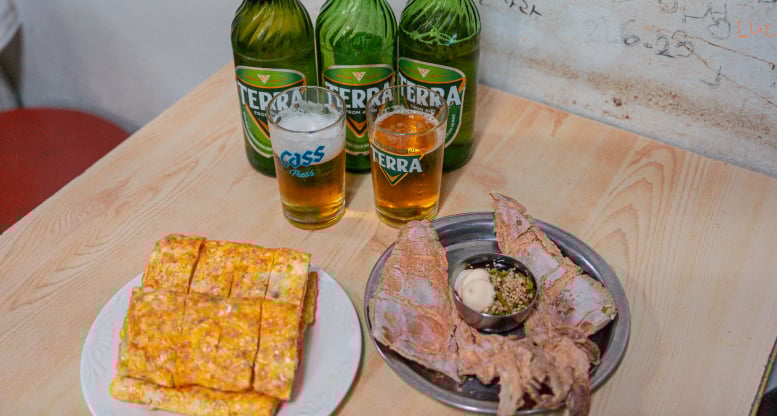
    Jeonju's Gamaekjip, which sells a variety of alcohol and snacks Beer and complements at Gamaek stores

    In the evening, Gaengnidan Street swells with people searching for "Gamaek," which is a practice where beer (maekju) is sold at corner stores (gage) rather than bars. It originated with the workers of Jeonju enjoying a glass of beer with simple snacks at corner stores and became a popular and accessible drink culture for the entire city over time. Today’s "Gamaek" stores serve Gamaek favorites like dried pollack fillet, rolled omelet, and peanuts to their own signature menu.

    • Jeonil Gabo

    • Address 16, Hyeonmu 2-gil, Wansan-gu, Jeonju-si, Jeonbuk State

    • Opening Hours 15:00-01:00 of the following day / Closed Sundays

    • Signature Menu and Prices (March 2023) Dried Pollack Fillet KRW 12,000
      Rolled Omelet KRW 8,000

    2. Hankookjib

    A Michelin-reviewed Jeonju bibimbap

    #bibimbap #traditional #hwangpomuk

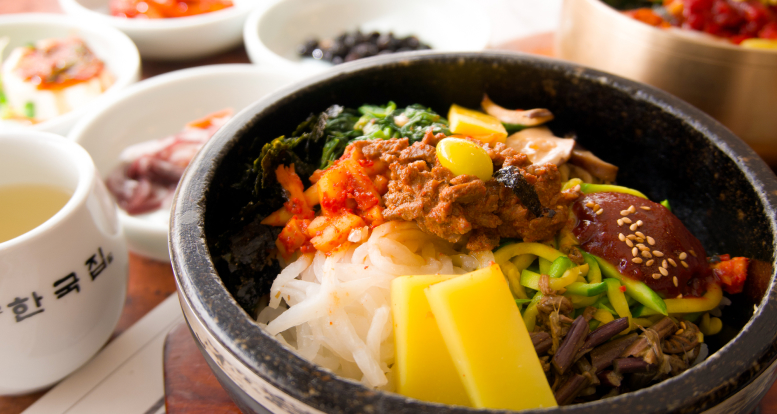
    One can find the "Hankookjib" about 10 min on foot from Gaengnidan Street. Opened in 1952, Hankookjib is said to be the origin of Jeonju bibimbap and was featured in the 2011 Michelin Guide South Korea. Bibimbap is a traditional Korean dish of steamed rice topped with vegetables like bracken, spinach, bean sprouts, and the likes. It is enjoyed by mixed together with a sauce. The red chili paste, a common ingredient in the sauce, is a spicy condiment that is widely used in other Korean dishes as well. In addition, one can also add stir-fried meat, beef tartare, cockles, and other ingredients to the mix.

    Hankookjib where you can taste Jeonju Bibimbap Bibimbap with Beef Tartare served to taste

    Hankookjib offers Jeonju bibimbap and hot stone pot bibimbap. These two dishes have the same ingredients but feature different bowls: the former comes in the traditional brass bowl*, while the latter comes in a hot stone pot that keeps the rice piping hot until the end of the meal. Another special feature of the Hankookjib’s bibimbap menu is hwangpomuk, one of the 10 Tastes of Jeonju*.

    Hwangpomuk refers to mung bean jelly colored yellow with gardenia seeds. It is a type of "muk," a jelly-like dish boiled down and solidified from grain starch. Jeonju bibimbap also contains bean sprouts, summer squash, and other ingredients included in the 10 Tastes of Jeonju, so it is a perfect dish to taste Jeonju flavors at once.

    * Brass bowl: Brass is an alloy of copper, tin or zinc, and nickel, and brass bowls are made by hammering the ingot out into a bowl. These bowls benefit from copper’s antifungal properties and heat retention. * 10 Tastes of Jeonju: This is a collection of 10 ingredients that represent Jeonju with their unique and delicious flavors: hwangpomuk (yellow mung bean jelly), water parsley, bean sprouts, summer squash, radish, parasi (a type of persimmon), young summer radish, crab, goby minnow, and seocho (tobacco).
    • Hankookjib

    • Address 119, Eojin-gil, Wansan-gu, Jeonju-si, Jeonbuk State

    • Opening Hours 09:30-21:00 (break 16:00-17:00)

    • Signature Menu and Prices (March 2023) Jeonju Bibimbap KRW 13,000
      Hot Stone Pot Bibimbap KRW 13,000

    • Tel +82-63-284-2224

    3. Jeonju Nanjang

    Take a trip back to the 20th Century Korea

    #artifacts #interactive #drama

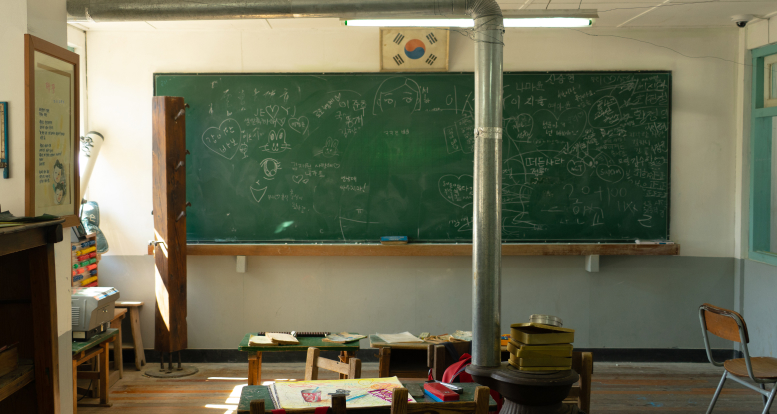
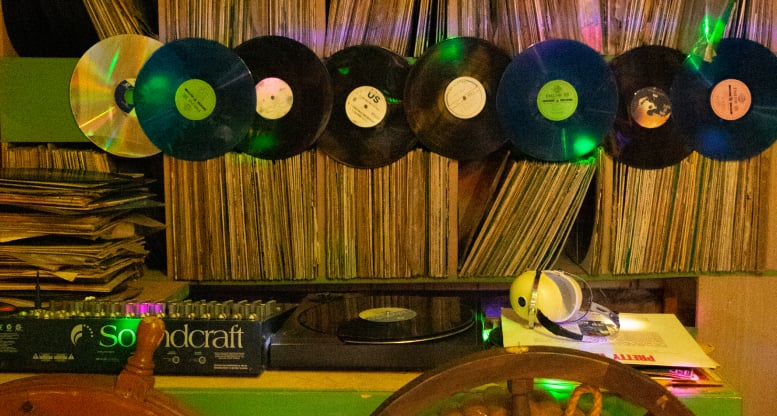
    About 8 min on foot from Hankookjib, Jeonju Nanjang is an indoor interactive museum showcasing a private collection of materials from Korea’s modern history collected over 25 years. Fans of K-dramas will be delighted to know that they can see the items featured in the Squid Game and the Reply series in person. There are payphones that Deok-sun used in Reply 1988, Shi-won’s radio in Reply 1997, and marbles featured in Squid Game.

    Interactive experiences like making dalgona, comic book library, arcade games, and transporting coal briquettes with an A-frame carrier allow the visitors to recreate scenes from their favorite TV shows. There are nearly 80 thematic zones in this museum, so make sure to set aside enough time to see them all.

    A classroom with an old-fashioned feel Retro-style items within Jeonju Nanjang
    Old LP record Retro-style items within Jeonju Nanjang
    • Address 33-20, Dongmun-gil, Wansan-gu, Jeonju-si, Jeonbuk State

    • Opening Hours 10:00-19:00 (last admission 18:00)

    • Entrance Fee (March 2023) Adult KRW 7,500
      Middle and high school students KRW 6,000

    4. Jeonju Hanok Village 4. Jeonju Hanok Village

    The exemplar of Korean beauty

    #largesthanok #streetfood #cittaslow

    Located 3 min away on foot, Jeonju Hanok Village is the largest hanok village in Korea, which is home to nearly 700 traditional buildings. It is even more meaningful because it retains the old and traditional values in the rapidly changing society of Korea.

    • Address 99, Girin-daero, Wansan-gu, Jeonju-si, Jeonbuk State

    • Opening Hours Open all year round

    Street food in the beautiful alleyways between hanok buildings

    Jeonju Hanok village selling various street foods Street food at Hanok Village
    Jeonju Hanok village selling various Jeonju specialties Street food at Hanok Village

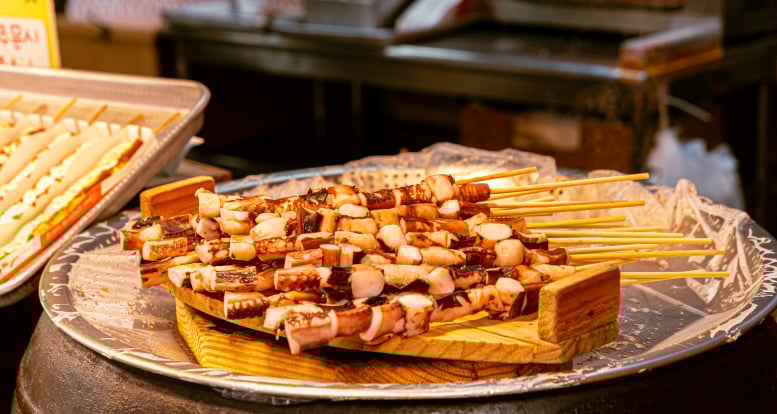
    One can find various street food being offered on the alley connecting the Hanok Village to Gyeonggijeon Shrine. From grilled cheese to baguette sandwiches with bibimbap filling, octopus skewers, and Jeonju choco pie, one can taste many interesting dishes to enjoy on the walk. Jeonju Hanok Village is also close to historic sites like Gyeonggijeon Shrine, Jeondong catholic cathedral, and Omokgyo Bridge. Jeonju Hanok Village is designated as a Cittaslow (Slow City)*, so take a step back and enjoy the leisurely walk through history with Jeonju Hanok Village’s historic sites and traditional food.

    * Cittaslow: Originating from Italy, this community movement strives to protect the traditional culture of the community. Other designated sites in Korea include Wando, Damyang, Yeongwol, and Seocheon.
    5. Gyeonggijeon Shrine 5. Gyeonggijeon Shrine

    Where the royal portrait is enshrined

    #royalportrait #bamboo #hanbok

    Gyeonggijeon Shrine was built in 1410 to enshrine the royal portrait of Yi Seong-gye, King Taejo of Joseon dynasty. The royal portrait can be found in both the Jeongjeon Hall of Gyeonggijeon Shrine and the Royal Portrait Museum because the portraits on display are copies, as the actual portrait is stored in the storage unit*. A festival that features various performances and programs with themes of the royal portrait and Gyeonggijeon Shrine is held in the shrine during fall.

    * Storage unit: Storage units are used in art museums and museums to keep its collection.
    Popular shooting spot for nature, Gyeonggi-jeon shrine Photo area in Gyeonggijeon Shrine

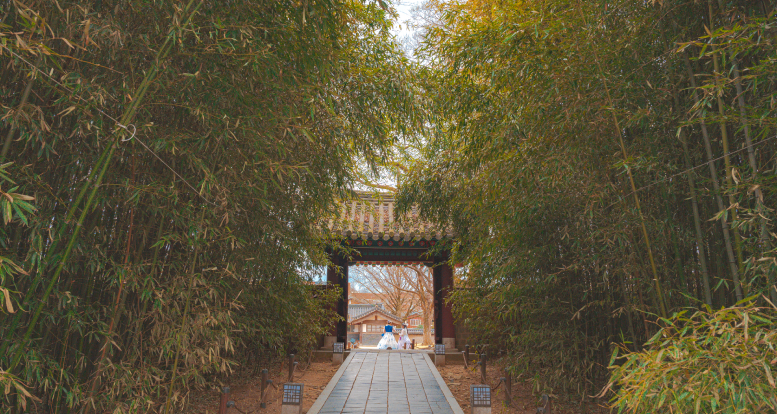
    Gyeonggijeon Shrine is a popular place for couples or friends to take pictures in a hanbok, which is a traditional Korean clothing. The most famous spot for photography is the bamboo forest, with red red plum blossoms during spring and ginkgo trees during fall being also popular. Make sure to rent out some hanbok and get a unique photo for the album.

    • Address 44, Taejo-ro, Wansan-gu, Jeonju-si, Jeonbuk State

    • Opening Hours 09:00-19:00 (Open until 18:00 in winter)

    • Entrance Fee (March 2023) Adult KRW 3,000 / Teenager KRW 2,000 / Children KRW 1,000

    • Tel +82-63-281-2788

    6. Jeondong Catholic Cathedral 6. Jeondong Catholic Cathedral

    The first Western-style building in the Jeolla-do region

    #beautiful #top3 #historic

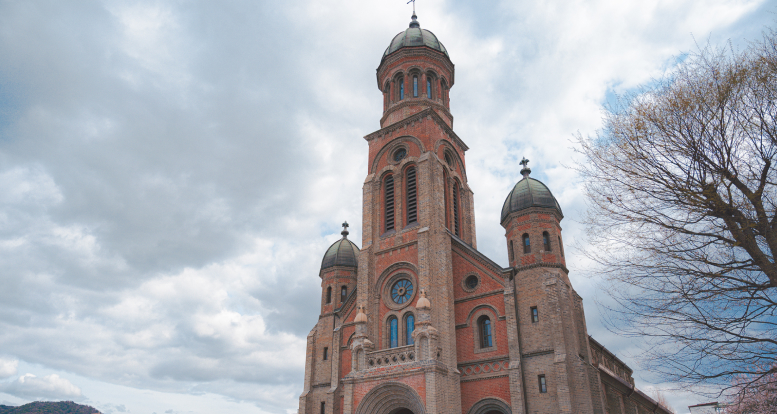
    Just across the road from Gyeonggijeon Shrine stands a building in stark contrast to the nearby hanok: Jeondong Catholic Cathedral, which, along with Seoul’s Myeongdong Catholic Cathedral and the Gyesan Cathedral of Daegu, is known as one of the three most beautiful Catholic Churches in Korea. In particular, Jeondong Catholic Cathedral is meaningful because it is dedicated to the first martyrs of Korea. In the Joseon period, the Confucian idea of filial piety and loyalty was the order of the day, which coexisted with a strict class system, and Catholicism‘s claim of equality before an Almighty God was completely in contrast with that ideology. What followed was a 100-year-long oppression of Catholics, as the ruling class of Joseon feared the influence of Catholicism on society. Jeondong Catholic Cathedral was built on top of a site where many Catholics were executed for their faith.

    The Cathedral was completed in 1914 with a design by Father Poisnel, who was responsible for the interior of the Myeongdong Catholic Cathedral in Seoul. With its red bricks and round bronze bell towers, it features Byzantine and Romanesque motifs integrated into the building that stand majestically in contrast with the surrounding area. It is also the oldest and the largest Western-style building in the Jeolla-do region.

    Jeonju's First Western-style Building, Jeondong catholic cathedral Jeondong Catholic Cathedral’s entrance
    • Address 51, Taejo-ro, Wansan-gu, Jeonju-si, Jeonbuk State

    • Opening Hours 09:00-17:00 (Not available during mass time)

    • Mass Monday-Friday 06:00 / Tuesday-Friday 11:00 /
      Saturday 06:00, 16:00, 18:00 /
      Sunday 06:00, 09:00, 10:30, 17:00

    • Tel +82-63-284-3222

    7. Gyodong Dawon

    Feel the peace

    #hanok #tea #yanggaeng

    Once you’ve explored the Hanok Village, Gyeonggijeon Shrine, and Jeondong Catholic Cathedral, it’s time to take a breather and rest your legs. Visit the Gyodong Dawon, located about 5 min on foot from Jeondong Catholic Cathedral, to take a breather in a peaceful space. Gyodong Dawon is housed in a century-old hanok, serving traditional Korean tea and desserts.

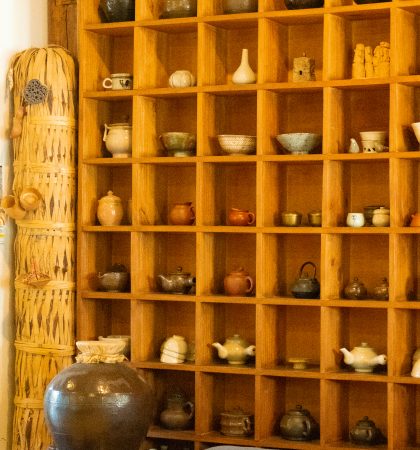
    Gyodong Dawon, a cozy and peaceful space Tea utensils in Gyoeong Dawon

    Instead of coffee, one can find yellow tea, green tea, and Pu'er tea at Gyodong Dawon. One can also learn how to brew tea there, so brew a cup of tea to immerse yourself in Korean traditions. For the sweets that go with the tea, try the handmade red bean paste jelly made with citrus, pumpkin, and chestnuts; honey cookie; and snow white rice cake.

    Gyodong Dawon, where you can feel a peaceful atmosphere Peaceful atmosphere in Gyoeong Dawon

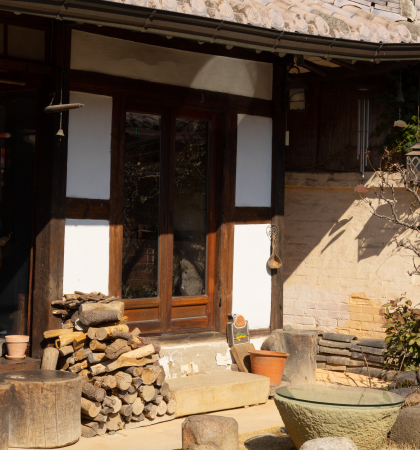
    Red bean paste jelly, known in Korean as yanggaeng, is a soft and tender dessert made by boiling and solidifying a mixture of red bean, sugar, syrup, and agar. It tends to be quite sweet, but Gyodong Dawon’s version eschews sweetness to ensure the natural taste of the ingredients, so it goes very well with a warm cup of tea. Make sure to check the surrounding areas after taking a break. From teacups arrayed on the wall to the window-side seat where sunlight falls like a curtain and the piles of firewood at the entrance, Gyodong Dawon is a picture of peace and tranquility. The seats in the main building are floor seatings, where one can feel the warmth of ondol (under-the-floor heating system), while seats in the annex feature tables and chairs. Visitors can choose the seat that they are most comfortable with and enjoy the atmosphere.

    • Gyodong Dawon

    • Address 65-5, Eunhaeng-ro, Wansan-gu, Jeonju-si, Jeonbuk State

    • Opening Hours Weekdays, Sunday 11:00-20:00
      Saturday 11:00-21:00
      Closed Tuesdays

    • Signature Menu and Prices (March 2023) Tea KRW 6,000-
      Traditional Desserts KRW 3,800-

    • Tel +82-63-282-7133

    8. Jeonjuhyanggyo Local Confucian School

    The premier site of learning during the Joseon period

    #school #ginko #walk

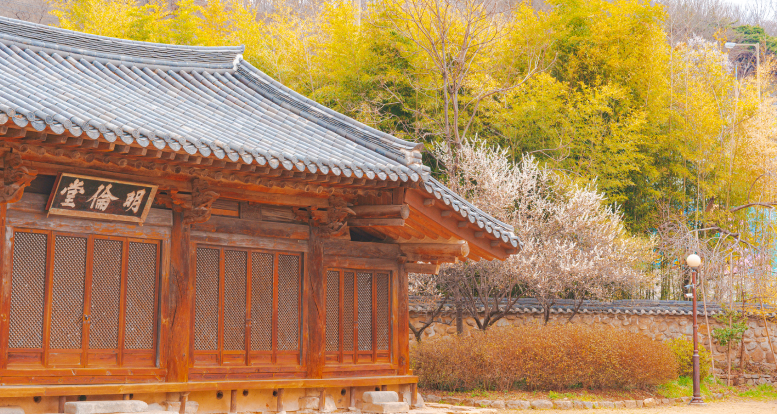
    Hyanggyo refers to national educational institutions installed throughout the regions during the Goryeo* and Joseon periods that are akin to today’s middle or high school. Jeonjuhyanggyo Local Confucian School retains the historical buildings of Myeongnyundang Lecture Hall and the Daeseongjeon Hall, which houses the memorial tablet of Confucius*. During fall, the complex is awash in the colors of ginkgo and maple trees. The ginkgo tree in front of the Daeseongjeon Hall, in particular, has stood for 400 years, so check it out as you take a leisurely walk on the premises.

    * Goryeo: A Buddhist kingdom that ruled the Korean Peninsula for about 474 years, from 918 to 1392. It preceded the Joseon dynasty. * Confucius: The Chinese founder of Confucianism of the Spring and Autumn period and a highly influential figure in Joseon’s state ideology
    Jeonju Hyanggyo, a national educational institution from the Joseon Dynasty where you can enjoy natural scenery Myeongnyundang Lecture Hall in Jeonjuhyanggyo Local Confucian School
    • Address 139, Hyanggyo-gil, Wansan-gu, Jeonju-si, Jeonbuk State

    • Opening Hours Winter 10:00-17:00
      Summer 09:00-18:00
      Closed Mondays (Check the official website for irregular closures)

    • Website http://www.jjhyanggyo.or.kr

    9. Omokdae Historic Site 9. Omokdae Historic Site

    The last stop in Jeonju

    #scenery #nightview #historic

    Omokdae Historic Site is the place to wrap up your trip in Jeonju, thanks to its view of the Jeonju Hanok Village.

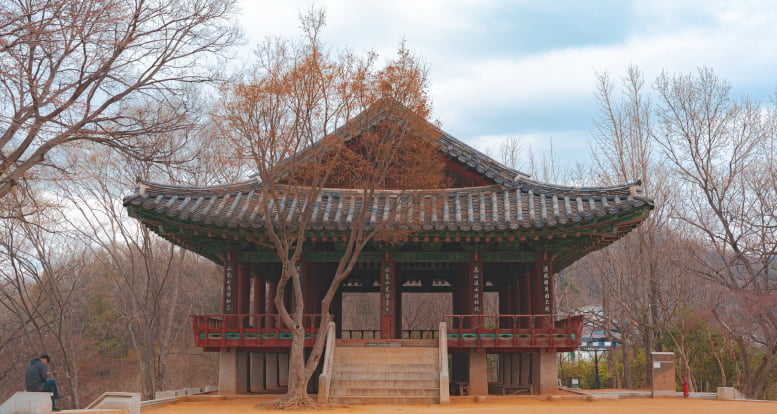
    Don’t forget to stop for a break in the middle and enjoy the view of the Hanok Village and the high-rise buildings. The view of the traditional houses blending in with high-rise buildings is jarringly beautiful, which is intensified by the view of the Jeonju Hanok Village with lights on, blending into the sunset. The Omokdae Historic Site is also historically meaningful, as it was the site where Yi Seong-gye, then General of Goryeo, celebrated his victory over Japanese military in 1380. A small pavilion next to the monument is said to have been built by Yi after he founded the Joseon dynasty.

    Omokdae, where you can enjoy the view of Jeonju Hanok Village Pavilion at the Omokdae Historic Site
    • Address 55 Girin-daero, Wansan-gu, Jeonju-si, Jeonbuk State

    • Tel +82-63-281-2114

    10. Jeonju Waengi Kongnamul Gukbap Jeonmunjeom 10. Jeonju Waengi Kongnamul Gukbap Jeonmunjeom

    Enjoy a great bowl of soup

    #jeonjuricesoup #sidedish #moju

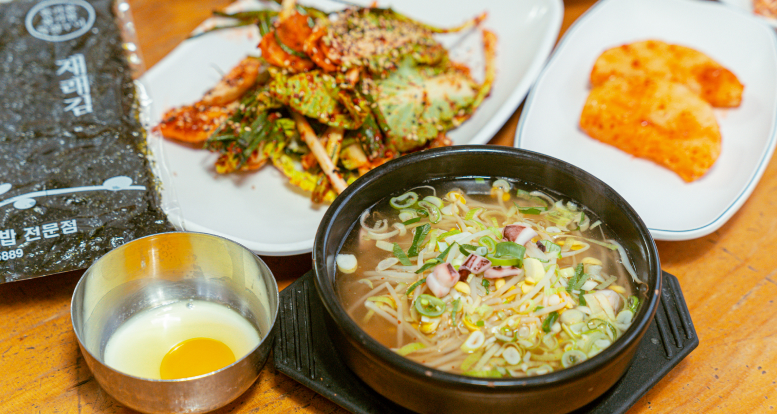
    "Bean sprout and rice soup" is a dish that can be found across Korea, but the one served in Jeonju is rather special. For instance, those being served in Seoul are eaten with a raw egg cracked into the boiling soup to be cooked therein. Meanwhile, Jeonju’s version serves the soup, with a poached egg provided separately. One can add some soup and laver flakes to the egg, or use it as a dipping sauce for the bean sprouts in the soup.

    Restaurants specializing in bean sprout and rice soup can be found near Gyo-dong, which is located next to Namcheon and Seocheon Streams that provide good, clean water. Of course, this gave the bean sprouts excellent quality and taste, so restaurants specializing in bean sprout and rice soup began to take hold in Nambu Market next to the stream. Bean sprouts are a part of the 10 Tastes of Jeonju.

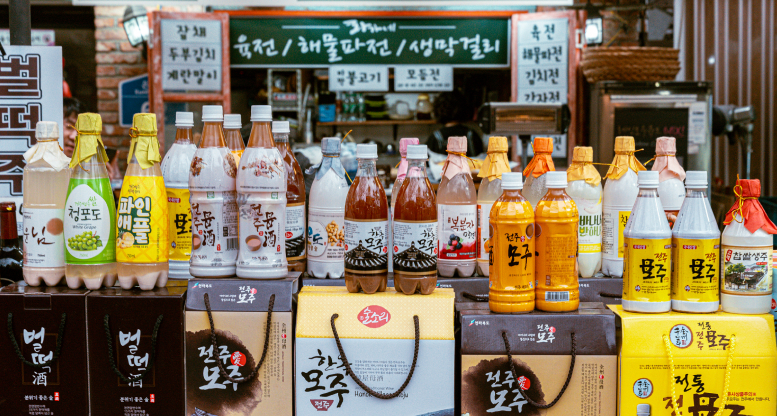
    The soup is refreshing with a spicy kick, providing warmth as it goes down one’s stomach. Side dishes like diced radish kimchi, cabbage kimchi, and salted squid help to add flavor to the soup without harming the balance. Jeonju Waengi Kongnamul Gukbap Jeonmunjeom also serves moju, a beverage that represents Jeonju. Moju is a hangover alcohol drink made by boiling unrefined rice wine with medicinal herbs. Its sweetness and low alcoholic content make it an ideal complement to meals.

    Jeonju Bean Sprout Soup and Rice Table Setting A refreshing bowl of Bean Sprout and Rice Soup
    • Jeonju Waengi Kongnamul Gukbap Jeonmunjeom

    • Address 88, Dongmun-gil, Wansan-gu, Jeonju-si, Jeonbuk State

    • Opening Hours 07:00-21:00 (last order 20:30)

    • Signature Menu and Prices (March 2023) Jeonju Waengi Rice Soup KRW 8,000
      Cup of Moju KRW 2,000

    • Tel +82-63-287-6980

    More info

    • 1330 Korea Travel Helpline: +82-2-1330
    • 1330 Text Chat: url.kr/PBeNi2
    • (Korean, English, Japanese, Chinese, Russian, Vietnamese, Thai, Indonesian)

    * This column was last updated in October 2023, and therefore information may differ from what is presented here. We advise you to check details before visiting.

    * Content creation & related inquiries: Tourism Industry Strategy Team (+82-33-738-3620)