Korea offers plenty of delicious ways to enjoy food even on cold winter days. Warm up with freshly made bungeoppang (fish-shaped bun) or hotteok (honey-filled pancake). Winter is also when snow crab and oysters are at their best, and you’ll find everything from strawberry desserts to traditional teas. We’ve rounded up 10 winter favorites, with tips on where and how to enjoy them.
During winter in Korea, it’s easy to spot street stalls with snacks sizzling on griddles and pots of broth bubbling away. You’ll find them in traditional markets, outside subway stations, near bus stops, and in busy commercial districts. Most snacks cost just 1,000–5,000 won, making them an affordable choice for a quick bite.
▶ Street Food Favorites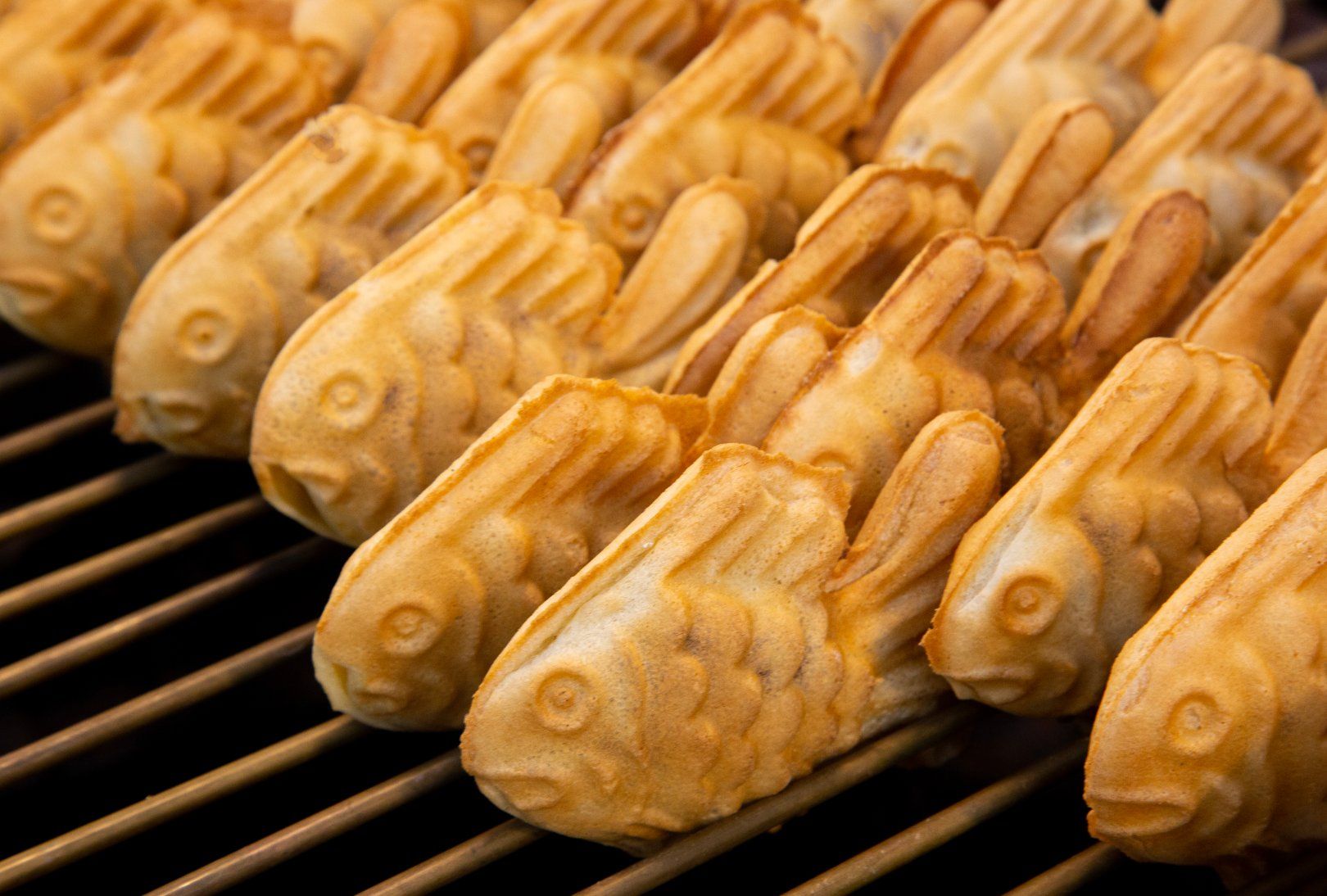
[Bungeoppang] A classic Korean winter snack, bungeoppang is made by pouring flour batter into a fish-shaped metal mold, adding a filling such as sweet red bean paste (made from cooked, mashed red beans) or custard, and cooking it in the mold. Despite its fish shape and name, it contains no fish.
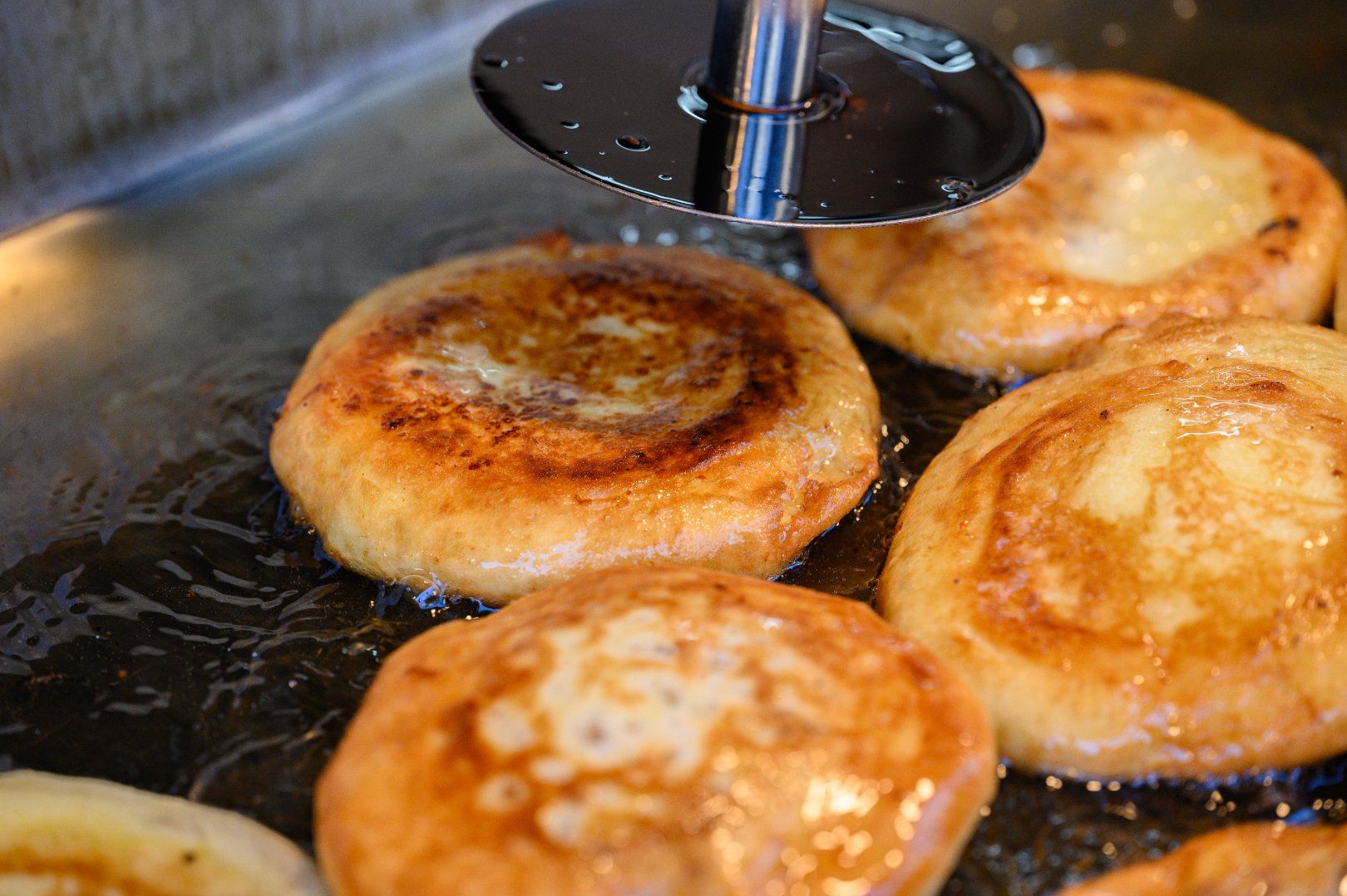
[Hotteok] Hotteok is a sweet pancake made with yeasted dough and filled with brown sugar, cinnamon, and finely crushed nuts. It’s cooked on an oiled griddle and pressed flat as it cooks. Be careful with your first bite, as the sugar filling turns into a hot syrup that can burn your mouth.
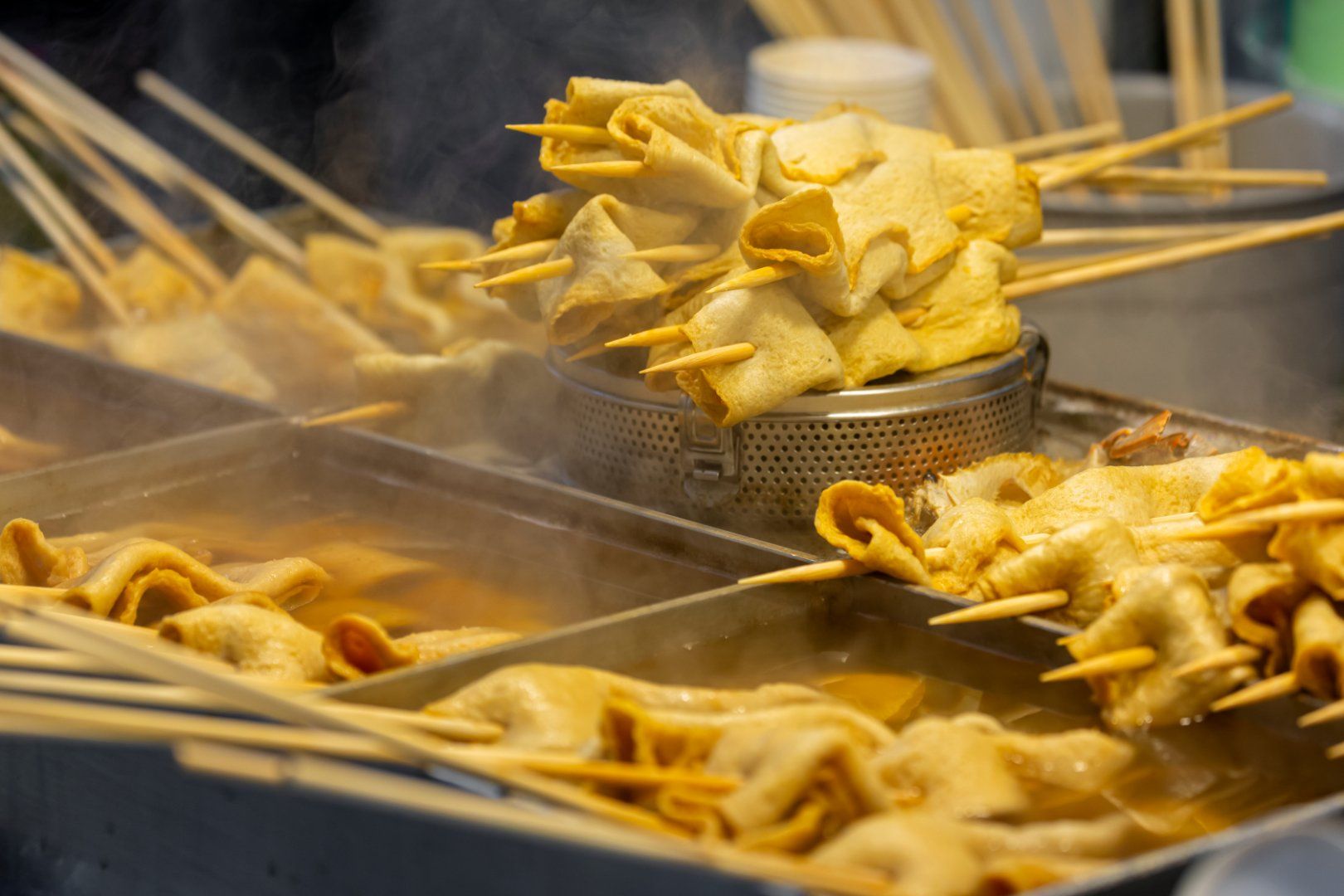
[Eomuk] Eomuk is made by mixing ground fish into a paste, frying it, and threading it onto skewers. At street stalls, it is served in a hot broth made with radish and kelp. You can help yourself to a free paper cup of the warm broth.
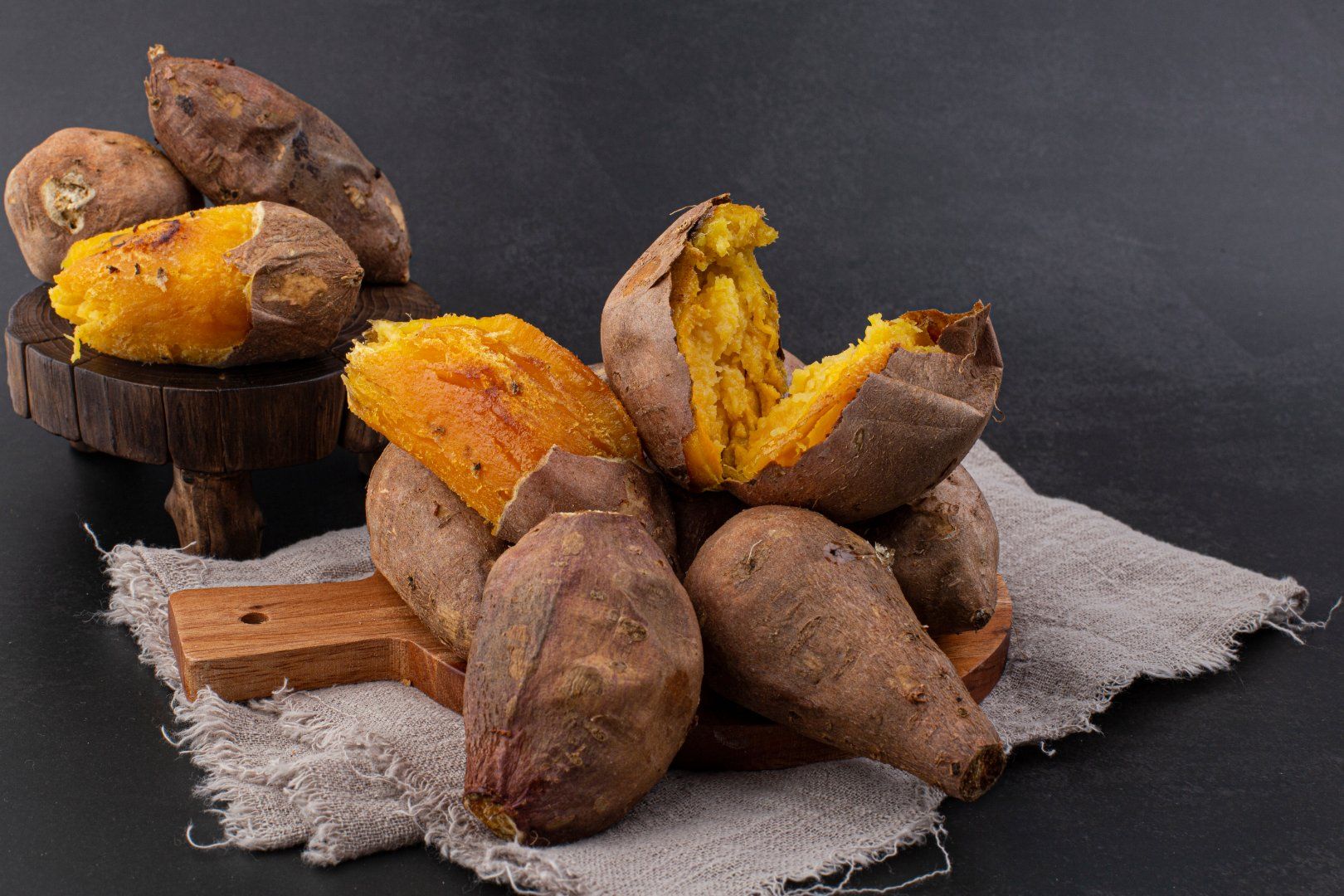
[Roasted Sweet Potato] These whole roasted sweet potatoes make a tasty winter snack and are filling enough to serve as a meal. You can easily buy them individually from street vendors or convenience stores like GS25, CU, and 7-Eleven.
▶ Where to Try It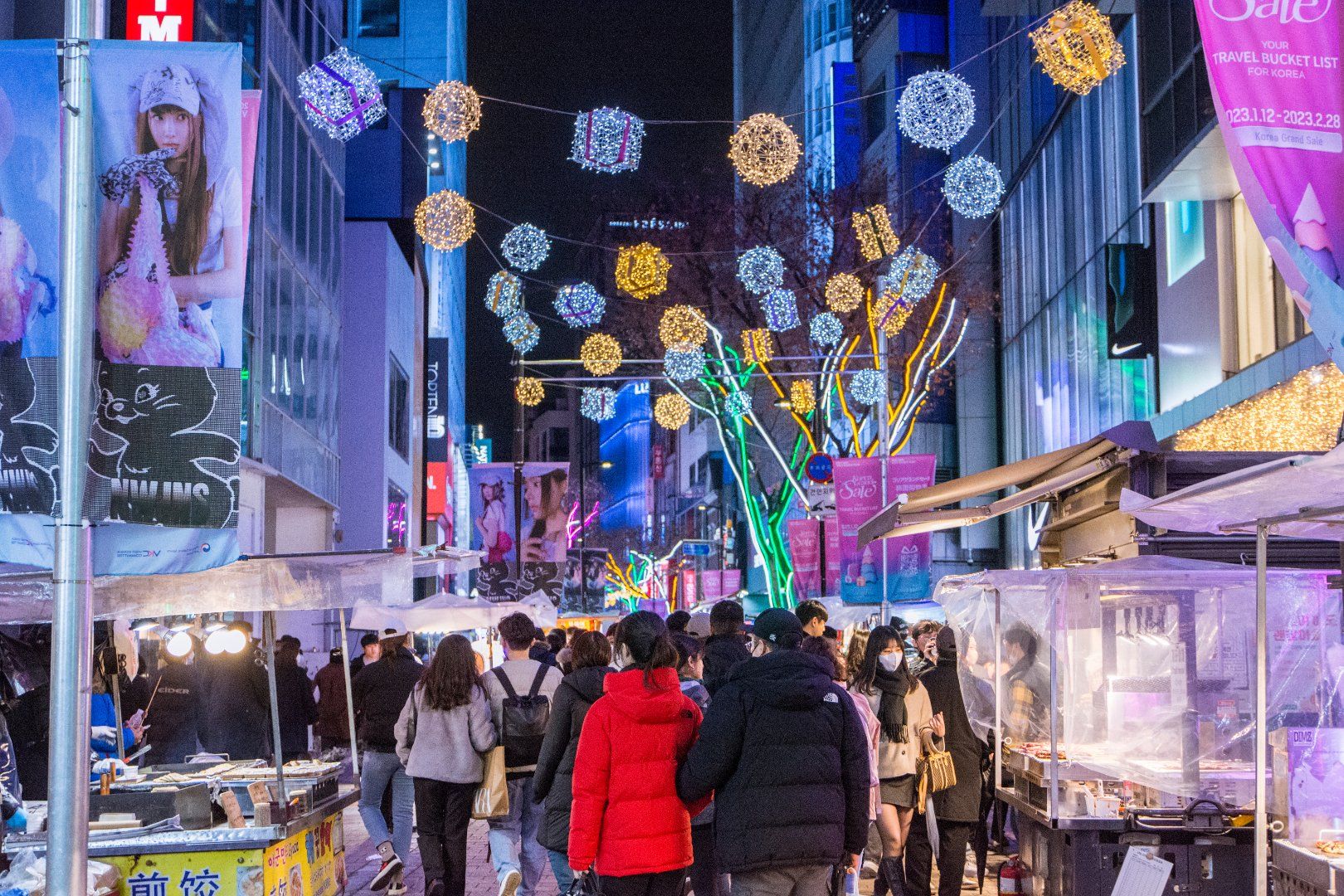
[Myeong-dong, Seoul] One of Korea’s most popular shopping districts, Myeong-dong has around 350 street stalls near exits 6 and 8 of Myeongdong Station (Line 4). If you’re hungry before or after shopping, grab a bungeoppang, a hotteok, or gyeranppang (egg muffin).
[Gwangjang Market, Seoul] Gwangjang Market opened in 1905 as Korea’s first permanent market. Its covered aisles keep the biting winter wind at bay while you browse the food stalls. Try bindaetteok (mung bean pancake), yukhoe (beef tartare), or kkomagimbap (mini gimbap rolls), often paired with an irresistible dipping sauce.
[Namdaemun Market, Seoul] At this sprawling market in central Seoul, look out for japchae hotteok, a local favorite filled with glass noodles and vegetables seasoned with soy sauce. Unlike regular hotteok, which is filled with brown sugar, this version has a savory filling. To get a taste of this delicious treat, head to Namdaemun Yachae Hotteok, just outside Gate 2 of the Namdaemun Underground Shopping Center. The line is always long, but it moves quickly and the pancakes are well worth the wait.
[Street Food at a Glance]
- - What to try: Bungeoppang, hotteok, eomuk, roasted sweet potato, gyeranppang, bindaetteok, kkomagimbap, and more
- - Where to go: Myeong-dong, Gwangjang Market, Namdaemun Market, and more
- - Tip: Some street stalls take cards, but it’s a good idea to carry some cash just in case.
Winter is a great time to explore seasonal seafood at Korea’s fishing ports and fish markets. While coastal cities are great places to enjoy fresh catches, fish markets in the Seoul metropolitan area also offer a wide variety of seasonal seafood. Surrounded by water on three sides, Korea has a well-established food culture of buying seafood at fishing ports or fish markets and preparing it in a variety of ways.
▶ Winter Seafood Favorites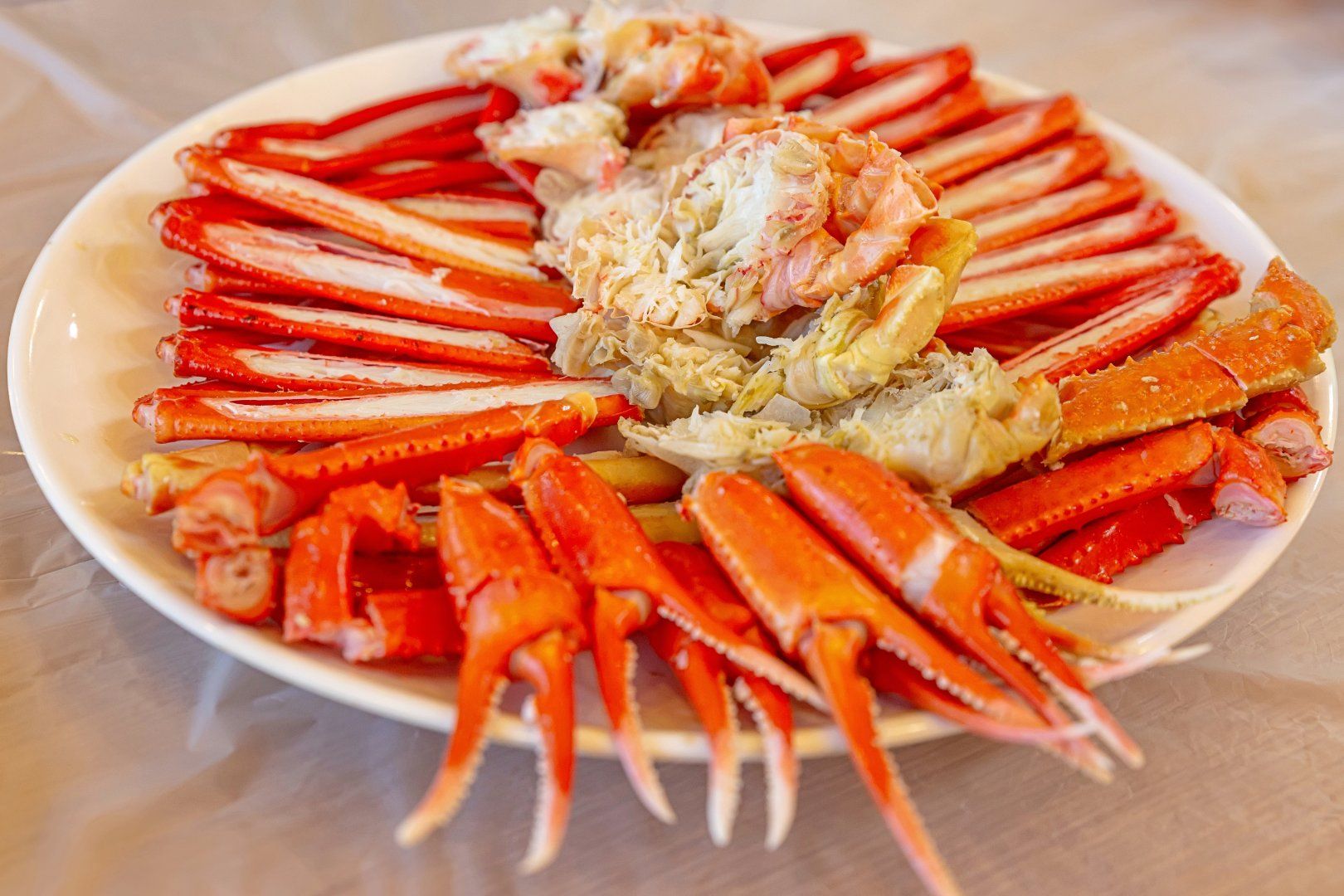
[Snow Crab] With long, straight legs like bamboo stalks, snow crabs caught in the deep, cold waters during winter are known for their firm, plentiful meat and delicate flavor. They’re usually steamed. After picking out the meat, you can use the shell as a bowl to mix rice with the crab’s juices and roasted seaweed pieces to make a savory rice dish.
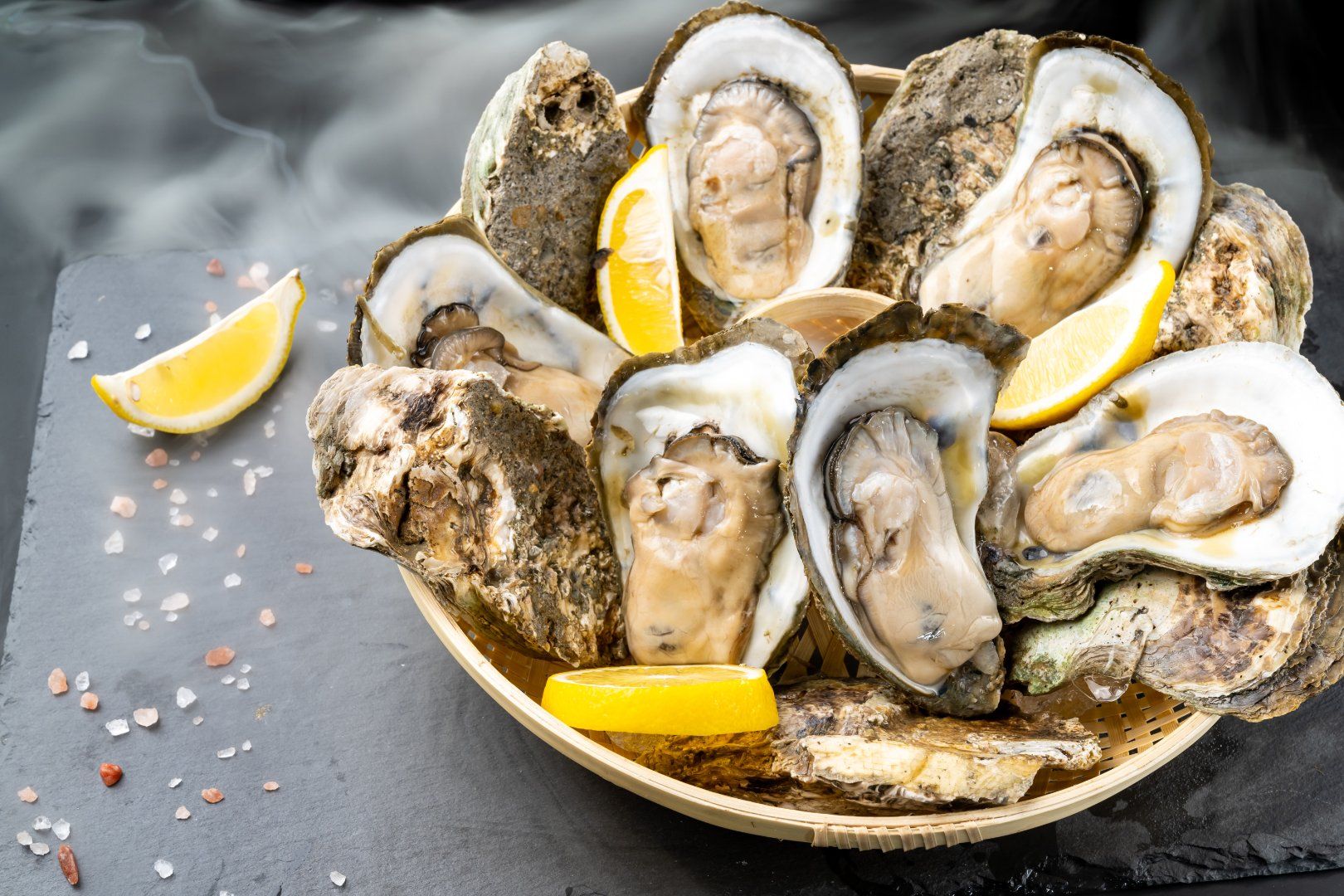
[Oysters] Korea is the world’s second-largest oyster producer, and oysters are at their best in winter. Raw oysters are often dipped in chogochujang, a tangy sauce made with gochujang (Korean red chili paste), vinegar, and sugar. They can also be enjoyed grilled in the shell, mixed in a batter and pan-fried as guljeon, or served in gulgukbap, a bowl of oyster and rice soup.
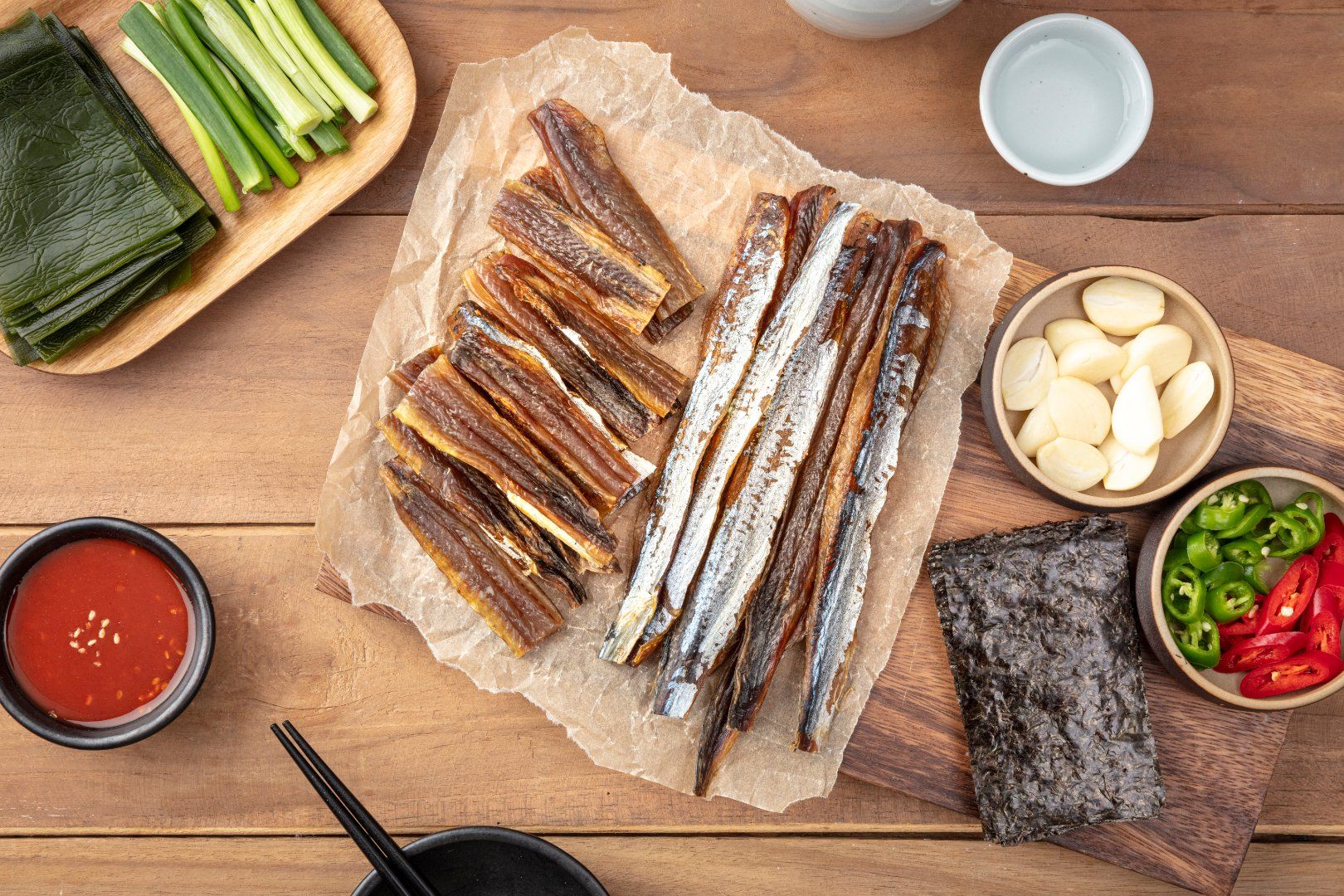
[Gwamegi] Gwamegi is made by repeatedly freezing and thawing Pacific saury or herring in the winter sea breeze until the fish is half-dried. It’s in season from November through February and is known for its chewy texture. For a delicious bite, wrap a piece in dried seaweed or a napa cabbage leaf and top it with a dab of tangy chogochujang.
▶ Where to Try It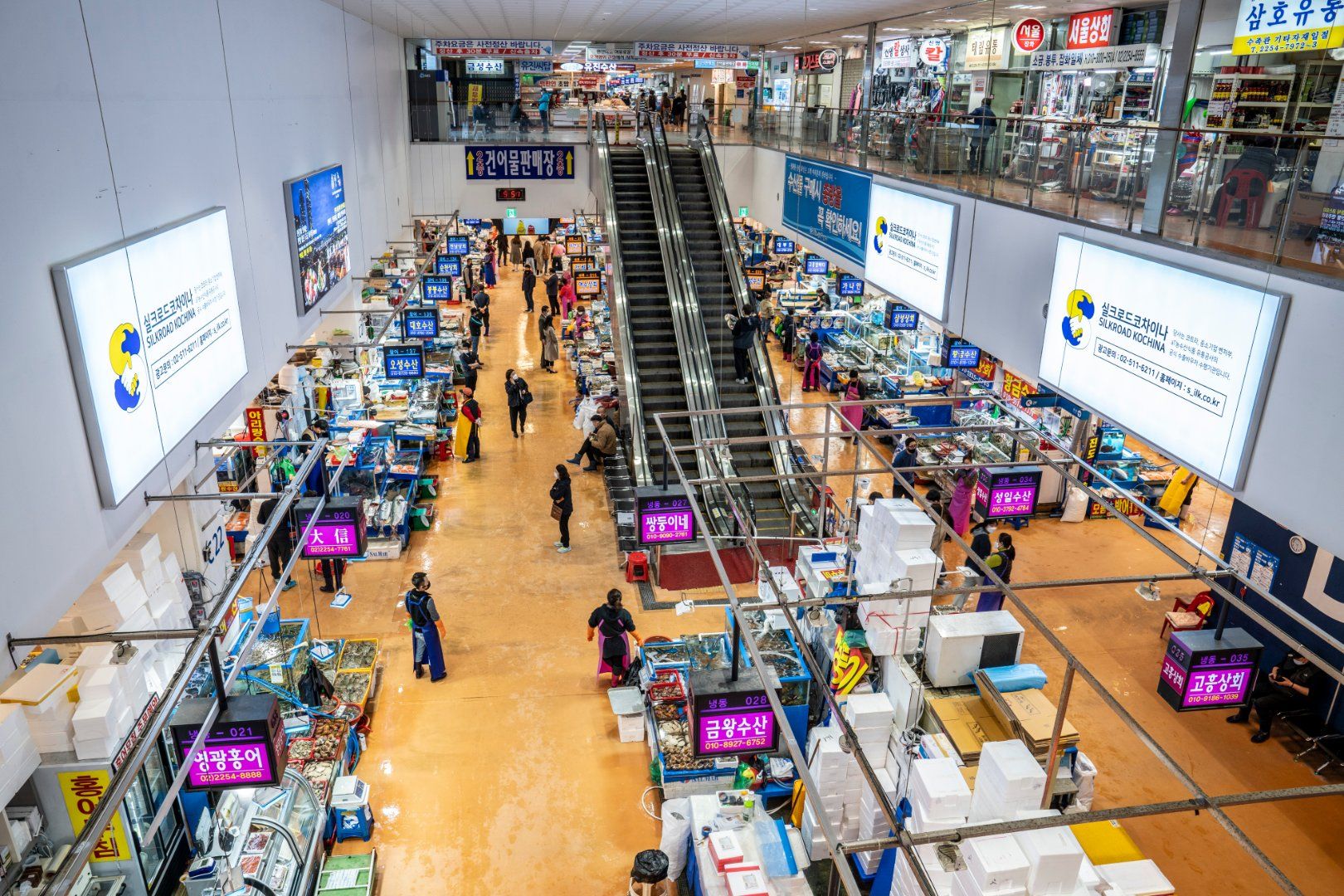
[Noryangjin Fisheries Wholesale Market, Seoul] At one of Seoul’s best-known fish markets, you can choose seafood from the shops on the first floor and then take it to a chojangjip on the second floor. These restaurants prepare and serve your purchases for a separate table-setting fee. In winter, popular choices include snow crab, oysters, large yellow tail, and cockles.
[Tongyeong Jungang Market] Tongyeong is Korea’s largest oyster-producing region, accounting for about 70% of the country’s oyster production. With a harbor right in front of the market, freshly harvested oysters are quickly brought in, and restaurants in and around the market serve a variety of fresh oyster dishes.
[Jukdo Market, Pohang] Located about a 15-minute drive from Pohang Station (KTX), this is the largest traditional market in Gyeongsangbuk-do. Snow crab restaurants are clustered near the market entrance, while numerous raw fish restaurants sell gwamegi, snow crab, and live fish. You can also buy ready-to-eat gwamegi packages, which come with the fish sliced and packed together with vegetables and sauce, making them convenient to enjoy at your accommodation.
[Seasonal Seafood at a Glance]
- - What to try: Snow crab, oysters, gwamegi, yellow tail, cockles, and more
- - Where to go: Noryangjin Fisheries Wholesale Market, Tongyeong Jungang Market, Jukdo Market, and more
- - Tip: Before buying seafood, check the unit of sale and the price. If you plan to eat at a restaurant in the market, ask whether table-setting and cooking fees are charged separately.
Winter in Korea is also a season for enjoying a wide variety of desserts. Cafés and other shops offer seasonal menus featuring fresh fruits, while traditional teas and rice cakes come in a variety of flavors and combinations. Take a break from sightseeing at a hotel, café, traditional teahouse, or rice cake shop, and enjoy a snack and drink to suit your taste.
▶ Seasonal Dessert Favorites
[Strawberry Desserts] Winter strawberries take longer to ripen in the cold, resulting in lower acidity and higher sugar content. This makes them a seasonal favorite, even when enjoyed on their own. From December through the following spring, cafés and bakeries across Korea offer a variety of seasonal strawberry desserts, including strawberry cakes, frappés, and bingsu (shaved ice).
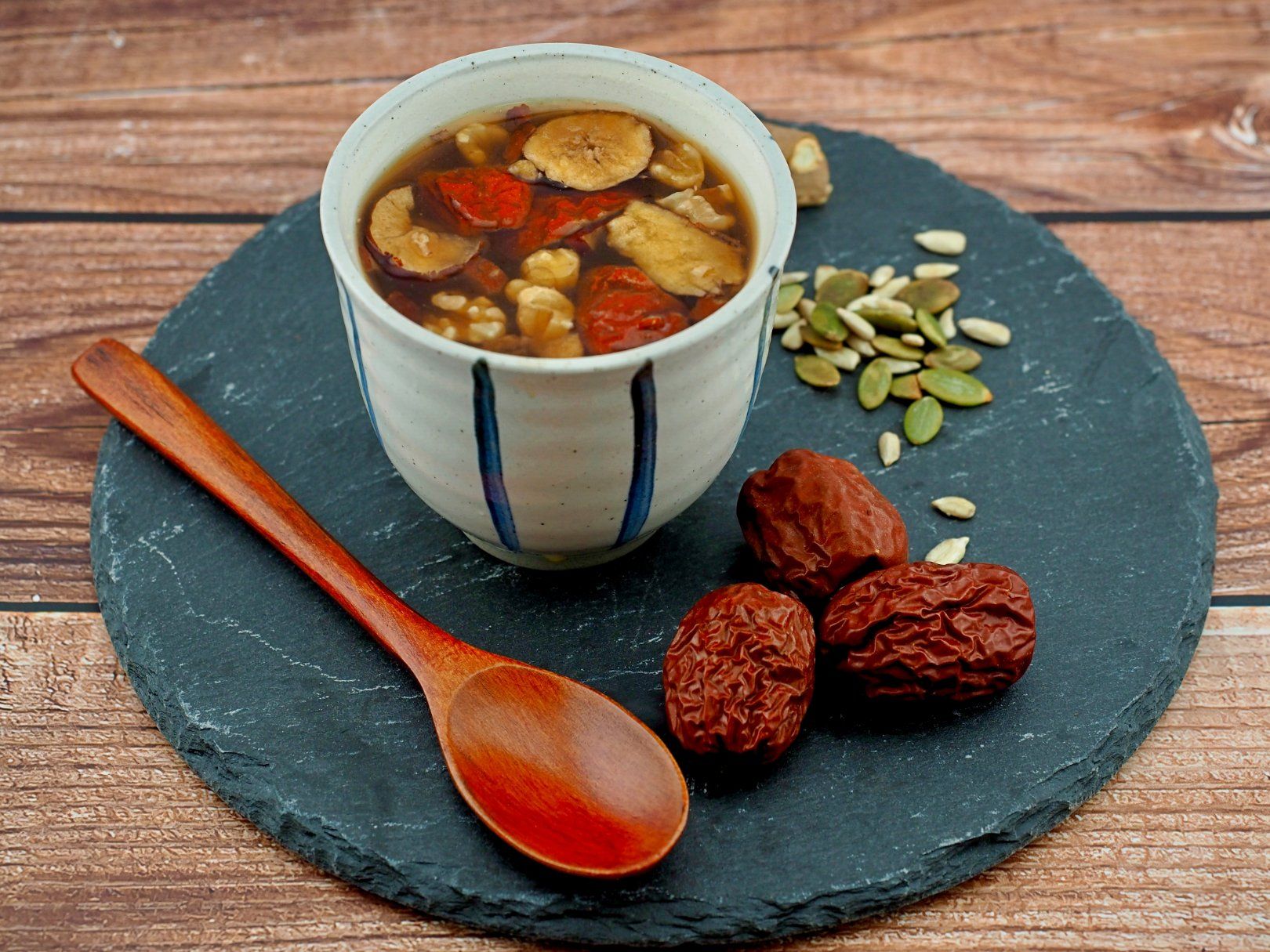
[Traditional Teas] Traditional Korean teas each have their own distinctive flavors and aromas, depending on the ingredients used. Ssanghwacha, a tea made by simmering medicinal herbs and other healthful ingredients, is known for its rich, robust flavor, while citrus tea and quince tea are loved for their fresh, fruity aromas. Teas made with fruits rich in vitamin C, such as citron, are also a popular choice for staying healthy during the winter.
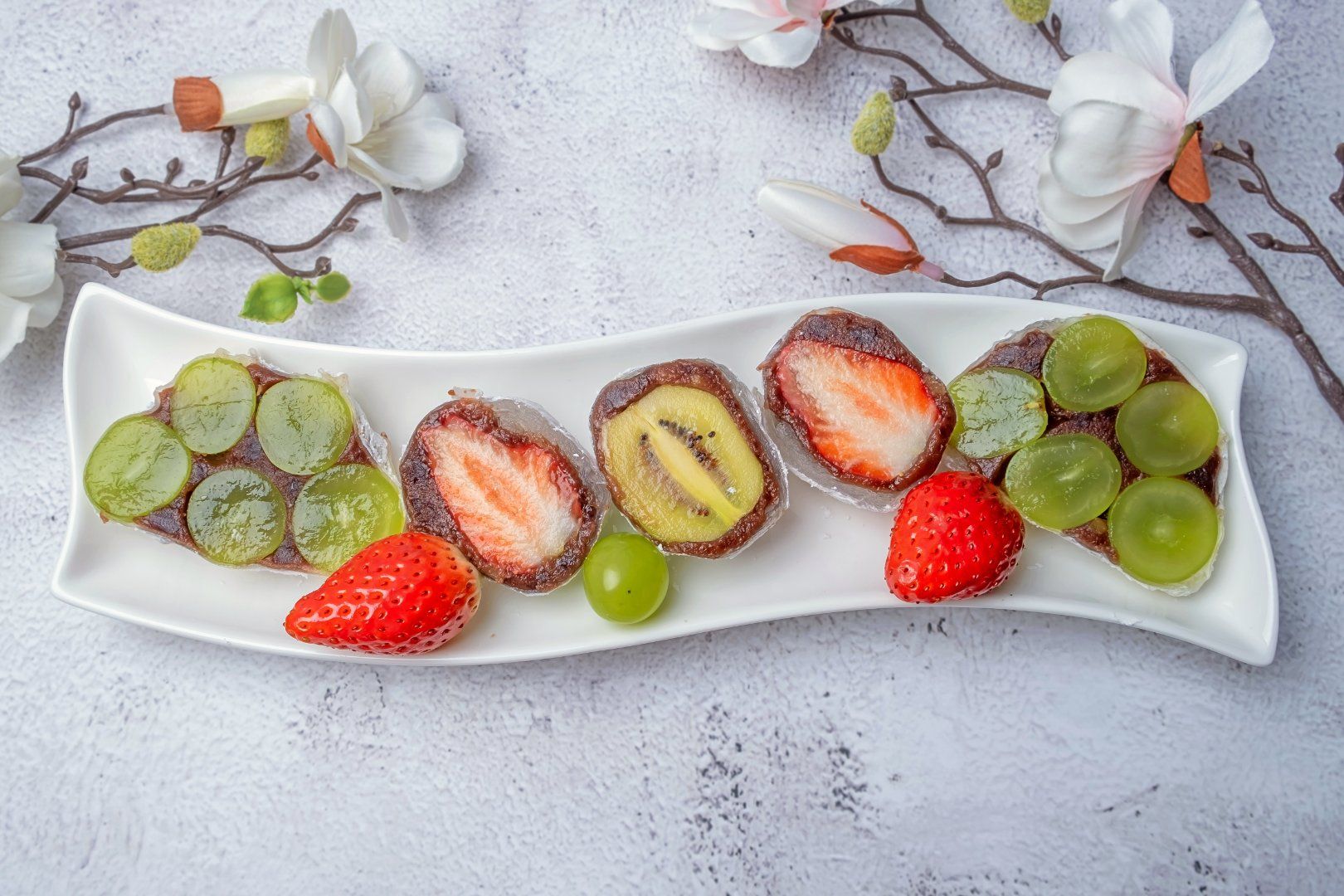
[Rice Cakes] Tteok, traditional Korean rice cakes, are made by steaming or pounding rice or glutinous rice. Today, they’re also enjoyed as desserts with a wide variety of ingredients. The options are endless, from chapssaltteok (sweet rice cake with red bean filling) made with seasonal fresh fruit and red bean paste to pumpkin injeolmi (powder-coated rice cake) coated in castella sponge cake crumbs, pizza seolgi (white rice cake) topped with pizza ingredients, and choco seolgi flavored with chocolate.
▶ Where to Try It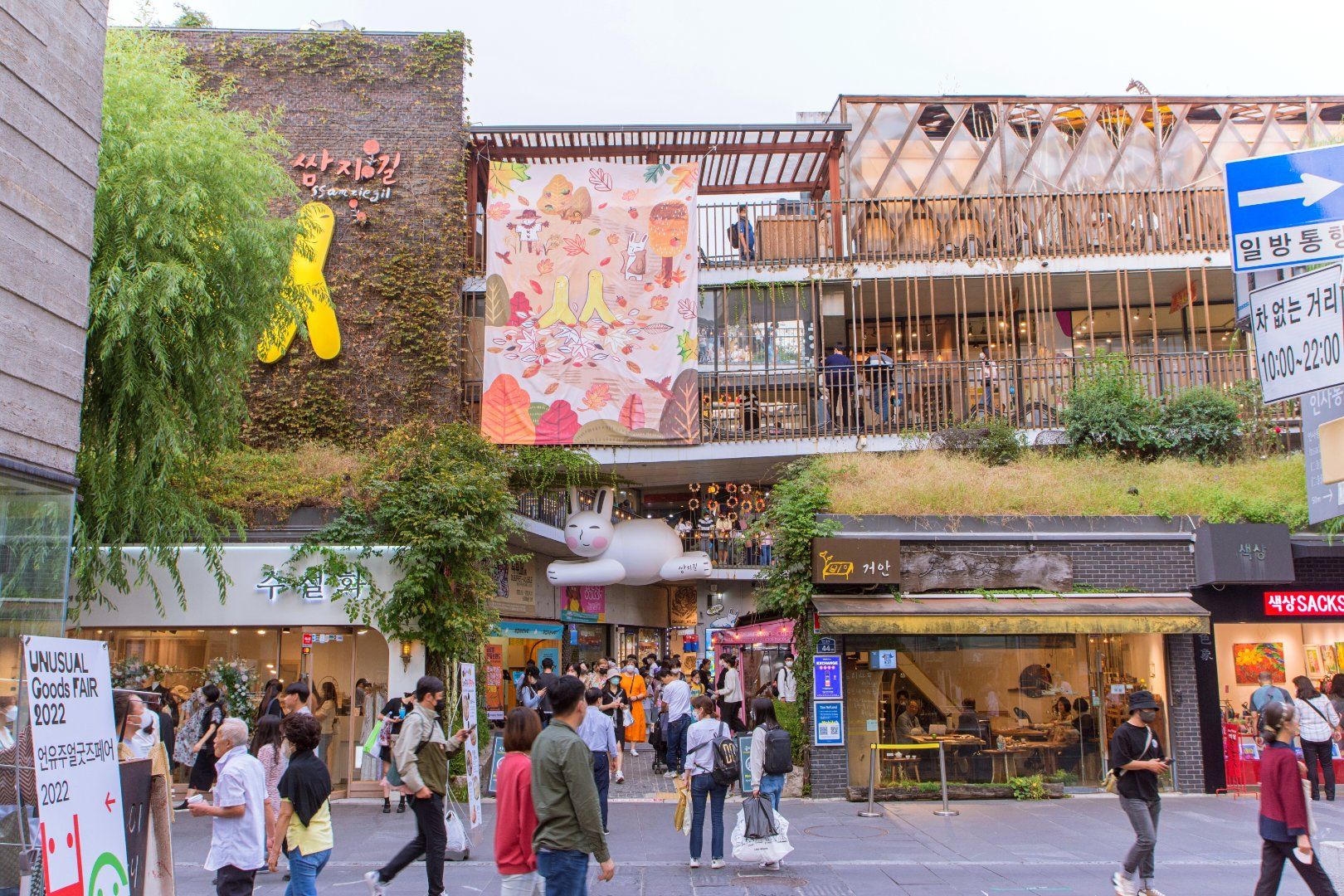
[Strawberry Buffets at Seoul Hotels] From December through March, lounges at Seoul’s leading five-star hotels put on strawberry buffets. JW Marriott Dongdaemun Square Seoul, Grand Walkerhill Seoul, and THE GRAND LOTTE SEOUL are popular choices. Expect dozens of desserts and dishes featuring premium strawberry varieties, prepared by expert pastry chefs.
[Insa-dong, Seoul] Tucked among Insa-dong’s traditional craft shops are teahouses in converted hanok houses. Stop in to warm up with a bowl of patjuk (red bean porridge), a cup of ssanghwacha topped with jujubes, or some refreshing citrus tea. These traditional teas are enjoyed for their warming qualities and perceived health benefits.
[Hanjungsun Seongsu Main Store, Seoul] Hanjungsun is known for its fruit-filled chapssaltteok in Seongsu-dong, a neighborhood full of trendy Korean dessert shops. With branches at Seoul Station, The Hyundai Seoul, and Lotte World Mall in Jamsil, it’s easy to fit a visit into your trip. The Seoul Station branch also sells a limited-edition Seoul Injeolmi Chapssaltteok inspired by traditional Korean flavors.
[Seasonal Desserts at a Glance]
- - What to try: Strawberry dessert, ssanghwacha, citrus tea, quince tea, chapssaltteok, baekseolgi (snow white rice cake), injeolmi, and more
- - Where to go: Strawberry buffets at Seoul hotels, Insa-dong, Hanjungsun, and more
- - Tip: Check the operating dates of hotel strawberry buffets and whether reservations are available in advance. For takeaway rice cakes, follow the shop’s storage instructions, as these vary by product.
- Q. Do street food stalls accept cards?
- A. Some stalls in Myeong-dong accept cards, but not all do. Many stalls in traditional markets accept cash only, so it’s a good idea to carry a small amount of cash.
- Q. What if I have food allergies?
- A. Eomuk (fishcakes) and gwamegi (half-dried saury) contain fish. Snow crab is a crustacean, and oysters are shellfish. Hotteok (honey-filled pancake) contains wheat flour and nuts, while some rice cakes contain dairy products or nuts, such as yogurt and pistachios. Be sure to check the ingredients before ordering.
- Q. Do I need a reservation for a hotel strawberry buffet?
- A. Hotel strawberry buffets are popular with locals, too, so it’s best to make a reservation before visiting. Popular dessert cafés can also have long lines, so we recommend visiting at a quieter time, such as on a weekday morning.
- - Original article by Lee Su-Lynn / Translated by KTO
- - Photos by Seoul Tourism Organization, ClipartKorea, HJS Holdings Co., Ltd.