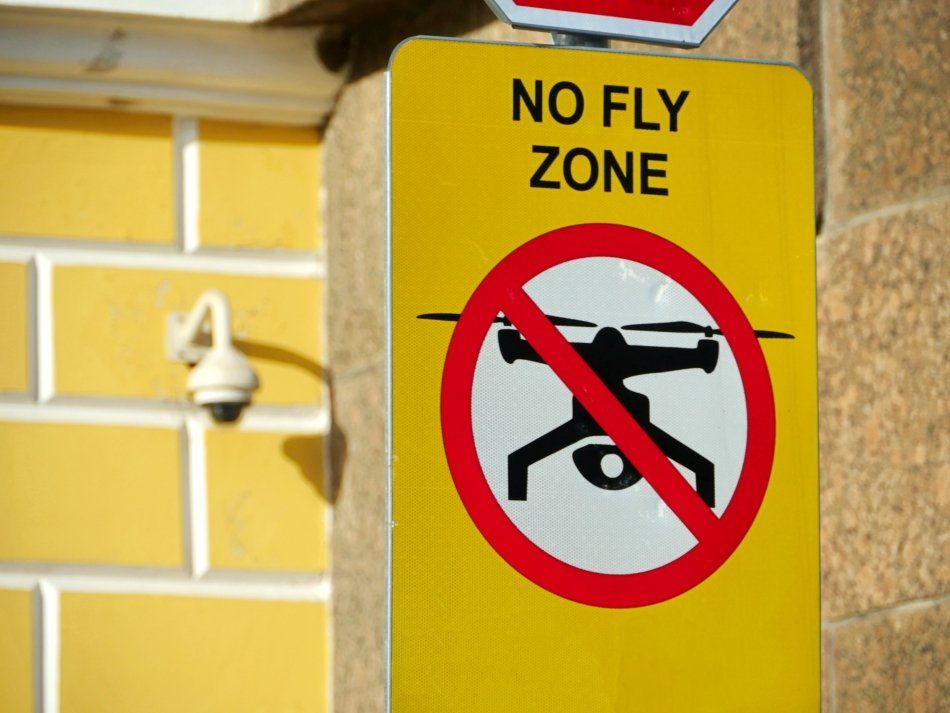
Travelers planning to use a drone to take photos or videos during their trip to Korea should be aware of a few things beforehand. For safety and security reasons, Korea enforces regulations regarding permitted drone flight locations, altitudes, and times, and violations may result in fines. This applies even to hobby drones, so when using a drone, be sure to familiarize yourself with the pre-flight checklist and Korea's drone usage regulations to avoid flying in prohibited areas.
■ Drone Pre-flight Checklist
- ✅ STEP 1. Check if my drone is subject to reporting
Drones with a maximum takeoff weight exceeding 2kg must be registered through the Drone One-Stop Civil Service, operated by the Ministry of Land, Infrastructure and Transport, even if they are for non-commercial or hobby use. After registration, measures must be taken to ensure the issued registration number is clearly visible, such as by attaching it to the surface of the drone. - ✅ STEP 2. Check if area requires flight approval
Major areas requiring prior approval to fly drones include ▲ airport control zones (9.3 km radius), ▲ parts of downtown Seoul, ▲ the Demilitarized Zone (DMZ) and areas near military facilities, and ▲nuclear power plants and the Korea Atomic Energy Research Institute. Even outside these areas, separate approval is required to fly a drone at an altitude of 150 meters or higher. You can check flight zones and whether approval is required through the Drone One-Stop Civil Service. - ✅ STEP 3. (If necessary) Obtain approval for aerial photography
Receiving flight approval does not immediately mean that filming is possible. If you plan to take photos or videos with a drone, you must apply for aerial photography permission separately through the Drone One-Stop Civil Service. - ✅ STEP 4. Check drone usage regulations at your travel destination
Even after receiving approval for flight and filming in Korea, you must still consult with and get permission from the managing agency or owner of the location you wish to fly/film in. This is especially true if you intend to fly or film at national heritage sites, parks, beaches, critical national facilities, and private land. - ✅ STEP 5. Follow safety guidelines during flight
Night flights, classified as any time from sunset to sunrise, and flights outside the operators direct range of sight are restricted; if necessary, special flight approval must be obtained through the Drone One-Stop Civil Service. Additionally, caution must be exercised to avoid flying in residential or commercial areas in a manner that endangers the general public or infringes upon the privacy of others. Operating a drone while intoxicated is also prohibited.
- ■ Places where drones can be flown freely without prior notice
- • Seoul Gwangnaru Hangnag Riverside Drone Park: 351-1 Cheonho-dong, Gangdong-gu, Seoul (서울특별시 강동구 천호동 351-1)
- • Daejeon Geumgang Riverside Drone Park: 17 Munpyeong-dong, Daedeok-gu, Daejeon (대전광역시 대덕구 문평동 17)
- • Gwangju Yeongsangang Riverside Drone Park: 46 Daechon-dong, Buk-gu, Jeonnam-Gwangju Special Metropolitan City (전남광주통합특별시 북구 대촌동 46)
>> Go to Drone One-Stop Civil Service website (Korean only)
>> Go to Ministry of Land, Infrastructure and Transport drone-related regulations