The Most Authentic Korean Wellness Beginning with Temple Food
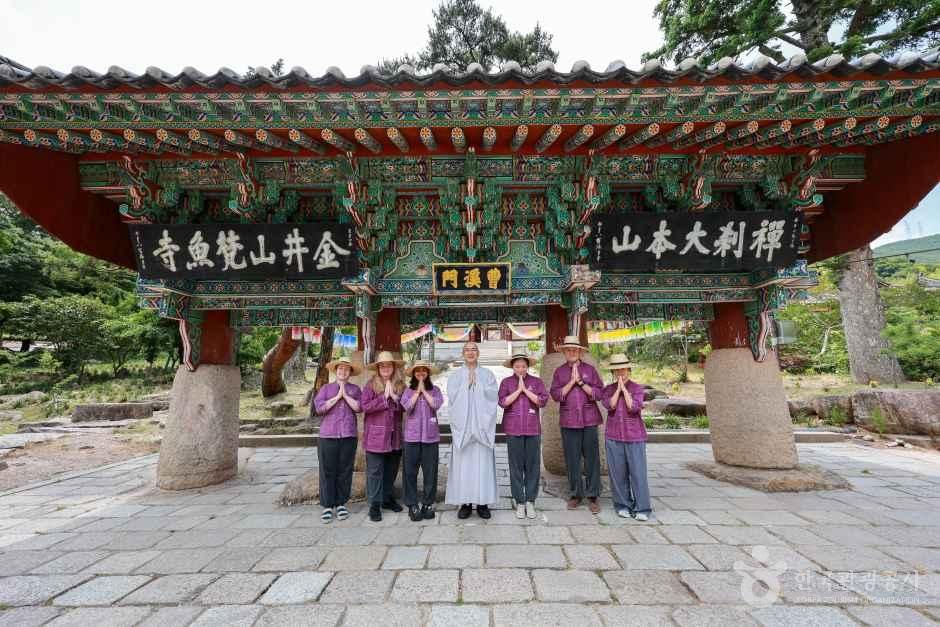
Participants smiling brightly at the Iljumun Gate (One Pillar Gate) of Beomeosa Temple
Nestled at the foot of Geumjeongsan National Park, Beomeosa Temple is a major millennium-old temple in Busan, founded by Great Master Uisang in 678, the 18th year of King Munmu of the Silla Dynasty. Surrounded by lush forests and crystal-clear valleys, the temple has long preserved the tradition of nurturing both body and mind through ascetic practice, relaxation, and temple food culture. Making seasonal dishes, sipping warm tea, and walking through the pristine forest amid the ever-changing mountain scenery naturally slows down the frantic pace of daily life.
Wellness Program
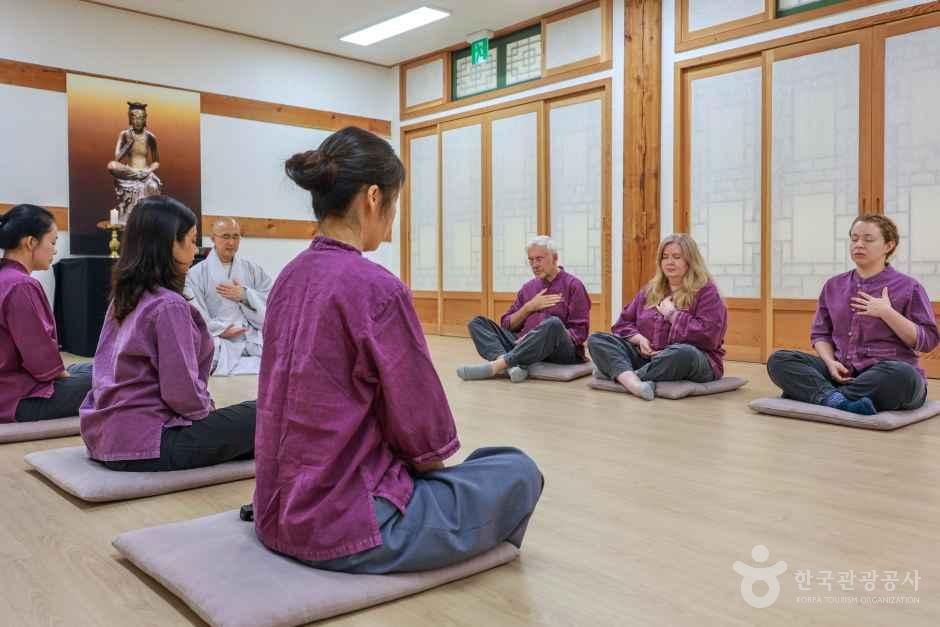
The temple runs the 'BEO Mind' program, a sanctuary to empty and replenish oneself in nature while refocusing on the inner self. BEO Mind stands for “Beomeosa Experience of Mindfulness”, meaning an immersive experience of mindfulness that cares for both body and mind at Beomeosa Temple. Based on six distinctive themes—BEO Food (Temple Food), BEO Walking (Forest Trail Meditation), BEO Mind (Tea Ceremony & Meditation), BEO Sound (Sound Meditation), BEO Light (Traditional Crafts), and BEO Art (Traditional Art Therapy)—the sessions are flexibly tailored and combined depending on the season and participants.
A Time to Empty and Replenish at a Millennium-Old Temple
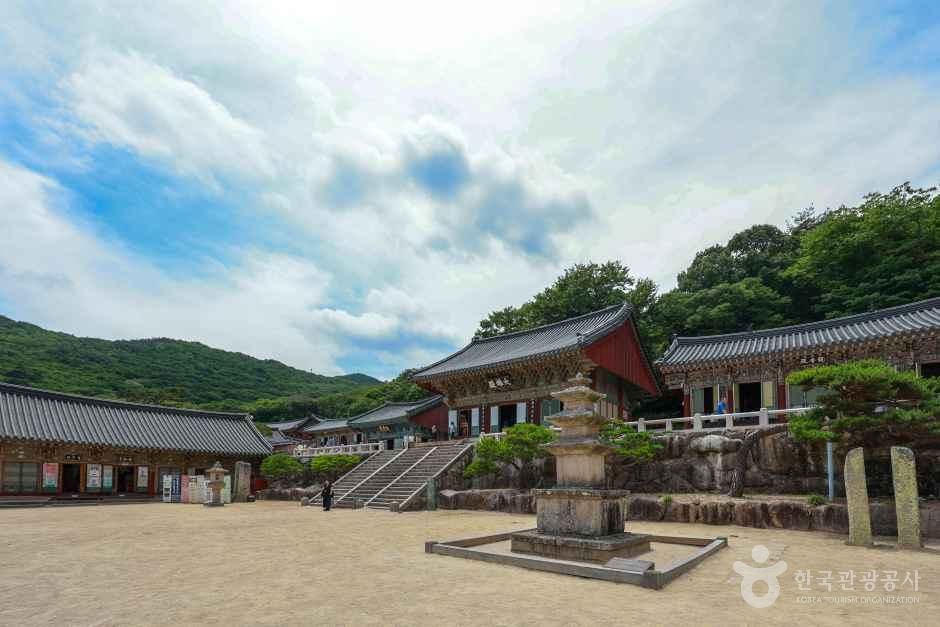
Panoramic View of Beomeosa Temple
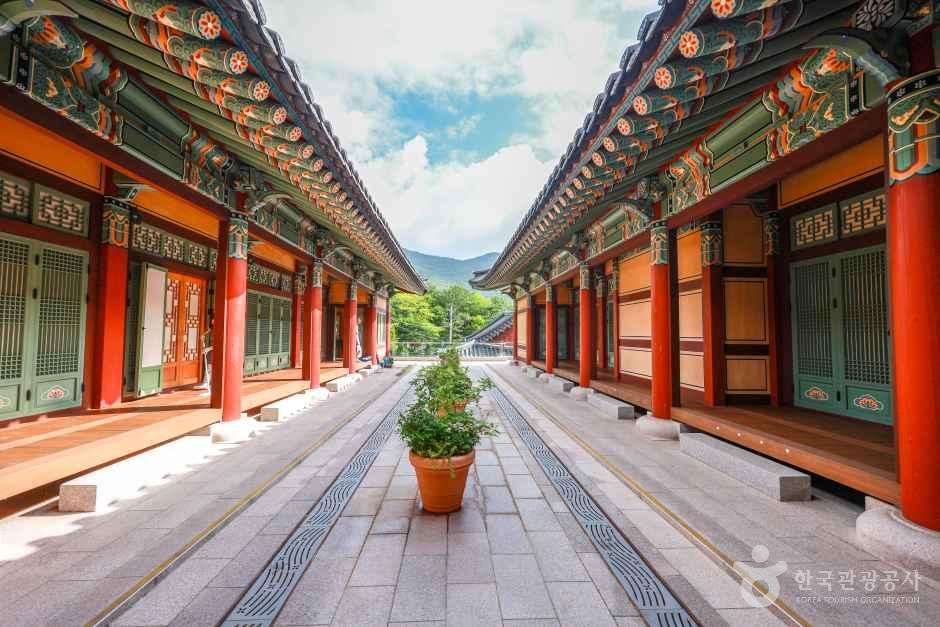
Seon (Zen) Culture and Education Center at Beomeosa Temple
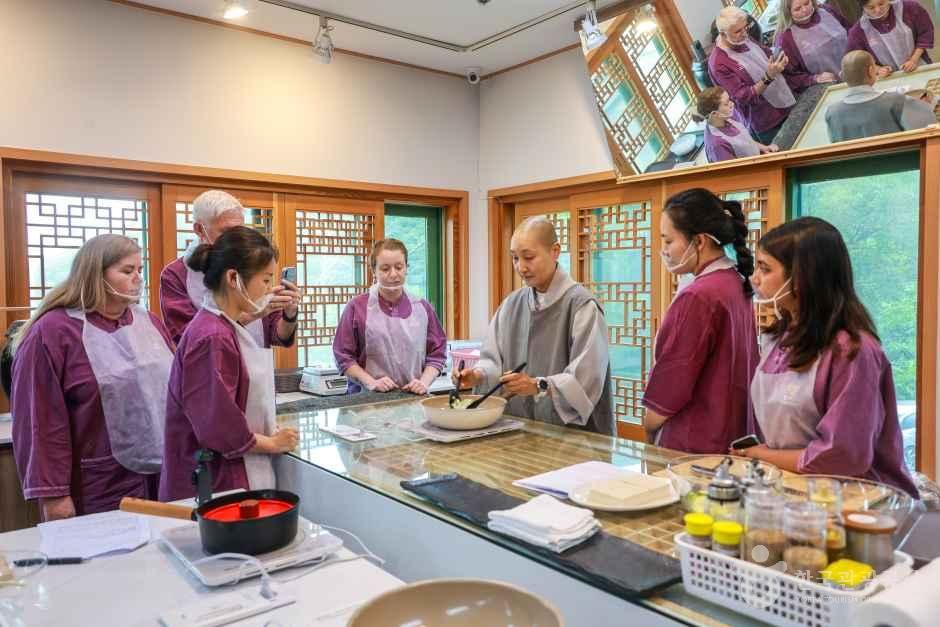
At the heart of the BEO Mind program is BEO Food, where participants directly prepare and savor authentic temple food. Korean temple food strictly excludes meat as well as the osinchae (five pungent herbs: garlic, green onions, chives, wild chives, and leeks). Instead, it gently highlights the clean, subtle flavors of seasonal ingredients. Depending on the season and group composition, participants prepare dishes like vegetarian mandu (dumplings), braised tofu, bang-a jangtteok (Korean herb pancakes), lotus leaf rice, japchae, and temple gimbap. The recipes are straightforward, making it easy for beginners to follow.
BEO Food: Hands-on Temple Food Cooking Experience
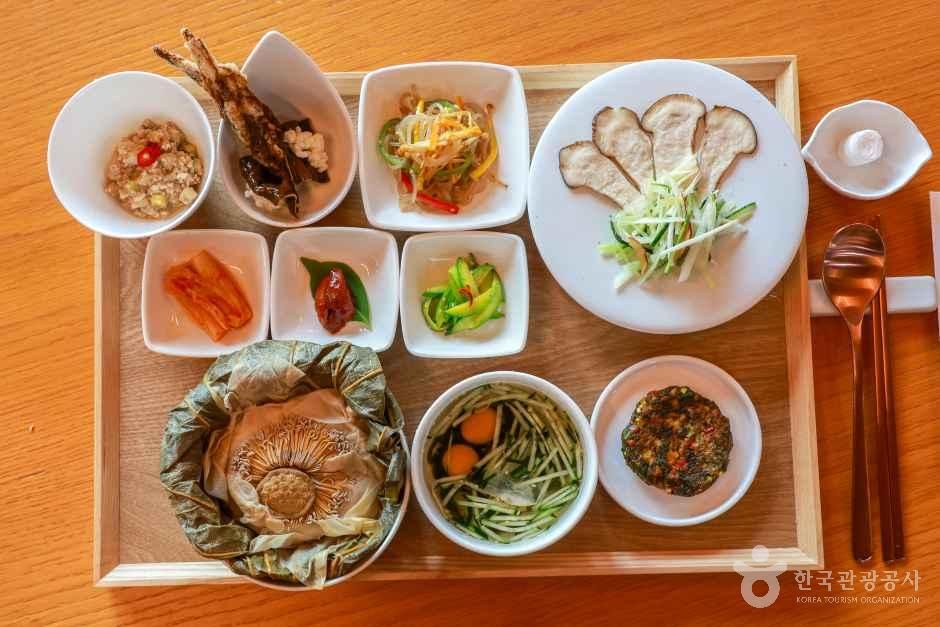
A Table of Temple Food Savored Together After Cooking
After the cooking session, participants gather to dine on the dishes they have made. Embodying the aesthetics of moderation, temple food is beautifully simple yet deeply flavorful. The neat, elegant table setting adds a visual joy to the meal.
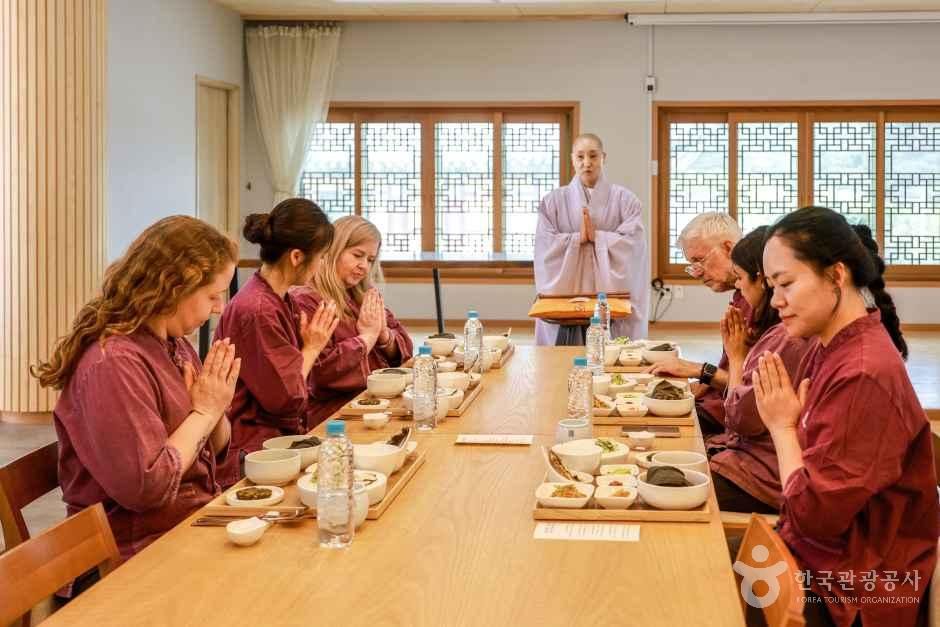
The Ogwange (Five Contemplations) Meditation Experience
Before eating, participants join a monk in meditating on the Ogwange (Five Contemplations). Though brief, these verses hold profound wisdom. They encourage diners to reflect on where the food came from, examine their own virtues, empty themselves of greed, and accept the meal as a vital part of spiritual practice. With the first bite, the heavy seasonings of modern food are replaced by the authentic taste and aroma of nature unfolding slowly on the palate, allowing one to fully appreciate the devotion poured into every step of the meal.
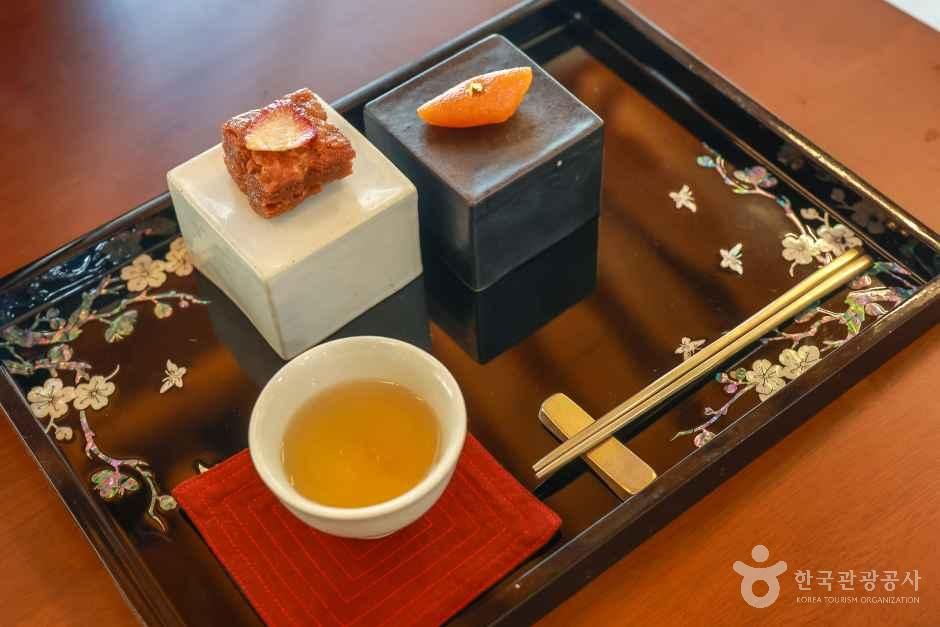
Traditional Dessert Table Setting
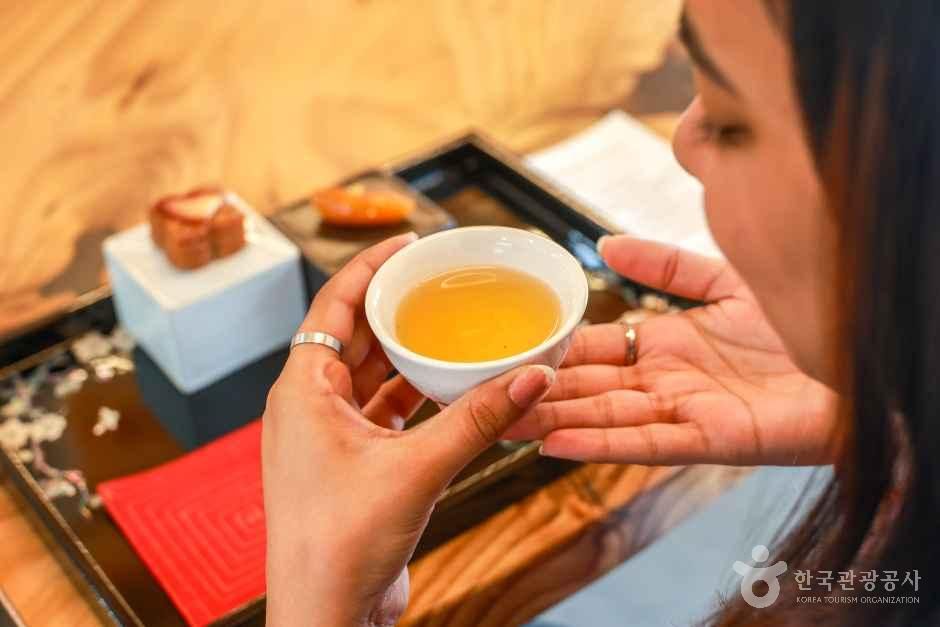
Enjoying Flower Tea and Traditional Korean Desserts After the Meal
The meal concludes with a selection of traditional Korean confections paired with aromatic flower tea. Exquisite treats like milgam-jeonggwa (dried candied mandarin orange slices simmered in starch syrup), mo-yakgwa (layered honey cookies), and floral tea are served elegantly on a mother-of-pearl tray—a perfect, lingering finale to the temple food experience.
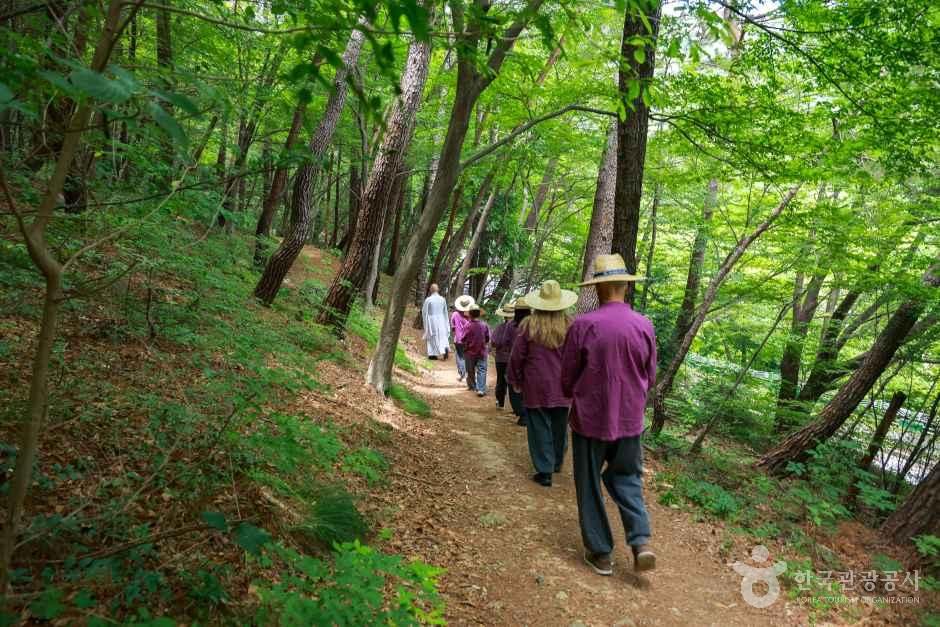
BEO Walking Program: Strolling Along the Forest Trails of Geumjeongsan National Park
BEO Walking is a guided meditation program where participants walk along the forest trails of Geumjeongsan National Park with a Buddhist monk. Stepping slowly into the path next to the Seon Culture and Education Center, you listen intently to the whispering wind, chirping birds, and bubbling mountain streams. Pausing your steps, you close your eyes and place your hand on a tree trunk, fully focusing on the tactile sensations the forest offers. The monk gently reminds everyone that 'All answers lie within nature.' Walking unhurriedly, step by step, complex thoughts gradually simplify, and the mind and body harmonize with the rhythm of the wild. The trail is gentle and the pace is leisurely, making it physically easy. However, as some sections are uneven, comfortable walking shoes are highly recommended. Turning off your phone for a moment allows an even deeper connection with nature.
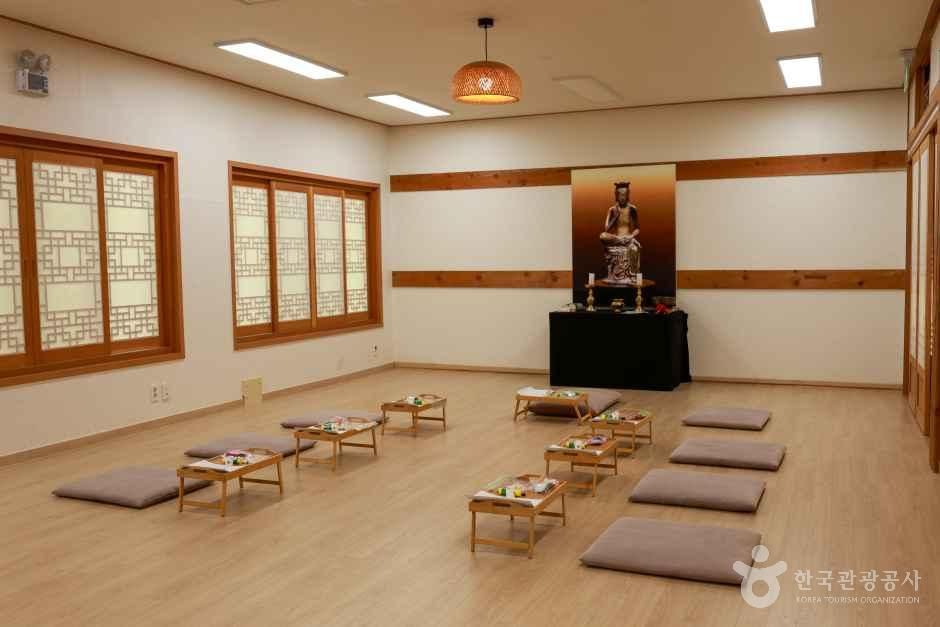
BEO Light Traditional Craft Experience Space inside the Seon Culture and Education Center
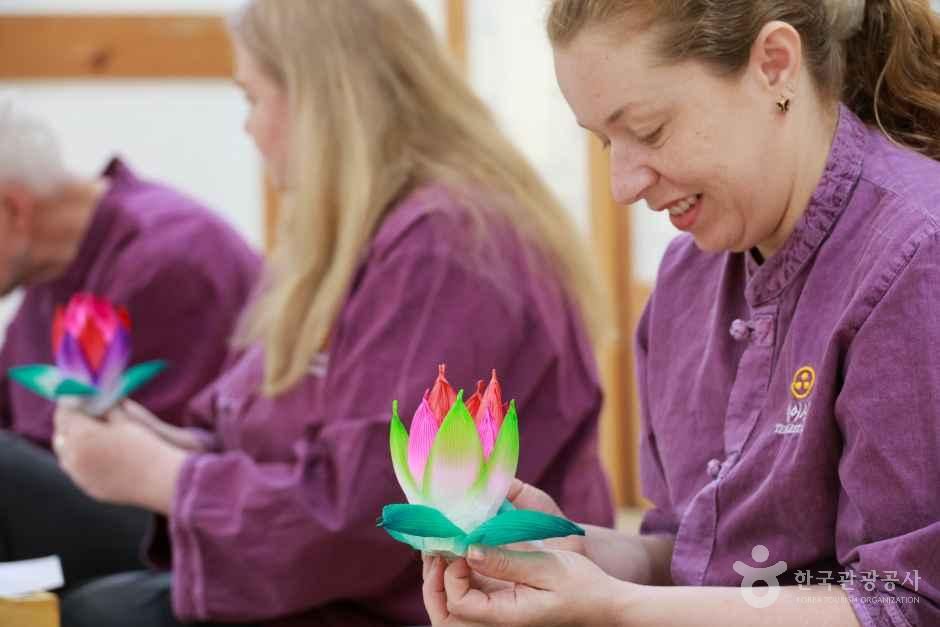
A Participant Creating a Traditional Lotus Lantern
BEO Light is a hands-on program dedicated to traditional Korean crafts. Sliding open the classic wooden door reveals a cozy, floor-seated room lined with comfortable cushions. While this floor-seating culture is second nature to Koreans, it offers foreign participants a unique and immersive opportunity to experience traditional Korean lifestyle firsthand. For those unfamiliar or uncomfortable with sitting on the floor, chairs are readily available. The lotus lantern-making activity involves meticulously pasting paper lotus petals one by one to complete the lantern, finishing it by attaching a handwritten wish-ribbon. In Buddhism, the lotus symbolizes purity and enlightenment, and this sacred meaning is carefully embodied in every step of crafting the lantern. When illuminated, a warm, gentle glow diffuses through the paper petals. Once completed, participants can take their handmade lantern home.
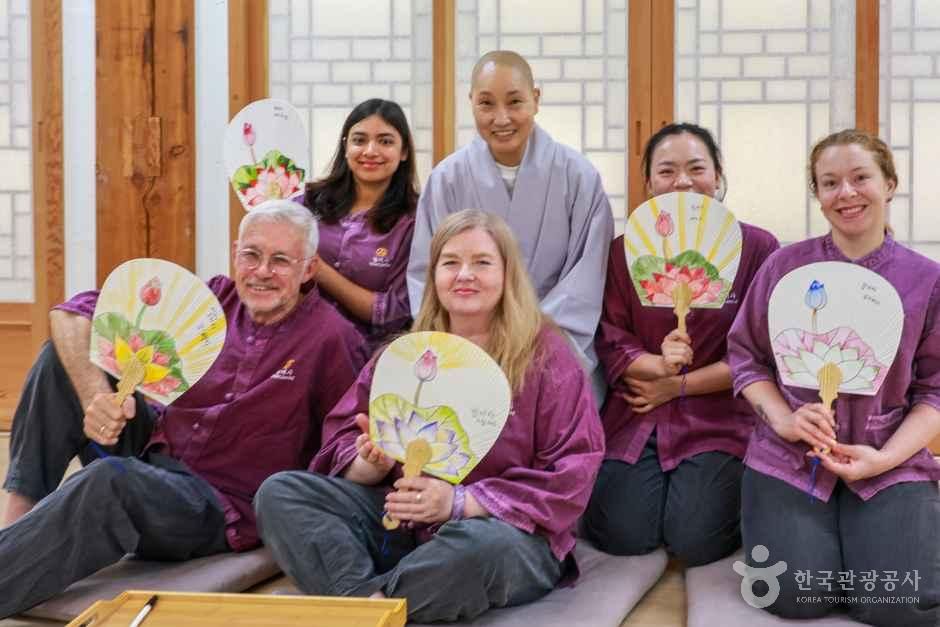
Participants Posing with Self-Made Traditional Folding Fans
BEO Mind: An Immersive Tea Ceremony and Meditation Program
In the BEO Art session, participants engage with traditional Korean folk art by coloring a minhwa (folk painting) of a lotus flower onto a traditional paper fan. Since a detailed outline is already provided, no prior drawing skills are required. As colors are filled in one stroke at a time, each fan transforms into a highly personalized masterpiece, even when starting from the identical sketch. In addition, the temple offers BEO Mind, a tea ceremony and meditation program utilizing tea brewed with the crystal-clear water of Geumjeongsan Mountain, and BEO Sound, a sound relaxation experience using singing bowls paired with natural acoustics.
These six signature programs are flexibly combined to best suit the season, weather, and group characteristics. It is a sanctuary to gently reclaim the natural rhythms of body and mind while embracing nature and ancient traditions.
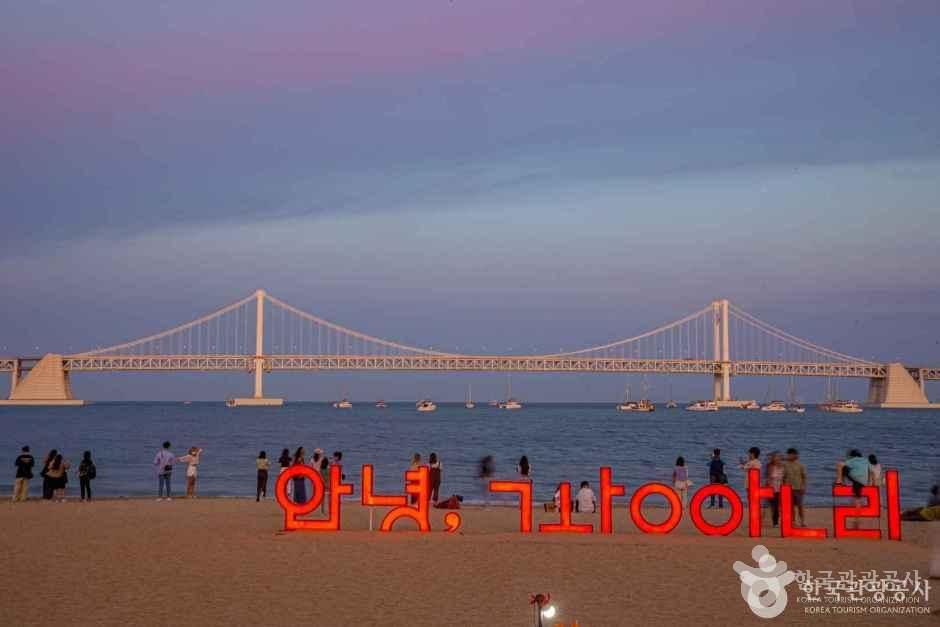
As one of Busan's most iconic beaches, Gwangalli Beach is a premier urban marine destination where a vast white sandy shore harmonizes with the majestic Gwangandaegyo Bridge. During the day, you can stroll along the blue sea and the vibrant café street or enjoy various marine sports such as surfing and paddleboarding. At night, the beach comes alive with the brilliant night view illuminating the bridge, spectacular drone shows, and lively street performances.
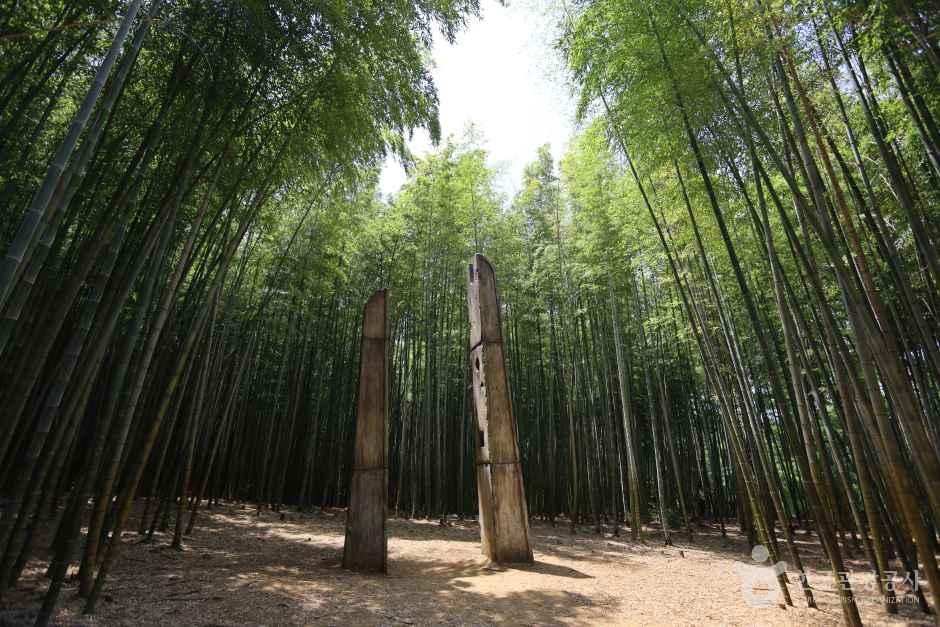
A privately owned forest preserved by a single family for over 400 years, this is a signature woodland destination in Busan featuring a harmonious mix of bamboo, cypress, and pine groves. Walking along the forest trails, you can fully immerse yourself in nature amidst the serene scenery created by dense bamboo stands and ancient trees. It is also well-known as a filming location for popular K-dramas such as The King: Eternal Monarch and Moon Lovers: Scarlet Heart Ryeo, offering a unique experience where you can encounter a primeval forest landscape just a short distance from the city.
* This column was last updated in July 2026. Information may have changed since then. We advise you to check for updates before visiting.
Purpose of collection and use of cookies
This website uses cookies to enhance your experience.
Necessary cookies
Necessary cookies are required for features such as website search and security. Turning off necessary cookies will lower efficiency due to limitations on services and features. Information collected through necessary cookies will only be used for that purpose and will not be shared or sold to a third party.
Performance cookies
Performance cookies collect information on how users use the website. This data is used to personalize the website and allow users to use the website more conveniently. (Example: Number of visits, number of visited pages, website activity, number of errors, etc.) Performance cookies do not collect personal information about the user and guarantee anonymity.
Functionality cookies
Functionality cookies help the website remember the user’s choices and preferences to provide personalized services. Turning off functionality cookies will prevent website features related to providing content based on previous selections and preferences.
Advertising cookies
Advertising cookies track the user’s online activity to allow advertisers to provide personalized advertisements or limit the number of advertisements. Advertising cookies are typically permanent cookies and the data is shared with other businesses and advertisers.
When using VISITKOREA, users can remove saved cookies and block future cookies in the browser settings. Removing cookies may lead to disadvantage in website performance and convenient user experience.

 Address
 Hours
Hours Contact
 Web
Web