Which airport is the best gateway for exploring Korea beyond Seoul? Cheongju International Airport (CJJ), which welcomed 1.94 million international passengers in 2025, offers easy access to downtown Cheongju as well as major cities across central Korea, including Daejeon, Gongju, and Asan. This article introduces top places to visit in Cheongju after arriving at CJJ, along with nearby attractions in the Chungcheong region that make great additions to your itinerary.
| Cheongju International Airport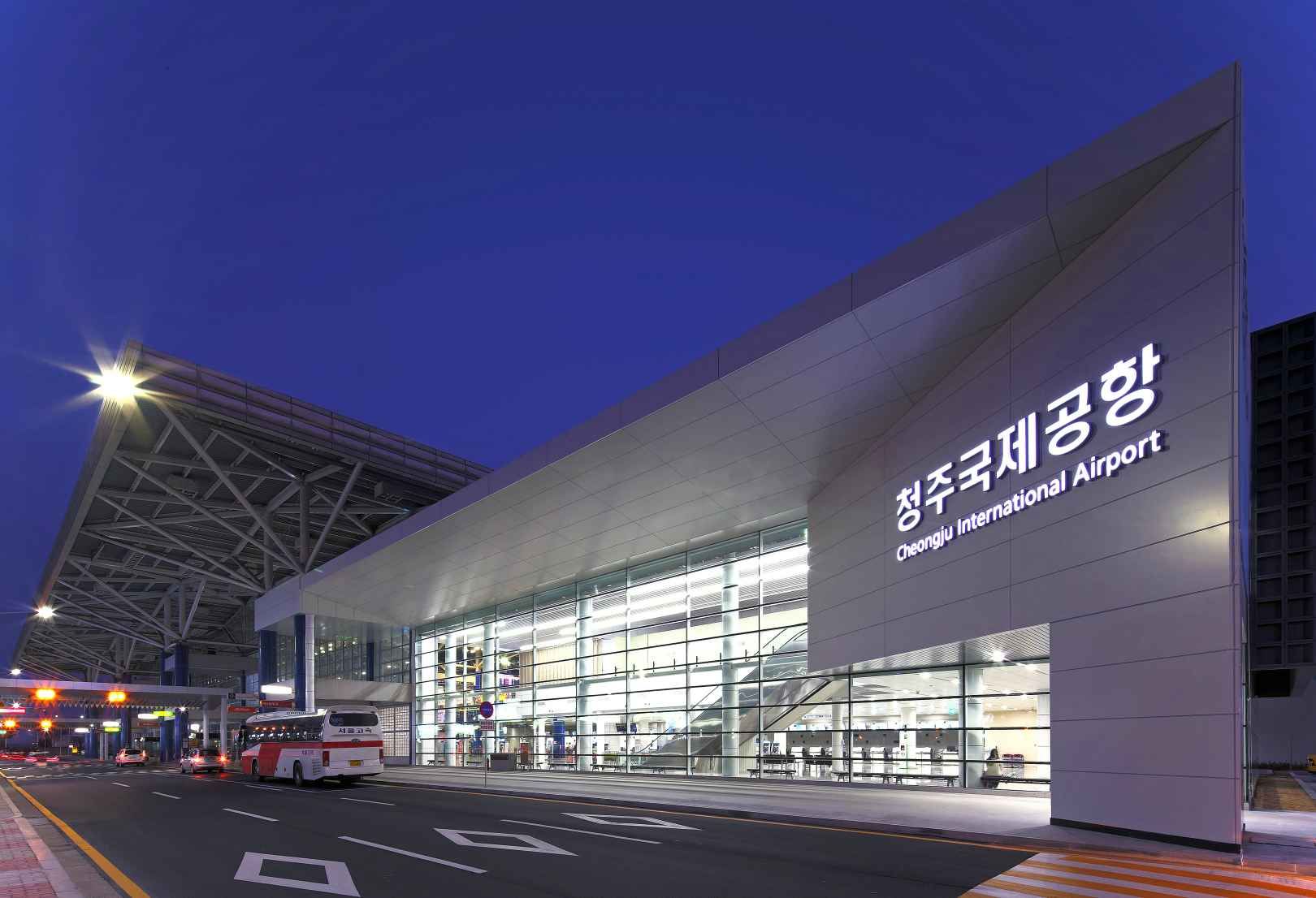
As of June 2026, Cheongju International Airport serves 24 international routes to seven countries and regions across Asia, including Japan, China, Vietnam, Taiwan, and Mongolia, along with domestic flights to Jeju. With relatively quick airport procedures and major cities just one to two hours away, the airport has seen passenger numbers surge nearly ninefold over the past two years. Downtown Cheongju is about 30 minutes from the airport, and travelers can easily reach Seoul and other central Korean cities from Cheongju Airport Station via the Chungbuk Line or nearby KTX Osong Station. The C-Tour Bus also makes travel more convenient, running directly from the airport to Gongju and Buyeo with a stop at KTX Osong Station.
- C-Tour Bus: Board at Cheongju International Airport Platform 2 or KTX Osong Station Platform 8. (Operates eight times daily.)
View Key Routes at Cheongju International Airport
| Route | Airline | Flight Schedule |
|---|---|---|
| Fukuoka | Aero K, T’way Air | Daily |
| Okinawa | Aero K | Daily |
| Osaka/Kansai | Aero K, T’way Air | Daily |
| Tokyo/Narita | Aero K | Daily |
| Sapporo | Aero K | Daily |
| Shanghai/Pudong | Spring Airlines | Mon, Wed, Fri, Sat, Sun |
| Eastar Jet | Thu | |
| Dayong/Zhangjiajie | Loong Air | Wed, Sat |
| Eastar Jet | Mon, Wed, Fri, Sun | |
| Sichuan Airlines | Tue, Sat | |
| Nha Trang | Aero K | Wed, Thu, Sat, Sun |
| Da Nang | Aero K | Mon, Thu, Fri, Sun |
| Taipei/Taoyuan | Aero K | Daily |
| Eastar Jet | Sat | |
| Ulaanbaatar/Chinggis Khaan | Aero K | Daily |
| T’way Air | Wed, Thu, Sat, Sun |
* Schedules are subject to change due to airline and airport operations. Please check each airline’s website for the latest information.
Estimated Travel Times to Major Cheongju Attractions
| Destination | Travel Time | Destination | Travel Time |
|---|---|---|---|
| MMCA Cheongju, Culture Factory | 20 min by bus | 20 min by taxi | Cheongju Sangdangsanseong Fortress | 60 min by bus | 25 min by taxi |
| Cheongju Yukgeori Market | 35 min by bus | 30 min by taxi | Chojeong Haenggung, Unbo’s House | 15 min by taxi |
| Seomun Market, Suamgol Café Street | 30 min by bus | 20 min by taxi | Cheongnamdae Presidential Villa | 45 min by taxi |
Cheongju is a central city in Chungcheongbuk-do with an international airport of its own. It is a convenient base for traveling to central Korea and the Seoul metropolitan area, but the city itself is also well worth exploring. With a name deeply tied to the west-central region, Cheongju has a rich history and many stories to tell. From cultural and arts spaces filled with creative inspiration to local food experiences and wellness getaways in refreshing natural surroundings, discover some of the city’s top attractions by theme.
# Arts & Culture: Enjoying the Creative Side of Cheongju, a City of Craft
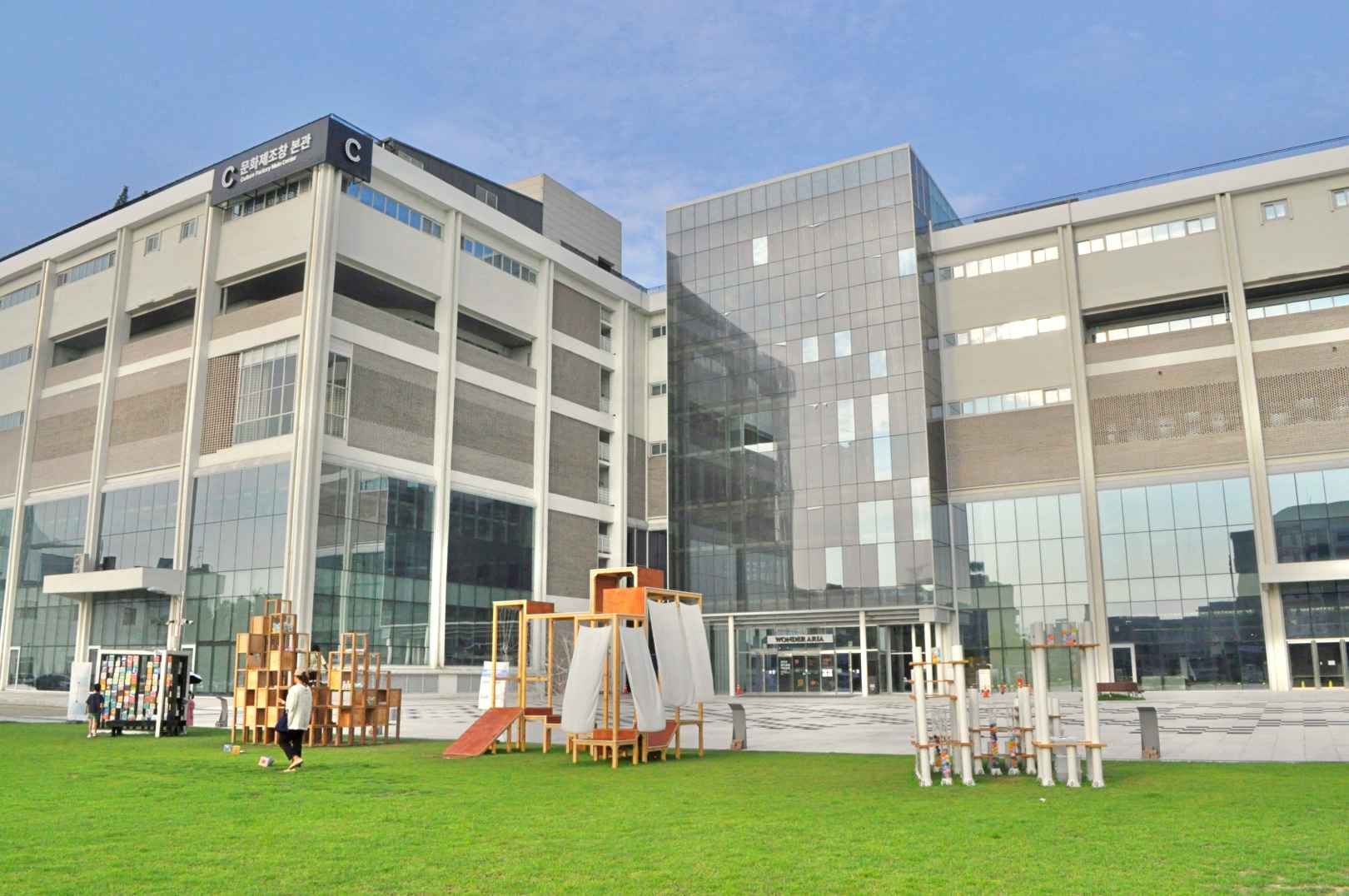
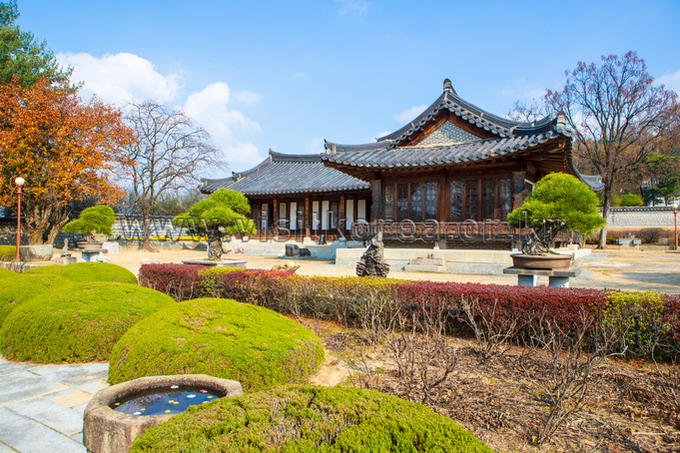
Cheongju has been home to the Cheongju Craft Biennale since 1999, a biennial event that has helped shape the city’s identity as one of Korea’s leading craft destinations. Today, that creative energy can be seen in the city’s transformed industrial sites, now reborn as stylish cultural spaces. From an art museum that opens its storage facility to visitors to the former home of a master of Korean modern art, Cheongju is full of inspiring places to enjoy art and culture.
Recommended Places to Visit
- [Museum of Modern and Contemporary Art Cheongju (MMCA Cheongju) ] Set inside a renovated former tobacco factory, this is Korea’s first open-storage art museum. Storage areas that were once closed to the public are now open to visitors, offering a rare chance to view artworks up close, almost like browsing the aisles of a warehouse store.
- [Culture Factory] Once Korea’s largest tobacco factory, this 1940s industrial site has been transformed into a cultural complex. Inside, the building’s original framework remains intact, creating a distinctive setting for atmospheric restaurants, cafés, and an open library.
- [Unbo’s House] Once the private home of the late Kim Ki-chang, one of Korea’s masters of modern art, this site also serves as a museum. Kim painted the portrait of King Sejong featured on Korea’s 10,000-won banknote. Visitors can see his works at Unbo Art Museum, then wander through the ornamental stone garden set among traditional hanok buildings. The house is also a famous filming location for the K-drama “Mr. Sunshine (2018).”
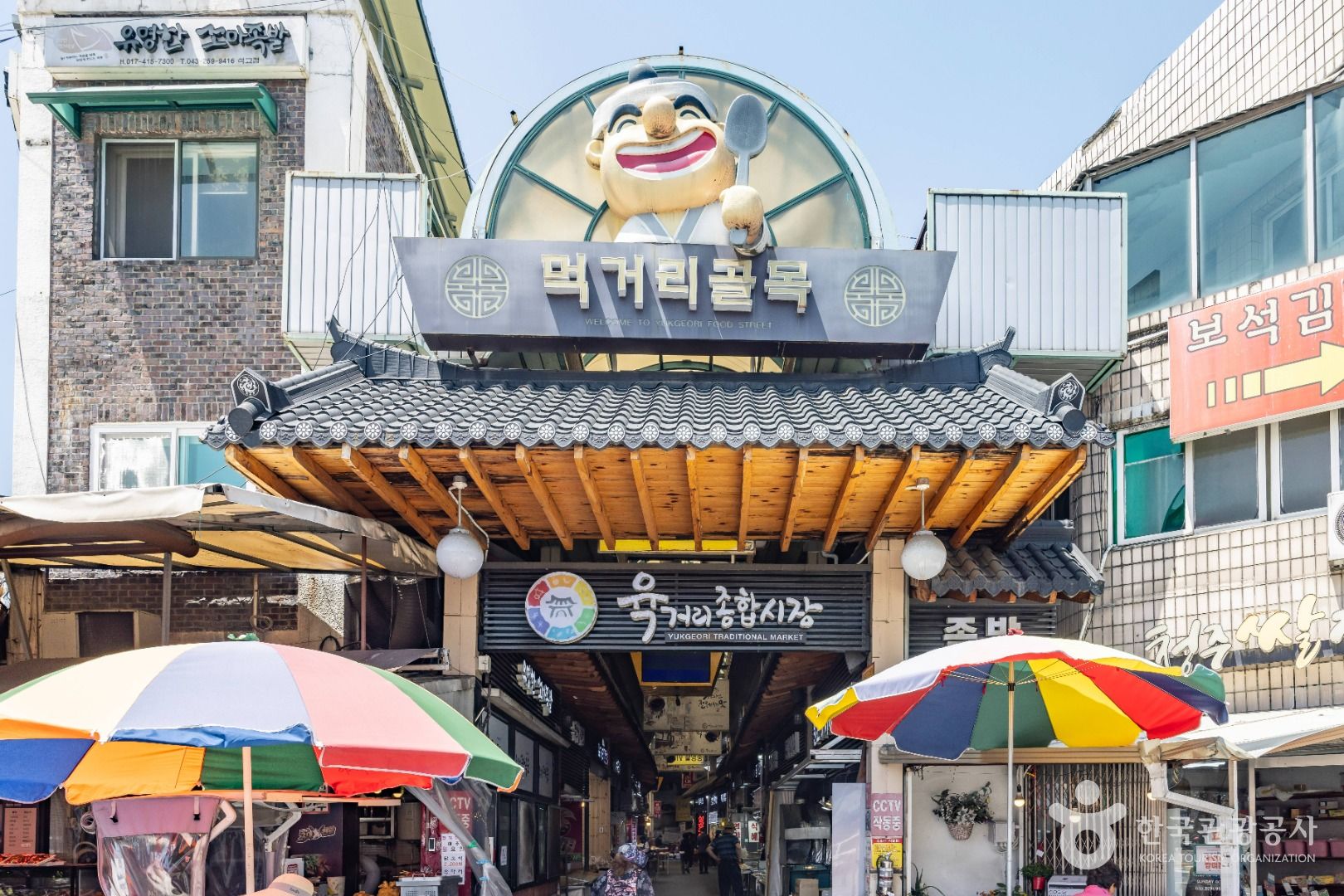

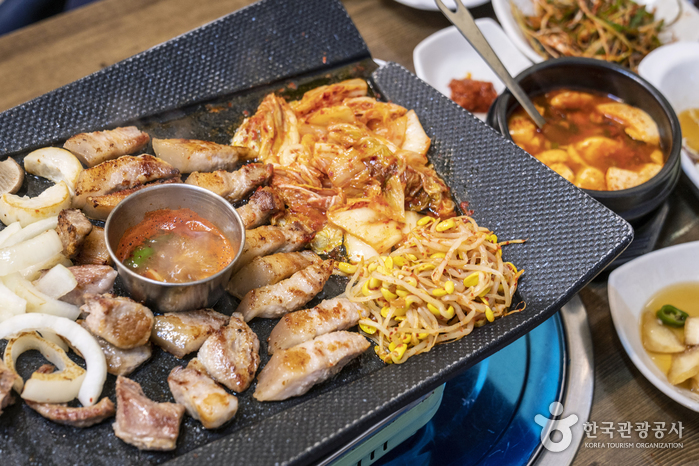
Cheongju is known for its long-standing traditional markets and unique local food culture. Here, you can explore a sprawling market packed with energy, visit a hillside café street with sweeping downtown views, and head to a Samgyeopsal (grilled pork belly) Street where pork belly is grilled with a special sauce. Experience the flavors and atmosphere that make the city’s food scene so distinctive.
Recommended Places to Visit
- [Cheongju Yukgeori Market] One of Korea’s five largest traditional markets, this lively place brings together more than 1,200 shops and stalls on a site about the size of 15 soccer fields. It is open daily, with a larger traditional market held on dates ending in 2 and 7.
- [Suamgol Café Street] Large cafés line the hillside here, offering open views of downtown Cheongju. Walk through the mural-filled alleys, then choose a café with a good view and watch the city unfold below.
- [Seomun Market Samgyeopsal Street] This street is dedicated to samgyeopsal, Korea’s much-loved grilled pork belly. Cheongju’s version is dipped in soy sauce before grilling and paired with spicy seasoned green onions.
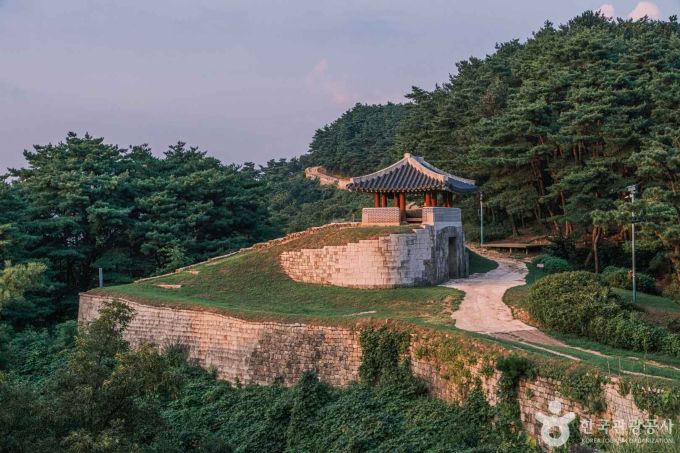
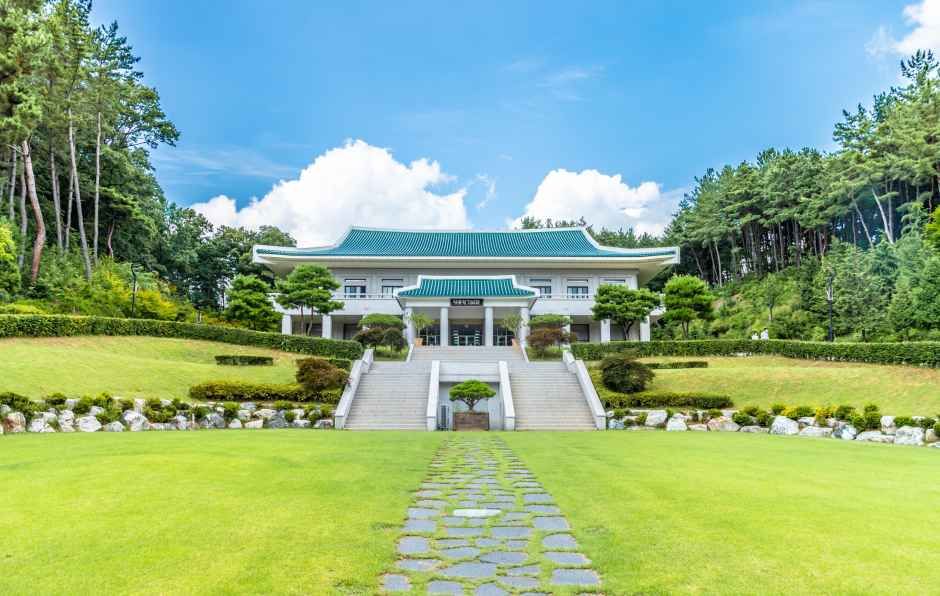
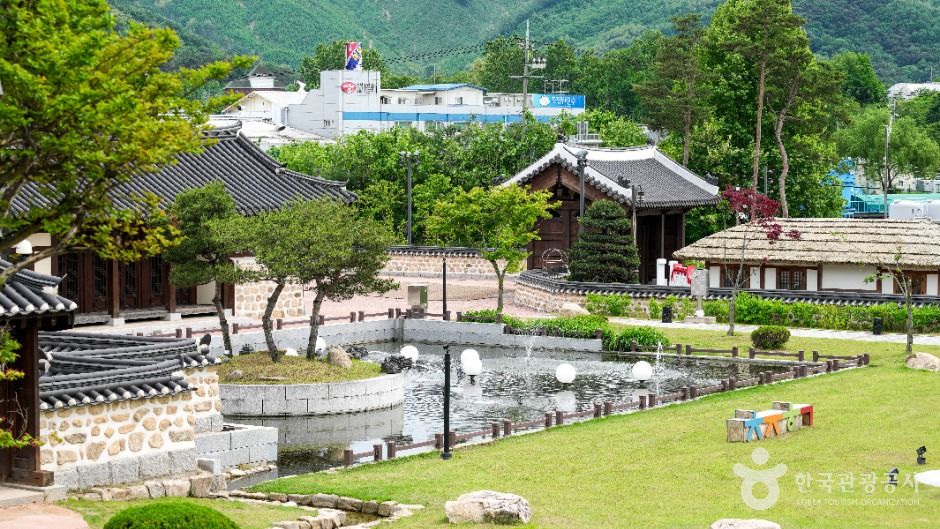
Cheongju offers a refreshing wellness escape, where pristine nature meets historic architecture. Hike along a fortress trail near the center of the city, wander through the forest paths of a presidential villa once used by Korea’s former presidents, and restore your body and mind while soaking your feet in naturally sparkling mineral water.
Recommended Places to Visit
- [Sangdangsanseong Fortress] One of Cheongju’s signature cultural heritage sites, this 4.2-kilometer mountain fortress was built to follow the shape of the surrounding terrain. Just outside the city center, it is a great spot for an easy walk along the fortress walls, with open views of Cheongju along the way. It has also served as a filming location for many Korean historical dramas, including “The King’s Affection (2021)” and “The Legend (2007).”
- [Cheongnamdae Presidential Villa] Meaning “the Blue House in the warm south,” Cheongnamdae, once a private retreat for Korea’s presidents, opened to the public in 2003. Visitors can tour the Presidential Memorial Hall, built at 60% the size of Cheong Wa Dae, and take in the beautiful natural surroundings along six forest trails.
- [Chojeong Temporary Palace] This restored hanok for cultural experience stands on the site of a temporary palace where King Sejong, the creator of Hangeul, once stayed while receiving treatment for an eye condition. Visitors can stay overnight in a hanok and enjoy a free foot bath with Chojeong Mineral Spring, a naturally carbonated mineral water that rises from a limestone layer 100 meters underground.
- ✅ Love great restaurants and bakery tours? ➡️ Daejeon
- ✅ Interested in ancient history and UNESCO World Heritage sites? ➡️ Gongju
- ✅ Looking for hot springs and a wellness getaway? ➡️ Asan
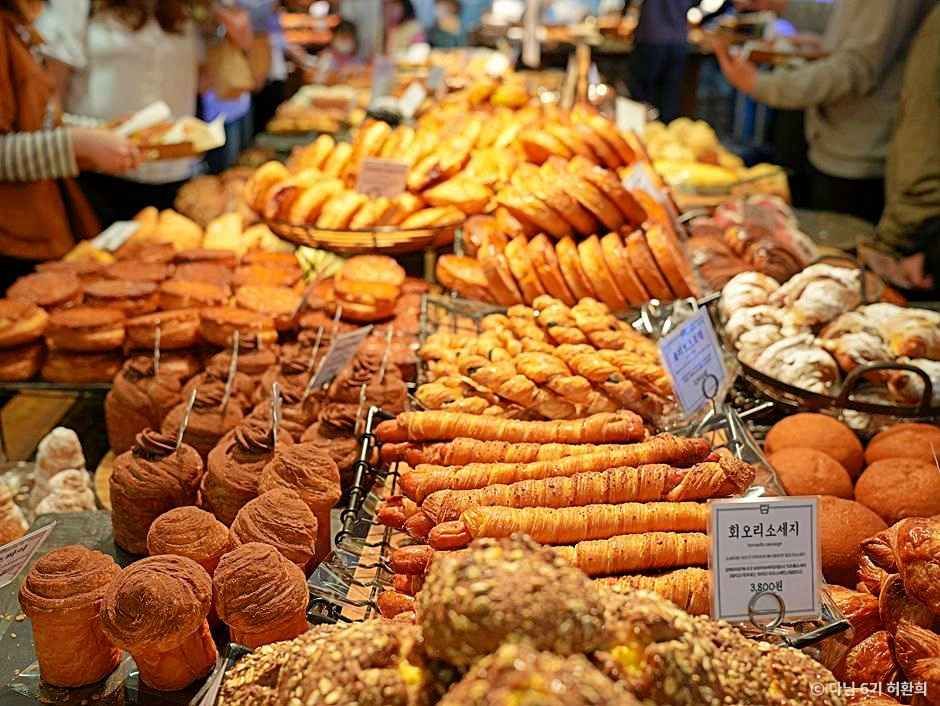
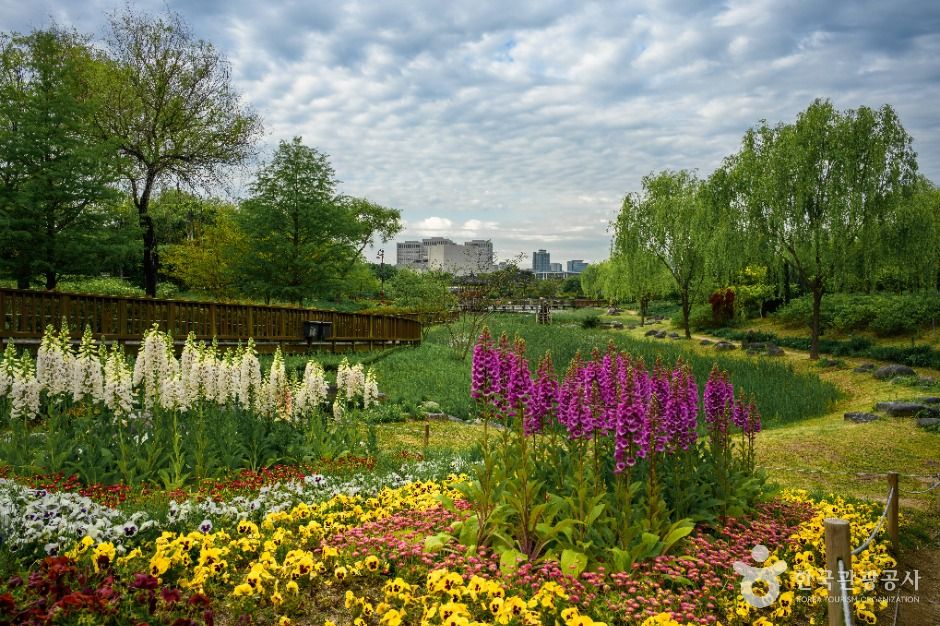
Daejeon is known for its vibrant bakery scene, centered around Sungsimdang, the city’s beloved landmark bakery and most iconic local brand. Explore charming neighborhood bakeries and bustling traditional markets, then unwind with a leisurely walk through an arboretum in the heart of the city. Daejeon Station is about 50 minutes from Cheongju Station or Cheongju Airport Station by ITX or Mugunghwa train.
Recommended Places to Visit
- [Sungsimdang] Sungsimdang, Daejeon’s most beloved bakery, opened in 1956 as a small steamed bun shop in front of Daejeon Station. It even provided bread for Pope Francis during his visit to Korea. Signature items include twigim soboro, a deep-fried soboro bun filled with sweet red bean paste; pantalong leek bread, made with leeks, egg, and ham; and seasonal fruit cakes generously topped with fresh fruit.
- [Daejeon Jungang Market] A traditional market with a 100-year history, just a three-minute walk from Daejeon Station. Its covered arcade makes it easy to enjoy classic market foods even on rainy days, including tteokbokki, sundae, and kalguksu (noodle soup).
- [Hanbat Arboretum] Spanning about 390,000 square meters in the middle of the city, Hanbat Arboretum offers a wide range of themed spaces, from a rose garden and aquatic plant garden to a tropical botanical garden. After a food tour, it is the perfect place to slow down and enjoy a leisurely walk.
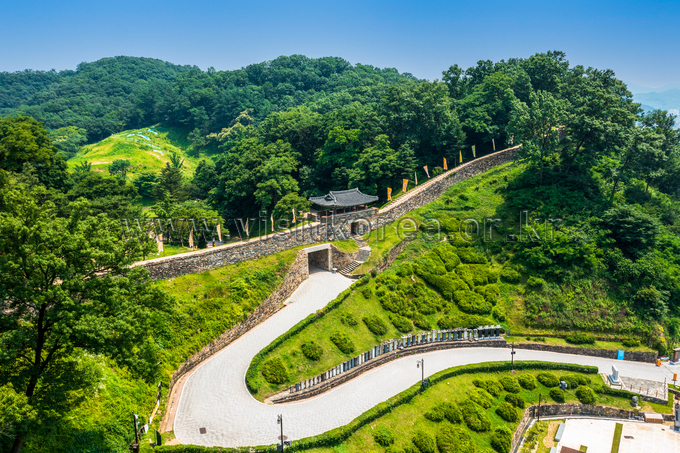

Gongju was the capital of Baekje, an ancient kingdom that lasted from the 1st century BCE to the 7th century CE, between 475 and 538. Though the city served as the capital for only a little over 60 years of Baekje’s 700-year history, it became a flourishing cultural center, leaving behind valuable heritage sites that can still be seen today. From the Cheongju International Airport Bus Stop, Gongju Bus Terminal is about one hour away by intercity bus.
Recommended Places to Visit
- [Gongju Gongsanseong Fortress] Built to defend Ungjin, present-day Gongju, Baekje’s second capital, this mountain fortress is surrounded by 2.6 kilometers of walls. Follow the fortress path for sweeping downtown views and the Geumgang River below.
- [Gongju Tomb of King Muryeong and Royal Tombs] The tomb of King Muryeong, Baekje’s 25th ruler, is one of the key sites of the Baekje Historic Areas, a UNESCO World Heritage Site. When it was excavated, the tomb was found untouched by grave robbers and preserved much as it had been some 1,500 years earlier, making it especially valuable for historical research. More than 5,200 artifacts were recovered, including gold crown ornaments, and many of them are on display at Gongju National Museum.
- [Magoksa Temple] Founded in 640 by the Silla monk Jajang Yulsa, this thousand-year-old temple is one of Korea’s most renowned Buddhist temples. It is among the seven mountain monasteries collectively recognized as sansa, Buddhist mountain monasteries in Korea, a UNESCO World Heritage Site. The temple is also known for its Templestay program, which offers visitors a chance to slow down, reflect, and enjoy peaceful walks through its pine forest.
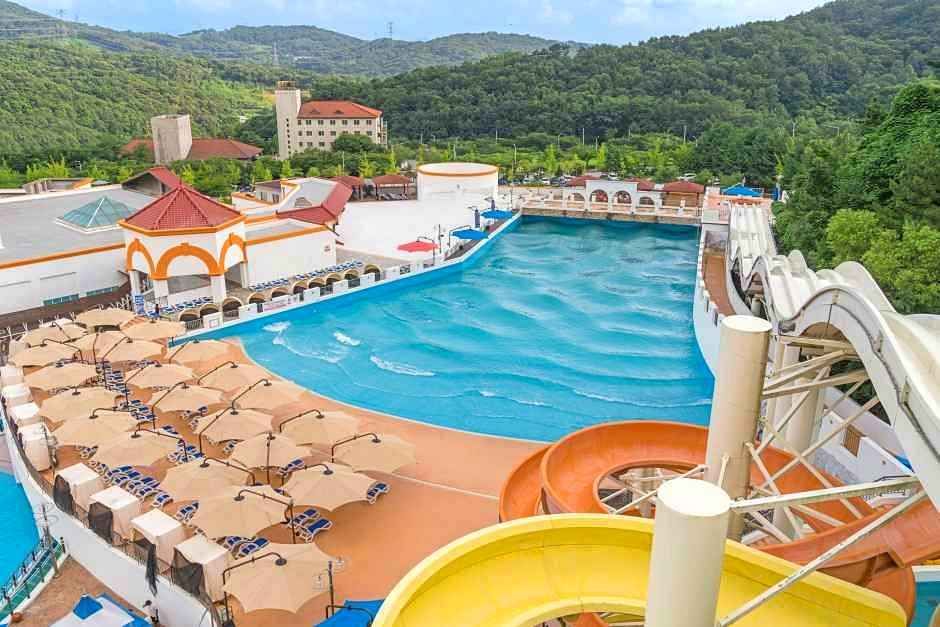
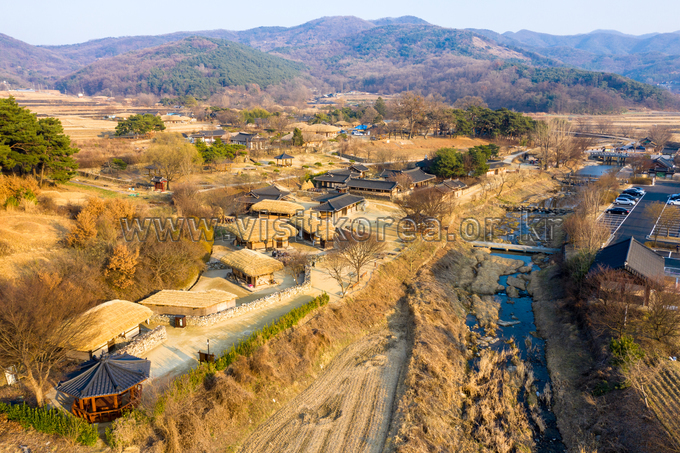
Asan is one of Korea’s best-known hot spring cities, home to the Asan Hot Springs Special Tourist Zone, which brings together Onyang, Dogo, and Asan Hot Springs. The city offers a wellness experience unique to the country, with hot springs once enjoyed by Joseon (14C-20C) kings and a preserved traditional village where yangban aristocrats once lived. From Cheongju Intercity Bus Terminal, it takes about 1 hour and 30 minutes by intercity bus to reach Asan Bus Terminal.
Recommended Places to Visit
- [Onyang Hot Springs] The oldest hot springs in Korea, Onyang was once a royal retreat where Joseon kings, including King Sejong, came to rest and recover. Today, the area around Onyangoncheon Station on Seoul Subway Line 1 is lined with hotels and public bathhouses that use natural alkaline hot spring water.
- [Dogo Hot Springs] Known for its sulfur-rich water, Dogo Hot Springs has long been associated with relief from skin conditions and rheumatism. Large hot spring theme parks such as Paradise Spa Dogo make it easy to enjoy classic hot spring bathing and water park fun in one place.
- [Asan Hot Springs] Set amid lush forest, Asan Hot Springs is known for its alkaline water, which is said to contain more than 20 minerals and is often associated with skin care. The area is home to hot spring facilities such as Asan Spavis, offering a relaxing soak in a natural setting.
- [Oeam Folk Village] This historic village dates back more than 500 years and still preserves the atmosphere of a traditional Joseon-era community. Walk along its 5.3 kilometers of stone-wall paths to see tiled-roof and thatched-roof houses, and get a vivid sense of how people lived at the time. Visitors can also join programs that include hanok stays and local food experiences.
Cheongju International Airport FAQ
- Q. Can I exchange money or buy a SIM card at Cheongju International Airport?
- A. Yes. A bank currency exchange counter is located on the first floor, and SIM cards can be purchased from Wi-Fi Dosirak.
- Q. How can I get from Cheongju International Airport to downtown Cheongju?
- A. You can take local bus No. 407 or express bus No. 747 from the bus stop in front of the airport to downtown Cheongju, including the Seongan-gil area, in under 30 minutes. A taxi ride takes about 20 minutes.
- Q. Can I travel directly from Cheongju International Airport to other cities such as Daejeon, Gongju, and Asan?
- A. Yes. There is an intercity bus ticket kiosk inside the airport for direct buses to cities such as Seoul, Daejeon, and Gongju. To travel by train, walk approximately 10 minutes to Cheongju Airport Station, or take Bus No. B3 or Bus No. 747 to KTX Osong Station.
- Q. Where can I find the latest flight schedule for Cheongju International Airport?
- A. Real-time flight information is available on the official Cheongju International Airport website operated by Korea Airports Corporation.
- - Original article by Lee Su-Lynn / Translated by KTO
- - Photos by Korea Tourism Organization and Korea Airports Corporation