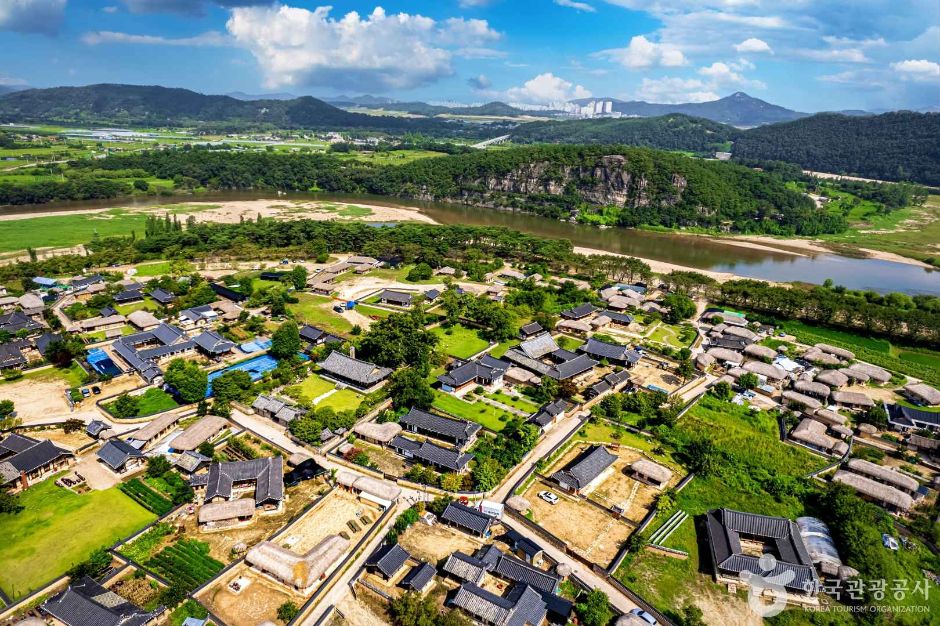
Andong, Gyeongsangbuk-do, is one of Korea’s best-known destinations for traditional culture and renowned UNESCO World Heritage sites, including Andong Hahoe Village and Dosanseowon Confucian Academy. Easily accessible by train or intercity bus from Seoul, Busan, Daegu, and other major cities, it is also a popular choice for a weekend break or a car-free trip. From traditional performances and festivals to hanok stays and local specialties, discover the essential sights and practical tips for planning your visit to Andong.
🚄 Getting Around AndongAndong is easily accessible by train from major cities across Korea, including Seoul, Busan, and Daegu. The city also offers tourist taxis, a convenient option for travelers who want to visit key attractions without renting a car.
1. Getting to Andong from Major Cities
- From Seoul: Take the KTX-Eum from Seoul Station, Cheongnyangni Station, or Sangbong Station to Andong Station (Approx. 1 hr 50 min)
- From Busan: Take the KTX-Eum from Bujeon Station, Sinhaeundae Station, Centum Station, or Gijang Station to Andong Station (Approx. 1 hr 40 min)
- From Daegu: Take a Mugunghwa train or intercity bus from Dongdaegu Station to Andong Station or Andong Bus Terminal (Approx. 1 hr 20 min)
| Attraction | Bus Name/No. | Attraction | Bus Name/No. |
|---|---|---|---|
| Andong Hahoe Village | Express 2, 210, Pungcheon 2, Hahoe Shuttle Bus | Byeongsanseowon Confucian Academy | 210 |
| Dosanseowon Confucian Academy | Express 3, 512 | Manhyujeong Pavilion | 610 |
| Woryeonggyo Bridge | 112 | Bongjeongsa Temple | Express 2, 310 |
- Check routes and real-time bus locations on the Andong Bus Information System. (Korean only)
• Andong Tourist Taxi
- Fare: 125,000 won for a 4-seater vehicle/ 300,000 won for an 11-seater vehicle (based on up to five hours of use within a 10-km radius of Andong Station)
- A special discount is available in 2026, but it may end early if funding runs out.
- Official website: andongtourtaxi.com
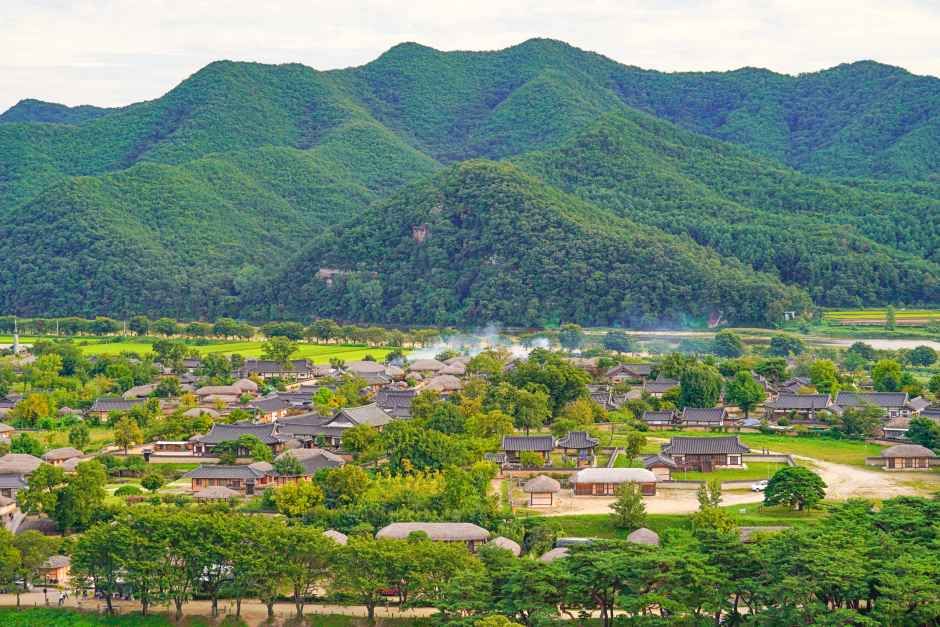
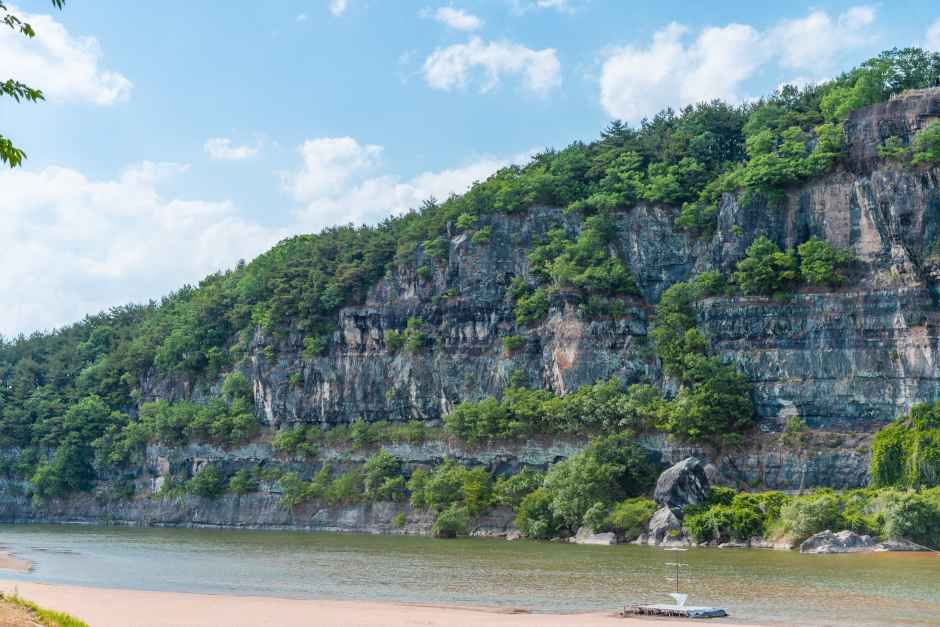
Andong Hahoe Village is a beautifully preserved folk village with Joseon-era hanok houses and thatched-roof homes. The village takes its name from the Nakdonggang River, which curves around it in a broad sweep. Its quiet lanes, traditional homes, and historic residences offer a vivid glimpse into Korea’s past. Across the river, Buyongdae Cliff is one of the best places to take in a panoramic view of the village. From the top, Hahoe Village resembles a lotus flower floating on water.
✔️ [VISITKOREA Exclusive] A Night to Remember in Andong Hahoe Village Rakkojae Hahoe Hanok Hotel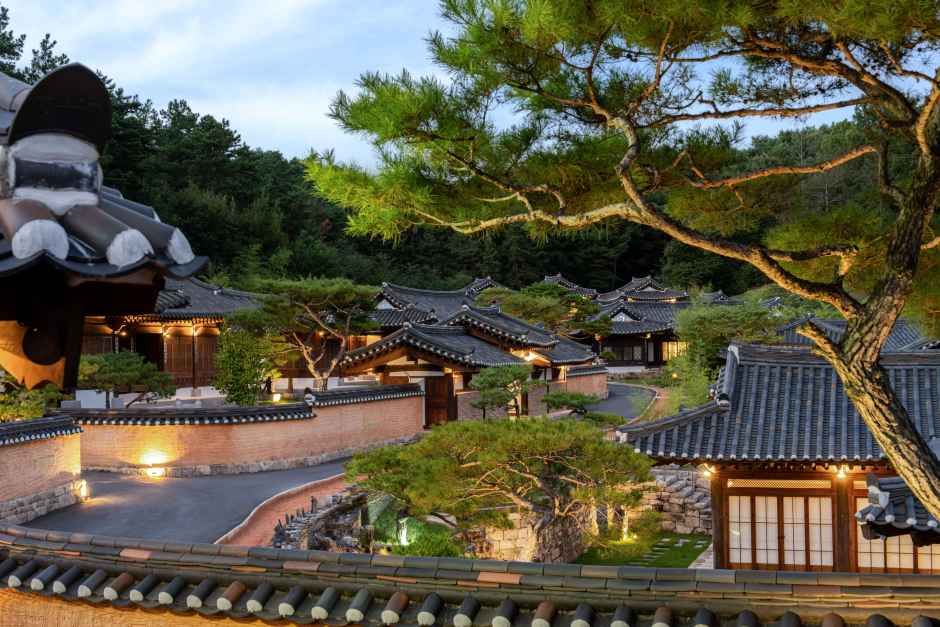
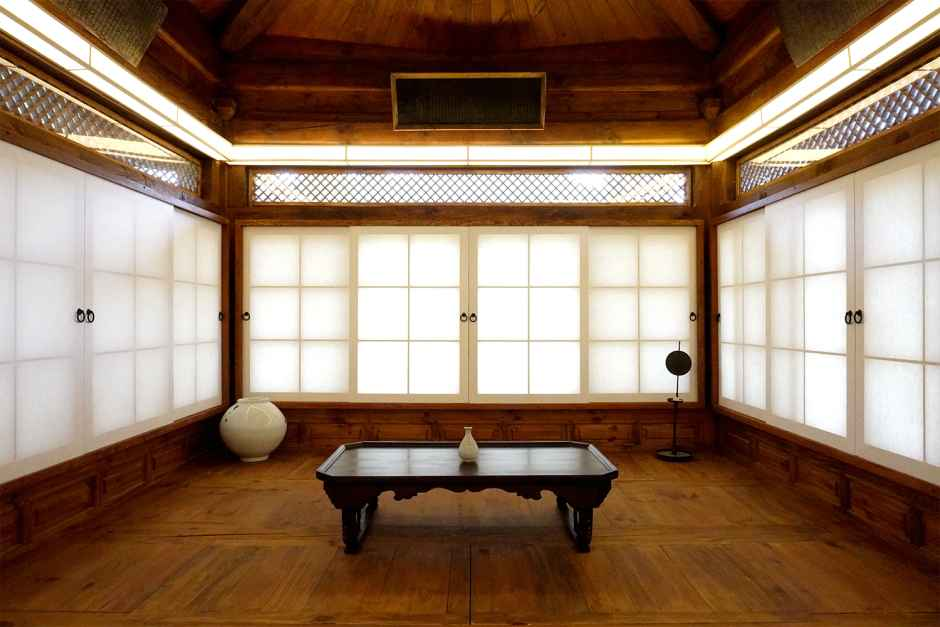
For a more immersive experience in Hahoe Village, consider Rakkojae Hahoe Hanok Hotel. The property has two sections: a thatched-roof annex inside the village and a tile-roofed main building near the Hahoe Mask Museum. About a 30-minute drive from Andong Station and downtown Andong, it is a convenient base for a two-day itinerary that includes Hahoe Village, Byeongsanseowon Confucian Academy, Buyongdae Cliff, and Woryeonggyo Bridge. Its true charm emerges after the day-trippers leave, when the village settles into the quiet of a traditional hanok village at night.
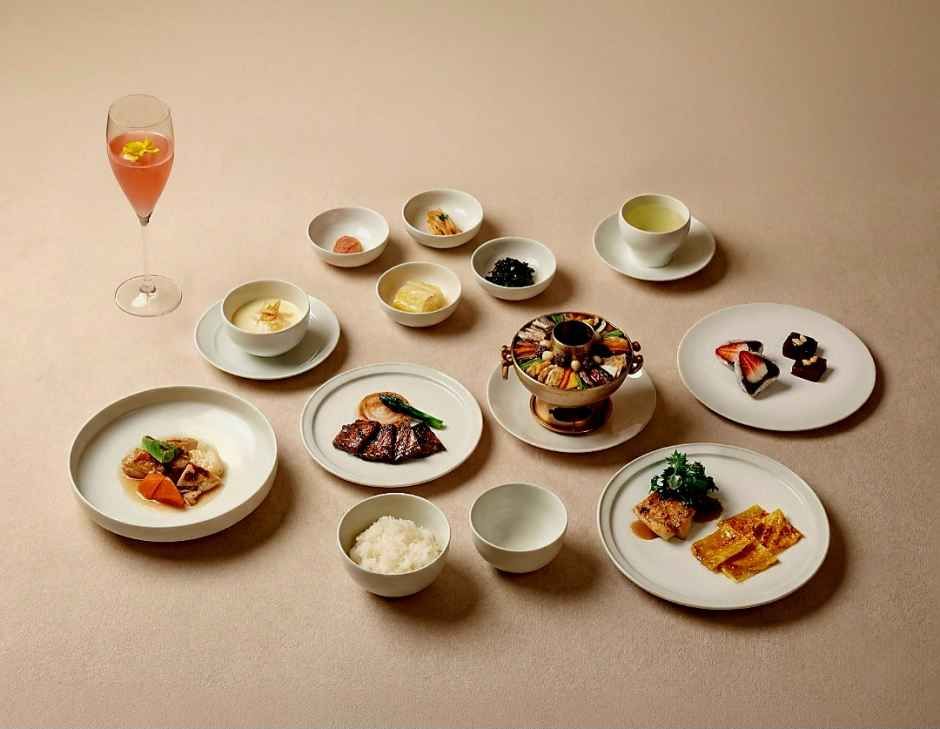
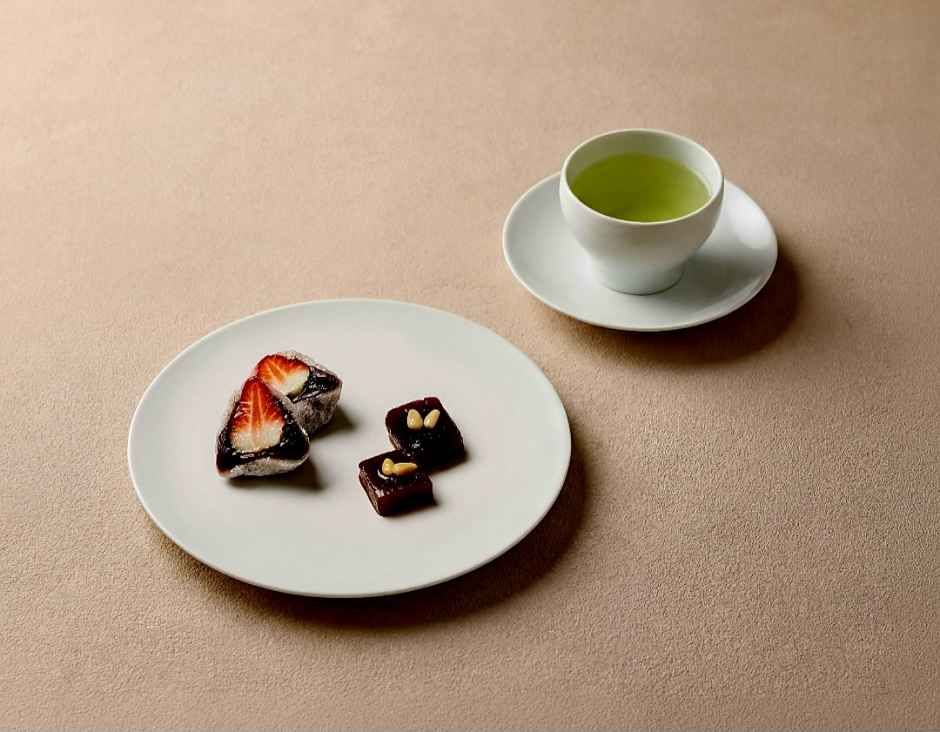
Guests at Rakkojae Hahoe Hanok Hotel can also savor Andong’s culinary heritage through Suunjapbang Heritage Dining. Suunjapbang is a historic cookbook passed down through a prominent Andong family and a valuable record of Korean food culture from nearly 500 years ago. The dining program brings its time-honored recipes into the present, offering not just a meal, but an immersive taste of the refined cuisine and gracious hospitality that Joseon-era scholars once enjoyed. Dishes inspired by Suunjapbang were also featured at the Korea–Japan summit dinner held in Andong on May 19, 2026.
Rakkojae Hahoe Hanok Hotel and Suunjapbang Heritage Dining offer a refined way to experience Andong’s architecture, history, family culinary traditions, and warm hospitality in one place. Spending a night in Hahoe Village and enjoying a meal inspired by a nearly 500-year-old cookbook adds depth and meaning to any Andong journey.
View event details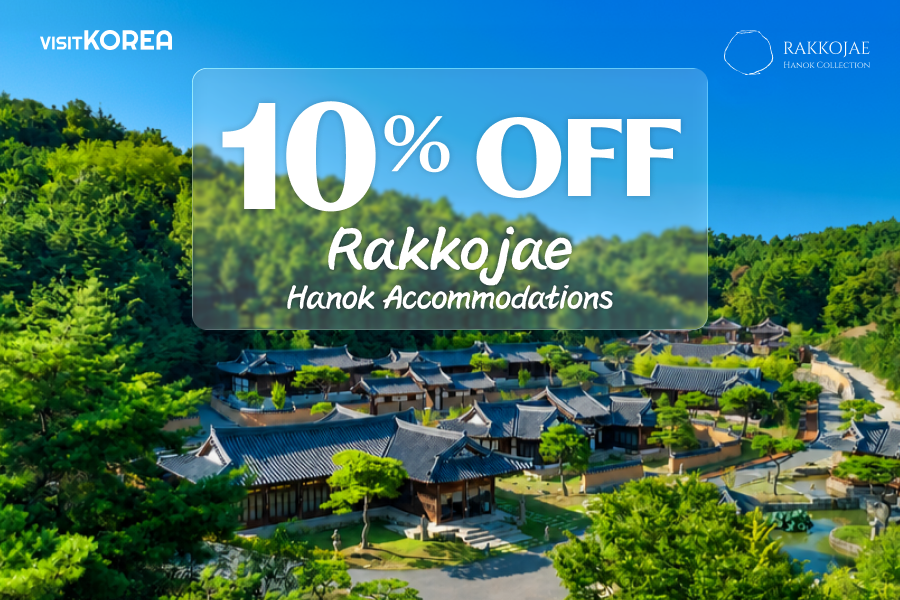
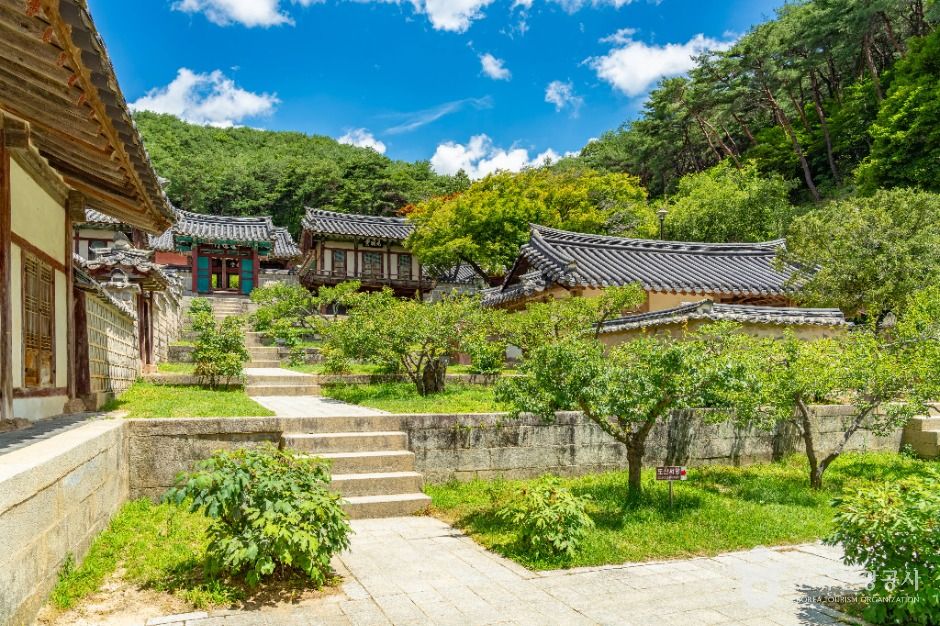
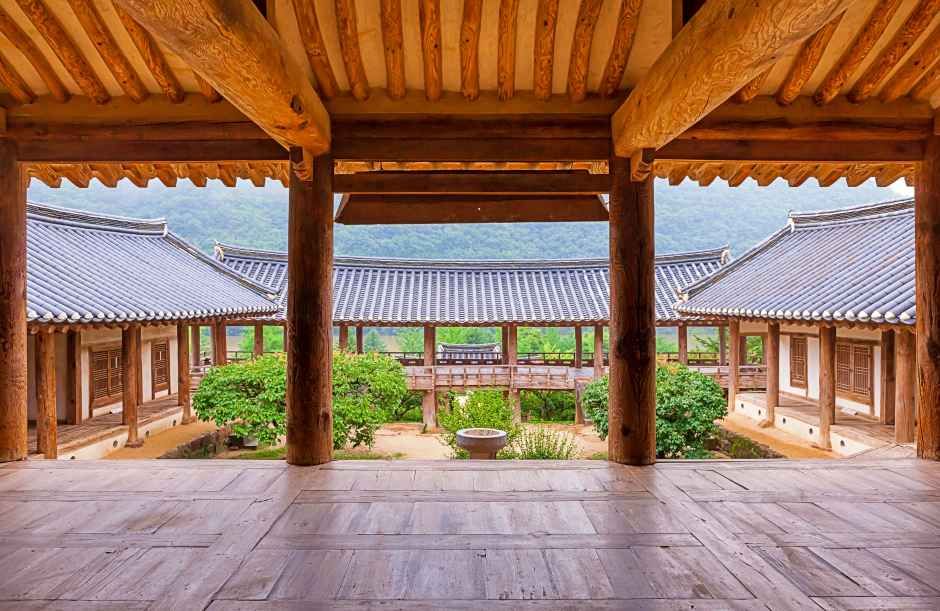
Seowon, private Confucian academies during the Joseon era, offer a glimpse into Korea’s educational traditions and the beauty of architecture shaped by the natural landscape. Dosanseowon Confucian Academy is closely associated with Toegye Yi Hwang, one of Korea’s most renowned Confucian scholars who taught his students here. Its simple, understated design reflects the restraint and humility valued by Joseon scholars.
Byeongsanseowon Confucian Academy is framed by the Nakdonggang River in front and Hwasan Mountain behind. This setting, known as baesanimsu—with mountains at the back and water in front—was traditionally considered ideal in Korean geomancy.
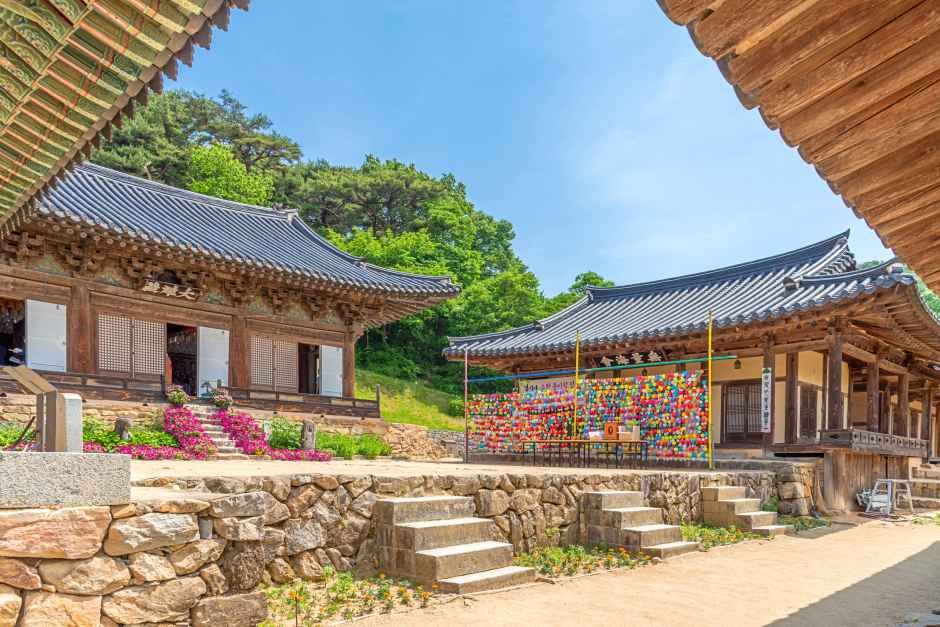
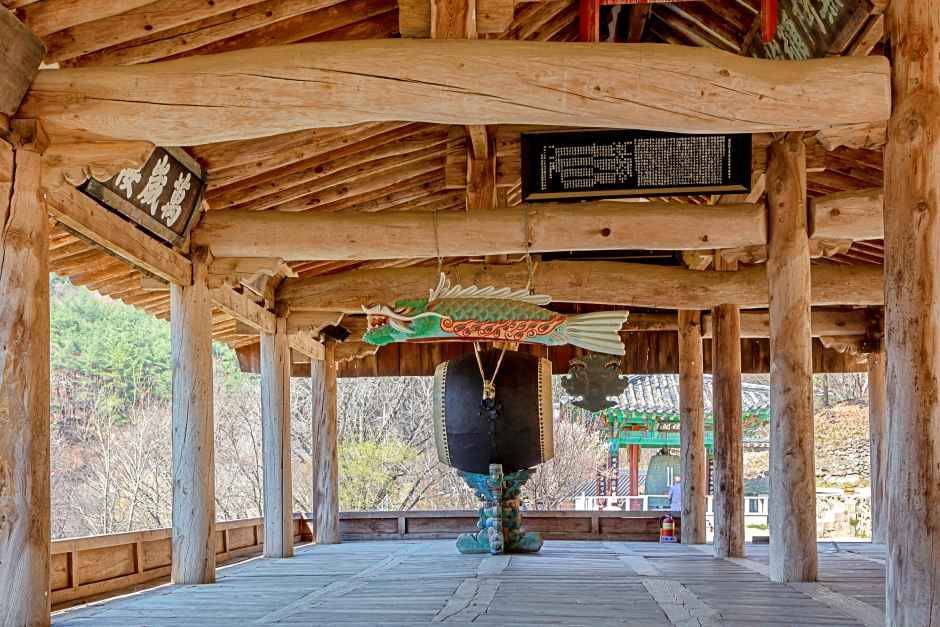
Bongjeongsa Temple is home to Geungnakjeon Hall, considered Korea’s oldest surviving wooden building. Other treasures within the temple grounds include Daeungjeon Hall, a mural behind the main altar, and a wooden seated statue of Avalokitesvara. Bongjeongsa’s beauty lies not in elaborate decoration, but in the quiet traces of time. Its understated, dignified atmosphere leaves visitors with a lasting sense of peace.
| Manhyujeong Pavilion and Woryeonggyo Bridge (Popular Filming Locations)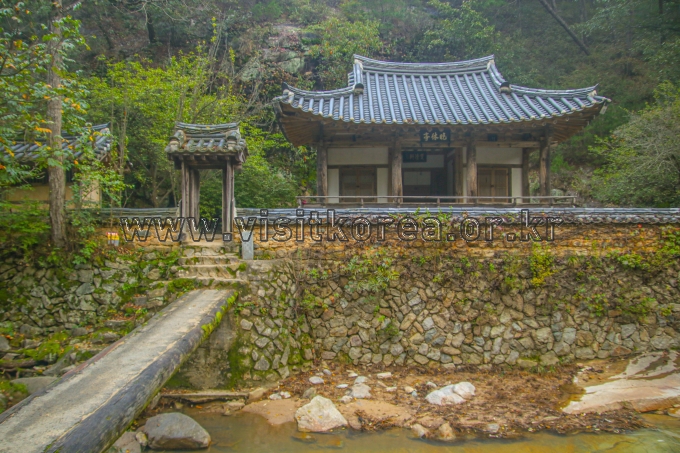
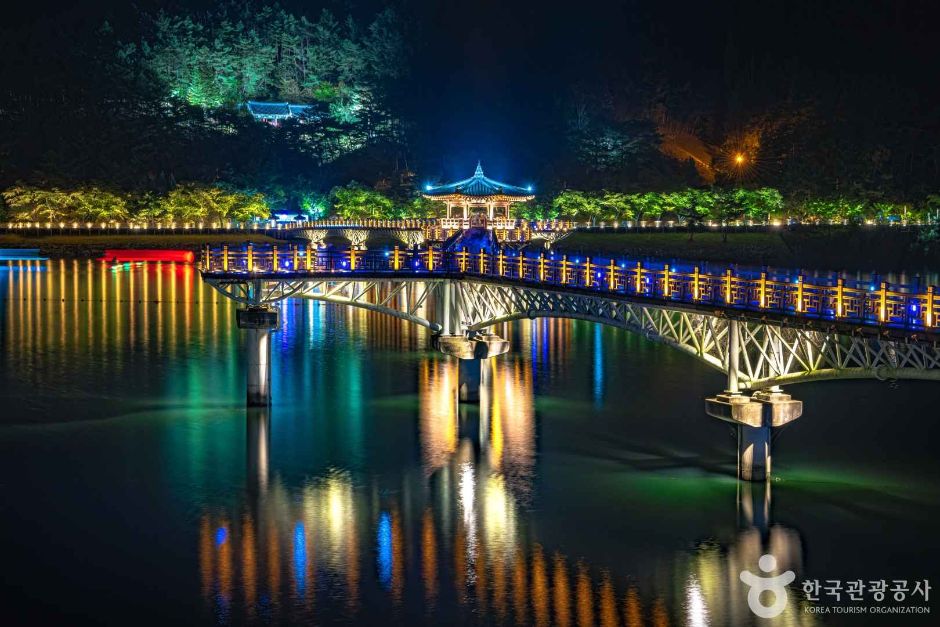
Andong’s historic sites have also become popular filming locations. Manhyujeong Pavilion is especially well known for the narrow wooden bridge featured in the drama “Mr. Sunshine (2018).” Visit by day for photos framed by lush forest, dramatic rock formations, and a clear stream. Then head to Woryeonggyo Bridge after dark for a romantic walk along Korea’s longest wooden pedestrian bridge, beautifully illuminated at night.
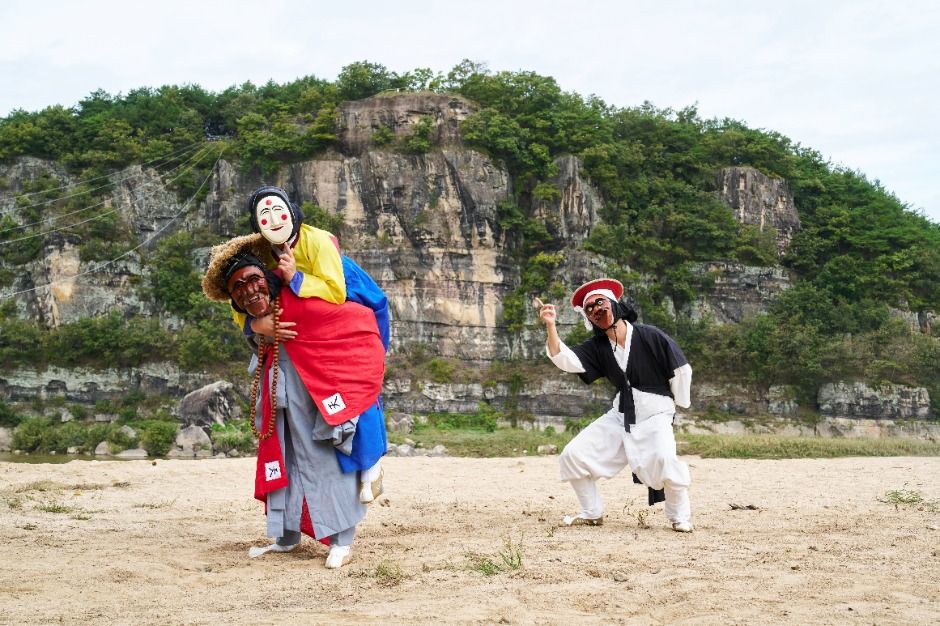
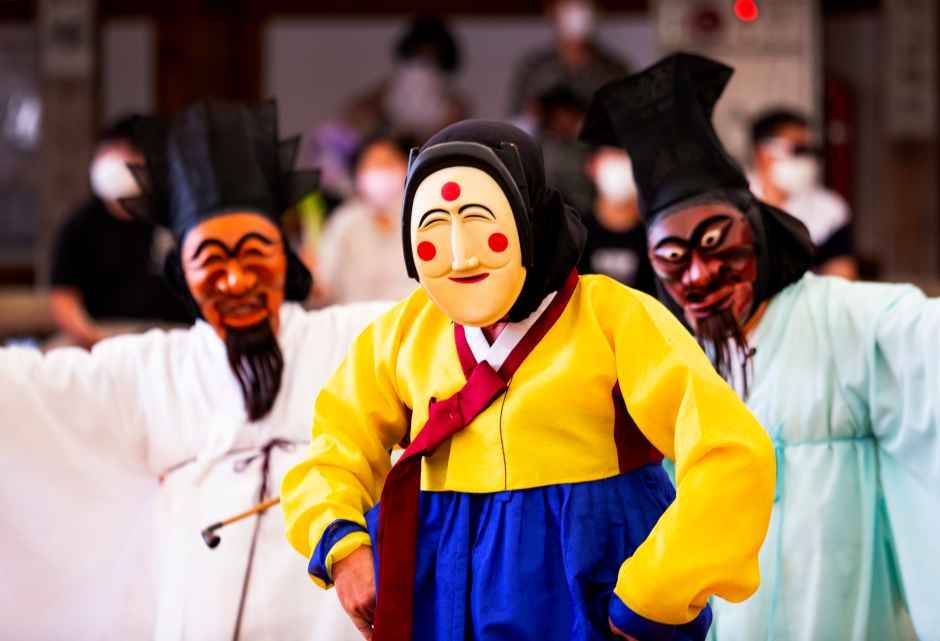
Passed down through generations in Andong Hahoe Village, Hahoe Byeolsingut Tallori is a traditional Korean mask dance drama performed in distinctive wooden Hahoe masks, characterized by exaggerated facial features. Its lively music and playful movements capture the humor and social satire that shape Korea’s unique cultural identity. If you’re planning an autumn trip to Andong, make sure to check out the Andong Maskdance Festival. Running from September 24 to October 4, it brings together a wide range of mask dance performances.
- - Venue: Hahoe Village Mask Dance Theater
- - Schedule: Tuesday–Sunday, 14:00 (Closed Mondays)
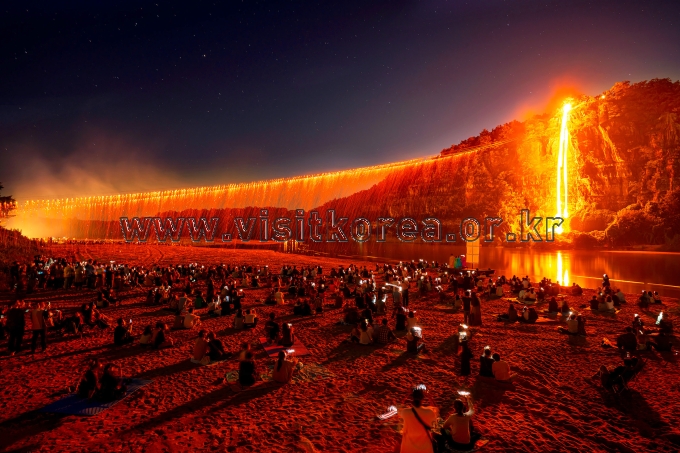
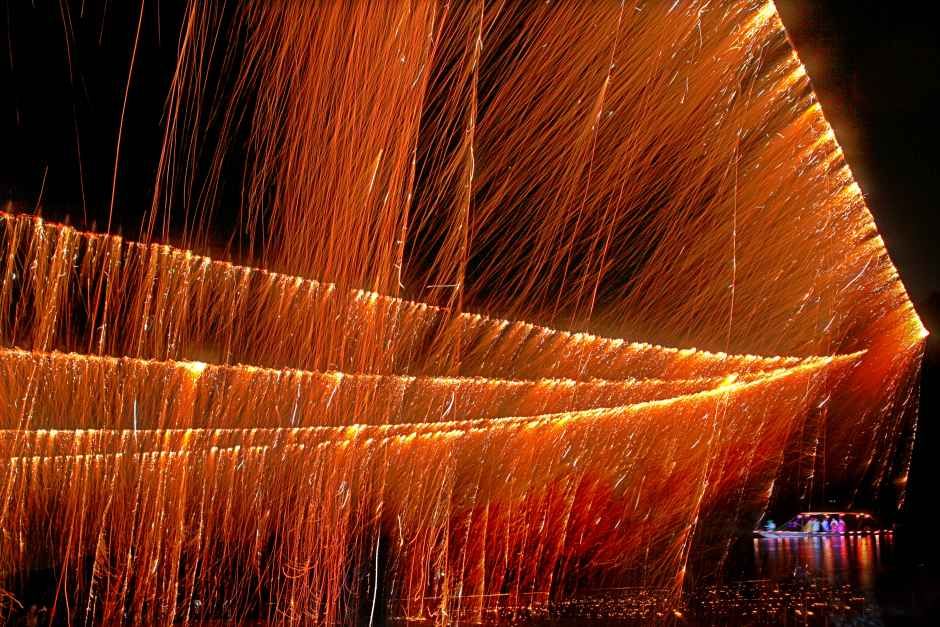
Hahoe Seonyu Julbul Nori is a traditional fireworks display held against the dramatic backdrop of Buyongdae Cliff and the Nakdonggang River. Glowing embers rain down from ropes stretched overhead, while their reflections dance across the water, creating an unforgettable night scene.
- - Venue: Nakdonggang River area, Andong Hahoe Village
- - Schedule: Select Saturdays in May and from August to October (May 2 & 23 / Aug. 29 / Sept. 12 & 26 / Oct. 3, 10, 17, 24 & 31)
- - Admission: Advance online booking is recommended one month in advance. Same-day tickets are available from 13:00 at the Hahoe Village ticket office (limited to 300 visitors)
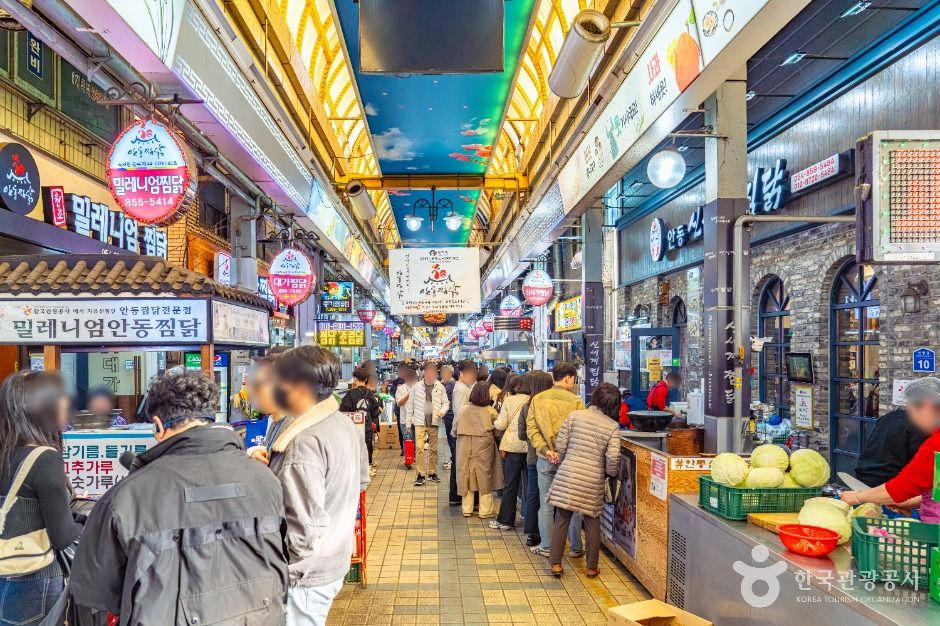

Andong jjimdak (braised chicken) is a signature local dish of chicken, glass noodles, and vegetables braised in a sweet, savory, and mildly spicy soy-based sauce. Known for its generous portions and rich flavor, it brings together tender chicken and chewy glass noodles, making it a popular choice for diners of all ages.
| Andong Grilled Salted Mackerel & Andong Noodles
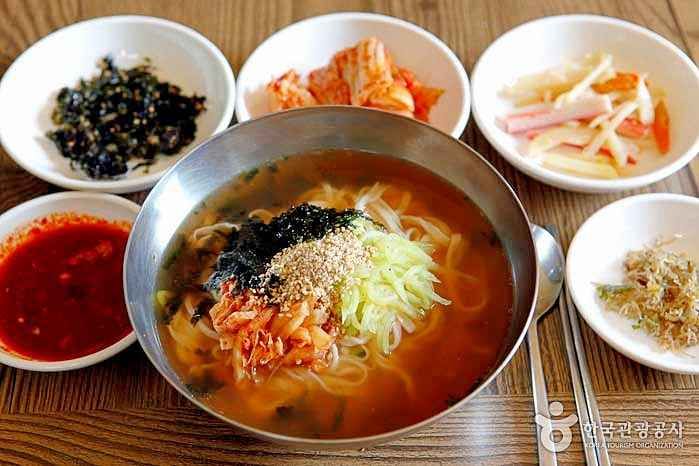
Because Andong lies far inland, locals traditionally salted mackerel to keep it fresh for longer. Grilled until crisp on the outside and moist inside, Andong salted mackerel, called Andong gangodeungeo in Korean, is a popular choice as part of a traditional Korean set meal. Andong guksi, “noodles” in Gyeongsang-do dialect, is made with noodles prepared from wheat flour and soybean powder, giving the dish a soft texture and a mild, delicate flavor.
| Andong Soju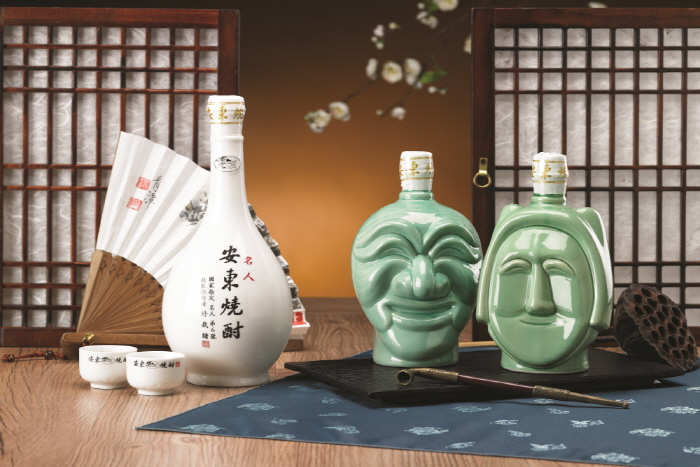
Andong soju is a celebrated local spirit made using traditional Korean distilling methods. Known for its high alcohol content of over 40% ABV and rich aroma, it pairs well with Korean food.
- Q. Should I visit Andong on a day trip or stay overnight?
- A. A day trip works well if you plan to focus on major sights such as Andong Hahoe Village, Byeongsanseowon Confucian Academy, and Woryeonggyo Bridge. Since Andong’s attractions are spread across a wide area, an overnight stay is a better choice if you also want to visit Dosanseowon Confucian Academy, Bongjeongsa Temple, and Manhyujeong Pavilion.
- Q. Are multilingual guided tours available at Andong’s major attractions?
- A. Yes. Free guided commentary in English, Japanese, and Chinese is available at major attractions such as Andong Hahoe Village and Dosanseowon Confucian Academy. These guides can help visitors gain a deeper understanding of Andong’s history and culture. (Book a Cultural Tourism Interpreter Guide)
- Q. When can I see Hahoe Seonyu Julbul Nori? Can I buy tickets on the day?
- A. Hahoe Seonyu Julbul Nori takes place only 10 times a year, on select Saturdays in May and August-October. As same-day tickets are limited, booking online one month in advance is recommended.
- Q. Can I order Andong jjimdak or a salted mackerel set meal when dining alone?
- A. Many restaurants serve Andong salted mackerel set meals for one. Andong jjimdak, however, is typically prepared as a whole-chicken dish for two to three people rather than as a single serving.