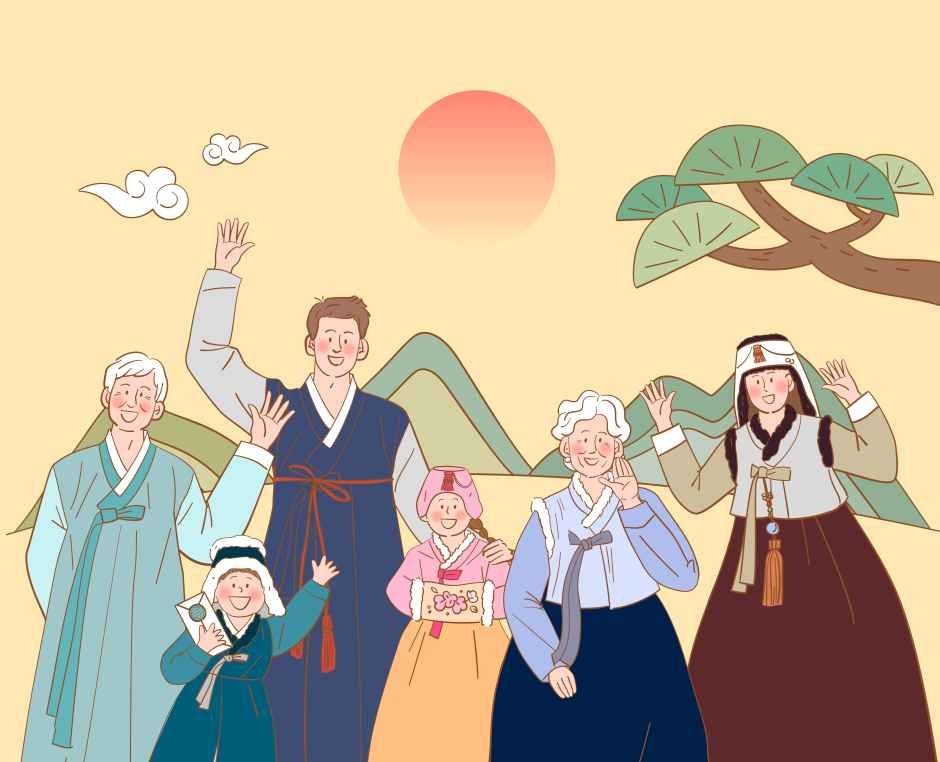
Seollal, Korea’s biggest holiday, is just around the corner. It may seem like a tricky time to travel, but it’s actually a great opportunity to experience Korea’s culture at its most authentic. Free entry to Seoul’s royal palaces, mouthwatering food aromas filling the streets, and a variety of traditional cultural events come together to delight all five senses. Follow the frequently asked questions below to plan your Seollal trip in 2026.
■ Seollal in Korea
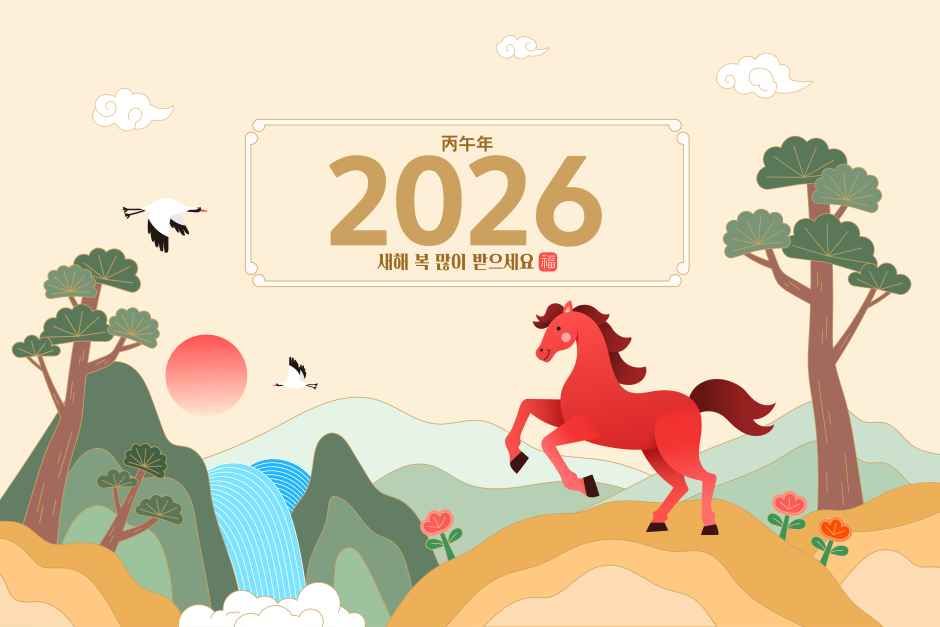
The exact date of Seollal changes every year as the holiday is observed based on the lunar calendar. In 2026, Seollal falls on February 17, with the holidays running from February 16 to 18. Korea also follows a zodiac system that assigns a symbolic animal to each year, based on a 12-year cycle. The year 2026 is the Year of the Horse, the seventh sign in the cycle, known as the year of Byeongo. Traditionally, the horse represents vitality, ambition, and a dynamic spirit.
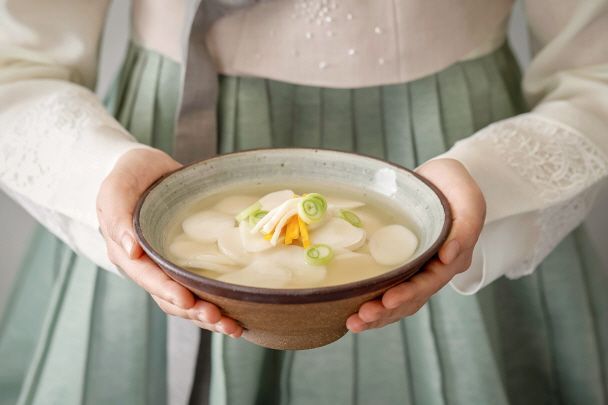
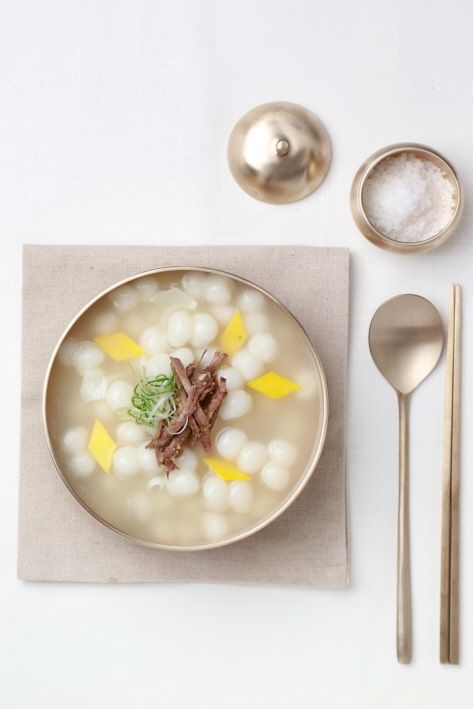
Seollal table staples include tteokguk (sliced rice cake soup), jeon (Korean pancakes), japchae, sikhye (sweet rice punch), and yakgwa (honey cookies). Tteokguk is especially meaningful, as it’s traditionally eaten on New Year’s morning to mark becoming a year older. With its savory beef or anchovy broth and chewy rice cakes, it’s easy to enjoy more than one bowl, but rest assured, you’ll still only age by one year.
▶ Recommended Restaurants
- A restaurant known for joraengitteokguk (peanut-shaped rice cakes), featuring handmade mandu and joraengitteokguk prepared in the traditional style.
- - Address: 11-3 Insadong 10-gil, Jongno-gu, Seoul (서울특별시 종로구 인사동10길 11-3)
[Saebom Tteokguk Guksu]
- A tteokguk specialty restaurant serving bowls made with ingredients such as abalone, pine mushrooms, seaweed fulvescens, and beef.
- - Address: 24 Saemunan-ro, Jung-gu, Seoul (서울특별시 중구 새문안로 24)
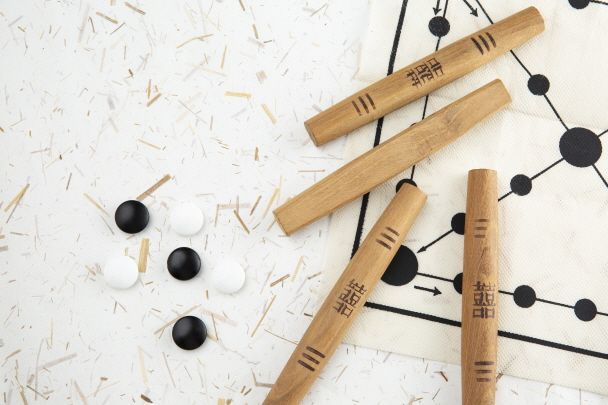
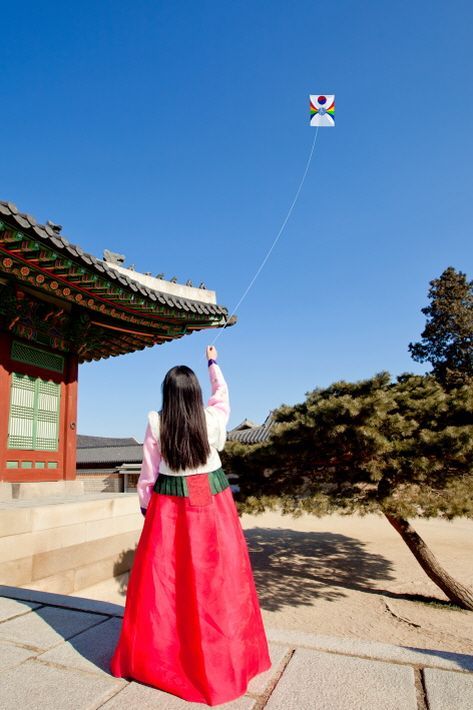
During Seollal, families often come together to enjoy traditional games like yeonnalligi—a Korean-style kite flying—and paengichigi (spinning tops). The best-known of these is yunnori, a board game that originated as a folk practice for predicting the year’s harvest. Players toss four wooden sticks and move their pieces based on the outcome—*do, gae, geol, yut, or mo—with the first team to reach the end winning the game. When all four sticks land rounded-side up, it’s called mo. With 2026 marking the Year of the Horse, channel that free-running spirit and enjoy the excitement of a last-minute comeback.
* Do: move 1 space, Gae: move 2 spaces, Geol: move 3 spaces, Yut: move 4 spaces, Mo: move 5 spaces
▶ Recommended Travel Destinations
- A historical theme park inspired by the Joseon era where you can explore traditional Korean daily life and try a range of folk games.
- - Address: 90 Minsokchon-ro, Giheung-gu, Yongin-si, Gyeonggi-do (경기도 용인시 기흥구 민속촌로 90)
- Korea’s largest hanok village, offering both classic traditional games and modern board games inspired by them.
- - Address: Around 99, Girin-daero, Wansan-gu, Jeonju-si, Jeonbuk-do
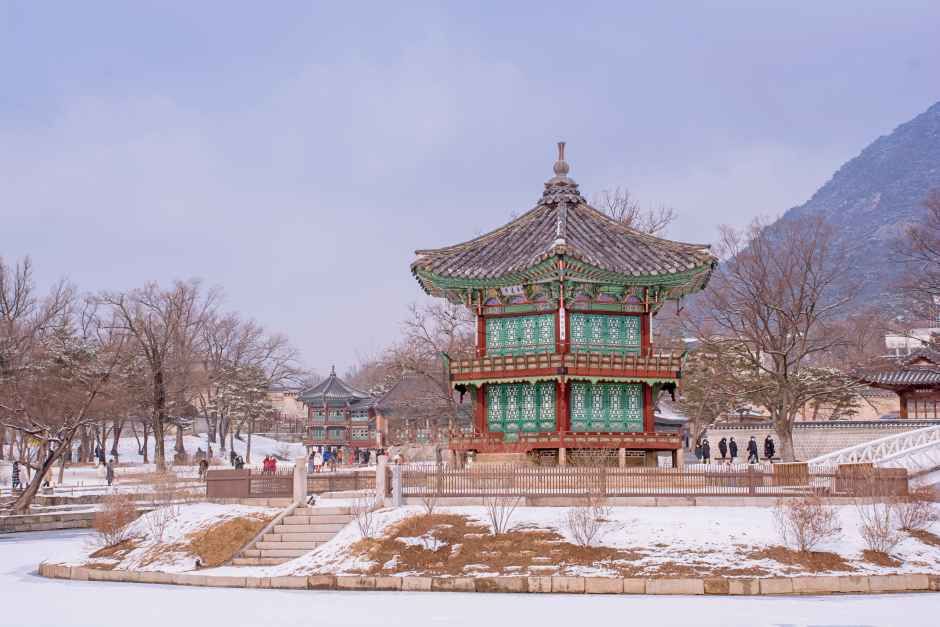
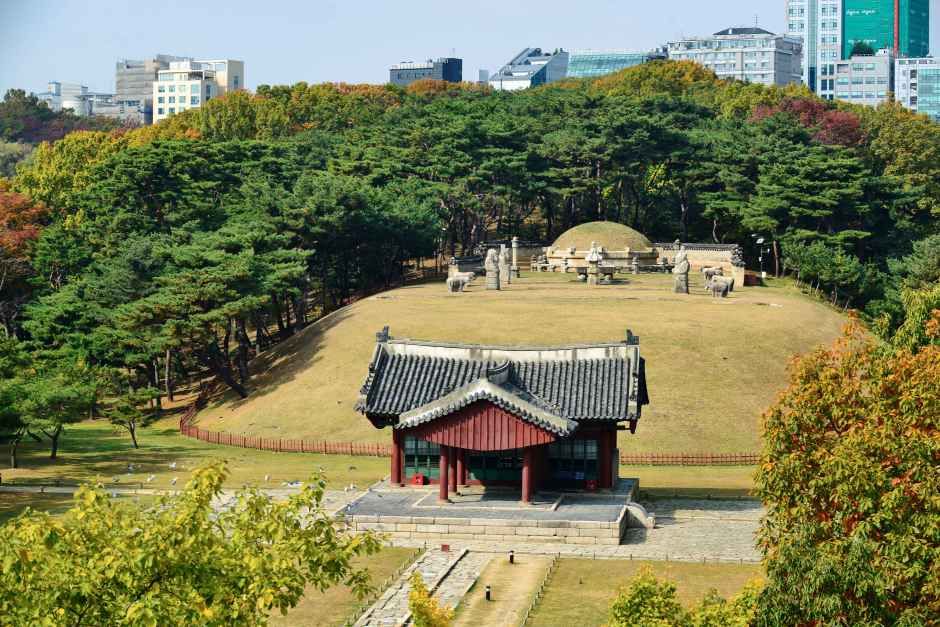
Over the Seollal holiday, free admission is offered at key royal sites: the four grand palaces (Gyeongbokgung, Changdeokgung, Deoksugung, and Changgyeonggung palaces), Jongmyo Shrine, and all 40 royal tombs of the Joseon dynasty. With lighter crowds than usual, it’s an ideal time to explore and take in Korea’s history and traditions. The quiet winter scenery also provides a lovely backdrop for a hanbok stroll or photography. Note that on February 19, the day after holiday period, the four grand palaces, Jongmyo Shrine, and all royal tombs will be closed.
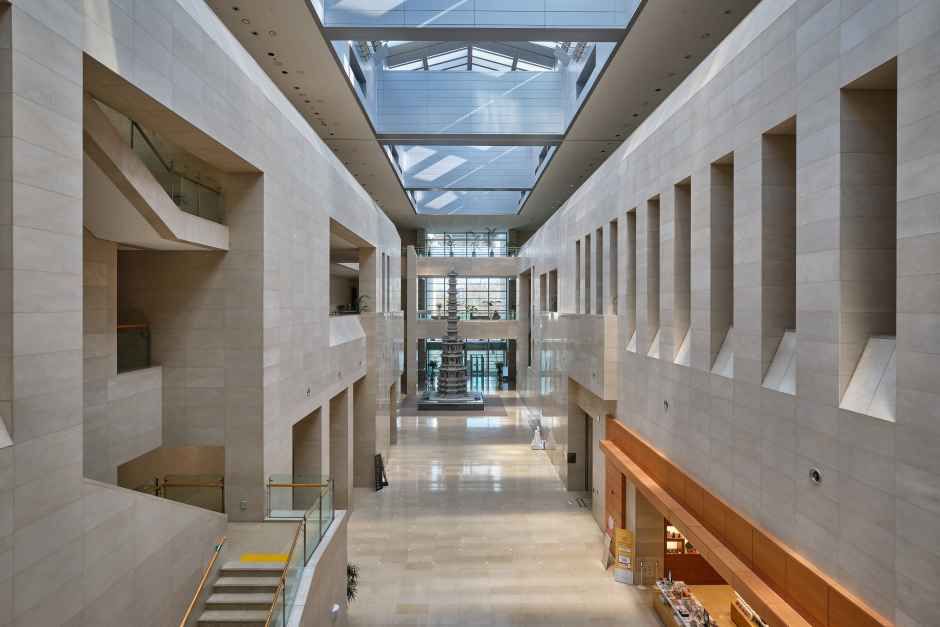
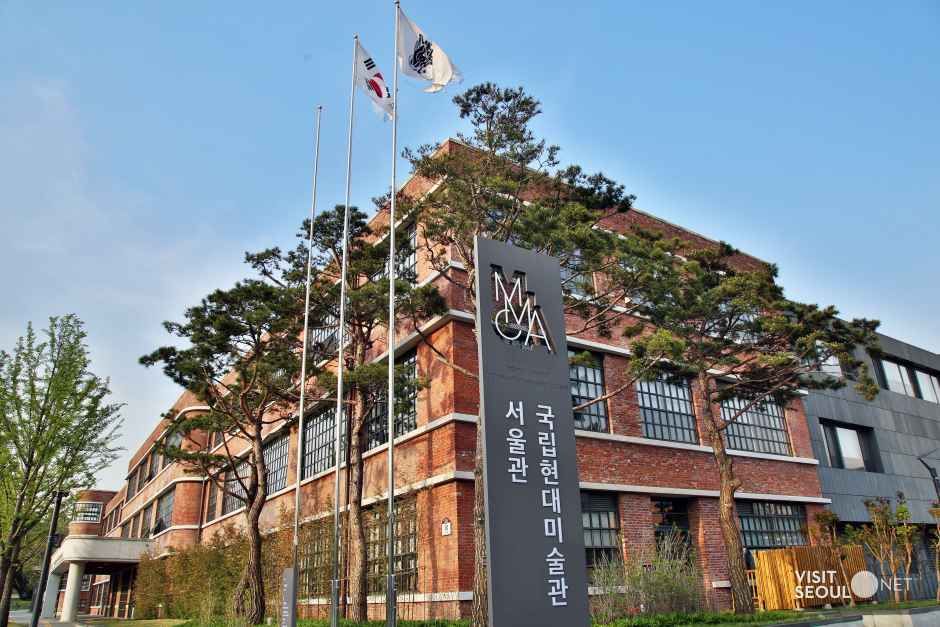
Many major national museums and galleries—including the National Museum of Korea and the National Museum of Modern and Contemporary Art (MMCA Seoul, MMCA Deoksugung, MMCA Gwacheon, and MMCA Cheongju)—are closed on Seollal Day, but often operate as usual during the rest of the holiday period. Admission is free at most national museums, and being indoors makes them an easy, weather-proof option for winter travel.
# Colorful Seollal Events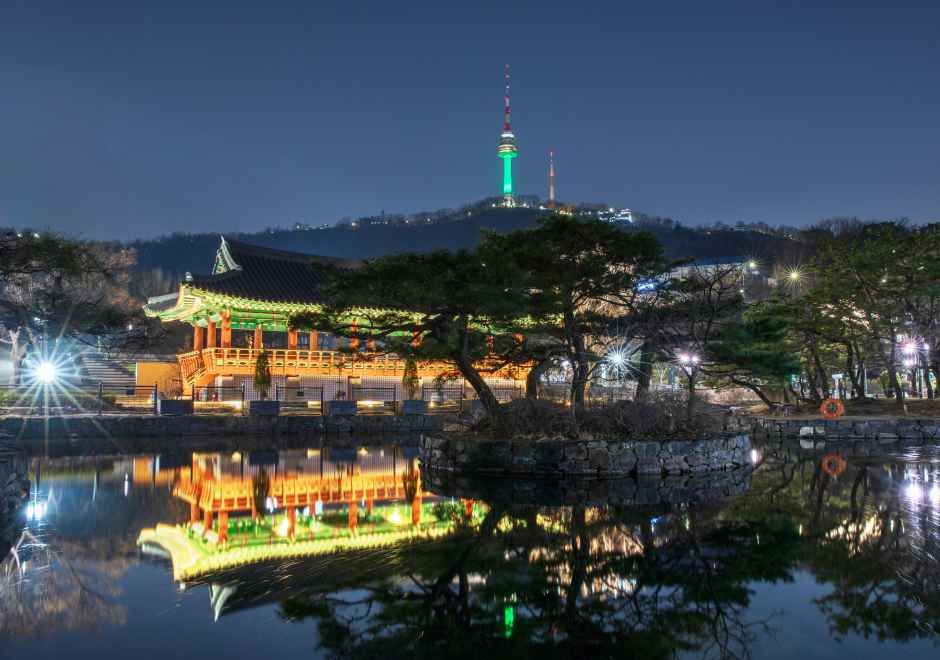
During the Seollal holiday period, cultural events and hands-on programs celebrating the Lunar New Year take place across Korea. Here’s a quick guide to key Seollal events in 2026 that travelers can take part in and enjoy.
① Nationwide | Cultural Events hosted by National Museums
- A variety of cultural programs are held at national museums across the country.
- - Locations: Cheongju National Museum, Jeonju National Museum, Iksan National Museum, Daegu National Museum, etc.
- - Dates: February 14-18, 2026
- * Some venues may be closed on Seollal Day (February 17); please check in advance
② Seoul | Byeongo Year Seollal Painting Giveaway
- Sehwa, traditional New Year paintings created to bring good fortune, are distributed on a first-come, first-served basis.
- - Location: Gyeongbokgung Palace
- - Dates: February 16-18, 2026
③ Seoul | Unhyeongung e Seollal Celebration
- A variety of festive activities, including tteokguk sharing, traditional gugak performances, and mask-making workshops are available.
- - Location: Unhyeongung Royal Residence
- - Dates: February 16-18, 2026
④ Seoul | Namsangol Seollal Festival
- To welcome the Year of the Horse, the festival features traditional hands-on programs and performances themed around “a horse bringing good fortune.”
- - Location: Namsangol Hanok Village
- - Dates: February 16-18, 2026
⑤ Busan | Seollal Cultural Events at Busan Museum
- Programs include hands-on activities such as making horse-themed New Year cards as well as outdoor folk games.
- - Location: Busan Museum
- - Dates: February 14-18, 2026
⑥ Busan | Seollal Cultural Events at Taejongdae Park
- Visitors can try traditional folk games such as yunnori, jegichagi, and tuho.
- - Location: Taejongdae Park
- - Dates: February 16-18, 2026
1. Book transportation in advance
- Travel demand surges during the Seollal holiday, and intercity train and bus tickets sell out fast. If you’re planning to travel during this period, be sure to check booking dates for trains and buses in advance. It’s also a good idea to have a backup plan, like renting a car, if tickets are hard to come by.
2. Check business hours
- Many department stores, malls, and restaurants close on Seollal Day or during part of the holiday. Convenience stores and shops near tourist areas often stay open, but it’s still a good idea to check operating hours in advance.
- Three Major Traditional Korean Holidays: Seollal, Dano, and Chuseok