
Current language
English
- Log in
-
- Sydney Overseas Office
- London Overseas Office
- Toronto Overseas Office
- Los Angeles Overseas Office
- New York Overseas Office
- Ulaanbaatar Overseas Office
- Dubai Overseas Office
- New Delhi Overseas Office
- Manila Overseas Office
- Jakarta Overseas Office
- Hanoi Overseas Office
- Kuala Lumpur Overseas Office
- Singapore Overseas Office
- Bangkok Overseas Office
- Map
Popular search
- Sydney Overseas Office
- London Overseas Office
- Toronto Overseas Office
- Los Angeles Overseas Office
- New York Overseas Office
- Ulaanbaatar Overseas Office
- Dubai Overseas Office
- New Delhi Overseas Office
- Manila Overseas Office
- Jakarta Overseas Office
- Hanoi Overseas Office
- Kuala Lumpur Overseas Office
- Singapore Overseas Office
- Bangkok Overseas Office
K-Local Food Trip 33
-
-
-
Hansan Sogokju: The First Recorded Liquor in Korean History
-
02/20/2025
-
1K
0
0
-
-
-
-
Hansan Sogokju: The First Recorded Liquor in Korean History
When & Where

In the past, when alcohol was made from grains harvested in autumn, Hansan Sogokju could be enjoyed from February onward. However, with advanced storage technology and production facilities, it can be enjoyed throughout the year.

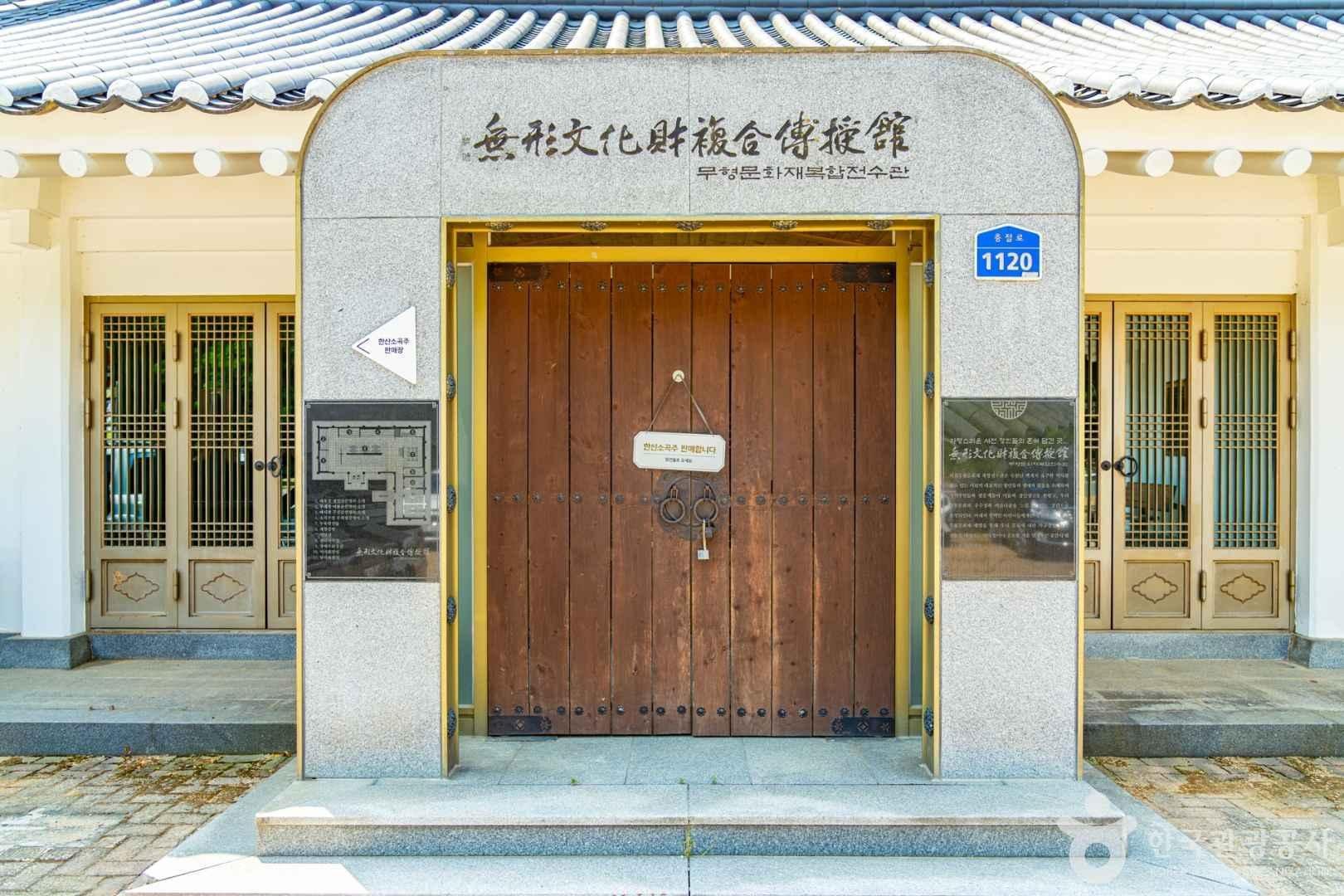
Approximately 70 breweries are located in the Hansan-myeon area of Seocheon-gun, Chungcheongnam-do where Hansan Sogokju is sold, along with the Hansan Sogokju Gallery at: 21-1, Chungjeollo 1173beon-gil, Hansan-myeon, Seocheon-gun, Chungcheongnam-do
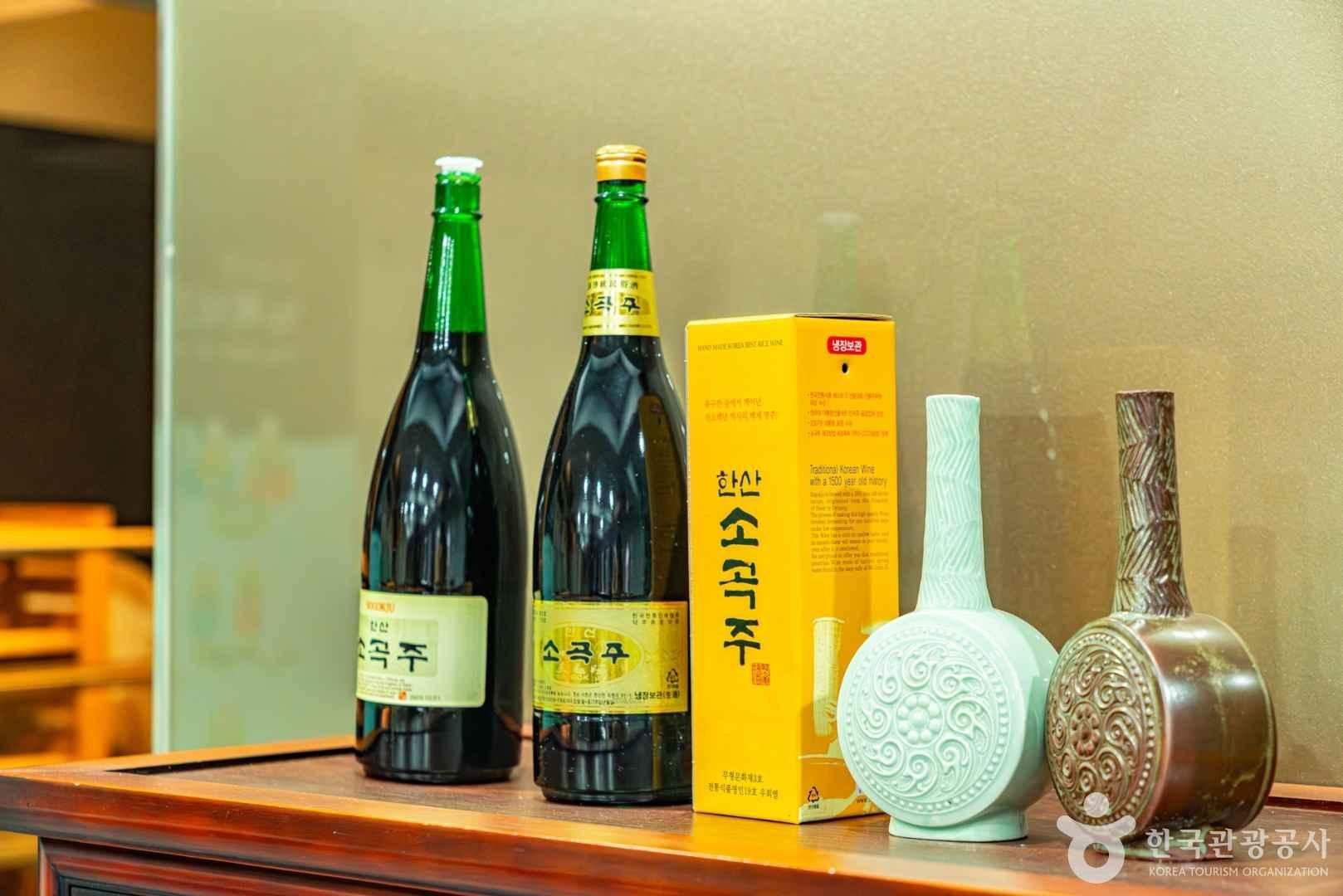

The first liquor to appear in Korea’s written history is Hansan Sogokju. It can be found in Samguk sagi (History of the Three Kingdoms), a historical text written during the Goryeo Dynasty, which recounts the story of King Daru of Baekje prohibiting the brewing of Sogokju to conserve grains. Since then, Sogokju has appeared in various historical texts, particularly numerous writings from the Joseon Dynasty that recount different stories related to it.
Types and Characteristics of Hansan Sogokju
Hansan Sogokju is a type of cheongju (refined rice wine) with an ABV of 18%. Cheongju is made by filtering makgeolli, a liquor made by fermenting rice, wheat, barley, etc. with yeast culture, until clear. Because its production process is more labor-intensive and involved, cheongju is said to have been a domain of the upper class, compared to makgeolli as a brew of choice for the common folk.
There are two types of Hansan Sogokju: unpasteurized Hansan Sogokju, which retains the microorganisms involved in its production, and pasteurized Hansan Sogokju, which allows for longer storage at room temperature. The former requires refrigeration, for the liquor eventually turns sour from continued fermentation when left alone. Pasteurized Hansan Sogokju is treated with heat for a longer shelf life. Pasteurization prevents further fermentation, so the flavor is kept similar, but compared to its unpasteurized version, pasteurized Hansan Sogokju lacks flavor and fragrance.
How to Make Hansan Sogokju
Hansan Sogokju is made with sweet rice, non-glutinous rice, and yeast culture. Non-glutinous rice is powdered and made into a rice cake, then mixed with the yeast culture to create the base. Steamed sweet rice and yeast culture are added to the base for secondary fermentation. If the yeast’s potency, namely its fermentation capacity, is lacking, malt is added for additional sugar content. In most cases, liquor brewed in this process adds water at this stage to adjust the ABV, but Hansan Sogokju often omits additional water to keep its flavor and fragrance intact. Red chili pepper is added to this mixture and fermented over 100 days to create the Sogokju.
Different breweries use different materials at different ratios to create their brew. Some stick to the basics, while others add soybean, malt, wild chrysanthemum, and the like to create unique flavor and fragrance.
What Foods Pair Well with Hansan Sogokju?
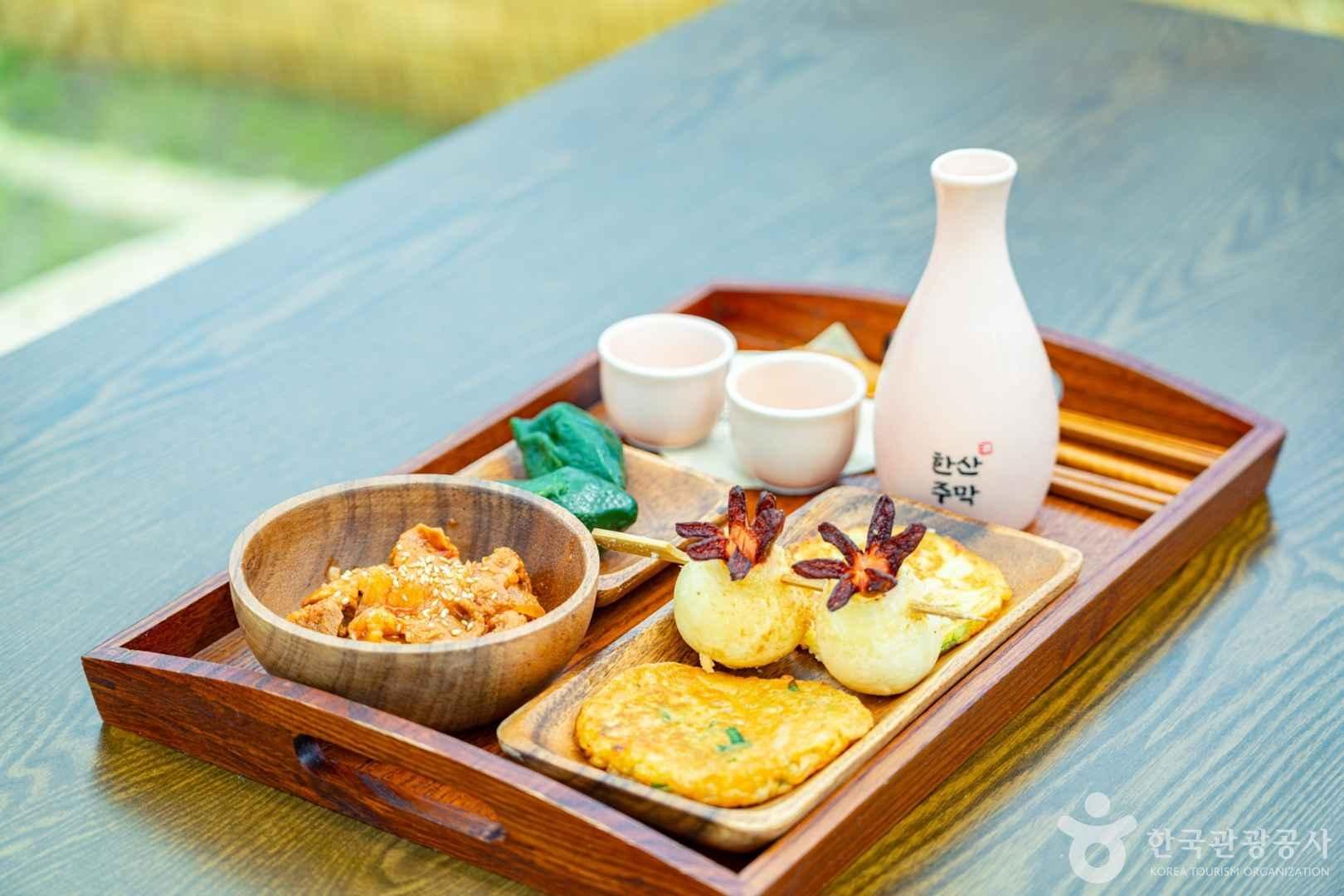
Hansan Sogokju has a strong sweetness. This is because of the sweet rice used in its production, which leaves glucose in the brew even after fermentation. Because it is a hard-hitting liquor, it goes well with dishes that have lighter flavor, such as yukhoe (beef tartare), shabu-shabu, and sogogi jeongol (beef hot pot), rather than dishes that have a strong flavor or are oily.
Traditional Korean Liquor with Great Diversity
Hansan-myeon, Seocheon-gun, Chungcheongnam-do has nearly 70 small-scale breweries and shops, all offering Hansan Sogokju. One such shop is run by Master Artisan Woo Hee-yeol, who was designated as a Korean Food Grand Master for his craft.
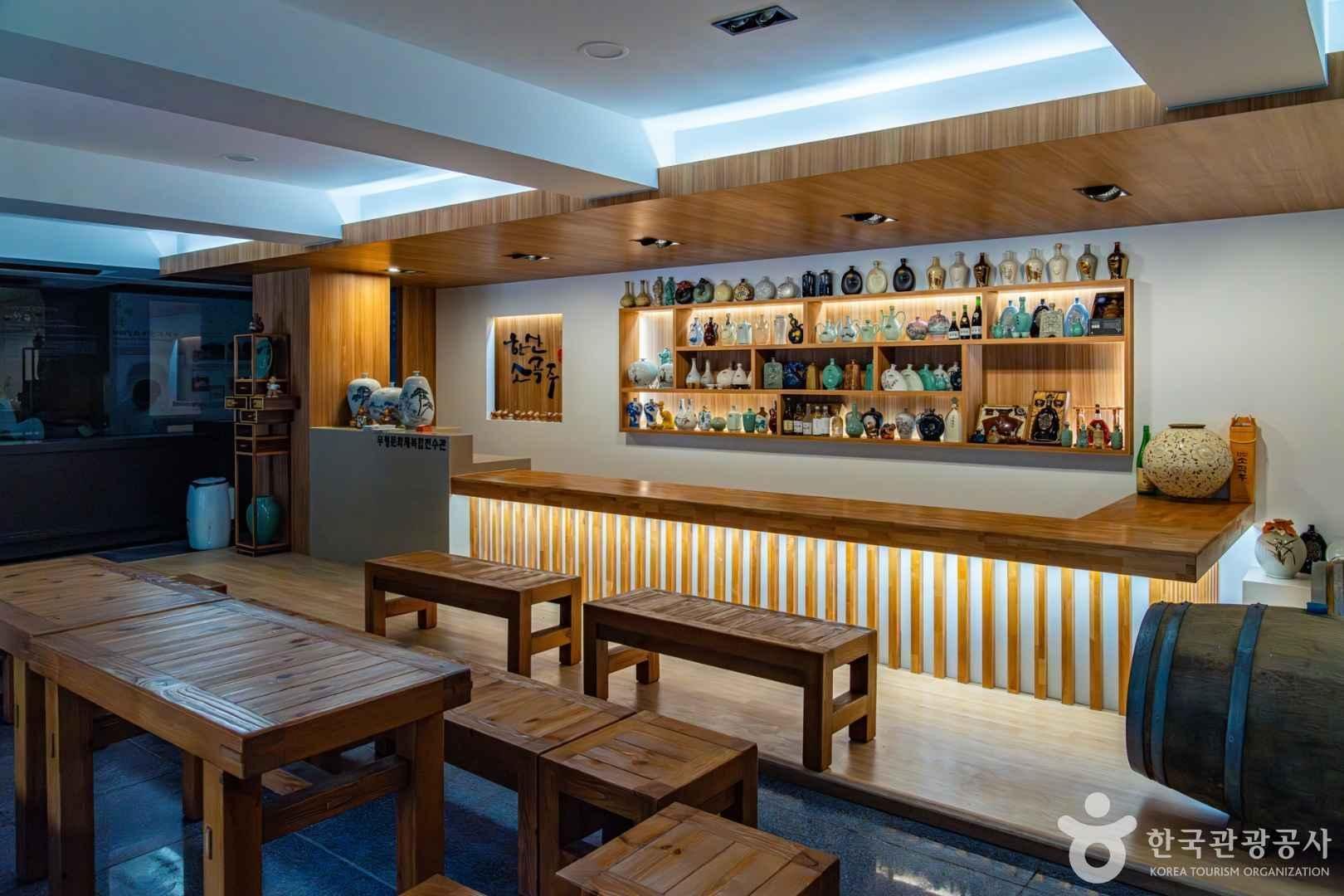
If you want to shop around a bit, you can visit the Hansan Sogokju Gallery. This space introduces a variety of Hansan Sogokju produced in the region. You can also try making Hansan Sogokju and learn about different bottles of Hansan Sogokju as well.
Experience Information
Samhwa Brewery
This Hansan Sogokju brewery includes a tasting room and an experience hall. The experience hall hosts experience programs like Sogokju sampling, liquor drinking ceremonies, Sogokju-making, rice wine pomace soap-making, and Sogokju cocktail-making.

Address:
21 Galsup-gil, Hansan-myeon, Seocheon-gun, Chungcheongnam-do
Contact:
+82-41-951-1894
Operating Hours:
09:00–18:00
Traditional liquor sold:
Hansan Sogokju (unpasteurized), Hansan Sogokju (pasteurized), Sogokhwaju, etc.
Program:
Sogokju sampling 28,000 KRW,
Sogokju drinking ceremony experience 25,000 KRW,
Sogokju-making (for groups of 10 or more, inquire for fees),
rice wine pomace soap-making 10,000 KRW,
Sogokju cocktail-making 38,000 KRW,
Sogokju bottle recycling craft 18,000-20,000 KRW,
liquor vessel craft 5,000 KRW
Parking:
Available (up to 5 spaces)
Woo Hee-yeol Hansan Sogokju
This brewery is run by Woo Hee-yeol, Master Artisan of Hansan Sogokju, Holder of Chungcheongnam-do Intangible Cultural Heritage and a Korean Food Grand Master. It uses a combination of modernized production facilities and traditional techniques. More recently, the brewery began offering Hansan Oak Bull-Sogokju, a liquor made by distilling Hansan Sogokju, and Hansan Sogokju Oak Blue, which is aged for a long time in oak barrels.
Address:
1118 Chungjeol-ro, Hansan-myeon, Seocheon-gun, Chungcheongnam-do
Contact:
+82-41-951-0290
Operating Hours:
09:00–18:00
Traditional liquor sold:
Hansan Sogokju (unpasteurized), Hansan Sogokju (pasteurized), Bull-Sogokju, etc.
Parking:
Available (up to 10 spaces)
Hansan Sogokju Gallery
This shop offers a collection of Hansan Sogokju produced in nearly 70 breweries of Hansan for sampling and purchase. It also has an exhibition space that introduces various information about Hansan Sogokju, such as history and brewing methods, and various experience programs, such as Sogokju-making.
Address:
21-1 Chungjeol-ro 1173beon-gil, Hansan-myeon, Seocheon-gun, Chungcheongnam-do
Operating Hours:
10:00–18:00 (closed on Mondays)
Admission:
Free
Program:
Hyangeum experience (stories of Hansan Sogokju, along with liquor and accompaniments made with local specialties) 10,000 KRW,
Sogokju-making 30,000 KRW,
cocktail experience 20,000 KRW
* Experience programs require reservation
Parking:
No on-site parking; nearby parking available at the public parking lot in front of Hansan Mosi Hall
Hansan Sogokju Festival
Hansan Sogokju Festival is held every fall in Hansan Mosi (Ramie Fabric) Village. Hansan Sogokju breweries take part in this festival and offer free tasting programs. The festival also offers Hansan Jumak (tavern), 7080 Hansan Pocha (food cart), and other events related to Hansan Sogokju.
Period:
Every October
Location:
(Hansan Mosi Village), 1102-9 Chungjeol-ro, Hansan-myeon, Seocheon-gun, Chungcheongnam-do
Admission:
Free
Program:
Hansan Sogokju tasting, Hansan Jumak, 7080 Hansan Pocha, Highball Pub, etc.
* Content creation & related inquiries:
Tourism Industry Strategy Team

1330 Helpline Call/Chat

Start a FREE Online Call(No charges for calls on Wi-Fi /
Data charges may apply)

Open 1330 Helpline Chat(Download not required)



Open messenger app(Messenger app must be installed)