
Current language
English
- Log in
-
- Sydney Overseas Office
- London Overseas Office
- Toronto Overseas Office
- Los Angeles Overseas Office
- New York Overseas Office
- Ulaanbaatar Overseas Office
- Dubai Overseas Office
- New Delhi Overseas Office
- Manila Overseas Office
- Jakarta Overseas Office
- Hanoi Overseas Office
- Kuala Lumpur Overseas Office
- Singapore Overseas Office
- Bangkok Overseas Office
- Map
Popular search
- Sydney Overseas Office
- London Overseas Office
- Toronto Overseas Office
- Los Angeles Overseas Office
- New York Overseas Office
- Ulaanbaatar Overseas Office
- Dubai Overseas Office
- New Delhi Overseas Office
- Manila Overseas Office
- Jakarta Overseas Office
- Hanoi Overseas Office
- Kuala Lumpur Overseas Office
- Singapore Overseas Office
- Bangkok Overseas Office
K-Local Food Trip 33
-
-
-
Makgeolli: The People’s Brew with Unique Regional Charms
-
02/20/2025
-
111
0
0
-
-
-
-
Makgeolli: The People’s Brew with Unique Regional Charms
When & Where

Makgeolli (unrefined rice wine) can be enjoyed all year round.

Almost every region in Korea has at least one makgeolli brewery representing the region. Supermarkets and convenience stores also offer makgeolli produced in the region or those that enjoy nationwide fame. Breweries participating in the “visiting breweries” program, offered by the Ministry of Agriculture, Food and Rural Affairs, offer experience and tasting programs along with a wide selection of makgeolli and traditional Korean liquor. https://thesool.com (available languages: Korean/English)
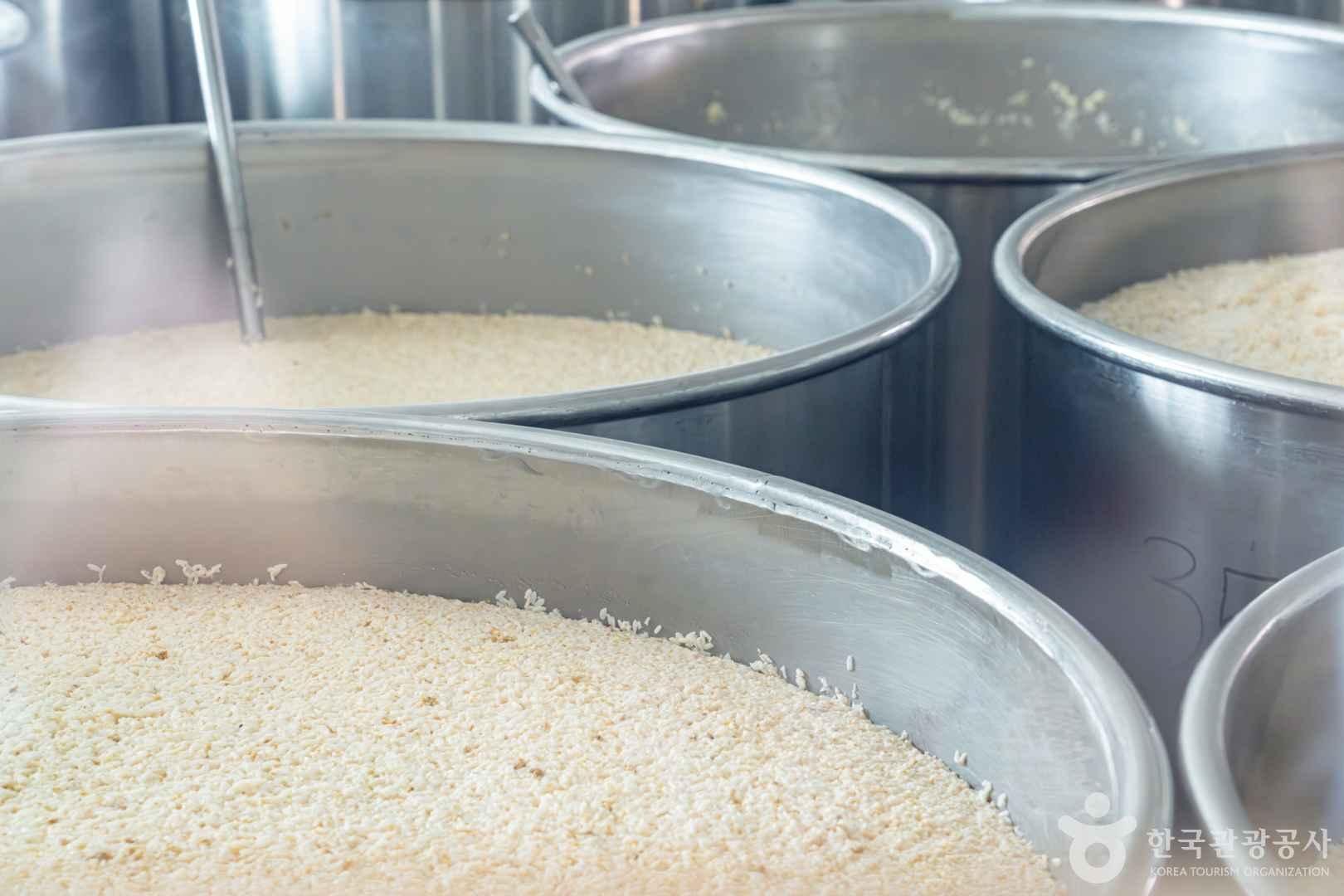
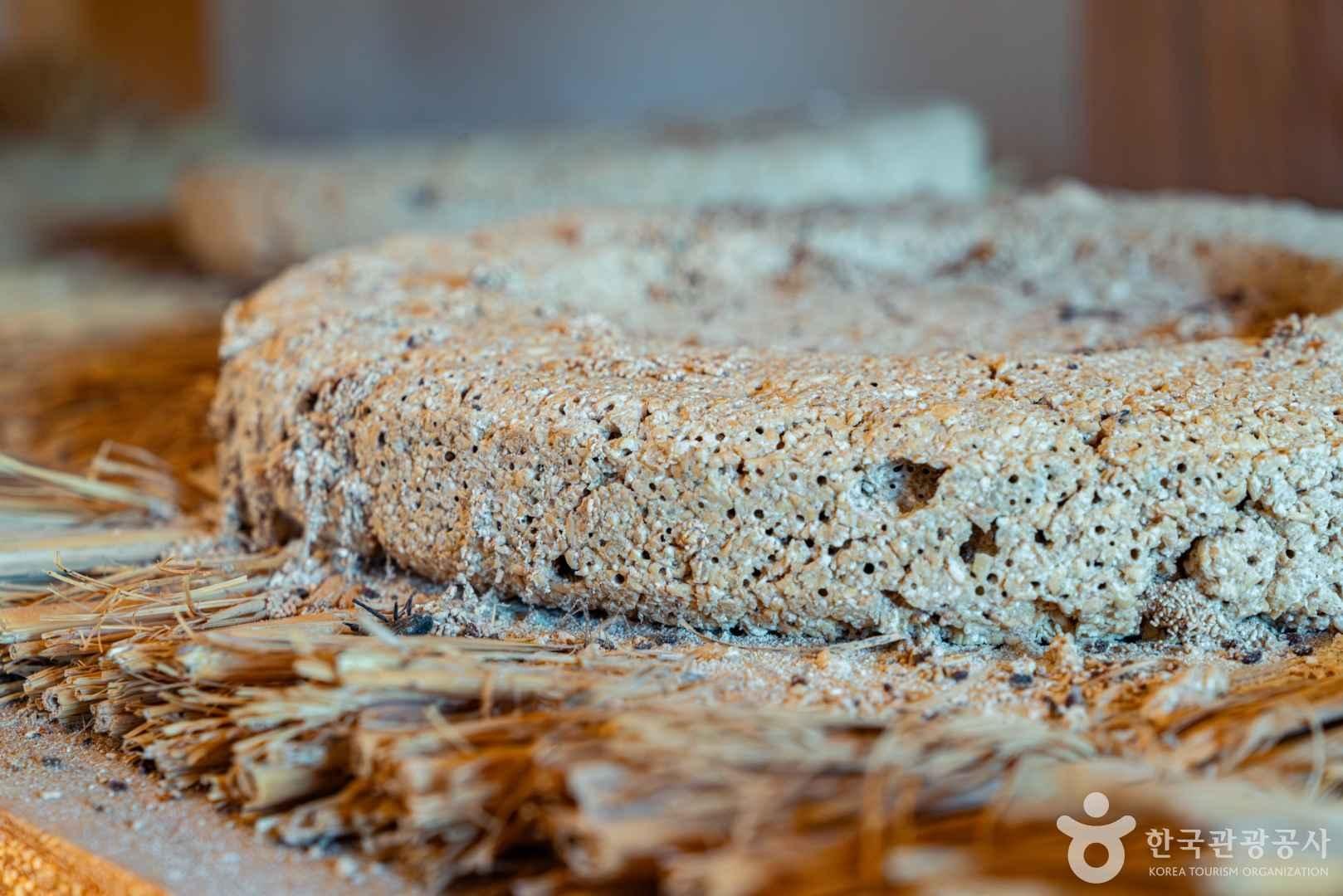
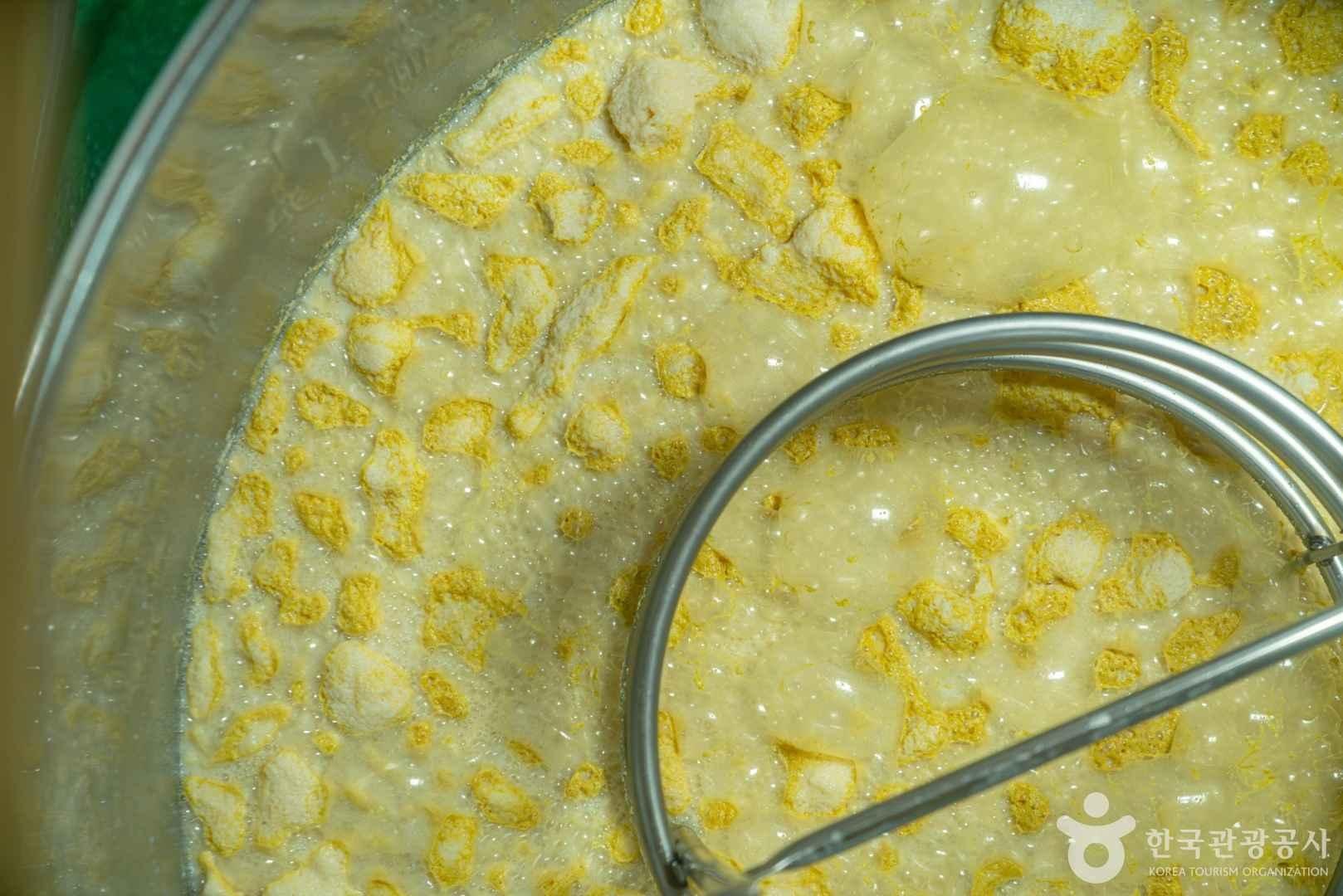
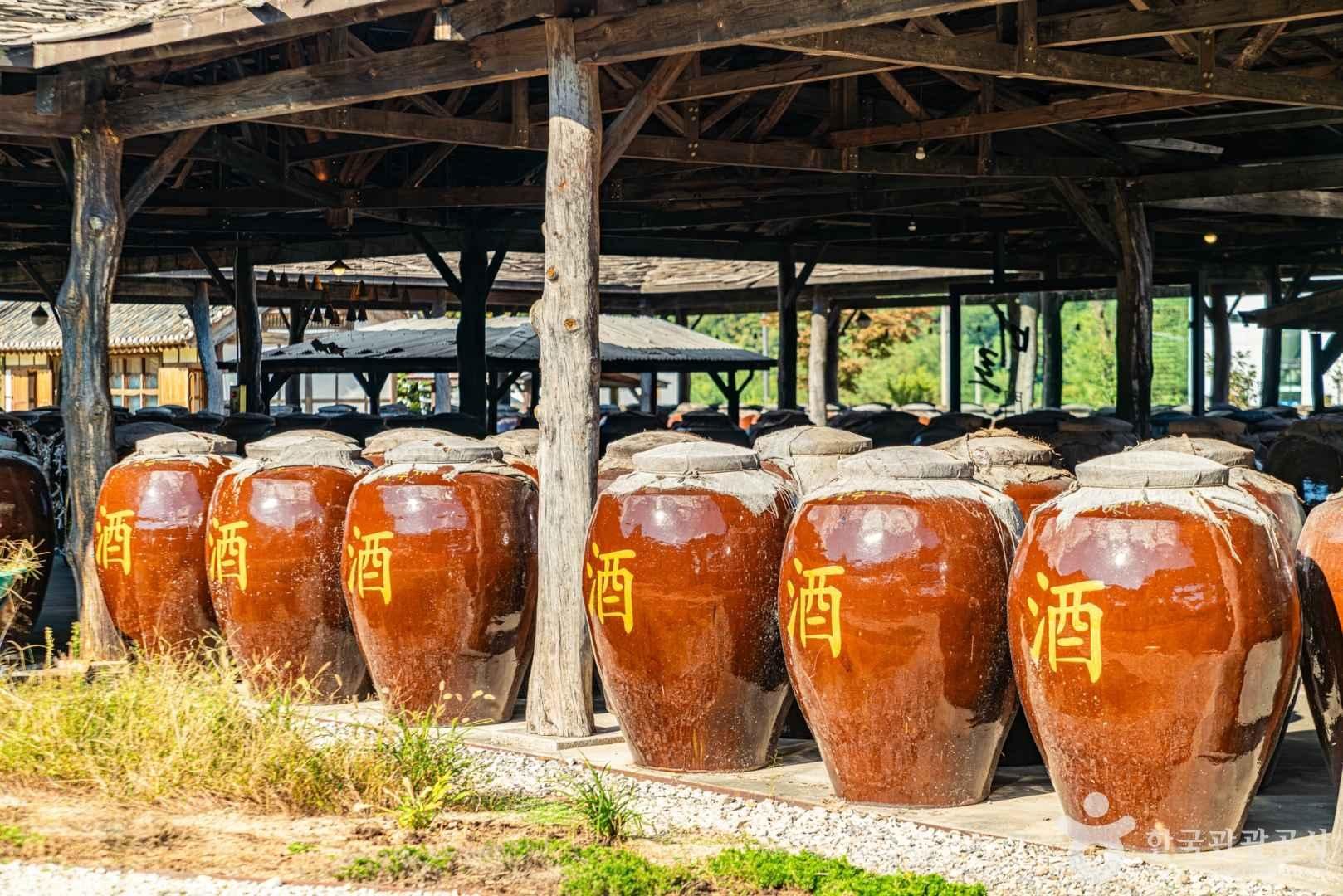
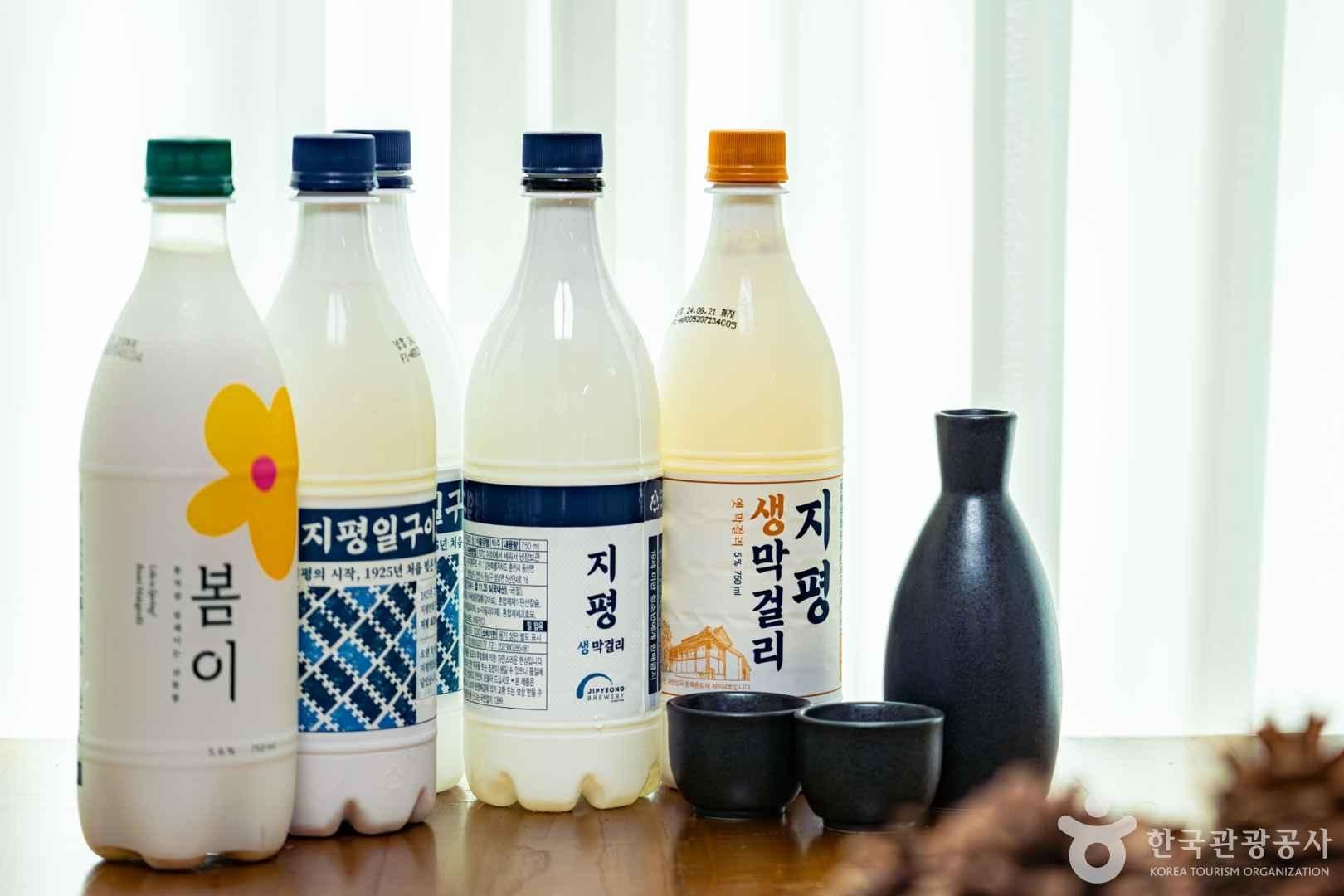
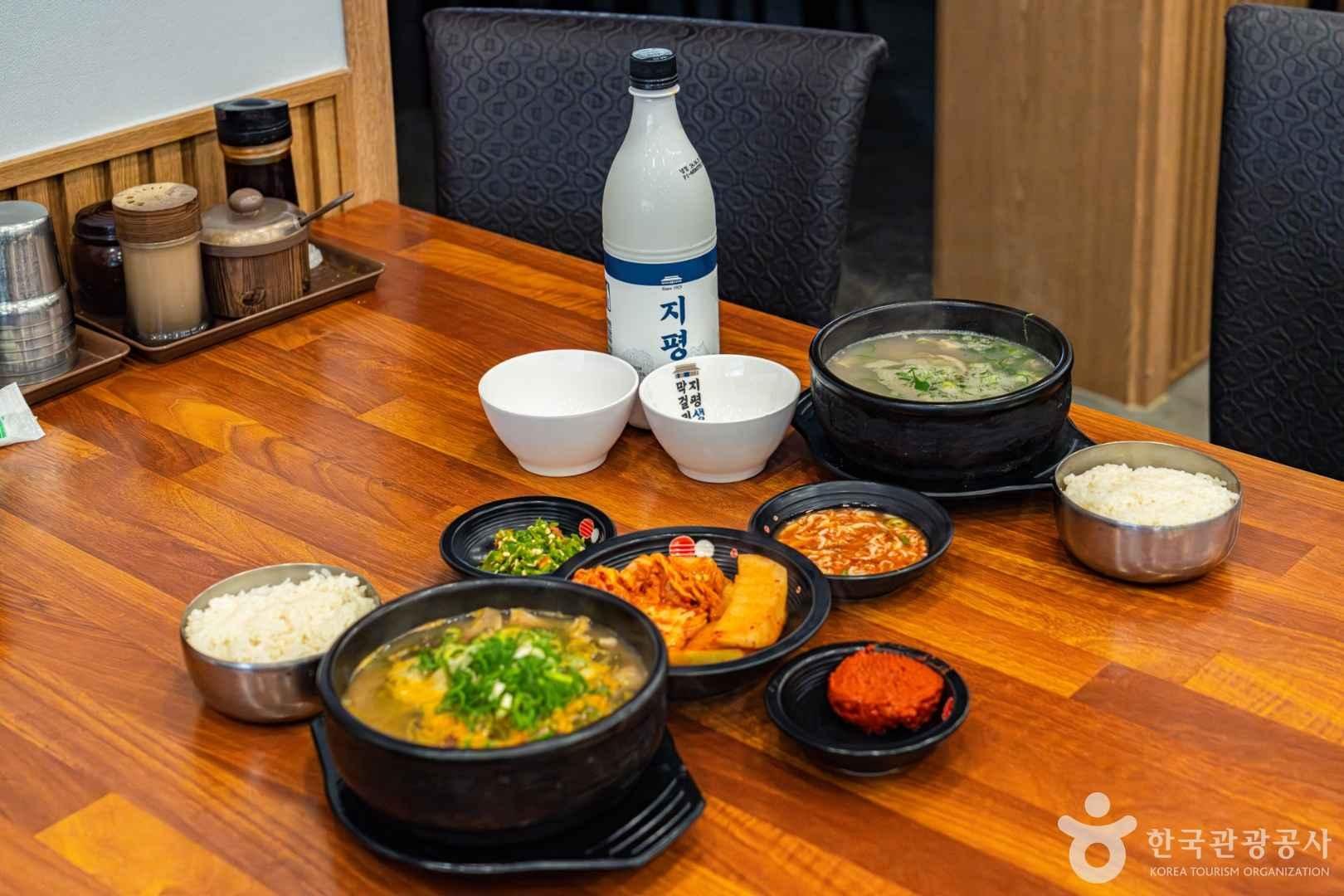
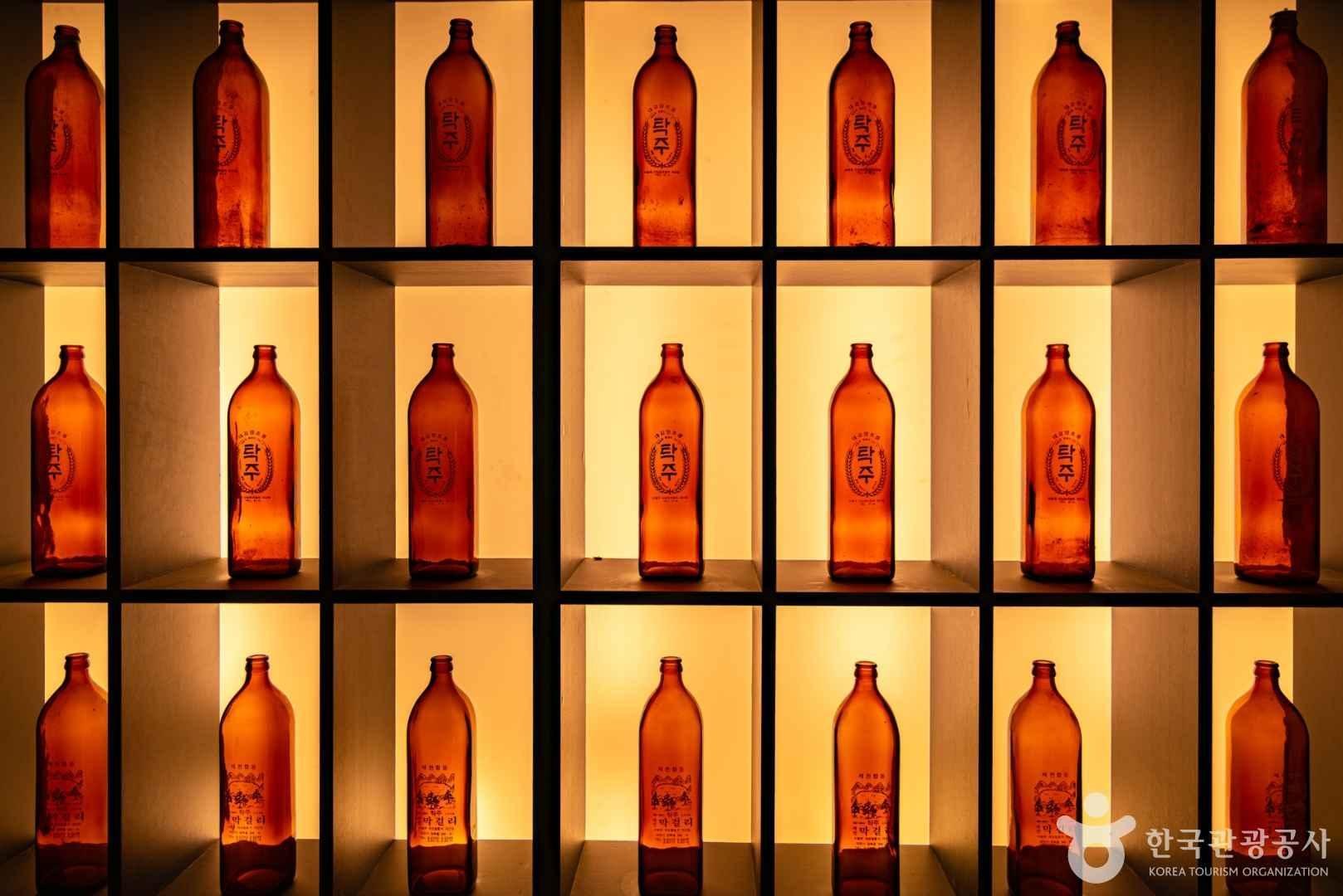
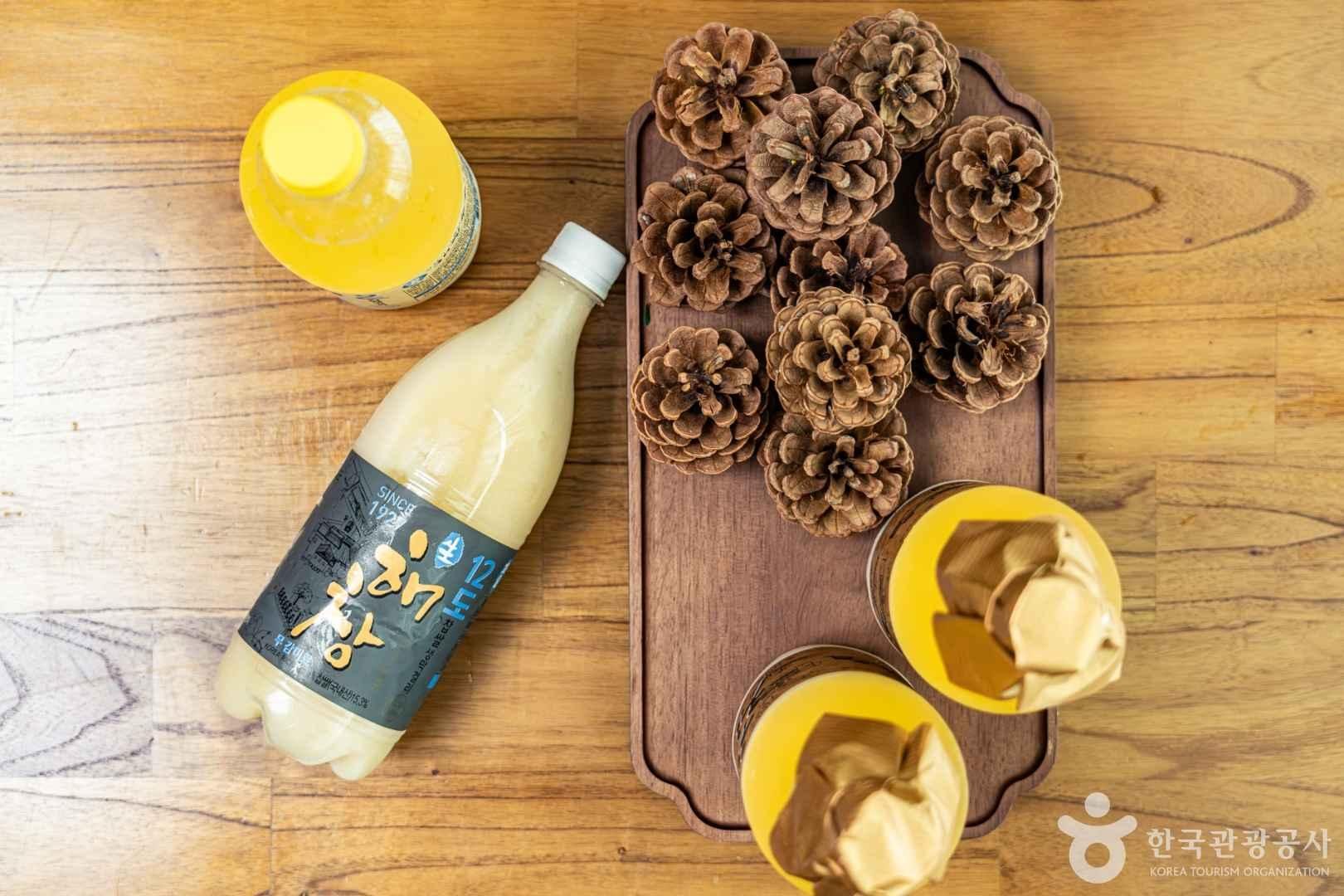
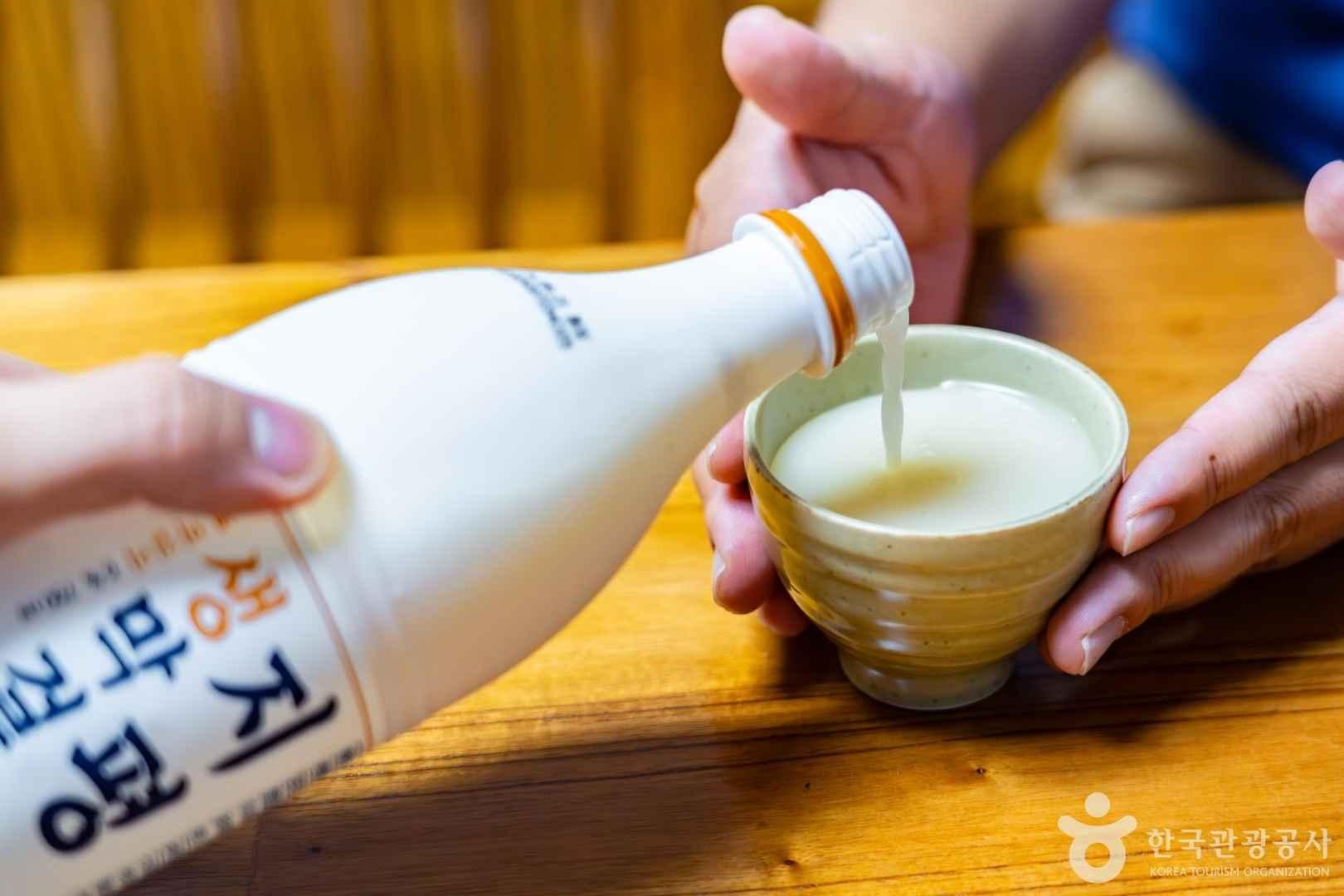
Makgeolli (unrefined rice wine) is essential to any discussion on traditional Korean liquor. It has been a part of agricultural history on the Korean peninsula, and more than a thousand varieties are still produced in Korea today.
Makgeolli has been a beloved liquor since the beginning of written history in the peninsula. Historical records, from Samguk sagi (History of the Three Kingdoms) to the Joseon wangjo sillok (Annals of the Joseon Dynasty), record the liquor under its other name, “takju.”
The name “makgeolli” means “freshly filtered liquor.” “Mak,” the character used for “freshly,” can also mean “simply.” Makgeolli is a type of fermented liquor made by mixing rice or wheat with yeast, adding water, fermenting for one to two weeks, and then filtering it in a simple manner. It is about 4 to 6% ABV. Once makgeolli is filtered, you get cheongju (refined rice wine), and cheongju is distilled to make soju. As such, makgeolli is an important basis for traditional Korean liquor.
Because it is so simple to make, home-brewing makgeolli was a widespread practice among Koreans in the old days. In particular, rural areas were known for their makgeolli. Korean farmers broke up the hard work required for agriculture with “saecham” (a contraction of “saicham,” a type of meal-between-meals eaten by those who engage in physical labor), and makgeolli was a must-have component of “saecham.” With its light texture and refreshing carbonation, chilled makgeolli is a great beverage when one sits under the shade of a tree on hot summer days.
Jipyeong Makgeolli Rice, Yangpyeong’s Most Famous Makgeolli
The most popular makgeolli in Korea is “Jangsoo Draft Makkoli,” made by the Seoul Takju MAF Association. Seoul Takju MAF Association is a group of 51 breweries in Seoul. Founded about 60 years ago, it has become a beloved brand, accounting for more than 50% of the total makgeolli sold in Korea.
But in Yangpyeong-gun, Gyeonggi-do, there is a makgeolli brewery with a longer history and a ride-or-die fanbase: Jipyeong Brewery. Jipyeong Brewery began as a local brewery in Jipyeong-ri, Yangpyeong-gun, in 1925. Today, it has the second largest market share for makgeolli in Korea, behind Jangsoo Draft Makkoli.
Even in the early 2000s, Jipyeong Brewery was a local secret of Jipyeong-gun, known only in the region and some discerning makgeolli enthusiasts. Jipyeong Brewery became famous nationwide in 2010, when its present president, Kim Gi-hwan, inherited the business from his father and built a nationwide distribution network.
With the skyrocketing popularity of Jipyeong Makgeolli Rice, Jipyeong Brewery had to build another plant to catch up to demand. Today, Jipyeong Makgeolli is produced in Chuncheon in Gangwon State and Cheonan in Chungcheongnam-do.
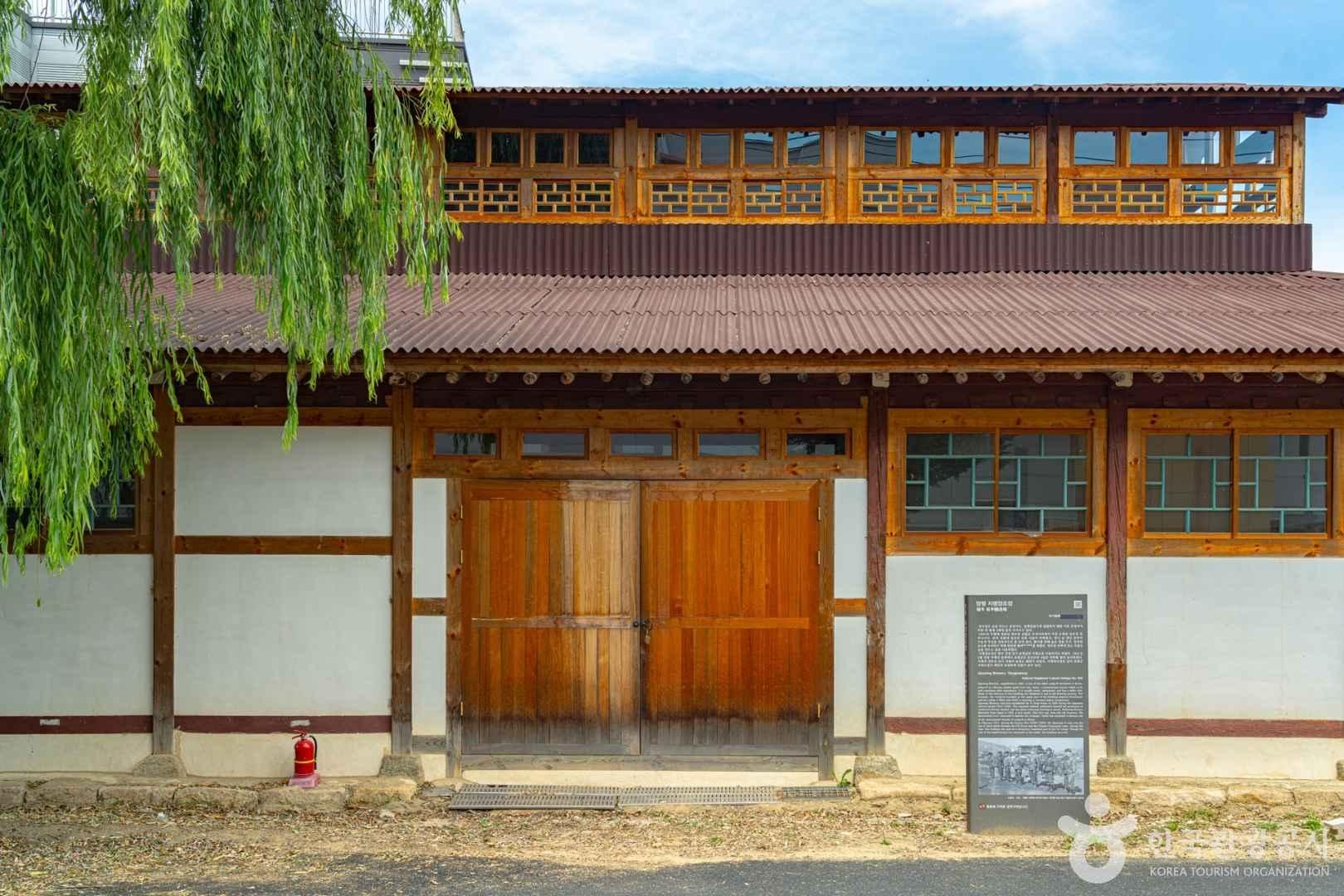
But even today, the old appearance of the Jipyeong Brewery building remains in Yangpyeong. The first building that housed Jipyeong Brewery was designated as a Registered Cultural Heritage, both in recognition of Jipyeong Brewery’s history and its role in the Battle of Chipyong-ni (Jipyeong-ri), an important engagement during the Korean War. Specifically, the fact that the French UN forces who participated in the battle established their command center here served as the basis for its designation as a registered cultural heritage site.
To see more of the area, visit the small shops that only sell Jipyeong Brewery makgeolli. Here, you can buy Jipyeong Brewery’s flagship products, such as Jipyeong Makgeolli Rice and the 1925 Makgeolli. It is also the only place that still offers wheat makgeolli, which dates from a period when rice shortages made it difficult to use rice in makgeolli.
Makgeolli across Korea
The most popular variant of makgeolli in Korea is the “draft makgeolli,” which retains the microorganisms used for brewing. The microorganisms add to the makgeolli’s flavor but also make transportation and long-term storage difficult. Because of that, it is rather difficult to sample makgeolli from around Korea in one place, save for some breweries with nationwide distribution networks.
If time permits, you can create a unique and fun itinerary that takes you to makgeolli breweries and shops across Korea. If you visit restaurants offering makgeolli in Korea, you will likely find at least one local makgeolli there. Another option is to visit supermarkets and convenience stores. Alternatively, you can visit the breweries and sample the makgeolli while listening to guided tours.
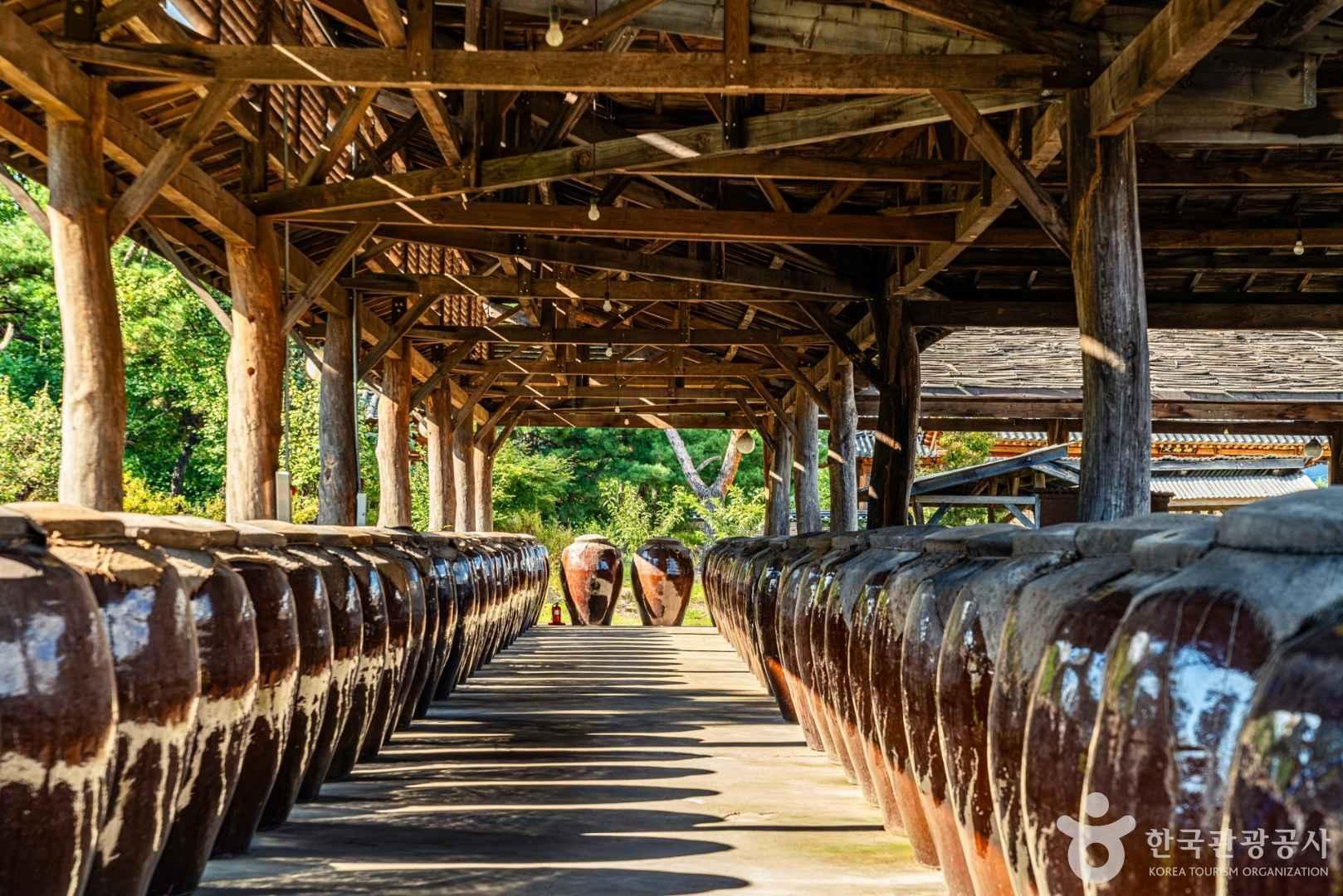
For instance, in Pocheon, Gyeonggi-do, you can find Sansawon, a liquor museum run by Baesangmyun Brewery. Baesangmyun Brewery is named after the late Bae Sang-myun, the founder of Kooksoondang (a traditional Korean liquor company founded in 1983) and an important figure in the history of traditional Korean liquor in modern times. The brewery is run by his children. Sansawon details the history of Mr. Bae, methods of brewing traditional Korean liquor, the use of traditional Korean liquor in traditional festivals, and the types of liquor. You can also sample traditional liquor there. The corridor, with its rows and rows of earthenware pots, is a good place to take a picture.
Baedari Distillery in Goyang-si, Gyeonggi-do, opened its doors in 1915 and has more than a hundred years of history. Baedari Makgeolli, produced here in the past, is said to have been a favorite of former president Park Chung-hee. In 1975, during the operation by the fourth-generation owner, it was merged with another brewery in Goyang-si and has since been operating under the name Goyang Takju Joint Brewery. Later, separate from Goyang Takju Joint Brewery, the fifth and sixth-generation owners reestablished Baedari Distillery. Baedari Distillery produces liquor using local specialties such as Gawaji rice from Goyang, while Baedari Makgeolli is produced by the Goyang Takju Joint Brewery.
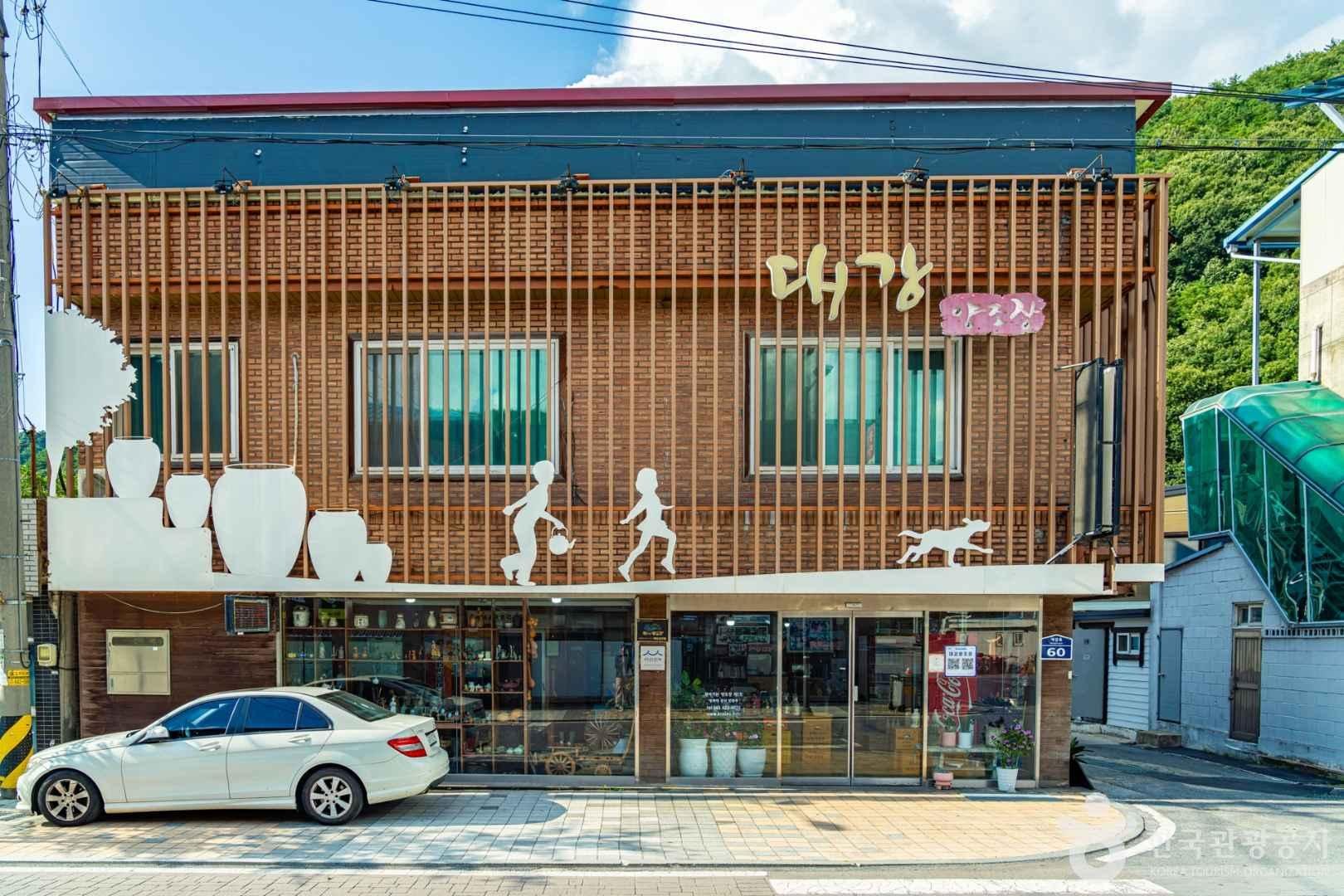
Another hundred-year brewery is Daegang Brewery in Danyang-gun, Chungcheongbuk-do. Now at its fourth generation, Daegang Brewery is known for using quality underground water from the foot of Sobaeksan Mountain and 100-year-old traditional earthenware pots for fermentation. Daegang Brewery also offers interesting brews made with local specialties, such as black soybeans and black raspberry. Daegang Brewery has a history with former president Roh Moo-hyun. When President Roh visited Danyang in 2005, he drank six cups of Daegang makgeolli in one sitting, catapulting the brewery to nationwide fame.
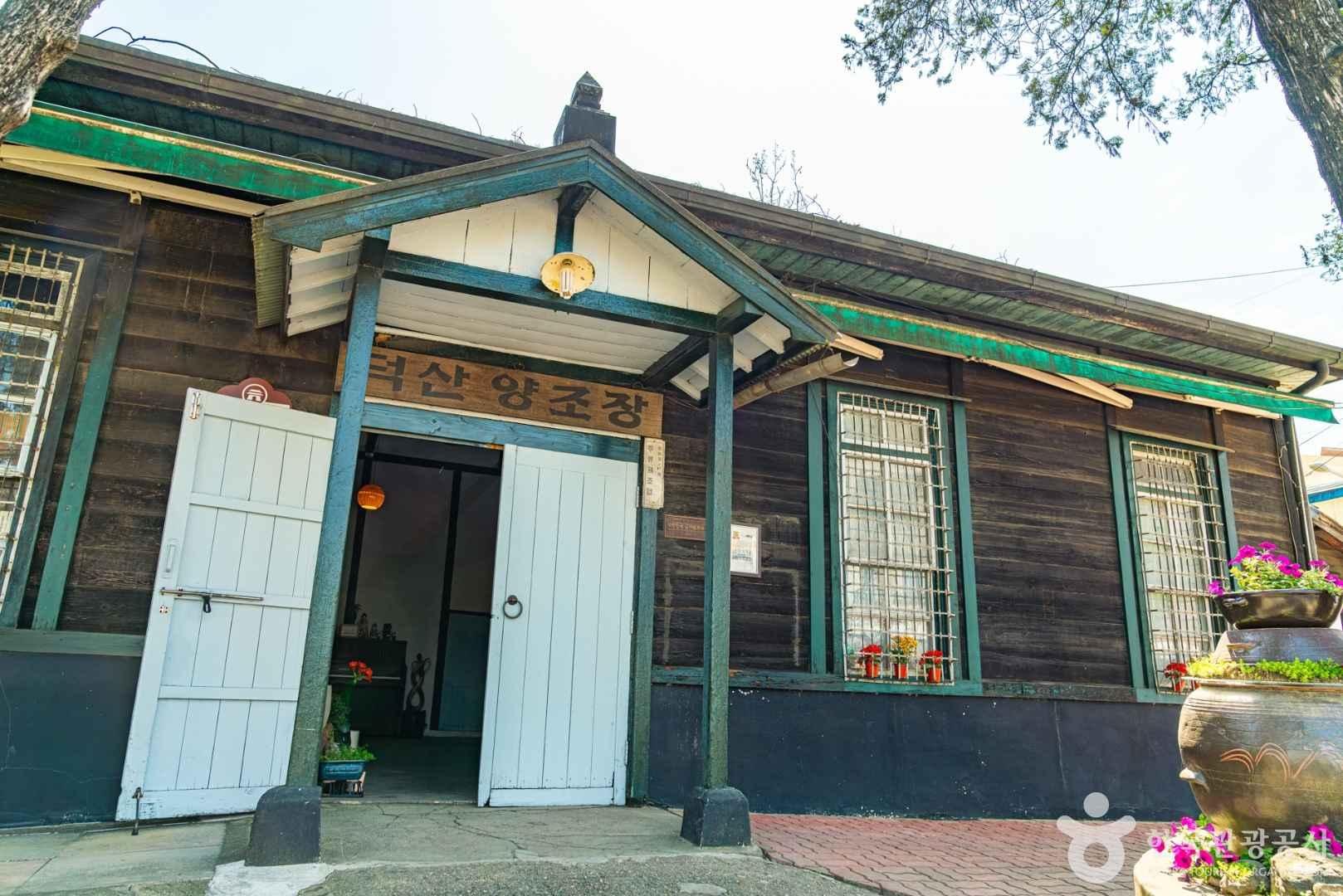
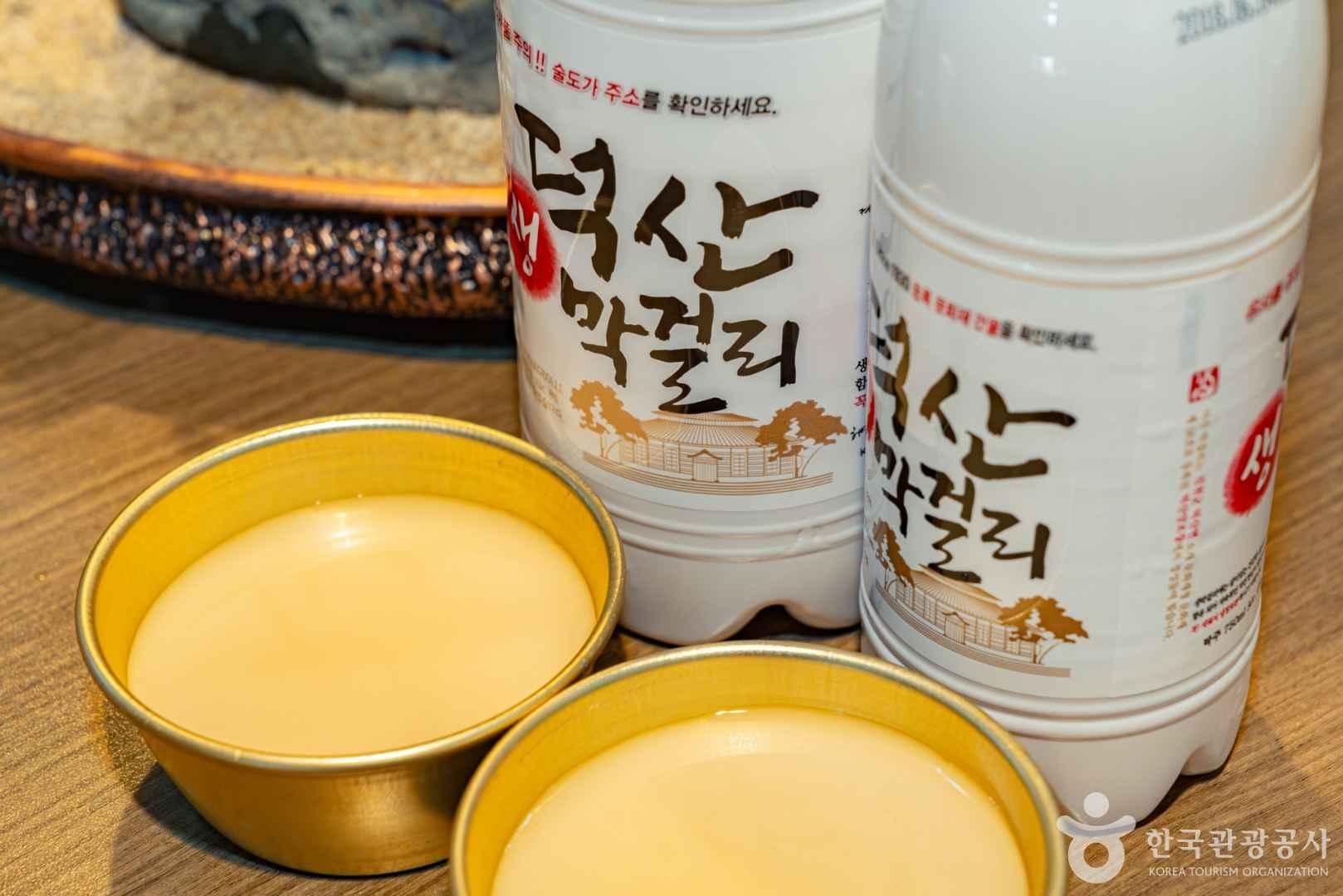
Deoksan Brewery in Jincheon, Chungcheongbuk-do, has been in operation since 1929. As the oldest brewery in Jincheon, its historic building still has old brewing equipment on exhibition. The building was featured in the KBS show Love on a Jujube Tree, which ran for 17 years since 1990, and appeared in Sikgaek, a comic series by Huh Young-man.
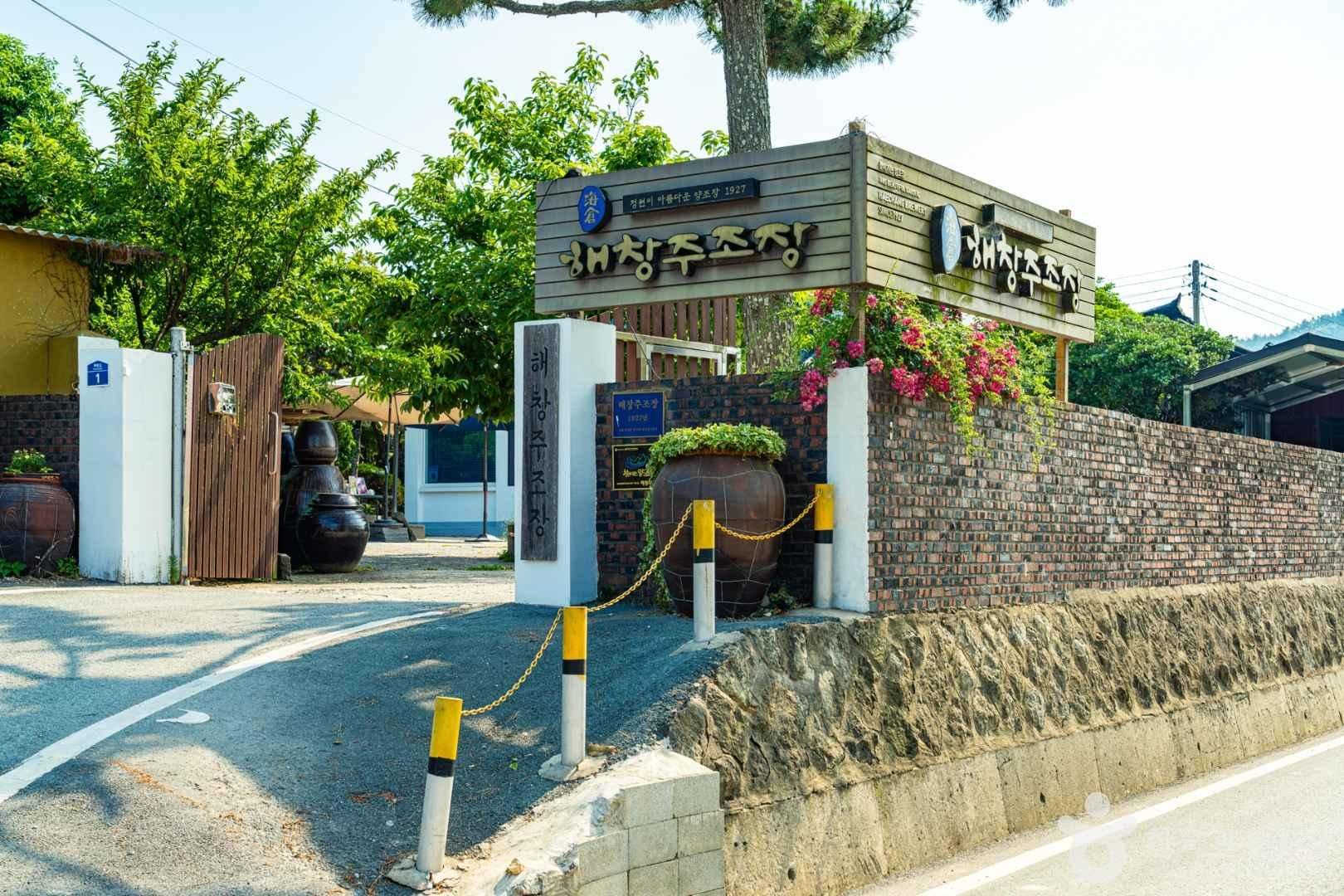
Haechang Brewery in Haenam-gun, Jeollanam-do, has become very popular in recent years. The brewery is housed in a Japanese-style house with a beautiful garden, which was once the house of a colonial landowner during the Japanese Occupation. Haechang Makgeolli is made with sweet rice, which gives the brew a sweet flavor and thick texture. The brewery offers a wide range of brews, from the 6% ABV basic makgeolli to high-end lineups at 9% and 12% ABV. The highest-grade makgeolli produced by Haechang Brewery has an ABV of 18%.
Makgeolli’s Changes and Development
It is quite easy to change things up when making makgeolli. Its flavor and fragrance may change depending on the type of rice or wheat, the type of yeast culture used, and even the water. Some makgeolli add aspartame and other additives for flavor. In other words, hundreds of different types of makgeolli can be created just by changing the basic ingredients.
In more recent years, makgeolli products catering to different tastes and young people began to emerge: Examples include sweet rice makgeolli, which has a sweeter flavor and thicker texture, and sparkling makgeolli, which uses an alternative brewing technique to create more carbonation. Some makgeolli products include fruit flavors, and there is even a makgeolli with espresso.
Experience Information
Jipyeong Brewery (Historic Building)
This was once the building that housed Jipyeong Brewery. Its historic value has been recognized by its designation as a National Registered Cultural Heritage. The building no longer brews makgeolli, and you can’t go into the building. But you can visit a nearby shop run by Jipyeong Brewery, the only place where you can purchase “Jipyeong Wheat Makgeolli,” which has a simple front palate and a rough back palate.

Address:
(Historic Building) 25 Jipyeonguibyeong-ro 62beon-gil, Jipyeong-myeon, Yangpyeong-gun, Gyeonggi-do /
(Shop) 100 Jipyeonguibyeong-ro, Jipyeong-myeon, Yangpyeong-gun, Gyeonggi-do
Contact:
(Shop) +82-31-773-7029
Operating Hours:
(Shop) 09:00–18:00 (May be subject to change)
Traditional liquor sold:
Jipyeong Makgeolli Rice, Wheat Makgeolli, 1925 Makgeolli, Yi-rang Yi-rang Makgeolli, Pyeong Saeng Makgeolli, Bonnie Dalbam, etc.
Parking:
Free
Baedari Distillery
This is a newly established sales outlet. The museum that was previously in operation is no longer open. They sell makgeolli made from Goyang rice and liquors reinterpreted from traditional liquors passed down through the family.
* Baedari Makgeolli can be purchased at places like Nonghyup Hanaro Mart in downtown Goyang-si.
Address:
(#201), 14 Gajwa-ro, Ilsanseo-gu, Goyang-si, Gyeonggi-do
Contact:
+82-31-919-1915
Operating Hours:
10:00–18:00 (Closed on Saturdays and Sundays)
Traditional liquor sold:
Goyang Gawaji Takju, Jugyoju, etc.
Parking:
Free
Daegang Brewery
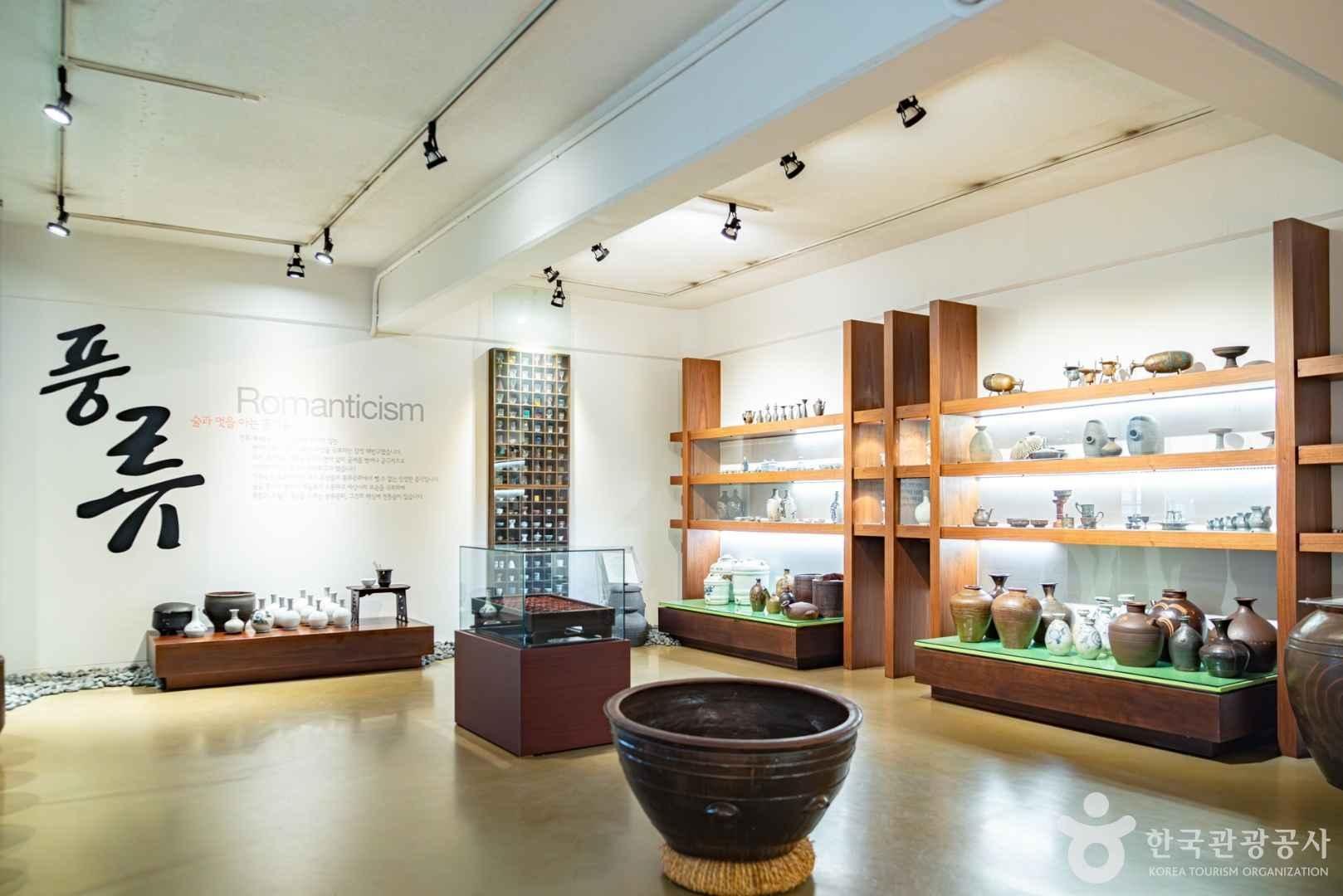
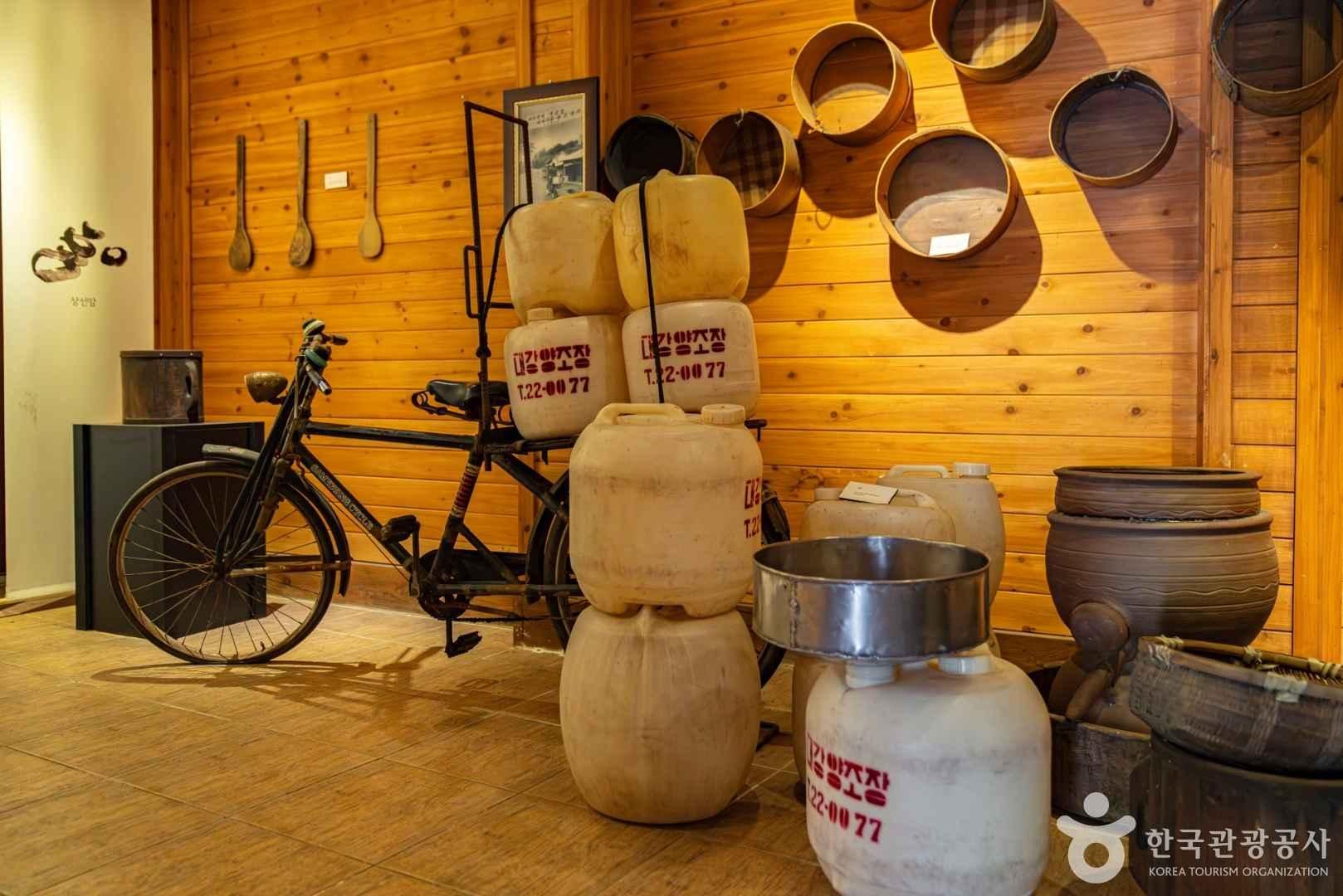
Daegang Brewery is known for using good underground water from the foot of Sobaeksan Mountain and using 100-year-old traditional earthenware pots for fermentation. One corner of the brewery has an exhibition that recreates the brewery of the old.
Address:
60 Daegang-ro, Daegang-myeon, Danyang-gun, Chungcheongbuk-do
Contact:
+82-43-422-0077
Operating Hours:
10:00–22:00
Traditional liquor sold:
Sobaeksan Saeng Makgeolli, Black Soybean Makgeolli, Cheong Dongdongju, etc.
Parking:
No on-site parking; nearby parking available at Daegang-myeon Office Public Parking Lot
Jincheon Deoksan Brewery
This brewery has been in operation since 1929. Its historic building, designed by a Japanese architect, is used as an exhibition space for tools used in brewing over its long history. The building was featured in the KBS show Love on a Jujube Tree, which ran for 17 years since 1990.
Address:
712 Chogeum-ro, Deoksan-eup, Jincheon-gun, Chungcheongbuk-do
Contact:
+82-43-535-3567
Operating Hours:
09:00–17:00 (closed on Sundays)
Traditional liquor sold:
Deoksan Saeng Makgeolli
Parking:
Free
Haechang Brewery
Haechang Brewery uses sweet rice (glutinous rice) to create a sweet and thick makgeolli. It is housed in a remodeled house of a colonial landowner during the Japanese Occupation, so it still retains the Japanese-style building and the garden.
Address:
1 Haechang-gil, Hwasan-myeon, Haenam-gun, Jeollanam-do
Contact:
+82-61-532-5152
Operating Hours:
09:00–18:00
Traditional liquor sold:
Haechang Makgeolli (6%, 9%, 12%, 18% ABV)
Parking:
Available (up to 4 spaces)
Sansawon
This liquor museum is run by Baesangmyun Brewery. Sansawon details the history of Bae Sang-myun, methods of brewing traditional Korean liquor, the use of traditional Korean liquor in traditional festivals, and the types of liquor. It also offers traditional Korean liquor brewed and sold by Baesangmyun Brewery. The outdoor garden has a corridor with traditional earthenware pots that has become a popular photo spot among visitors.
Address:
25 Hwadong-ro 432beon-gil, Hwahyeon-myeon, Pocheon-si, Gyeonggi-do
Contact:
+82-31-531-9300
Operating Hours:
09:00–17:30 (last entrance 17:00)
Admission:
4,000 KRW (souvenir offered to adult visitors)
Traditional liquor sold:
Slow Village Makgeolli, Simsool Series, Bingtanbok, Bokbunja-Um, O-meA-raq, Sansachun etc.
Parking:
Available (up to 20 spaces)
* Content creation & related inquiries:
Tourism Industry Strategy Team

1330 Helpline Call/Chat

Start a FREE Online Call(No charges for calls on Wi-Fi /
Data charges may apply)

Open 1330 Helpline Chat(Download not required)



Open messenger app(Messenger app must be installed)