
Current language
English
- Log in
-
- Sydney Overseas Office
- London Overseas Office
- Toronto Overseas Office
- Los Angeles Overseas Office
- New York Overseas Office
- Ulaanbaatar Overseas Office
- Dubai Overseas Office
- New Delhi Overseas Office
- Manila Overseas Office
- Jakarta Overseas Office
- Hanoi Overseas Office
- Kuala Lumpur Overseas Office
- Singapore Overseas Office
- Bangkok Overseas Office
- Map
Popular search
- Sydney Overseas Office
- London Overseas Office
- Toronto Overseas Office
- Los Angeles Overseas Office
- New York Overseas Office
- Ulaanbaatar Overseas Office
- Dubai Overseas Office
- New Delhi Overseas Office
- Manila Overseas Office
- Jakarta Overseas Office
- Hanoi Overseas Office
- Kuala Lumpur Overseas Office
- Singapore Overseas Office
- Bangkok Overseas Office
K-Local Food Trip 33
-
-
-
Ganjanggejang: Korea’s Ultimate “Rice Thief”
-
02/20/2025
-
4.7K
1
1
-
-
-
-
Ganjanggejang: Korea’s Ultimate “Rice Thief”
When & Where

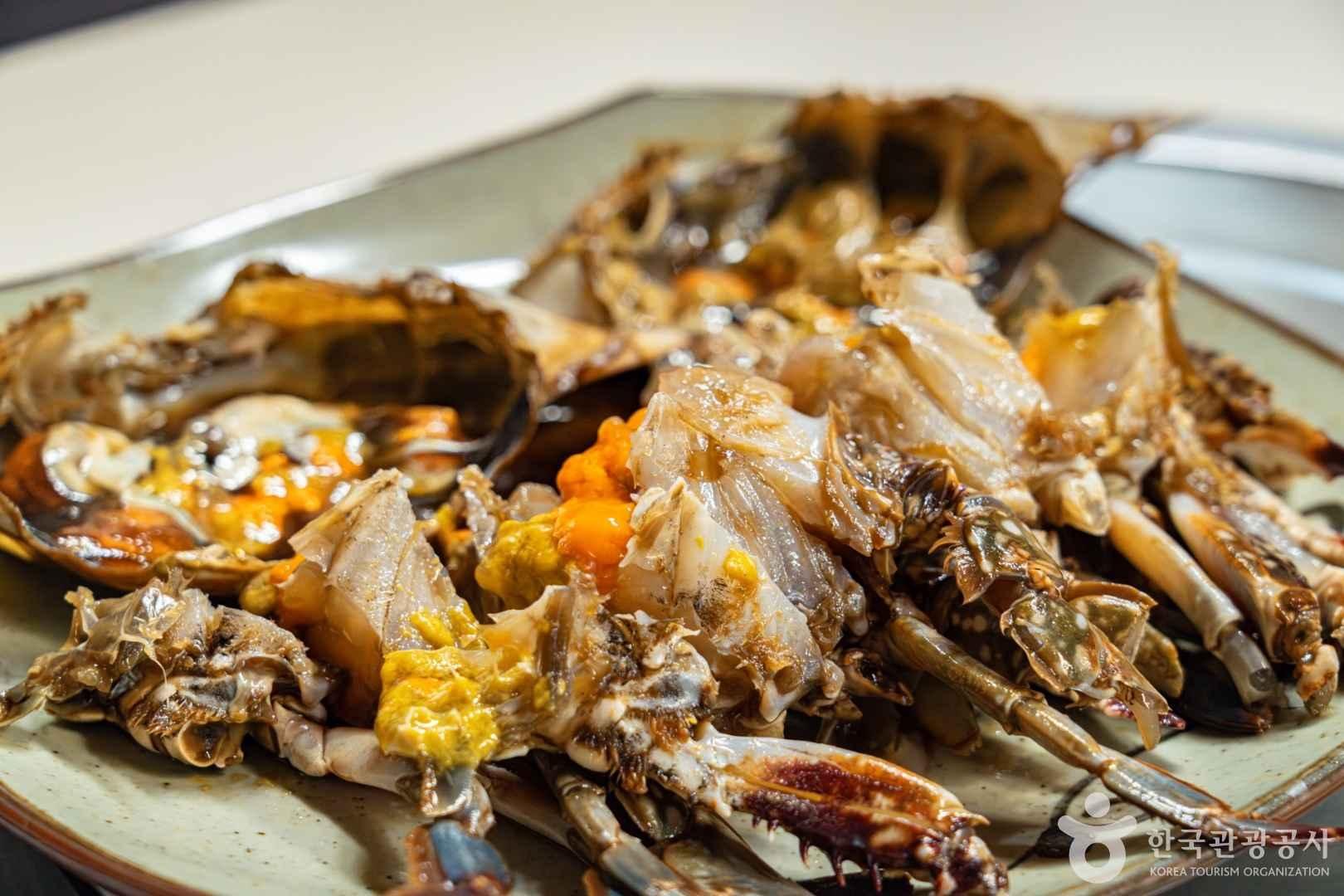
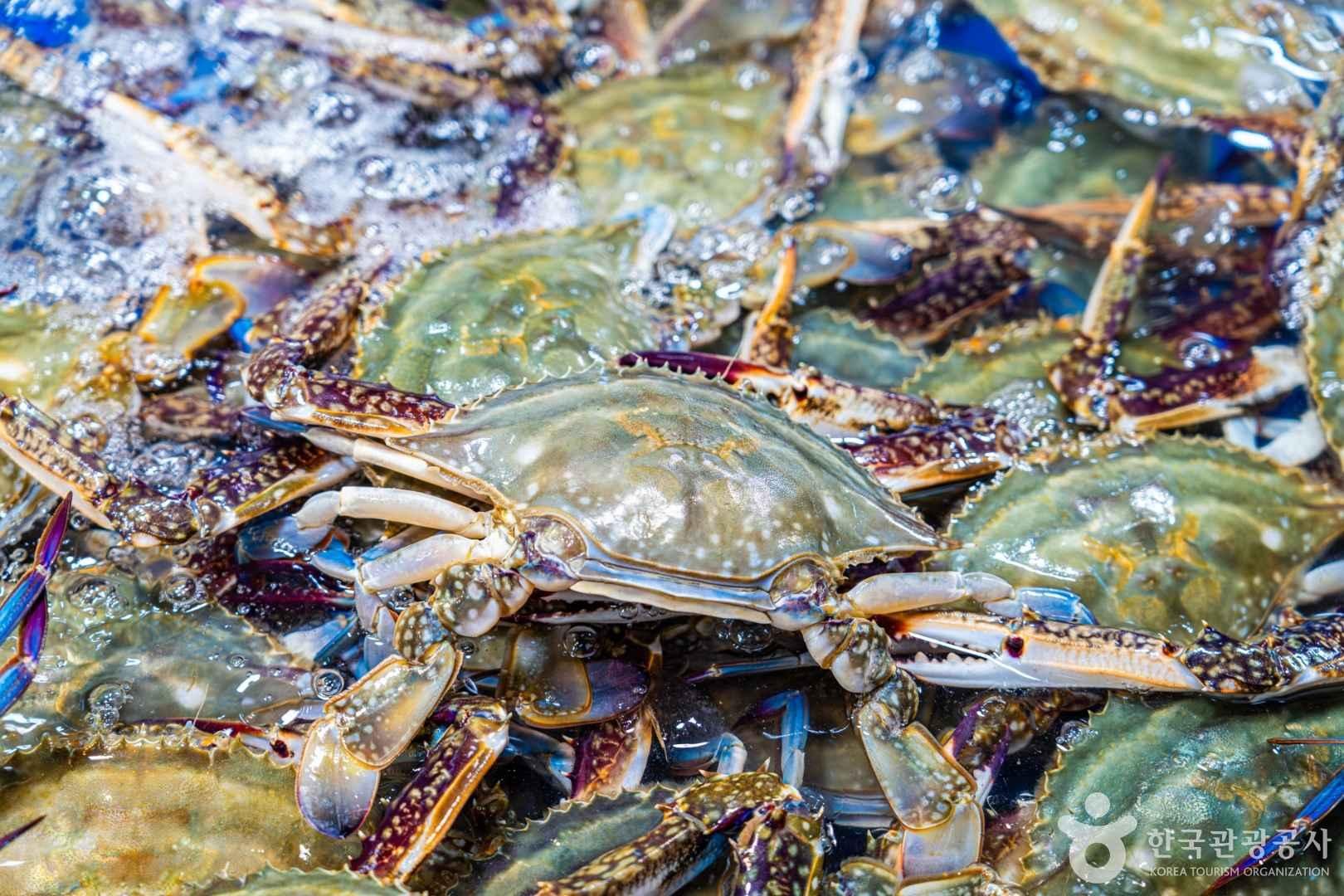
Ganjanggejang, or soy sauce marinated crab, is a renowned Korean dish made with blue crabs. Blue crabs are in season from April to June and again from October to November. In the spring, blue crabs feed voraciously in preparation for spawning season. Female crabs are at their best during this time, as they are rich in eggs yet to be fertilized. In the fall, blue crabs feed and fatten up to survive the winter. Male crabs reach their peak at this time, but female crabs are still very delicious as they also accumulate nutrients at similar levels.

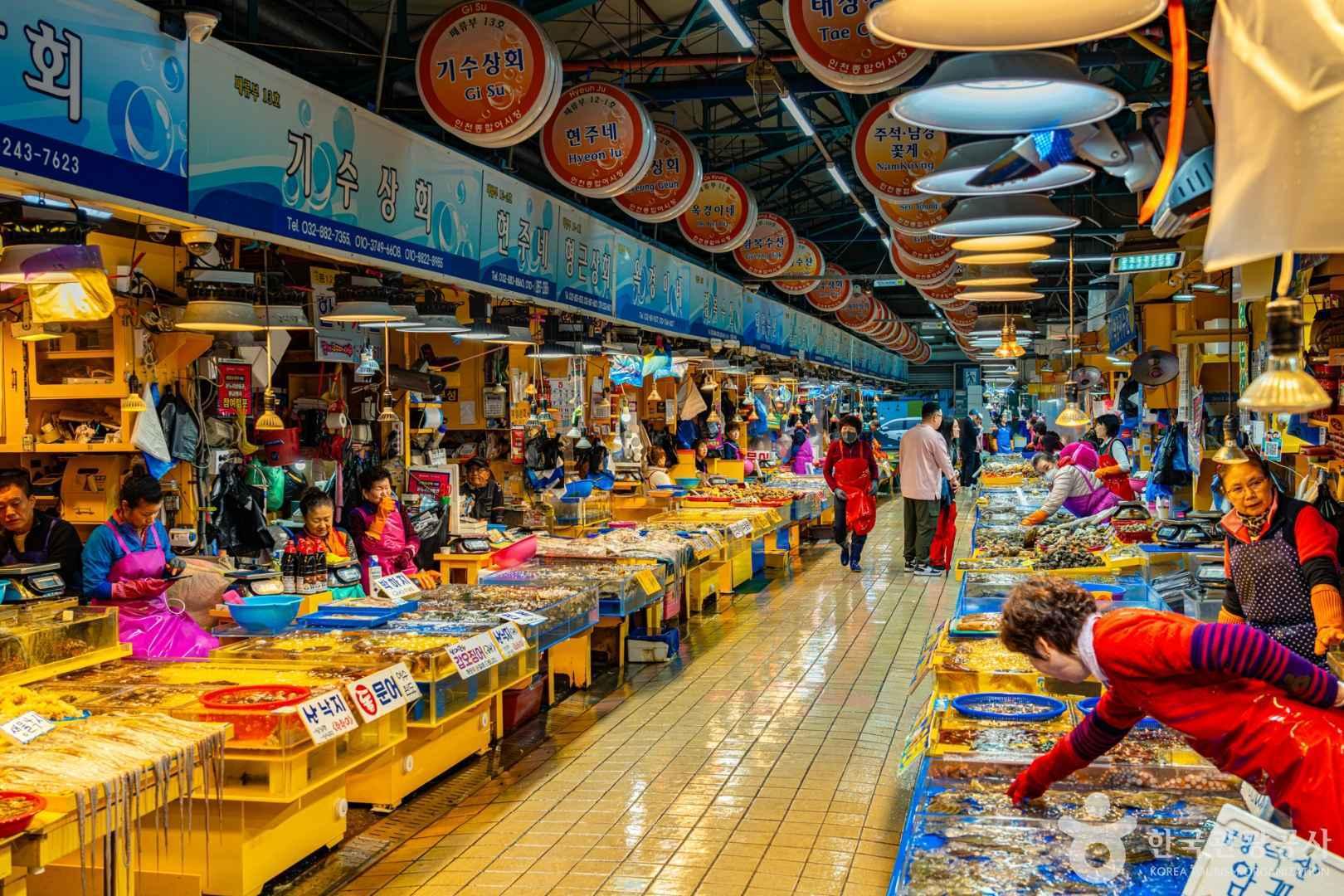
Blue crabs are caught along Korea’s west coast, particularly around Incheon, Dangjin, Seosan, Taean, and Anmyeondo Island. Among these locations, the Yeonpyeong Fishery near Yeonpyeongdo Island in Incheon stands out as the largest producer of blue crabs in Korea. For fresh, plump blue crabs sourced from Incheon’s waters, you can visit the Incheon Complex Fish Market at: 37 Yeonanbudu-ro 33beon-gil, Jung-gu, Incheon.
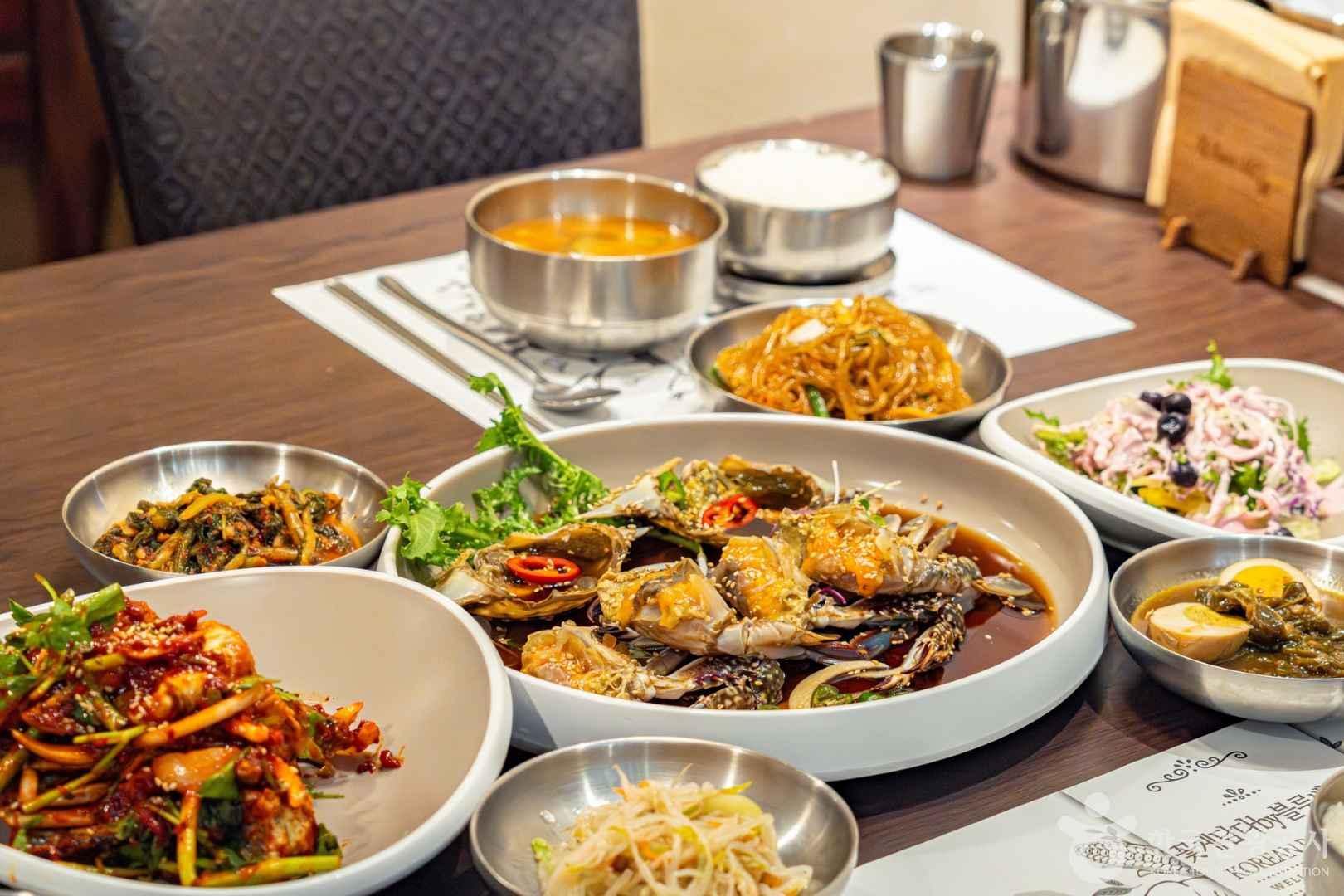
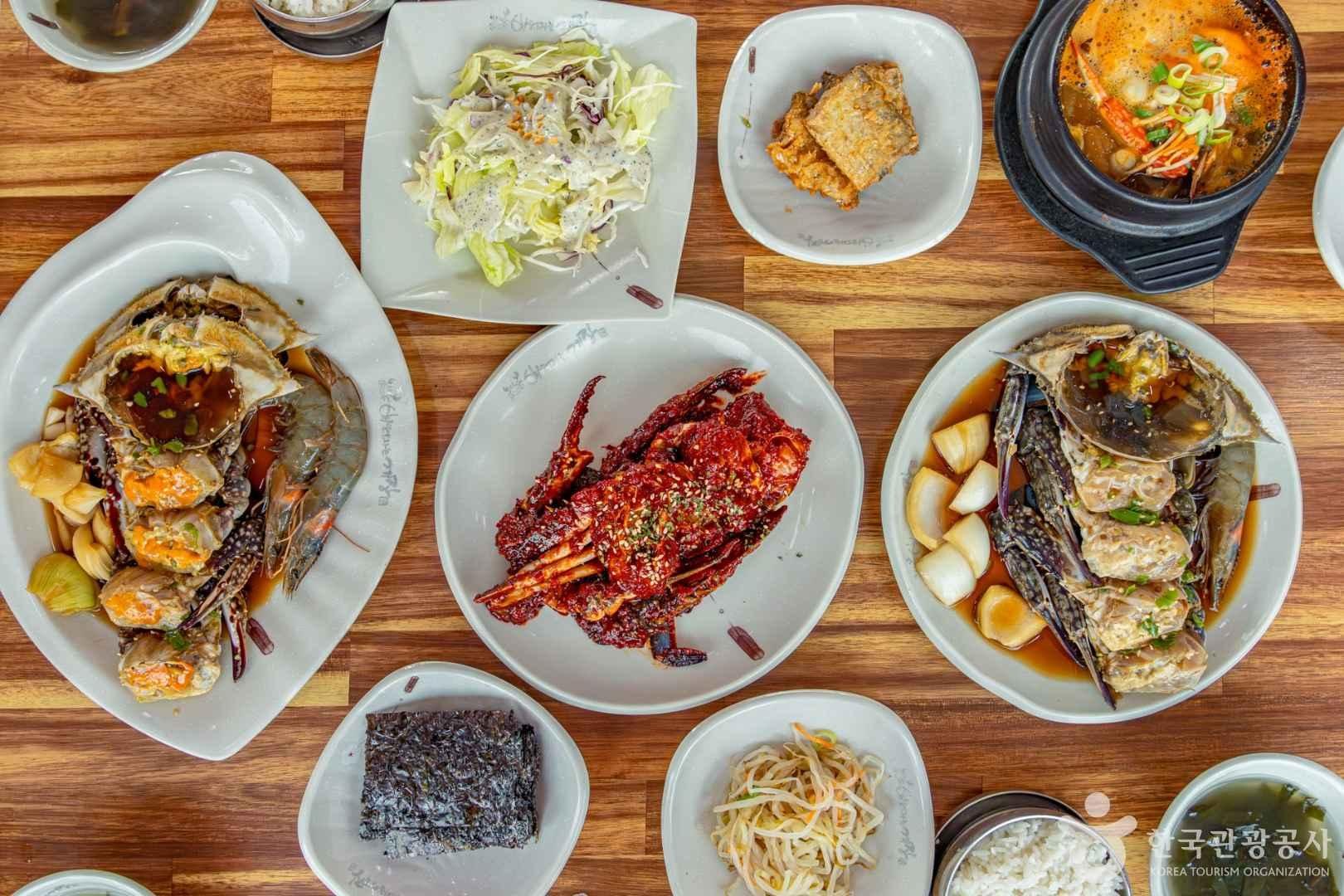

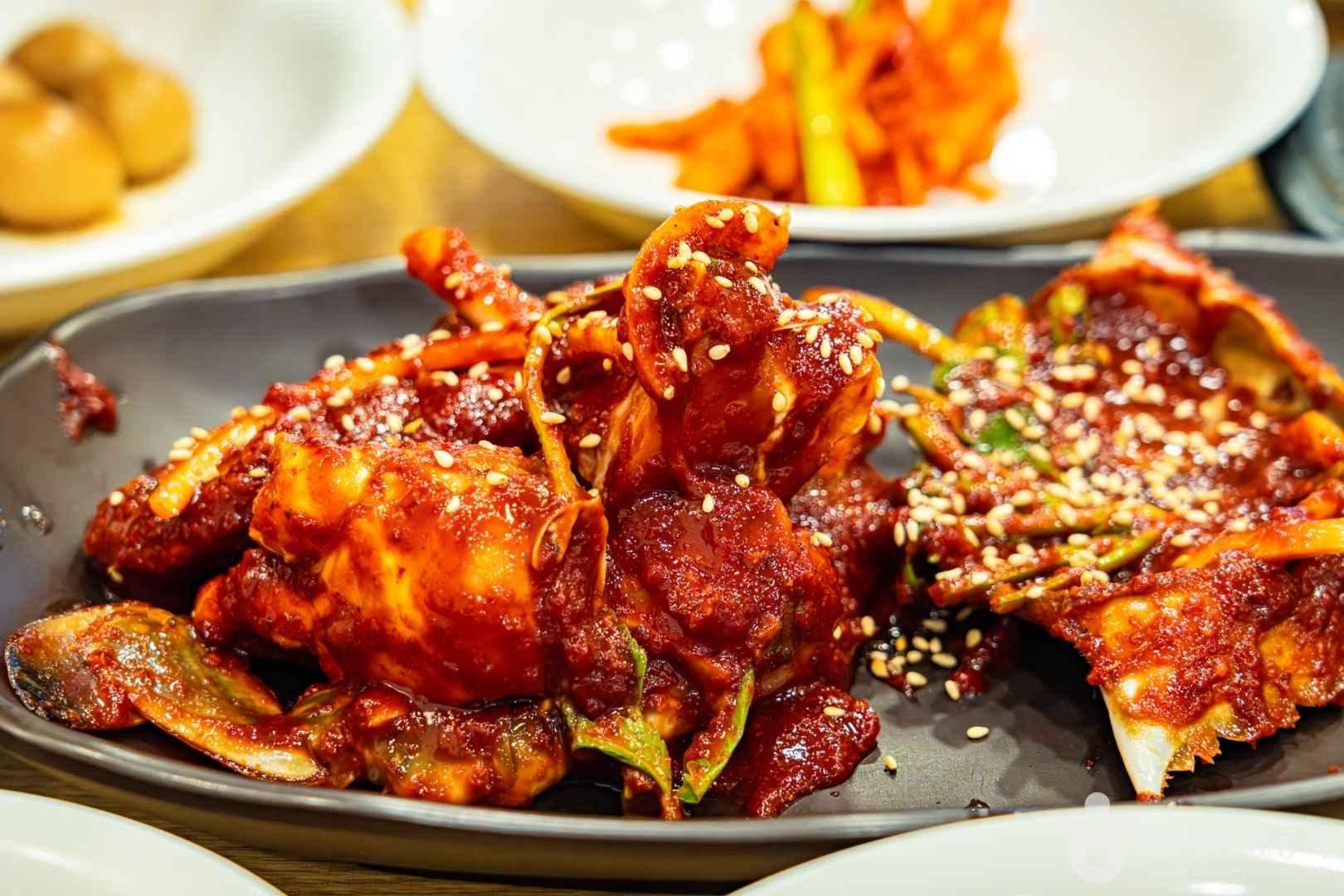
A popular nickname for ganjanggejang among Koreans is the “rice thief” – an idiomatic term for dishes that pair so perfectly with steamed rice that when enjoyed together, entire bowls of rice seem to disappear in the blink of an eye.
This “rice thief” lineup includes nakji-bokkeum (spicy stir-fried octopus), bulgogi (marianated beef), aged kimchi, jangjorim (soy braised beef), and galchijorim (braised cutlassfish), with ganjanggejang being the most notorious of all. The fresh blue crab simply marinated in seasoned soy sauce may sound basic, but its salty and deep flavor creates a heavenly pairing with rice.
History of Ganjanggejang
Gejang (marinated crab) has long been beloved by Koreans. Sallim Gyeongje (Farm Management), a book written by Hong Man-seon during the late Joseon period, provides detailed recipes for gejang. Hong describes two methods: one using soy sauce and the other using salt.
Compared to the famous soy sauce version, sogeumgejang (salt marinated crab) is lesser known and can be unfamiliar for some. The salt in sogeumgejang draws out moisture from the crab meat, giving it a firmer, chewier texture than ganjanggejang. Although sogeumgejang has become a rarity, some fishers in certain areas still make it as a delicacy.
Crab Varieties Used in Gangjanggejang
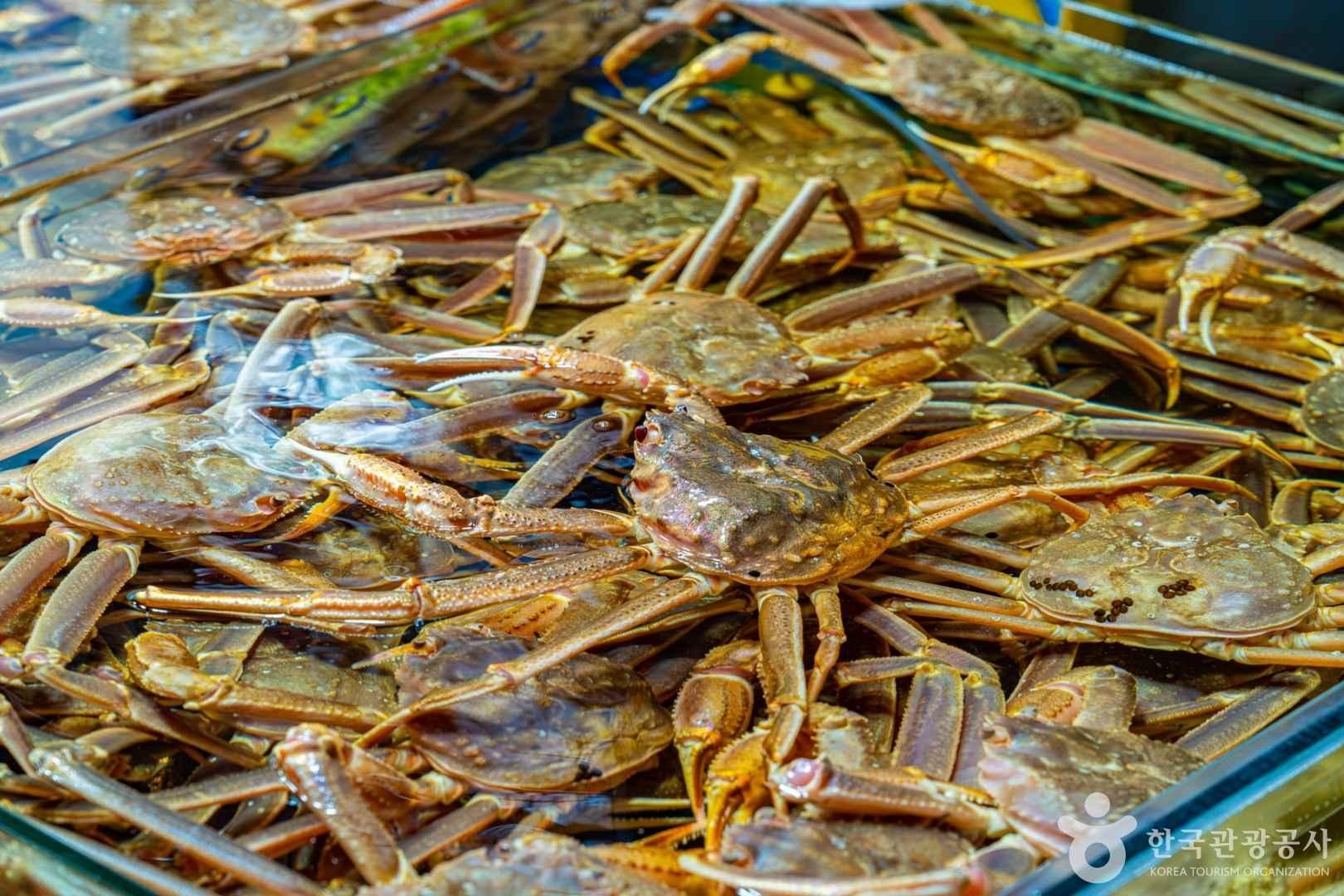
Korea is home to various types of crabs, all found in different regions. In the eastern coast, you can find snow crabs, red snow crabs, and horsehair crabs, while the western and southern coasts are rich in blue crabs, Asian paddle crabs (also known as bakhaji or dolge), and helmet crabs. Blue crabs are particularly abundant along the entire west coast, making it a regional specialty. Yeonpyeongdo Island in Incheon stands out as a major source, accounting for 8% of the total catch in Korea. Valued for their nutritional benefits and rich flavor, blue crabs are most commonly prepared as ganjanggejang in Korean cuisine.
Blue crabs are in season twice a year: during the spring when they feed heavily to prepare for spawning and the fall when they fatten up for the winter. Common wisdom suggests that female crabs are best in the spring and males in the fall; however, this can be somewhat misleading. Spring is indeed when female crabs are at their peak, as they are full of eggs ready to be fertilized. Male crabs, on the other hand, are known to be at their best in the fall as they fatten up to endure the winter. While this is true, it doesn’t mean that female crabs are any less flavorful during this season, as both accumulate comparable levels of nutrients in their bodies.
How to Make Ganjanggejang
The key ingredient in ganjanggejang is the soy sauce, as using traditionally crafted soy sauce gives the dish a richer, more savory flavor. Ganjanggejang using traditional soy sauce is made through the following process.
First, soybeans are formed into meju (a fermented soybean block), which is then processed into soybean paste and fermented again. Once fermented, the soy sauce is separated from the paste—a process Koreans call “splitting the sauce.” Both the soybean paste and soy sauce take on deeper flavors as they age.
Next, the soy sauce is boiled with ingredients such as onion, chili pepper, kelp, and ginger, allowing their flavors to infuse into the sauce. After cooling the sauce, the washed blue crab is added and marinated for two to four days, making it ready to enjoy.
Ganjanggejang made with traditional soy sauce command significantly higher prices than those made with commercial soy sauce, and their flavors most certainly reflect this quality.
How to Enjoy Ganjanggejang
There are two steps involved in enjoying ganjanggejang. First, add a spoonful or two of steamed rice to the crab's carapace and mix it with the yellow intestines. Then, take a spoonful of this rice mixture to enjoy the sweet, savory, and salty flavors of the gejang.
Next, move on to the meat inside the body. Hold a piece of the pincer with your fingers and press your thumb against one side to push out the meat and, if the crab is female, the eggs. You can add a spoonful of soy sauce for an extra layer of flavor.
For those who enjoy spicy food, yangnyeomgejang (spicy marinated crab) is another excellent choice. This dish is prepared by tossing blue crabs in a sauce made from chili pepper powder, minced garlic, ginger, soy sauce, and black pepper. Unlike ganjanggejang, yangnyeomgejang uses fresh blue crabs, offering a fresher, plumper flavor with spicy, tender meat. Wearing disposable plastic gloves, press down on the yangnyeomgejang to extract the flesh, then mix it with steamed rice and sauce for an elevated experience.
Where to Enjoy Ganjanggejang
Gejang has long been a staple of home-cooked meals in Incheon, leading many renowned traditional ganjanggejang restaurants to be located in the city’s residential areas rather than tourist spots. Some of these restaurants use traditionally made soy sauce, while others opt for commercially produced soy sauce. Although the dish using the former tends to be more expensive, ganjanggejang in Incheon is generally more affordable than in other regions.
Some restaurants offer all-you-can-eat ganjanggejang for 20,000 to 30,000 KRW per person. However, these places often use smaller blue crabs and store-bought soy sauce.
Restaurants Information
Kkotge Damda by Blueberry Farm Namdong Branch
This restaurant specializes in ganjanggejang made with blue crabs from Yeonpyeongdo Island. This traditional restaurant has expanded to multiple branches in the Incheon area, offering dishes such as Blueberry Farm Jeongsik (Blueberry Farm set menu), Ganjanggejang Jeongsik (soy sauce marinated crab set menu), and Borigulbi Jeongsik (barley-aged dried yellow croaker set menu).

Address:
21 Chanumul-ro, Namdong-gu, Incheon
Contact:
+82-32-463-7377
Signature Menu:
Blueberry Farm Jeongsik – 19,000 KRW /
Kkotge Damda Jeongsik – 15,900 KRW /
Borigulbi Hansang (barley-aged dried yellow croaker set menu) – 21,000 KRW
Getting There:
Approx. 2.2 km from Exit 3 of Incheon Bus Terminal Station on Incheon Subway Line 1 /
Approx. 2.1 km from Incheon Bus Terminal
Parking:
Available (up to 5 spaces)
Seating Capacity:
52 seats
Menu Languages:
Korean
Samdae Incheon Gejang
Established in 1962, this restaurant has been serving gejang for nearly sixty years and is now in its third generation (“sam-dae“) of family ownership. It uses blue crabs from Yeonpyeongdo Island and traditionally crafted and aged soy sauce. The restaurant employs a low-sodium method in its ganjanggejang, highlighting the dish’s savory flavors.
Address:
22 Geumgok-ro 81beon-gil, Dong-gu, Incheon
Contact:
+82-32-766-0826
Signature Menu:
Ganjanggejang Jeongsik (soy sauce marinated crab set menu) – 25,000 KRW /
Yangnyeomgejang Jeongsik (spicy marinated crab set menu) – 25,000 KRW
Getting There:
Approx. 650 m from Exit 3 of Dowon Station on Seoul Subway Line 1 (Gyeongin Line)
Parking:
Free
Seating Capacity:
68 seats
Menu Languages:
Korean, English, Japanese, and Chinese
Dontarae Gejang Jeongsik
This restaurant offers ganjanggejang at affordable prices. Ganjanggejang Jeongsik features marinated crabs accompanied by a generous array of side dishes, such as saengseon-gui (grilled fish), jeyuk-bokkeum (spicy stir-fried pork), jeon (Korean pancake), japchae (stir-fried glass noodles), and miyeok-guk (seaweed soup).
Address:
59 Yeorumul-ro, Bupyeong-gu, Incheon
Contact:
+82-32-421-0335
Signature Menu:
Ganjanggejang Jeongsik (soy sauce marinated crab set menu) – 15,000 KRW
Getting There:
Approx. 400 m from Exit 2 of Dongam Station on Seoul Subway Line 1 (Gyeongin Line)
Parking:
Available (up to 4 spaces)
Seating Capacity:
72 seats
Menu Languages:
Korean
* Content creation & related inquiries:
Tourism Industry Strategy Team

1330 Helpline Call/Chat

Start a FREE Online Call(No charges for calls on Wi-Fi /
Data charges may apply)

Open 1330 Helpline Chat(Download not required)



Open messenger app(Messenger app must be installed)