If you’re wondering where to fly into to explore Korea’s regional cities without passing through Seoul, Daegu International Airport is a great starting point. From here, you can easily reach downtown Daegu as well as some of Gyeongsangbuk-do’s top destinations, including Gyeongju, Pohang, and Andong. This guide highlights places to visit in Daegu right after you land, plus nearby spots in Gyeongsangbuk-do that fit naturally into the same trip.
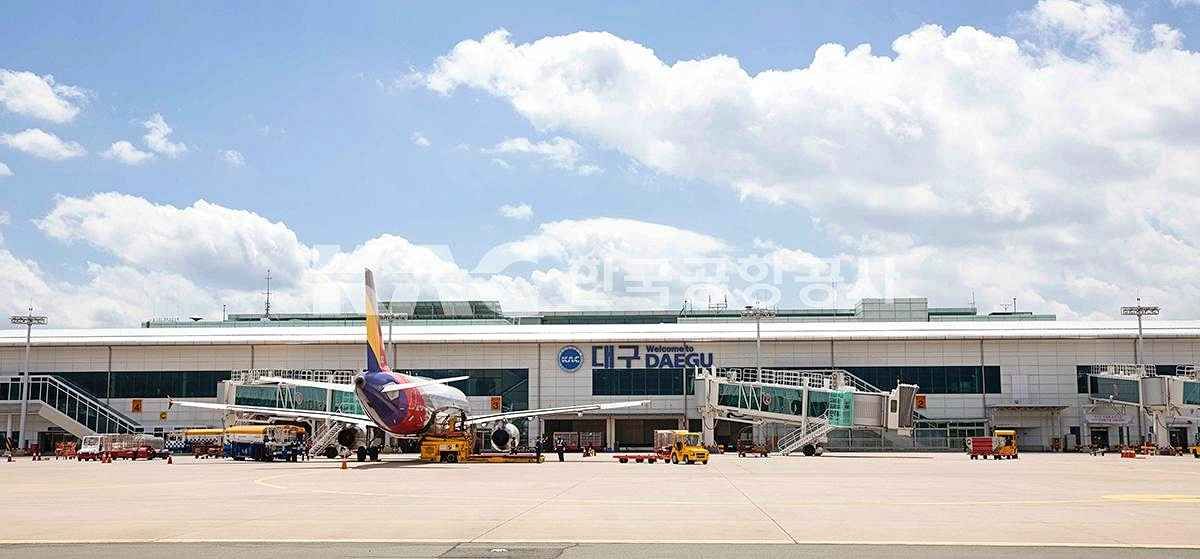
Daegu International Airport offers direct flights on 17 routes across eight countries and regions, including China, Japan, Vietnam, Hong Kong, and Taiwan. It also provides easy domestic connections to Jeju, one of Korea’s busiest air routes with more than 13 million passengers a year. Getting around is just as easy: downtown Daegu is under 30 minutes away, while Gyeongju and Andong—both home to UNESCO World Heritage sites—are only about 90 minutes away by train.
See Major Routes from Daegu International Airport
| Route | Airline | Flight Schedule |
|---|---|---|
| Shanghai/Pudong | China Eastern Airlines | Daily |
| Dayong/Zhangjiajie | T’way Air | Mon, Wed, Fri, Sun |
| Sichuan Airlines, Loong Air | Thu, Sun | |
| Yanji | T’way Air | Tue, Thu, Sat |
| Qingdao | Qingdao Airlines | Wed, Sun |
| Tokyo/Narita | T’way Air | Daily |
| Osaka/Kansai | T’way Air | Daily |
| Fukuoka | T’way Air | Daily |
| Nha Trang | T’way Air | Wed, Thu, Sat, Sun |
| Da Nang | T’way Air | Wed, Thu, Sat, Sun |
| Hong Kong | HK Express | Tue, Thu, Sat, Sun |
| Taipei/Taoyuan | T’way Air | Daily |
* Flight schedules are subject to change. For the latest updates, please check the official airline websites.
Daegu is one of southern Korea’s key cities, and its biggest advantage is convenience: you can reach downtown in under 30 minutes after landing. But Daegu is much more than a transit point. You can build your trip around what you love—walking through modern cultural heritage sites, enjoying the city lights at night, or tasting your way through traditional markets and local specialties. Read on for travel ideas to experience Daegu and discover what makes the city so memorable.
# Cultural Tour: A Walk Through Daegu’s Modern Heritage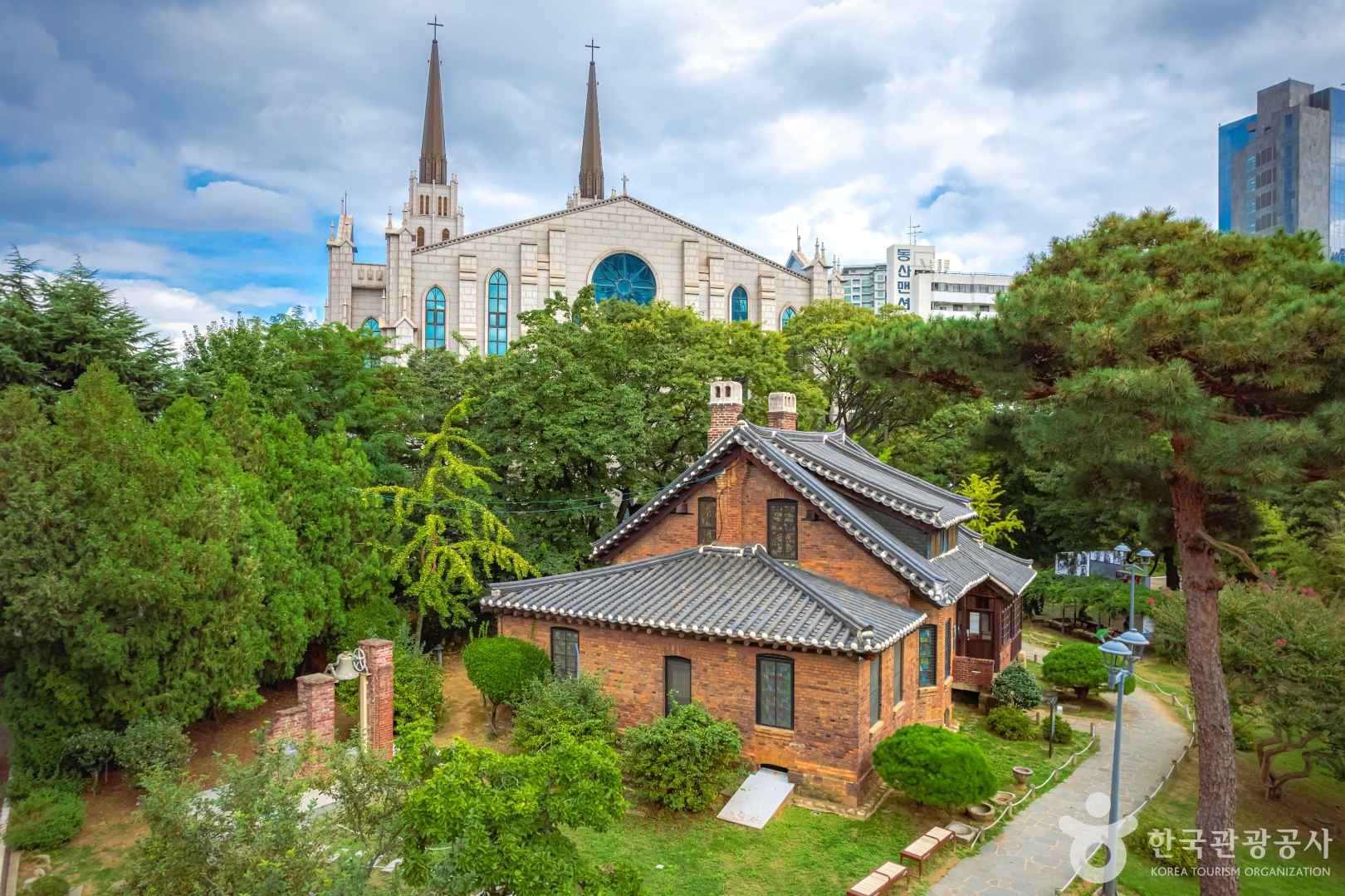
As a long-standing hub among the southern regions of Korea, Daegu was one of the first places in the country where modern architecture and culture took root. Today, traces of that era still remain across the city. From museums that bring the nation’s cultural heritage into the present to local hotspots popular with Daegu residents, these places will add more depth to your trip.
■ Recommended Attractions
- [Cheongna Hill] Known as the “Montmartre of Daegu,” it was established by missionaries in the early 20th century and still has a charming, exotic atmosphere. Start at the Western-style houses, then follow the Modern History Street to trace over 100 years of Daegu’s history along the way.
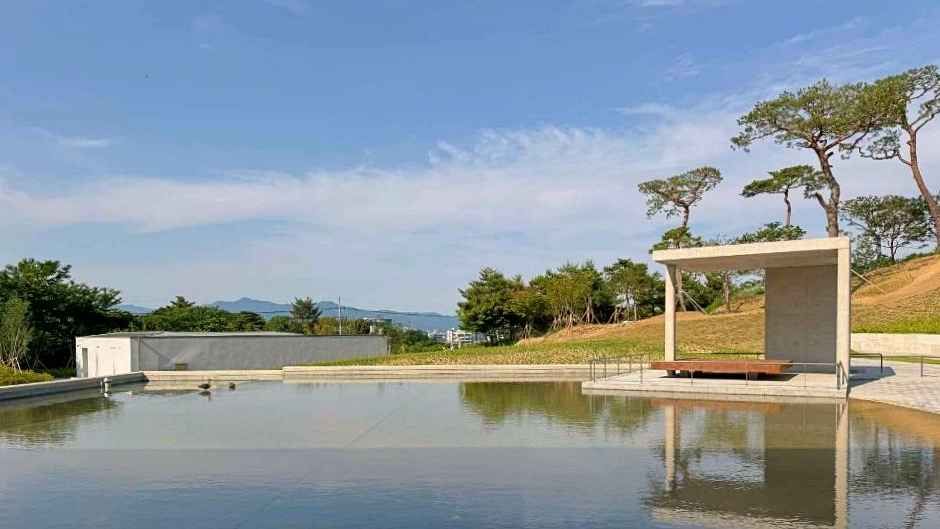
- [Kansong Art Museum Daegu] Inspired by Jeon Hyeong-pil’s legacy of preserving Korea’s cultural heritage during the Japanese colonial period, this museum reflects his belief in protecting national identity through culture. Its collection includes landmark works in Korean art history, from genre paintings by Shin Yun-bok to calligraphy and paintings by Kim Jeong-hui.
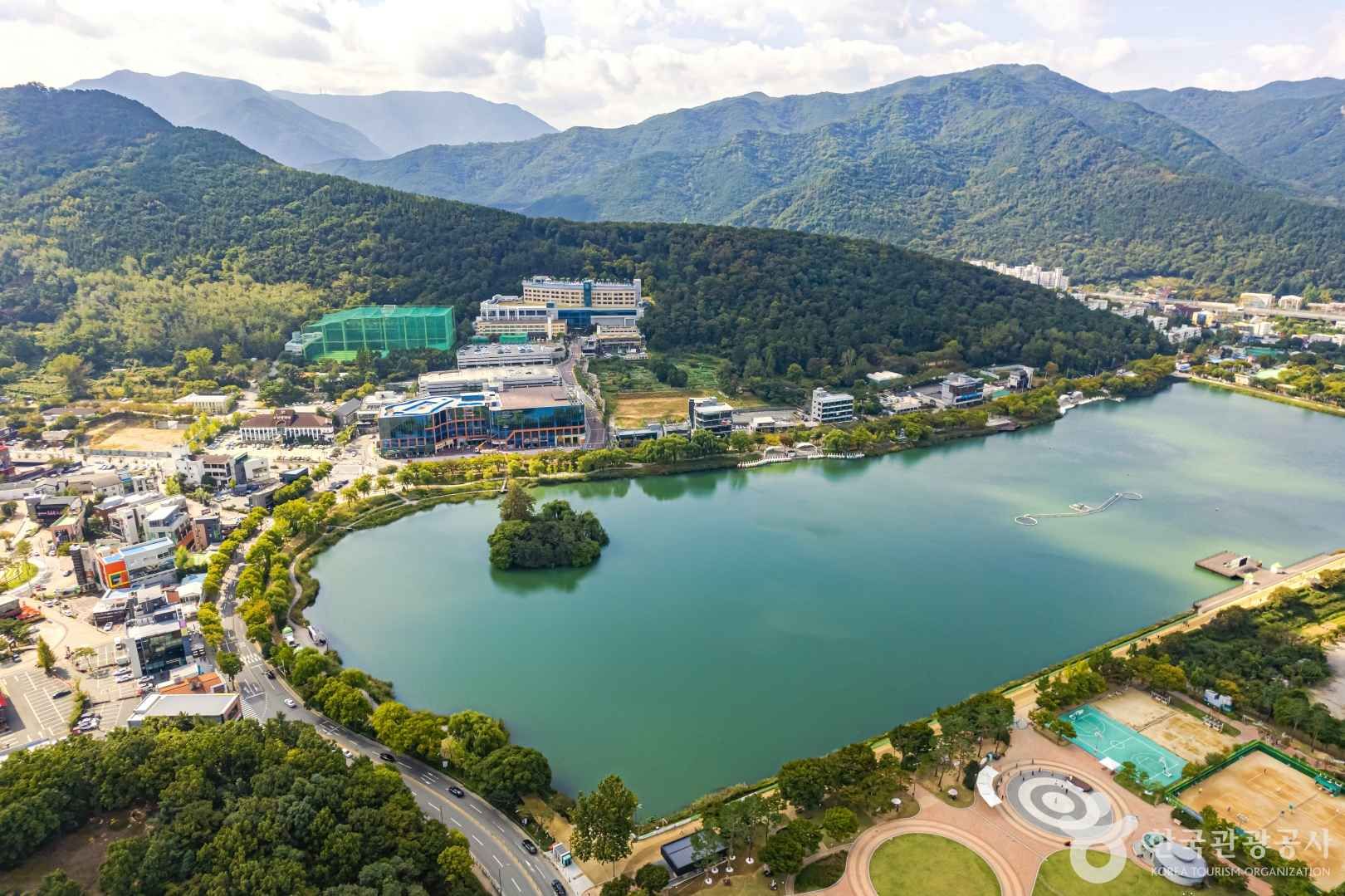
- [Suseongmot Lake Resort] A favorite among Daegu locals for dates and weekend outings, it is a scenic lakeside park with a waterfront deck. Depending on the season, walking paths are framed by gaura flowers, lotus blossoms, and king cherry trees. From April to October, a colorful fountain show adds to the atmosphere.
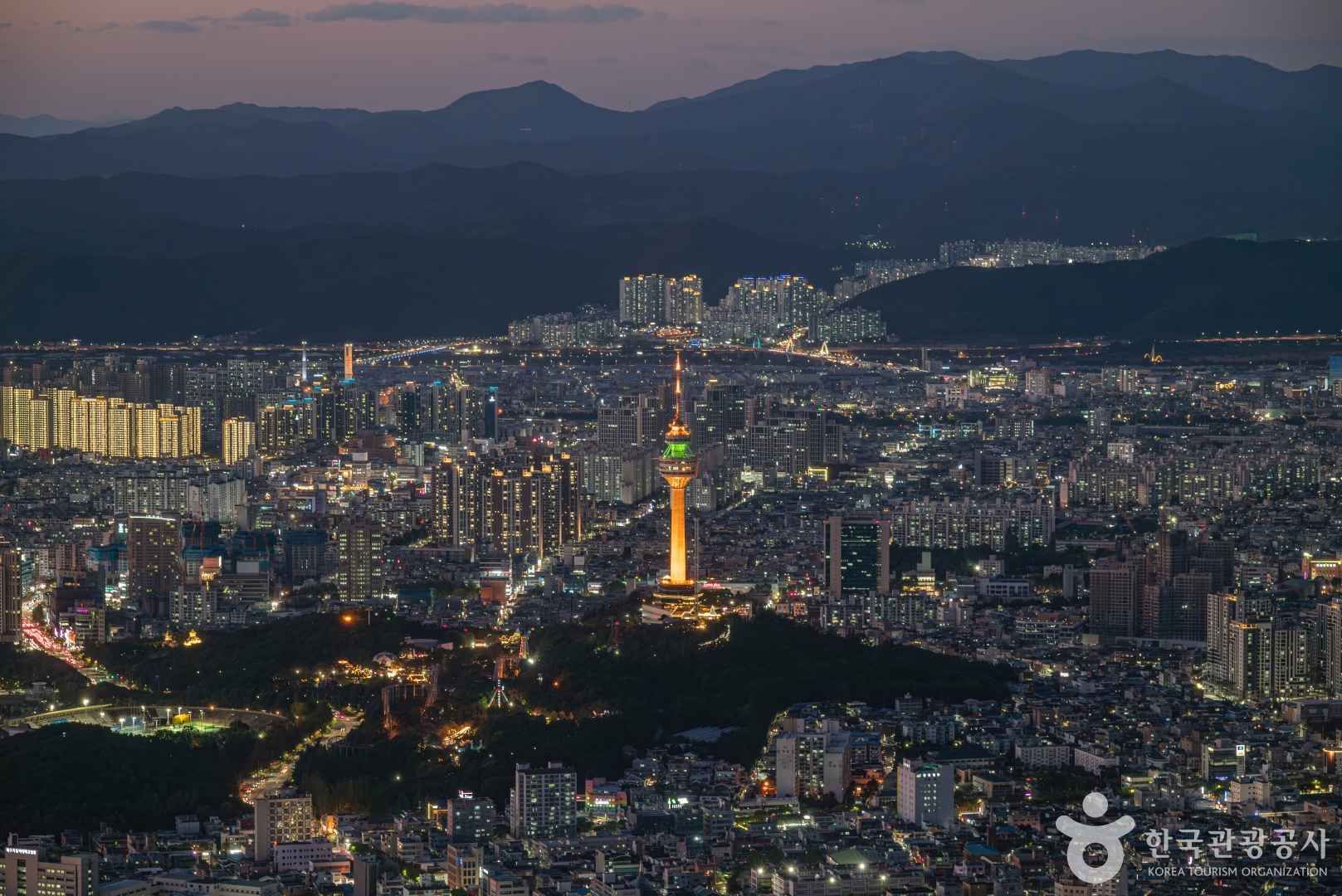
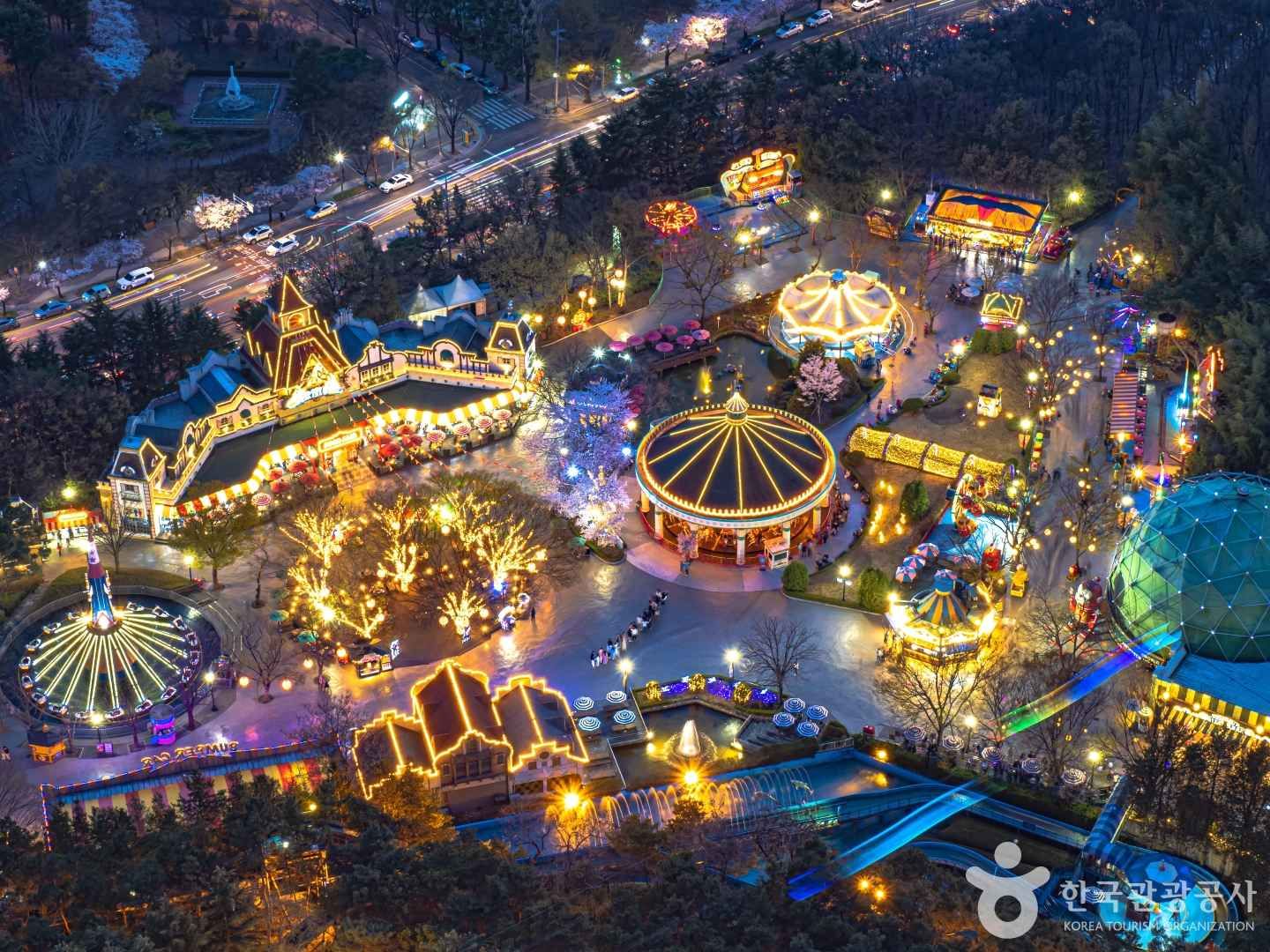
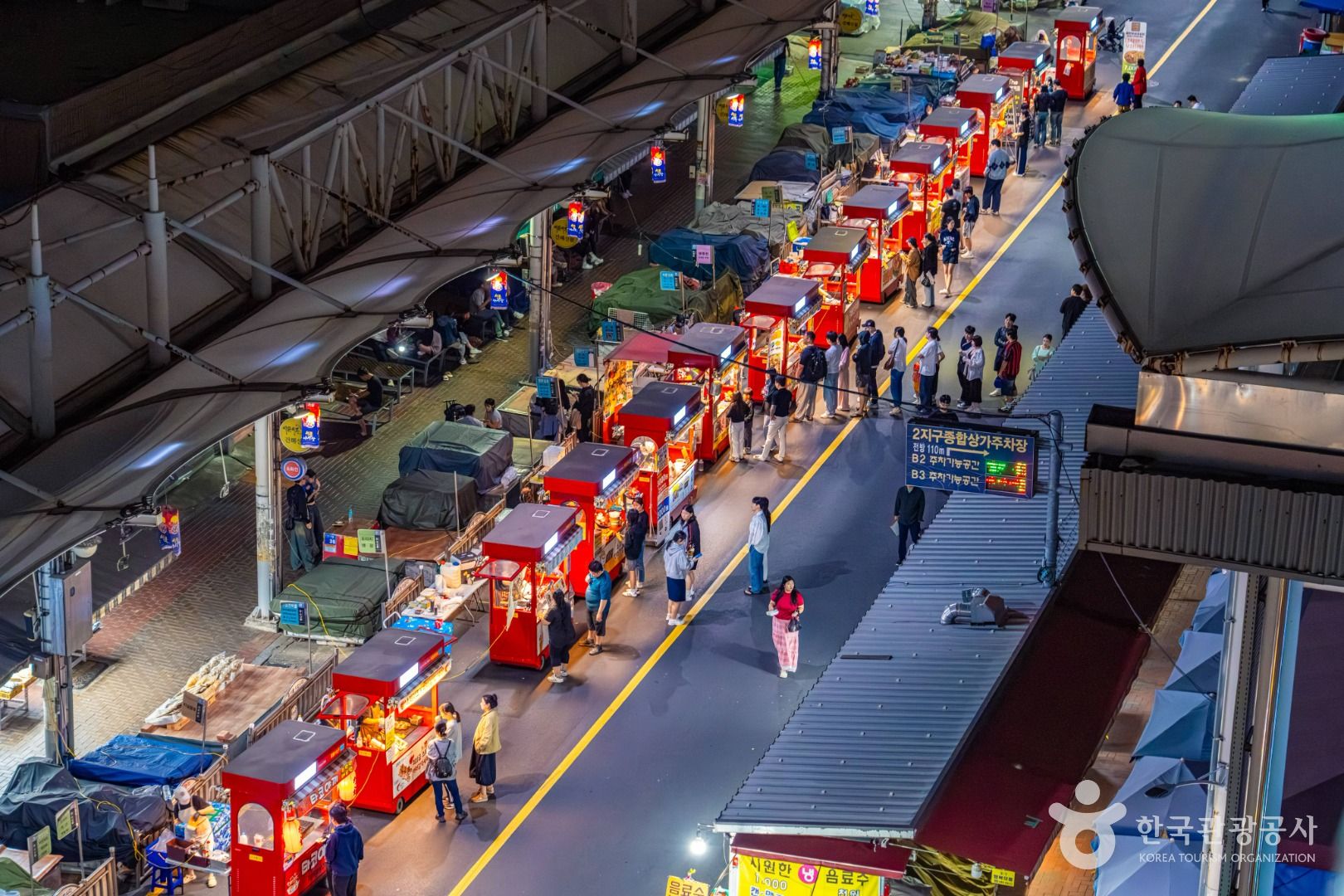
Daegu has plenty to offer after dark, with some of Korea’s most memorable night views. Take in sweeping city panoramas from a hilltop observatory, then head down to local markets that enlivens at night. It’s a great way to experience a different side of Daegu once the sun goes down.
■ Recommended Attractions
- [Apsan Observatory] Located near the city center, Apsan Observatory offers one of the best panoramic night views of Daegu. A cable car takes you up to the summit with ease, making it an easy and enjoyable stop for travelers of all ages.
- [E-World] Home to Daegu’s landmark 83 Tower and a lively theme park, E-World is a fun-filled cultural complex with plenty to enjoy after dark. Come for the dazzling lights, fireworks, and thrilling rides all in one place.
- [Seomun Night Market] This lively night market is packed with street food, from creative fusion bites to local favorites. Busking performances add to the energy, making it a great place to experience Daegu at night.

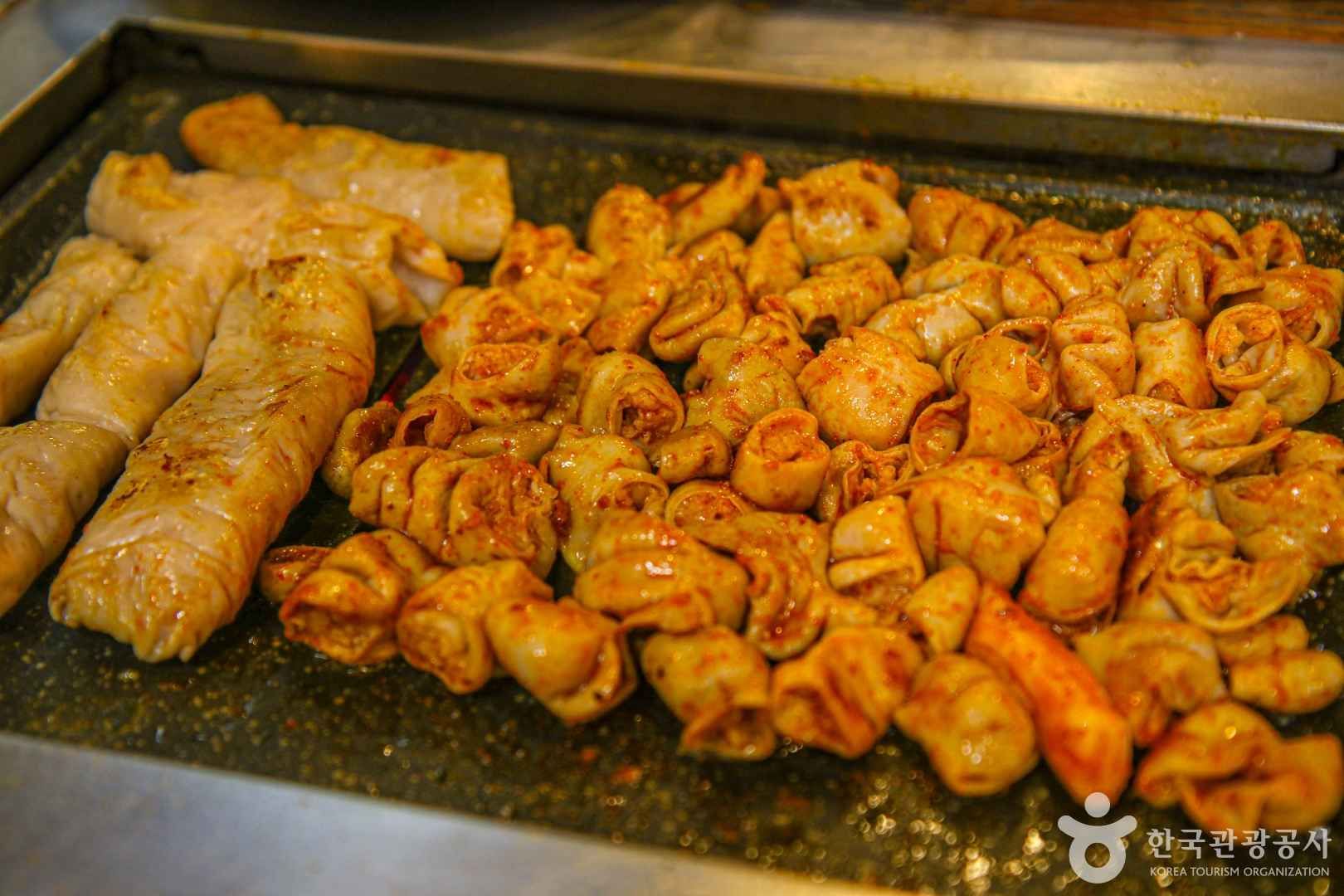
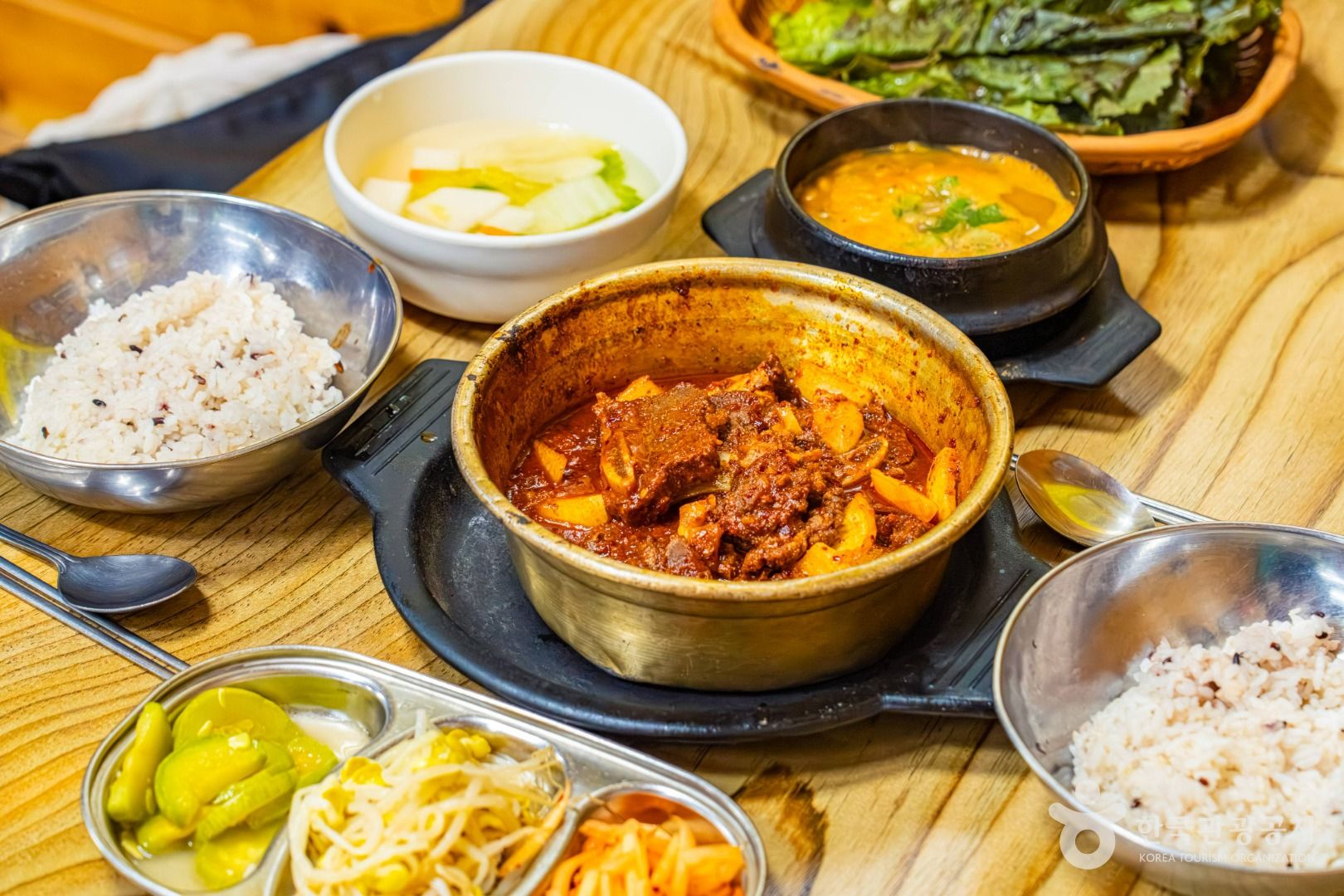
Daegu has earned its reputation as a city for food lovers, with time-honored food alleys found throughout downtown. Try a warm bowl of kaljebi (noodles and hand-pulled dough soup) in a bustling market lane, dig into rich, savory grilled makchang (pork intestines)—Daegu’s favorite comfort food—or go for spicy jjimgalbi (braised beef short ribs) when you need a fiery kick. This is where Daegu’s local flavors truly come alive.
■ Recommended Attractions
- [Seomun Market] Once considered one of the three largest markets of the Joseon period, this historic traditional market is still thriving today with more than 5,000 shops. Local favorites include kaljebi, a hearty bowl of noodles and hand-pulled dough, and napjangmandu, thin flat dumplings filled with glass noodles and vegetables.
- [Anjirang Gopchang Alley] One of Daegu’s signature food streets, it stretches for about 500 meters and is packed with restaurants serving grilled beef and pork offal. Prices are relatively affordable, and with options like gopchang (grilled pork small intestines), makchang (grilled pork intestines), and grilled pork heart, it’s easy to order to your taste and eat your fill.
- [Dongin-dong Braised Galbi Street] This is the go-to spot for Daegu-style braised galbi (beef short ribs), known for its bold mix of red chili powder and plenty of minced garlic. The sauce is spicy, rich, and deeply savory—and once the meat is gone, mixing rice into what’s left makes the perfect finish.
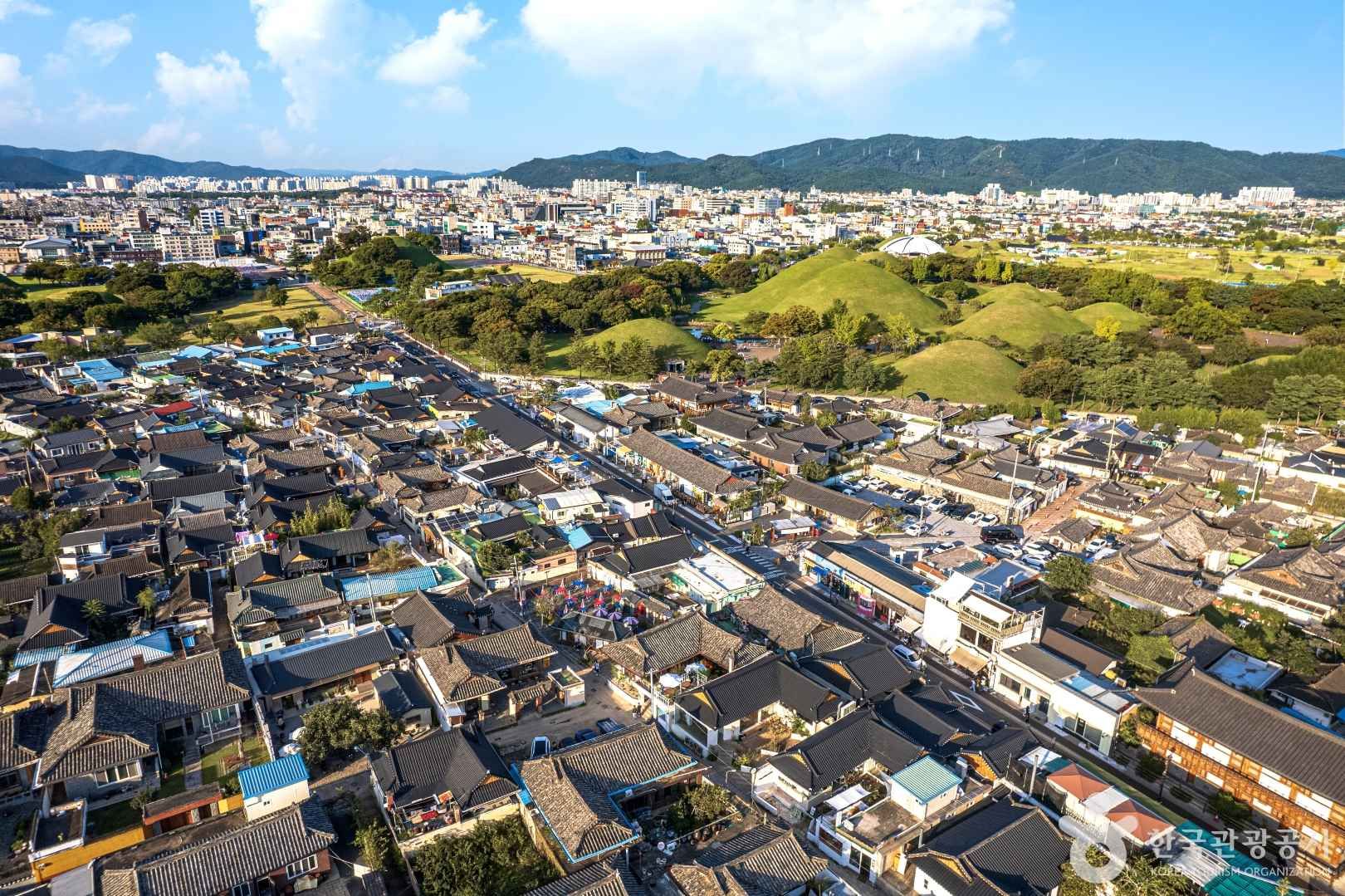
Gyeongju is so rich in cultural heritage that the entire city is often described as an open-air museum. Spend the day tracing the legacy of the thousand-year Silla Kingdom, then stay after dark to see the ancient capital glow under the lights. From Dongdaegu Station, Gyeongju Station is about 20 minutes away by KTX or SRT.
■ Recommended Attractions
- [Seokguram Grotto and Bulguksa Temple] A UNESCO World Heritage site and one of the finest expressions of Silla Buddhist culture, these are essential stops in Gyeongju. Seokguram Grotto is admired for its refined stone architecture, while Bulguksa Temple is considered a masterpiece of Korean Buddhist art.
- [Hwangnidan Street] A lively street filled with stylish cafés and restaurants set in renovated hanok, plus charming little shops selling accessories and local finds. It brings together Gyeongju’s historic atmosphere and Gen Z’s trendy lifestyle, creating a distinctly local vibe.
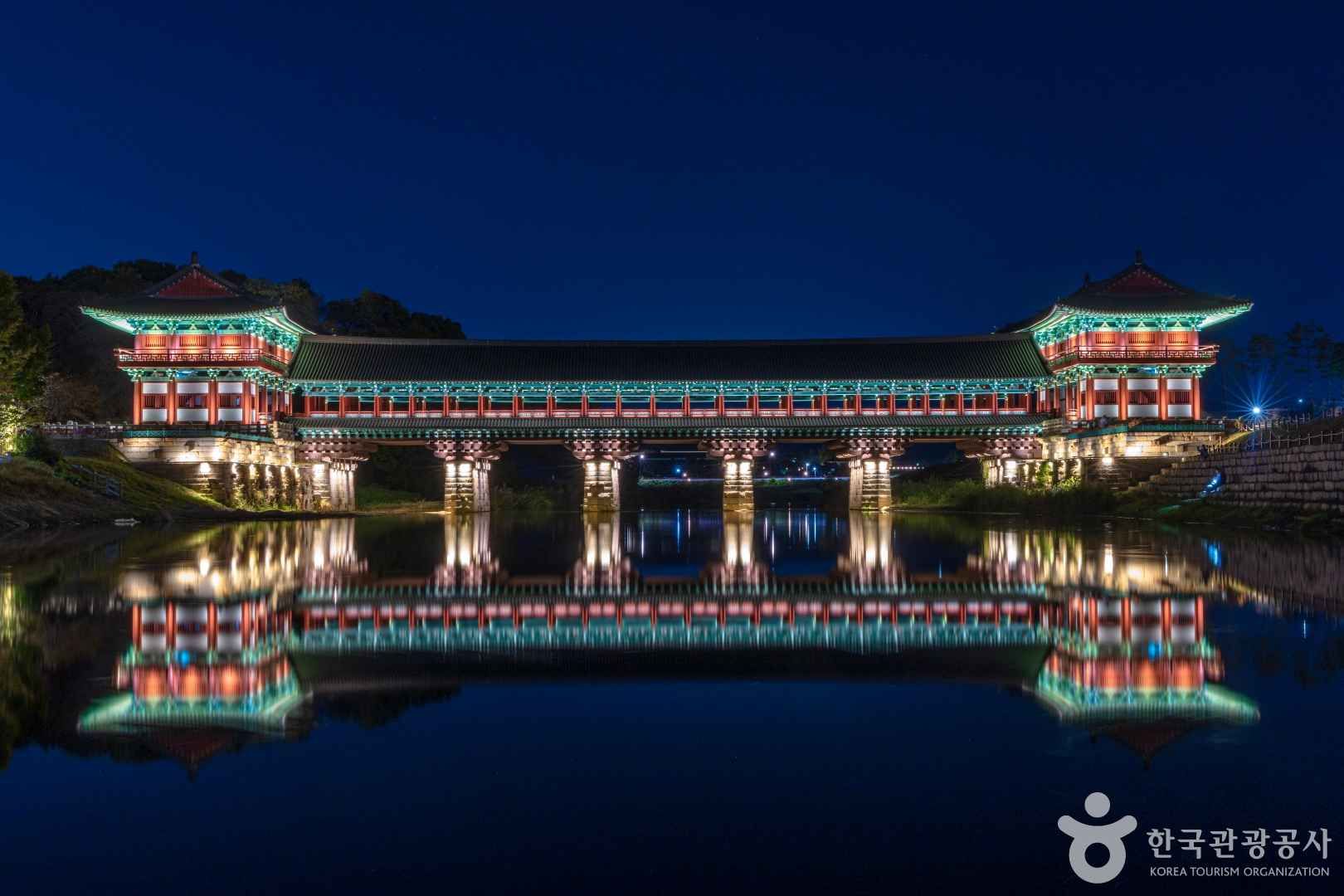
- [Woljeonggyo Bridge] A restored bridge from the Unified Silla period (7th-10th century), this is one of Gyeongju’s best-known night-view spots. Located near the Gyeongju Historic Area, the bridge lights up after sunset, making it a beautiful place for an evening walk across its traditional wooden structure.
🎁 Exclusive Benefits for VISITKOREA Members
- - Special deals on rooms, breakfast, and leisure activities at SONO HOTELS & RESORTS nationwide
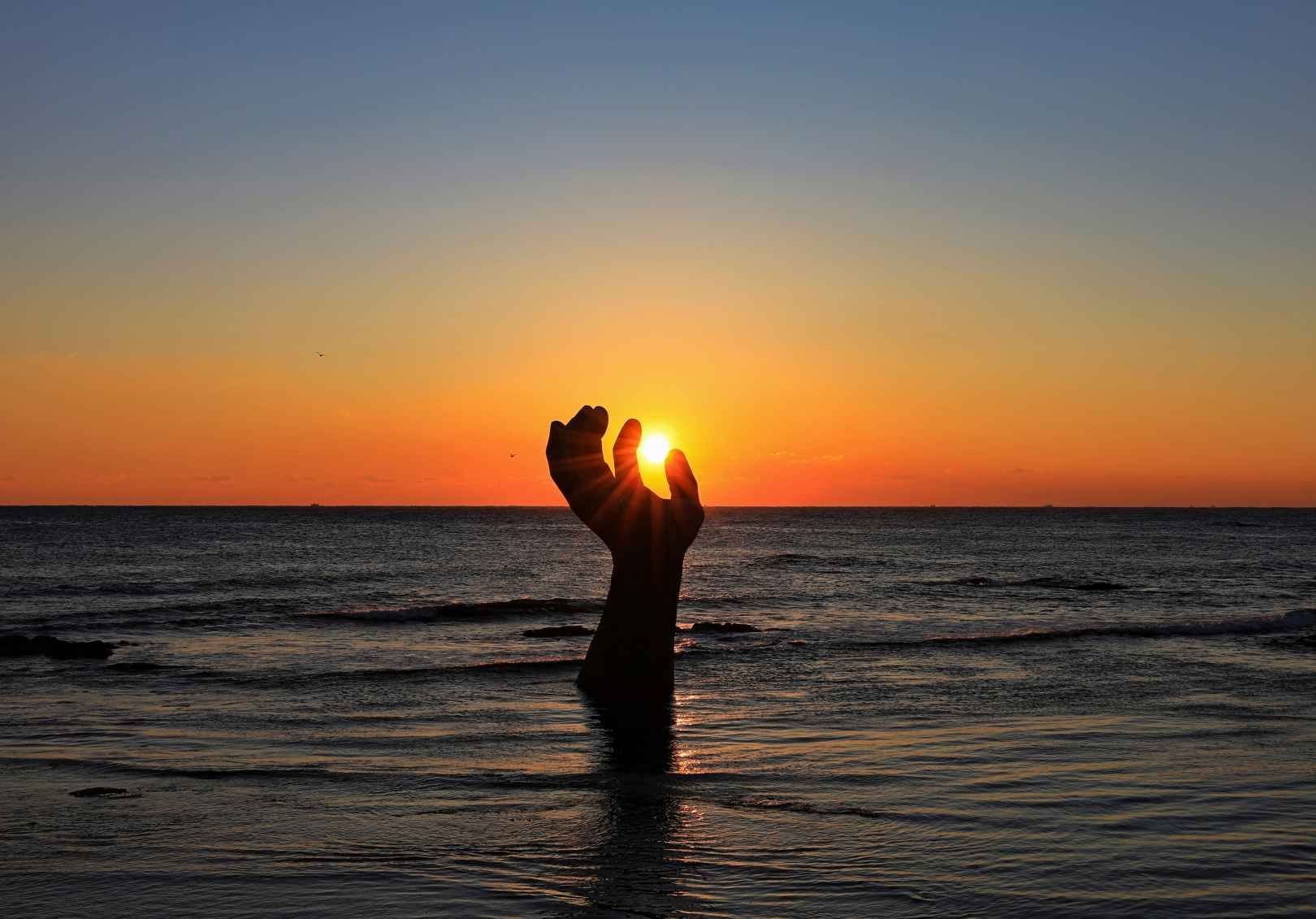
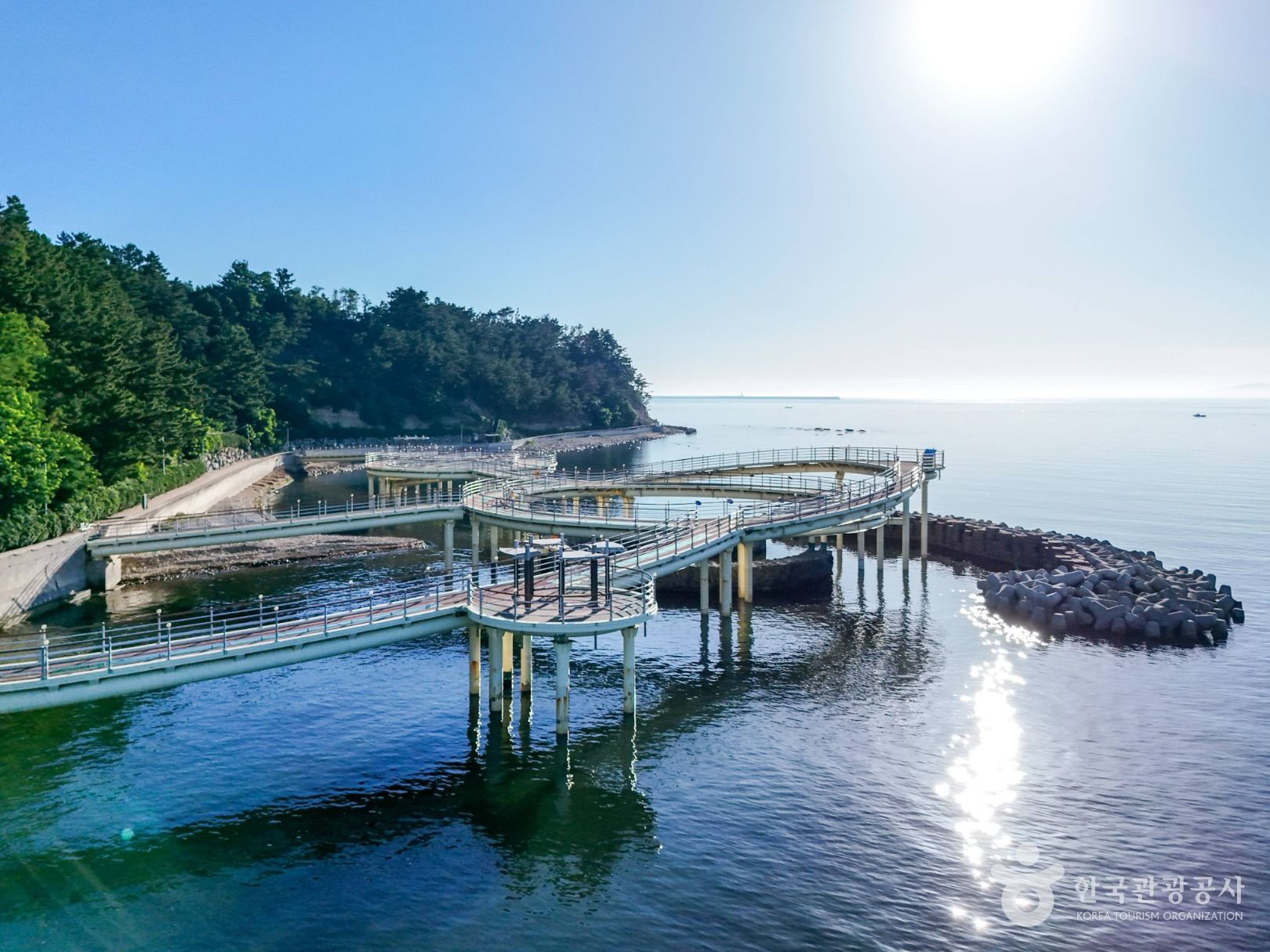
Set along the open waters of the East Sea, Pohang is a popular destination for sunrise trips. It’s easy to plan a day around ocean-view attractions that make you feel as if you’re walking over the sea, then stop by a traditional market for fresh local seafood. From Dongdaegu Station, Pohang Station is about 35 minutes away by KTX or SRT.
■ Recommended Attractions
- [Homigot] One of Korea’s most iconic sunrise spots, it takes its name from its location at the “tail of the tiger,” referring to the Korean Peninsula’s tiger-like shape. Watching the sun rise over the horizon here is a powerful way to start a new day.
- [Pohang Maritime Skywalk] A seaside walkway with a transparent glass floor overlooking the blue East Sea below. It feels almost like walking on water, and the wide-open coastline makes it a favorite photo spot.
- [Jukdo Market] A must-visit food destination in Pohang, this market is packed with local specialties, from freshly sliced raw fish and snow crab to Guryongpo gwamegi (half-dried saury). Seafood restaurants line the alleys, while lively vendors give the market its classic, bustling charm.
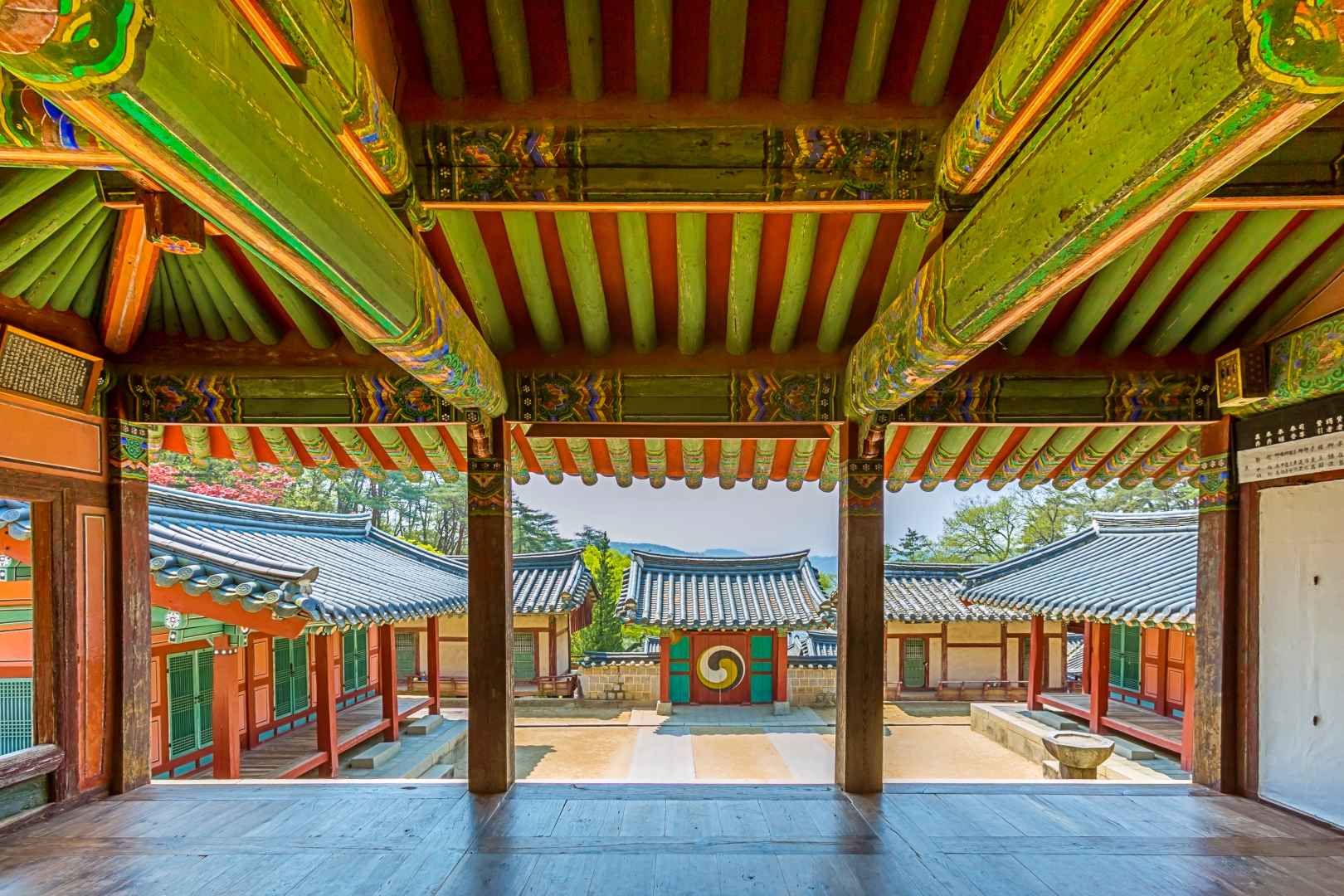
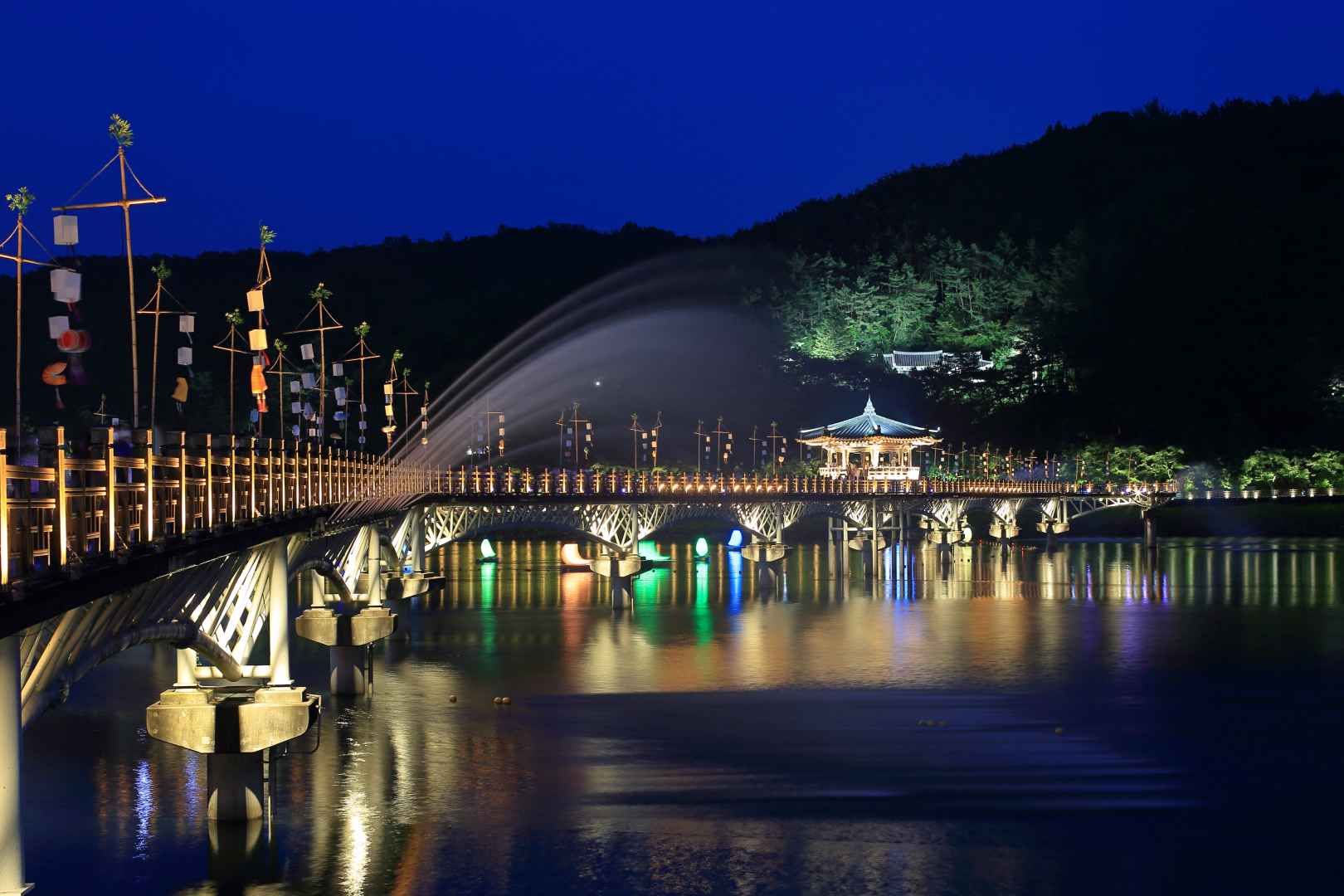
Andong is known for its traditional hanok villages and the Confucian heritage of Korea’s yangban scholar class, offering a glimpse into everyday life during the Joseon period (14th-20th century). In these historic villages, visitors can experience Korean etiquette, values, and the philosophy of classical scholars in a more meaningful way. From Dongdaegu Station (Dongdaegu Bus Terminal/Dongdaegu Complex Transfer Center), Andong Bus Terminal is about 90 minutes away by intercity bus.
■ Recommended Attractions
- [Andong Hahoe Village] A living traditional village where residents still live in hanok and thatched-roof homes, keeping generations-old traditions alive. Watch a Korean mask dance performance, recognized as UNESCO Intangible Cultural Heritage, and even stay overnight in a historic house for a journey back to the Joseon period.
- [Dosanseowon Confucian Academy] A place deeply connected to Toegye Yi Hwang, the scholar featured on Korea’s 1,000-won banknote. One of the leading Confucian thinkers of the Joseon period, Yi devoted his life to learning and teaching. At the village school where he taught and the academy where scholars gathered, visitors can still sense the quiet dignity of Korea’s seonbi tradition.
- [Woryeonggyo Bridge] A wooden bridge stretching across Andongho Lake, this spot is known for a touching local legend about a wife who made shoes from her own hair while mourning her late husband. At sunset, the bridge lights and fountain reflect on the water, creating a beautifully romantic view.
🎁 Exclusive Benefits for VISITKOREA Members
- Q. Can I exchange money or buy a SIM card at Daegu International Airport?
- A. Yes. You’ll find bank services and mobile carrier roaming centers inside the airport, so you can exchange money or pick up a SIM card right after arrival.
- Q. How can I get from Daegu International Airport to downtown Daegu?
- A. Take a city bus such as Bus No. 101 or 401, or a taxi from the airport. Downtown Daegu, including the Daegu Station area, is about 30 minutes away.
- Q. Can I go directly from Daegu International Airport to nearby cities?
- A. Yes. Intercity bus ticket kiosks are available inside the airport, where you can buy tickets to cities such as Gumi, Sangju, and Geochang. For Gyeongju, Andong, Pohang, and other major nearby destinations, head first to Dongdaegu Station (Dongdaegu Bus Terminal/Dongdaegu Complex Transfer Center). It is about 15 minutes from the airport by city bus such as Bus No. 101 or 401, or by taxi.
- Q. Where can I check flight schedules for Daegu International Airport?
- A. The latest flight schedules are available on the official Daegu International Airport website operated by Korea Airports Corporation.
- Original article by Lee Su-Lynn / Translated by KTO
- Photos by Korea Tourism Organization, Korea Airports Corporation, and ClipartKorea