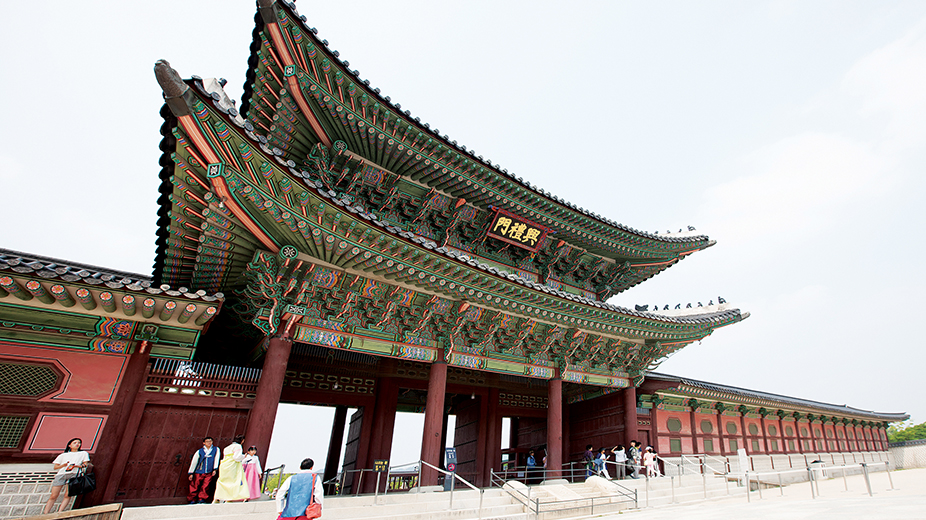
Whether they are an international guest visiting Korea or a local tourist from out of town, palaces are the first place people head to when visiting Seoul. Seoul was the capital of the Joseon Dynasty, which lasted for 600 years, so you can see the palaces of kings that have stood throughout the ages. Standing tall in the middle of the modern, dynamic Gwanghwamun area full of skyscrapers, Gyeongbokgung Palace is a striking contrast. It is one of the five Joseon-era royal palaces standing within the four gates of Seoul. Other palaces include the Deoksugung Palace, the UNESCO World Heritage Site of Changdeokgung Palace, Changgyeonggung Palace, and Gyeonghuigung Palace. On a nice day, it's not uncommon to see tourists dressed up in hanbok (traditional Korean clothes) and taking pictures at the palace.
But all this is not to say that Seoul only has historic sites. Seoul’s most notable strength as a tourist site is that it allows you to enjoy nature, such as mountains and rivers. Many major cities worldwide are formed around rivers, such as London’s Thames or Paris’ Seine, but not many are as big as Hangang River. Indeed, the Thames is about 265m in width, while the Hangang River’s width is 1km. The river is also home to parks and waterside facilities like Yeouido, Banpo, Ttukseom Island, and Nanji Hangang Park, which allow you to get the most out of Hangang River’s charms.
Want to see a more modern landmark? Head to Dongdaemun Design Plaza (DDP). Designed by Iraqi-born architect Zaha Hadid, it looks like something out of the world of the future, with no straight lines or walls between the exterior and interior. The DDP comprises a museum, a lounge, and shops for souvenirs. All these show that Seoul is a dynamic and colorful place where traditional and modern, natural and artificial landmarks meet in one place.
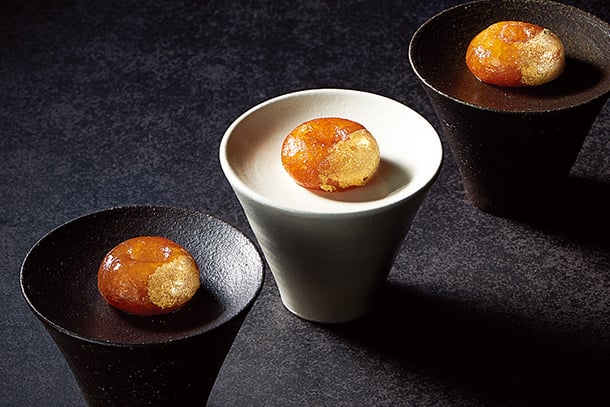
Among younger generations of Koreans, traditional snacks have seen a boom. New desserts that feature reinterpretations of traditional desserts have gained increasing popularity, driven by the retro craze and health-conscious consumption trends. Such desserts include the likes of yanggaeng (sweet red bean jelly), yakgwa (honey cookie), and tteok (rice cake).
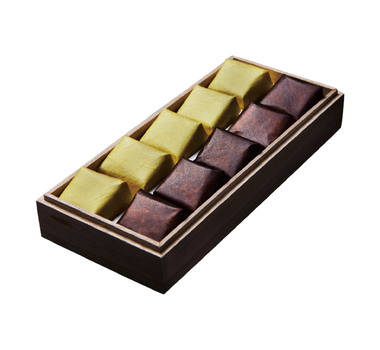 | HAAP For a true retro dessert experience, we recommend HAAP (合). Pâtissier Shin Yong-il, who leads HAAP, combines techniques he learned in a French baking school with traditional Korean desserts. HAAP’s desserts all come bite-sized, so you can enjoy them without fuss. Yakgwa here has two variants, one with citrus malt syrup and the other with sweet-and-savory soy sauce. Juak (fried rice cake) is flavored with ginger malt syrup, which imparts a delightful sting to the sweetness of the malt syrup. HAAP also offers a wide variety of other traditional desserts, like hodu jeonggwa (candied walnuts), jeungpyeon (raised rice cake), injeolmi (bean-powder-coated rice cake), and sirutteok (steamed rice cake). Luxurious packaging makes them ideal as gifts.
|
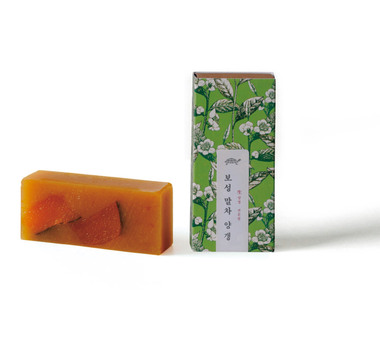 | GEUMOKDANG Geumokdang is a store specializing in handmade yanggaeng (sweet red bean jelly). These handmade yanggaeng are wrapped in luxurious packaging and elegant boxes. Yanggaeng here goes far beyond red bean paste, as there are more than 10 varieties of yanggaeng, from chestnut to milk tea and pistachio. These jellies tend to be tender and mildly sweet, thanks to reduced sugar content.
|
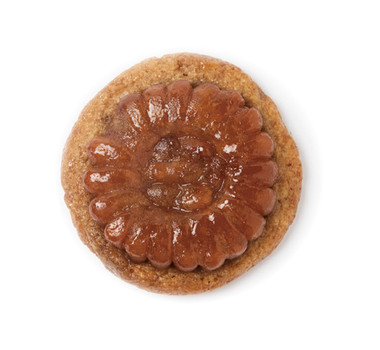 | TONGTONGE Yakgwa, or honey cookies, usually served on tables for ancestral rituals, is the leading force behind the current retro dessert craze. Some famous yakgwa stores command massive lines, so one must line up early or risk them going out of stock. TONGTONGE’s yakgwa was one of the earliest yakgwa to earn the love of the general public, so much so that convenience stores even carry their yakgwa. TONGTONGE’s yakgwa is an interesting combination of tradition and modernity, being a large cookie topped with yakgwa. These yakgwa have a gentle sweetness and are tender in texture.
|
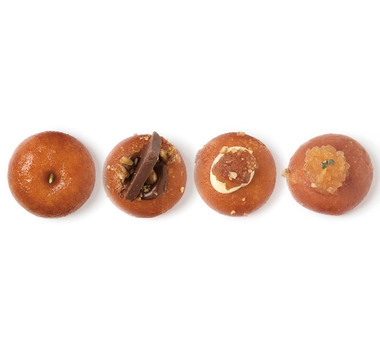 | YEON LI HUI JAE Juak refers to rice cakes made with sweet rice and wheat flour, kneaded with makgeolli (unrefined rice wine), shaped into round discs, and deep-fried in oil. It is traditionally associated with the city of Gaeseong in North Korea, so it is often called “Gaeseong Juak.” In fact, yakgwa and juak share their historical origins in Gaeseong, the capital of the Goryeo period. Yeon Li Hui Jae’s juak is topped with new and quirky toppings like chocolate, cream cheese, and fruit. Take a bite, taking care to prevent the oil and malt syrup from dripping, and enjoy the moist texture.
|