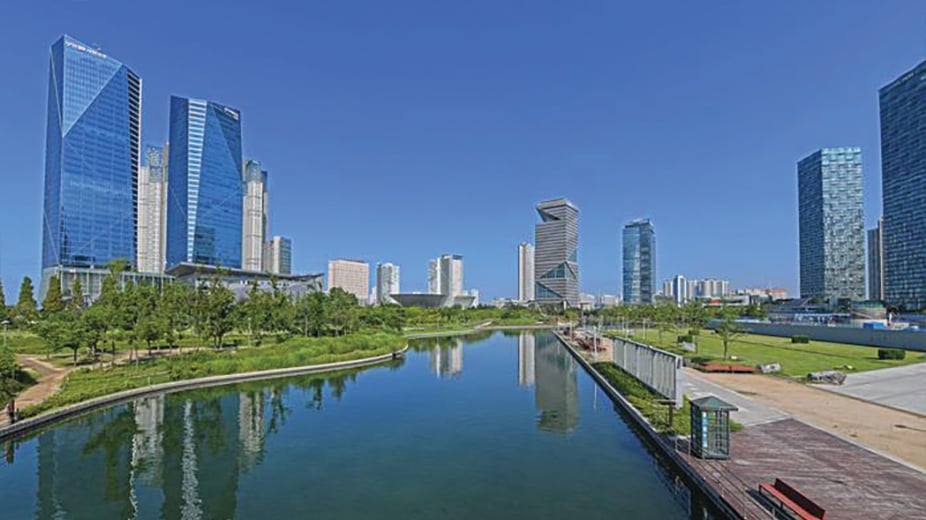
Incheon is the gateway to Korea, home to Incheon International Airport and the Incheon Port. It takes about an hour to reach the city from Seoul via subway or bus, so it makes for a perfect day trip destination from Seoul. Incheon was an open port, the site where modernity first came to Korea. Because of that, it still retains its 100-year-old port facilities, the first modern buildings in Korea, the foreigners’ club, and other cultures associated with concessions. Incheon Jung-gu’s Open Port area, in particular, functions as an open-air cultural and historical museum detailing the history of the Incheon Port, which opened in 1883. From cultural heritage to modern buildings and cutesy cafés, the area is home to sceneries straight out of period films, so it is beloved by photographers.
Ganghwado Island, called an “open-air museum,” is chock full of historical sites, from dolmen structures dating back to the prehistoric period to Goryeo and Joseon-era structures. It is also a beloved date spot for its retro-style art museums and cafés. Gyodongdo Island, connected to Ganghwado Island, is another throwback to the 1960s and the 1970s, particularly in its markets and schools. Seongmodo Island, which can be visited on the way out from Gyodongdo Island, is a well-known spot for sunsetwatching. If you want to see a different side of Incheon, head to Songdo. Songdo is a city of the future, with skyscrapers blending in seamlessly with wide lakes and green spaces. Hotels often offer great views of Songdo at night, while architecturally interesting buildings punctuate the scenery with their presence.
If you’ve had enough of the city, head to the far-flung islands of Incheon. From Sinsimodo Island of Bukdo-myeon, with a sculpture garden on a beach reachable in 10 min from Yeongjongdo Island, to Palmido Island, site of the first lighthouse in Korea; Seonjaedo Island, home to Mokseom Island, CNN’s choice for the most beautiful island in Korea; and Baengnyeongdo Island, the northernmost island of Korea requiring 4 h of traveling with a high-speed craft, the 168 islands of Incheon offer beautiful respite from your daily life.
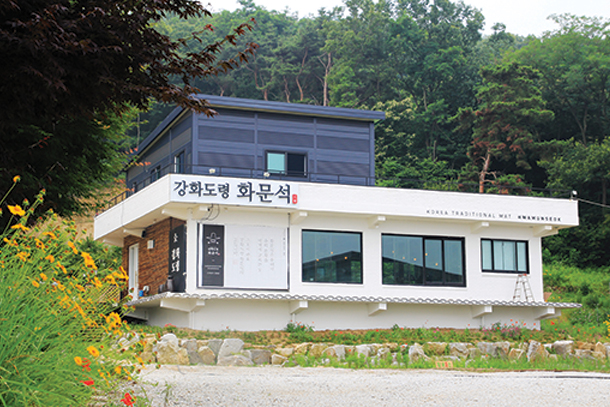
Hwamunseok means “flower-patterned mat,” which refers to a mat woven out of rush in flower patterns. The pores in the rush take in and breathe out moisture, so the mat helps maintain optimal humidity levels. Thanks to that quality, the Hwamunseok mat is cool in the summer and warm in the winter. Today, Ganghwado Hwamunseok is made not only into mats but also bags, hats, and baskets.
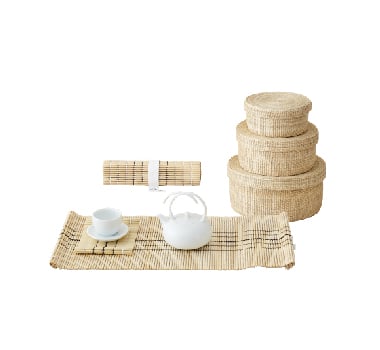 | RUSH CRAFT Rush, known in Korean as wanggol, is grown on Ganghwado Island. Ganghwa rush has a luscious and strong texture, flexibility, and structure, so handicraft made with Ganghwa rush is considered exceptional in quality. You can find items like bowls, coasters, tea mats, and cushions made with rush.
|
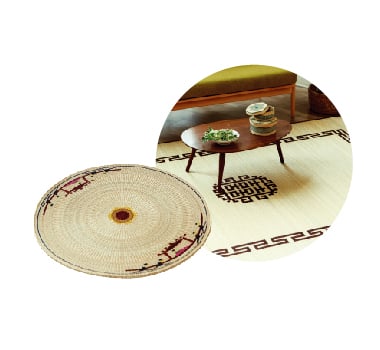 | HWAMUNSEOK MAT Hwamunseok mat refers to flower-patterned mats made by weaving dyed rush by hand and cutting them according to patterns. It was an essential item for Koreans and their sitting culture. Hwamunseok mat was used to mitigate the heat in summer, thrown over the maru (wooden-floored hall), and as an interior ornament. These mats come in a variety of sizes and designs, and you can even customize your own.
|