
- Log in
-
- Sydney Overseas Office
- London Overseas Office
- Toronto Overseas Office
- Los Angeles Overseas Office
- New York Overseas Office
- Ulaanbaatar Overseas Office
- Dubai Overseas Office
- New Delhi Overseas Office
- Manila Overseas Office
- Jakarta Overseas Office
- Hanoi Overseas Office
- Kuala Lumpur Overseas Office
- Singapore Overseas Office
- Bangkok Overseas Office
- Map
- Sydney Overseas Office
- London Overseas Office
- Toronto Overseas Office
- Los Angeles Overseas Office
- New York Overseas Office
- Ulaanbaatar Overseas Office
- Dubai Overseas Office
- New Delhi Overseas Office
- Manila Overseas Office
- Jakarta Overseas Office
- Hanoi Overseas Office
- Kuala Lumpur Overseas Office
- Singapore Overseas Office
- Bangkok Overseas Office
Wellness Story
-
-
-
Daeheungsa Temple
-
09/22/2025
-
661
0
0
-
-
-
-
A Peaceful Retreat with the Aroma of Tea: Daeheungsa Temple
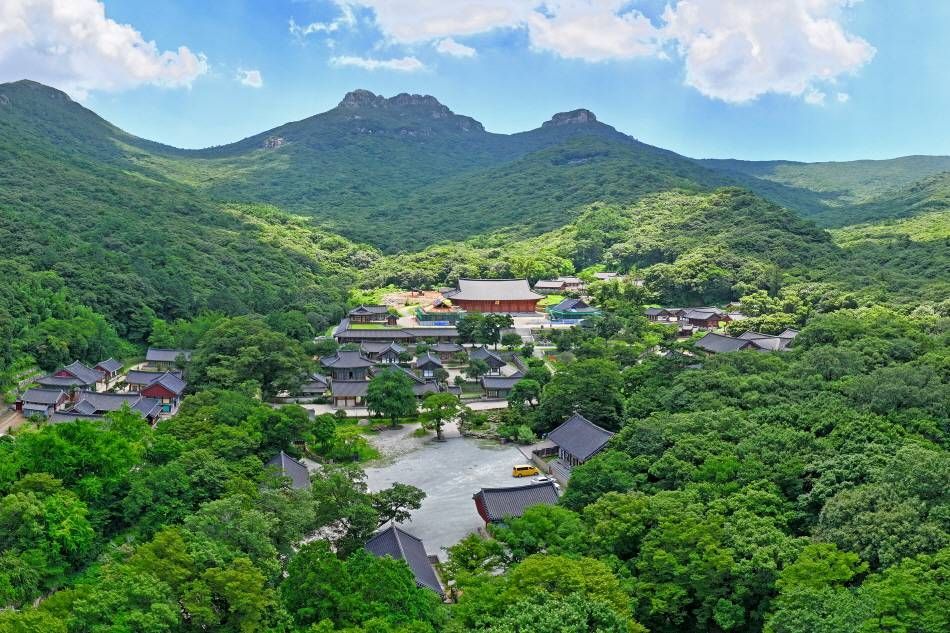
Daeheungsa Temple, a millennium-old temple nestled on the slopes of Duryunsan Mountain
Daeheungsa is a millennium-old temple nestled along the ridges of Duryunsan Mountain in Haenam, whose contours resemble a “Reclining Buddha.” It is where Seon Master Choui, one of Korea’s most renowned tea masters, carried on the tradition and spirit of Korean tea. It is also the sacred site that the Joseon monk Seosan Daesa described as “a place untouched by the three calamities, including war, and a land that will remain unspoiled for ten thousand years.” All of which makes it an ideal place to center yourself before a new beginning, surrounded by fragrant tea and tranquil grounds.
Wellness Program
- Daeheungsa Temple’s “Didigo” Templestay offers two 1-night, 2-day programs: a self-guided program and a weekend experience program. The self-guided program is designed for relaxation, allowing participants to spend their time freely except during communal meals. The weekend experience program includes activities such as Chadam (tea talk), lotus-lantern making, rosary making, 108 prostrations, and walking meditation. A special 2-night, 3-day experience program, offered only during holidays, vacation seasons, and year-end, features unique events like communal temple work and a cable car sunrise viewing (on December 31). For groups of 15 or more, special activities such as Balwoo Gongyang (formal meal) can also be arranged with prior consultation.
Rest at a Millennium-Old Temple Where Tea and Seon (Zen) Meet
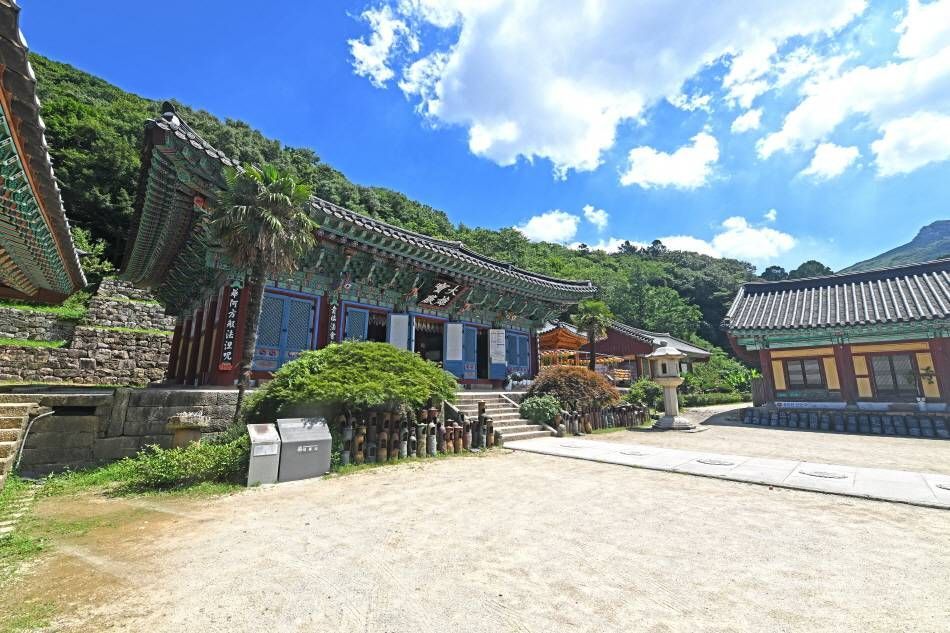
Daeungbojeon Hall of Daeheungsa Temple
The Templestay program at Daeheungsa Temple began in 2004. Since the Cultural Corps of Korean Buddhism launched Templestays in 2002 to promote Korean Buddhism, its culture, and the beauty of mountain temples, Daeheungsa has, in effect, grown alongside the Templestay movement. In 2018, Daeheungsa—along with six other temples—was inscribed on UNESCO’s World Heritage List as “Sansa, Buddhist Mountain Monasteries in Korea.” Since then, international visitors eager to learn about Korean temple culture have continued to come.
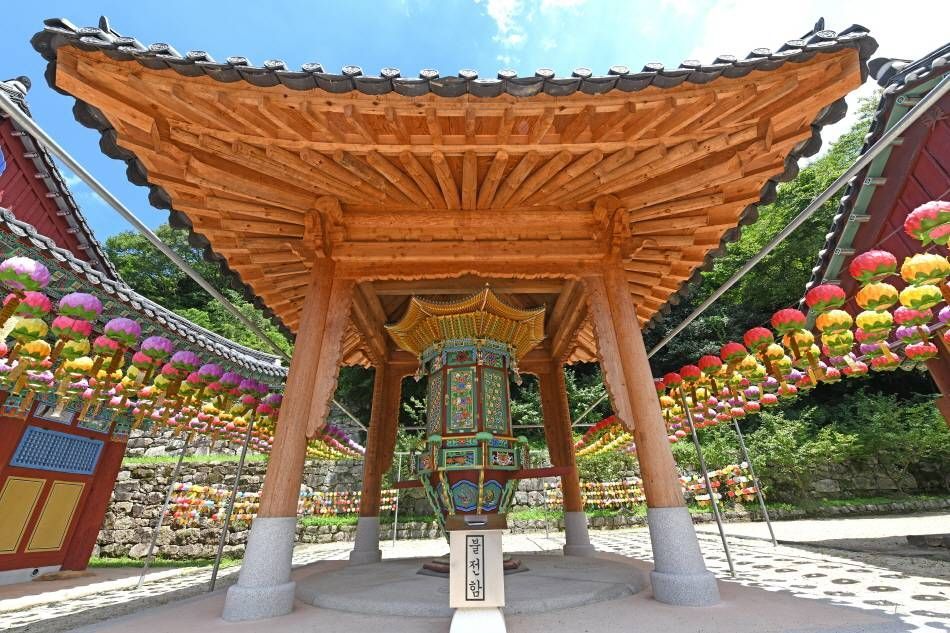
Yunjangdae (rotating sutra case)
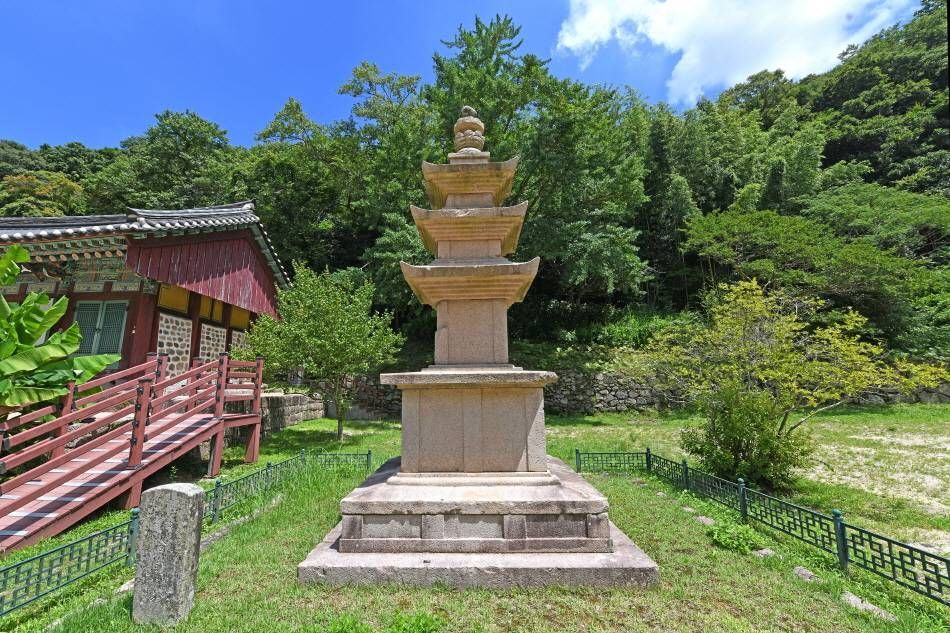
Three-story Stone Pagoda at Eungjinjeon Hall
“The freedom to do nothing” has been an unchanging principle of Daeheungsa’s Templestay for more than 20 years. While the program schedule offers many activities such as Puja (Buddhist service), 108 prostrations, rosary making, and Cham-Seon (Seon meditation), participation is entirely up to each individual. This freedom does not mean indulgence; because the space is shared, participants should be mindful to avoid words or actions that might disturb others.
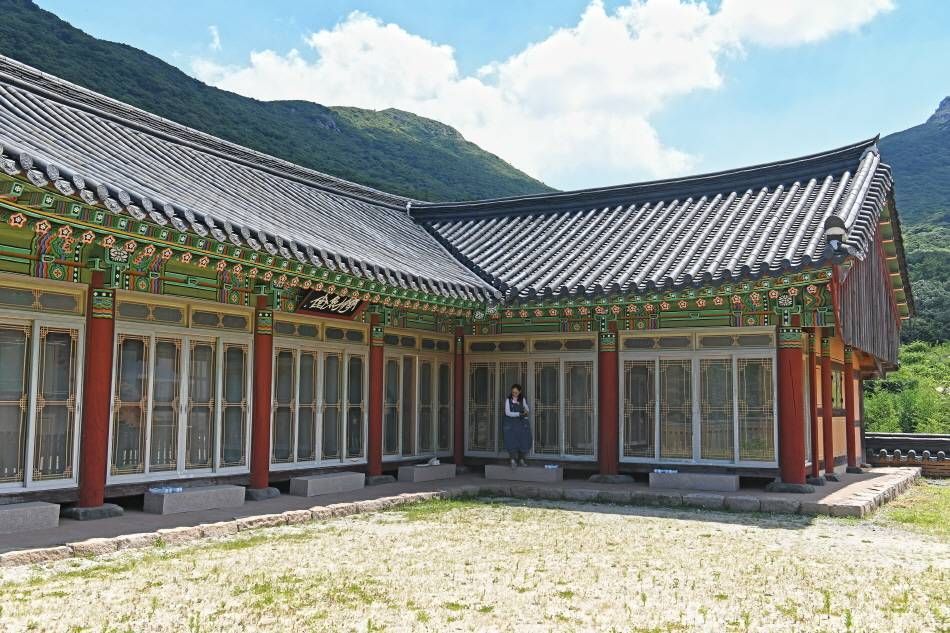
Simgeomdang Hall, which houses the Templestay lodgings and dining hall
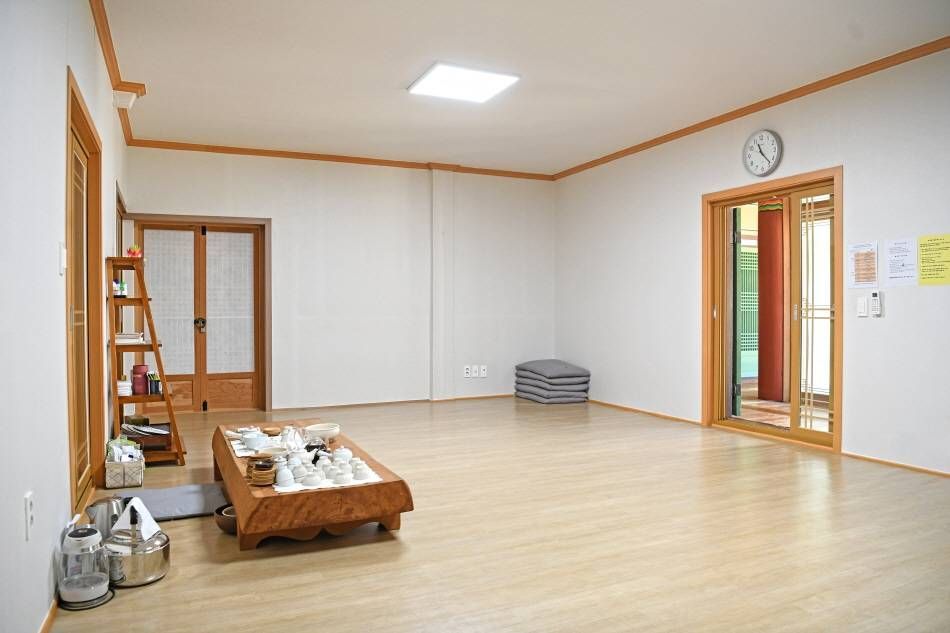
Inside Simgeomdang Hall
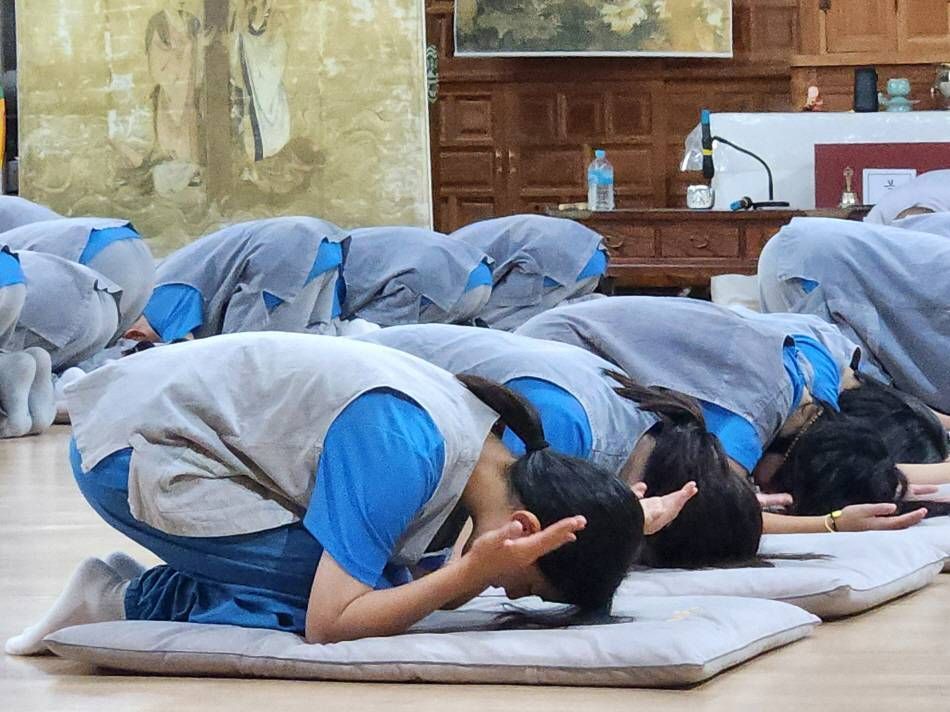
Scene from a Buddhist service (Credit: Daeheungsa Temple)
The Templestay at Daeheungsa Temple begins by changing into a temple uniform and learning how to perform Hapjang (putting the palms together) and the basic etiquette needed for temple life. Hapjang is a unique Buddhist gesture of respect, bringing body and mind together as one. Around the grounds, when greeting others, entering or leaving the Buddha Hall, or before and after bows, participants practice Hapjang Banbae (putting the palms together with a half-bow).
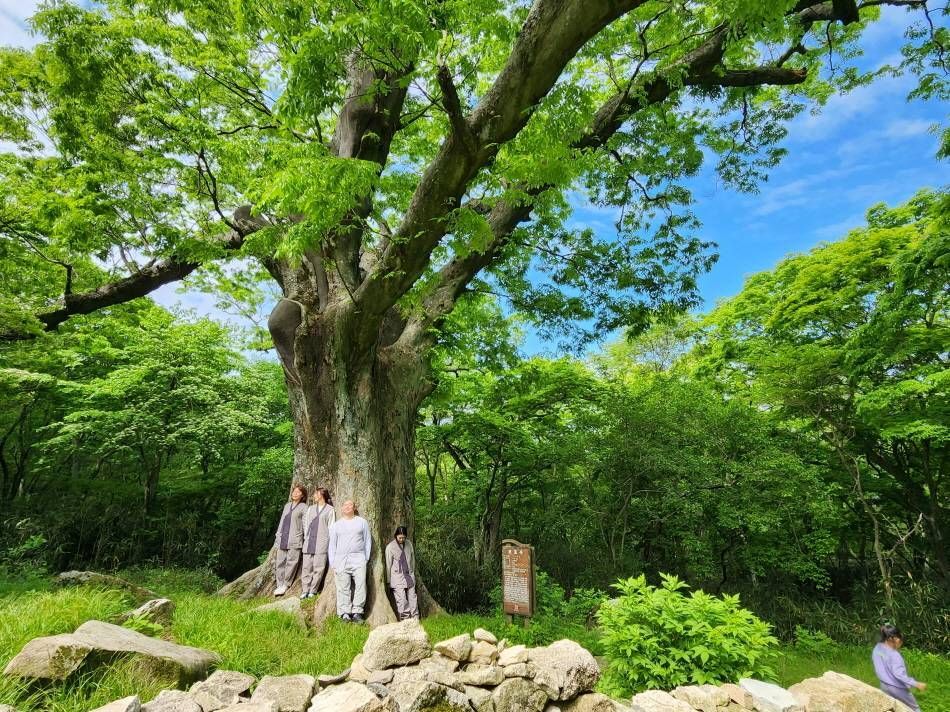
Daeheungsa Templestay in harmony with nature (Credit: Daeheungsa Temple)
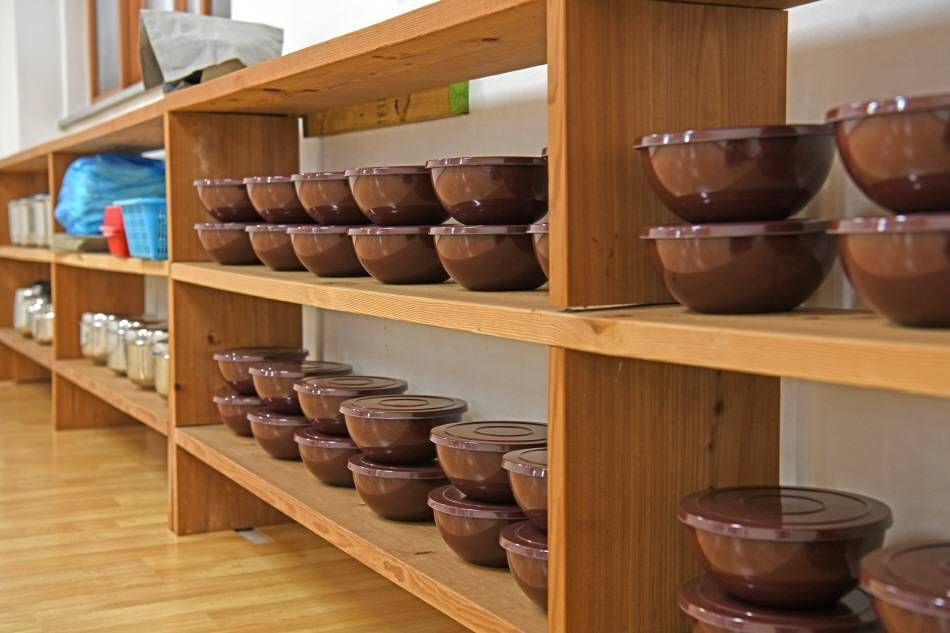
Bowls used for the formal meal
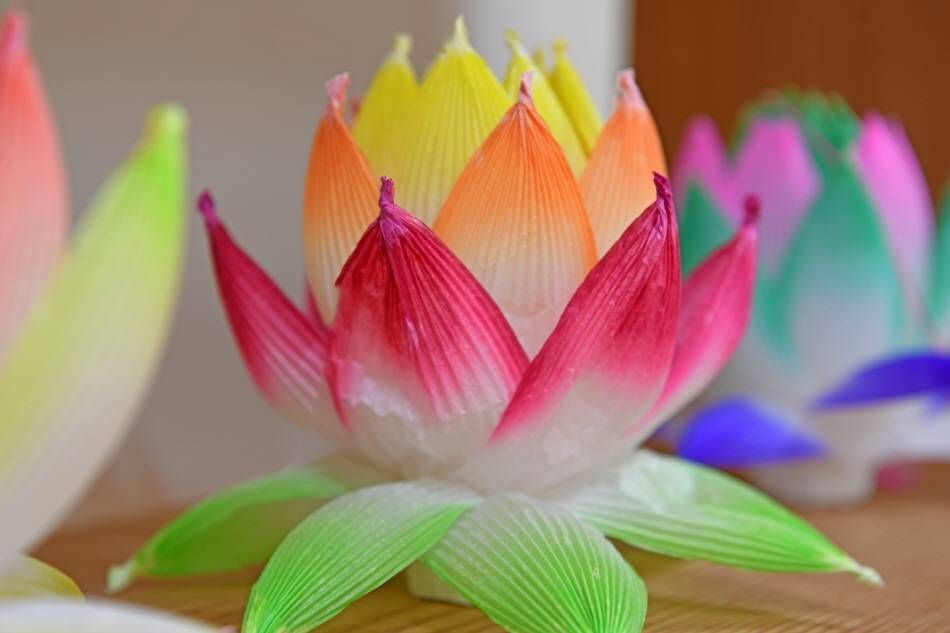
Lotus Lantern
In the 1-night, 2-day weekend Templestay program, participants can enjoy a special experience through the lotus-lantern making session. Carrying their handmade lanterns, they join a monk for a nighttime walk along forest paths within the temple grounds. From the entrance, the ridgeline of Duryunsan Mountain (resembling a “Reclining Buddha”) spreads out before you.
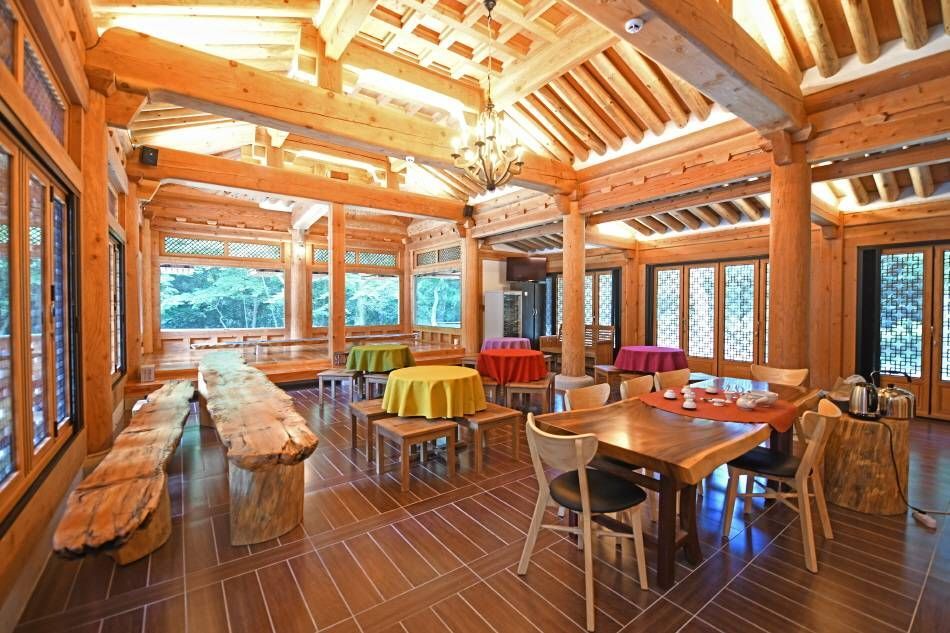
Inside the Tea Culture Experience Center
The highlight of the Daeheungsa Templestay is Chadam (tea talk). Befitting a historic home of tea where Seon Master Choui once lived, participants taste tea brewed from handpicked leaves. As you savor the tea and listen to a monk speak about “Dongdasong” (Seon Master Choui’s treatise on tea), a subtle yet profound resonance lingers on the palate.
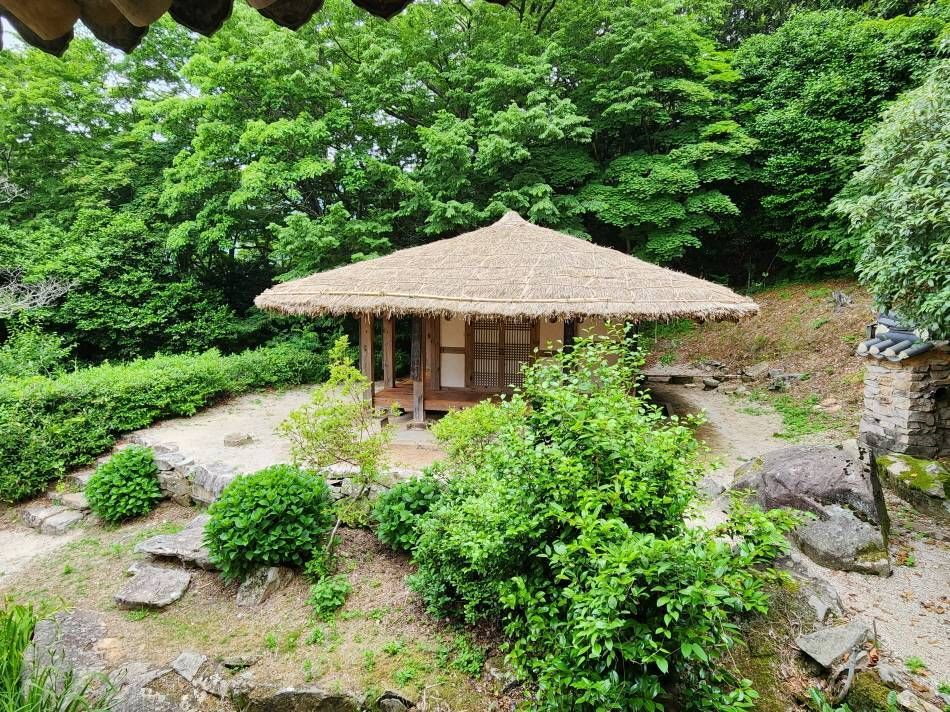
Iljiam Hermitage, where Seon Master Choui once resided (Credit: Daeheungsa Temple)
The Chadam (tea talk) usually takes place at the Tea Culture Experience Center, but it is sometimes paired with walking meditation to Iljiam Hermitage, where Seon Master Choui once resided, or to Bungmireugam Hermitage. It takes about 25 minutes on foot to reach Iljiam and about 50 minutes to reach Bungmireugam.
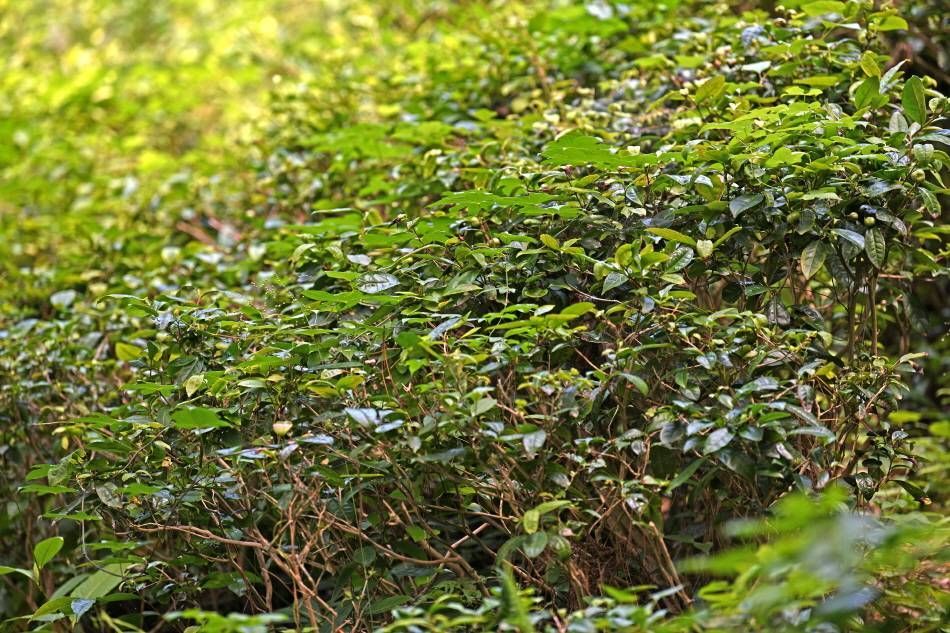
Wild tea fields of Daeheungsa Temple
From April to June, when new tea shoots sprout, you can pick, roast, and roll leaves in Daeheungsa’s wild tea fields to make your own tea. In two hours, 500 g of fresh leaves yields roughly 100 g of finished tea. It’s hard work, but the joy of creating a one-of-a-kind tea more than repays the effort. During roasting, when the leaves are pan-fired at over 300℃, take care to avoid burns.
[Daeheungsa Temple]
- Address: 400, Daeheungsa-gil, Samsan-myeon, Haenam-gun, Jeollanam-do (전라남도 해남군 삼산면 대흥사길 400)
- Operating hours: Open year-round / Check-in and check-out times vary by Templestay program
- Contact: +82-61-535-5775
- Website: http://www.daeheungsa.or.kr/coding/sub1/sub1.asp
Nearby Attractions
1. Woosooyoung Tourist Attractions
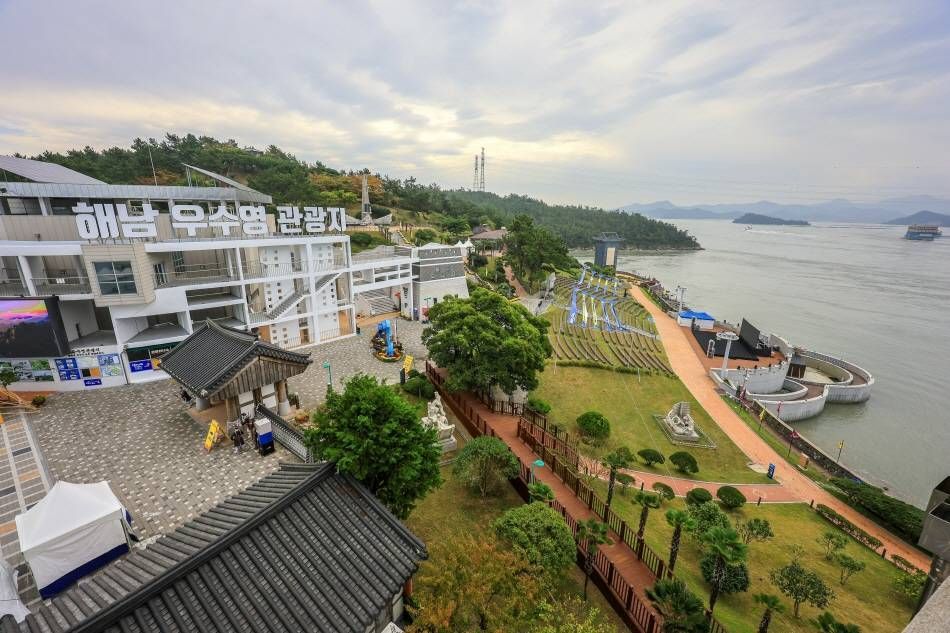
Woosooyoung Tourist Attractions (Credit: VISITKOREA)
The Woosooyoung Tourist Attractions area was established to commemorate the Battle of Myeongnyang in 1597, where Admiral Yi Sun-sin led the Joseon navy to a decisive victory over the Japanese fleet. At the Battle of Myeongnyang Memorial and the skywalk, visitors can learn how Admiral Yi shattered a fleet of 133 enemy warships with just 13 panokseon (multi-decked warships) and look out over Uldolmok, the narrow strait that was the actual battleground.
[Woosooyoung Tourist Attractions]
- Address: 1021, Hakdong-ri, Munnae-myeon, Haenam-gun, Jeollanam-do (전라남도 해남군 문내면 학동리 1021)
- Operating hours: 09:00–17:30
- Contact: +82-61-530-5541
2. Duryunsan Cable Car
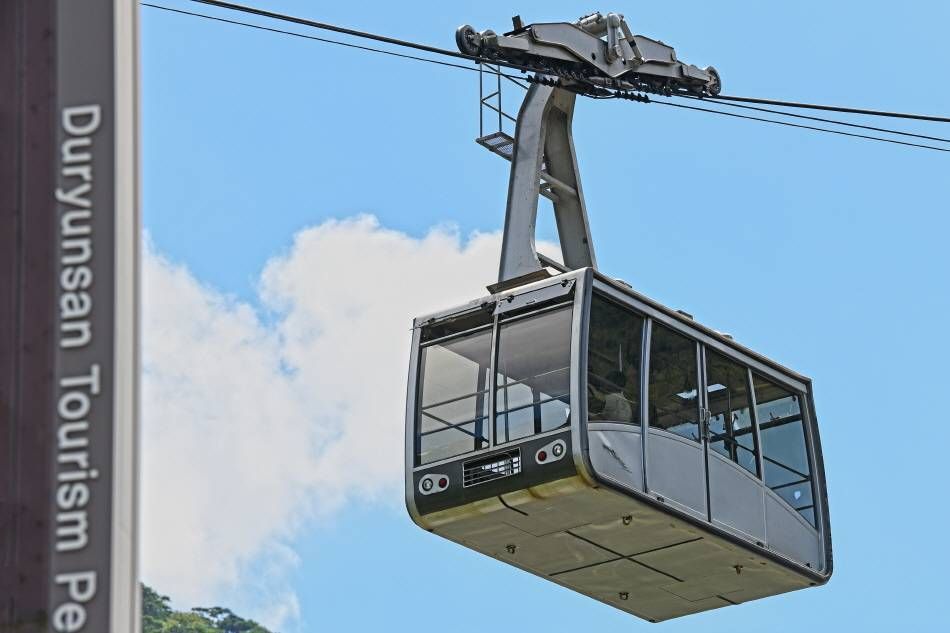
Duryunsan Cable Car
The Duryunsan Cable Car runs about 1.6 km, from an elevation of 570 m up to near Gogyebong Peak on Duryunsan Mountain. The one-way ride takes about 7–8 minutes, and from the upper station, it’s roughly 260 m of stairs up to the observatory. The view over the Dadohae from the Gogyebong observatory is spectacular; on a clear day, you can see all the way to Hallasan Mountain on Jeju Island.
- Address: 88-45, Daeheungsa-gil, Samsan-myeon, Haenam-gun, Jeollanam-do (전라남도 해남군 삼산면 대흥사길 88-45)
- Operating hours: 09:00–18:00 (Summer), 09:00–17:00 (Winter)
- Contact: +82-61-534-8992
- Website: http://www.haenamcablecar.com/
- * 1330 Korea Travel Helpline: +82-2-1330
- * 1330 Text Chat: https://m.site.naver.com/1rEid
- (Korean, English, Japanese, Chinese, Russian, Vietnamese, Thai, and Indonesian)
* This column was last updated in July 2025, and therefore information may differ from what is presented here. We advise you to check for updates before visiting.
-

1330 Helpline Call/Chat

Start a FREE Online Call(No charges for calls on Wi-Fi /
Data charges may apply)

Open 1330 Helpline Chat(Download not required)



 Medical Wellness