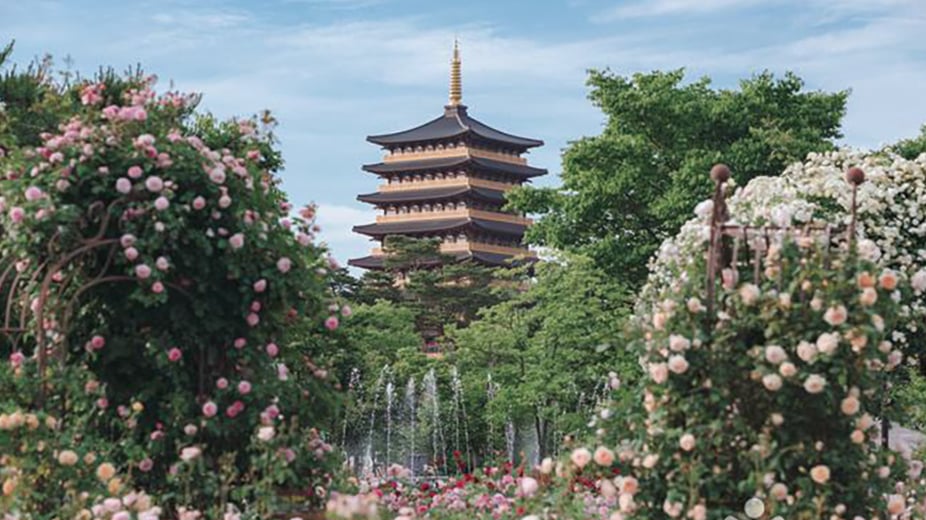
Gyeongsangbuk-do Province is full of beautiful nature, deep history, and diverse cultures. Each region has its own charms, such as clean environments, beautiful mountains, endless plains, and the blue sea. The Taebaeksanmaek and Sobaeksanmaek Mountain Ranges pass through Gyeongsangbuk-do, so you can enjoy trekking and hiking in the company of beautiful mountains like Geumgangsan Mountain and the Baekdudaegan Mountain Range. Ulleungdo and Dokdo Islands, two places famous for beautiful mountains, allow you to experience marine ecology and the beauty of the sea.
Gyeongsangbuk-do is full of historic sites and stories. Gyeongju is well-known for its UNESCO World Heritage sites, Bulguksa Temple, Seokguram Grotto, and Cheomseongdae Observatory, which draw many visitors to the city to experience the sophisticated culture of the ancient kingdom of Silla. Daereungwon Ancient Tombs, an ancient tomb complex dating back to the Silla period, is located next to Gyeongju’s hottest hangout, Hwangnidan Street, in Hwangnam-dong. These royal tombs are spread out on a wide plain, so you can enjoy a quiet walk between the resting places of kings. Hahoe Folk Village, designated as a UNESCO World Heritage site, and Woryeonggyo Bridge, Andong’s hottest tourist site, are must-visit sites for Andong. The former has a dignified ambience thanks to the traditional houses being immaculately preserved. Woryeonggyo Bridge is beautiful enough during the day, but it is even more famous for its night view.
Gimcheon’s Yeonhwaji Pond is a cherry blossom spot that enjoys nationwide fame. Originally built as an agricultural reservoir in the early Joseon period, a pavilion was built on the edge of the pond, and since then, the cherry blossoms in the spring and the lotus leaves that fill the pond in the summer have become a favorite among tourists. So, if you want to experience the authentic beauty and culture of Korea, come to Gyeongsangbuk-do Province.
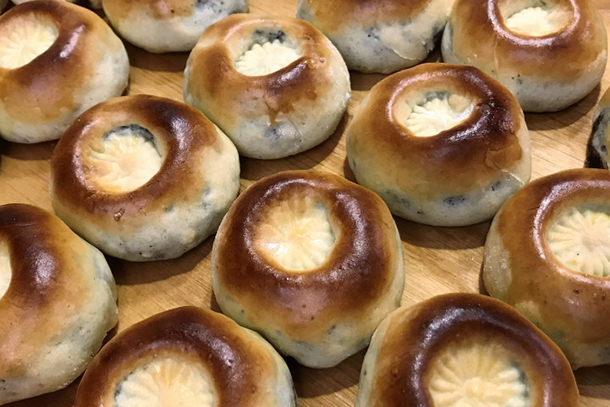
Ever wonder why people are walking around with large bags in Gyeongju? It's Gyeongju bread, which, among others, include the Barley Bun and Hwangnam Bread. Explore Gyeongju and Hwangnidan Street in particular to find them all.
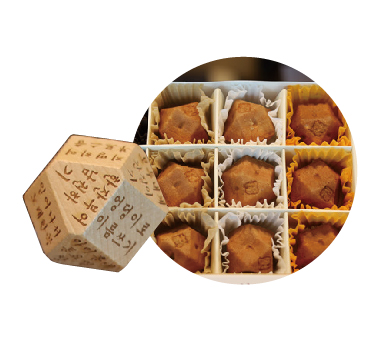 | GYEONGJU JURYEONGGU BREAD Juryeonggu Bread is inspired by the eponymous dice, a dice with 14 faces that was used during the Silla Period for games. Each face on the dice had penalties the thrower had to perform. The bread itself comes in the shape of dice and has different fillings, making it ideal for gifting.
|
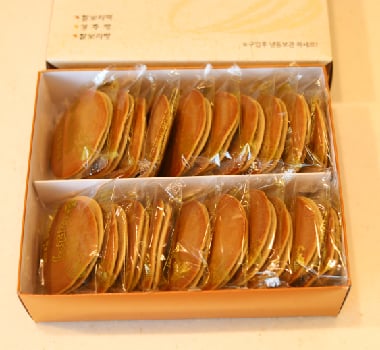 | GYEONGJU BARLEY BUN This soft and rich bun gives way to sweet red bean filling with each bite. The filling is sweet and chewy, while the bread is soft and moist.
|
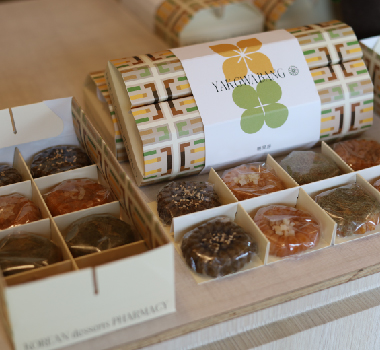 | GYEONGJU YAKGWA Yakgwa, honey cookies, are crispy on the outside and moist inside. They were often enjoyed by the aristocracy in the past. You can eat them as is or enjoy them with ice cream or shaved ice. “Gyeongju Yakgwabang” on Hwangnidan Street serves yakgwa with original, seaweed, citron, and black sesame flavors.
|