
- Log in
-
- Sydney Overseas Office
- London Overseas Office
- Toronto Overseas Office
- Los Angeles Overseas Office
- New York Overseas Office
- Ulaanbaatar Overseas Office
- Dubai Overseas Office
- New Delhi Overseas Office
- Manila Overseas Office
- Jakarta Overseas Office
- Hanoi Overseas Office
- Kuala Lumpur Overseas Office
- Singapore Overseas Office
- Bangkok Overseas Office
- Map
- Sydney Overseas Office
- London Overseas Office
- Toronto Overseas Office
- Los Angeles Overseas Office
- New York Overseas Office
- Ulaanbaatar Overseas Office
- Dubai Overseas Office
- New Delhi Overseas Office
- Manila Overseas Office
- Jakarta Overseas Office
- Hanoi Overseas Office
- Kuala Lumpur Overseas Office
- Singapore Overseas Office
- Bangkok Overseas Office
- HOME
- Medical & Wellness Korea
- Health & Travel
-
-
-
Department Highlights: One-Day Procedures – Traditional Korean Medicine
-
09/25/2025
-
2.8K
0
0
-
-
medicinal_herb_tea
K_Beauty
traditional_herbal_medicine
Traditional_Korean_Medicine
Korea_Medical_Tourism
Useful_Information
-
-
-
In Korea, many medical institutions offer a system where consultation and surgery can be completed within a single day. Even on a short trip, patients can undergo vision correction, teeth whitening, skin laser treatment, endoscopic sinus surgery, or receive traditional Korean medicine for pain—then head straight to sightseeing or back to your daily routine. This convenience leads to high patient satisfaction. Discover a brief but remarkable medical experience, right here in Korea.
 A Korean medicine doctor providing personalized treatment tailored to the patient’s constitution ⓒKyung Hee University Korean Medicine Hospital
Why Choose Traditional Korean Medicine in Korea?
Traditional Korean medicine goes beyond symptom relief, restoring balance and harmony to the whole body. It offers personalized care through non-surgical methods—like acupuncture, moxibustion, and pharmacopuncture—guided by constitution-based diagnosis. Because treatments require no surgery or anesthesia, recovery is quick and side effects are rare, making it a rising favorite in medical tourism.
Which Procedures Can Be Completed in a Single Day?
1. Traditional Korean Medicine Examination (Approx. 20 minutes)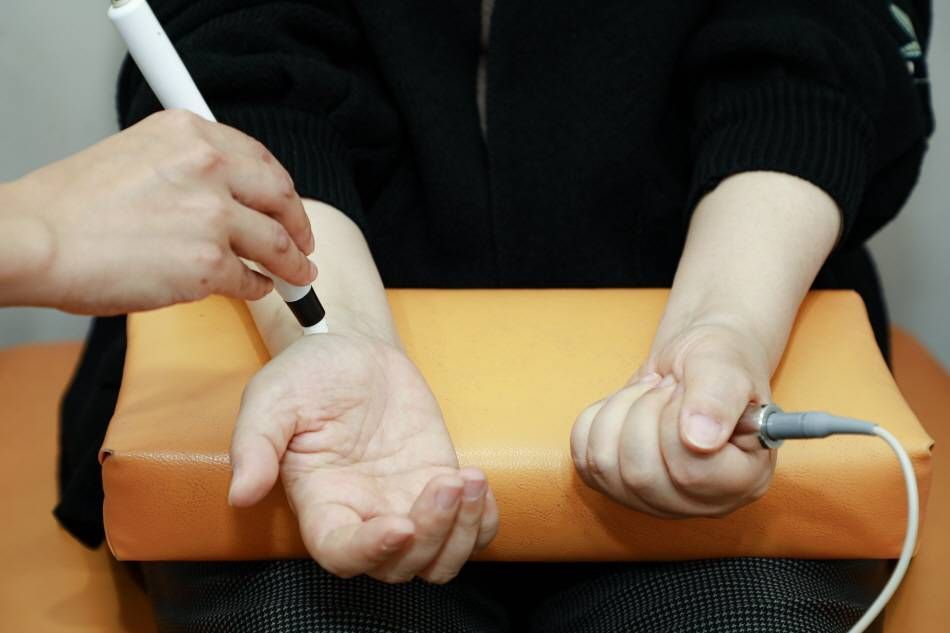 Ryodoraku test in progress ⓒKorean Medicine Hospital, Kyung Hee University Hospital at Gangdong
- ① Ryodoraku Test
This examination checks overall vitality by assessing the functions of the body’s main meridians. By measuring electrical activity at the Yuan-primordial points—where each organ’s energy flows—it evaluates meridian vitality, circulation, and the degree of degeneration in the internal organs. It can be helpful in cases of fatigue, digestive issues, and ear, nose, and throat disorders.
Useful Pre-Test TipsIf you have a pacemaker or a history of joint replacement surgery, be sure to inform the medical staff before the test. The microcurrents generated by the equipment may interfere with the normal function of implanted devices.
- ② Constitution Consultation
In traditional Korean medicine, illness is understood to arise differently depending on a person’s constitution. One widely used system, ‘Sasang Constitutional Medicine’ classifies people into four types: Taeeumin, Soeumin, Taeyangin, and Soyangin. Doctors determine each patient’s constitution through a comprehensive assessment that may include interviews, pulse reading, and abdominal checks. Based on the results, personalized treatments can help improve chronic conditions such as chronic fatigue, digestive problems, rhinitis, and atopic dermatitis.
2. Acupuncture Treatment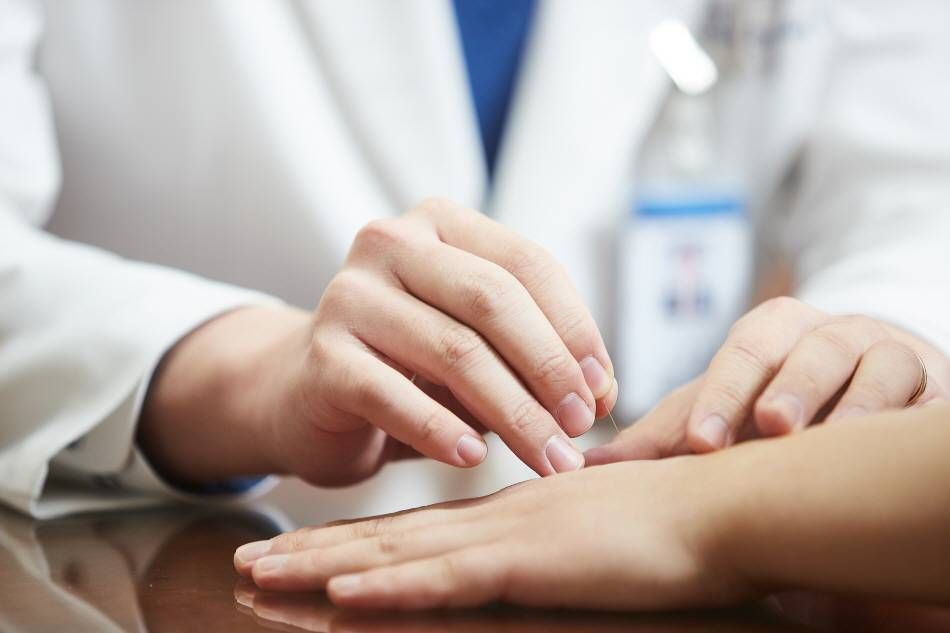 Acupuncture treatment in progress ⓒKyung Hee University Korean Medicine Hospital
- ① Acupuncture (Approx. 15 minutes)
Acupuncture is a key therapy in traditional Korean medicine. By stimulating acupoints with fine needles, it helps improve blood circulation, ease pain, and balance the autonomic nervous system. It is often used to treat neck, shoulder, and back pain, as well as headaches and indigestion. Though rare, possible side effects include fever, nausea, or allergic reactions.
- ② Pharmacopuncture (Approx. 10 minutes)
Pharmacopuncture injects small amounts of herbal extracts into acupoints, combining the benefits of acupuncture and herbal medicine. It helps improve circulation, reduce inflammation, and balance the autonomic nervous system. The therapy is often used for quick relief from acute pain and to support recovery after surgery.
- ③ Acupotomy Therapy (Approx. 10–20 minutes)
Acupotomy uses a specially designed scalpel-like needle to release adhesions in soft tissues such as muscles, fascia, and ligaments—often the main sources of chronic pain. By freeing these tissues, it improves circulation and reduces inflammation. The therapy is commonly recommended for chronic muscle and joint pain. Some temporary soreness or bruising may occur after treatment, but it usually subsides within a few days.
Helpful Tips Before and After Treatment① Before SurgeryIf you are taking any medications (such as anticoagulants, immunosuppressants, or steroids), have a history of allergies, may be pregnant, or have recently experienced a cold, fever, or skin problems, be sure to inform the medical staff.
② On the Day of SurgerySince many procedures require skin exposure, it is recommended to wear comfortable clothing that can be changed easily and allows access to the treatment area.
③ After SurgeryAvoid saunas, excessive alcohol, and strenuous exercise on the same day, and do not rub marks left by cupping or moxibustion. If you experience bruising or a warm sensation at the treatment site, applying a cold compress can help relieve it.
3. Suction and Drainage Therapy (Approx. 10 minutes)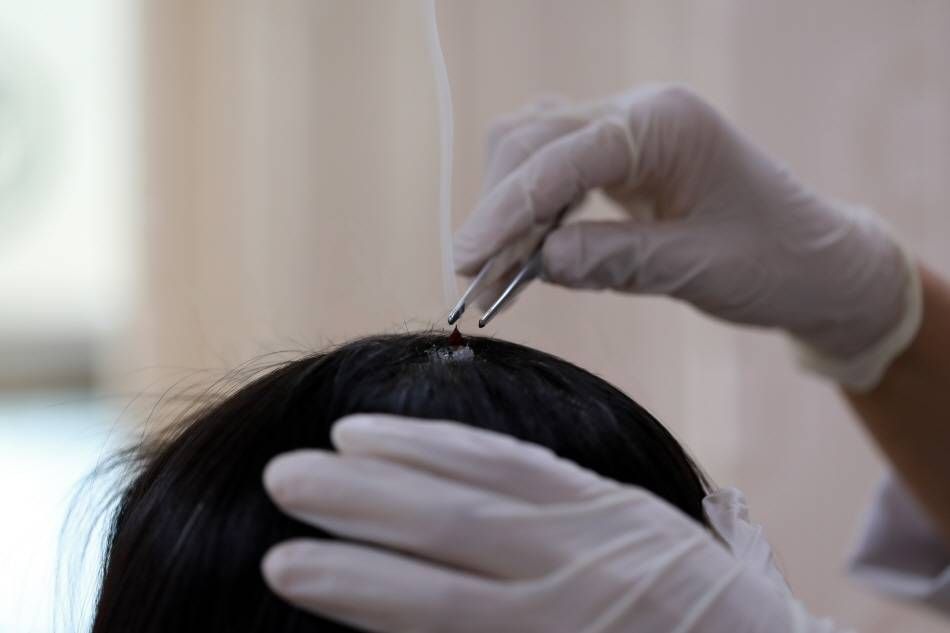 Moxibustion therapy on the scalp in progress ⓒKorean Medicine Hospital, Kyung Hee University Hospital at Gangdong
- ① Cupping Therapy
Cupping uses negative pressure inside a cup to stimulate the skin and muscles. It improves blood and lymph circulation by drawing congestion to the surface, helping relieve chronic fatigue, muscle pain, and swelling. Depending on skin sensitivity, temporary bruise-like marks may last for 3–5 days.
- ② Moxibustion
Moxibustion is a traditional therapy that promotes the circulation of qi and blood through gentle heat stimulation. It is mainly used to address lowered body temperature, cold sensitivity, and yang deficiency, and can help with abdominal discomfort, menstrual pain, cold hands and feet, and digestive problems. There are two main methods: direct moxibustion, where the heat is applied directly to the skin, and indirect moxibustion, where another material or device is placed between the skin and the moxa. In some cases, mild burns are intentionally induced to stimulate an immune response.
Helpful Tips Before and After Treatment① Before SurgeryIt is best to postpone treatment if you have a cold or a fever.
② On the Day of SurgeryAvoid coming on an empty stomach and drink some water beforehand.
③ After SurgeryKeep the cupping area dry for 4–6 hours and avoid soaking in warm water for at least 24 hours. To reduce the risk of infection, it is also recommended to stay away from public baths and swimming pools.
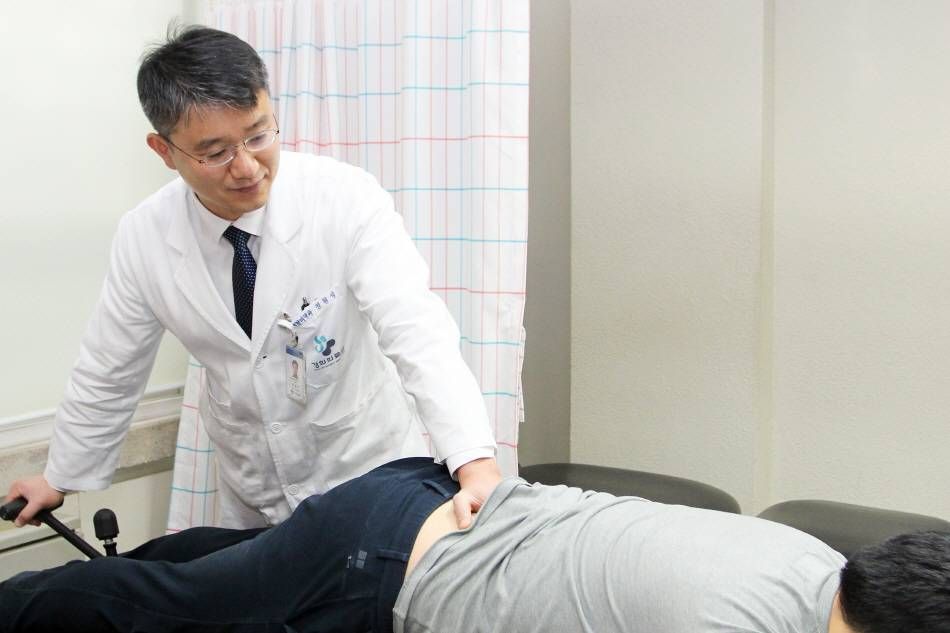 Chuna Manual Therapy ⓒKyung Hee University Korean Medicine Hospital 4. Manual Therapy
- ① Chuna Manual Therapy (Approx. 15–20 minutes)
Chuna Manual Therapy is a hands-on treatment where doctors use their hands or a Chuna table to adjust soft tissues, bones, and joints. It works well for pain caused by poor posture or long periods of travel, and most patients can return to daily life right away without recovery time. However, it is not recommended for those with severe osteoporosis.
Useful Post-Treatment TipsAvoid excessive activities or poor posture that put stress on the spine. Try not to sit for long periods, and take about 10 minutes every hour to stretch lightly and ease tension in your back and muscles.
Where to Go with a Revitalized Body?
Travel destinations perfect for setting off with a refreshed body.
1. Tea Therapy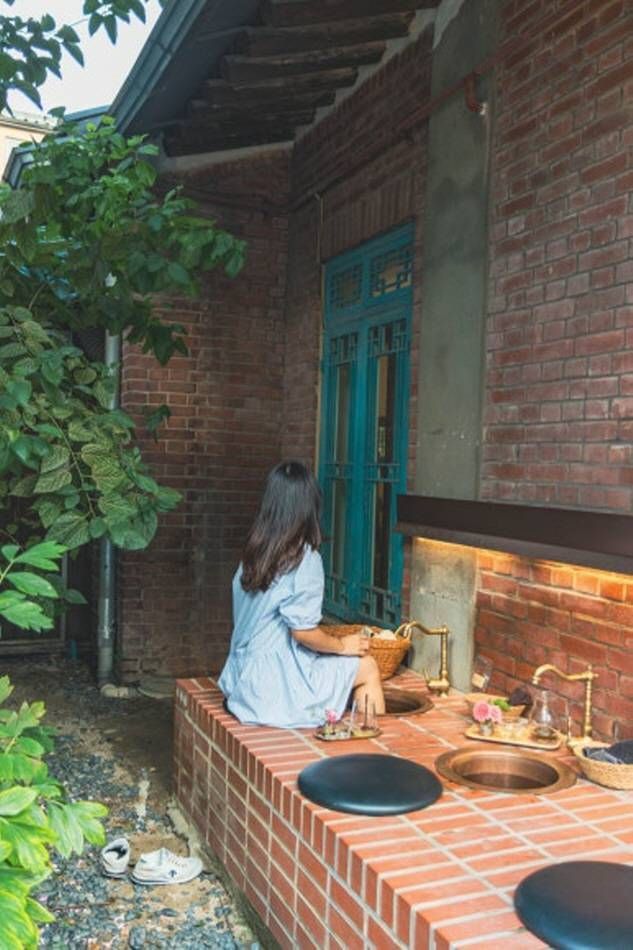 Tea Therapy ⓒDANIM 9th Term, Chae-eun Lee
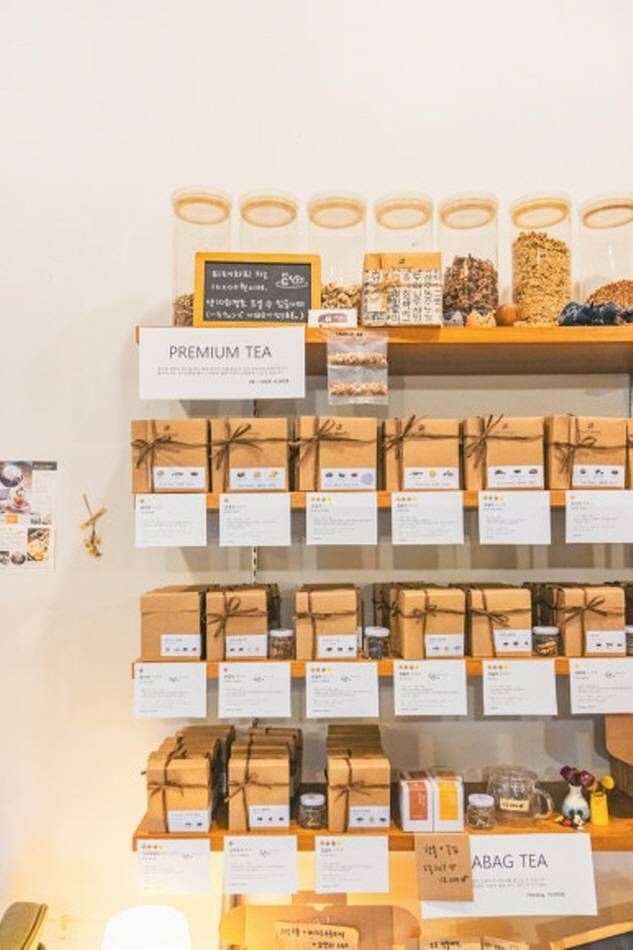 Tea Therapy ⓒDANIM 9th Term, Chae-eun Lee
This hanok-style café offers traditional Korean teas. They are as easy to enjoy as herbal tea—just add hot water and steep for three minutes. Most of the ingredients are high-quality, locally grown herbs, with only a few exceptions that cannot be cultivated in Korea’s climate. For a small extra fee, you can also enjoy your tea while soaking your feet in the foot bath at the café entrance—the perfect way to ease travel fatigue.
Tea Therapy2. Mirinae Healbeing Club Address
74, Yunboseon-gil, Jongno-gu, Seoul (서울특별시 종로구 윤보선길 74)
 Hours
Daily 10:00–21:00
 Contact
+82-2-730-7507
 Website
 Mirinae Healbeing Club ⓒVISITKOREA
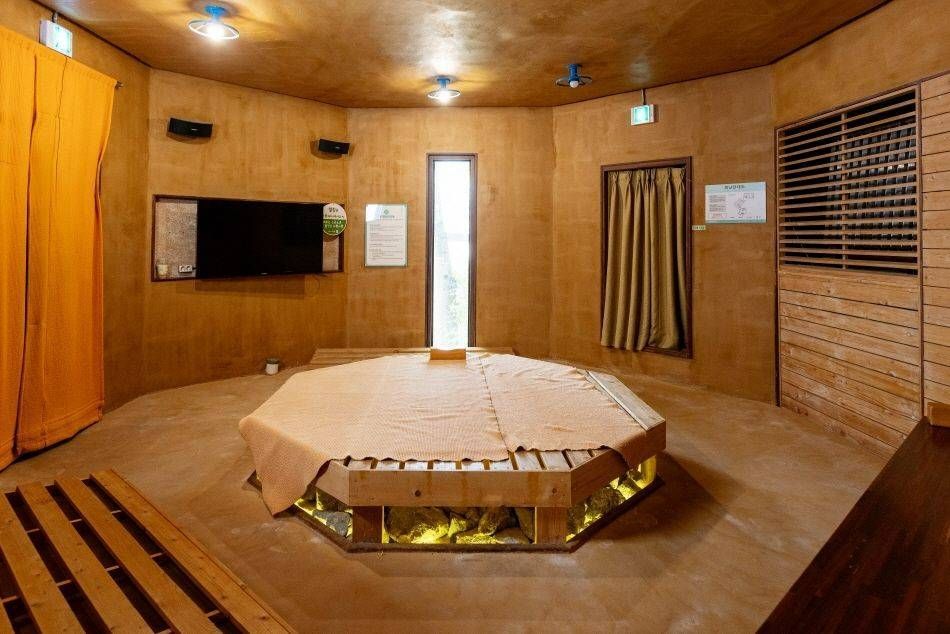 Mirinae Healbeing Club ⓒVISITKOREA
Mirinae Healbeing Club is a wellness resort dedicated to rest and recovery. Set in clean air and green surroundings, it helps guests release fatigue, flush out toxins, and restore balance and immunity. Programs range from foot baths and thermal therapy to Five Elements Therapy for detox and organ care, and Five Senses Therapy using light, sound, and aroma for deep relaxation.
Mirinae Healbeing Club- Address
21, Wolsanjeosuji-gil, Jipyeong-myeon, Yangpyeong-gun, Gyeonggi-do (경기도 양평군 지평면 월산저수지길 21
- Hours
Daily 09:30–18:00
- Contact
+82-31-774-4321
- Website
- * 1330 Korea Travel Helpline: +82-2-1330
- * 1330 Text Chat:https://m.site.naver.com/1rEid
- (Korean, English, Japanese, Chinese, Russian, Vietnamese, Thai, and Indonesian)
* This content was last updated in Sep 2025, and therefore information may differ from what is presented here. We advise you to check for updates before visiting. - ① Ryodoraku Test
-


Start a FREE Online Call
(No charges for calls on Wi-Fi /
Data charges may apply)

Open 1330 Helpline Chat(Download not required)




 Medical Wellness