Different Ages, Different Checkups: A Guide to Health Checkups in Korea
09/29/2026
138
0
0
Different Ages, Different Checkups: A Guide to Health Checkups in Korea
Personalized consultation to select appropriate health checkup tests and avoid unnecessary ones
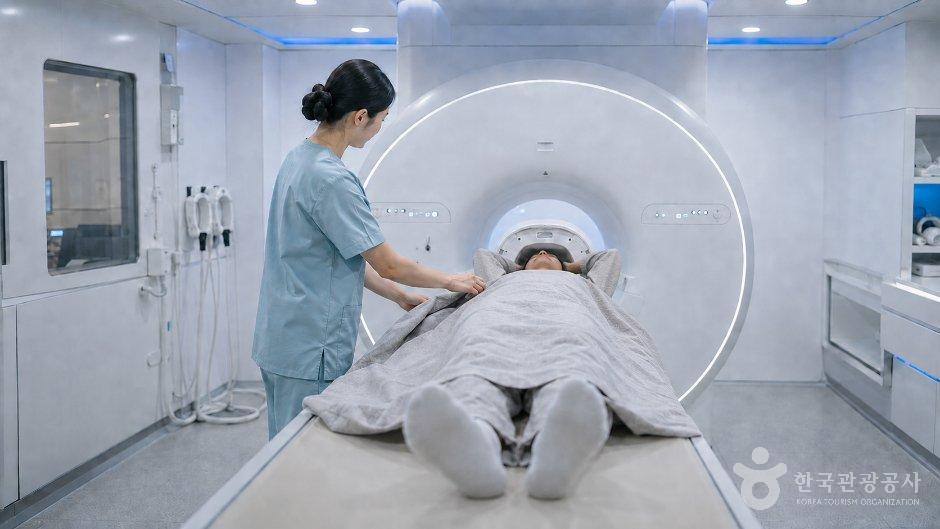
More travelers are now adding health checkups to their trips to Korea. Customized short-term programs and readily available interpretation services allow international visitors to access medical care conveniently, even during a short trip. To get the most out of your checkup, it is important to avoid unnecessary tests and choose those that suit your needs. This guide covers the tests to consider based on your age and health status, along with key precautions before and after your checkup.
★ Key Summary ★
Best for: Those who want to get a health checkup in Korea
Main Examinations: Age-specific tests ranging from basic metabolic tests and fundus examinations to gastroscopy, colonoscopy, and cardiovascular, cerebrovascular, and cognitive function tests
Time required: Half a day to one day, depending on the tests; results may take up to about one week
For international visitors: Many hospitals offer multilingual interpretation services, enabling sightseeing immediately after the examination.
1. Basic Health Screening for All Ages and AI-Assisted Analysis
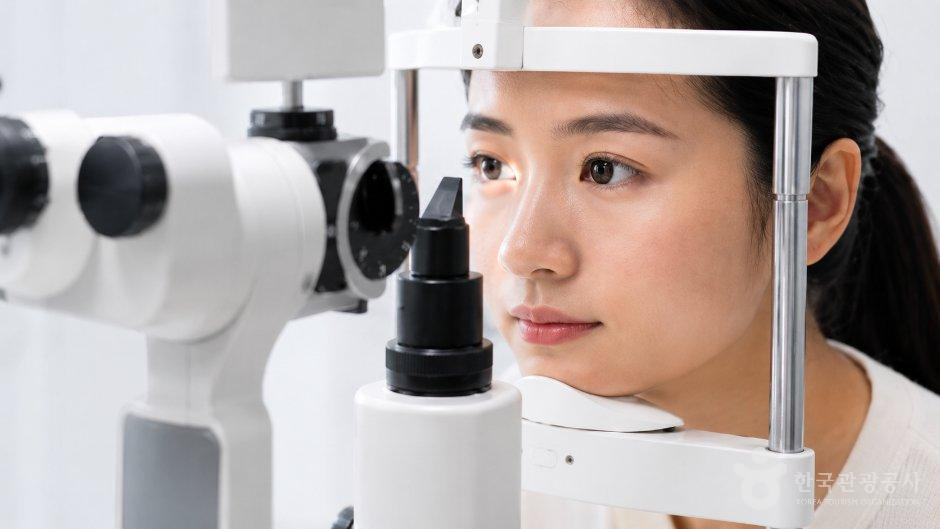
Basic Eye Examination
A health checkup typically begins with basic tests that everyone receives regardless of age or gender. These assess the overall condition of the body through physical measurements and blood tests, and look for early signs of chronic diseases such as hypertension, diabetes, and dyslipidemia, which may have no obvious symptoms in their early stages. Recently, major screening centers in Korea use artificial intelligence (AI) technology to improve the accuracy of test interpretation. One example is fundus photography, which captures images of the retina at the back of the eye. Some centers use AI to analyze fundus images as an aid in assessing cardiovascular disease risk.
2. Basic Checkups for People in Their 20s and 30s and Recommended Tests to Identify Health Risk Factors
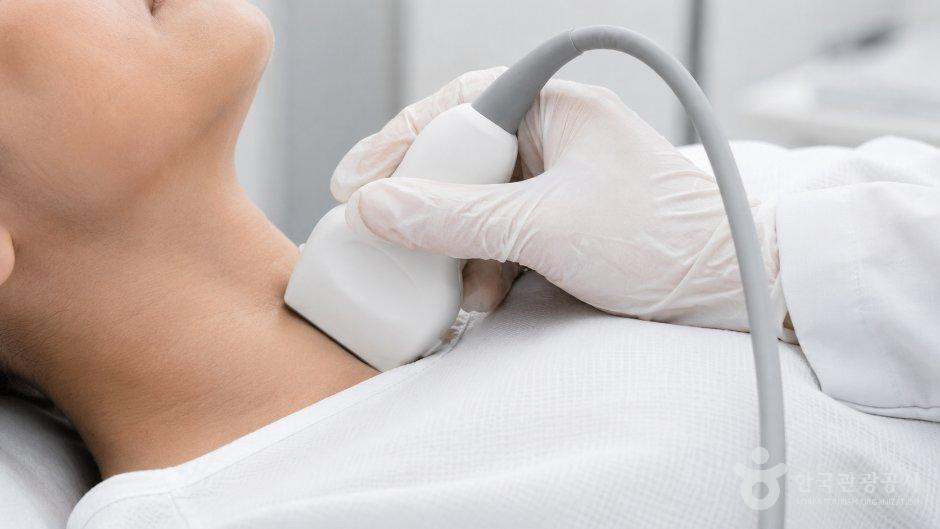
Thyroid Ultrasound Examination
In your 20s and 30s, health checkups focus on identifying risk factors early, even if you have no symptoms, to help prevent conditions such as hypertension and stroke later in life. Typical tests include screening for hepatitis B and C and chest X-rays to assess respiratory health. If you have no family history or obvious symptoms, you may not need an expensive PET-CT scan, which involves radiation exposure. Instead, if you are a woman, prioritize cervical cancer and thyroid examinations. In particular, cervical cancer has a high cure rate when detected early, which is why Korea’s national cancer screening program recommends testing for women aged 20 and over every two years. Thyroid diseases, which have a high incidence rate among women, can also be easily and accurately diagnosed through ultrasound exams.
3. Endoscopic Screening for Early Cancer Detection in Your 40s and 50s
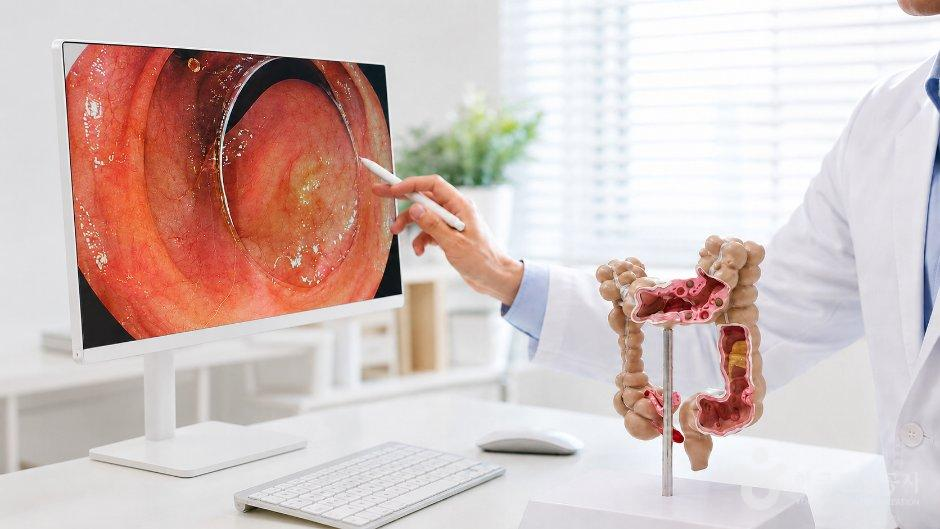
Medical Staff Reviewing a Colonoscopy Monitor
Cancer risk rises noticeably in your 40s and 50s, making regular screening increasingly important. Therefore, it is advisable to regularly receive precision examinations such as upper and lower gastrointestinal endoscopies, abdominal ultrasounds, and, for women, mammography. In fact, Korea has a high early cancer detection rate, with survival rates for stomach cancer and liver cancer being more than twice as high as those in major developed countries, and the cure rate for colorectal cancer is also at the world's highest level. Advanced medical technology also plays an important role in these outcomes. Recently, major health screening centers in Korea have been actively utilizing artificial intelligence (AI) technology in endoscopy examinations as well. Combined with the expertise of experienced specialists, AI can help detect even tiny polyps that might otherwise be missed.
4. Cardiovascular, Cerebrovascular, and Cognitive Screening for Adults Aged 60 and Older
Low-Dose Chest CT Capable of Early Detection of Lung Cancer Even in Non-Smokers
Checkups for the elderly focus on early detection and management of the risks of geriatric diseases such as dementia and stroke, helping to maintain a healthy and independent daily life. While comprehensively examining physical functions directly connected to daily life, it is recommended to check cardiovascular and cerebrovascular risks through cognitive function tests, electrocardiograms, carotid ultrasounds, and echocardiograms. If you have been a long-term smoker, check your lung health with a 'low-dose chest CT,' which reduces radiation exposure. Follow-up care can continue even after you return home. Major screening centers provide test reports in multiple languages for international patients, so you can share the results with your local doctor and receive any follow-up care you may need. However, if you had a colonic polyp removed or a biopsy performed, it may take a week or more to confirm the results.
5. Key Precautions Before and After Your Checkup
To obtain accurate test results, you must maintain a fast of at least 8 hours starting from the night before the checkup. If you regularly take medications, you should inform the medical staff before the checkup. After the checkup, avoid spicy, greasy, or other irritating foods. Eat something mild, such as rice porridge, and get plenty of rest.
Medically reviewed by Ahn Ji-hyun, Senior Standing Research Fellow, Korea Medical Institute (KMI)
※ This information is provided for general educational purposes only. Treatment may vary depending on individual symptoms and conditions, so please consult a medical professional for advice specific to your situation.
A Relaxing Jongno Cultural Stroll Before and After a Health Checkup
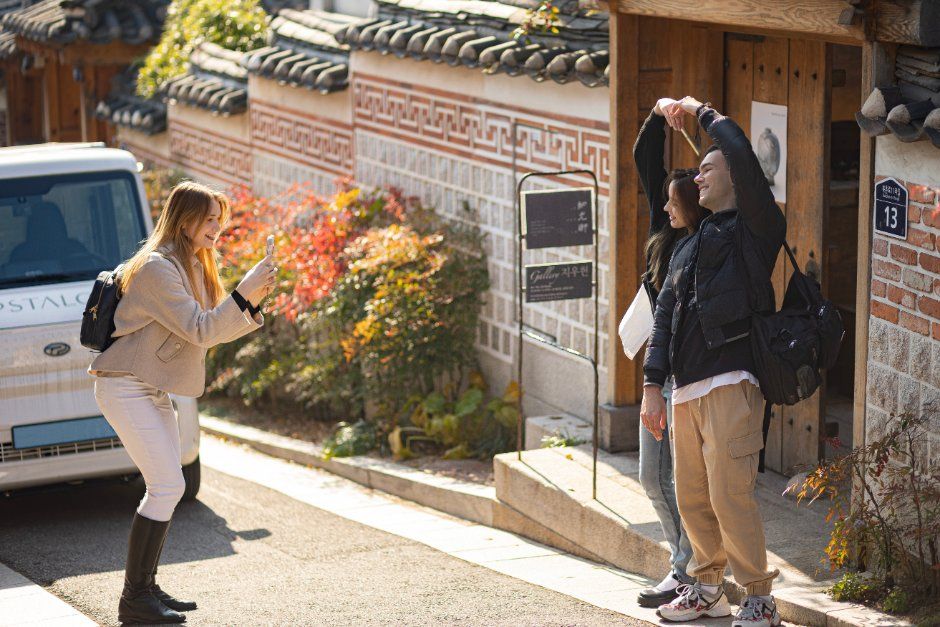
Located between Gyeongbokgung and Changdeokgung Palaces, Bukchon Hanok Village is one of Seoul's best known attractions, known for its well-preserved traditional hanok dating from the Joseon period. Its hanok-lined alleys make a picturesque backdrop for photos in hanbok, while visitors can also browse showrooms from K-beauty brands such as Tamburins, Sulwhasoo, and Granhand. However, since it is a residential area where people actually live, please be sure to check and observe the visitor hours that apply to certain alleys (10:00 AM to 5:00 PM).
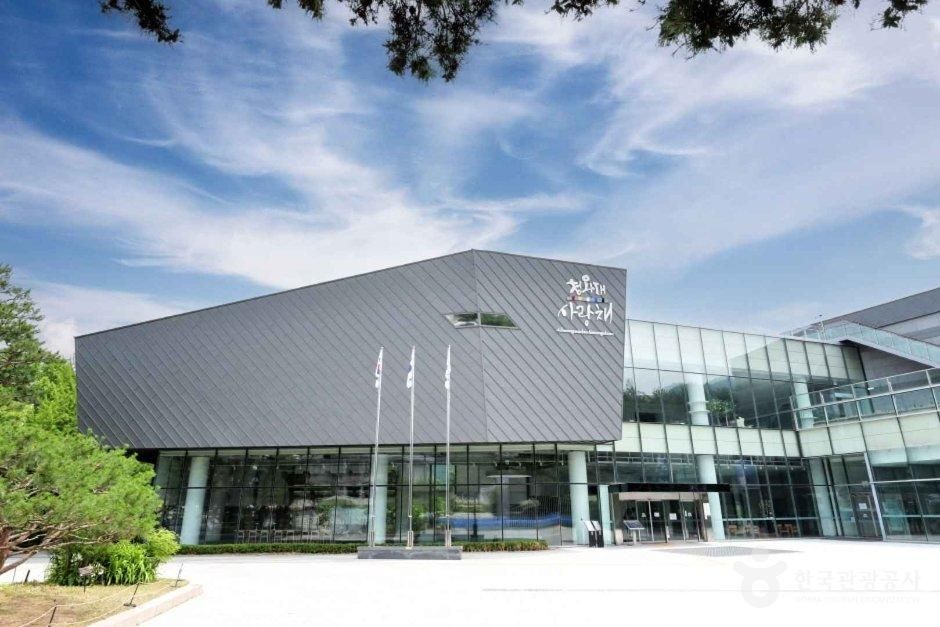
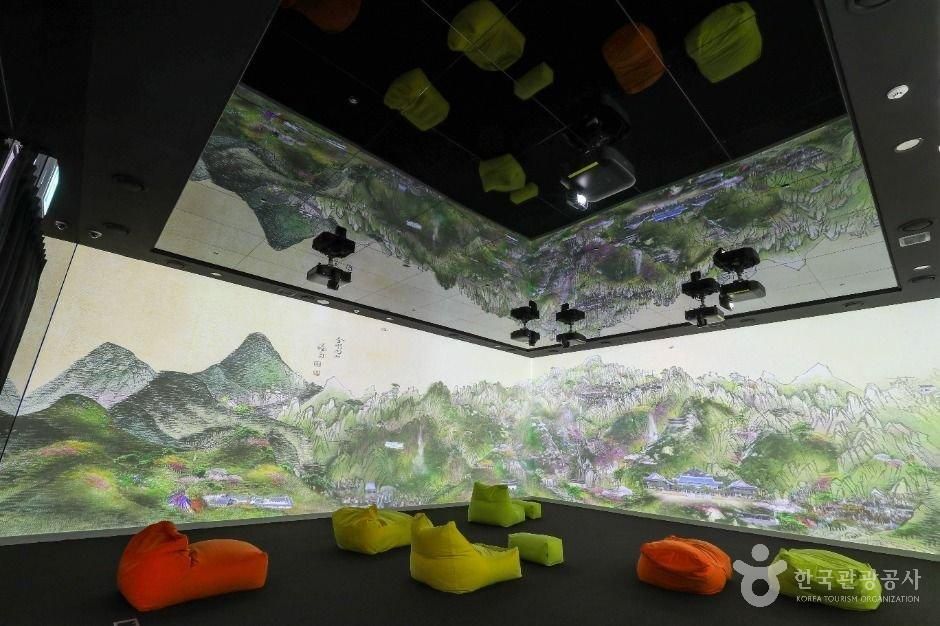
Cheongwadae Sarangchae is a tourism information and cultural center located in front of the main gate of Cheongwadae, the former presidential office and residence. Admission is free for everyone, and it features media art exhibitions that vividly showcase Korea's natural beauty and traditions, as well as a souvenir shop selling high-quality handicrafts. Large windows offer open views of the Cheongwadae grounds and Inwangsan Mountain, making it a pleasant place to rest after exploring the Gyeongbokgung Palace area.
(Korean, English, Japanese, Chinese, Russian, Vietnamese, Thai, and Indonesian)
* This column was last updated in September 2026, and therefore information may differ from what is presented here. We advise you to check for updates before visiting.
* Content creation & related inquiries:
Medical & Wellness Team
Purpose of collection and use of cookies
This website uses cookies to enhance your experience.
Necessary cookies
Necessary cookies are required for features such as website search and security. Turning off necessary cookies will lower efficiency due to limitations on services and features. Information collected through necessary cookies will only be used for that purpose and will not be shared or sold to a third party.
Performance cookies
Performance cookies collect information on how users use the website. This data is used to personalize the website and allow users to use the website more conveniently. (Example: Number of visits, number of visited pages, website activity, number of errors, etc.) Performance cookies do not collect personal information about the user and guarantee anonymity.
Functionality cookies
Functionality cookies help the website remember the user’s choices and preferences to provide personalized services. Turning off functionality cookies will prevent website features related to providing content based on previous selections and preferences.
Advertising cookies
Advertising cookies track the user’s online activity to allow advertisers to provide personalized advertisements or limit the number of advertisements. Advertising cookies are typically permanent cookies and the data is shared with other businesses and advertisers.
When using VISITKOREA, users can remove saved cookies and block future cookies in the browser settings. Removing cookies may lead to disadvantage in website performance and convenient user experience.


 Address
 Visitor Hours
 Contact
 Web







 Medical Wellness