
- Log in
-
- Sydney Overseas Office
- London Overseas Office
- Toronto Overseas Office
- New York Overseas Office
- Ulaanbaatar Overseas Office
- Dubai Overseas Office
- New Delhi Overseas Office
- Manila Overseas Office
- Jakarta Overseas Office
- Hanoi Overseas Office
- Kuala Lumpur Overseas Office
- Singapore Overseas Office
- Bangkok Overseas Office
- Map
- Sydney Overseas Office
- London Overseas Office
- Toronto Overseas Office
- New York Overseas Office
- Ulaanbaatar Overseas Office
- Dubai Overseas Office
- New Delhi Overseas Office
- Manila Overseas Office
- Jakarta Overseas Office
- Hanoi Overseas Office
- Kuala Lumpur Overseas Office
- Singapore Overseas Office
- Bangkok Overseas Office
- HOME
- Medical & Wellness Korea
- Korea’s Leading Medical Specialties
-
-
-
K-Medical Grows Stronger, Ranking No. 1 in Interventional Cardiology
-
02/18/2025
-
4.5K
0
0
-
-
-
-
K-Medical Grows Stronger, Ranking No. 1 in Interventional Cardiology
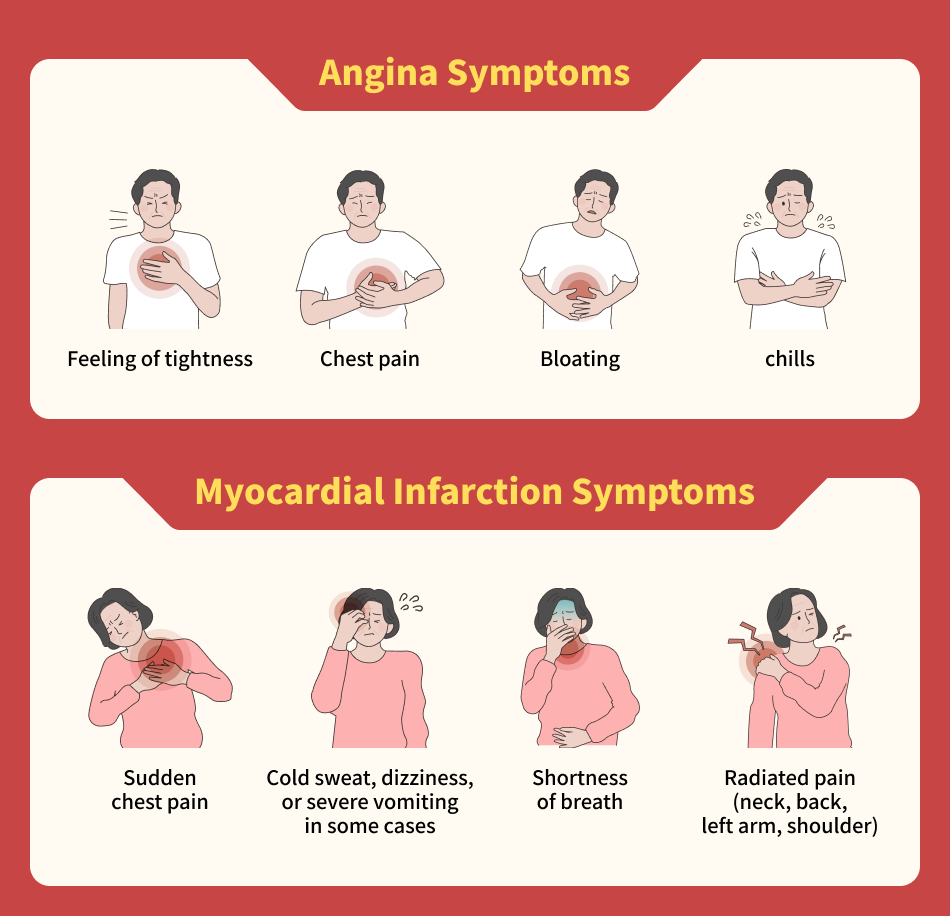
Recently, the American weekly news magazine Newsweek and the global market research firm Statista announced the World’s Best 300 Specialized Hospitals. Notably, in oncology, Samsung Medical Center (3rd), Asan Medical Center (5th), and Seoul National University Hospital (8th) were ranked among the top hospitals. Since cancer treatment requires both surgery and chemotherapy, these rankings highlight the exceptional quality of surgical and internal medicine care in Korea. Additionally, the TCT (Transcatheter Cardiovascular Therapeutics) conference, a globally recognized authority in cardiovascular treatment, named Asan Medical Center Heart Institute as the world’s No. 1 in cardiovascular medicine, which specializes in treating diseases such as angina and myocardial infarction.
1. Strengths of Internal Medicine in Korea
POINT 1. Percutaneous Coronary Intervention (PCI) and Heart Valve Surgery (TAVI Procedure)
The most recommended internal medicine procedures in Korea are percutaneous coronary intervention (PCI) and valve procedure. These are the most frequently performed procedures in the cardiovascular field, which means Korean medical professionals have extensive experience and achieve excellent treatment outcomes. These procedures are primarily recommended for patients with coronary artery disease (CAD). Among the most common types of CAD are angina and myocardial infarction (heart attack), both of which can sometimes lead to sudden cardiac death. CAD occurs when the arteries supplying blood to the heart become narrowed or blocked, restricting blood flow to the heart muscle. Reduced blood flow due to narrowing results in angina, while a complete blockage, which causes tissue death in the heart muscle, leads to myocardial infarction.
Category Normal Condition Angina Myocardial Infarction 


Description Coronary arteries are in relatively normal condition. Narrowed coronary arteries restrict blood flow. A severely narrowed coronary artery is completely blocked by a thrombus (blood clot). Symptoms Chest pain occurs during activity but goes away with rest. Chest pain can occur even at rest and last for over 30 minutes. Percutaneous Coronary Intervention (Stent Placement) for the Treatment of Angina and Myocardial Infarction
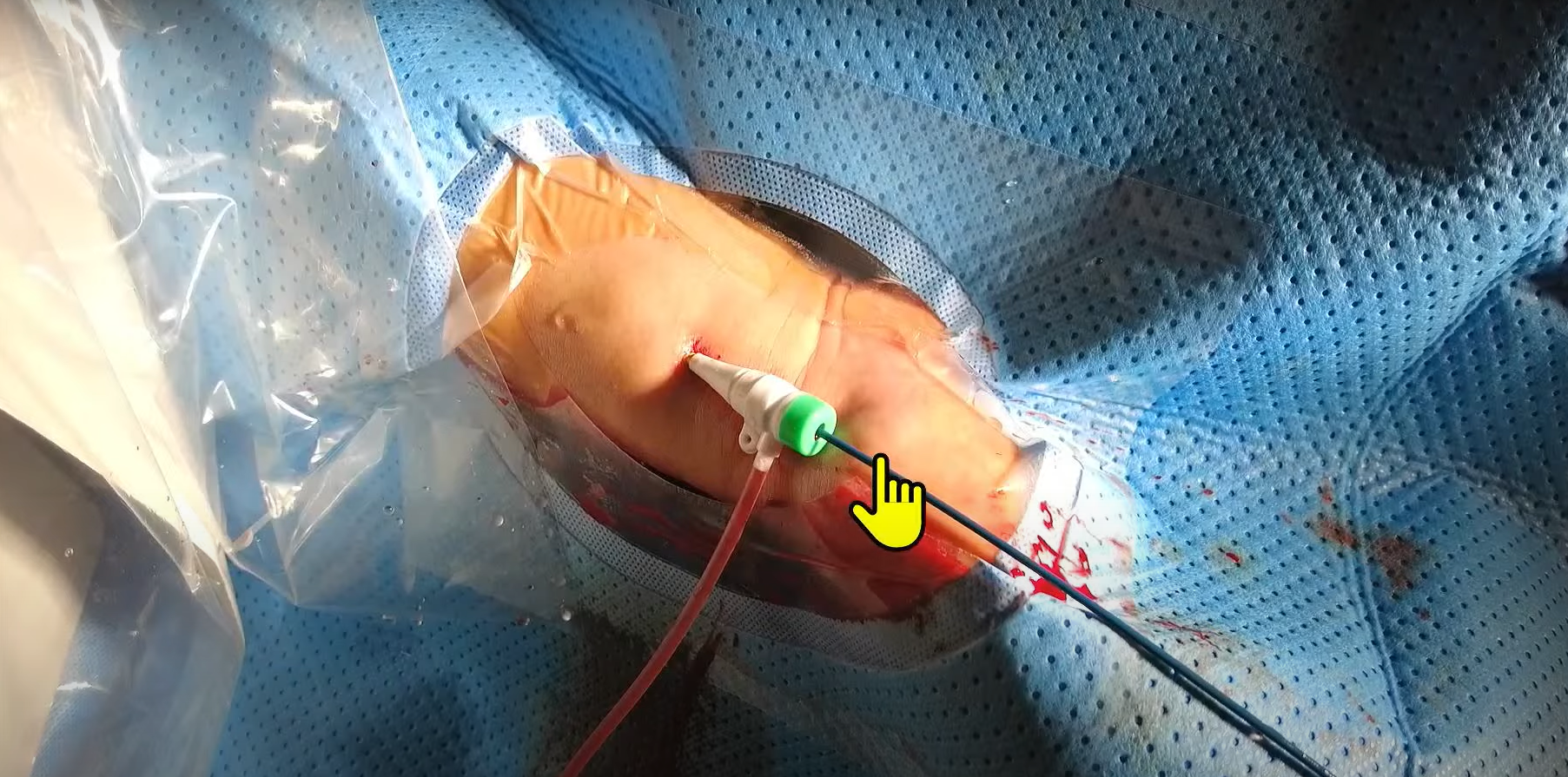 PCI via the radial artery: A vascular sheath inserted into the wrist artery ⓒ Prof. Hyeon-cheol Gwon, Dept. of Cardiology, Samsung Medical Center
One of the treatments for blocked or narrowed coronary arteries is stent placement. A stent is a mesh-like structure made of metal less than 0.1mm thick. The stent is mounted on a balloon catheter, inserted through a wrist artery and guided to the coronary artery. Once it reaches the target location, the balloon expands, causing the stent to open and fit the shape of the blood vessel.
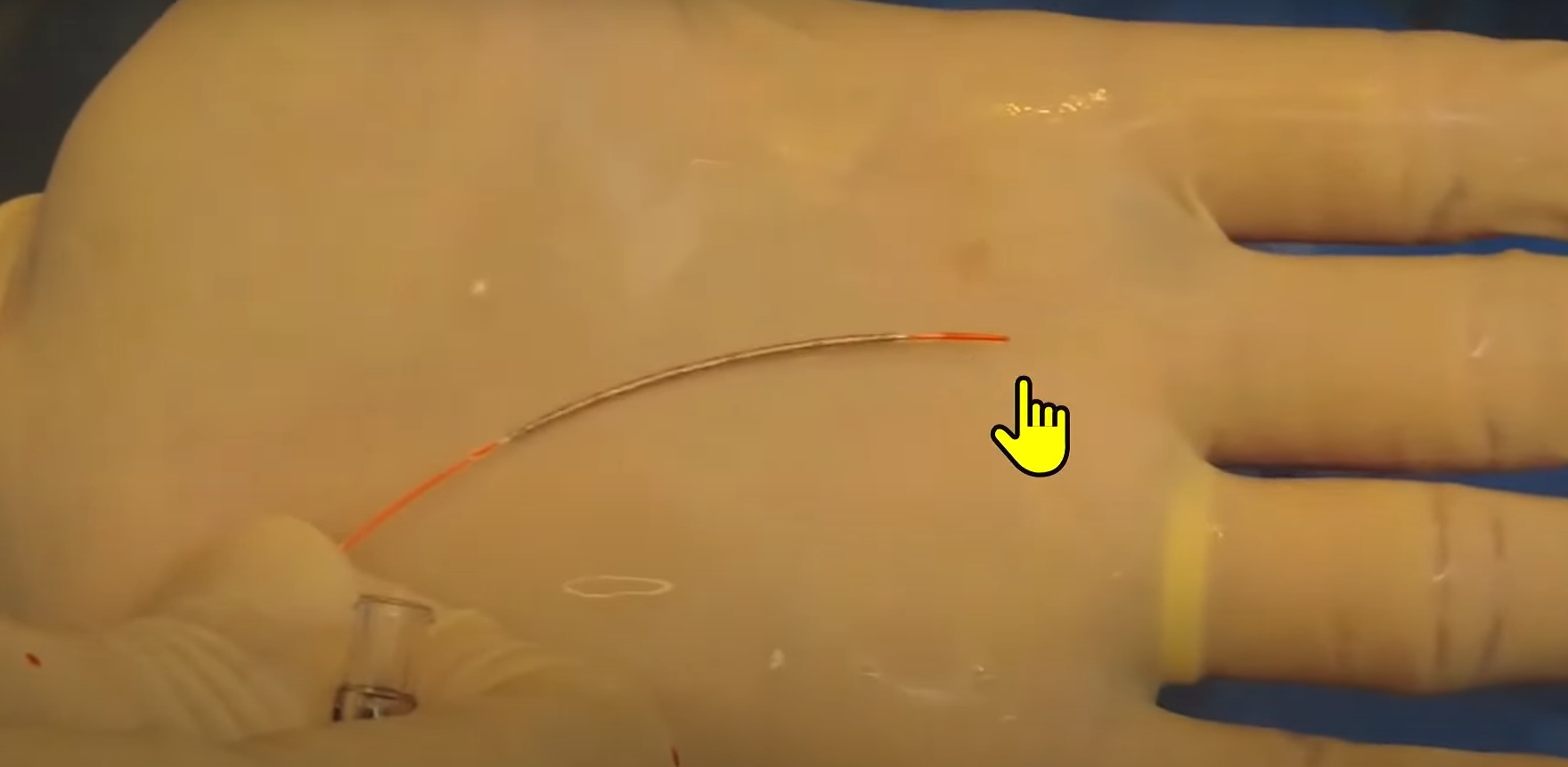 A catheter with an balloon-expandable stent ⓒ Prof. Hyeon-cheol Gwon, Dept. of Cardiology, Samsung Medical Center
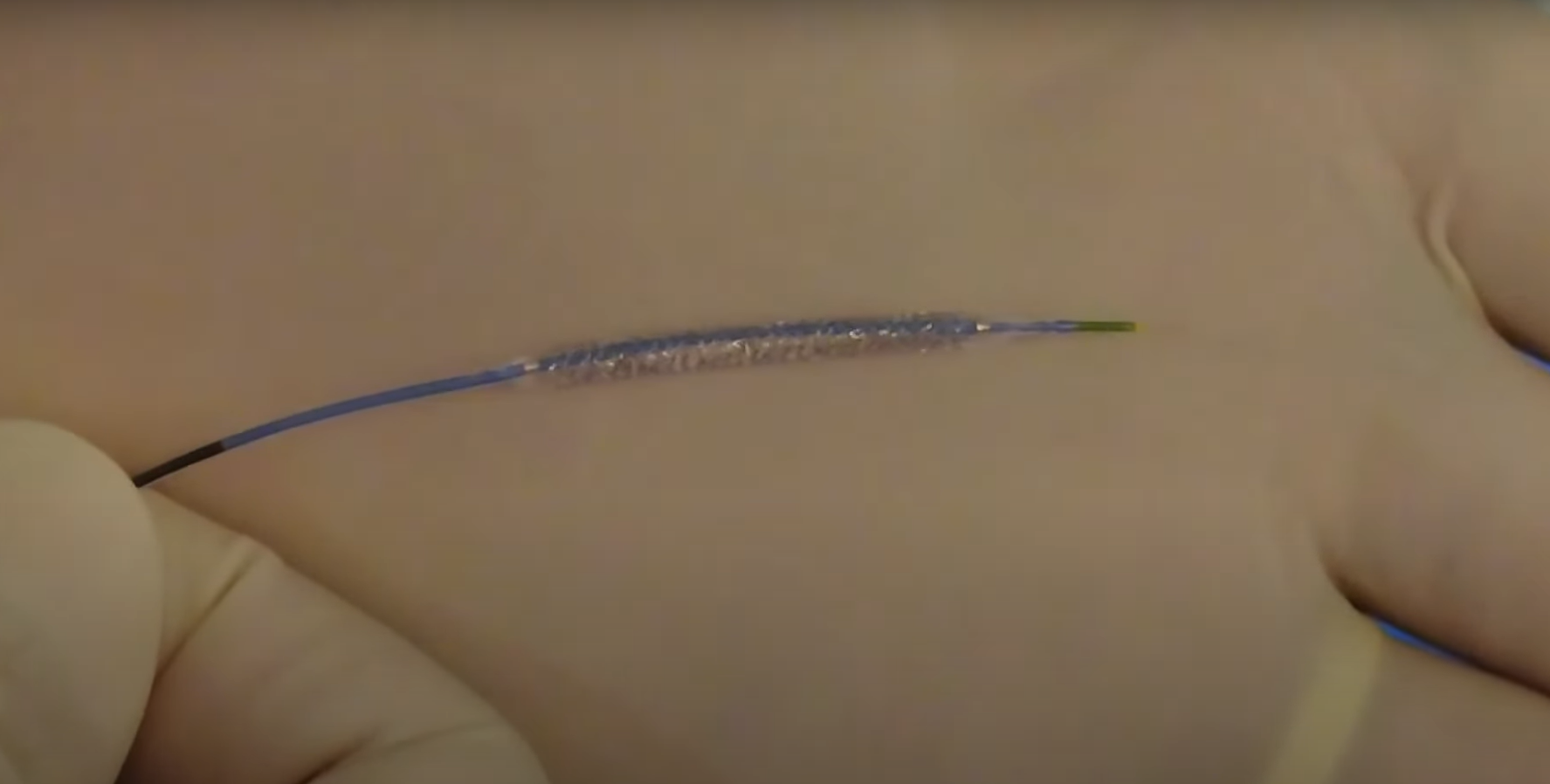 Expanded balloon and stent on the catheter ⓒ Prof. Hyeon-cheol Gwon, Dept. of Cardiology, Samsung Medical Center
In the past, in-stent restenosis occurred due to cell proliferation. However, to prevent this, stents are now coated with a polymer and antiproliferative drugs, which has significantly reduced the occurrence of restenosis.
TAVI (Transcatheter Aortic Valve Implantation) for Patients with Aortic Stenosis
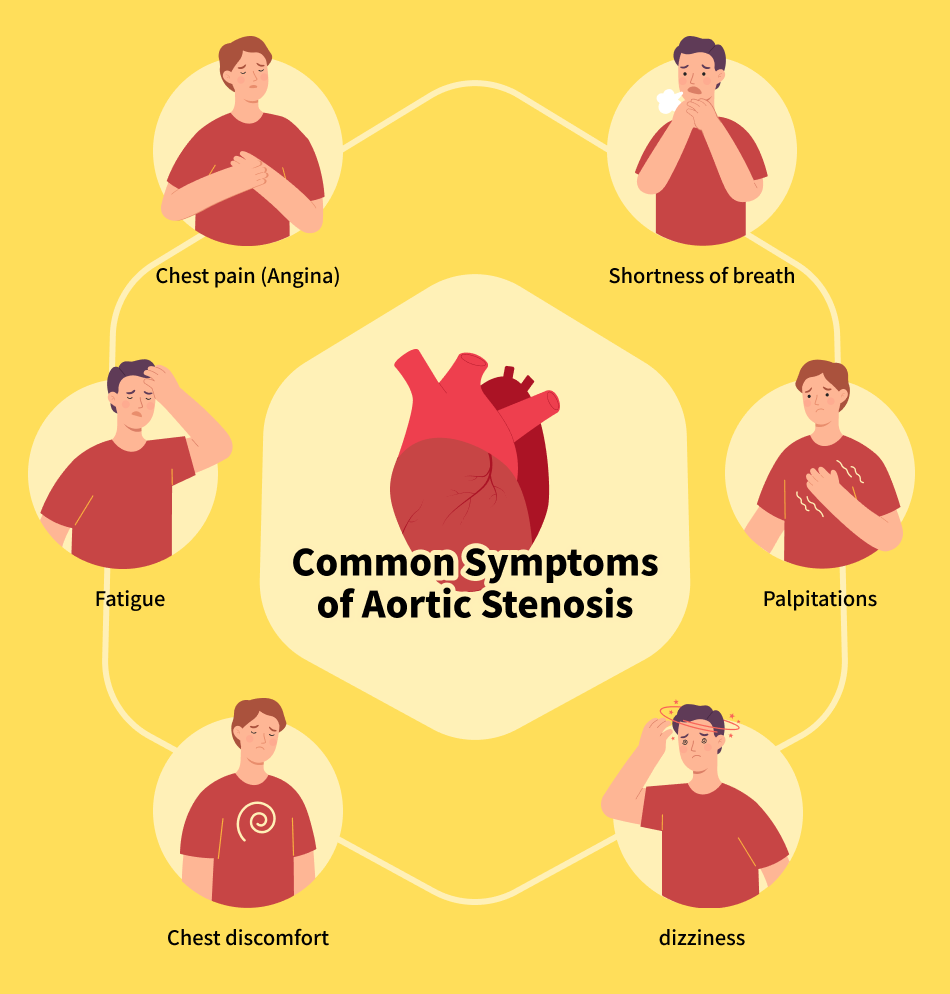
An adult heart beats approximately 100,000 times a day, circulating about 7,200 liters of blood throughout the body. The heart contains four valves that regulate one-way blood flow, one of which is the aortic valve. Aortic stenosis occurs when the aortic valve, which controls blood flow from the heart to the aorta (and the rest of the body), fails to open properly and becomes severely narrowed. This severe condition is difficult to prevent through individual effort, as it is typically caused by congenital abnormalities or aging. In elderly individuals, the valve thickens, calcifies, and stiffens, leading to restricted opening.
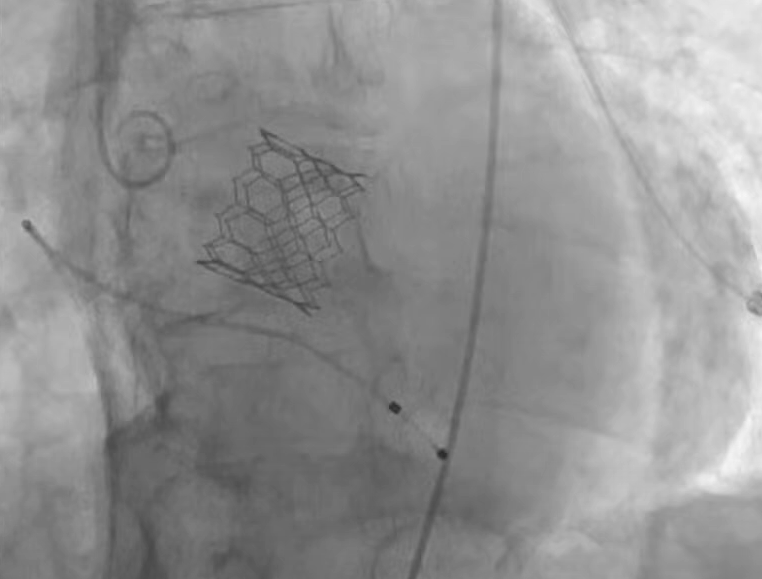 Successful TAVI outcomes ⓒ Prof. Si-hyuck Kang, Dept. of Cardiology, Seoul National University Bundang Hospital
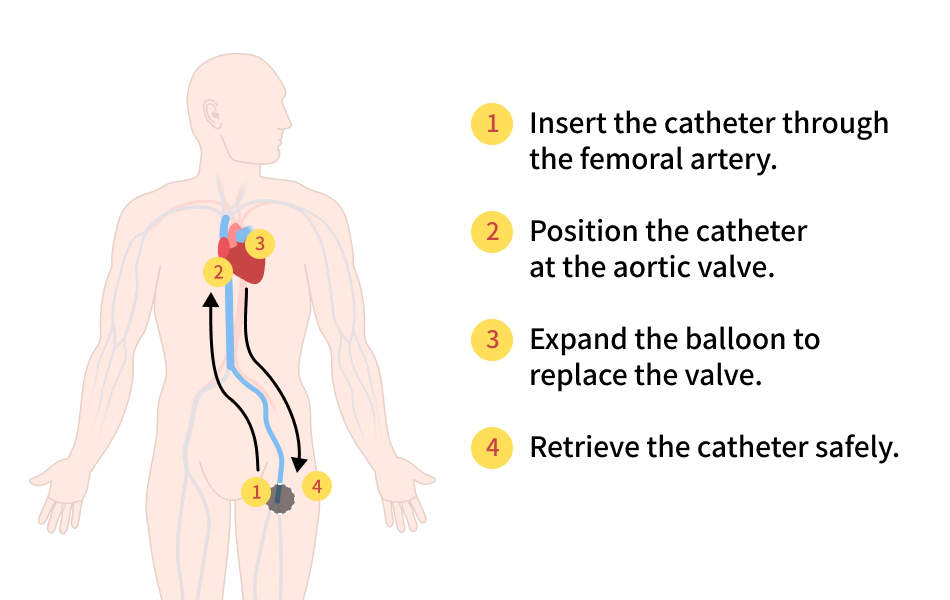
When aortic stenosis occurs, it severely disrupts blood circulation from the heart to the rest of the body and places excess strain on the heart, leading to various complications. TAVI is a minimally invasive procedure that replaces the aortic valve with an artificial one without opening the chest. This approach offers several advantages, including shorter procedure time, less pain, and a reduced hospital stay. Recovery from a TAVI procedure takes about a week, which is significantly shorter compared to the six weeks for traditional surgery.
POINT 2. Fast Medical Care and Reasonable Costs
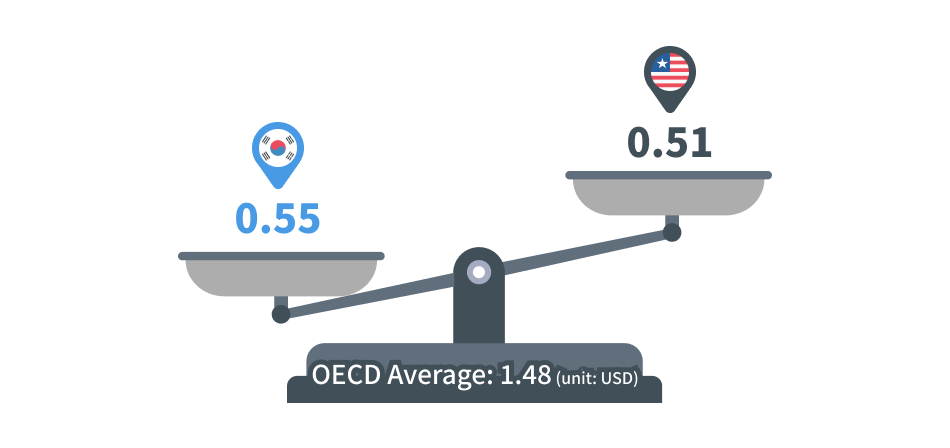
Korea’s swift medical care system allows for highly efficient treatment of international patients. Test results are available quickly after consultation. In cases of arterial stenosis or blockage caused by atherosclerosis, the entire process—from consultation to angiography to interventional treatment—can be completed within a single day. For patients with a good prognosis, the procedure can be performed as a same-day outpatient surgery without hospitalization. Additionally, the short recovery period allows patients to return to daily life quickly. Moreover, medical costs in Korea are considerably lower than in many advanced countries. Korea’s medical costs are 0.55, approximately one-third of the OECD average (1.48) and are nearly eight times lower than in the U.S. (4.51). The cost gap between Korea and other OECD countries is also substantial. According to OECD’s Health at a Glance 2019, with U.S. medical costs at 100, Korea ranks at 48, about two-thirds of the OECD average (72).
2. How Can International Patients Access Internal Medicine for Cardiovascular Care?
- Find a Major Hospital Specializing in Coronary Artery and Valve Disease Treatment
- Find an International Healthcare Center
First, to find a major hospital specializing in cardiovascular disease treatment. It is important to check the hospital’s medical departments for cardiology or cardiovascular medicine. Additionally, check the medical staff’s specialties to see if the hospital provides treatments for interventional cardiology, PCI, angina, myocardial infarction, or other specific procedures you may require. Second, many major hospitals in Korea operate international healthcare centers for international patients. These centers facilitate seamless medical services through English-speaking medical staff and interpretation coordinators. They also adjust schedules to complete diagnosis and treatment as quickly as possible, considering the stay duration of international patients. Often, consultation times of about 10 to 30 minutes per patient are allocated, providing enough time for thorough discussions. Moreover, patients can contact hospitals by phone or email through their official websites for pre-consultation before scheduling an appointment. For international patients who need to consider their length of stay, meeting a specialist and receiving medical services as quickly as possible is a top priority. By reviewing patients’ medical records received via email prior to their visit, international healthcare centers can arrange efficient schedules in the shortest possible time. This allows patients to undergo necessary examinations and treatments immediately upon arrival, reducing wait times.

Hyeon-cheol Gwon, Dept of Cardiology, Samsung Medical Center

Si-hyuck Kang, Dept of Cardiology, Seoul National University Bundang Hospital
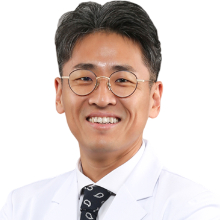
Yong-cheol Kim, Yonsei University College of Medicine, Yongin Severance Hospital
* This content is based on interviews with Prof. Hyeon-cheol Gwon (Dept. of Cardiology, Samsung Medical Center), Prof. Si-hyuck Kang (Dept. of Cardiology, Seoul National University Bundang Hospital), and Prof. Yong-cheol Kim (Dept. of Cardiology, Yonsei University College of Medicine, Yongin Severance Hospital), in the order listed.
Columnist Profile : CHOHEE CHOI , PD, Medical YouTube Channel “Aftertherain”


- 1330 Korea Travel Helpline: +82-2-1330
- 1330 Text Chat: https://m.site.naver.com/1rEid
- (Korean, English, Japanese, Chinese, Russian, Vietnamese, Thai, Indonesian)
- * This column was last updated in December 2024, and therefore information may differ from what is presented here.
-

Start a FREE Online Call
(No charges for calls on Wi-Fi /
Data charges may apply)

Open 1330 Helpline Chat(Download not required)




 Medical Wellness