
- Log in
-
- Sydney Overseas Office
- London Overseas Office
- Toronto Overseas Office
- Los Angeles Overseas Office
- New York Overseas Office
- Ulaanbaatar Overseas Office
- Dubai Overseas Office
- New Delhi Overseas Office
- Manila Overseas Office
- Jakarta Overseas Office
- Hanoi Overseas Office
- Kuala Lumpur Overseas Office
- Singapore Overseas Office
- Bangkok Overseas Office
- Map
- Sydney Overseas Office
- London Overseas Office
- Toronto Overseas Office
- Los Angeles Overseas Office
- New York Overseas Office
- Ulaanbaatar Overseas Office
- Dubai Overseas Office
- New Delhi Overseas Office
- Manila Overseas Office
- Jakarta Overseas Office
- Hanoi Overseas Office
- Kuala Lumpur Overseas Office
- Singapore Overseas Office
- Bangkok Overseas Office
Korea’s Leading Medical Specialties
-
-
-
Health Checkups in Korea Attract Global Attention
-
02/18/2025
-
13.7K
0
0
-
-
Physical_Examination_Center
Korea_Medical_Tourism
Useful_Information
-
-
-
Health Checkups in Korea Attract Global Attention
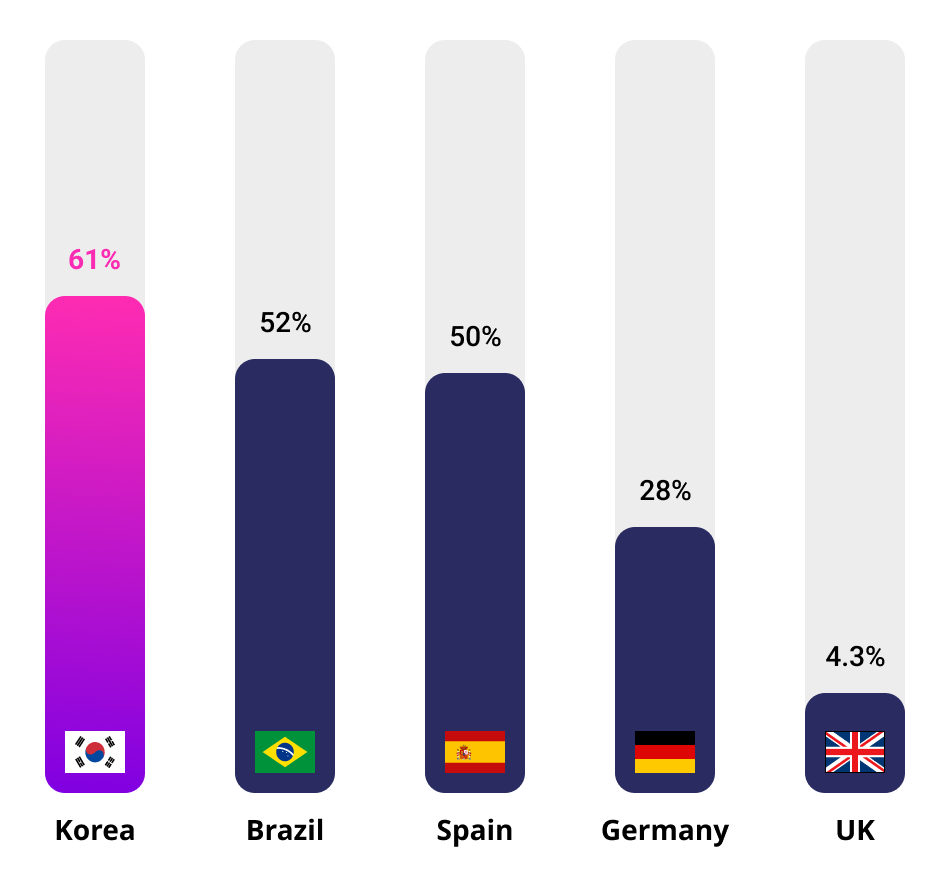
The above data was released in 2024 by Statista, a German statistics survey agency. The same criteria may have been applied globally. Therefore, certain age groups or those meeting certain conditions, rather than the entire population, were possibly chosen as the sample, which may differ from the definitions used in each country’s administrative data. Source: Statista
Various countries, including Canada and Germany, provide health checkups for free or at a reasonable cost through their public medical systems. Among these countries, Korea is positioned at the top in terms of health checkup participation rates, including the rate of participation in national health checkups. This is possible since almost all general hospitals in Korea have health checkup centers, as well as state-of-the-art medical equipment and top-notch technological capabilities. For these reasons, a growing number of foreigners are visiting Korea to get health checkups. As a result, Korea’s health checkup system has emerged as a pioneer in medical Hallyu. Let’s explore what attracts foreign patients to the health checkup system in Korea.
1. Attractiveness of Health Checkup System in Korea
POINT 1. Quick and Convenient System
Health checkups in Korea are fast. In other countries, a general health checkup takes almost three hours . However, in Korea, even comprehensive health checkups take just around four hours in total, and the results are available within a week. If you opt for basic checkup items without additional tests, the duration is reduced by one or two hours. Most tests are conducted within health checkup centers, eliminating the need for additional travel time and resulting in a swift health checkup. Additionally, IT-powered testing systems in Korea’s health checkup centers are considered their competitive edge. An RFID tag attached to the patient’s wrist minimizes waiting time and allows real-time tracking of the test steps, enhancing convenience.
POINT 2. Top-Class Medical Infrastructure and Reasonable Costs
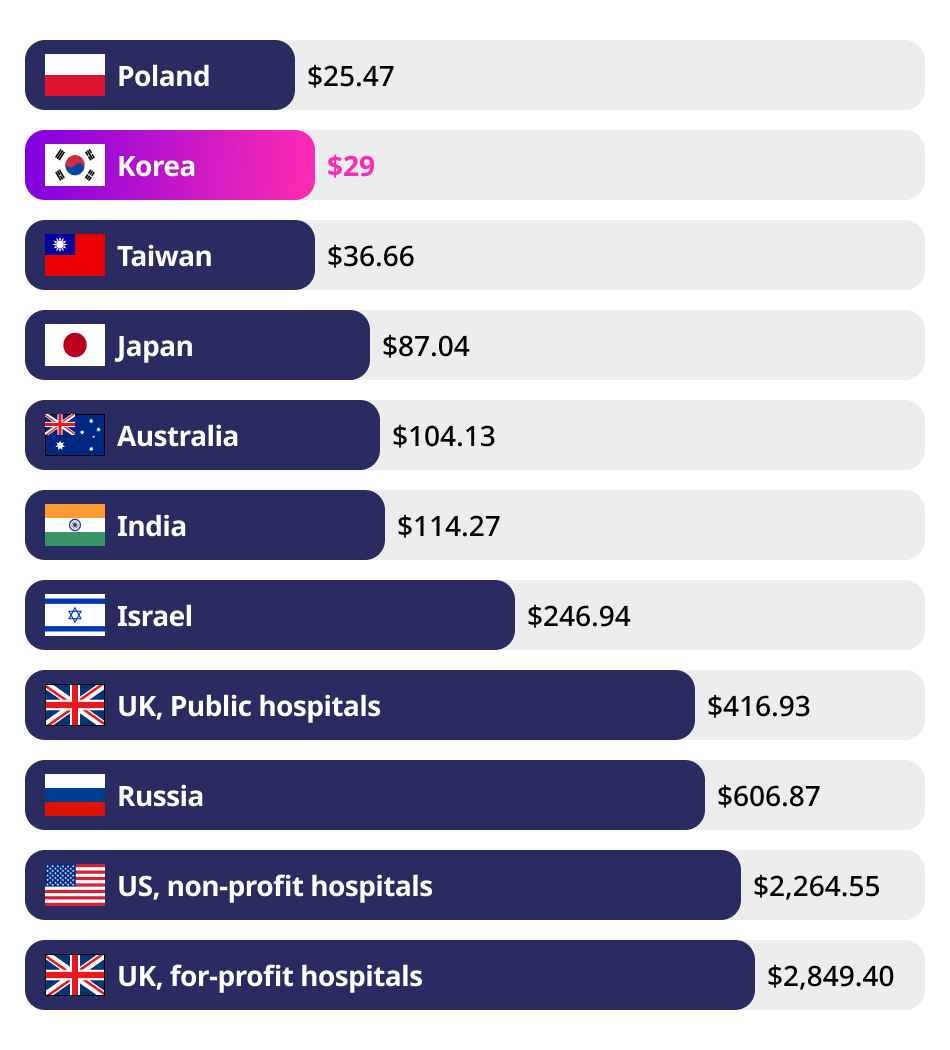 Source: Korean Society of Gastrointestinal Endoscopy
Health checkups in Korea are reasonably priced. When compared to those in the U.S., Korea’s health checkups offer more diverse tests at more reasonable rates. For instance, national health checkups in Korea include oral examinations, which are rarely included in U.S. health checkups. Therefore, people in the U.S. commonly visit their dentist's office separately for oral examinations. The situation is similar for other health checkup items as well. Let’s take the government-designated price of endoscopy for instance, which is a major health checkup item. Korea is globally touted as a leader in endoscopy, and the government-designated price for an endoscopy is only one-fourteenth and one-fourth of that found in the U.K. and India, respectively. Furthermore, the price in Korea is the lowest among all OECD countries and middle-income countries combined.1) 1) Press conference for the 4th World Congress of GI Endoscopy (ENDO 2024) and the 14th International Digestive Endoscopy Network (IDEN 2024)
As mentioned above, Korea is considered a global leader in endoscopy, boasting a top-tier medical system and infrastructure among OECD countries. Many people choose to get an MRI and a CT scan during their health checkups. Korea has more than 1.5 times as many CT scanners and MRI machines as other OECD countries.
Comparison of Medical Infrastructure Between OECD average and Korea
No. of CT Scanners
Japan (2020) 115.7 Australia(2023) 70.5 New Zealand(2023) 44.5 Korea(2022) 44.5 OECD(Average) 30.4 Singapore(2013) 8.9 Mongolia(2013) 8.1 BruneiDarussalam (2013) 7.2 Malaysia(2013) 6.4 Thailand(2013) 6 Fiji(2013) 3.8 Sri Lanka(2013) 1.7 Cambodia(2013) 1.3 Philippines(2013) 1.2 Myanmar(2021) 1.1 Lao PDR(2013) 0.4 Papua NewGuinea (2013) 0.3 Pakistan(2013) 0.3 Bangladesh(2021) 0.3 Korea: 44.5OECD Average: 30.4source: OECD Health Statistics 2024; WHO Global atlas of medical devices 2022No. of MRI Machines
Japan (2020) 57.4 Korea(2022) 37.5 OECD(Average) 20.6 New Zealand(2023) 20 Australia(2023) 16.4 Singapore(2013) 7.8 Malaysia(2013) 2.9 BruneiDarussalam (2013) 2.4 Mongolia(2013) 1.4 Fiji(2013) 1.1 Bangladesh(2021) 1.1 Sri Lanka(2013) 0.7 Philippines(2013) 0.5 Myanmar(2021) 0.4 Pakistan(2013) 0.2 Cambodia(2013) 0.1 Korea: 37.5OECD Average: 20.6POINT 3. One-stop Services
Health checkups in Korea have excellent post-checkup care. One-stop services, ranging from tests to treatment, are provided. Depending on the results of a health checkup, appropriate post-checkup care should follow. If an abnormality is detected in the results of a health checkup, further testing must be conducted to accurately identify the cause and provide appropriate treatment. Korea's health checkup centers offer a swift referral and follow-up system to ensure that patients receive accurate diagnoses from specialists as soon as possible when abnormal findings or serious illnesses are detected in the health checkup results. These centers have a well-established system of collaboration with various medical departments, ensuring a stable treatment. Moreover, the health checkup centers in Korea also provide continuous patient management through the Internet even after patients return to their home countries.
2. Q&A About Health Checkups

Health checkups basically consist of tests for common diseases and target those who currently do not have symptoms. Therefore, not all diseases can be detected through health checkups. Sometimes, there are cases where people experience abnormal symptoms, such as weight loss, but only undergo general health checkups without consulting a doctor. In such cases, if the basic health checkup yields normal results and the patient does not get necessary consultations, it could worsen the disease. People know that health checkups are good, but not many know why health checkups are needed and what kind of health checkups are suited for them. Check the following Q&A to satisfy your curiosity about health checkups.
Q1. Is it essential to get a health checkup even though I am sure I am quite healthy?
When recommended to get a checkup, some people think, ‘Why should I get a health checkup when I’m not ill at all?’ Getting a health checkup is like getting insurance when you are healthy. It is like buying car insurance before getting into a car accident to prepare in advance. If you regularly get a health checkup when you are healthy, you can prevent various health risks.
Q2. How often should I get health checkup?
Korea designates essential health checkup items and provides basic health checkups to all Korean citizens aged 40 and older every two years. In particular, those of a certain age can get cancer screening for five major cancers (gastric cancer, colorectal cancer, liver cancer, cervical cancer, and breast cancer). When it comes to cancer, individuals differ in terms of their family history, lifestyle, job, and other traits, so getting a health checkup every two years is good. Regarding the type of cancer screening and when to get it, it is recommended to consult with a doctor to determine the additional screenings needed and their frequency.
Q3. I would like to set up health checkups for my parents. Which health checkup items should I choose?
A cardiovascular checkup, which checks blood vessel health, is recommended. It focuses on detecting cardiovascular diseases, including hypertension and heart-related diseases, as well as identifying associated risk factors. It is recommended for individuals in their 50s and 60s, and older, as well as those with a family history of lifestyle-related diseases (e.g., hypertension, diabetes, kidney disease, or hyperlipidemia) or coronary artery disease.
3. Health Checkup Cautions
First, the idea of ‘the more, the better’ does not apply to health checkups. Getting several tests at once is not recommended even if you do not have frequent opportunities to visit Korea. For instance, taking more CT scans than necessary can expose you to excessive amounts of medical radiation. Therefore, it is advisable to undergo scans only when necessary, after consulting with medical professionals.
Second, getting regular health checkups is recommended. If you get regular health checkups, your primary care physician can consistently keep track of your family history and medical history, enabling systematic management of your health. Those who get regular health checkups have a 23% lower risk of dying from all diseases and a 44% lower risk of contracting a disease, according to research. source: BMC Medicine, Celeste McCracken et al., 'NHS Health Check attendance is associated with reduced multiorgan disease risk: a matched cohort study in the UK Biobank' source: https://www.biomedcentral.com/articles/10.1186/s12916-023-03187-w
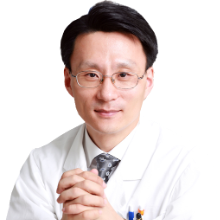
Be-long Cho (MD-PhD) of the Department of Family Medicine at Seoul National University Hospital
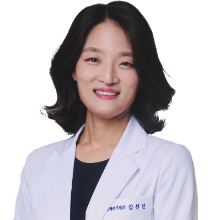
Sun-sin Kim (MD-PhD) of the Department of Internal Medicine at Seoul National University Hospital Healthcare System Gangnam Center
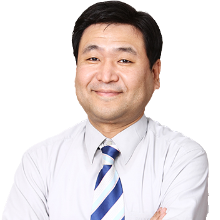
Woo-sung Sun (MD-PhD) of the Department of Family Medicine at Seoul Asan Medical Center
(In the order of the photo) This content was written based on interviews with Be-long Cho (MD-PhD) of the Department of Family Medicine at Seoul National University Hospital; Sun-sin Kim (MD-PhD) of the Department of Internal Medicine at Seoul National University Hospital Healthcare System Gangnam Center; and Woo-sung Sun (MD-PhD) of the Department of Family Medicine at Seoul Asan Medical Center
Columnist Profile : Medicine Channel After the Rain, Cho-hee Choi, PD

- 1330 Korea Travel Helpline: +82-2-1330
- 1330 Text Chat: https://m.site.naver.com/1rEid
- (Korean, English, Japanese, Chinese, Russian, Vietnamese, Thai, Indonesian)
- * This column was last updated in December 2024, and therefore information may differ from what is presented here.
-
1330 Helpline Call/Chat

Start a FREE Online Call(No charges for calls on Wi-Fi /
Data charges may apply)

Open 1330 Helpline Chat(Download not required)



 Medical Wellness