- SEOUL

- 21 °C / 9 °C


News & Announcements
-
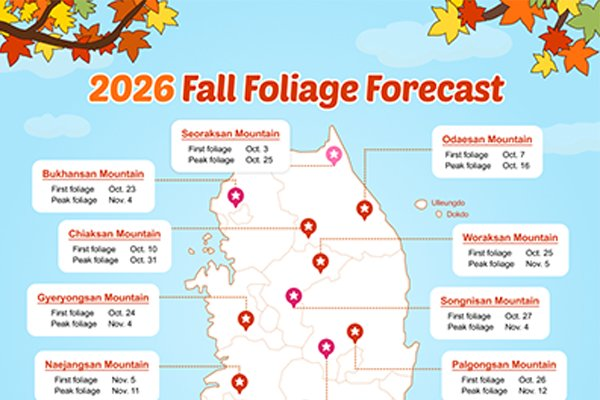
N 2026 Fall Foliage Forecast
09/08/2026 -
![[Winner Announcement] VISITKOREA Exclusive Launch Event 2_ What’s your travel mood today? [Period 2]](https://tong.visitkorea.or.kr/cms/resource/17/4104417_image2_1.png)
N [Winner Announcement] VISITKOREA Exclusive Launch Event 2_ What’s your travel mood today? [Period 2]
10/06/2026 -
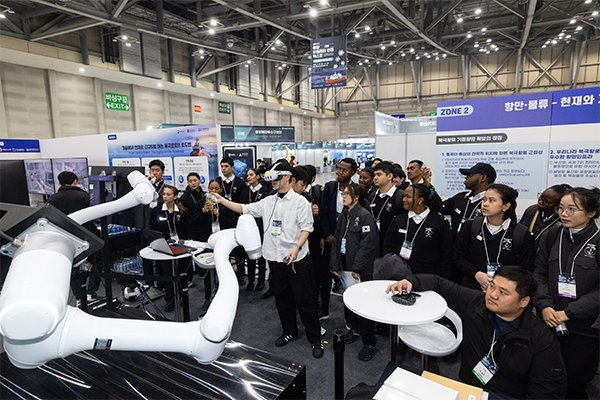
N Korea's Future of Maritime Mobility Unfolds in Busan with Korea Maritime Mobility · Safety Expo 2026
09/28/2026 -

N From Travel Photo to Personal Postcard at Seoul Museum of Art!
09/11/2026


![[HYUNDAI DEPARTMENT STORE] Visit and Receive! Welcome Gifts + 5% OFF Coupons](/public/images/2026/06/12/880a0b37c83e4565a0527ba25d9c7a9d.png)



![[Korea Beyond Seoul ①] Fly to Daegu International Airport and Explore Daegu & Gyeongsangbuk-do](https://tong.visitkorea.or.kr/cms/resource/43/4070243_image2_1.jpg)