| |||||||||||||||||
|
• Industry Tour-1 (Wednesday)

Ulsan Haetbit Gwangjang (Sunshine Square) → Hyundai Motor Company → Daewangam Park → Hyundai Heavy Industries → Oesol Memorial Hall
※ Please note that if there are less than 10 passengers on board, the Industry Tour-1 course will be replaced with Ulsan History Tour course (Thursday)
• Industry Tour-2 (Friday)

Ulsan Haetbit Gwangjang (Sunshine Square) → Whale Museum (charged) → Whale Experience Hall (charged) → Hyundai Motor Company → Aseon-ro Road
※ Please note that if there are less than 10 passengers on board, the Industry Tour-2 course will be replaced with Love Ulsan Tour course (Sunday).
• Ecological Environment Tour (Tuesday)
Ulsan Haetbit Gwangjang (Sunshine Square) → Hoeya Water Treatment Plant → Oegosan Onggi Village → Ulsan Grand Park → Taehwagang Grand Park (Simnidae Forest)
• Ulsan History Tour (Thursday)
Ulsan Haetbit Gwangjang (Sunshine Square) → Seonbawi Rock → Relics of Park Jesang → Ulsan Daegok Museum → Ulsan Petroglyph Museum → Eonyang Eupseong Fortress → Eonyang Jiseokmyo Dolmen → Seoknamsa Temple (charged)
• Ulsan Culture Tour (Saturday)
Ulsan Haetbit Gwangjang (Sunshine Square) → Oegosan Onggi Village → Seosaengpo Japanese Fortress → Myeongseongyo Bridge → Ganjeolgot Cape
• Love Ulsan Tour (Sunday)
Ulsan Haetbit Gwangjang (Sunshine Square) → Cheonjeonri Petroglyph → Jakgwaecheon Stream→ Dokkaebi Road → Amethyst Cave (charged) → Ganwolsaji (Ganwolsa Temple Site) → Whale Museum (charged) → Whale Experience Hall (charged)
• Daily departure (except for Mondays)

Ulsan City Hall → KTX Ulsan Station → Oegosan Onggi Village → Ganjeolgot Cape → Hyundai Heavy Industries → Whale Museum (charged) → Whale Experience Hall (charged)
※ Please note that Hyundai Heavy Industries is replaced with Ulsan Petroglyph Museum on weekends and national holidays.

Hyundai Motor Company's Ulsan Plant is the world's largest automobile manufacturing plant. Hyundai entered the car manufacturing industry in 1968 by partnering with Ford Motor Company to produce Britain's popular family car, the Cortina. Since launching its first Korean model (the Pony) in 1975, Hyundai has developed into a leading global auto company. The Ulsan plant produces an average of 5,600 vehicles a day, and the sight of 10,000 cars waiting at the port is sure to delight car buffs.
☞ Go to Hyundai Motor Company's Ulsan Plant
☞ Homepage: http://worldwide.hyundai.com (Korean, English)

Daewangam Park is located at the tip of a piece of land jutting out into the East Sea and is also home to Ulgi Lighthouse. The park's fantastic rock outcrops and 100-year-old pine trees provide a refreshing place to relax

In March 1972, Hyundai Heavy Industries began constructing a shipyard in Ulsan. Since then, the company has built over 1,170 ships, and Ulsan is now home to the largest shipbuilding yard in the world.
☞ Go to Hyundai Heavy Industries
☞ Homepage: www.hhi.co.kr (Korean)

Oesol Memorial Hall is the birthplace of Korean language scholar Choi Hyeon-bae (1894-1970), whose pen name was Oesol. The house was torn down long ago, but restored to the present state in 2008. The memorial hall holds an exhibition hall, an experience hall, a Hangeul (Korean language) classroom, and a multipurpose auditorium. The exhibition hall has on display a hundred items that either belong or relate to the scholar, including his overcoat, cane, desk, photos, and Order of Merit for National Foundation.
☞ Homepage: http://www.oesol.kr (Korean)

The Whale Museum, located in Jangsaengpo, was an ancient base for hunting whales. The museum exhibits around 250 whaling artifacts as well as a children's experience hall, a whaling history hall, whale skeletons, and a whaling ship.
☞ Go to Jangsaengpo Whale Museum
☞ Homepage: http://www.whalemuseum.go.kr (Korean)

Located adjacent to the Whale Museum, the Whale Experience Hall provides visitors with an opportunity to watch live dolphins from up close. The experience hall houses a dolphin aquarium, a coastal aquarium, an ecology exhibition hall, and a 4D theater. Furthermore, a diorama of the ancient whaling life offers a glimpse into the history of Jangsaengpo.
☞ Go to Jangsaengpo Whale Museum
☞ Homepage: : http://whale.ulsan.go.kr (Korean, English)

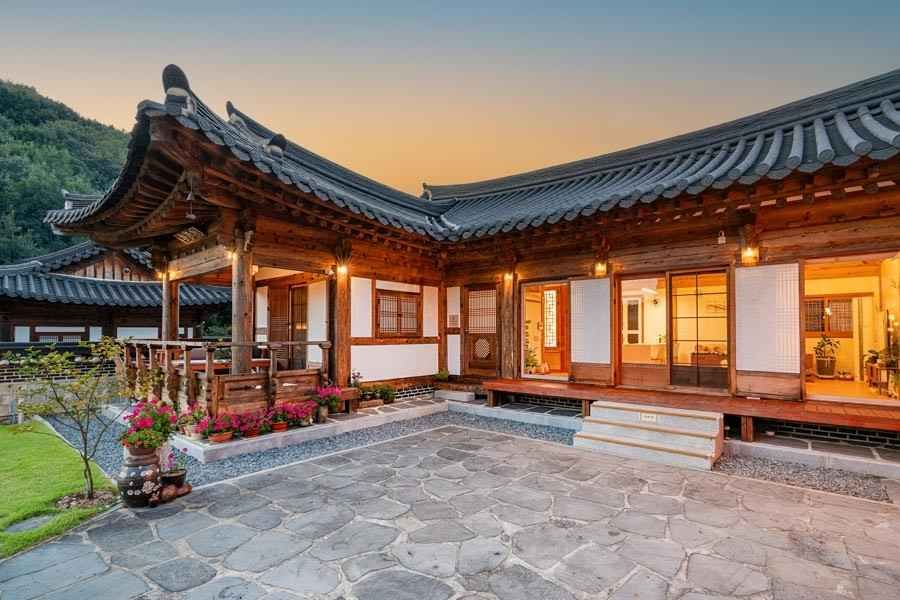
Oegosan Onggi Village is regarded a top traditional folk onggi (pottery) village in Korea and showcases the conventional pottery manufacturing process. With pottery in every corner, visitors can experience the peaceful atmosphere of an ancient village. Visitors can also find recreations of earthenware from the Silla Dynasty (BC 57-AD 935).
☞ Go to Oegosan Onggi Village
☞ Homepage: http://onggi.ulju.ulsan.kr (Korean)

Ganjeolgot Cape's name comes from its resemblance to a long, pointed Ganjitdae (bamboo pole) when seen from far out at sea. It is noted for providing the earliest view of sunrise on the Korean peninsula. Nearby attractions include the new millennium monument, a sculpture park, Jinha Beach, and Seosaengpo Japanese Fortress.
☞ Go to Ganjeolgot Cape
☞ Homepage: http://ganjeolgot.ulsan.go.k (Korean)
Last updated in October 2011