Changgyeonggung Palace (창경궁)
|
|||||||||||||||||||||||||||||||||||||||||||||||||||||||||||||||||||||||
|
|||||||||||||||||||||||||||||||||||||||||||||||||||||||||||||||||||||||
|
| |||||||||||||||||||||||||||||||||||||||||||||||||||||||||||||||||||||||
| Introduction | |||||||||||||||||||||||||||||||||||||||||||||||||||||||||||||||||||||||
| Located in the heart of Seoul, Changgyeonggung Palace was first built by the 4th ruler of the Joseon Dynasty, King Sejong (r.1418-1450), for his retiring father, King Taejong. It often served as residential quarters for queens and concubines. During the reign of King Seongjong (r.1469-1494), the palace was renovated and renamed to Changgyeonggung Palace. It later became a park with a zoo and a botanical garden during Japanese colonial rule. The palace was then relocated in 1983 and regained its old grace after years of restoration.
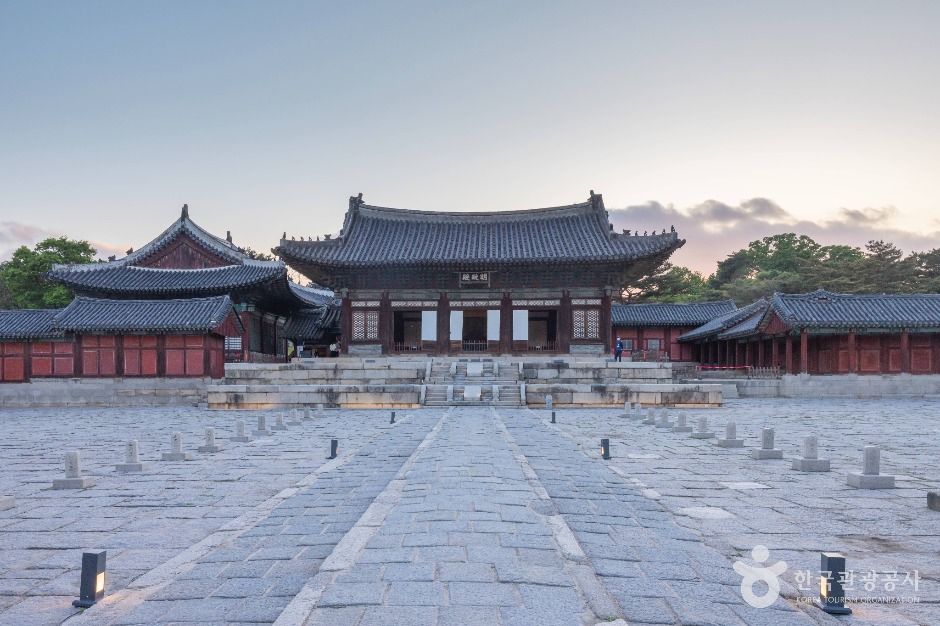
Past the entrance of Changgyeonggung Palace, the Honghwa Gate, you will find Okcheon Bridge. All palaces of the Joseon Dynasty have ponds with an arch bridge over them, just like Okcheon Bridge. Cross Okcheongyo Bridge, pass the Myeongjeong Gate, and you will find Myeonjeongjeon. This is the office of the King, and Myeongjeongjeon is the oldest of the Joseon Dynasty palaces. The houses face southwards, but Myeongjeongjeon faces the east. Because the ancestral shrine of the royal family are located in the South, the gate couldn't face the south as the Confucian custom. There are stones with the status of the officials carved on the yard. Behind Myeongjeongjeon on the upper left side is Sungmundang. This building utilizes the slope of the mountain. If you look at Myeongjeongjeon and Munjeongjeon, the combination of the high and low roofs offers a beautiful view. Tongmyeongjeon was built for the queen. It is the biggest building in Changgyeonggung Palace, and you can recognize the delicate details of its structure in various parts of the building. Walk up the stones past Tongmyeongjeon and there you will find Jagyeongjeon. On the southeast direction of the Jagyeongjeon is the Punggidae. This Punggidae is a measuring instrument. It is a long pole with a cloth hung at the end, used to check the speed and direction of the wind. If you head north there is a large pond called Chundangji. Half of the pond was originally a rice field that the King took care of. But during the Japanese Occupation the rice field was changed to a pond with little ships floating on it. And the botanic garden built above the pond still remains today. |
|||||||||||||||||||||||||||||||||||||||||||||||||||||||||||||||||||||||
| Current Status | |||||||||||||||||||||||||||||||||||||||||||||||||||||||||||||||||||||||
| Historic Site No.123 | |||||||||||||||||||||||||||||||||||||||||||||||||||||||||||||||||||||||
| Closed | |||||||||||||||||||||||||||||||||||||||||||||||||||||||||||||||||||||||
| Every Monday | |||||||||||||||||||||||||||||||||||||||||||||||||||||||||||||||||||||||
| Operating Hours | |||||||||||||||||||||||||||||||||||||||||||||||||||||||||||||||||||||||
| Apr to Oct 09:00 ~ 18:30 Mar, Nov 09:00 ~ 17:30 Dec to Feb 09:00 ~ 17:00 *Last admission: one hour before closing time. |
|||||||||||||||||||||||||||||||||||||||||||||||||||||||||||||||||||||||
| Parking Facilities | |||||||||||||||||||||||||||||||||||||||||||||||||||||||||||||||||||||||
| Available * Parking Fees - 2,000 won for 2 hrs / 1,000 for every 30 mins after 2 hrs |
|||||||||||||||||||||||||||||||||||||||||||||||||||||||||||||||||||||||
| Admission Fees | |||||||||||||||||||||||||||||||||||||||||||||||||||||||||||||||||||||||
| Adults (Ages over 19) Individual 1,000 won / Group (20 people or more) 800 won Children (Ages 7 - 18) Individual 500 won / Group (10 or more) 400 won Integrated Ticket of Palaces - Four Palaces (Changdeokgung Palaces (including Huwon, Secret Garden), Changgyeonggung Palace, Deoksugung Palace, Gyeongbokgung Palace) and Jongmyo Shrine - The ticket is 10,000 KRW and may be used within a month after purchase. - Refunds are not allowed if visitor has already visited at least one palace. ※ Visitors may take a combined tour of Changdeokgung Palace and Changgyeonggung Palace (additional ticket purchase must be purchased at Hamyangmun Gate). ※ The Jongmyo Shrine tour will be offered only at specific times during the day, except on Saturdays, when visitors may tour at their leisure. The passage connecting Jongmyo Shrine and Changgyeonggung will be closed to public access. ※ Closed on Mondays: Changdeokgung Palace, Deoksugung Palace, Changgyeonggung Palace ※ Closed on Tuesdays: Gyeongbokgung Palace, Jongmyo Shrine |
|||||||||||||||||||||||||||||||||||||||||||||||||||||||||||||||||||||||
| Facilities for the Handicapped | |||||||||||||||||||||||||||||||||||||||||||||||||||||||||||||||||||||||
| Wheel chair free rental service, disabled toilets, parking space for people with disabilities | |||||||||||||||||||||||||||||||||||||||||||||||||||||||||||||||||||||||
| Interpretation Services Offered | |||||||||||||||||||||||||||||||||||||||||||||||||||||||||||||||||||||||
| English - 11:00, 16:00 Japanese - 10:00, 14:00 Chinese - 13:00, 15:00 ※ This schedule is subject to change. Before visiting Changgyeonggun, please call +82-2-762-4868 (ext.4). An English speaking staff will be available to answer your questions. |
|||||||||||||||||||||||||||||||||||||||||||||||||||||||||||||||||||||||
| Baby Stroller Rentals | |||||||||||||||||||||||||||||||||||||||||||||||||||||||||||||||||||||||
| Available (Free) | |||||||||||||||||||||||||||||||||||||||||||||||||||||||||||||||||||||||
| Directions | |||||||||||||||||||||||||||||||||||||||||||||||||||||||||||||||||||||||
| Hyehwa Station (Seoul Subway Line 4), Exit 3. Go 20m and then turn left at Seoul Jongno Pharmacy (서울종로약국). Go 180m and then turn left at Jeongmin Onnuri Pharmacy (정민온누리약국) Go 200m and then turn left. Go 60m and then cross the road to arrive at Changgyeonggung Palace. |
|||||||||||||||||||||||||||||||||||||||||||||||||||||||||||||||||||||||
|
|||||||||||||||||||||||||||||||||||||||||||||||||||||||||||||||||||||||