Donghwasa Temple (동화사(대구))
|
||||||||||||||||||||||||||||||||||||||||||||||||||||||||||||
|
||||||||||||||||||||||||||||||||||||||||||||||||||||||||||||
|
| ||||||||||||||||||||||||||||||||||||||||||||||||||||||||||||
| Introduction | ||||||||||||||||||||||||||||||||||||||||||||||||||||||||||||
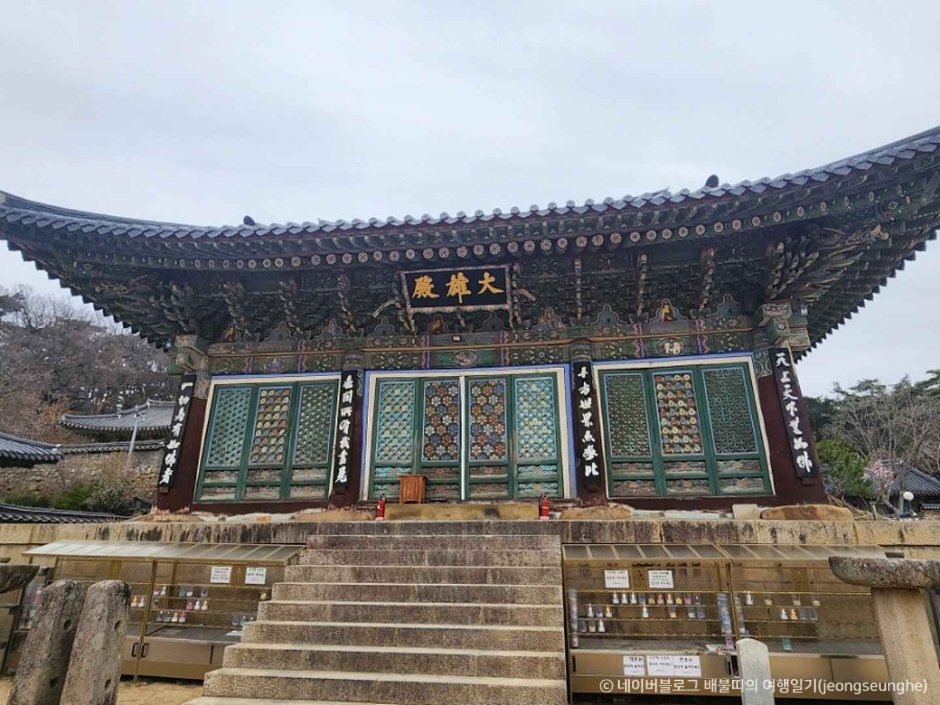
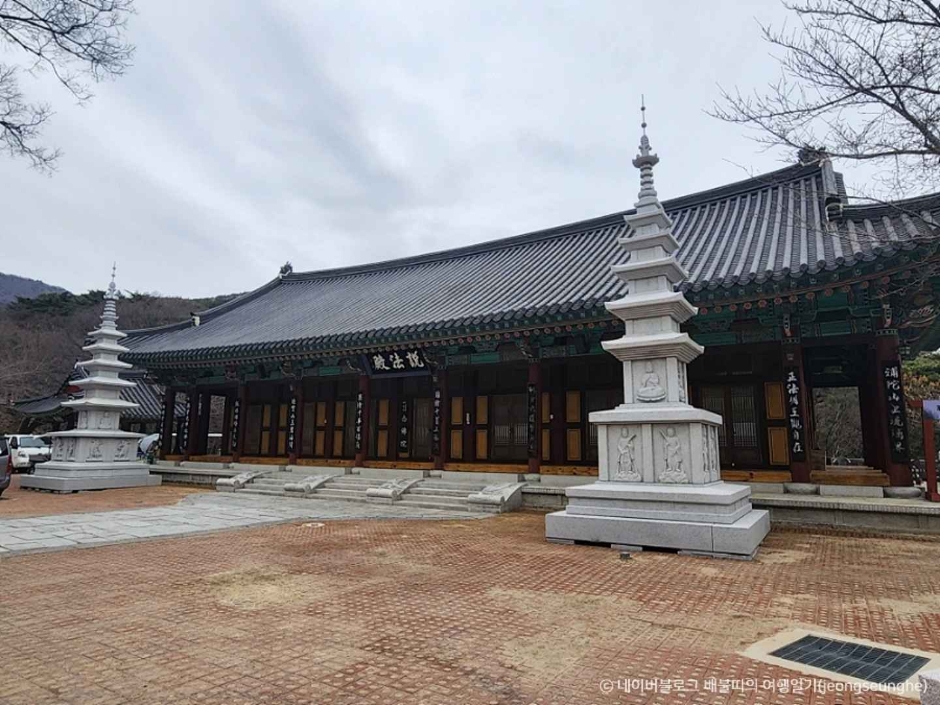
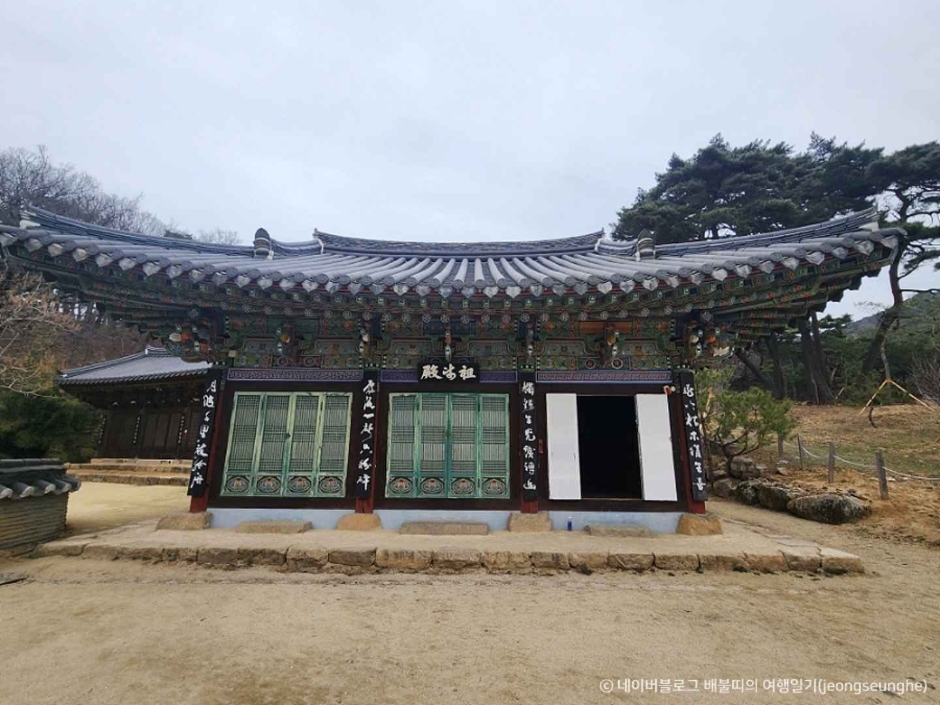
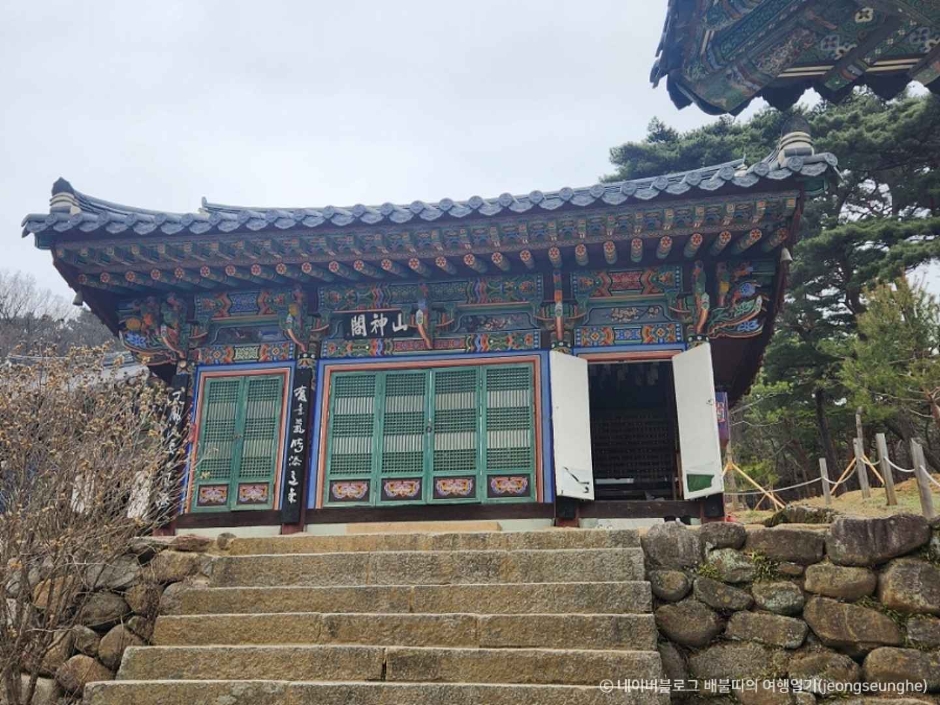
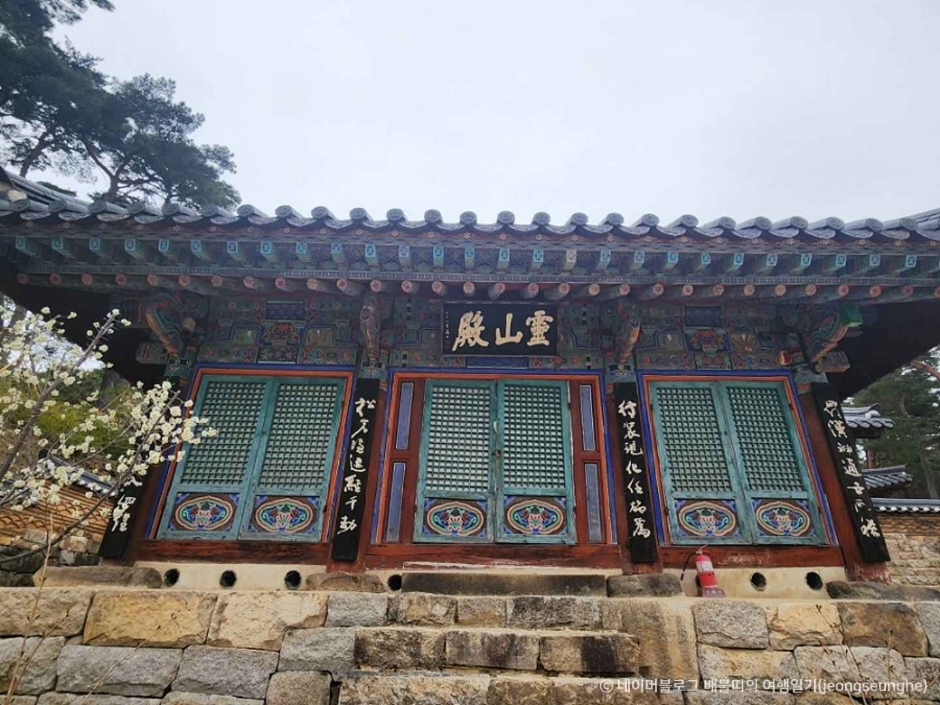
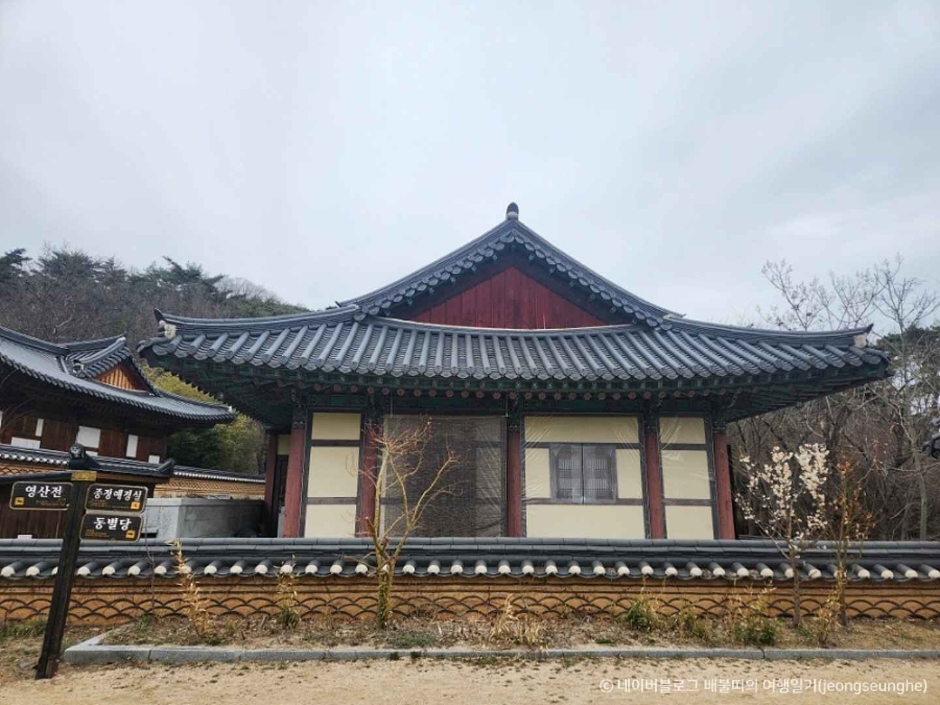
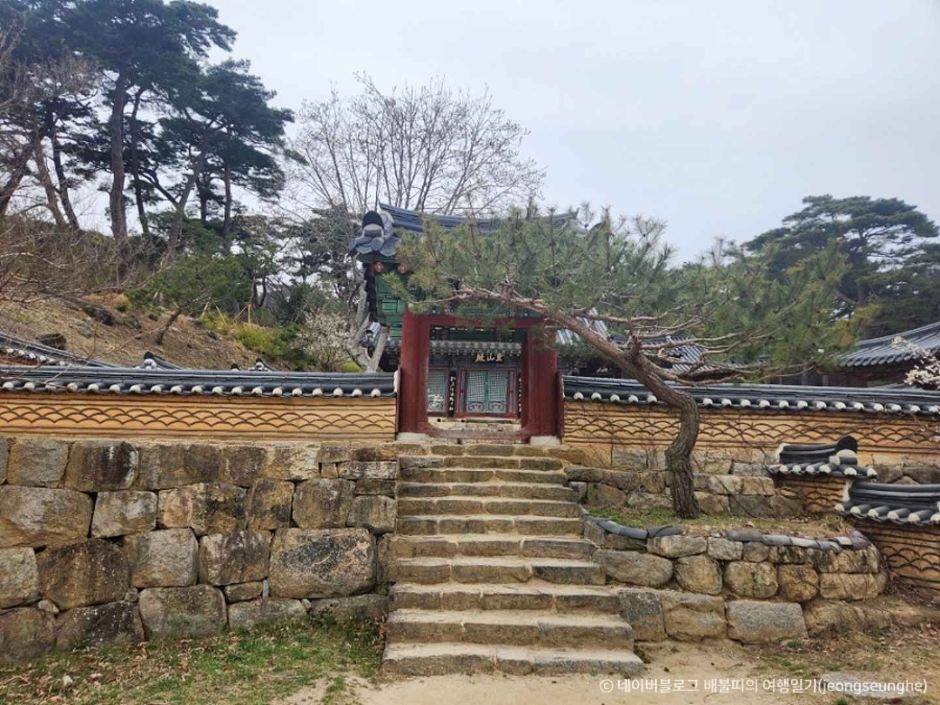
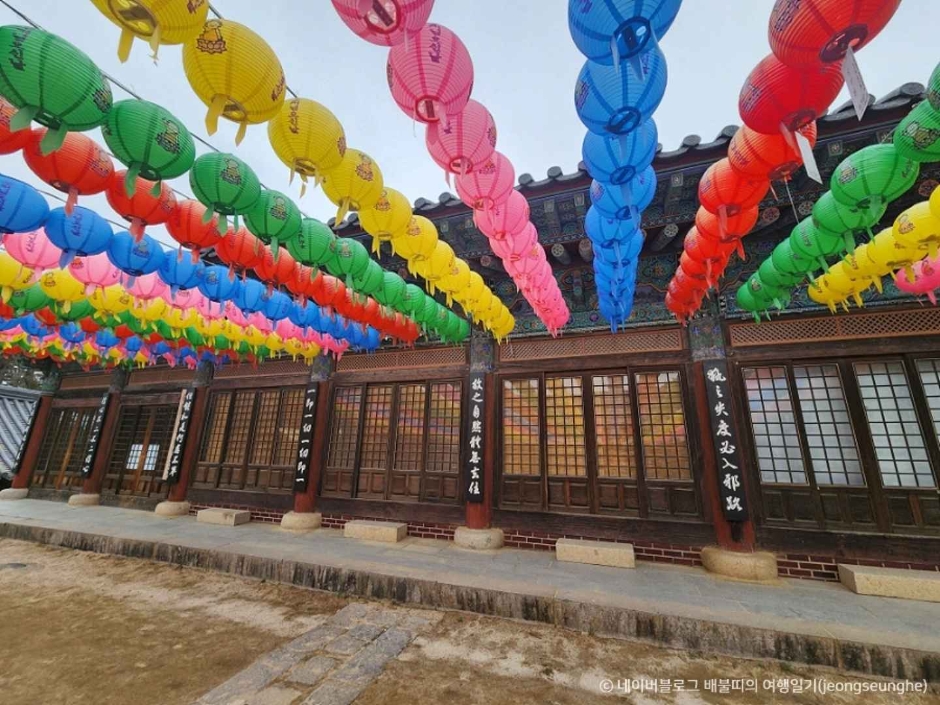
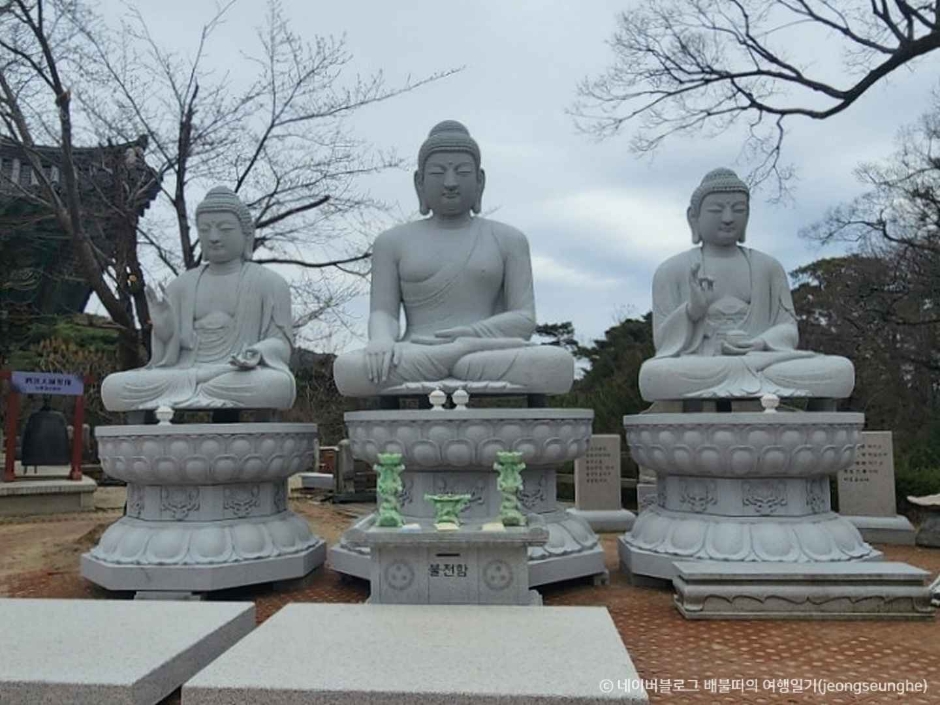
| Donghwasa Temple (동화사) is located on the south side of Mt. Palgongsan Mountain, about 22km northeast of Daegu. It was built by monk Geuk-Dal in the 15th year of the Silla King SoJi’s reign (493). The original name of the temple was Yugasa, but Simjiwangsa rebuilt the temple under King HeungDeok (reign 826~836) and named it Donghwasa. It means even during the winter season, the paulownia tree still blooms, and the present temple was last rebuilt in 1732. When you turn the corner, the first thing that catches your eye is the Seolbeopjeon Building. To the left of Seolbeopjeon is Daeungjeon, the main temple, and to the right of the building leads to the Geumgang Stairs. If you turn left in the direction of Daeungjeon you will see Bongseoru, aptly named to signify a Bonghwang (phoenix) with its tail pointed downward. Past Bongseoru are stairs that are typical of the ones leading into Daeungjeon, called "Nugak Stairs". On either side of the stairs are railings in the shape of a dragon, and in the middle of the stairs, there is a round stone marble that resembles a Yeouiju, a ball often associated with dragons. Donghwasa’s Daeungjeon is segmented into 3 sections at the front and side, and its natural looking pillars are one of its main attractions. It includes the statues of Seokgamonibul, Amitabul, and Yaksayeoraebul inside. If you come down the stone stairs beside Bongseoru and walk along the cement road for a while, you will come to the huge Seokjoyaksa Yeoraebul. Created as a prayer for reunification, this large Buddha statue is 17m high. The stone tower, stone light, the lion statue, and the lotus flower that decorate the Buddha statue are all very large in size. Behind the statue are also stones arranged in a circular form resembling a beautiful scroll painting. These are world-class size stone artifacts. |
||||||||||||||||||||||||||||||||||||||||||||||||||||||||||||
| Telephone | ||||||||||||||||||||||||||||||||||||||||||||||||||||||||||||
| +82-53-982-0101 | ||||||||||||||||||||||||||||||||||||||||||||||||||||||||||||
| Operating Hours | ||||||||||||||||||||||||||||||||||||||||||||||||||||||||||||
| 08:00-17:00 | ||||||||||||||||||||||||||||||||||||||||||||||||||||||||||||
| Parking Facilities | ||||||||||||||||||||||||||||||||||||||||||||||||||||||||||||
| Available Parking Fees Sedan : 2,000won / Bus : 5,000won |
||||||||||||||||||||||||||||||||||||||||||||||||||||||||||||
| Admission Fees | ||||||||||||||||||||||||||||||||||||||||||||||||||||||||||||
| - Individual: (Age 19 and over) – 2,500 won / (Ages 13-18) – 1,500 won / (Age 12 and under) – 1,000 won - Group of 30 or more: (Ages 13-18) – 1,200 won / (Age 12 and under) – 800 won |
||||||||||||||||||||||||||||||||||||||||||||||||||||||||||||
| Interpretation Services Offered | ||||||||||||||||||||||||||||||||||||||||||||||||||||||||||||
| Available languages: English, Japanese, Chinese | ||||||||||||||||||||||||||||||||||||||||||||||||||||||||||||
| Local Transportation | ||||||||||||||||||||||||||||||||||||||||||||||||||||||||||||
From Dongdaegu Railroad Station, use the exit located next to parking lot No.3,
go to the bus stop located next to the exit, take Express Bus No.1 coming every
12 minutes to get off at Donghwasa Entrance, the second to last stop (Travel
Time: 40 min). Walk for 7-8 min. |
||||||||||||||||||||||||||||||||||||||||||||||||||||||||||||
|
||||||||||||||||||||||||||||||||||||||||||||||||||||||||||||