- Log in
-
- Sydney Overseas Office
- London Overseas Office
- Toronto Overseas Office
- Los Angeles Overseas Office
- New York Overseas Office
- Ulaanbaatar Overseas Office
- Dubai Overseas Office
- New Delhi Overseas Office
- Manila Overseas Office
- Jakarta Overseas Office
- Hanoi Overseas Office
- Kuala Lumpur Overseas Office
- Singapore Overseas Office
- Bangkok Overseas Office
- Map
- Sydney Overseas Office
- London Overseas Office
- Toronto Overseas Office
- Los Angeles Overseas Office
- New York Overseas Office
- Ulaanbaatar Overseas Office
- Dubai Overseas Office
- New Delhi Overseas Office
- Manila Overseas Office
- Jakarta Overseas Office
- Hanoi Overseas Office
- Kuala Lumpur Overseas Office
- Singapore Overseas Office
- Bangkok Overseas Office
- HOME
- Where to Go
- Destinations
-
-
-
Sangwonsa Temple (상원사(오대산))
-
1
2
-
-
-
-
![]()
![]()
![]()
![]()
![]()
![]()
![]()
![]()
![]()
![]()
![]()
![]()
![]()
![]()
![]()
![]()
![]()
![]()
![]()
![]()
![]()
![]()
![]() 1 / 23
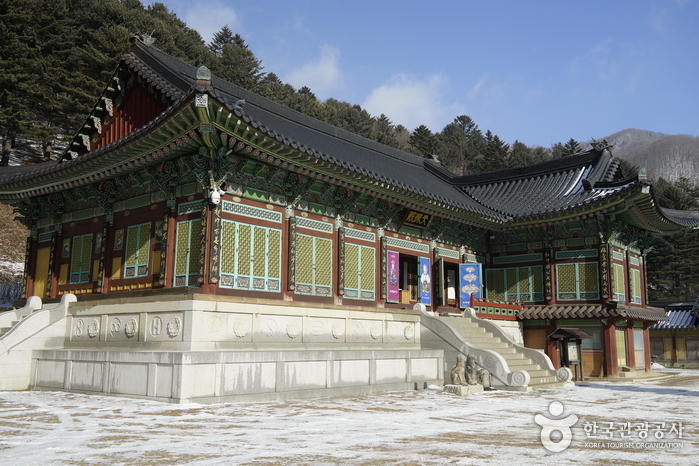
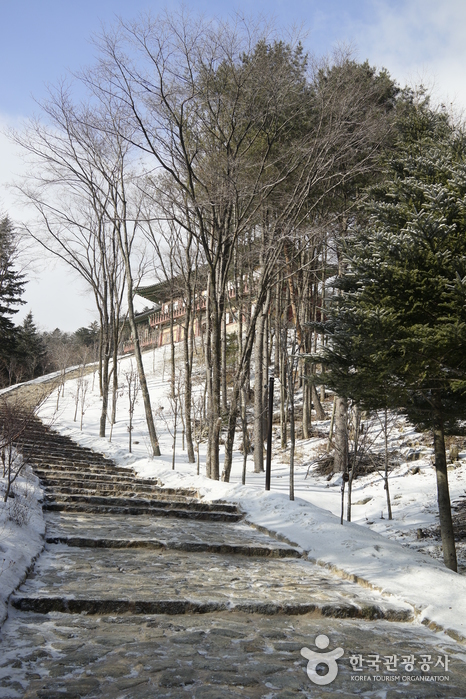
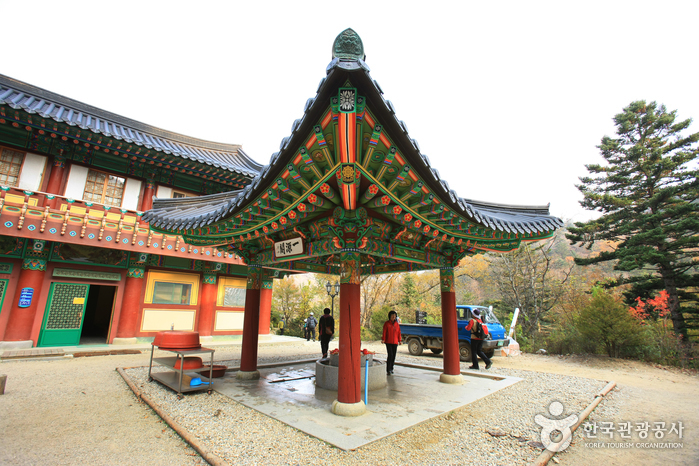
1 / 23Sangwonsa Temple is located 8 kilometers north of Woljeongsa Temple. The temple was built by Buddhist monk Ja Jang in the 12th year of Silla Queen Seondeok, and rebuilt in 705 during the 4th year of King Seongdeok's reign. It burned down in 1946, but was restored once again in 1947. The temple is home to the Bronze Bell of Sangwonsa (a National Treasure), the oldest bronze bell in the nation. The bell, built during the 24th year of King Seongdeok, has a height of 1.67 meters and a diameter of 91 centimeters with a beautiful, clear ring. Other relics at the temple include Statue of Child Manjusri, said to have been seen directly by King Sejo, as well as a tablet commending the rebuilding of Sangwonsa Temple, written by King Sejo. Gwangdaegeori, located at the temple entrance, is also connected with King Sejo through a story of his bathing in the pure mountain stream one day while visiting Sangwonsa Temple.
What's nearby Here are some recommended destinations nearby! Attractions within 50 kilometers are arranged in the order of closest distance.Map Directions







Start a FREE Online Call
(No charges for calls on Wi-Fi /
Data charges may apply)

Open 1330 Helpline Chat(Download not required)