- Log in
-
- Sydney Overseas Office
- London Overseas Office
- Toronto Overseas Office
- Los Angeles Overseas Office
- New York Overseas Office
- Ulaanbaatar Overseas Office
- Dubai Overseas Office
- New Delhi Overseas Office
- Manila Overseas Office
- Jakarta Overseas Office
- Hanoi Overseas Office
- Kuala Lumpur Overseas Office
- Singapore Overseas Office
- Bangkok Overseas Office
- Map
- Sydney Overseas Office
- London Overseas Office
- Toronto Overseas Office
- Los Angeles Overseas Office
- New York Overseas Office
- Ulaanbaatar Overseas Office
- Dubai Overseas Office
- New Delhi Overseas Office
- Manila Overseas Office
- Jakarta Overseas Office
- Hanoi Overseas Office
- Kuala Lumpur Overseas Office
- Singapore Overseas Office
- Bangkok Overseas Office
- HOME
- Where to Go
- Destinations
-
-
-
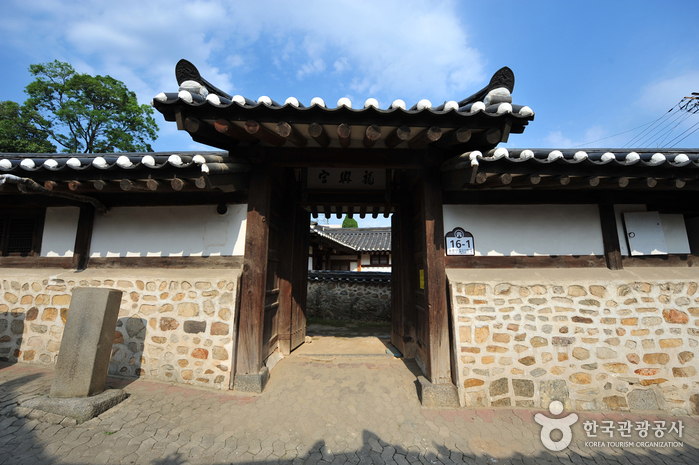
Yongheunggung Palace (용흥궁)
-
0
1
-
-
-
-
![]()
![]()
![]()
![]()
![]()
![]()
![]()
![]()
![]()
![]()
![]()
![]()
![]() 1 / 13
1 / 13Yongheunggung Palace is where King Cheoljong (r. 1849-1863) used to live before his ascension to the throne. The chief of Ganghwa County, Jeong Gi-se, rebuilt the original residence and named it Yongheunggung (meaning palace of the rising dragon) in the 4th year of King Cheoljong’s reign. Its architectural features include a paljak (traditional Korean half-hipped roof) and supporting columns rendered in Jusimpo style, the column brackets placed only on top of the columns. The palace was built in the tradition of dwelling houses such as the Yeongyeongdang and Nakseonjae houses in Changdeokgung Palace, so the palace buildings give off a simple and plain atmosphere. Within the precincts of the palace are a memorial stone and a monument house indicating that the palace used to be the old home of King Cheoljong.
What's nearby Here are some recommended destinations nearby! Attractions within 50 kilometers are arranged in the order of closest distance.Map Directions



Start a FREE Online Call
(No charges for calls on Wi-Fi /
Data charges may apply)

Open 1330 Helpline Chat(Download not required)