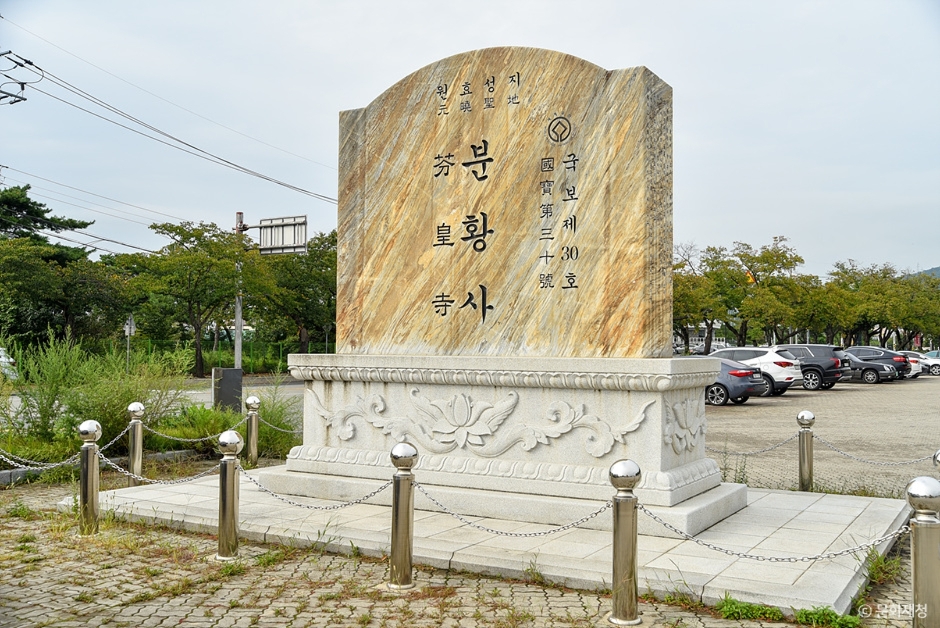
Bunhwangsa Temple (분황사)
|
||||||||||||||||||||||||||||||||||||||||||||||||||||||||||||
|
||||||||||||||||||||||||||||||||||||||||||||||||||||||||||||
|
| ||||||||||||||||||||||||||||||||||||||||||||||||||||||||||||
| Introduction | ||||||||||||||||||||||||||||||||||||||||||||||||||||||||||||
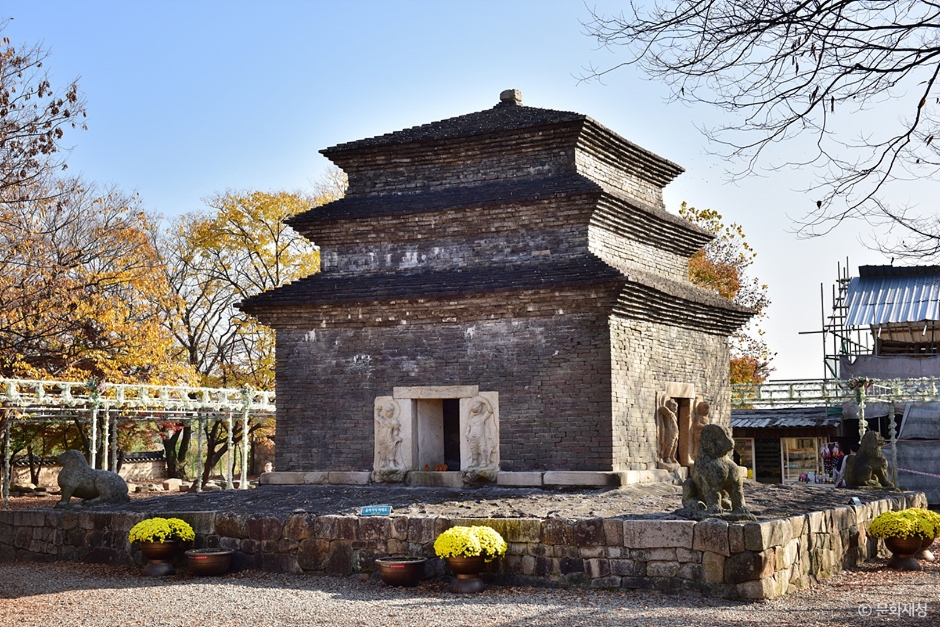
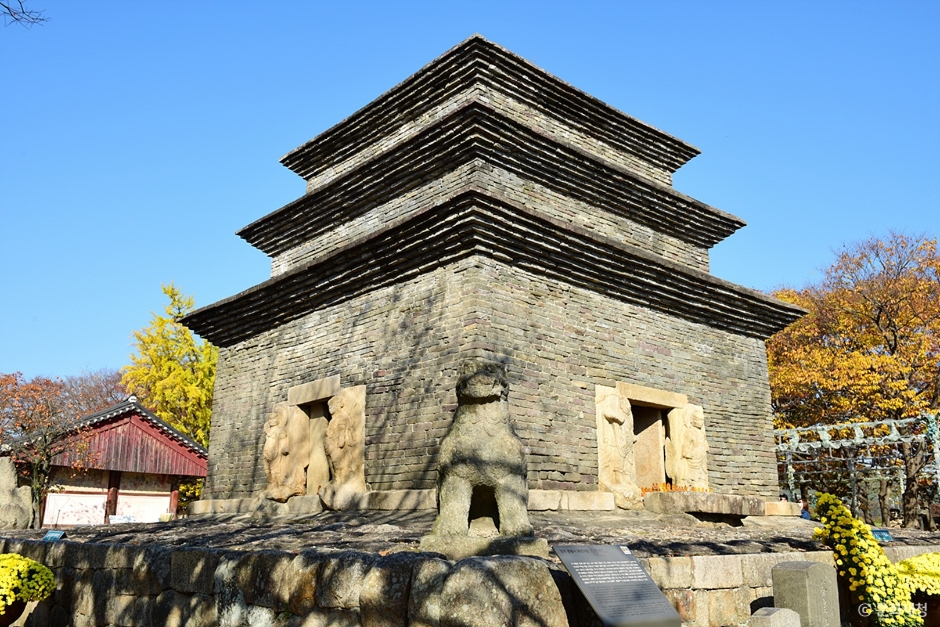
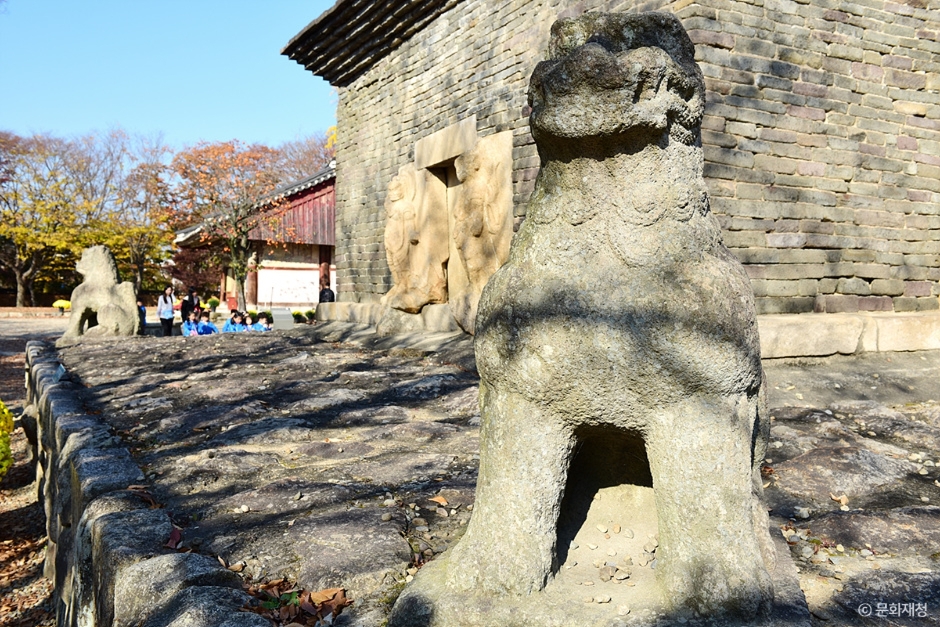
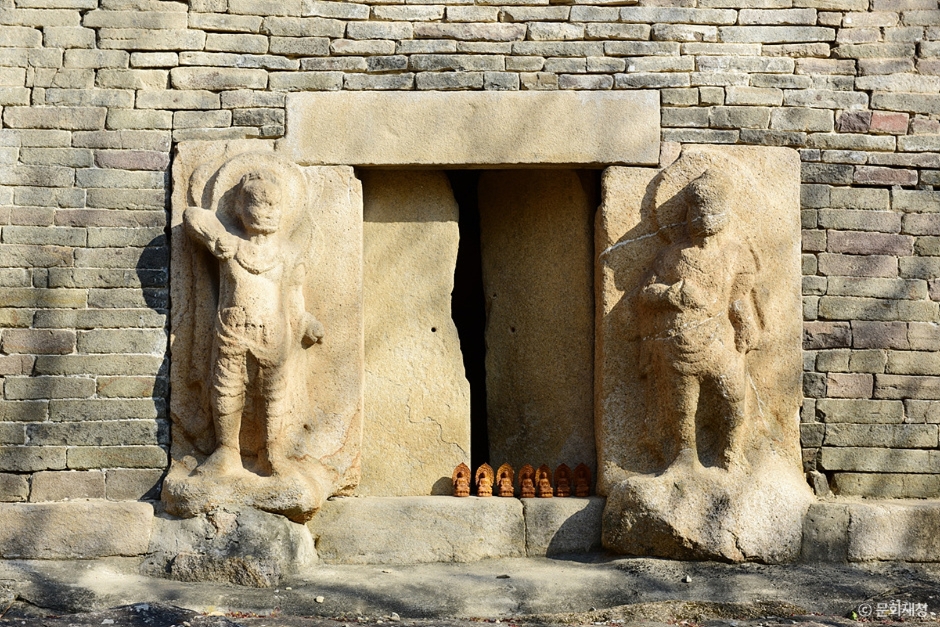
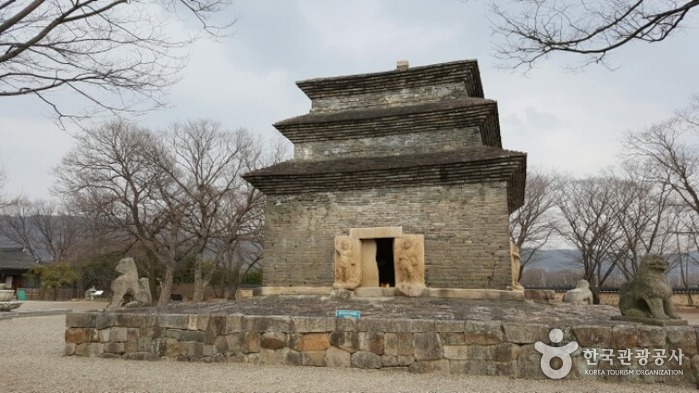
| Bunhwangsa Temple was built during the year 634 and the third year of Queen Seondeok's rule, the 27th ruler of the Silla Dynasty. Prominent Buddhist priests Wonhyo and Jajang have resided at the temple. As the temple has a long history, it once held many historical relics but most of them have been lost due to the Mongolian invasion and the Japanese invasion of Korea in 1592. The remaining relics are Mojeon Stone Tower, Hwajaengguksabibu (A memorial stone placed in memory of Wonhyo, a renown Buddhist priest from the Silla Dynasty), Samnyongbyeoneojeong (A well in which the three dragons that protected Silla were believed to reside), and Danggan Pillars. Mojeon Stone Tower, the 30th National Treasure reaching a height of 9.3 meters, was built using bricks carved from andesite rocks. While the tower is presumed to be originally a 7-9 story structure, only 3 stories remain today. Danggan Pillars, two stone pillars that stand 3.6 meters high, are located at the entrance of Punhwangsa Temple. Danggan refers to flagpoles made of either wood, metal or stone that were used to hang flags which signified Buddhist festivals so that even people far away would be aware of them. The pillars are supported by stone turtles, a unique feature as most pillars do not possess such characteristics. There are also statues of Buddha displayed in the yard of Gyeongju National Museum. These statues were found in a well situated 30 meters north of the rear wall of Bunhwangsa Temple. |
||||||||||||||||||||||||||||||||||||||||||||||||||||||||||||
| Operating Hours | ||||||||||||||||||||||||||||||||||||||||||||||||||||||||||||
| Summer season 08:00-18:00 Winter seaon 08:00-17:00 |
||||||||||||||||||||||||||||||||||||||||||||||||||||||||||||
| Parking Facilities | ||||||||||||||||||||||||||||||||||||||||||||||||||||||||||||
| Available | ||||||||||||||||||||||||||||||||||||||||||||||||||||||||||||
| Admission Fees | ||||||||||||||||||||||||||||||||||||||||||||||||||||||||||||
| For cultural asset viewing only. Individuals Adults 1,300 won Teenagers 1,000 won Children 800 won Groups (30 or more) Adults 1,300 won Teenagers 900 won Children 700 won ※ Free admission Senior citizens (ages 65 and over) People with disabilities People of national merit Buddhist monks and their companions Devotees with certificates |
||||||||||||||||||||||||||||||||||||||||||||||||||||||||||||
| Restrooms | ||||||||||||||||||||||||||||||||||||||||||||||||||||||||||||
| Available | ||||||||||||||||||||||||||||||||||||||||||||||||||||||||||||
| Facilities for the Handicapped | ||||||||||||||||||||||||||||||||||||||||||||||||||||||||||||
| Restrooms | ||||||||||||||||||||||||||||||||||||||||||||||||||||||||||||
| Korean Info. Service | ||||||||||||||||||||||||||||||||||||||||||||||||||||||||||||
| Tour guide service (Contact Gyeongju City Hall) | ||||||||||||||||||||||||||||||||||||||||||||||||||||||||||||
| Interpretation Services Offered | ||||||||||||||||||||||||||||||||||||||||||||||||||||||||||||
| Tour guide service (Contact Gyeongju City Hall) | ||||||||||||||||||||||||||||||||||||||||||||||||||||||||||||
| Directions | ||||||||||||||||||||||||||||||||||||||||||||||||||||||||||||
| Take a train to Gyeongju Train Station. Take Bus 10 headed for Gampo (감포) in Yangnam (양남) direction. Get off at Bunhwangsa Temple, and walk to Bunhwangsa Temple. |
||||||||||||||||||||||||||||||||||||||||||||||||||||||||||||
|
||||||||||||||||||||||||||||||||||||||||||||||||||||||||||||