- Log in
-
- Sydney Overseas Office
- London Overseas Office
- Toronto Overseas Office
- New York Overseas Office
- Ulaanbaatar Overseas Office
- Dubai Overseas Office
- New Delhi Overseas Office
- Manila Overseas Office
- Jakarta Overseas Office
- Hanoi Overseas Office
- Kuala Lumpur Overseas Office
- Singapore Overseas Office
- Bangkok Overseas Office
- Americas
- Map
- Sydney Overseas Office
- London Overseas Office
- Toronto Overseas Office
- New York Overseas Office
- Ulaanbaatar Overseas Office
- Dubai Overseas Office
- New Delhi Overseas Office
- Manila Overseas Office
- Jakarta Overseas Office
- Hanoi Overseas Office
- Kuala Lumpur Overseas Office
- Singapore Overseas Office
- Bangkok Overseas Office
- Americas
- HOME
- Where to Go
- Destinations
-
-
-
Bugaksan Mountain (북악산)
-
1
5
-
-
-
-
![]()
![]()
![]()
![]()
![]()
![]()
![]()
![]()
![]()
![]()
![]()
![]()
![]()
![]()
![]()
![]()
![]()
![]() 1 / 18
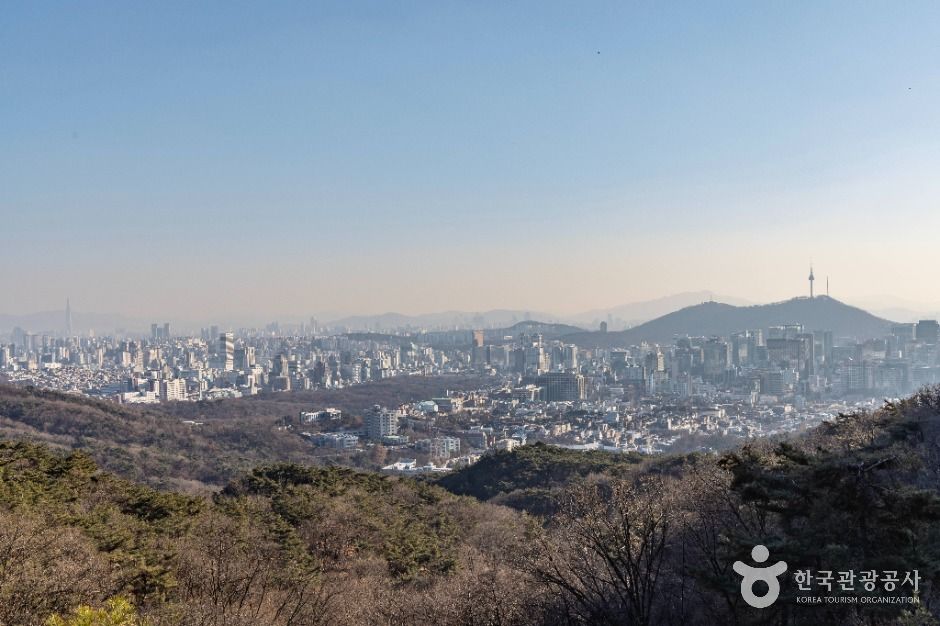
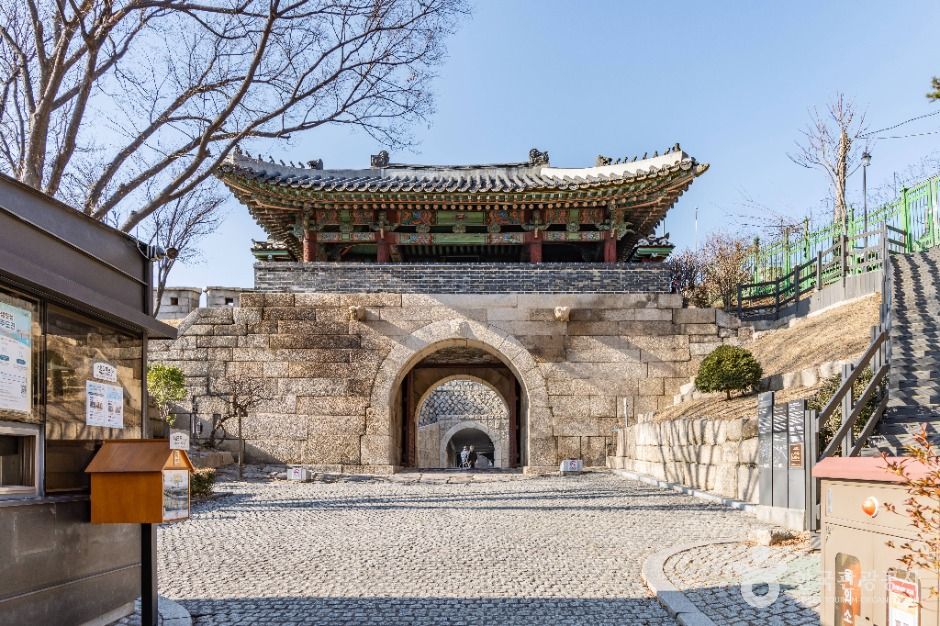
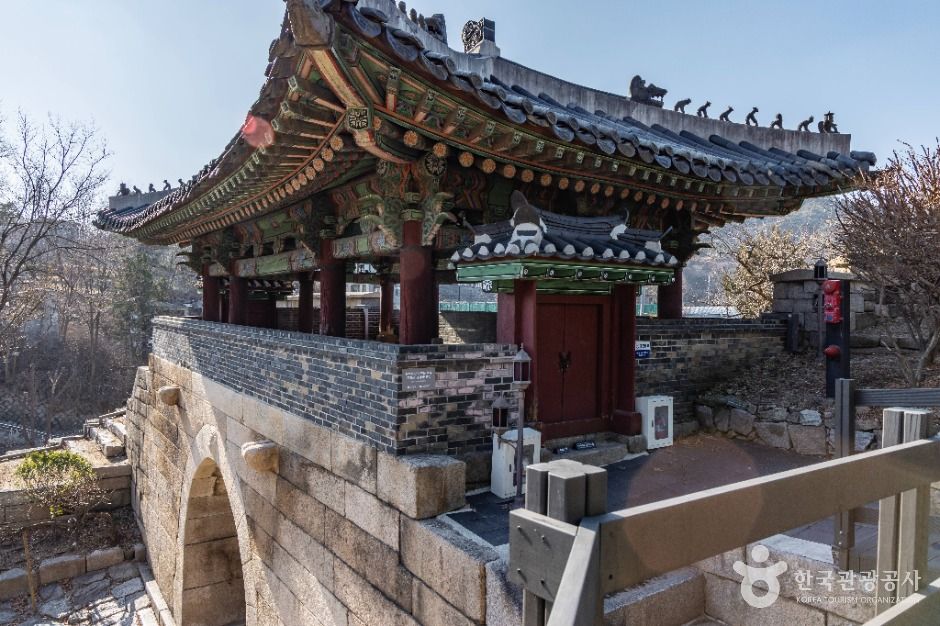
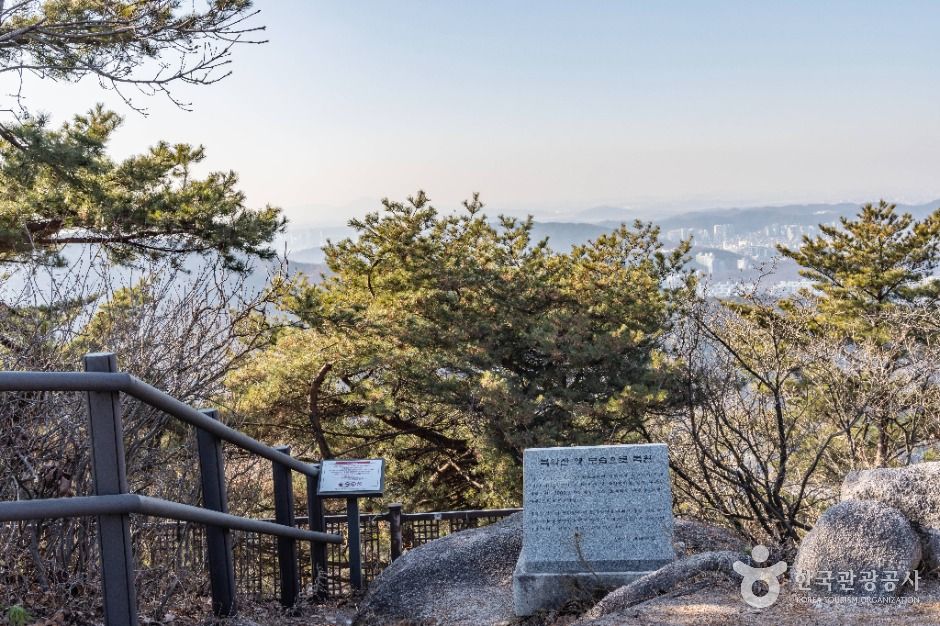
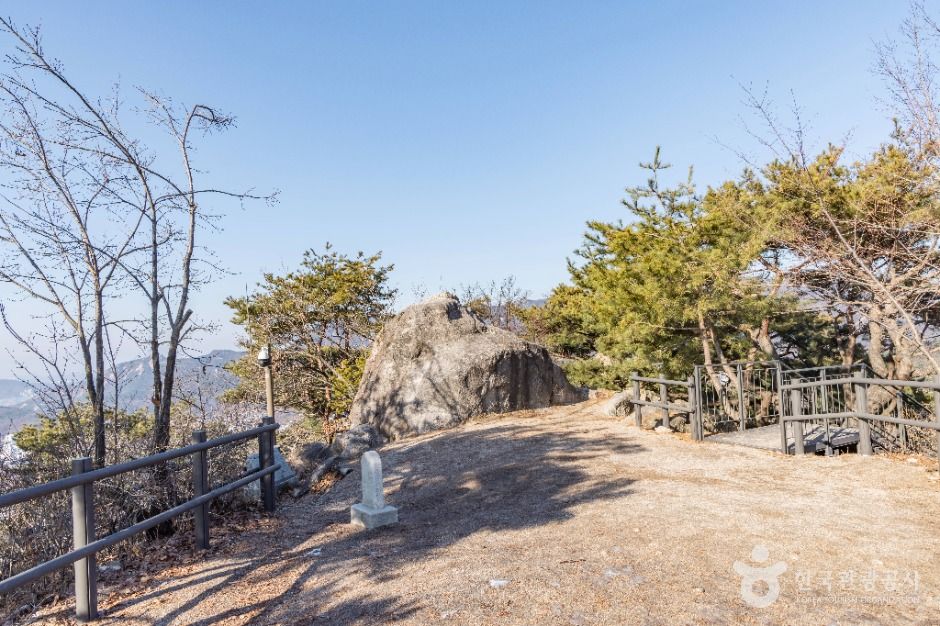
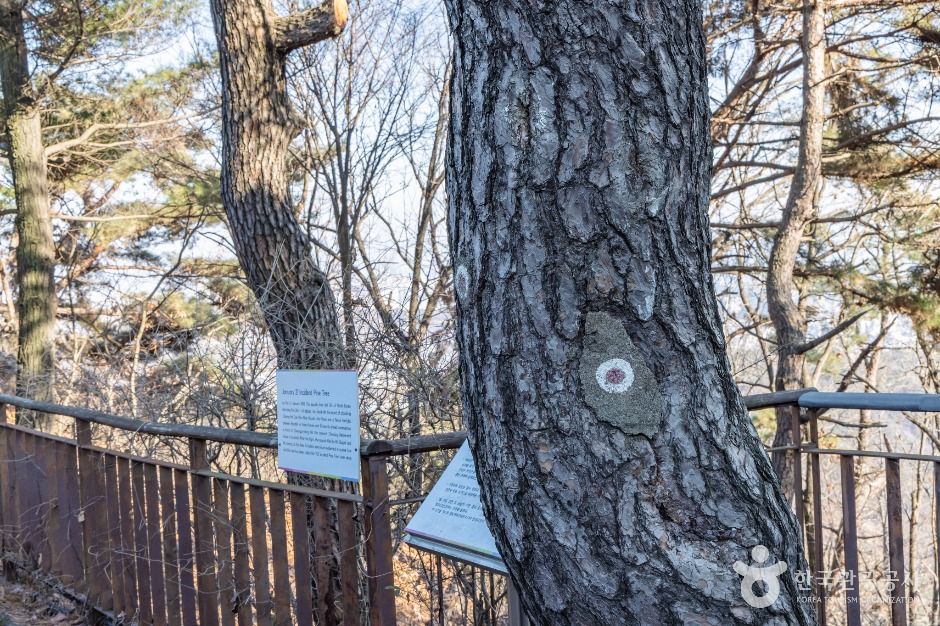
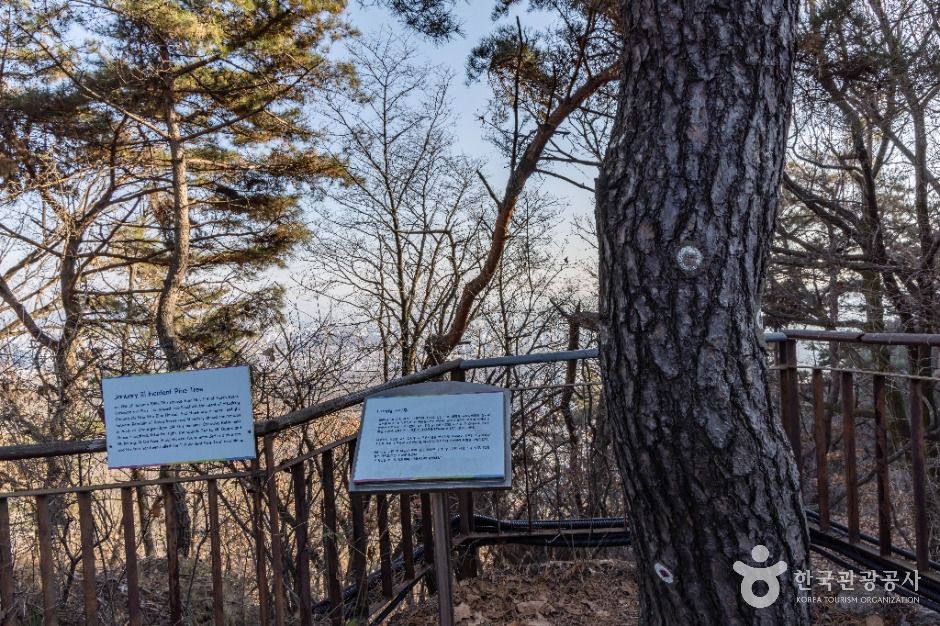
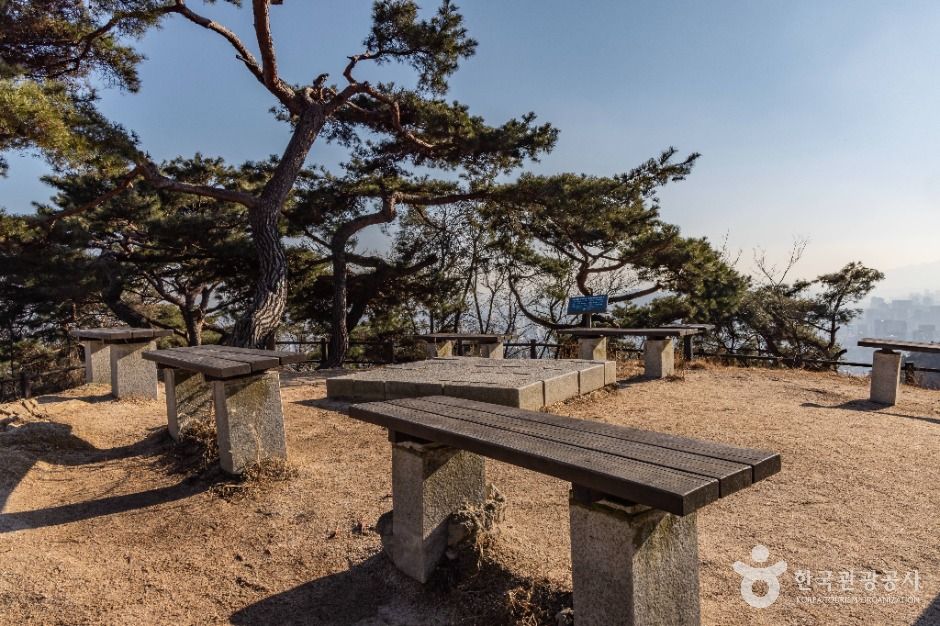
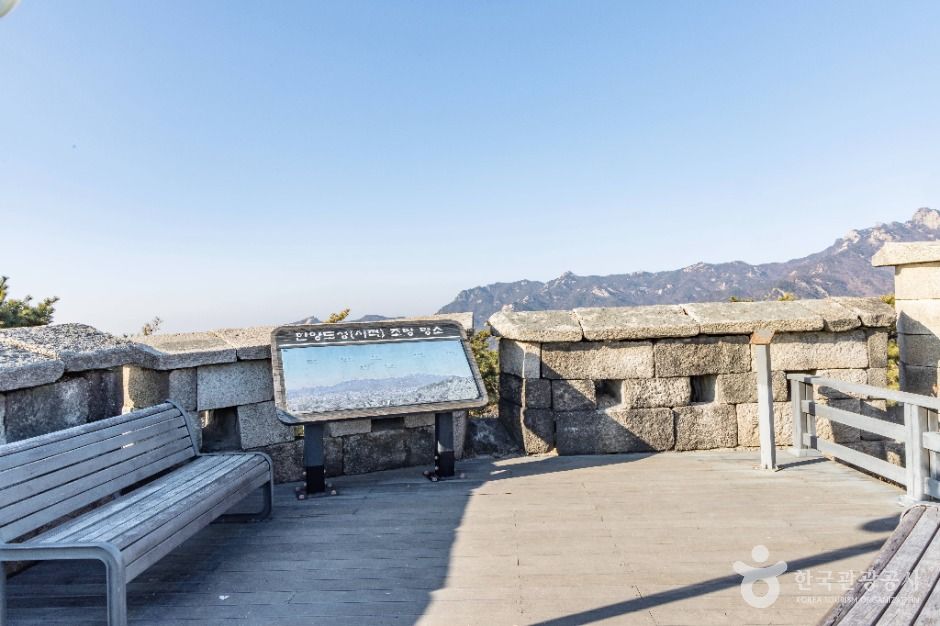
Bugaksan Mountain on the southern ridge of Bukhansan Mountain is the highest of the mountains surrounding the Seoul basin. This peak was the starting point of the old Seoul Fortress Wall. The Bugaksan Skyway, extending from Changuimun Gate, is a scenic road connecting Changuimun Gate to Bugak Palgakjeong Pavilion at the summit; it is a scenic drive offering excellent views of the dense forest and the Seoul cityscape at a glance. It is also connected to the Cheong Wa Dae and Samcheong Park. Historically, Bugaksan was a scenic area with a dense forest of pine trees where scholars of the Joseon dynasty frequently visited; however, due to subsequent logging, the pine trees have disappeared, and oak trees are now predominant.
During the reign of King Sukjong of Goryeo, the area in the foothills of Bugaksan was the site of the palace for Namgyeong, the southern capital, and was called Myeonak at the time. It is said that later, the mountain was also referred to as Baekaksan Mountain. The name Bugaksan was given during the Joseon dynasty because of it location to the north of Hanyang, the capital city. Upon the founding of the Joseon dynasty, it was praised by the monk Muhak as a sacred mountain imbued with the energy of the royal family, leading to the construction of the Joseon dynasty's palace beneath it and its designation as the capital. Gyeongbokgung Palace was constructed at the base of Bugaksan Mountain in 1394.What's nearby Here are some recommended destinations nearby! Attractions within 50 kilometers are arranged in the order of closest distance.Map Directions









Start a FREE Online Call
(No charges for calls on Wi-Fi /
Data charges may apply)

Open 1330 Helpline Chat(Download not required)