


-
TRADITIONAL MARKETS
TRADITIONAL MARKETS
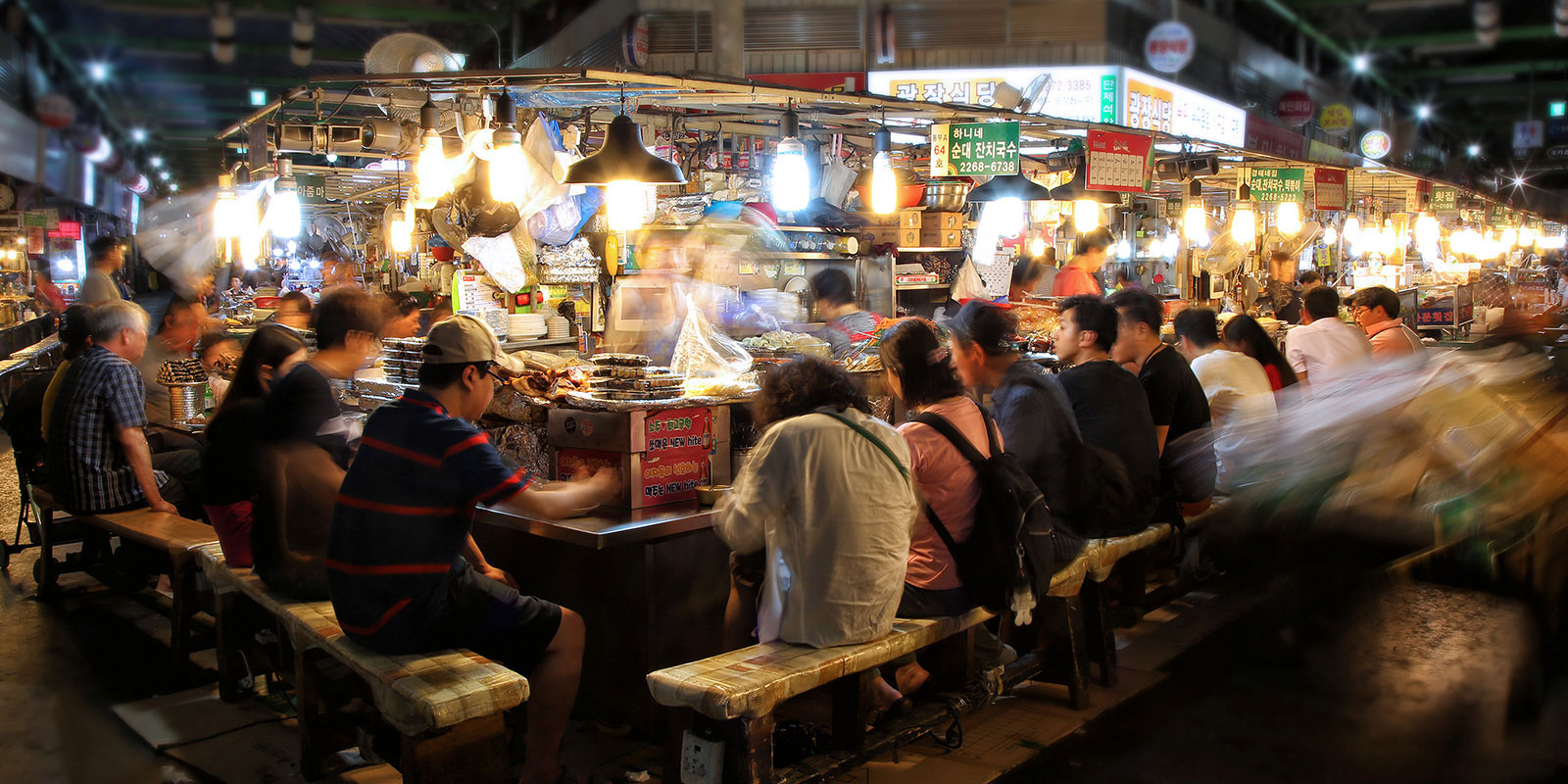
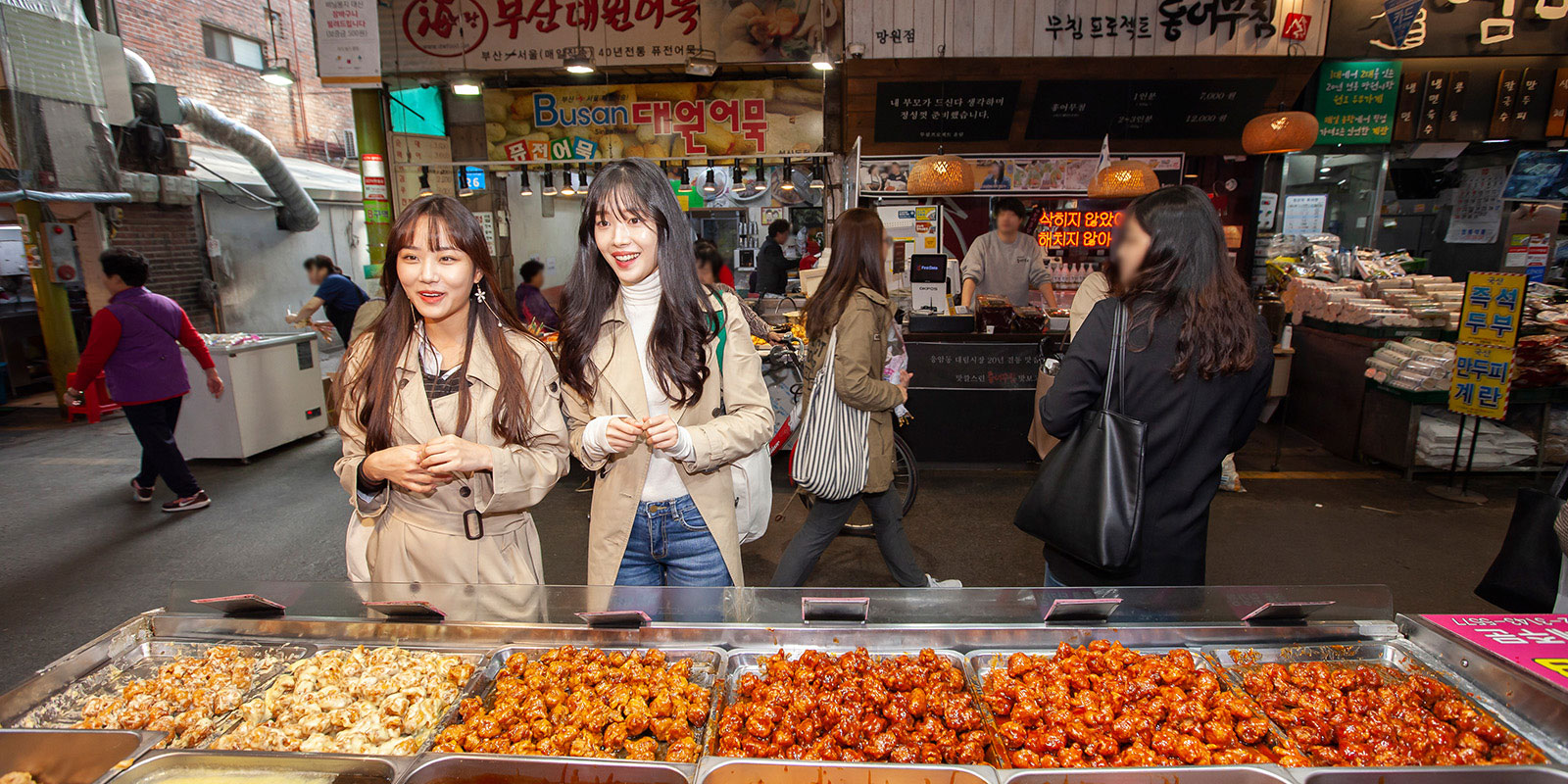
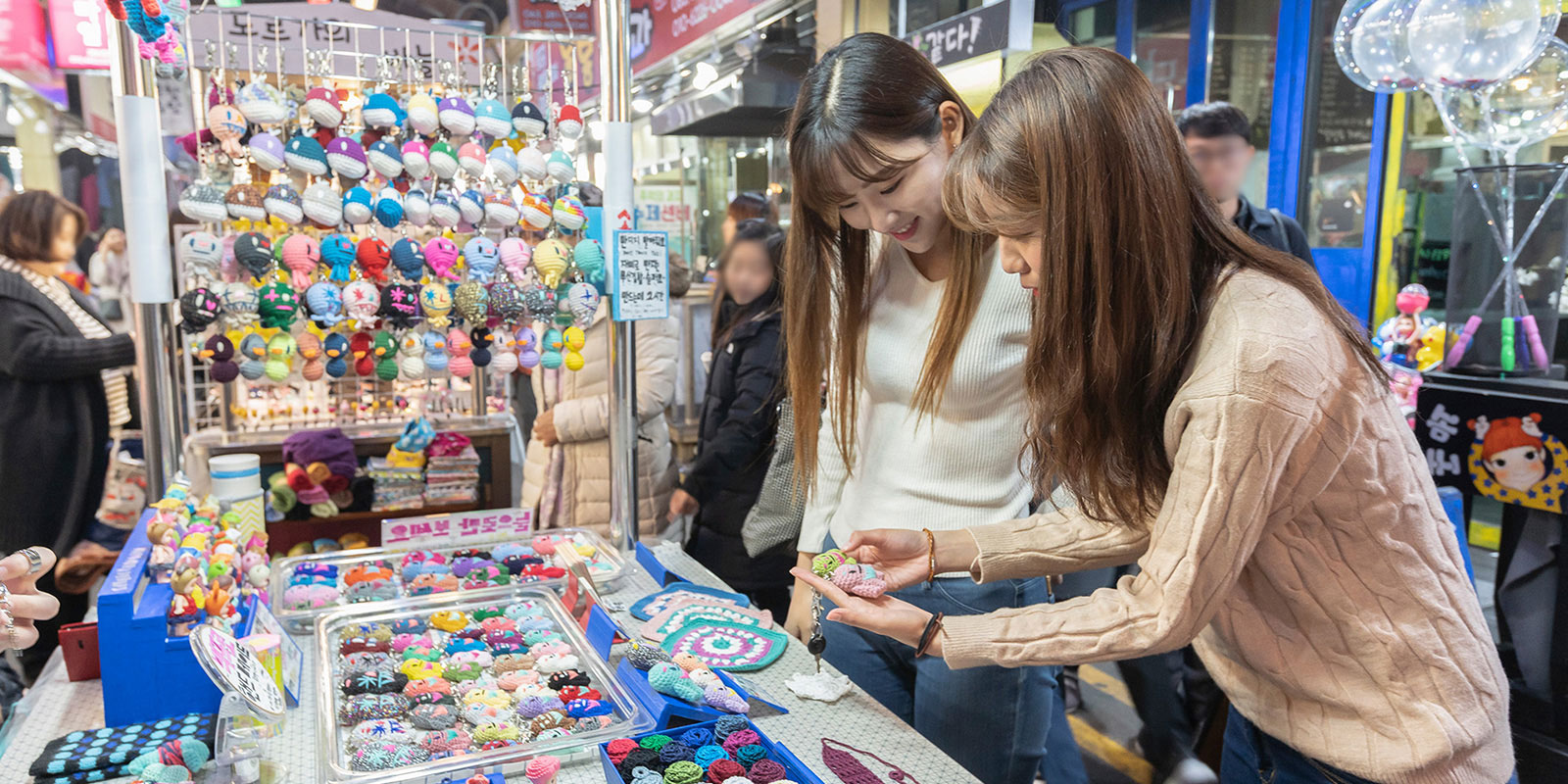
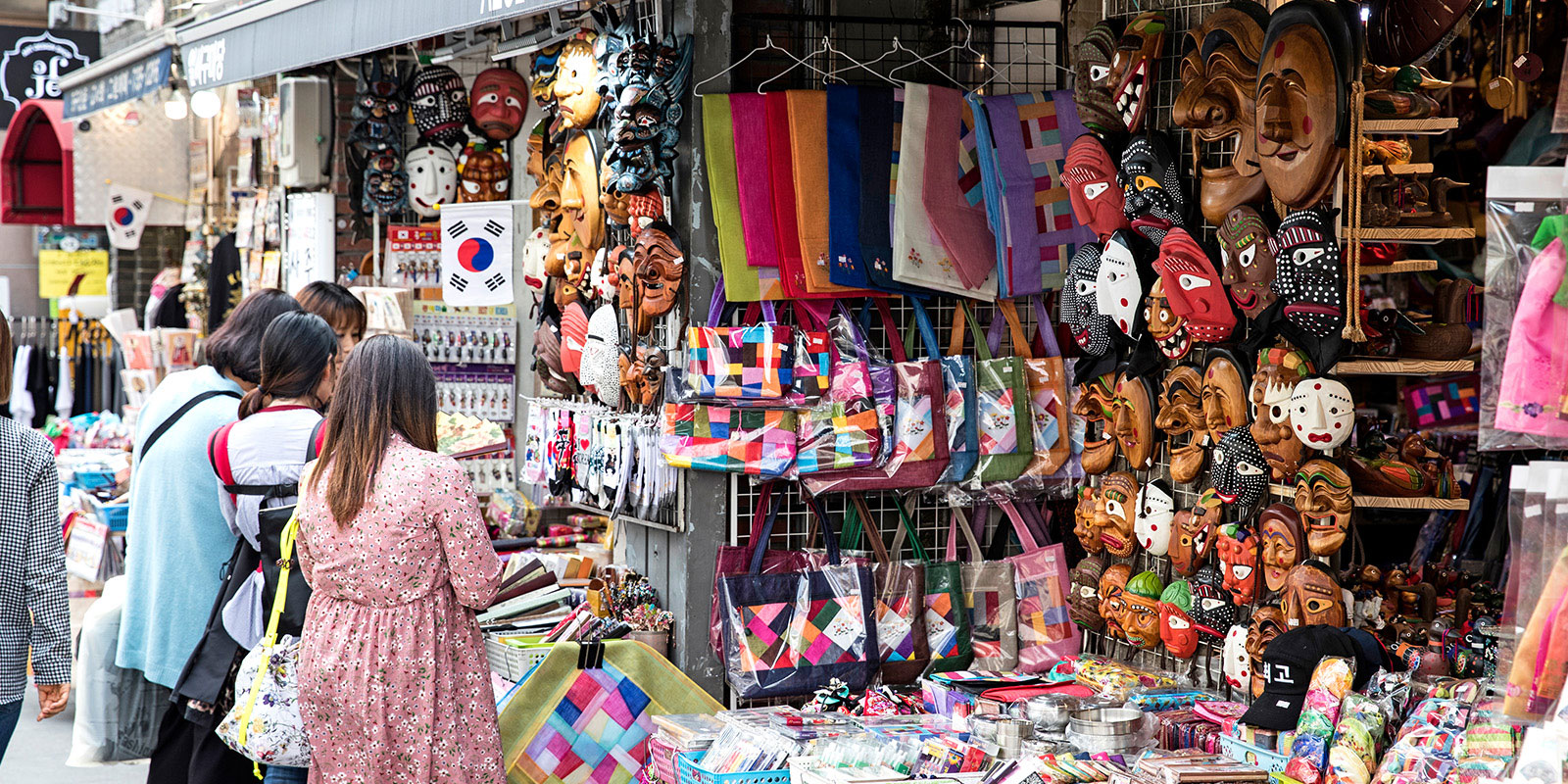
In almost all communities across Korea, there are traditional markets with long histories and customs. Namdaemun Market, which has existed throughout Seoul’s 600 years, sells all types of products, including food such as dried seaweed and ginseng, as well as handcrafted goods and traditional souvenirs. Gwangjang Market is another traditional market in Seoul most famous for its snacks and food, but it also offers a wide selection of food ingredients, hanbok (traditional Korean clothing), and imported second-hand goods. Couples also visit the market to shop for various traditional wedding items. Also in Seoul, Dongmyo Market has been emerging as a hot spot amid fashionistas flocking to its endless rows of very affordable second-hand clothing.
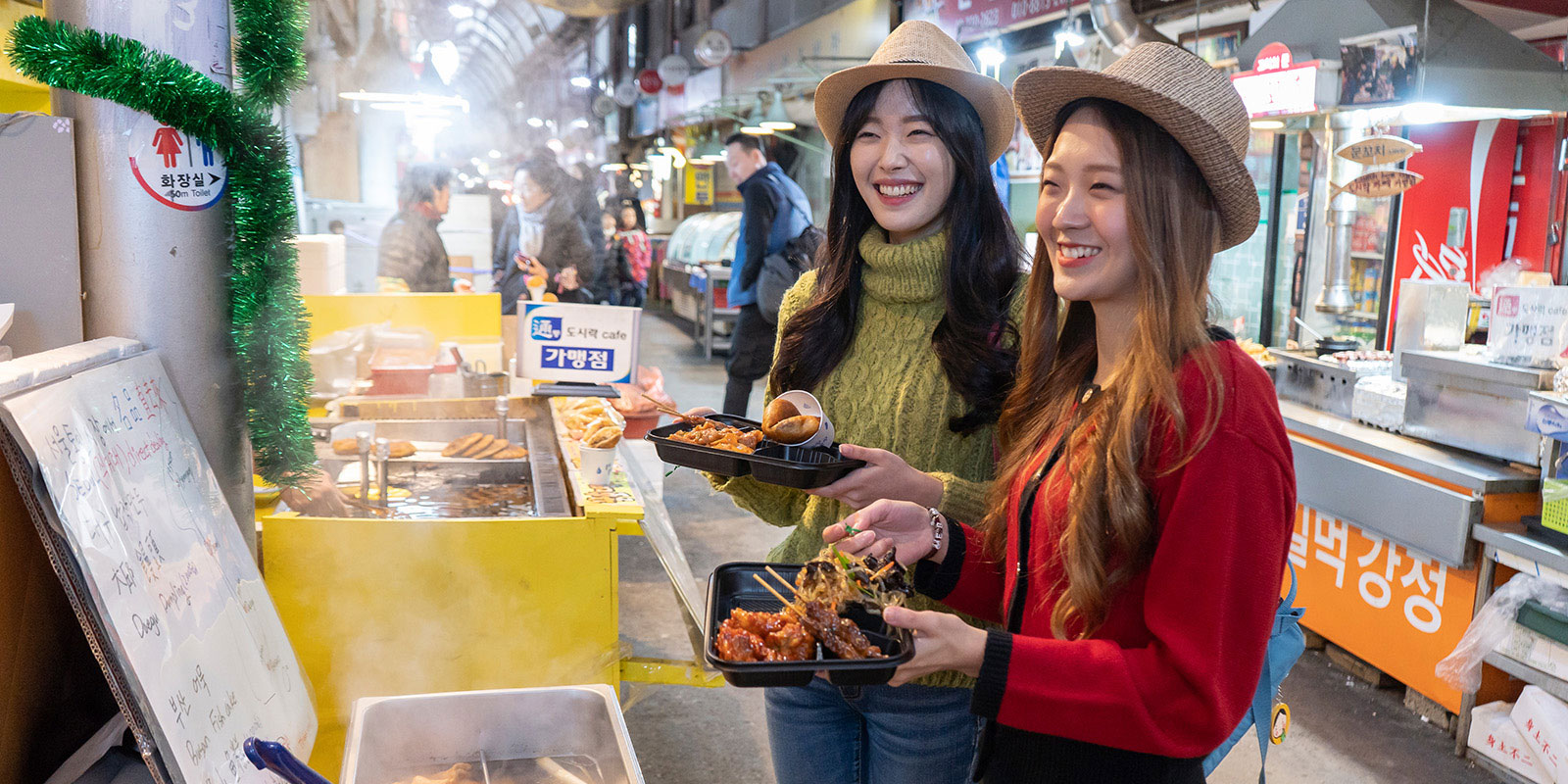
In Gyeonggi-do, Suwon Nammun Market shares the history of the Hwaseong Fortress, a UNESCO World Heritage site, and Moran Traditional Market, a 5-day market (opened every 5 days), garnered some attention when the famed 3-Michelin-starred chef Pierre Gagnaire visited to source rare ingredients. Down in Busan, the iconic Gukje Market came into being as refugees flocked to the area in the aftermath of the Korean War (1950–1953). Near Gukje Market is Bupyeong Kkangtong Market, which is famous for its food stalls offering an array of local delicacies and snacks at night. Lastly, Jeju Island is home to the Seogwipo Maeil Olle Market and Jeju Dongmun Traditional Market. They offer various local Jeju products and snacks, including Jeju-grown citrus fruits, which some merchants sell as juice, and pork from local black pigs, which are often sold as black pork skewers.
-
MEGA SHOPPING MALLS
MEGA SHOPPING MALLS
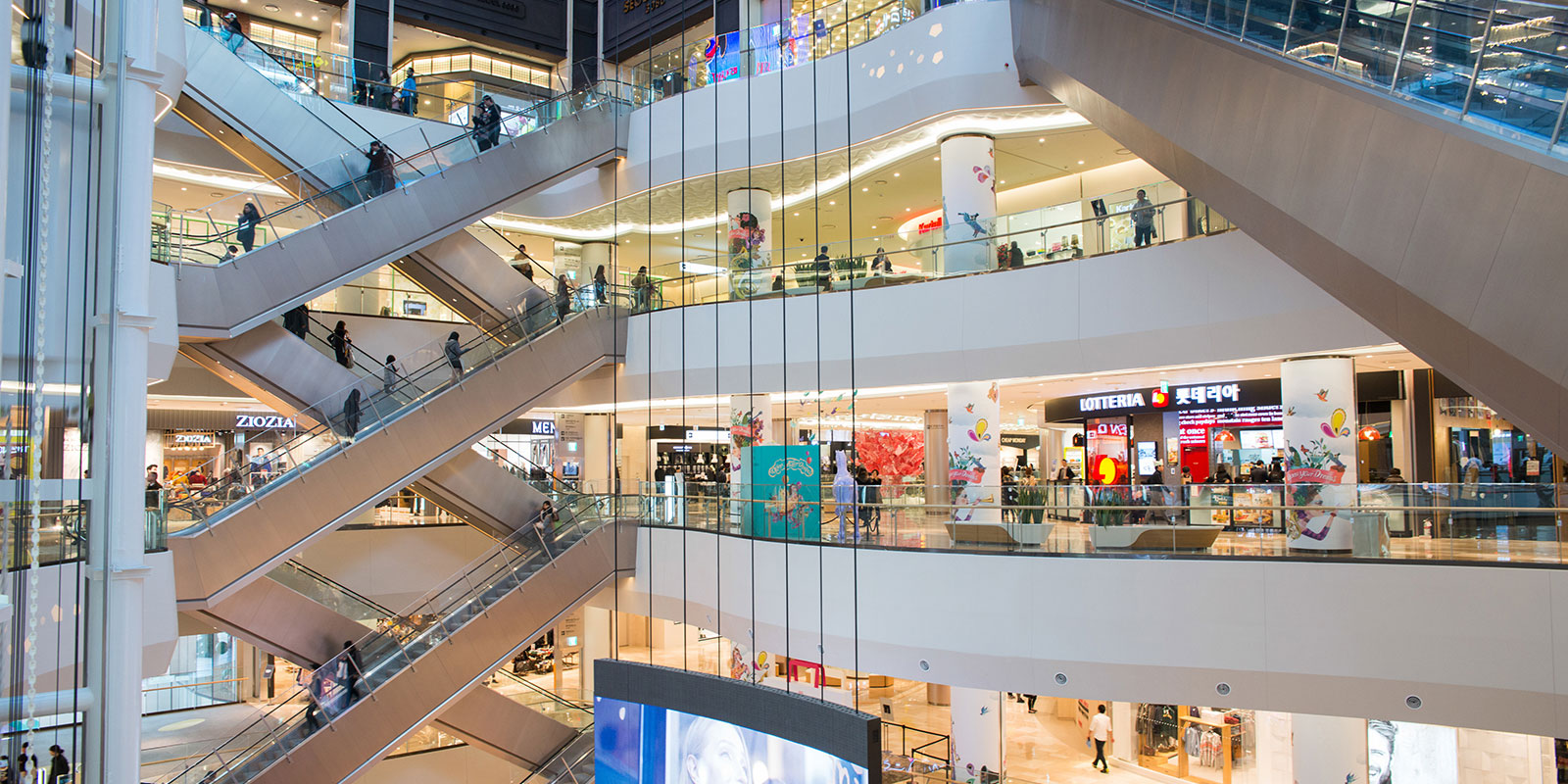
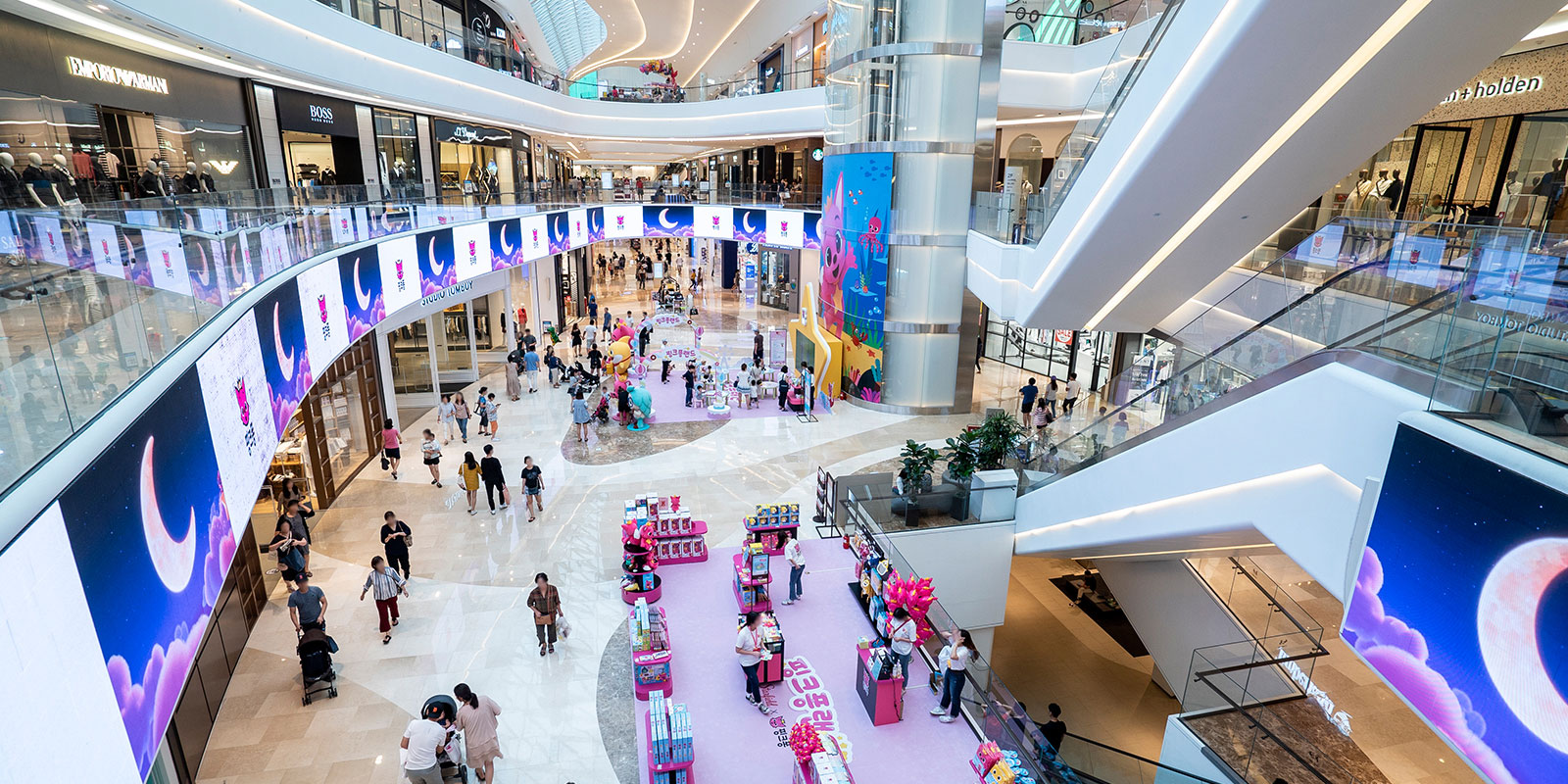
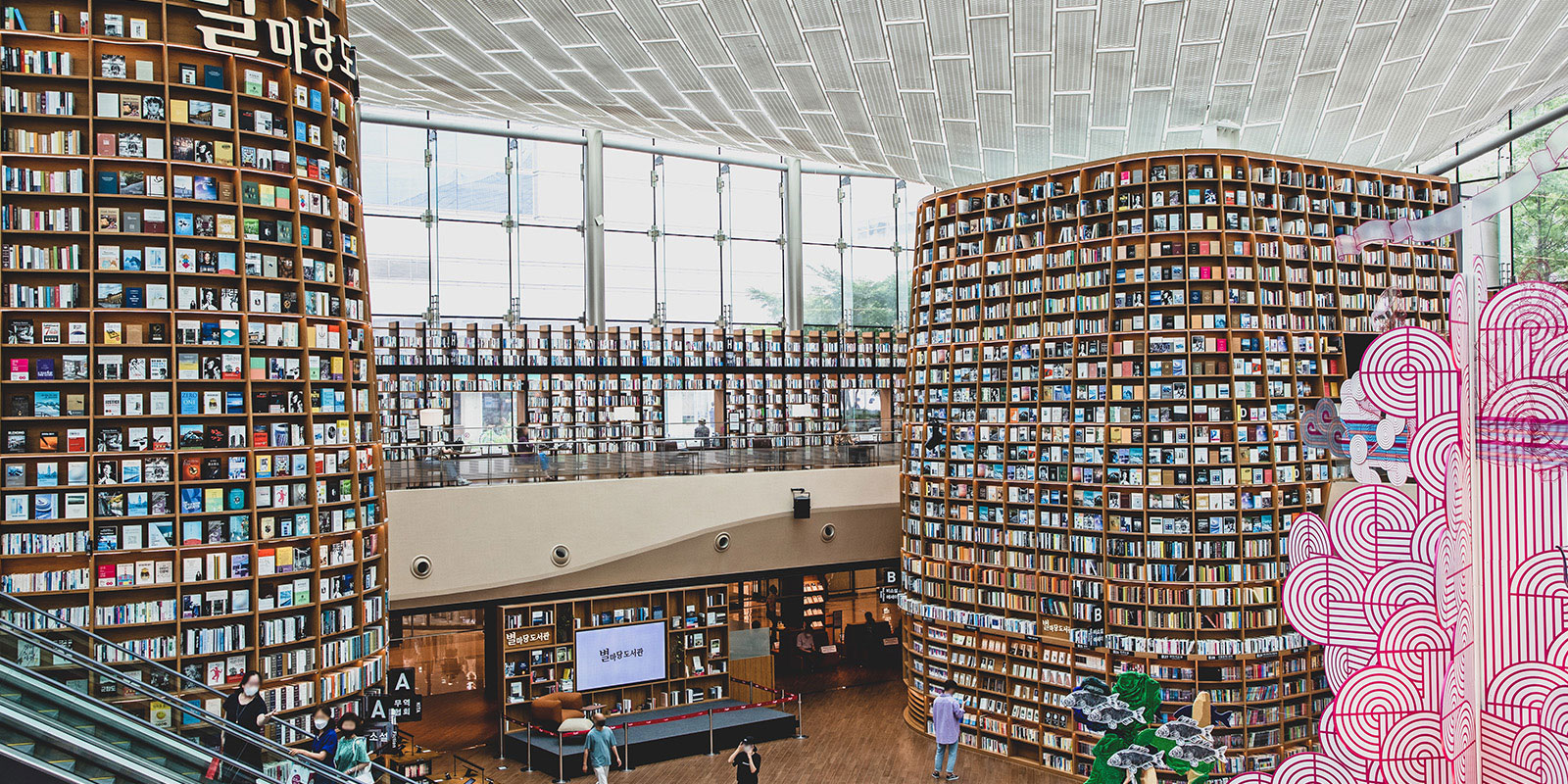
Major shopping centers in Korea offer a great selection of retail stores as well as food courts and restaurants, entertainment, and even relaxation (such as spas) in a gigantic indoor space. Conveniently, most shopping centers are connected to high-end hotels, convention centers, and subway stations. Dongdaemun Fashion Town in Seoul is by far the most famous shopping area, catering to both retail and wholesale customers 24/7. Meanwhile, Starfield Hanam boasts a sprawling space that is over 70 times the size of a typical soccer stadium and features an endless array of stores and amenities, from luxury brands to home decor shops and celebrity chef-owned restaurants. At Coex Mall in Seoul, travelers can satisfy all their business and shopping needs in a single destination as it is connected to a convention center, World Trade Center Seoul, hotels, dutyfree shops, casinos, the city airport terminal, and office service facilities. Lotte World Mall in Seoul, housed in the 123-story Lotte World Tower, also offers numerous facilities, including an aquarium, a concert hall, and the Seoul Sky Observatory. Listed as the “largest department store” in the Guinness World Book of Records in 2009, Shinsegae Centum City in Busan features an ice rink, a spa, a theme park for children and much more in addition to its various retail stores.
-
SHOPPING DISTRICTS
SHOPPING DISTRICTS
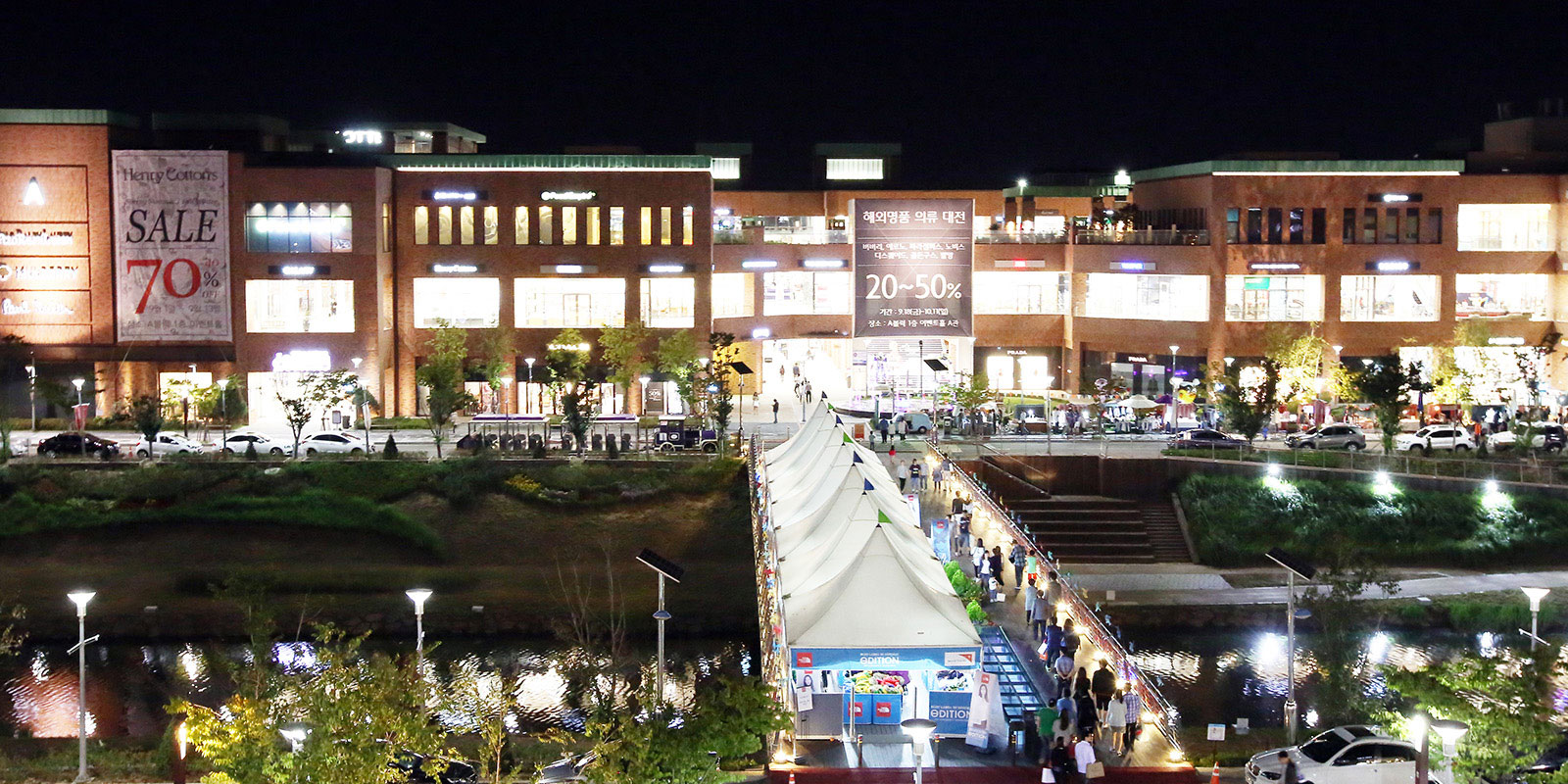
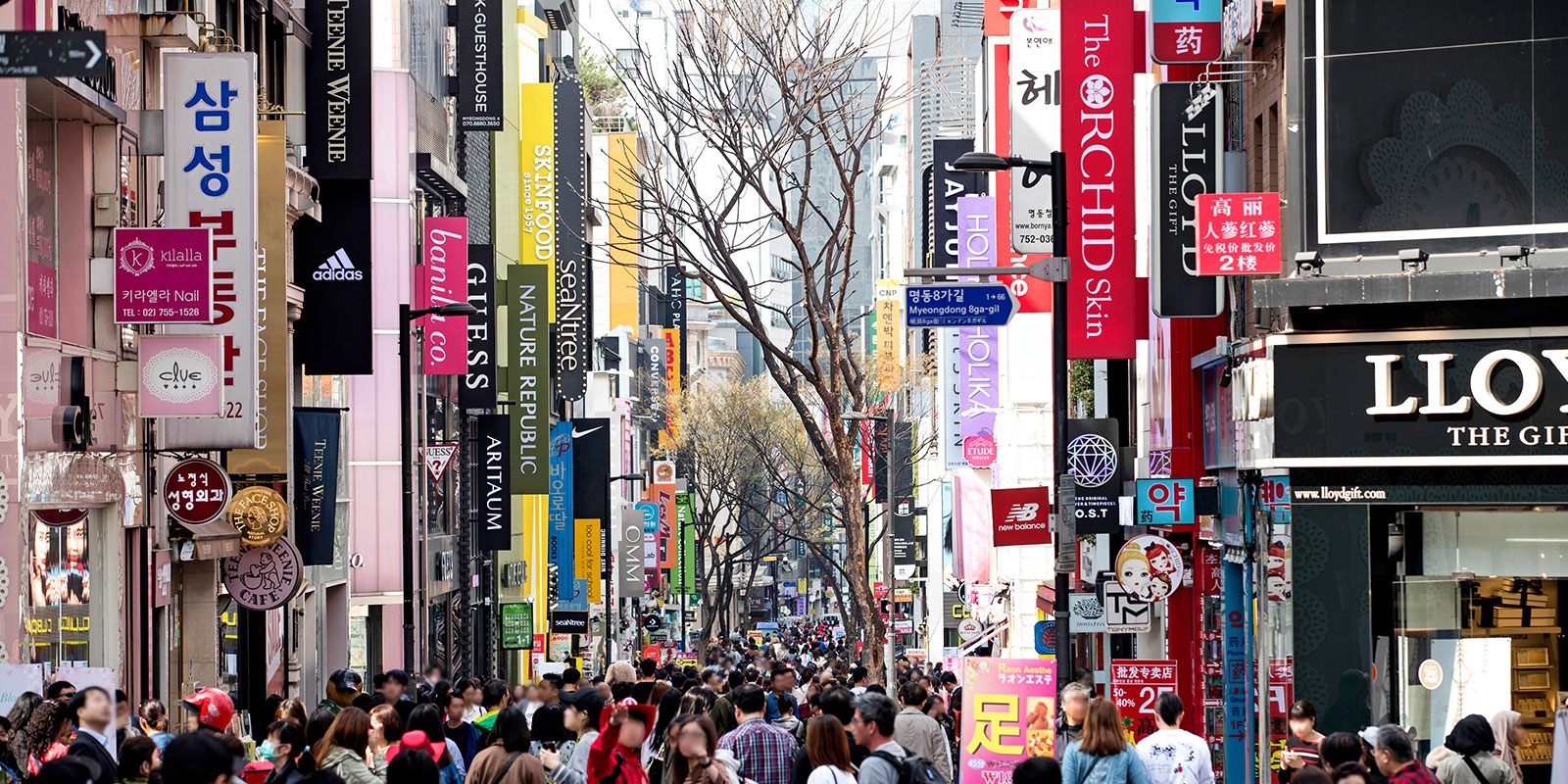
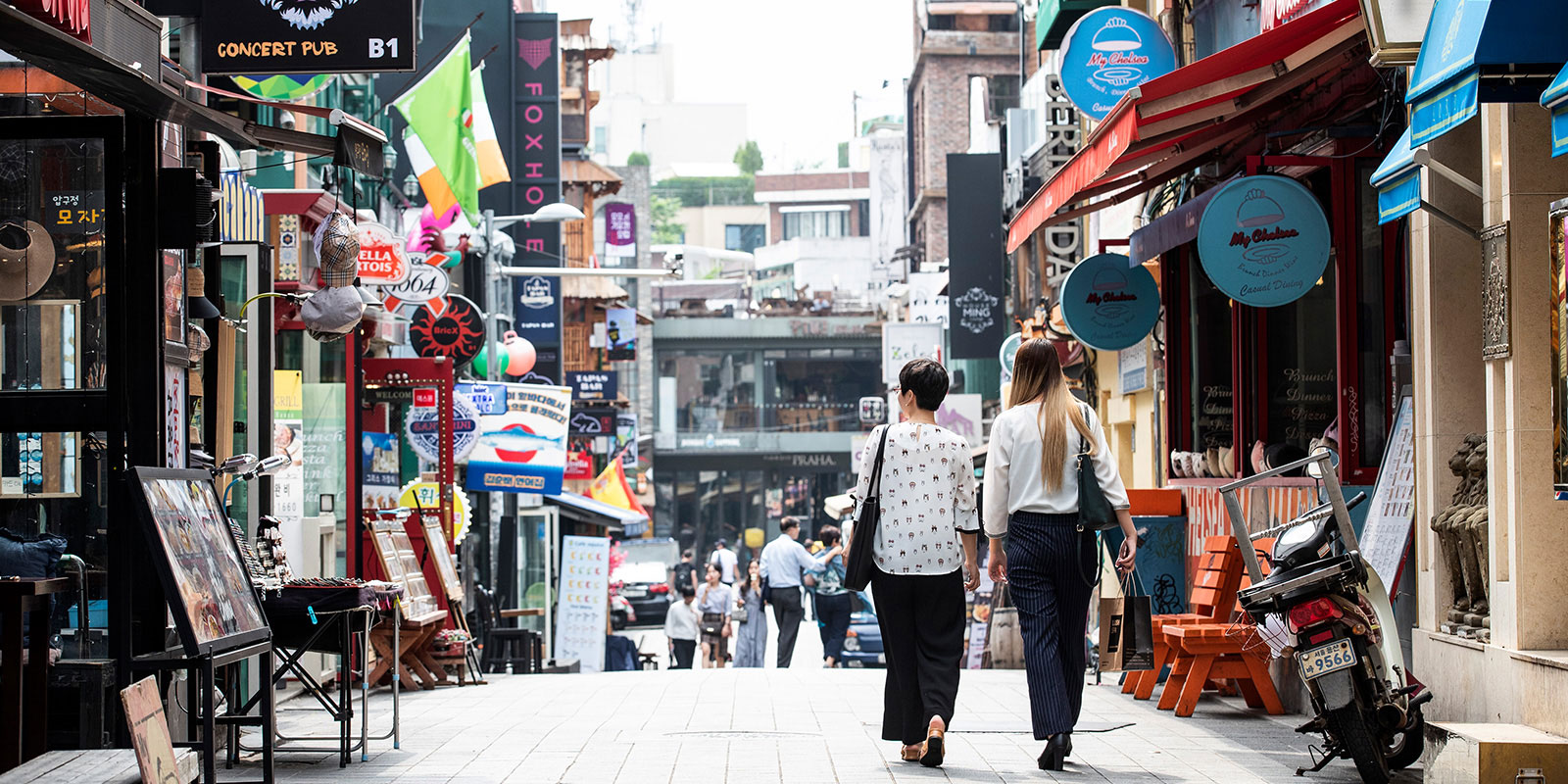
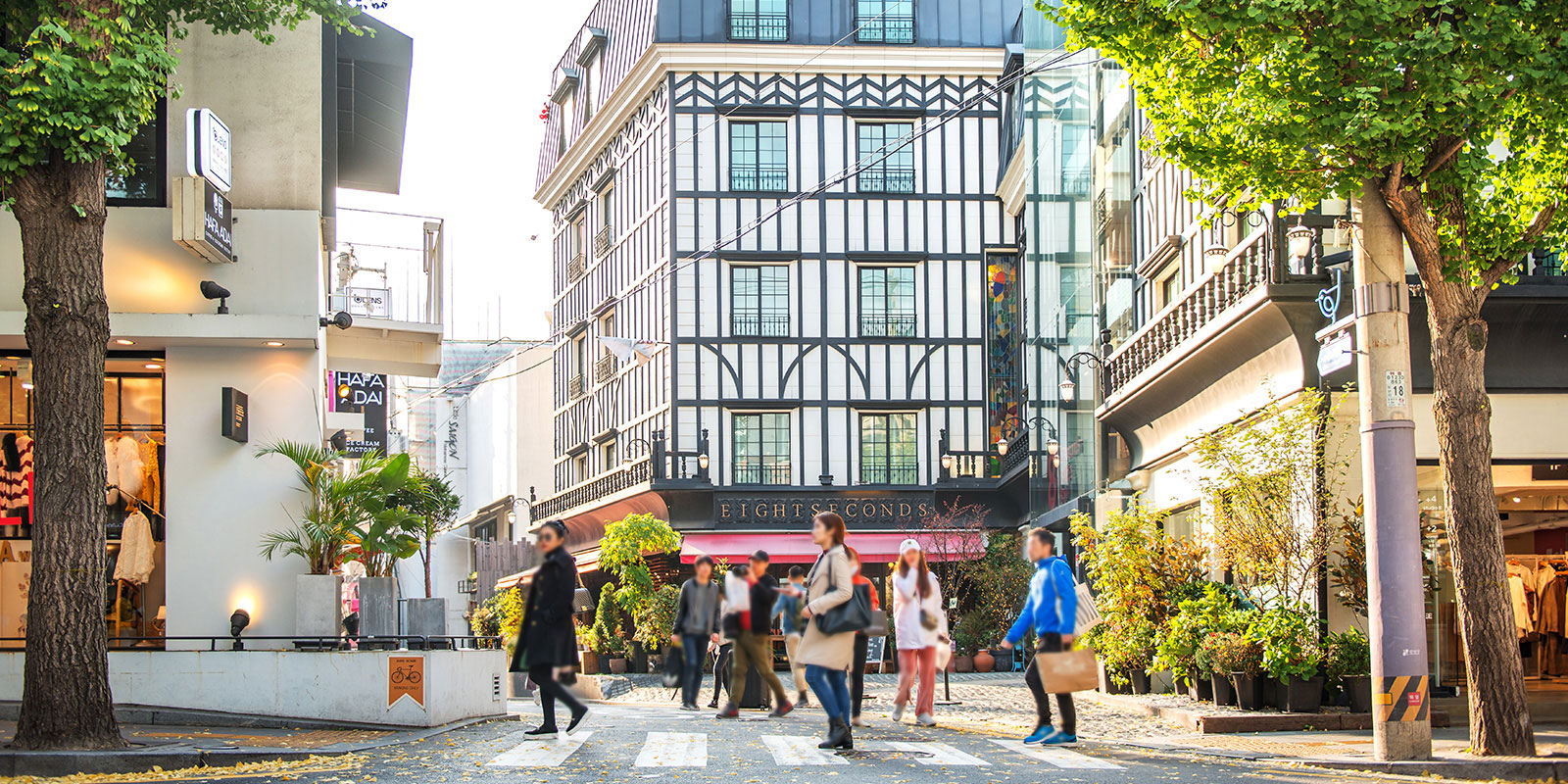
Shopping districts are also popular in Korea. Myeong-dong, perhaps the most famous shopping districts in Seoul, is especially known for local cosmetic shops and clothing stores with unique and affordable options lining alley after alley. For the latest fashion trends, head over to the Cheongdam-dong Luxury Street filled with luxury brands from around the world; Garosu-gil in Sinsa-dong, the fashion capital of Seoul’s trendsetters; or Itaewon, which boasts numerous establishments catering to international visitors with leather goods, and oversized and vintage clothing. Insa-dong, famous for its antique shops, is a great place to shop for traditional craft goods and souvenirs while the Hongik University Area (Hongdae), at the forefront of Korea’s young street culture, is home to the best and latest trends as well as Kakao Friends and Line Friends Shops.